Traditional Villages in Sri Lanka Worth Visiting
Introduction
A lot of people go to Sri Lanka dreaming of the beaches first, honestly. The beaches are beautiful. Then come the tea hills, train rides, waterfalls, all the things that keep showing up on Instagram reels every five minutes. But after a while, something else starts standing out more quietly. The villages that are not the polished touristy places with matching signs and cafés selling overpriced smoothies. The kind where somebody’s radio is playing in the distance at 6 in the morning, dogs bark at random scooters for absolutely no reason, and smoke from woodfire kitchens slowly drifts through the air before breakfast.
Exploring Sri Lanka villages doesn’t really feel like “tourism” in the normal sense. It feels more like accidentally wandering into somebody’s everyday life. You sit somewhere for tea and suddenly an hour disappears because someone’s grandfather started telling stories you barely even understand properly but still enjoy listening to. And, people slow down there without trying. Lunch becomes longer. Walks become slower. Phones stop mattering as much. For travelers booking cultural experiences through International Packages, village life honestly shows a side of Sri Lanka that resorts usually cannot.
Why Sri Lankan Villages Feel Different
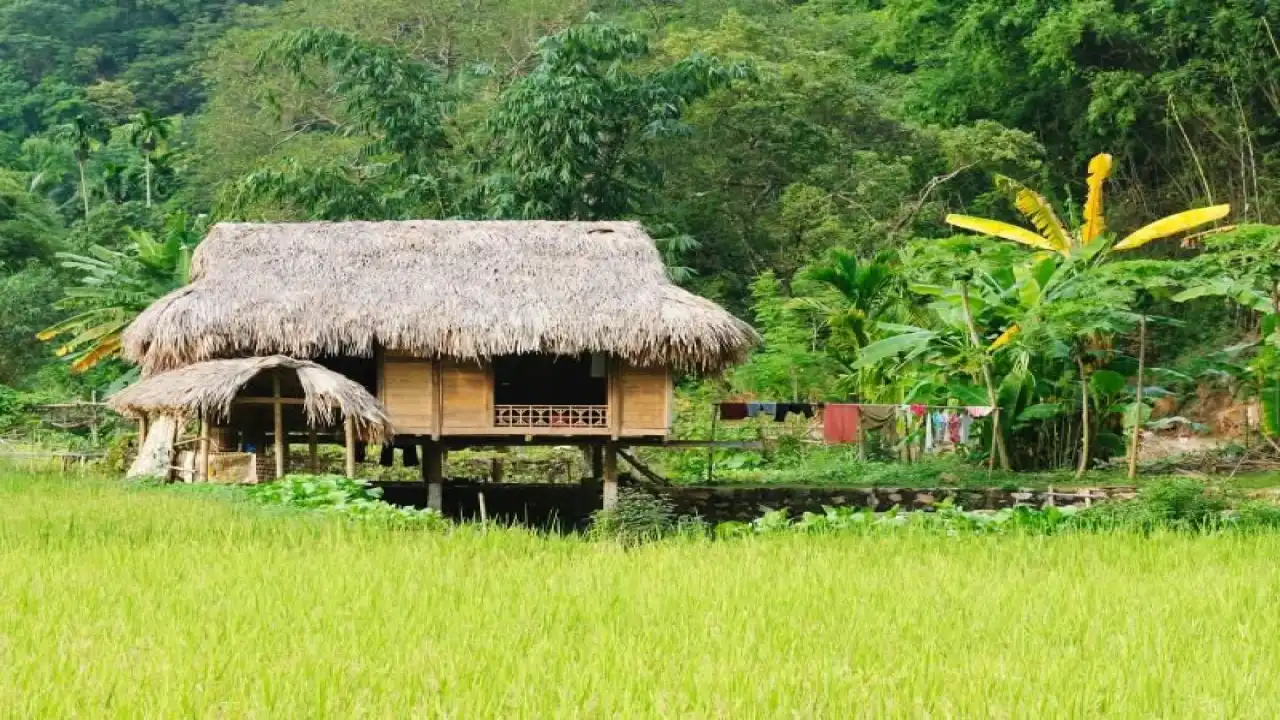
Sri Lanka’s villages still hold onto old ways of living that many places lost years ago. Families here have survived for generations through farming, fishing, weaving, spice growing, little roadside shops, things like that. And even now, despite tourism growing everywhere, many villages still move at their own pace.
You notice small things first. Farmers standing barefoot in muddy rice fields, talking casually like they’ve got the whole day ahead of them. Children riding old bicycles home from school. Grandmothers drying chilies outside on cloth sheets under the sun. Somebody always seems to be making tea somewhere. That’s probably why villages stay in people’s memories longer than fancy hotels sometimes. They feel lived in.
Things travelers often notice:
- Cooking done over woodfire
- Handmade baskets and crafts
- Buddhist rituals at small temples
- Rice farming and fishing traditions
- Ayurvedic plants growing outside homes
- Homemade curries that taste way better than restaurant versions somehow
And honestly, nothing feels rushed there. That alone feels refreshing now.
1. Hiriwadunna Village
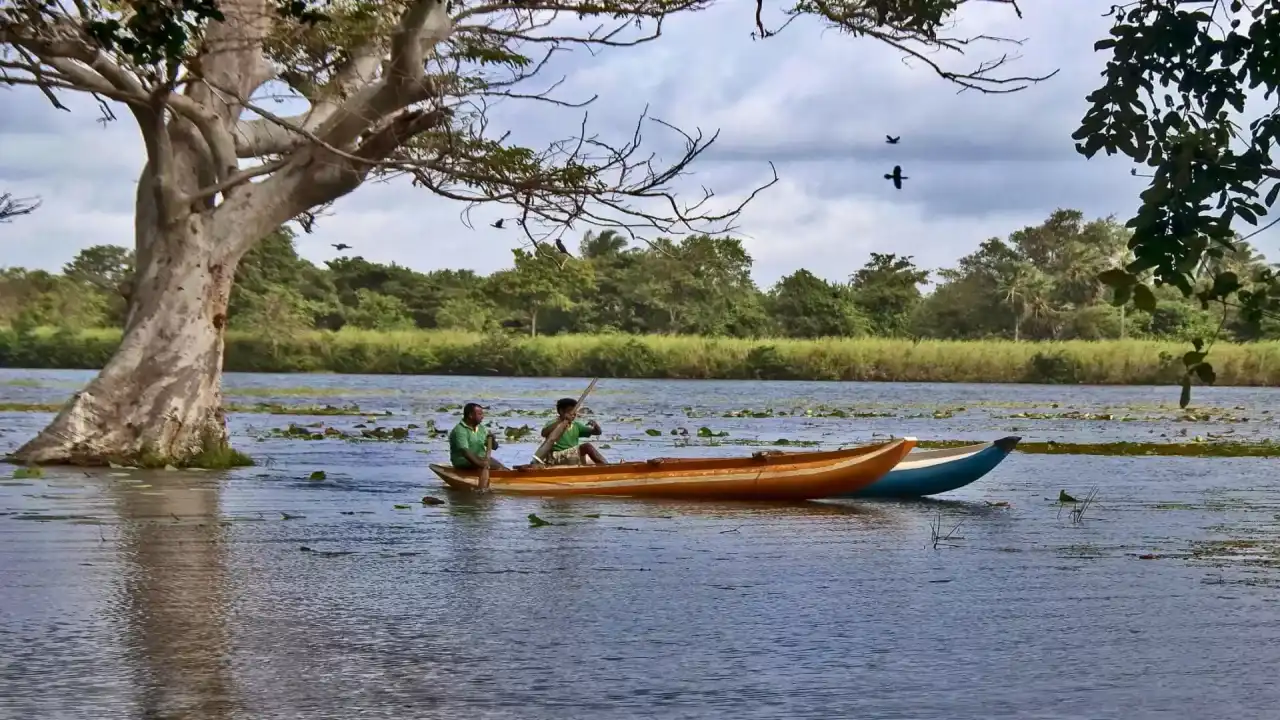
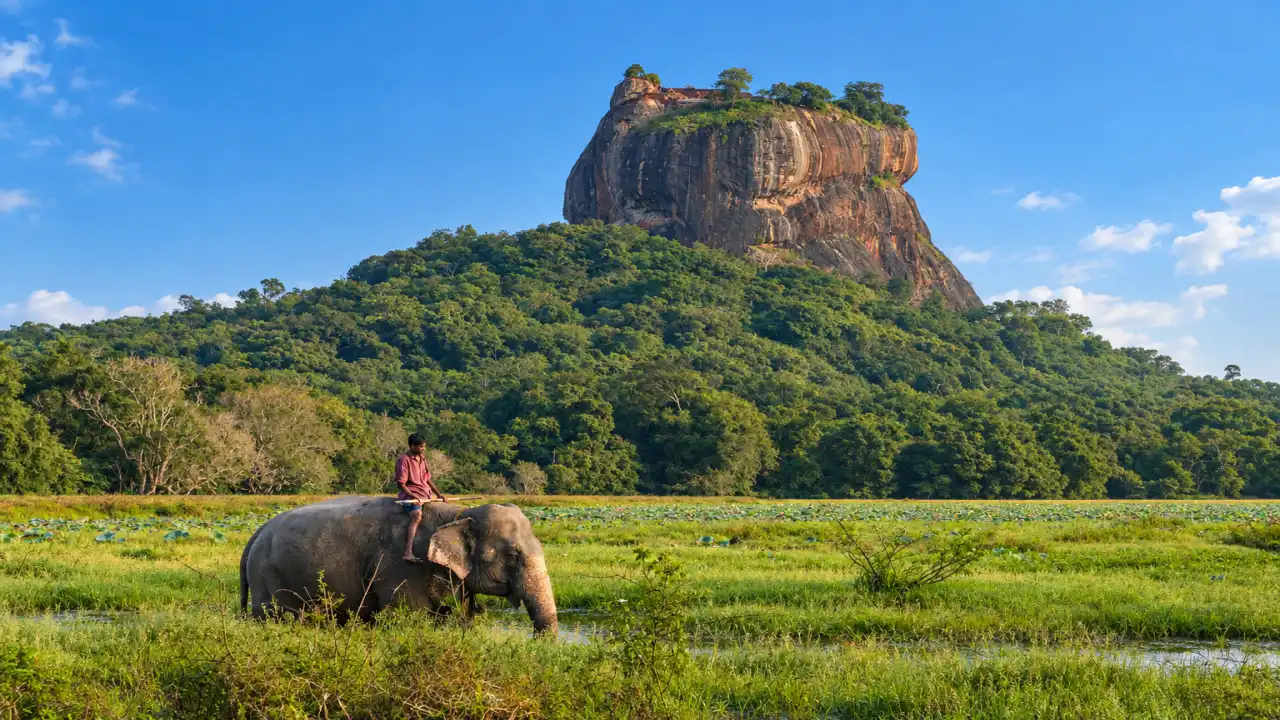
Near Sigiriya, there’s a little village called Hiriwadunna that feels calm in the kind of way cities forgot how to be. Early mornings are beautiful without trying too hard. Mist hangs above the water, birds get ridiculously loud around sunrise, and the lakes look almost unreal for a few minutes before the heat properly kicks in. The whole village moves slowly. People cross lakes in small wooden boats. Farmers work quietly in the fields. Somebody’s cooking breakfast somewhere nearby and you can smell spices drifting through the air before you even see anything.
Visitors usually end up doing simple things:
- Boat rides across the lake
- Walking through rice fields
- Learning village cooking
- Eating curry on banana leaves
- Talking with local families
Nothing feels staged. Which actually makes it better.
Pro Tip:
Go early in the morning. The atmosphere feels completely different before the day gets hotter.
2. Meemure Village
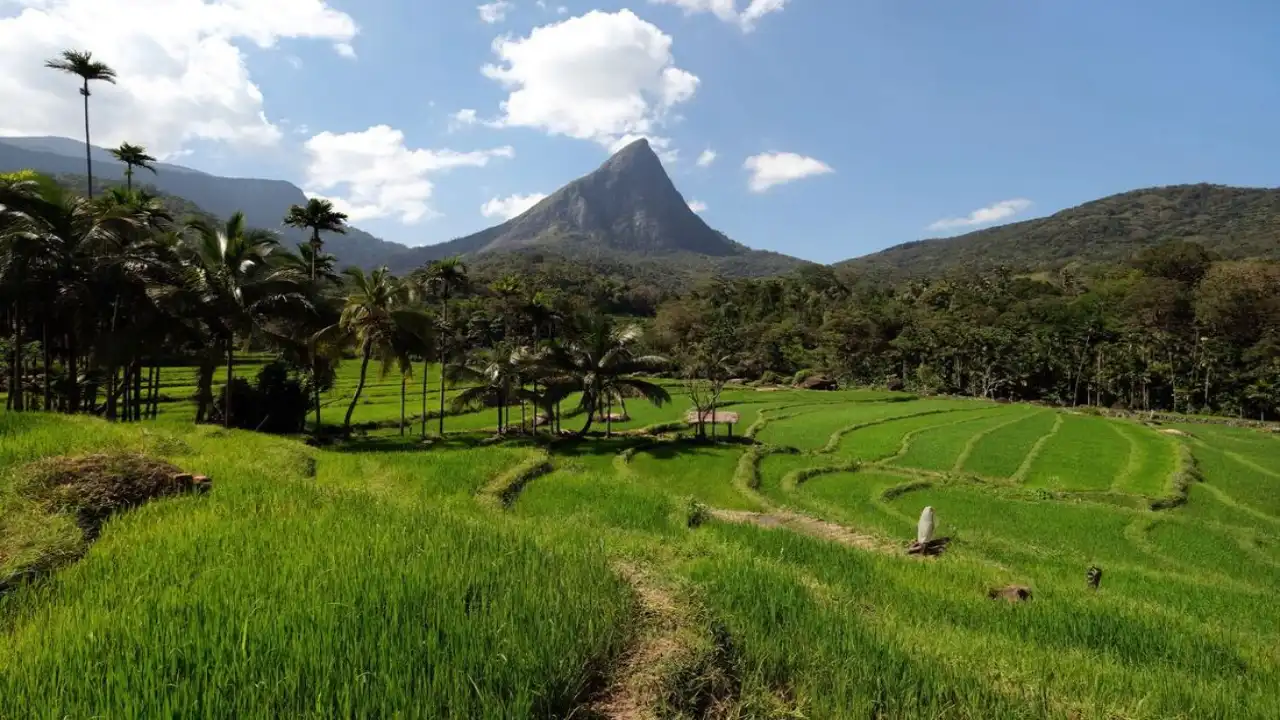
Meemure feels properly disconnected from modern life. The road getting there becomes rough until people usually start wondering if they made a wrong turn somewhere. Phone signals disappear. Forests get thicker. Then suddenly the village appears between mountains, almost out of nowhere. Small houses. Streams everywhere. Chickens wandering around casually like they own the place.
At night, it becomes unbelievably quiet. Not “peaceful background music” quiet. Actual silence except for insects and moving water somewhere in the dark. This is where traditional villages in Sri Lanka feel most authentic because daily life still revolves around farming and community more than tourism.
Things people usually love there:
- Mountain views
- Mud houses
- Cold streams
- Hiking trails
- Long conversations with locals
And honestly, the lack of internet becomes weirdly relaxing after a day or two.
Pro Tip:
Carry cash and essentials before arriving. Facilities are limited once you get deeper into the area.
3. Henawala Village
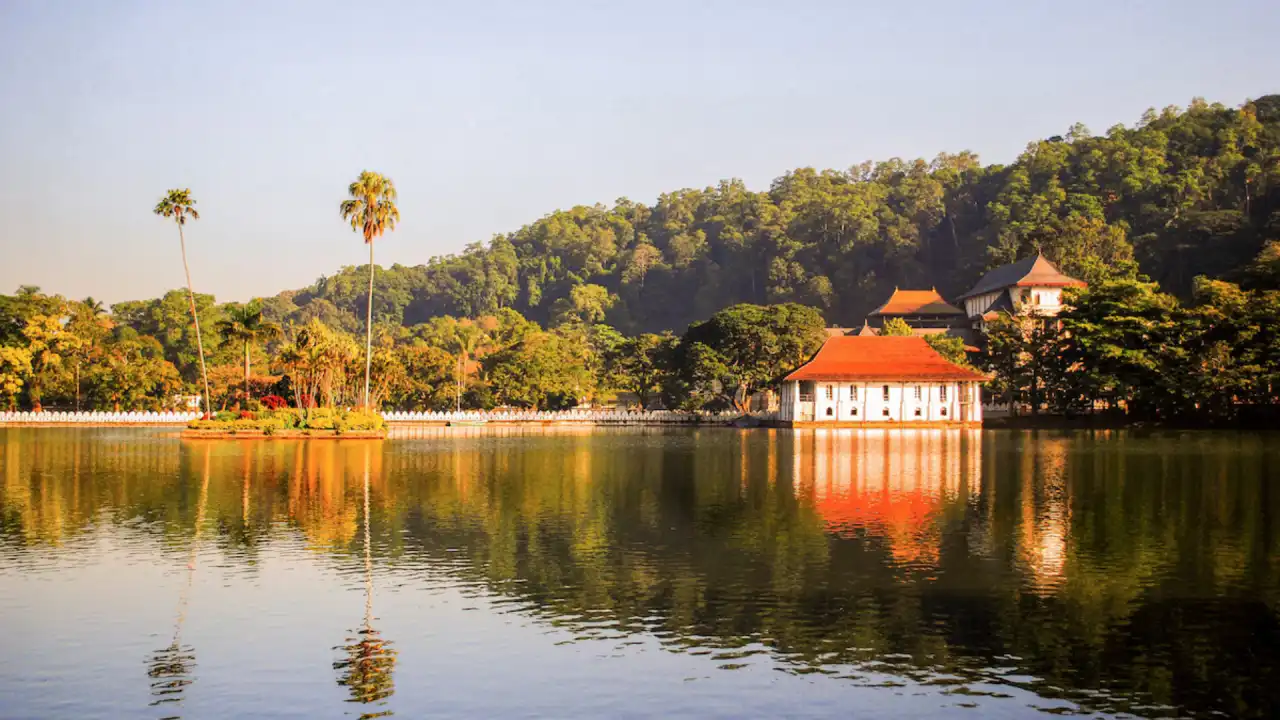
Henawala doesn’t try to impress people. That’s kind of the charm. The village is surrounded by rubber plantations, small farms, narrow roads, and homes where life still moves slowly: no huge attractions, no dramatic tourist spots, just normal countryside life continuing the same way it probably has for years. And somehow that simplicity becomes memorable.
Visitors often experience:
- Rubber tapping demonstrations
- Homemade Sri Lankan meals
- Plantation walks
- Farming activities
- Staying with local families
One thing people notice quickly here is how naturally conversations happen. Somebody might invite you for tea just because they’re curious where you came from.
Pro Tip:
Stay overnight if possible. Villages feel completely different after sunset when everything becomes quiet.
4. Weweldeniya Village
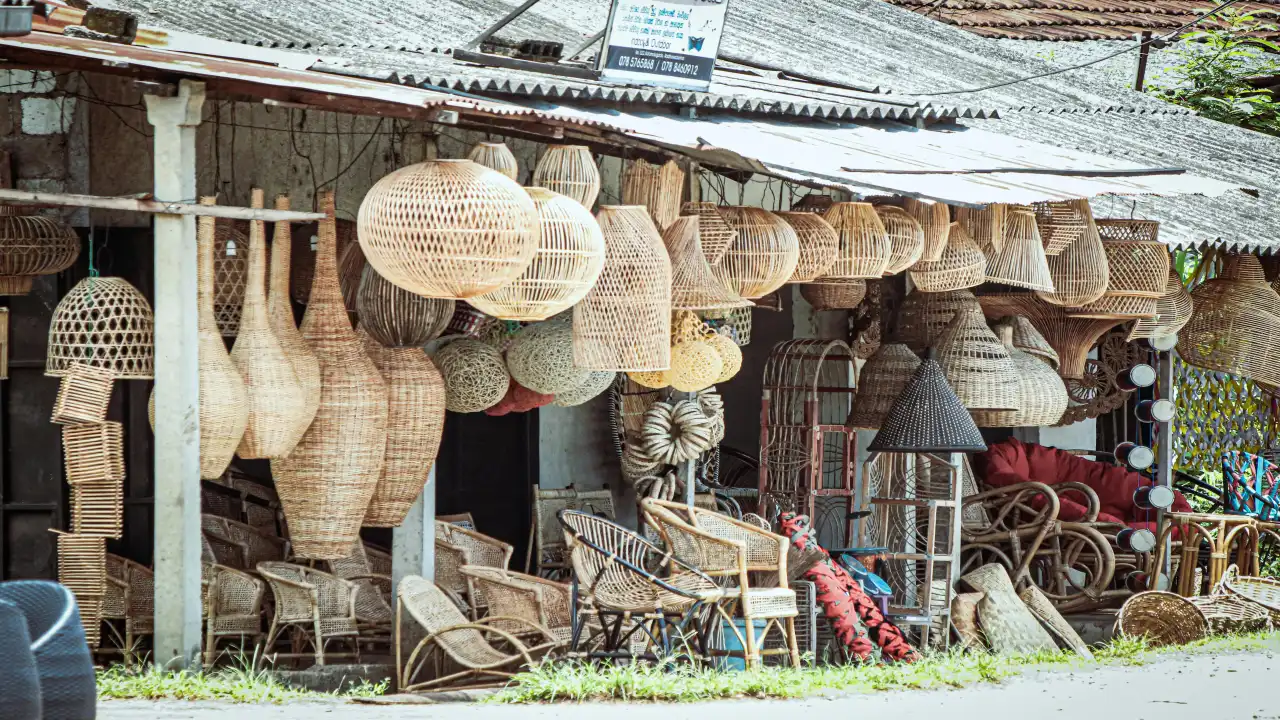
A lot of travelers probably pass through Weweldeniya without realizing there’s actually something nice about it. It’s not flashy. No giant tourist signs or famous attractions every few kilometers. Just green fields, roadside fruit stalls, old houses, tiny shops, and people going about their daily lives slowly.
Mornings here feel especially nice. You hear sweeping sounds outside homes, distant motorbikes somewhere down the road, birds making noise constantly, and occasionally the smell of fresh bread drifting from small local bakeries.
Visitors usually enjoy:
- Walking through rice fields
- Exploring local markets
- Watching farming activities
- Eating homemade food
- Experiencing quieter countryside life
The atmosphere feels honest. That’s probably the best way to explain it. This area also quietly supports rural Sri Lanka tourism because many families now welcome travelers through small guesthouses and homestays instead of large hotels.
Pro Tip:
Late afternoons are probably the best time to walk around. The weather cools down and more people gather outside.
5. Kudawa Village
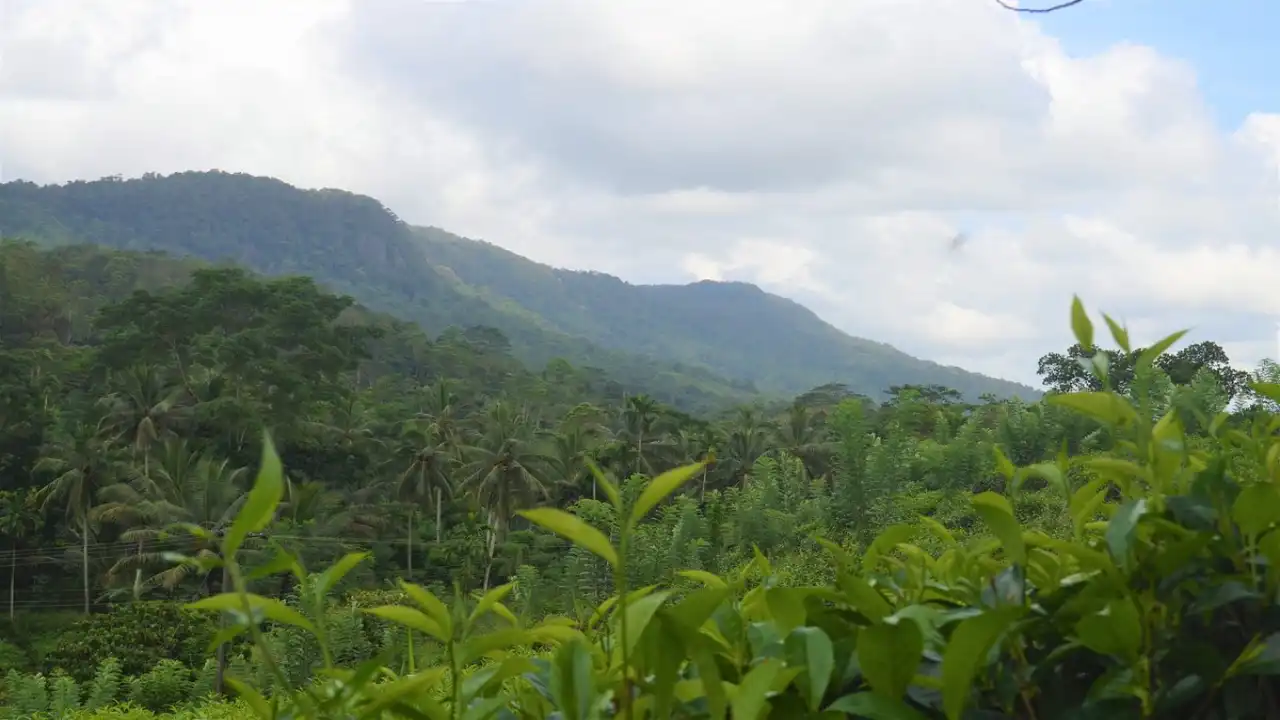
Kudawa is near the Sinharaja Rainforest, and honestly, the whole place feels green all the time. Not normal green, it's deep rainforest green. Rain shows up suddenly there. One minute it’s bright outside, the next minute heavy rain is hitting rooftops while fog slowly rolls through the trees. The air always smells earthy, especially after evening showers. Life here feels deeply connected to the forest nearby.
Visitors usually spend time:
- Walking rainforest trails
- Learning about medicinal plants
- Bathing in rivers
- Eating village food cooked over firewood
- Watching everyday life in small forest communities
The nearby villages in Sri Lanka around Kudawa feel peaceful in a very natural way. It’s just life happening normally. And honestly, some of the best memories here are tiny moments. Drinking hot tea while rain hits a tin roof. Listening to insects at night. Watching mist move slowly between trees early in the morning.
Pro Tip:
Carry light rain gear because the weather can change quickly near the rainforest.
Best Time to Visit
Sri Lankan villages can be visited most of the year, but the weather changes depending on the region.
Usually:
- December to April works well for the southern and western areas
- May to September is better for eastern regions
- January to March feels nicest around hill-country villages
Morning visits are usually better anyway. Cooler weather, softer light, more activity happening naturally.
Why Village Travel Stays With People
Village travel changes people quietly. Not in some dramatic movie way. Just small changes. You start noticing things again. Birds early in the morning. Rain is hitting dusty roads. The smell of curry cooking somewhere nearby. Kids playing cricket in empty fields until sunset.
Funny thing is, the memories people carry home are usually simple ones:
- Fresh coconut sambol
- Tea shared with strangers
- Clear skies full of stars
- Slow afternoons doing almost nothing
- Long random conversations
Those moments are hard to explain afterward because they feel more emotional than visual.
Food Worth Trying
Village food tastes fresher than most restaurant meals, honestly.
A few dishes worth trying:
- Coconut roti
- Jackfruit curry
- Milk rice
- Lentil curry
- Wood-fired fish curry
- Palm jaggery sweets
And portions are rarely small. Sri Lankan hospitality doesn’t really work that way.
Conclusion
Travel trends keep changing constantly. Luxury for one year. Adventure the next. Social media finds a new “hidden gem” every month anyway, and somewhere in between all that, travelers quietly keep searching for meaningful experiences through a Sri Lanka trip package that feels more personal than rushed.
But villages stay timeless somehow. Sri Lanka’s traditional villages offer something many places have slowly lost: ordinary life that still feels real. Not designed for perfect photos. Not overly polished. Just people living normally, welcoming strangers into that rhythm for a little while. And honestly, those simple experiences usually become the parts travelers remember most later on.
Responsible Travel Tips
These villages are real communities, not tourist attractions built for entertainment. Respect matters.
A few simple things help a lot:
- Dress modestly
- Ask before taking photos
- Respect temples and customs
- Support local businesses
- Avoid wasting water or food
- Learn a few greetings if possible
People are usually incredibly warm when visitors show genuine respect.