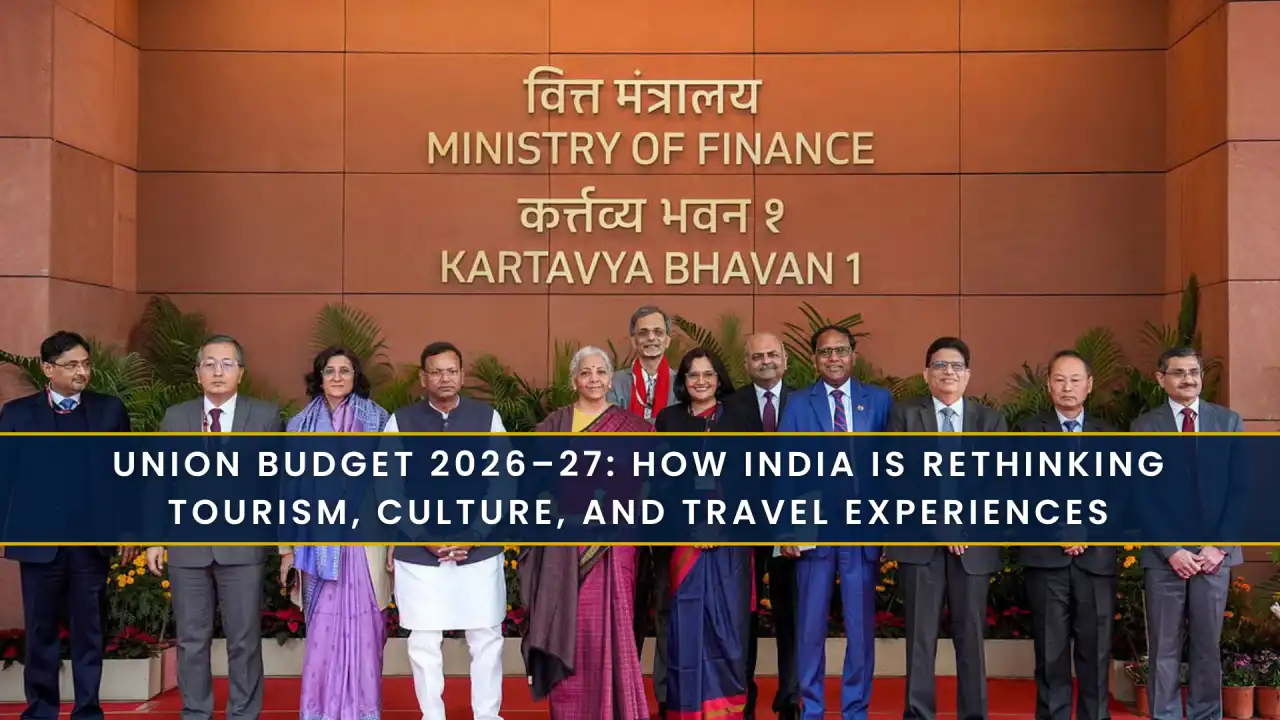
Union Budget 2026–27: How India Is Rethinking Tourism, Culture, and Travel Experiences
Introduction
Tourism budgets usually pass quietly. A few numbers, a few quotes, then the conversation moves on. This one does not. Not because it is louder, but because it sounds more deliberate. There is less urgency to impress and more effort to explain where things are headed. When tourism appears alongside culture, skills, heritage, and regional development in the same breath, it changes how the sector is read. The shift is subtle, but unmistakable. Somewhere between policy language and lived reality, Union Budget India begins to frame travel not as an add-on, but as a long-term national asset that needs structure, patience, and restraint.
Union Budget 2026–27 signals a new direction for Indian tourism
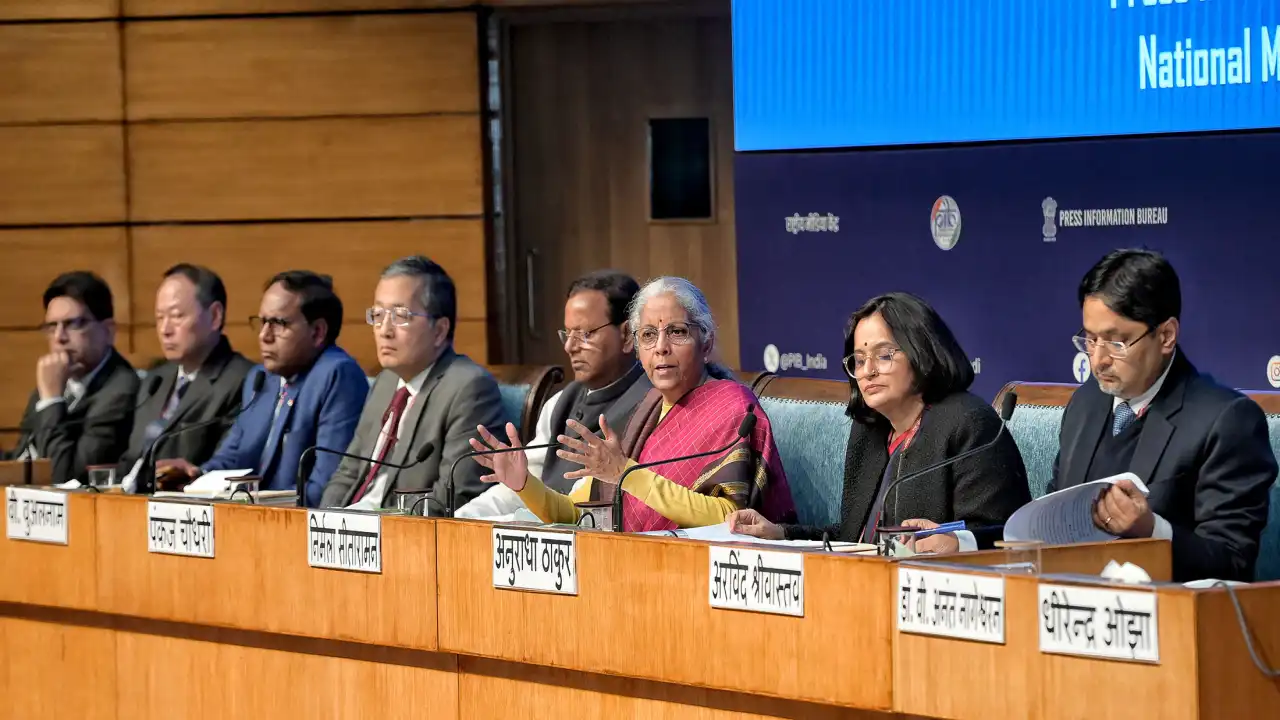
The Tourism Minister’s statement sets the tone early. The phrase “unprecedented boost” appears, but it is not used theatrically. It functions more as a marker of intent than a guarantee of outcomes. Tourism is described as a contributor to employment, cultural visibility, and regional balance, not merely as a revenue generator.
There is also a clear articulation of India’s ambition to emerge as a global tourism hub. Not through scale alone, but through differentiation. The language repeatedly returns to what India offers that cannot be replicated elsewhere: layered histories, living traditions, ecological variety, and regional depth. The budget reflects an understanding that global travel is shifting away from surface-level consumption toward experience, context, and meaning.
Why are tourism and heritage being linked so closely?
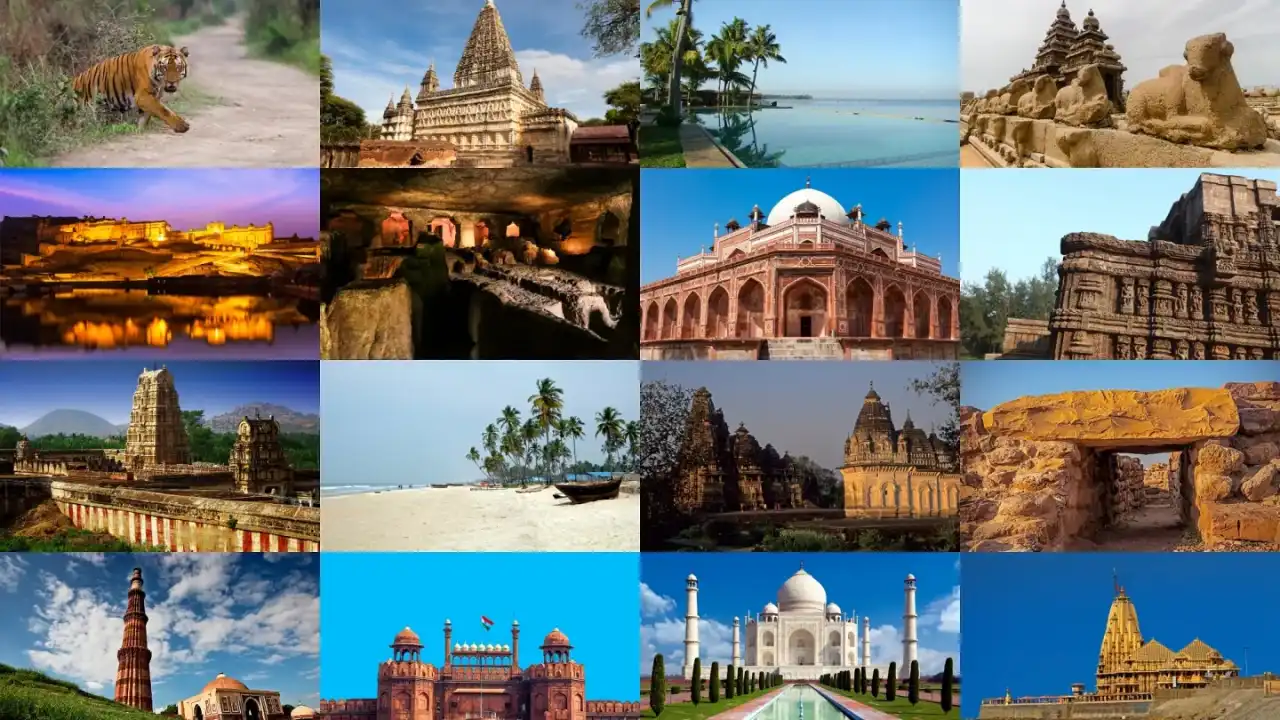
This budget does not treat tourism and culture as parallel ideas. They are presented as interdependent. That is a notable change. For years, cultural preservation and tourism growth were spoken about as if they were in quiet conflict. The 2026–27 framing suggests otherwise.
Tourism, culture, and heritage appear within a shared vision. The emphasis is on sustainability and global positioning, but without promises or timelines. There is no rush to announce deliverables. Instead, the language stays firmly at the level of direction.
This aligns closely with the broader India tourism policy 2026, which leans toward responsible growth, long-term planning, and experience-driven travel rather than volume-led expansion.
Why are thematic trails proposed across India?
India does not lack destinations. What it has lacked is cohesion between them. The budget addresses this by highlighting the proposed development of thematic tourism trails. These are not presented as finished circuits, but as areas of focused planning and coordination. The idea is simple but effective. Connect places through stories, landscapes, or ecology, and encourage travelers to slow down rather than hop between highlights.
Proposed mountain trails
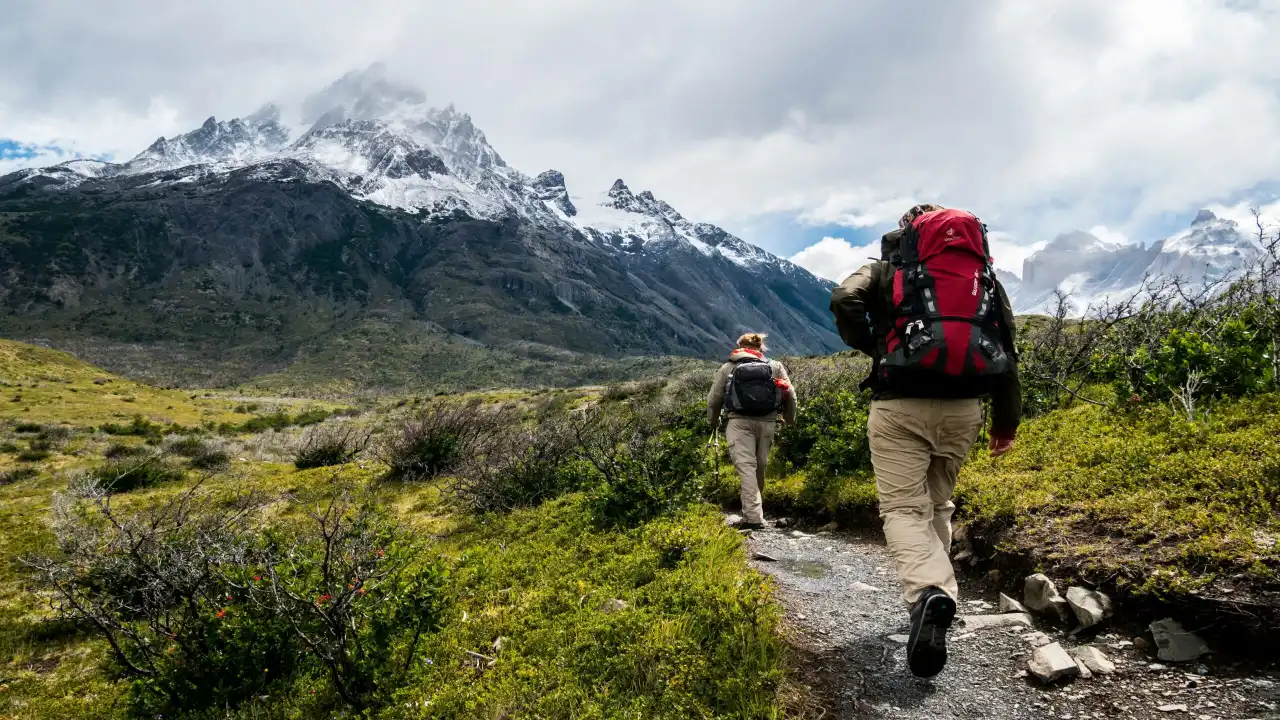
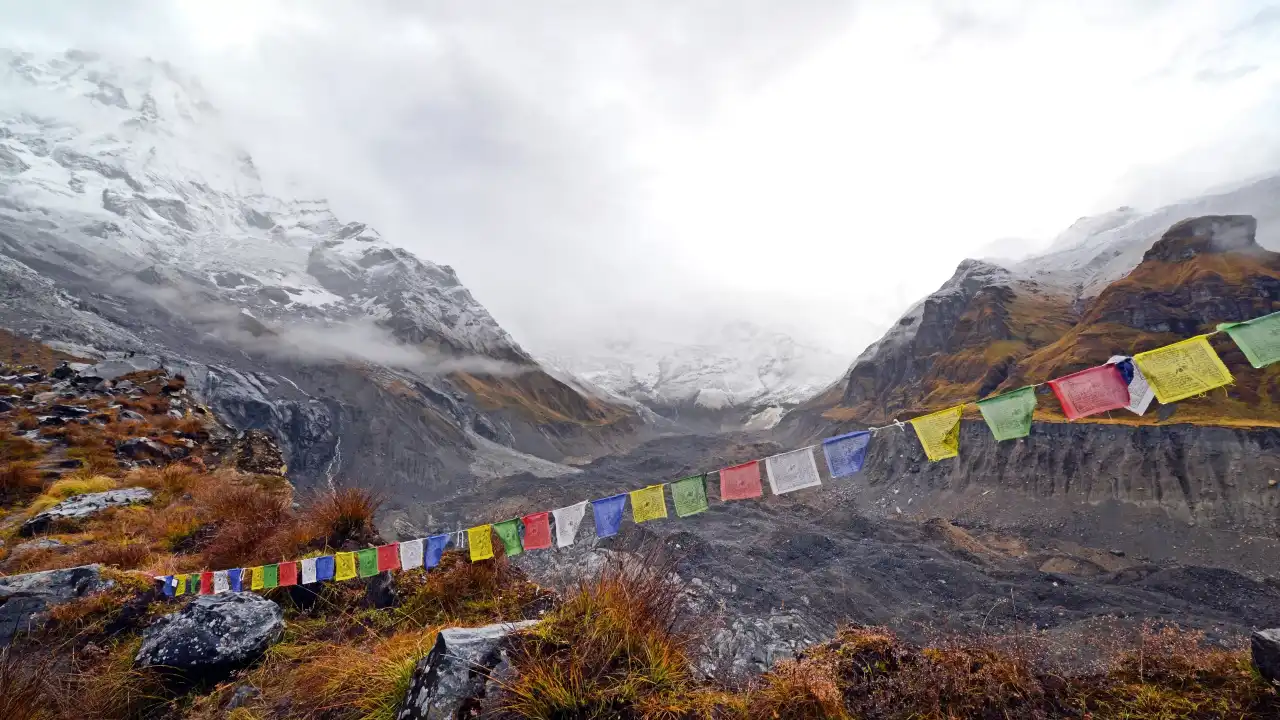
Mountain trails are proposed across Himachal Pradesh, Uttarakhand, and Jammu and Kashmir. These regions already attract visitors, but the proposal hints at better structuring. Routes that acknowledge seasonal rhythms. Experiences that involve local communities. Access that respects carrying capacity.
Proposed eco and nature trails
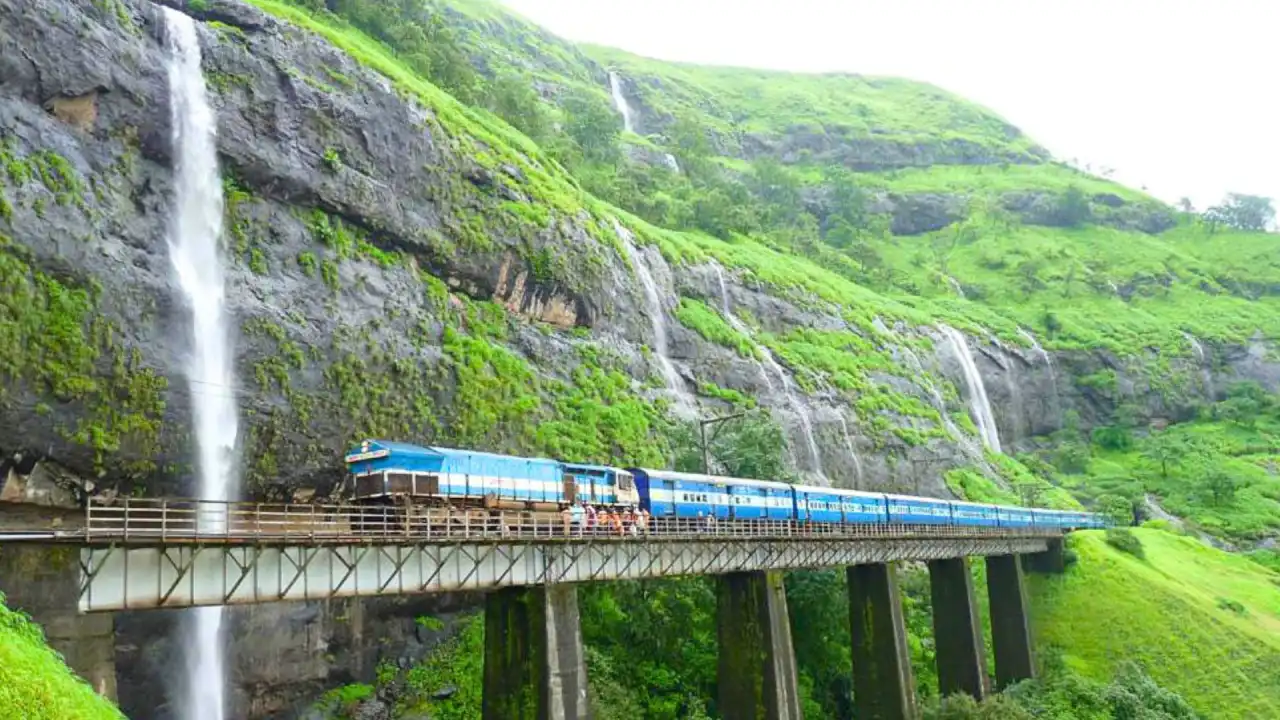
Eco and nature trails are proposed in areas such as Araku Valley and Podhigai Malai. These landscapes are already ecologically sensitive and culturally rich. The budget framing suggests development that works alongside conservation, not against it. The focus remains on low-impact engagement, interpretation, and awareness rather than scale.
Proposed turtle trails

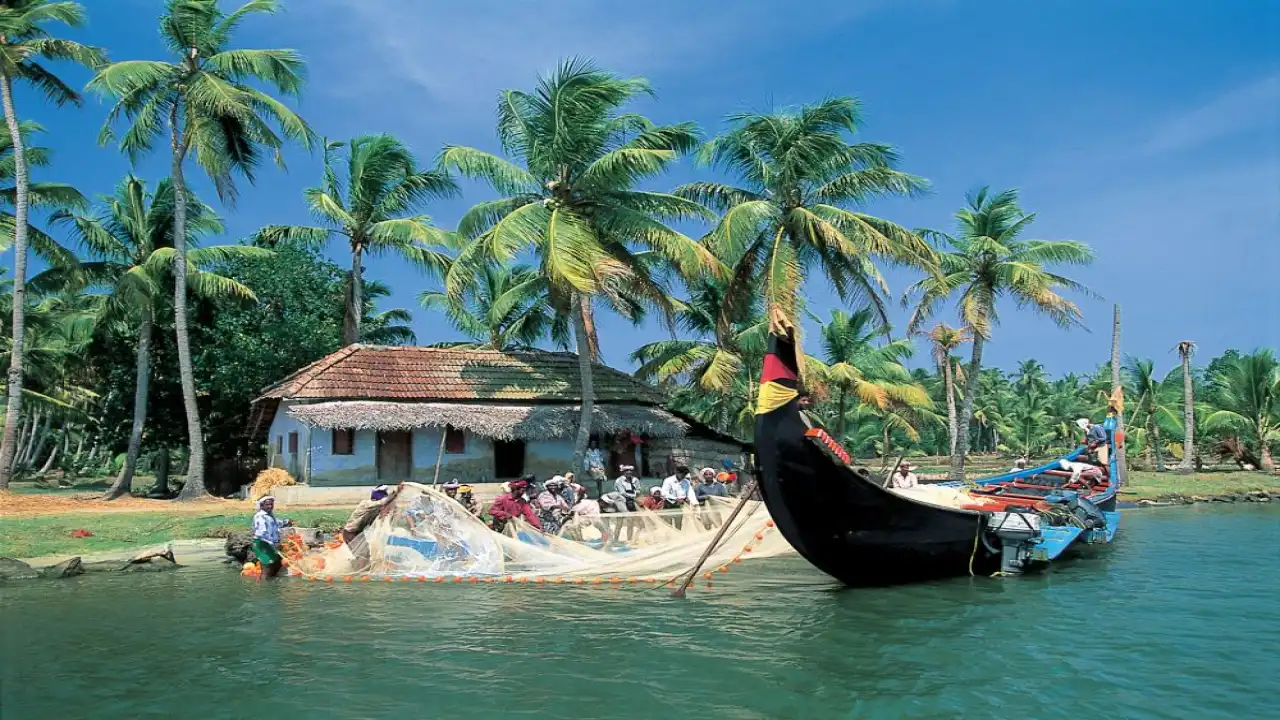
Turtle trails are proposed along coastal regions, including Odisha, Karnataka, and Kerala. These are framed around conservation-led tourism. The emphasis is on awareness and responsible viewing, avoiding any suggestion of commercialization.
Proposed bird-watching trails
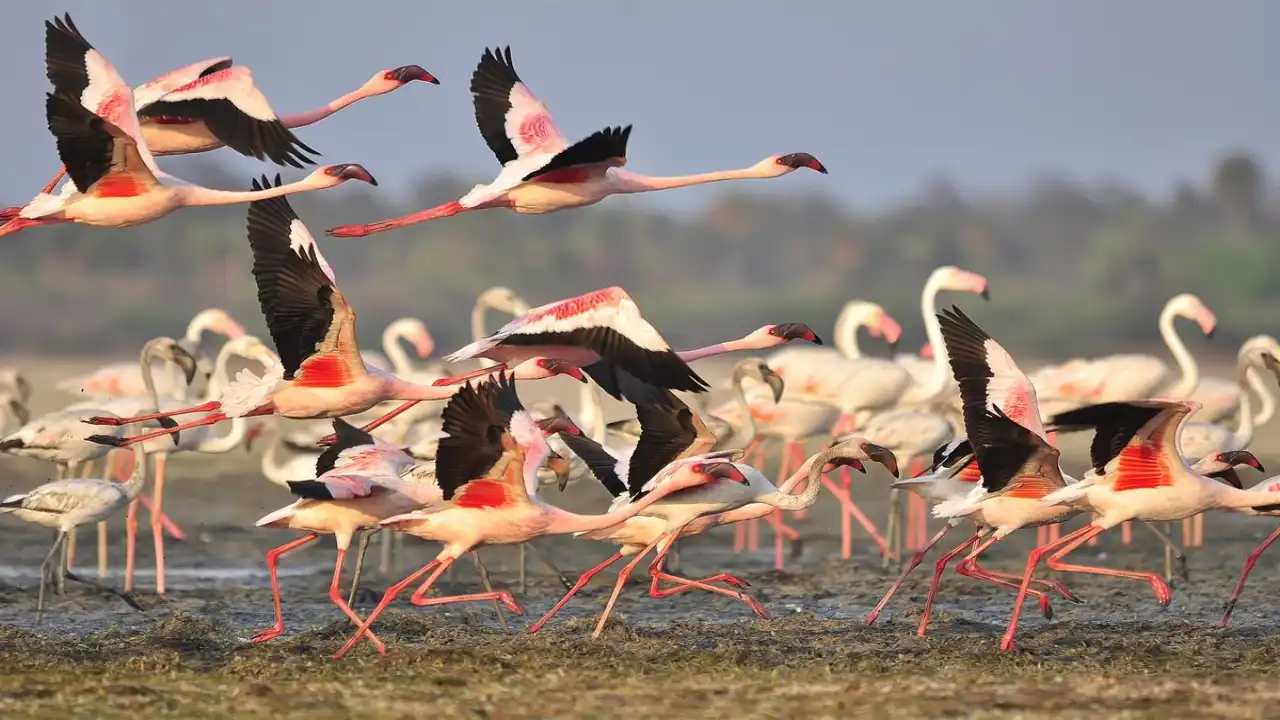
Bird watching trails are proposed in areas like Pulicat Lake, a location long known to serious birders. The proposal suggests better organization of tourism activity around migration cycles and habitat protection.
Across all trail categories, the phrasing remains consistent. Proposed development. Identified focus. Long-term planning.
Iconic archaeological sites identified for tourism development
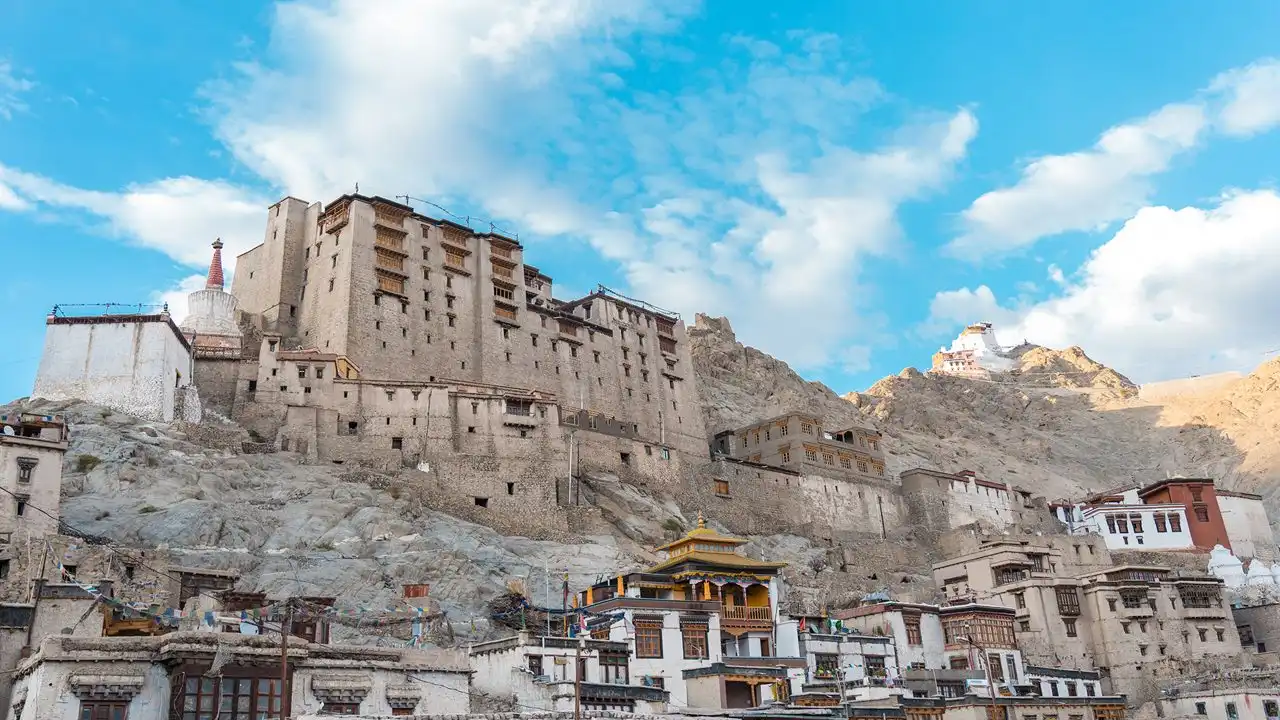
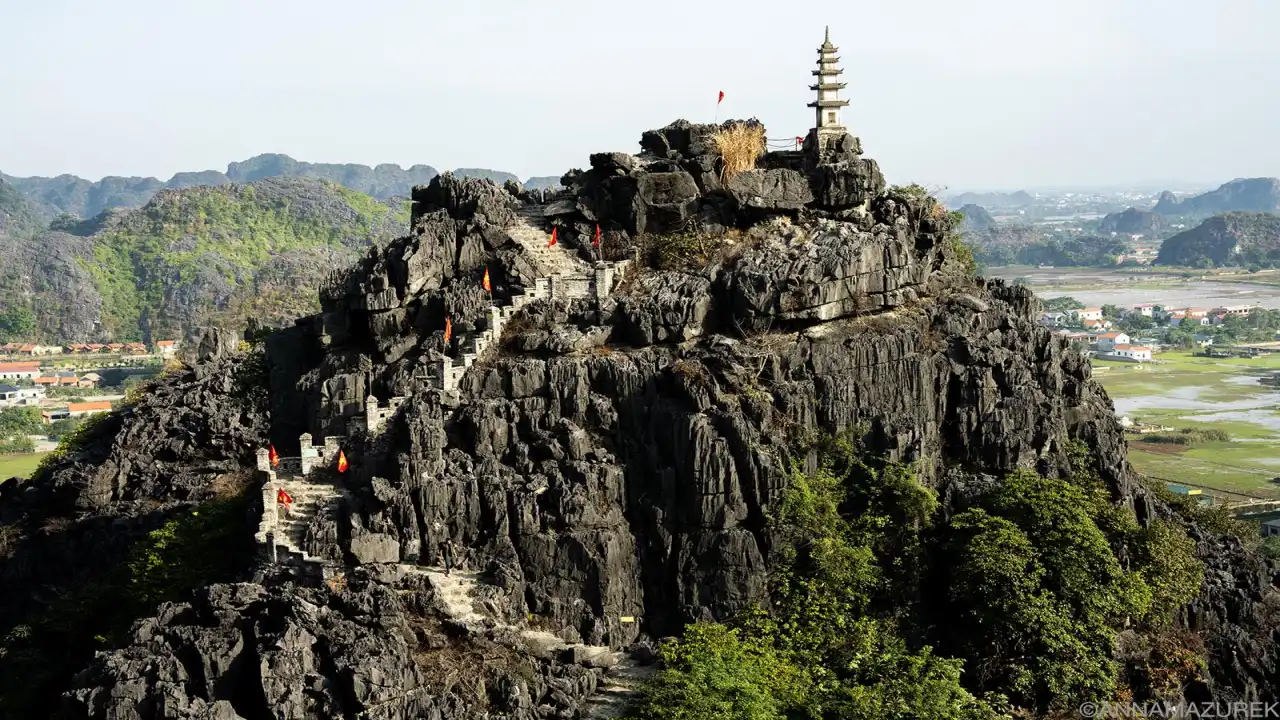
The budget identifies 15 archaeological sites to be developed as experiential destinations. The wording matters here. These sites are not described as attractions to be scaled up, but as places where conservation and visitor engagement must work together.
The emphasis is on:
- Interpretation
- Preservation
- Thoughtful access
This suggests an approach where visitors understand what they are seeing, rather than simply passing through. It reflects a growing recognition that archaeological tourism succeeds when context is protected, not diluted.
Why the North East features prominently

The proposed Buddhist Circuit scheme for North East India brings cultural heritage and regional development into the same frame. The focus is on states with historical and spiritual connections to Buddhism.
The budget highlights preservation, connectivity, and pilgrim amenities. There are no launch dates, targets, or scale assumptions attached. The scheme is positioned as a long-term cultural initiative rather than a rapid tourism rollout. This careful positioning keeps expectations grounded while still acknowledging the region’s significance.
Skill development announced for the tourism workforce

Among the broader vision statements, one announcement is particularly concrete. The training of 10,000 tour guides is clearly stated in the budget. The structure is described as hybrid, combining online and offline formats.
Collaboration with IIMs is mentioned, pointing toward a more professionalized approach to tourism services. The focus is on standards, knowledge, and consistency. For travelers, this matters more than most infrastructure announcements. Experiences are shaped by people, not just places.
Hospitality education and niche tourism receive policy support
Institutional changes in hospitality education
The proposal to transform the National Council for Hotel Management into the National Institute of Hospitality signals an intention to strengthen hospitality education. The emphasis is institutional, not immediate. There are no claims about outcomes or expansion figures. It is a signal of direction rather than delivery.
Niche tourism at a policy level
The budget extends policy-level support to areas such as medical tourism hubs, the Global Big Cat Summit, and tourism growth in Purvodaya states. These mentions are careful and restrained. They indicate interest and alignment, not guaranteed results. This approach fits comfortably within the broader Government tourism policy India, which increasingly avoids overstatement in favor of structural alignment.
What does this budget mean for travelers?
- Better curated travel routes
- Improved interpretation at heritage sites
- More professionally trained guides
- A stronger emphasis on responsible travel
India’s travel experience may begin to feel less rushed and more intentional. For platforms like Travel Junky, this policy environment allows deeper storytelling, grounded itineraries, and content that reflects how travel actually unfolds on the ground.
Conclusion
The Union Budget 2026–27 avoids dramatic promises, and that restraint is its strength. By positioning tourism alongside culture, skills, sustainability, and regional inclusion, the Union Budget of India frames travel as a long-term system rather than a short-term industry. The focus remains on direction, not delivery. On experience, not volume. If this approach holds, India’s presence on the global travel map will be shaped by depth and nuance, not numbers alone. The possibility is clear, even if the outcome remains deliberately open-ended.
Pro Tips
- Watch which destinations are described as proposed or identified. These often signal a future planning focus.
- Pay attention to skill development announcements. Quality experiences tend to follow trained professionals.
- Notice how culture and tourism are discussed together. That pairing usually reflects sustainability intent.
- Expect gradual change, not immediate transformation.