Unique Wedding Traditions From Different Countries
Introduction
Weddings take place pretty much everywhere on the planet. Different languages, different outfits, different music in the background. But the reason for the celebration is always something familiar: two people who are choosing to build a life together. But how people celebrate that moment can be wildly different depending on where you are. In some locations, the ceremony is quiet and symbolic. In others, it becomes a multi-day affair where relatives, neighbors and people you barely know descend for the celebration. Food everywhere. Increased music volume as the night progresses.
Somebody’s uncle is dancing long before everyone else is ready. And then there are the traditions. Those little rituals that you sometimes find weird when you first see them, they suddenly start to make sense. Exploring unique wedding traditions around the world reveals something interesting. Some customs are emotional. Some are funny. A few are honestly a little weird. But they all show how different cultures celebrate the same moment in their own way. Let’s look at a few cultural wedding traditions worldwide that people remember long after the last piece of cake disappears.
1. Germany – The Plate Breaking Night
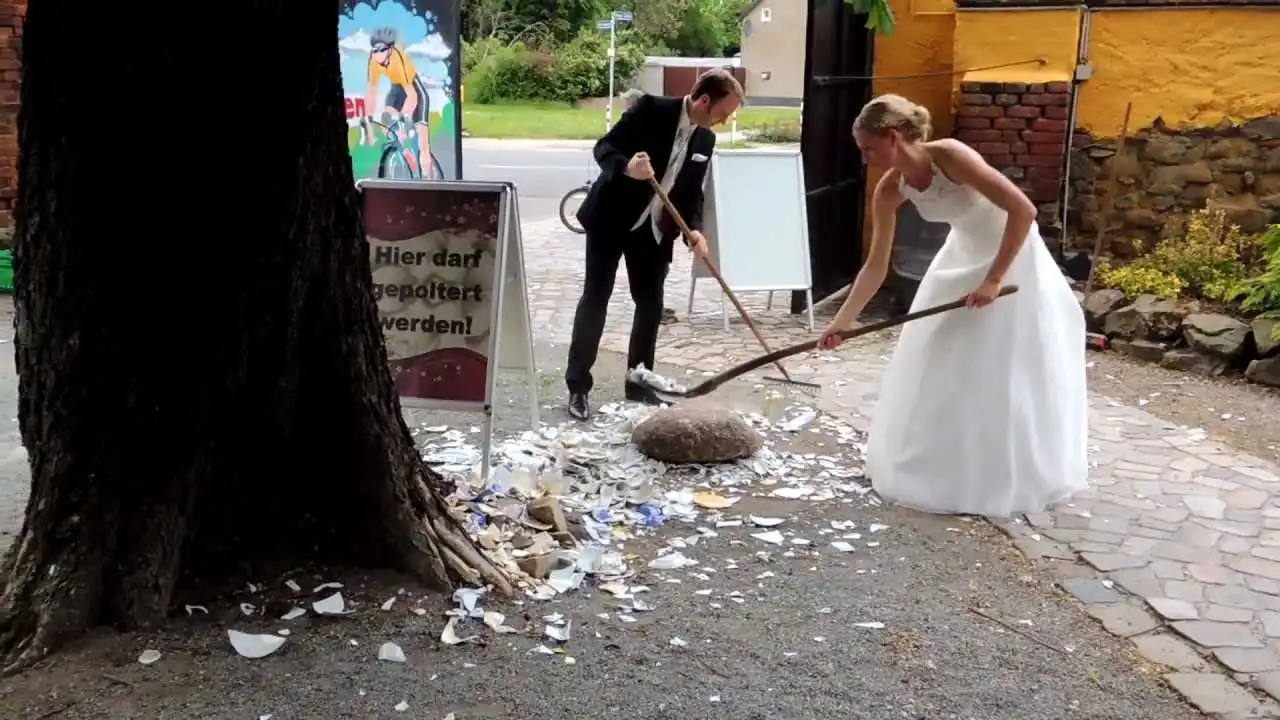
In Germany, a wedding celebration sometimes starts with what sounds like a kitchen disaster. The tradition is known as Polterabend and typically takes place the night before the wedding. Friends, neighbors and relatives, basically anyone familiar with the couple, come out to bring old ceramic plates and dishes. People even come occasionally with boxes of them. And then they begin smashing them. Not gently placing them down.
The ground, actually, is throwing them onto the ground. For a few minutes, it resembles a restaurant kitchen in total pandemonium. Plates shattering. People are laughing. And every time another dish hits the floor, someone’s cheering. If you walked by without knowing what was happening, you would think someone had just slammed a whole cupboard. But that’s the point. The broken plates are representative of the issues and challenges that couples face in life. At the end of all that smashing, the bride and groom take brooms and begin cleaning it up together. Just the two of them. No helpers. The idea is simple enough: if you can deal with a big mess together before the wedding, you can probably deal with other problems later too.
A couple of small rules usually apply:
- Glass is avoided because it symbolizes happiness
- Most people break ceramic or porcelain plates
- The couple cleans the whole area themselves
Pro tip: If you ever attend one of these gatherings, wear solid shoes. Walking across broken plates in sandals is not a smart move.
2. India – The Shoe Stealing Game
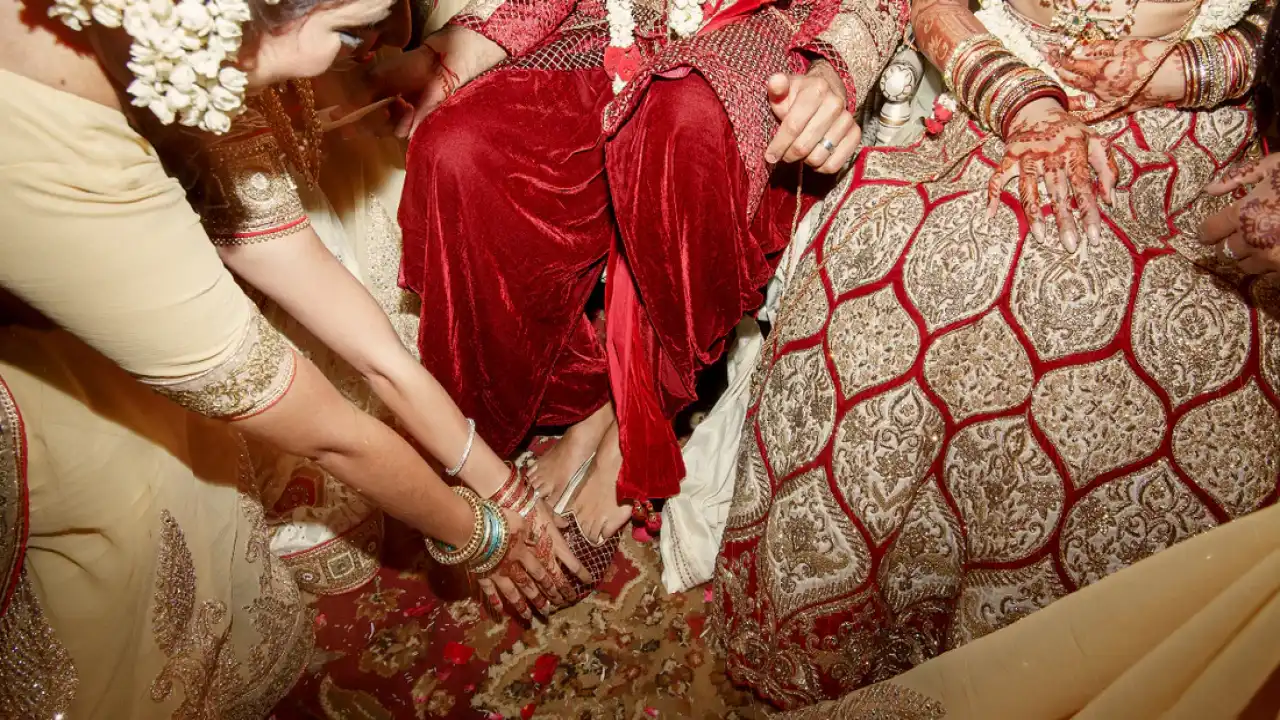
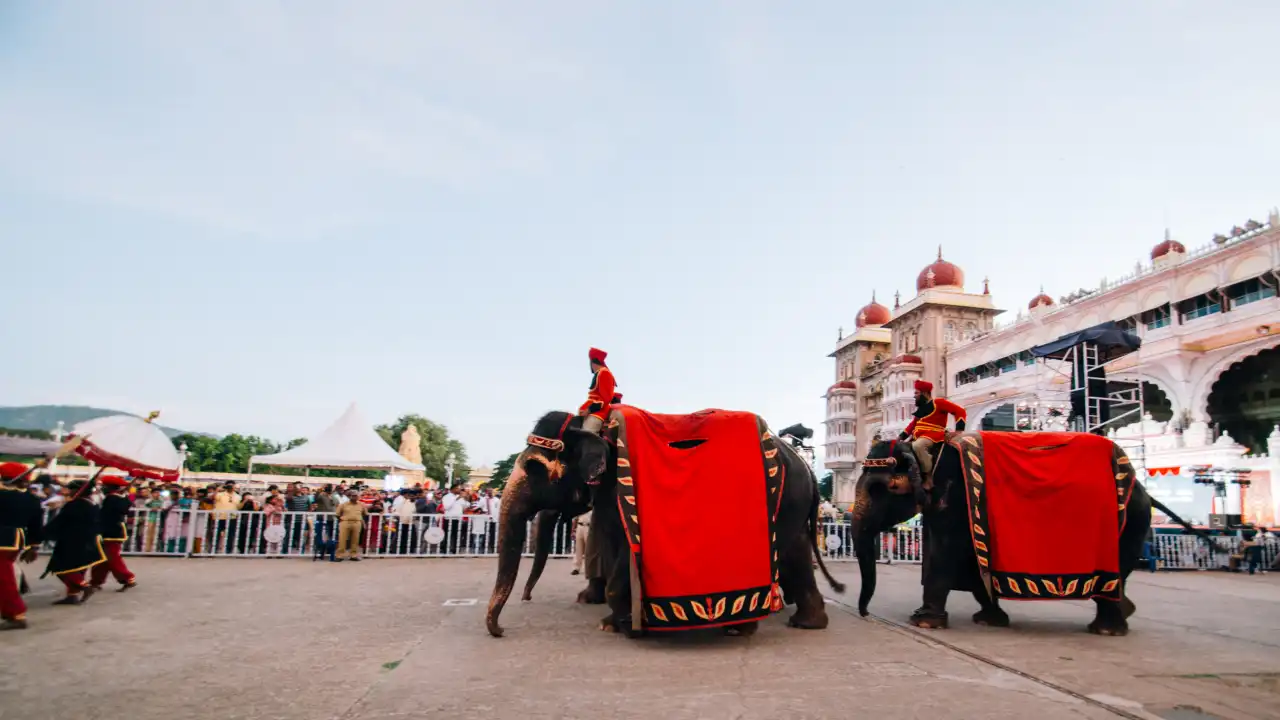
Indian weddings are famous for their energy. Music playing loudly, people dancing in bright clothes, long ceremonies, and relatives everywhere you look. Somewhere during the wedding rituals, a small but hilarious battle usually begins. The bride’s sisters and cousins try to steal the groom’s shoes. You could say this moment is basically the real-life version of “joote do, paise lo”: give us the shoes, and pay if you want them back. It’s playful, a little dramatic, and everyone around usually cheers the bride’s side on.
It usually happens when the groom removes his shoes before sitting down for the ceremony. The moment he gets distracted, maybe greeting relatives or focusing on the ritual, someone from the bride’s side grabs the shoes and disappears. And then the bargaining starts. Soon, the groom realizes his shoes are missing. The bride’s side demands money to return them. The groom acts shocked at the price. People nearby jump into the negotiation like it’s a game show. Everyone laughs. Suggestions get shouted from all directions. Honestly, the shoe-stealing itself isn’t the real tradition. The fun comes from the playful argument that follows.
People enjoy this moment because:
- It lightens the mood during a serious ceremony
- It brings the two families together through humor
- It almost always leads to funny stories later
Sometimes the negotiation drags on for quite a while. But nobody seems to mind. But nobody seems to mind. In fact, moments like these are exactly why many travelers love exploring cultures through celebrations. It’s the kind of lively scene you might stumble upon during a family trip package, where real local traditions unfold right in front of you.
3. South Korea – A Very Unusual Groom Test
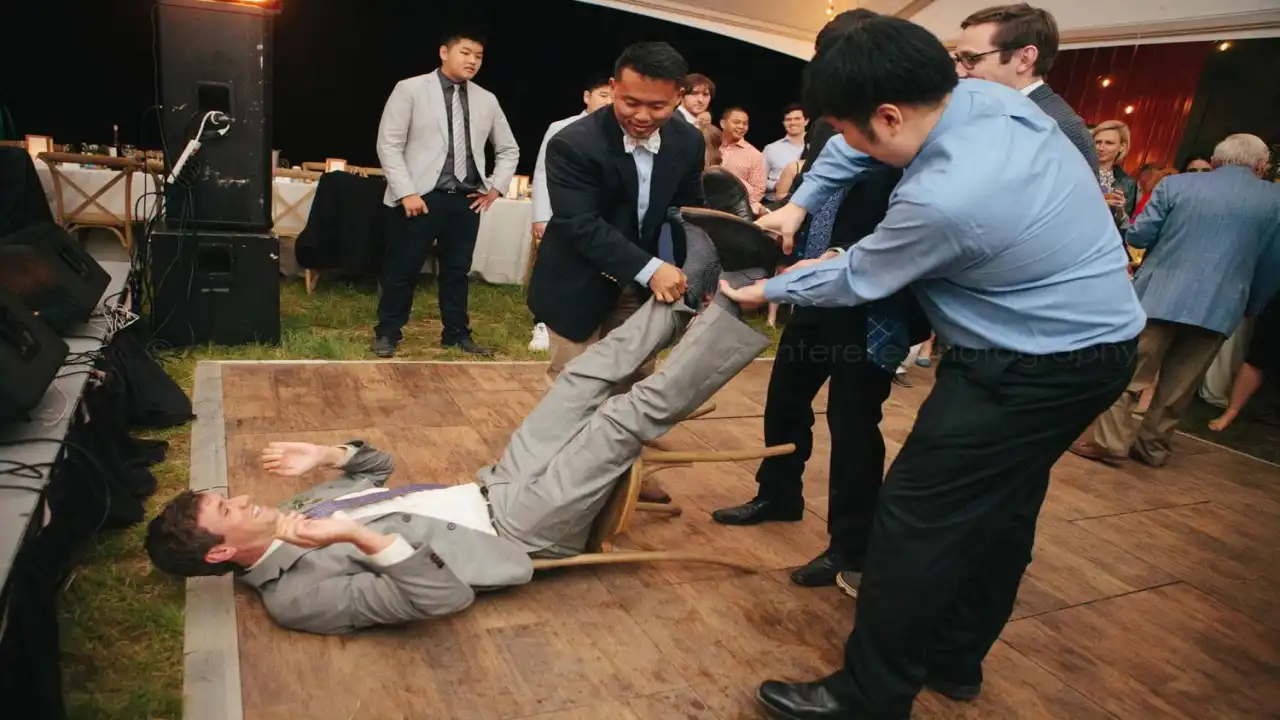
There’s a wedding ritual in South Korea that usually surprises first-time visitors. During the ritual, the groom’s friends sometimes bind his legs together just above his ankles and remove his shoes. Then they take a dried fish and gently slap the soles of his feet. Yes. A dried fish. The tradition is called Balaka. It’s designed to challenge the strength and spirit of the groom on his first night as a married man. At least, that’s the old explanation. But when you actually see it happening, it feels more like a group of friends not letting the groom take himself too seriously.
During the ritual:
- Friends ask the groom silly questions
- If he answers correctly, the teasing ends sooner
- Everyone nearby laughs at the situation
The groom usually tries to keep a straight face, but that rarely works for long.
4. Scotland – The Blackening Tradition
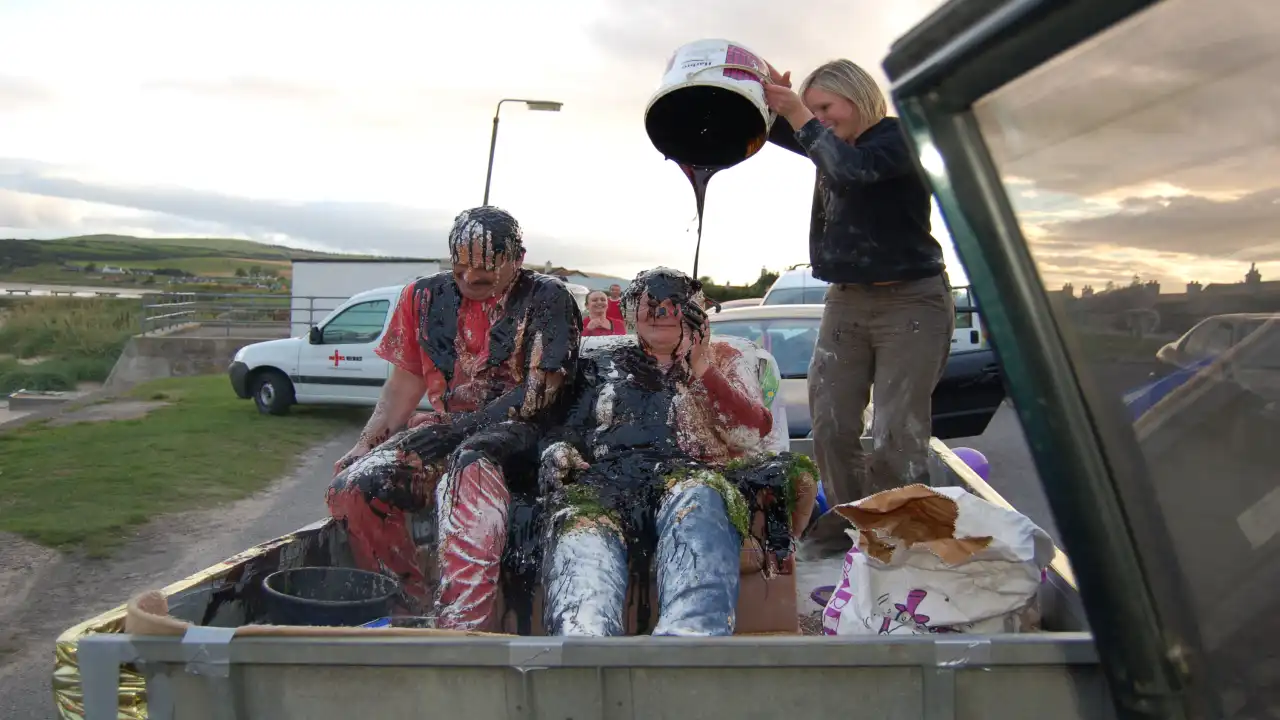
Some wedding traditions look elegant and graceful. This one is not so much. In parts of Scotland, there’s a pre-wedding ritual called Blackening. Friends surprise the bride or groom and cover them in things like flour, eggs, feathers, syrup, and sometimes mud. Yes. Mud.
Once the unfortunate person is fully coated in this strange mixture, they’re paraded through the neighborhood. It’s messy. Loud. Slightly ridiculous to watch. But the meaning behind it is actually thoughtful. The idea is that if someone can survive embarrassment, sticky syrup, and a crowd laughing at them before the wedding day, they’ll probably be able to handle future problems in marriage too.
Common “ingredients” used during the ritual include:
- Flour
- Eggs
- Feathers
- Sticky sauces or syrup
If you ever see someone walking through a Scottish town covered in feathers and flour, don’t worry. It’s probably just a wedding tradition.
5. China – The Door Games
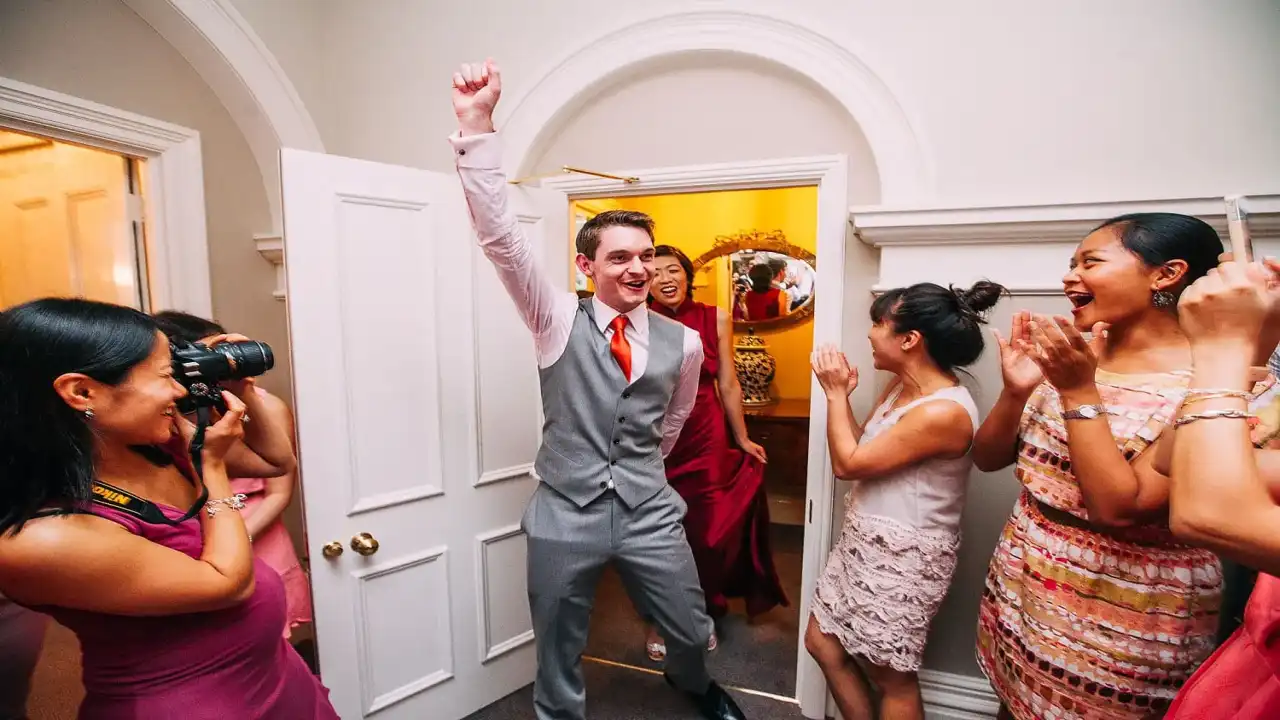
Chinese weddings sometimes include a tradition that feels a little like a playful obstacle course. It’s called door games. Before the groom is allowed to see his bride on the wedding day, the bridesmaids block the door and refuse to let him in. To enter, he has to complete a series of challenges. Some tasks are sweet. Others are mildly embarrassing.
He might be asked to:
- Sing a love song loudly
- Answer questions about the bride
- Do push-ups in front of everyone
- Offer red envelopes filled with money
His friends often try to help, which usually makes things even more chaotic.
The goal isn’t to embarrass the groom too much. It’s just a way to create laughter before the ceremony begins.
6. Norway – The Bridal Crown
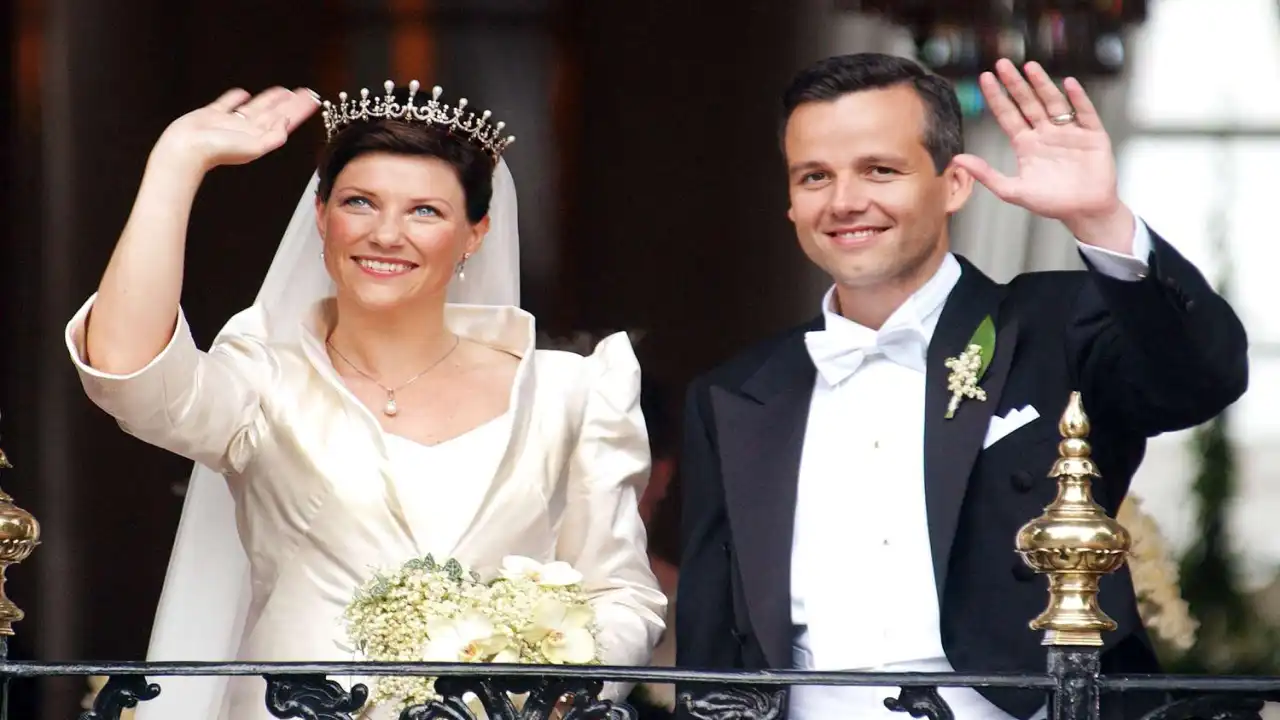
Norwegian wedding traditions can look surprisingly elegant. Some brides wear a special silver or gold crown during the ceremony. The crown often has small dangling charms attached to it.
When the bride moves, the tiny pieces shift and make a gentle ringing sound. Years ago, people believed that sound helped protect the bride from evil spirits or bad luck. Whether everyone believes that today is another question, but the tradition remains. Many of these crowns are family heirlooms passed down through generations.
The crown symbolizes:
- Purity
- Protection
- Blessings for the couple’s future
And honestly, many of them are incredibly beautiful.
7. Mexico – The Wedding Lasso
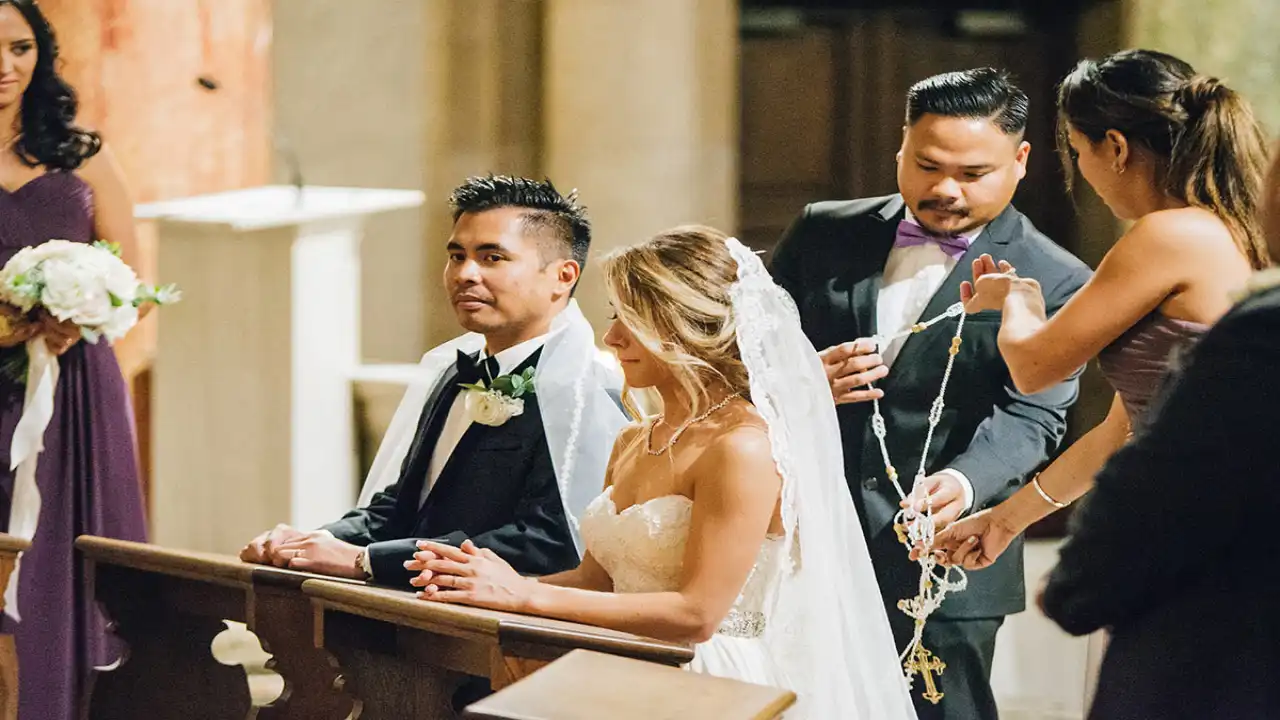
El Lazo is one meaningful ritual that plays a significant role in Mexican weddings. The bride is draped with a flower or rosary bead loop and the same for the groom during the ceremony. The loop cradles a figure-eight glide across their shoulders. This is usually done by immediate family members or godparents. Eight is a meaningful number as it represents infinity, the idea that this couple’s bond would last forever. For a brief moment, during the ceremony, it all gets very quiet. People watch closely. Cameras pause. It’s a simple act, but full of feeling.
8. Kenya – A Father’s Blessing
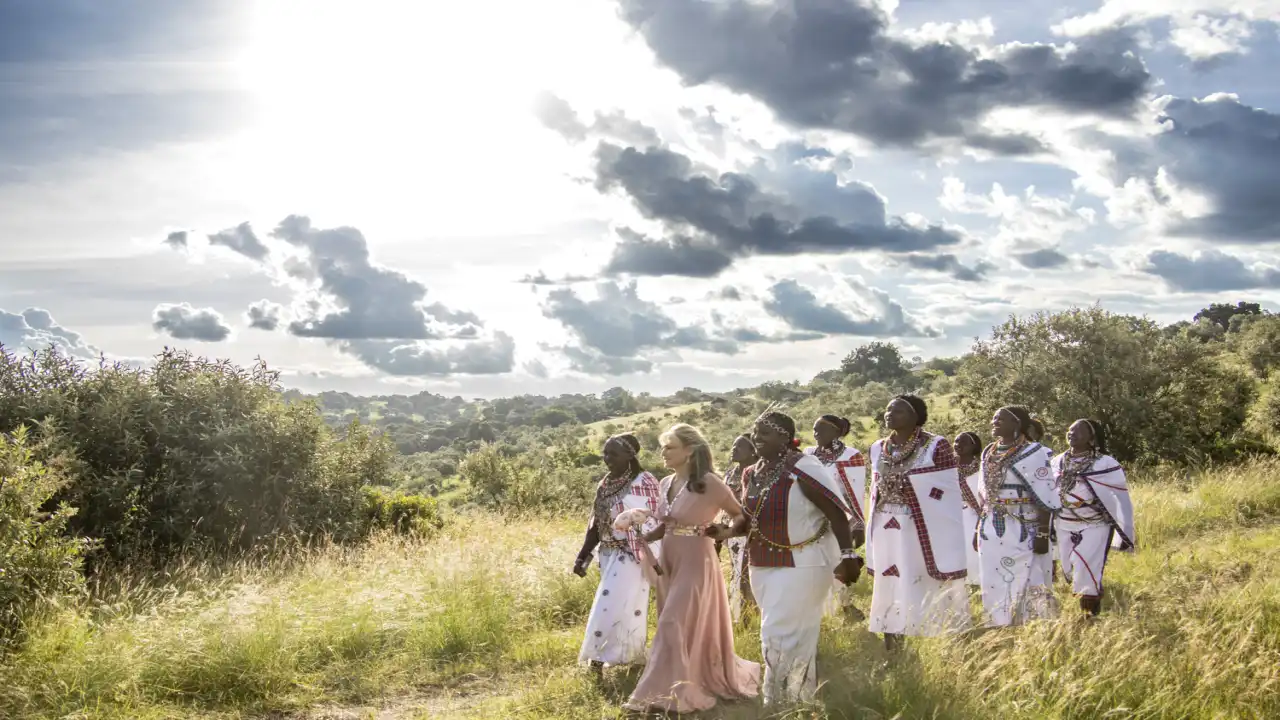
Among the Maasai community in Kenya, a bride receives a very personal blessing before leaving for marriage. Her father spits lightly on her head and chest. To outsiders, that might sound shocking at first. But in Maasai culture, spitting is actually considered a sign of respect and good fortune.
The act represents:
- A father’s blessing
- Protection for the bride
- Approval of the marriage
It’s a reminder that traditions don’t always look the same across cultures. What seems unusual in one place may carry deep meaning in another.
9. France – The Newlywed Soup
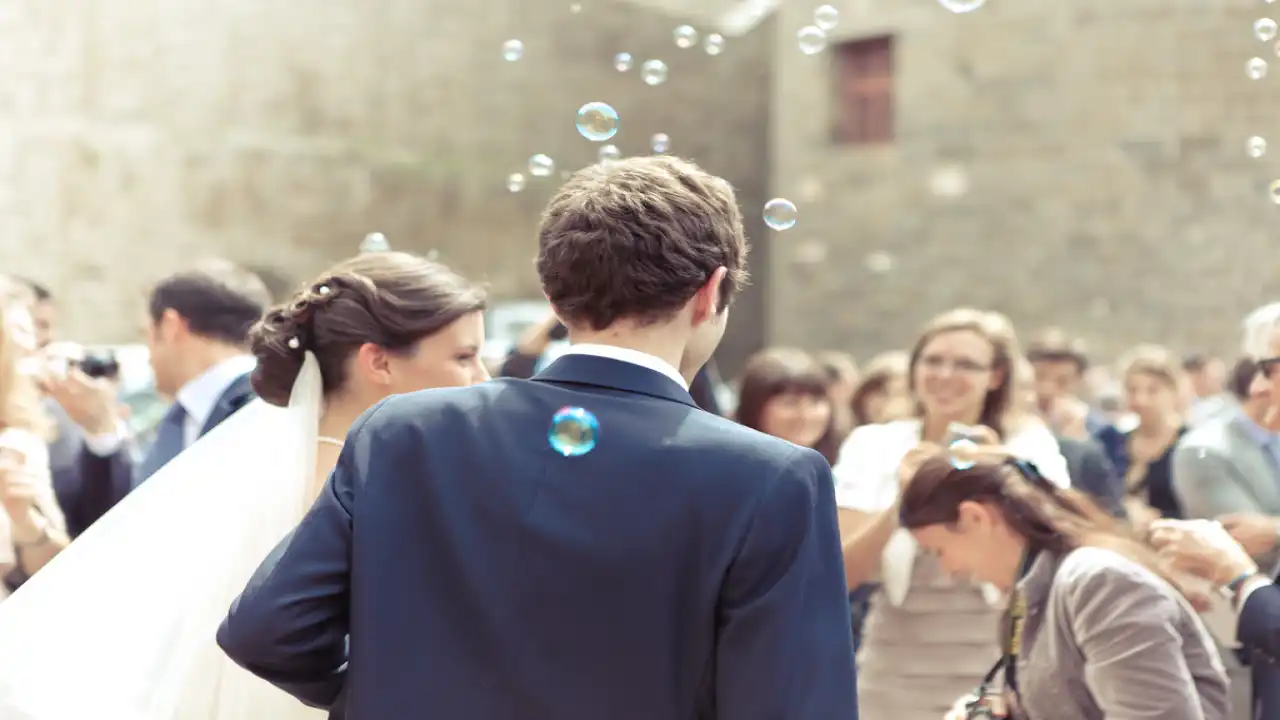
France once had a wedding tradition that sounds a little strange. Friends of the couple would gather leftover food from the wedding meal and mix it in a chamber pot. The newlyweds were expected to drink it. Yes. That really was a tradition. Fortunately, the custom has changed over time. Today, the mixture is usually replaced with something pleasant like chocolate or champagne served in a decorative container.
The idea behind it stays the same:
- Start married life with humor
- Celebrate friendship
- End the night laughing
Modern couples are definitely happier with the updated version.
Why These Traditions Still Matter
Even today, many couples continue these traditions. Some follow them exactly as their grandparents did. Others mix customs from different cultures. And honestly, that makes weddings feel more personal.
These rituals help people:
- Stay connected to their culture
- Create memories with family
- Bring communities together
- Add personality to the celebration
For travelers, witnessing traditions like these can become one of the most memorable parts of a trip. Sometimes it’s more interesting than visiting famous landmarks.
Conclusion
Wedding Traditions in Different Countries can look completely different at first glance. Different clothes. Different food. Different rituals. But if you step back and watch closely, the emotions are very familiar everywhere. Families gathering together. Friends are laughing loudly. Someone was quietly wiping away tears during the ceremony. From playful shoe-stealing games in India to ringing bridal crowns in Norway, every culture adds its own personality to the celebration. And maybe that’s the most interesting part. Love might be universal. But the ways people celebrate it are wonderfully, sometimes beautifully different.