Vietnam’s Oldest Villages Where Time Feels Frozen
Introduction
Vietnam’s cities don’t wait for you. Scooters rush past from every direction. New cafés appear where old ones closed just last month. Buildings seem to rise overnight. Everything moves fast, sometimes too fast to keep track of. But leave the main roads for a while and something shifts. The noise fades. The pace softens. In the countryside, there are places where daily life still follows habits shaped hundreds of years ago. These are the oldest villages in Vietnam, places where history isn’t fenced off or written on signboards. It’s simply there, woven into everyday routines.
Time doesn’t completely stop in these villages. It just stretches out. You notice small things again. Water echoes inside an old stone well. Two elders greet each other without hurry, as if there’s nowhere else to be. A courtyard is being swept for the hundredth time, even though no guests are expected. Visiting these places doesn’t feel like sightseeing. It feels more like being quietly allowed into someone else’s long memory. This guide looks at Vietnam’s oldest villages in a grounded way. No dramatic storytelling. No glossy promises. Just real places, real lives, and why they still matter now.
Why Vietnam’s Old Villages Still Matter
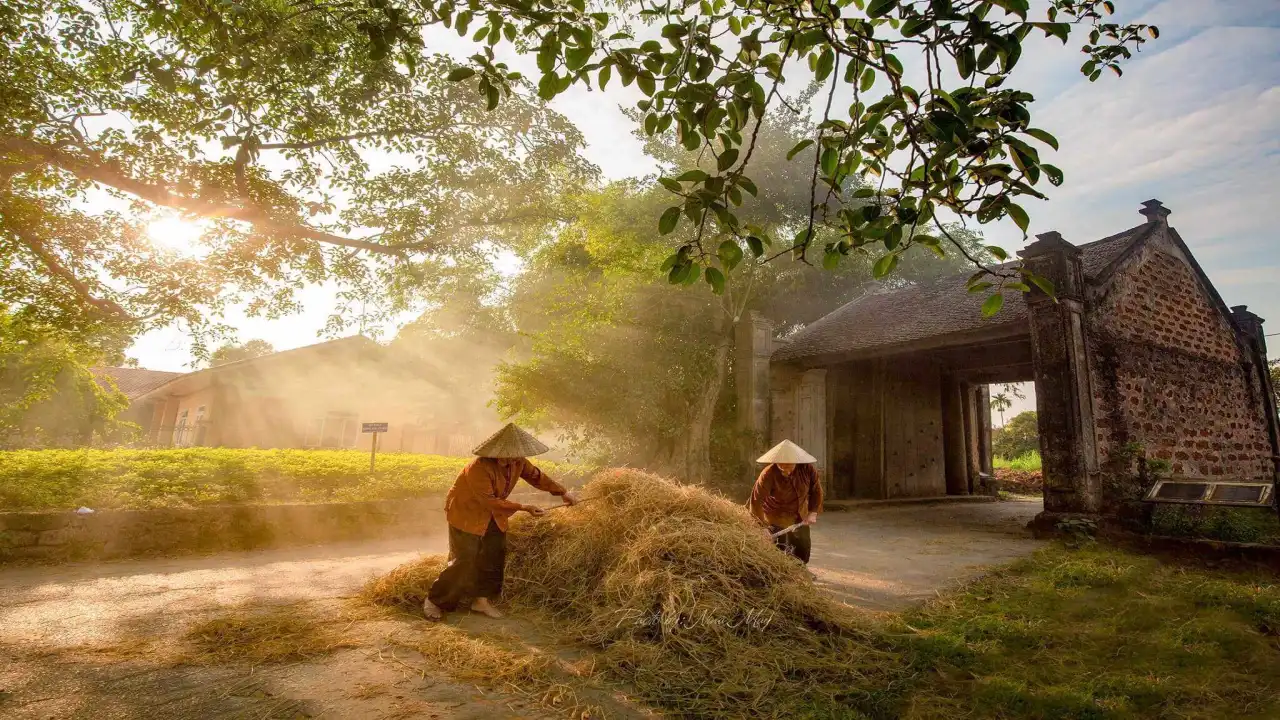
Old villages aren’t just scenic backdrops or nice photo stops. They carry stories Vietnam didn’t erase, even when it could have. Wars passed through. Dynasties rose and fell. Modern life arrived quickly. And still, these villages held on.
They matter because:
- They protect traditional architecture, and cities no longer have
- They show how communities functioned without modern systems
- They keep crafts and customs alive through daily use, not display
- They help visitors understand Vietnam beyond museums
You don’t move through these villages like an attraction. You move carefully. Like someone else’s guest.
Duong Lam Village: Where Stone Walls Tell Stories
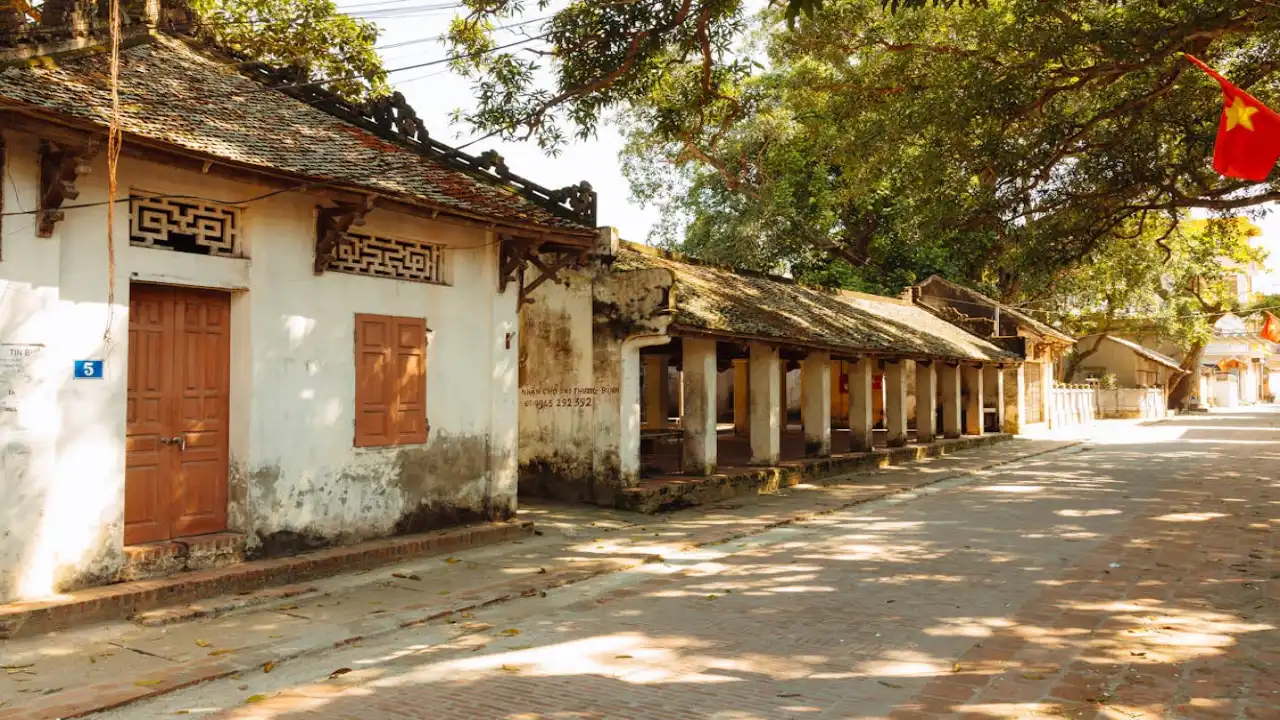
About an hour outside Hanoi, Duong Lam feels like stepping sideways in time. Not backward exactly, just slower. The village is known for its laterite stone houses, built from reddish-brown rock that gives everything a warm, earthy look. Duong Lam is often counted among the most historic villages Vietnam has managed to protect, and that becomes clear quickly. Many homes are over 300 years old. Families still live inside them. Chickens wander where they please. Doors stay open. No one seems in a rush.
What makes Duong Lam stand out
- Laterite stone and mud-brick houses are still in use
- Narrow lanes meant for walking, not traffic
- Old village gates that quietly frame daily life
- Communal houses where meetings and festivals still happen
Walking here feels different. You naturally lower your voice. Not because you’re told to, but because the place sets its own rules.
Pro tip: Go early. Morning light brings out the texture of the stone, and villagers are more open before the day gets busy.
Phuoc Tich Village: The Pottery Village by the River
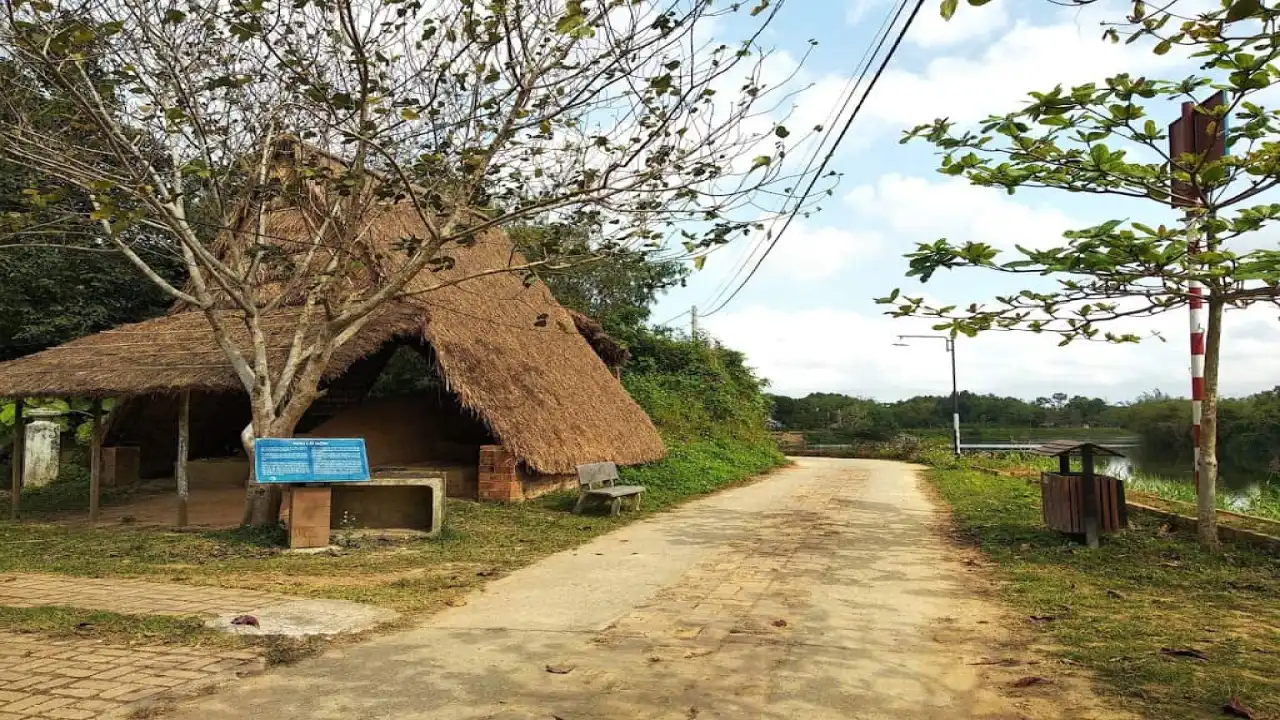
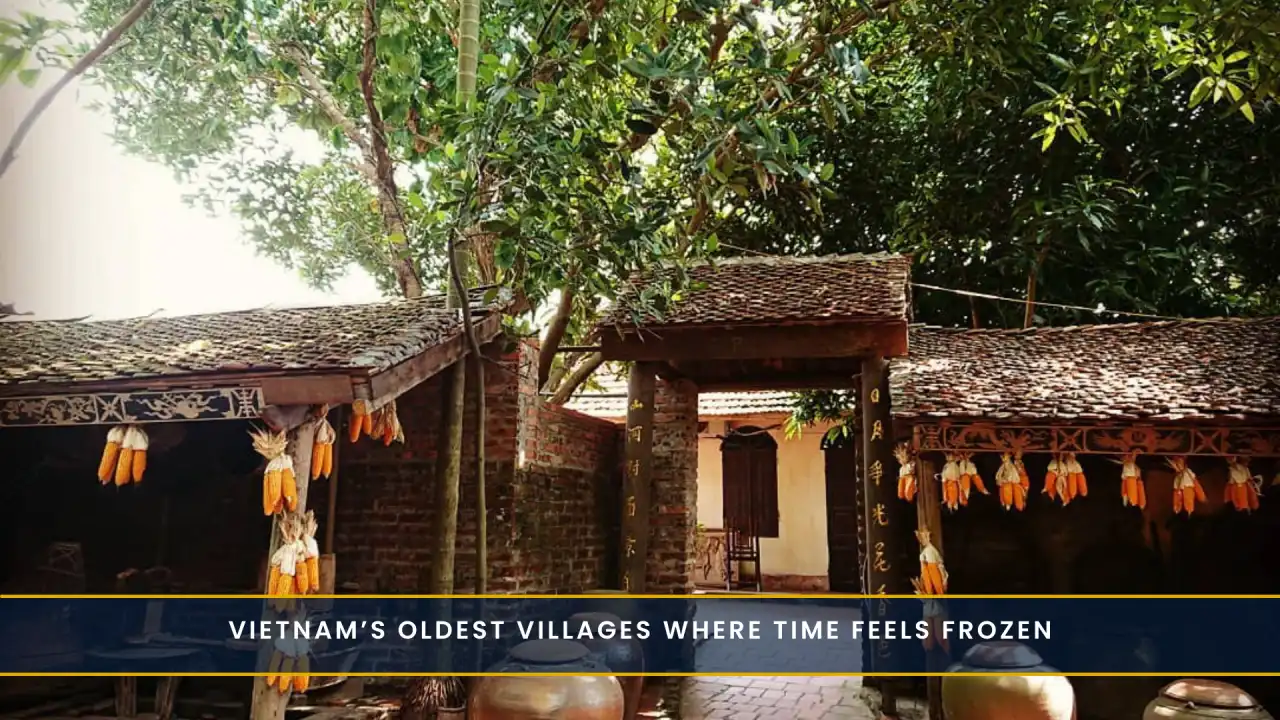
Phuoc Tich sits along the O Lau River in central Vietnam, far from busy routes and louder destinations. The village is known for pottery, but not in a showy way. Pottery here is simply part of life. You might see someone shaping clay while chatting with a neighbor. Or stopping midway to sip tea. Nothing is staged. Nothing is rushed. Phuoc Tich is often included when people talk about ancient villages in Vietnam, mostly because the layout hasn’t changed much and the old houses are still surrounded by gardens and trees.
Things that stand out in Phuoc Tich
- Wooden houses with tiled roofs
- Old pottery kilns are kept as part of the village's memory
- Fruit trees growing wherever space allows
- A quiet river that sets the rhythm of the place
There are no bright signs. No souvenir stalls calling out to visitors. The village doesn’t try to impress and that’s exactly why it does.
Pro tip: Always ask before taking photos of people working. Most are happy to talk once you show respect.
Hoi An’s Villages: A Quieter Side of a Famous Name
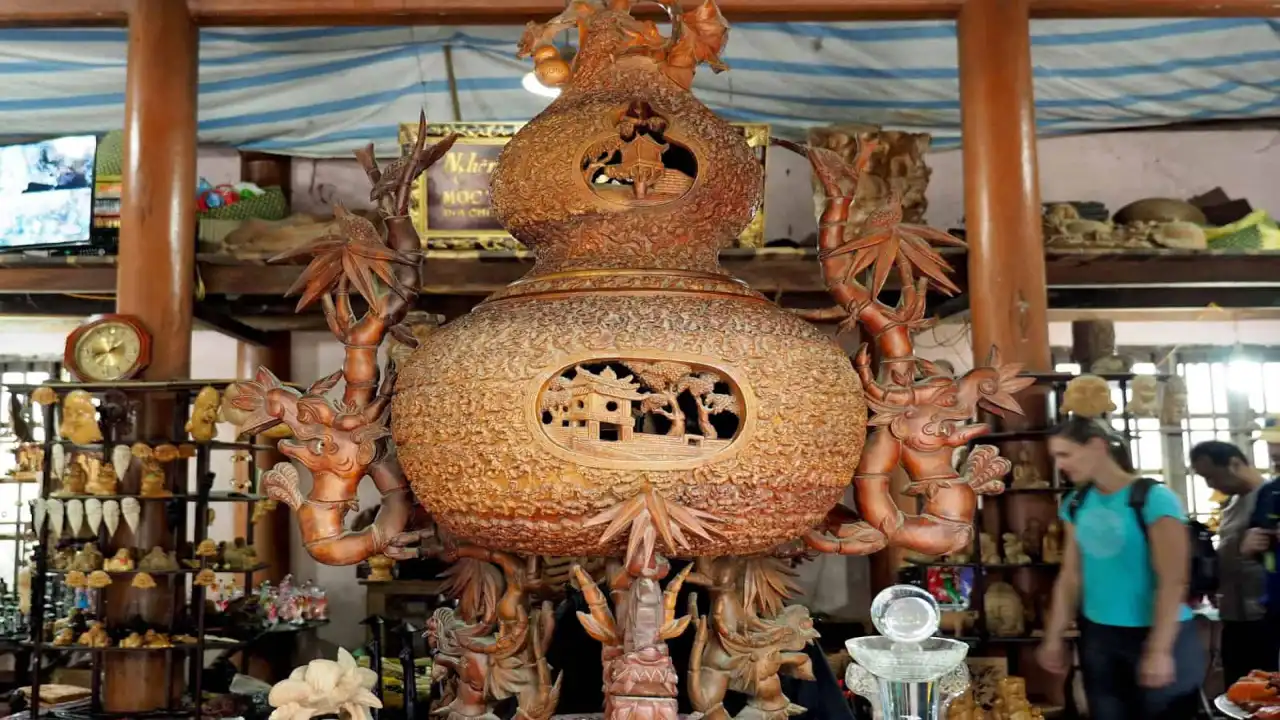
Hoi An is famous, no doubt. But step outside the old town and you’ll find villages that feel far removed from the crowds. Places like Cam Thanh and Kim Bong still carry working traditions. Kim Bong carpentry village, for example, has supplied woodwork for temples, boats, and homes for generations. Craftsmen still rely on skills passed down by elders, not instruction books.
Why these villages are worth visiting
- Traditional skills are still actively used
- Crowds thin out almost immediately
- You see how trade shaped everyday rural life
Cycling is the best way to explore here. Slow rides through rice fields. Small wrong turns. Casual conversations. That’s where the real experience sits.
Life Inside the Villages Today
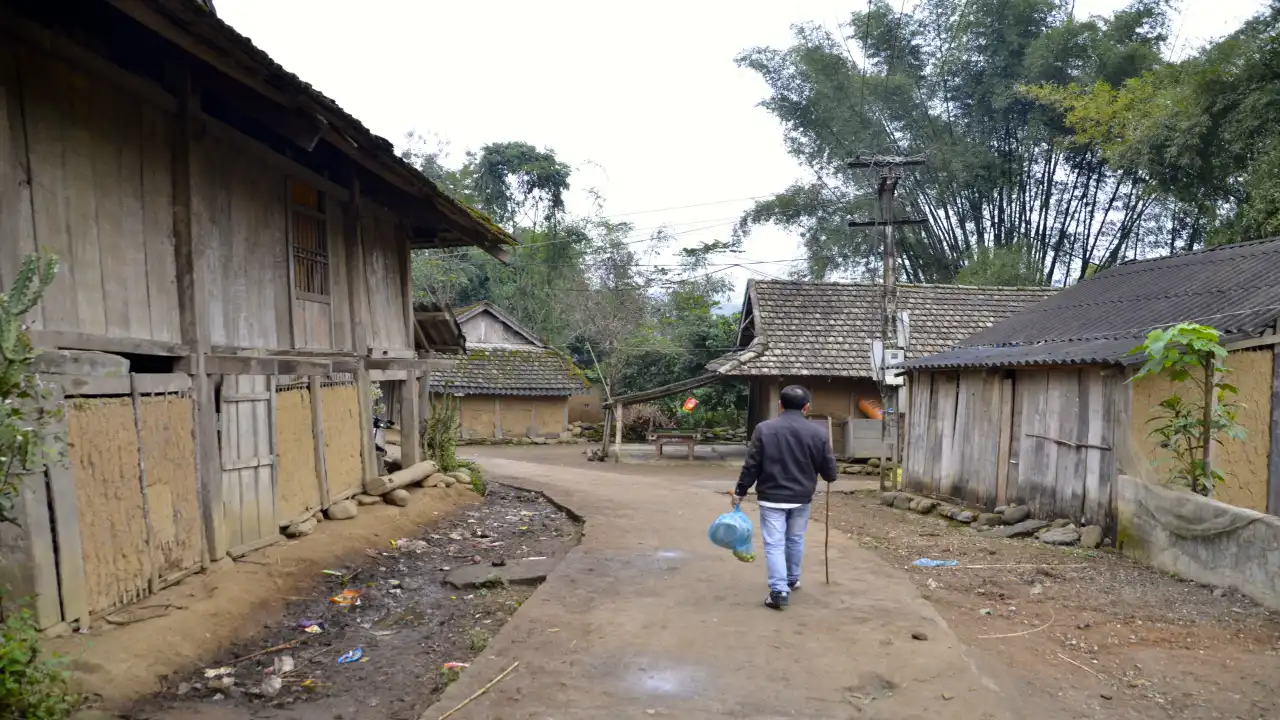
These villages aren’t museums. Kids use smartphones. Motorbikes rest against centuries-old walls. Modern life exists but it bends instead of replacing what came before.
A normal day often looks like:
- Morning cooking and sweeping
- Midday rest during the heat
- Afternoon work or craft
- Evenings spent talking, not scrolling
Life moves slowly, but no one is idle. There’s just no reason to rush.
Festivals and Traditions Still Alive

Festivals still matter here. They aren’t performances. They’re shared responsibilities.
You might see:
- Processions carrying ancestral tablets
- Traditional music played live
- Meals prepared together, not catered
- Elders guiding rituals with quiet authority
If you happen to be there during one, you’re witnessing something real. Not arranged. Not repeated for show.
Pro tip: Dress simply and respectfully. It’s noticed.
Food in the Villages: Simple and Honest
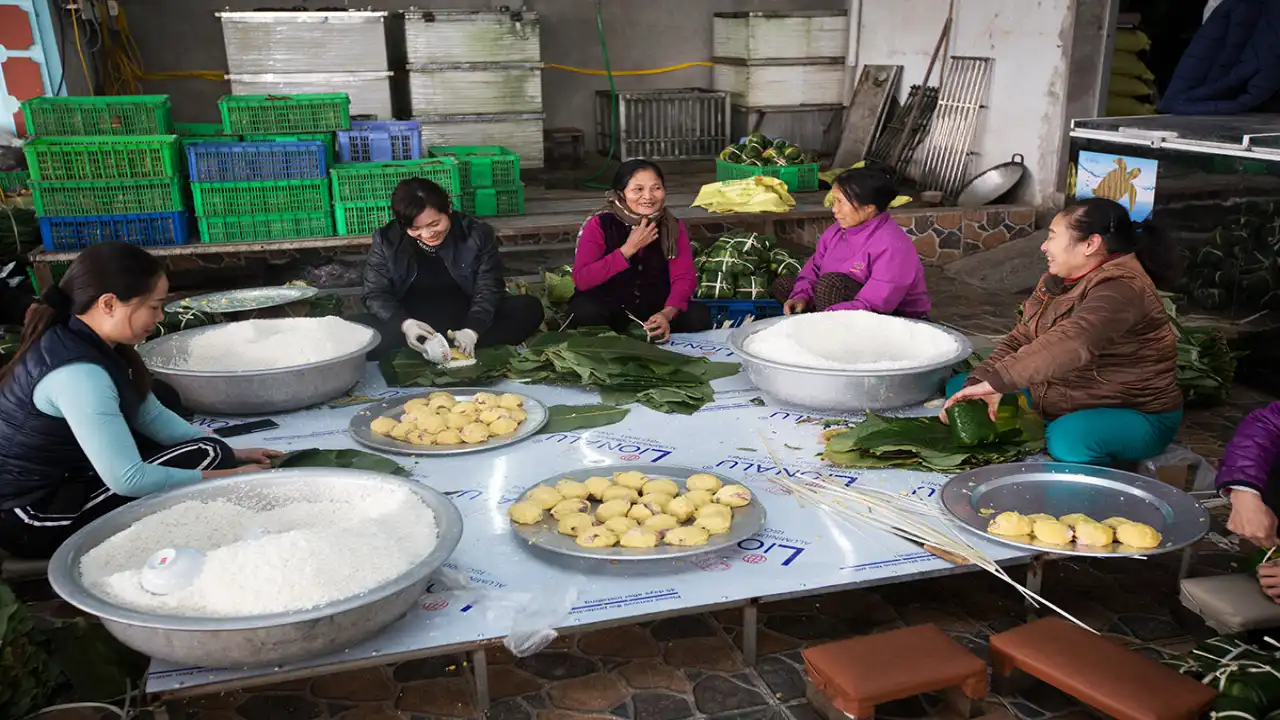
Village food isn’t fancy. It doesn’t need to be.
You’ll usually eat:
- Seasonal vegetables
- Rice grown nearby
- Fish from local waters
- Simple soups and grilled dishes
Meals are often shared. Sometimes unexpectedly. Even without a shared language, food does most of the talking.
Ancient Layouts and Village Design
Across Vietnam’s old villages, one thing becomes clear: these places were planned carefully.
You’ll often find:
- Central communal houses (Dinh)
- Shared wells are placed for easy access
- Homes facing inward for protection
- Footpaths designed for people, not vehicles
These layouts weren’t accidental. They were built around cooperation and survival. Long before modern planners talked about “community spaces,” these villages were already living them.
Staying Near Old Villages
Most villages don’t allow hotels inside, and honestly, that’s a good thing. Staying nearby helps preserve daily life.
Common options include:
- Small guesthouses
- Homestays near village edges
- Family-run inns in nearby towns
Some travelers include village visits through Vietnam tour packages, but the most meaningful moments often come when you slow down and stay longer than planned.
Why These Villages Feel “Frozen” in Time
It’s not that nothing changes. It’s that change happens carefully.
That “frozen” feeling comes from:
- Architecture that still works
- Traditions passed down naturally
- Daily routines that never needed fixing
While the world celebrates speed, these villages quietly prove that continuity still has value.
Who Should Visit These Villages?
These places suit travelers who:
- Prefer slow travel
- Want understanding, not just photos
- Enjoy conversation more than crowds
- Appreciate everyday culture
They’re also a good fit for those traveling with Family Packages, offering calm spaces that feel safe, educational, and real.
Planning Your Visit Wisely
Forget tight schedules. They don’t work here.
A better plan:
- Pick one or two villages
- Spend half a day or more
- Walk instead of rushing
- Talk more than you photograph
This isn’t about checking places off a list. It’s about being present.
Conclusion
Vietnam’s oldest villages don’t compete for attention. They don’t advertise. They simply continue steady, patient, and grounded. Walking through them teaches something simple but important: progress doesn’t always mean replacing what came before. Sometimes it means learning how to live alongside it. Listen closely, and these villages tell quiet stories. Not dramatic ones. Just stories of endurance. And right now, that feels worth hearing.
How to Be a Respectful Visitor
These villages survive on balance. Visitors affect that, whether they realize it or not.
Keep a few things in mind:
- Ask before entering homes
- Keep voices low
- Support local crafts fairly
- Avoid treating people like exhibits
Pro tip: Learning basic greetings changes the way people respond to you.