Village Life in Rajasthan: What Tourists Don’t Usually See
Introduction
Ask people what Rajasthan looks like and the answers come fast: forts on hills, golden palaces against a setting sun, market colors on slabs of stone, and somewhere in it all, an ambling camel. Jaipur, Jodhpur and Udaipur typically take center stage, and to be fair, it’s easy to figure out why. And if you wander their streets, you’ll notice carved balconies and old painted doors, along with buildings that look like they could tell centuries’ worth of tales.
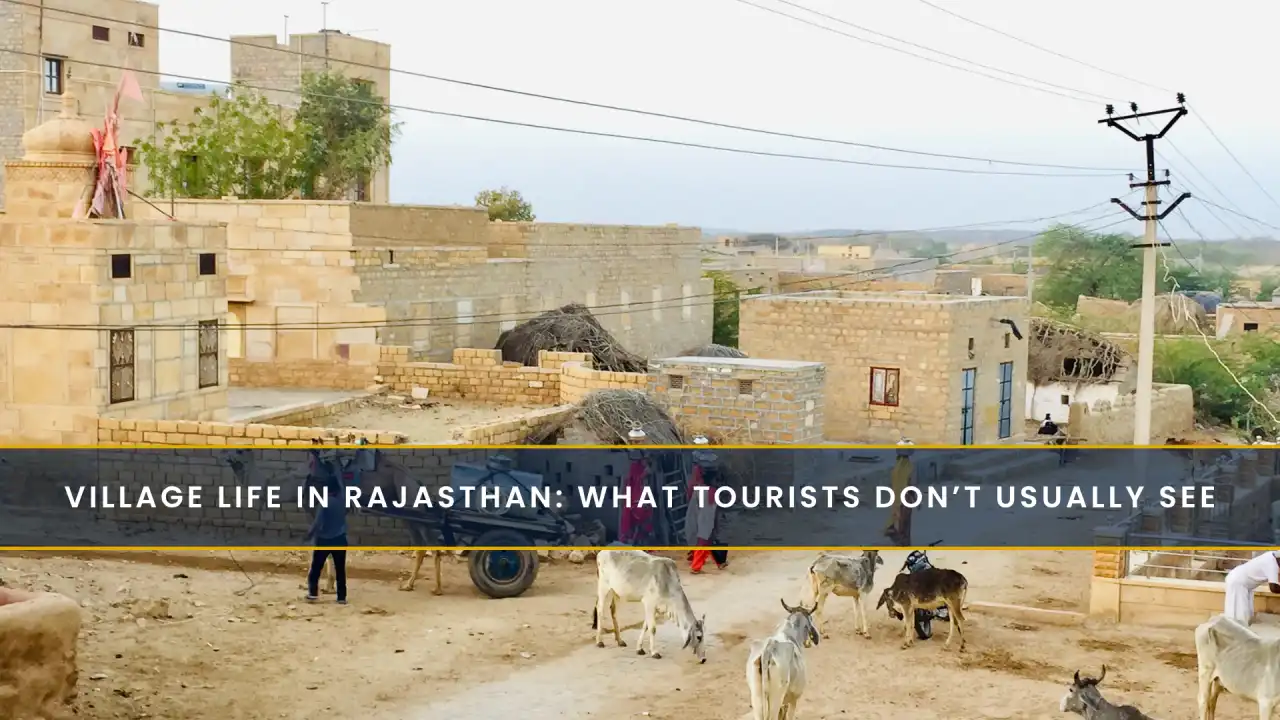
But Rajasthan is more than just those famous cities. Get off the highways and drive a little further, and the crowds and noise start to disappear. Before long, the road is quieter, nearly deserted, and small clusters of houses take shape across the fields. Busy streets give way to dusty paths; goats lounge lazily in the shade of scattered trees. That’s where the real village life in Rajasthan silently persists. Travelers who venture beyond tourist routes find an aspect of the state that many visitors never really experience.
Where Time Moves a Little Slower
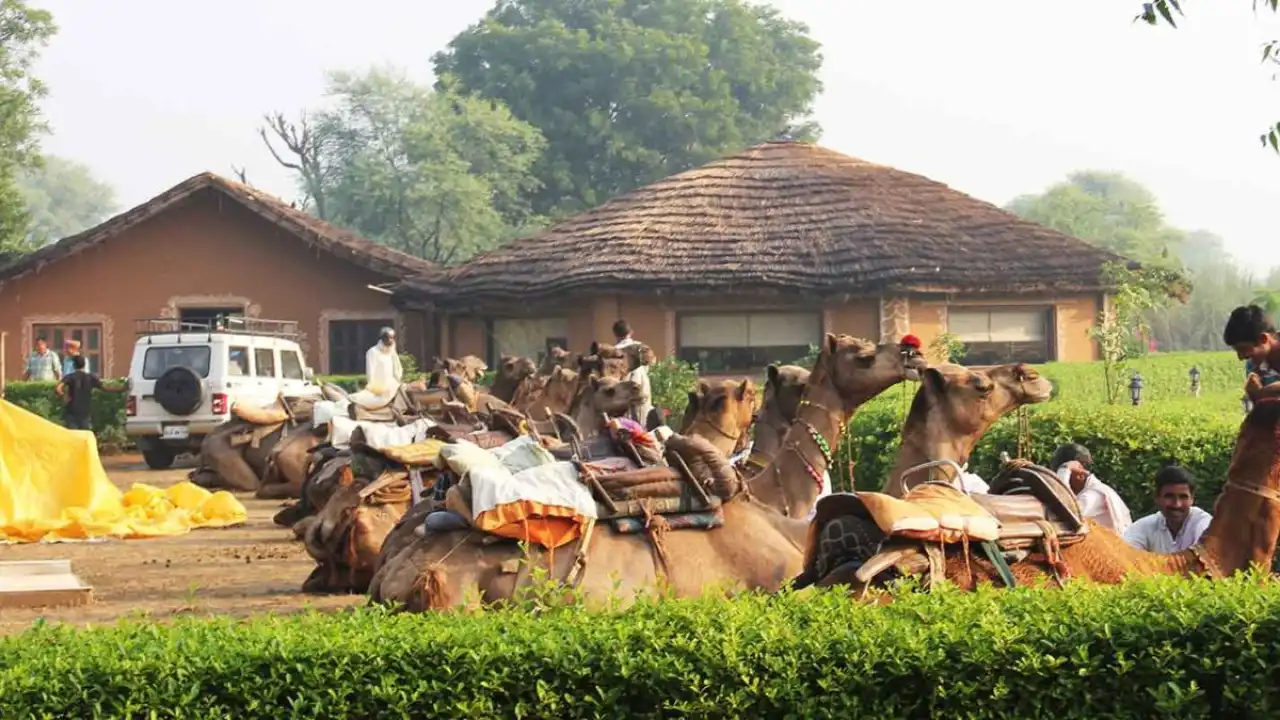
One thing people notice quickly in a village is the pace. It’s slow. Very slow compared to city life. Cities run on urgency. Phone notifications are buzzing constantly. People are rushing somewhere. Traffic is building up for reasons nobody fully understands. Villages don’t really work like that. Morning begins early, sometimes before the sun properly rises. Farmers head out toward their fields while the air still feels slightly cool.
Women sweep the ground outside their homes and pull water from hand pumps. The squeaky metal sound repeats again and again. After a while you stop noticing it; it just becomes part of the background. And somewhere nearby, someone is already making chai. You usually smell it before you see it. Boiling milk. Cardamom. Maybe ginger. For some reason, tea always tastes better when everything around you is quiet.
By mid-morning, the village is awake. A shepherd walks past with goats. Children head toward school in noisy groups. Someone cycles by balancing a huge sack of grain on a bicycle that definitely wasn’t designed for that much weight. Under a tree nearby, a few men sit talking about rainfall. And crops. And politics. And sometimes cricket. The conversation jumps from topic to topic randomly. Nobody seems worried about finishing quickly. That’s often what surprises visitors most. Conversations simply begin. Someone asks where you’re from. Another person joins halfway through and starts sharing their own thoughts. There’s no clear structure. It’s just life happening.
Homes That Tell Stories
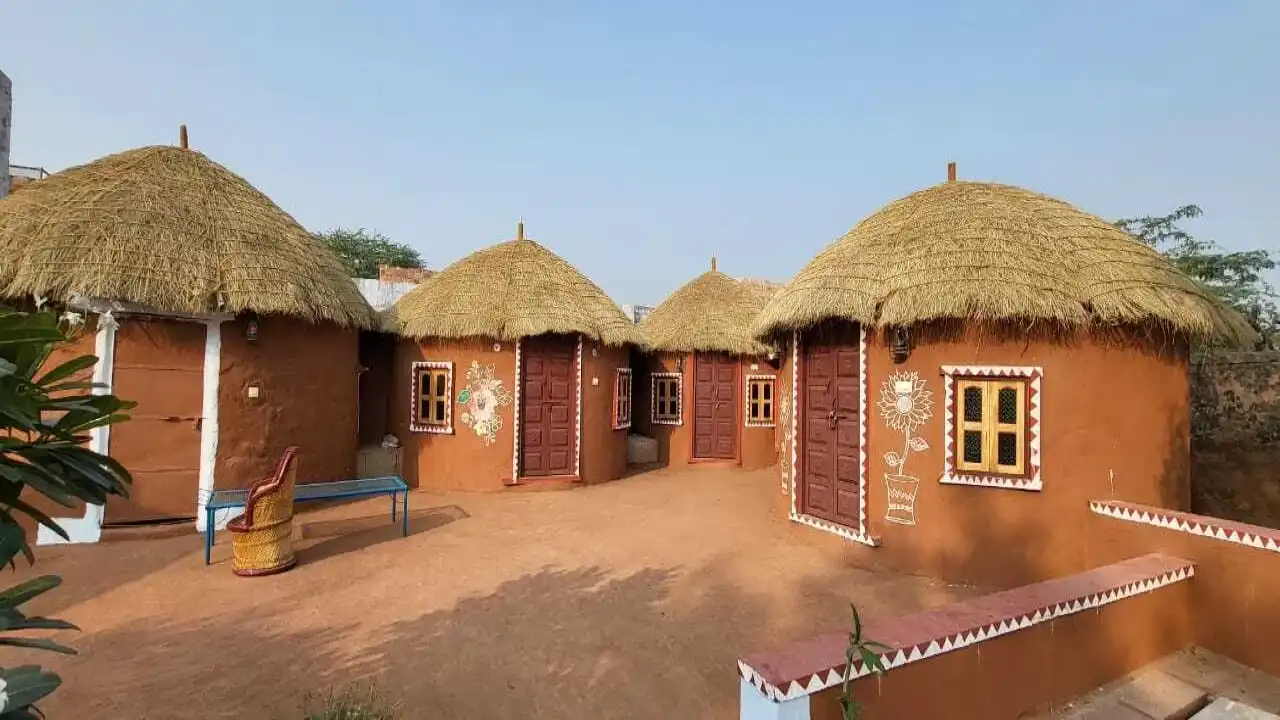
Village houses may look simple at first glance. Actually, very simple sometimes. But spend a bit of time around them and small details begin to appear. Most homes are built using materials suited for the desert climate, such as mud walls, stone blocks, and sometimes lime plaster. The thick walls help keep interiors cooler during those scorching summer afternoons. Windows tend to be small. Not decorative, just practical.
Many homes are built around a courtyard, and that open space becomes the center of daily life. Cooking happens there. Children play there. Someone repairs tools in one corner while grains dry under the sun nearby. Evenings bring everyone back to the courtyard again. Families sit together talking quietly as the night slowly settles over the village. Some walls carry hand-painted designs. Others have tiny mirrors embedded in the plaster that catch sunlight and scatter it around the room. Nothing about these homes looks luxurious. But they feel warm. These are the kinds of places where families have lived for generations.
Food That Comes Straight From the Heart
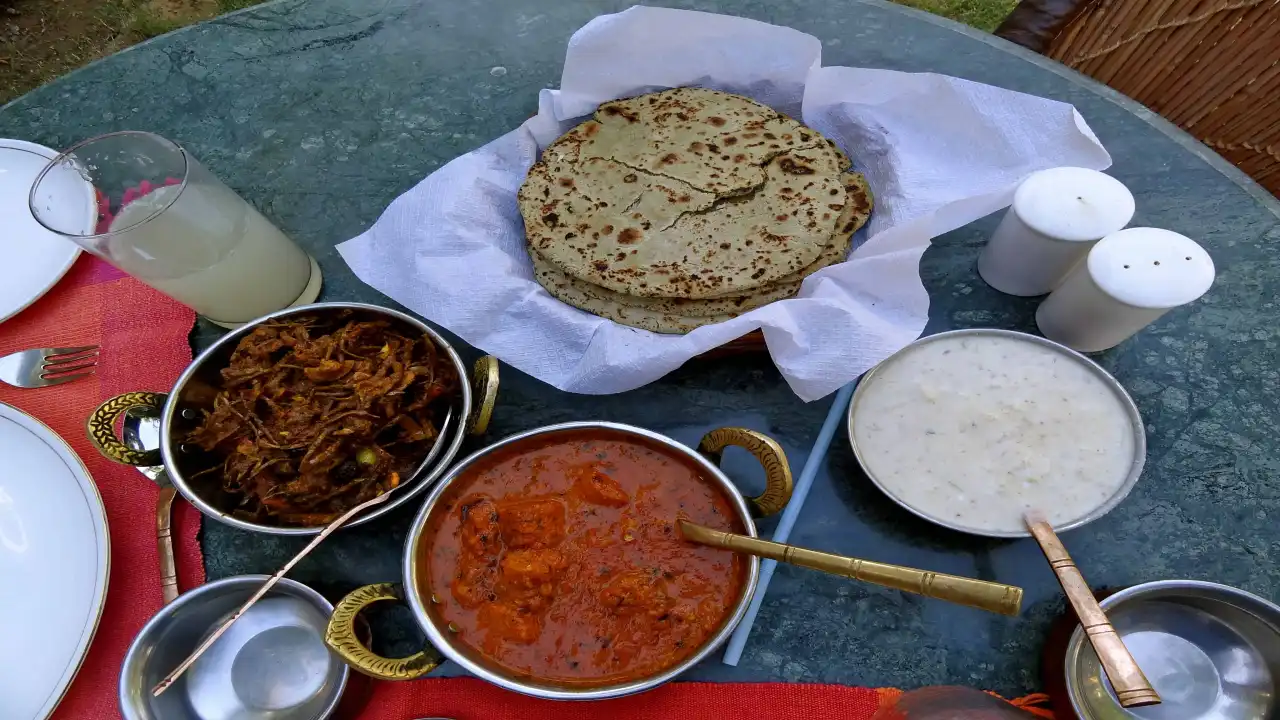
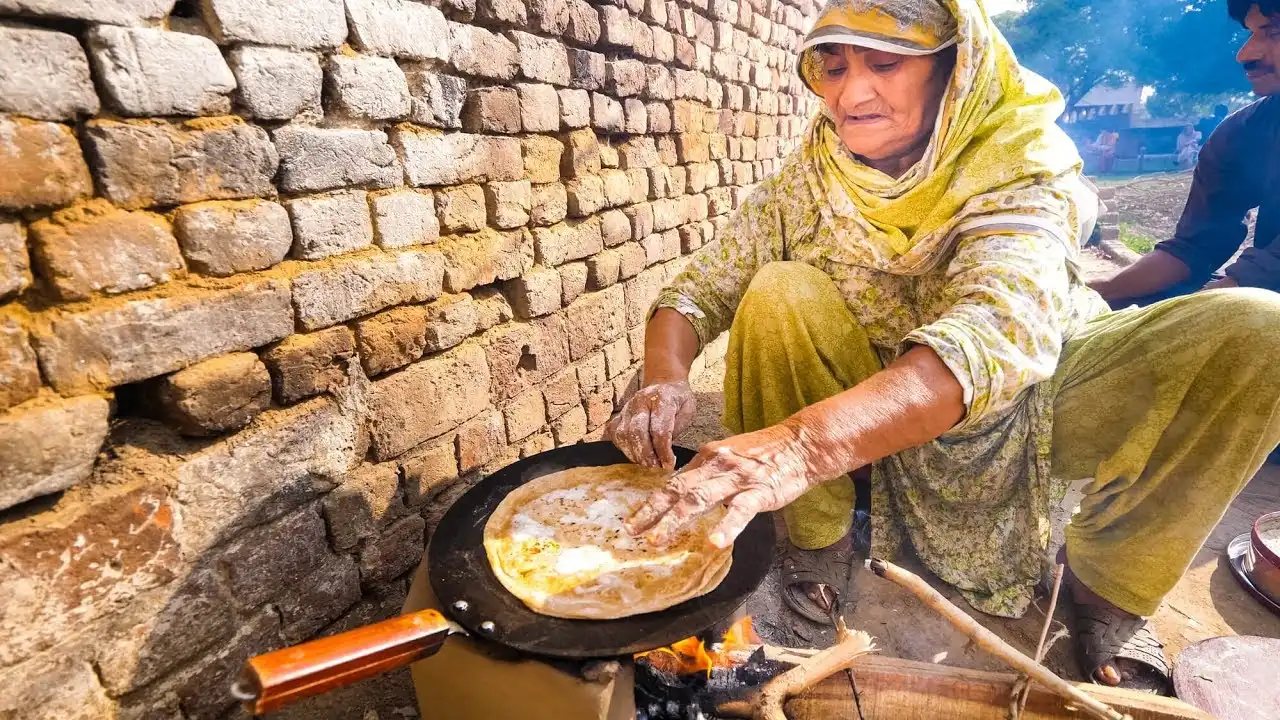
Food in villages isn’t complicated. And perhaps that’s precisely why it tastes so good. Most of the meals use locally grown ingredients. Millet rotis, lentils, seasonal vegetables and sometimes fresh butter or thick buttermilk. Simple dishes. But full of flavor. That is partly due to the cooking method. A lot of homes still have wood-fired stoves. The gentle heat imparts a mild smokiness to food that modern kitchens seldom replicate. Visitors also tend to notice something else.
People here are incredibly welcoming. Stand outside a person’s home for a few minutes and chances are you’ll be offered tea. Maybe snacks. Sometimes, even a full meal. It isn’t formal hospitality. It’s just normal life. And no one is in a hurry when they eat together. Halfway through the meal someone begins telling a story. Someone else chimes in with another story. Dishes seem to just keep appearing whether you ordered them or not. Eating isn’t the only reason to gather over food here. It’s about sharing time.
The Deep Connection to Land and Animals
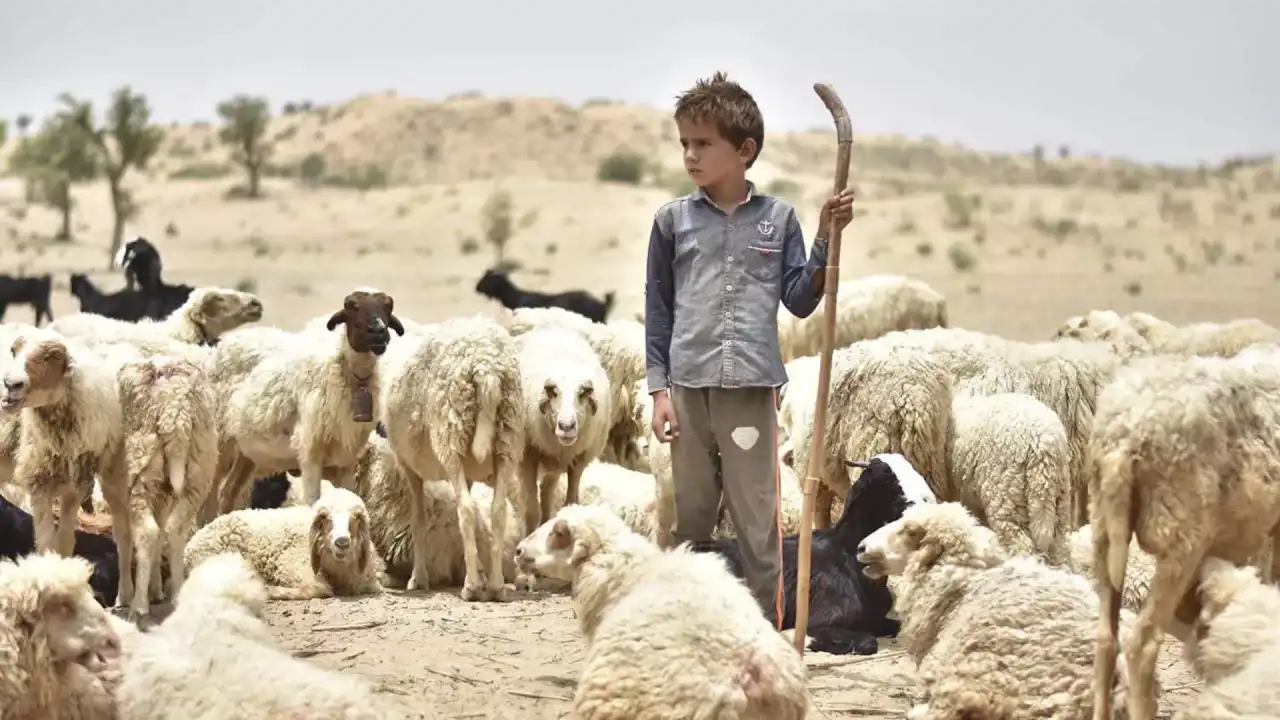
In many villages, daily life still revolves around the land. Fields stretch beyond the houses, sometimes green, sometimes golden, depending on the season. Farmers grow crops like bajra, mustard, and wheat, adjusting their routines around the weather. Animals are everywhere too. But they’re not decorations. They’re part of everyday life.
You’ll often see things like:
- Camels pulling carts loaded with crops
- Cows resting outside homes as if they belong there
- Goats wandering around curiously
- Shepherds guiding flocks across dusty paths
To travelers, these scenes can feel almost cinematic. For locals, though, it’s simply another ordinary day. That connection between people, animals, and land still shapes daily life across rural Rajasthan.
Festivals That Bring Entire Villages Together
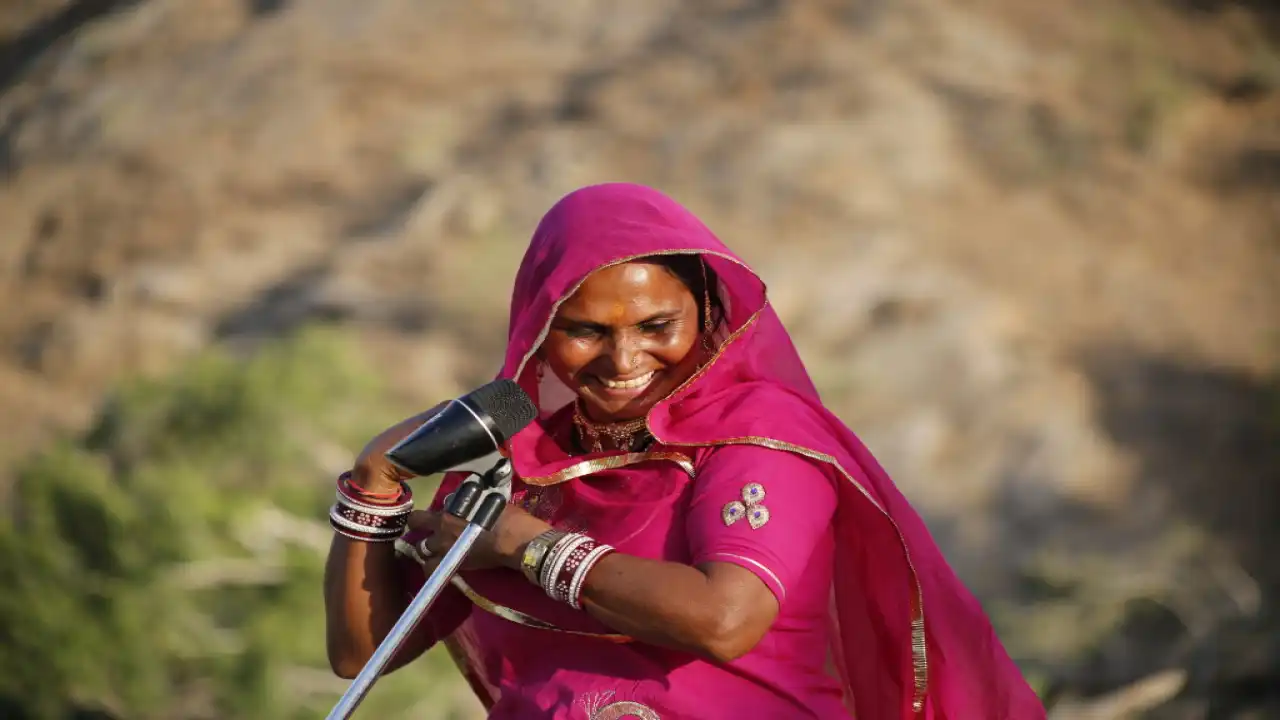
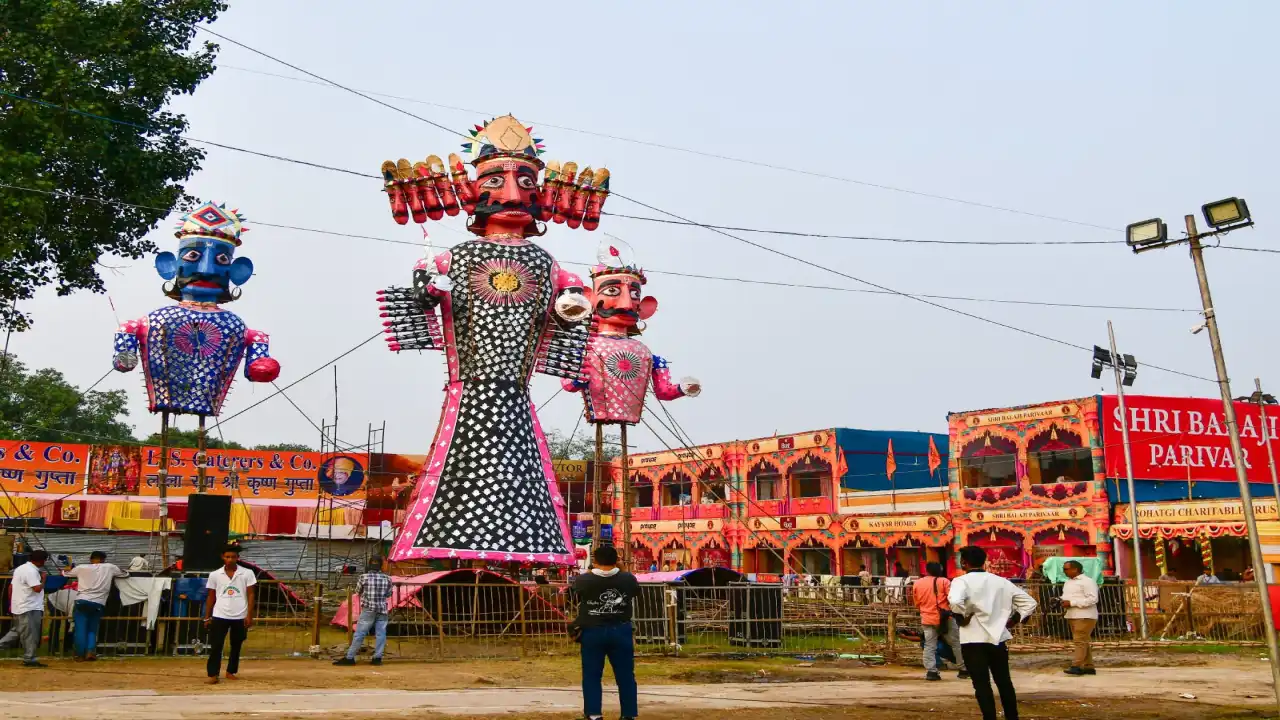
Village life may feel calm most days. But festivals change everything. Suddenly, the atmosphere becomes louder. Brighter. Full of energy. Village celebrations feel different from big city festivals though. Smaller. More personal. Almost like the entire village decided to celebrate together. Everyone participates. Women wear colorful ghagras and odhnis decorated with mirror work that sparkles in the sunlight. Men tie bright turbans that stand out against the sandy landscape. Music fills the air.
During celebrations, you might see:
- Folk dances in open courtyards
- Large community meals cooked together
- Small fairs selling handmade toys
- Folk singers performing stories late into the night
Moments like these show the richness of Rajasthan's local culture in its natural form. Not staged. Just people celebrating traditions they’ve known their whole lives.
Small Crafts With Big Heritage
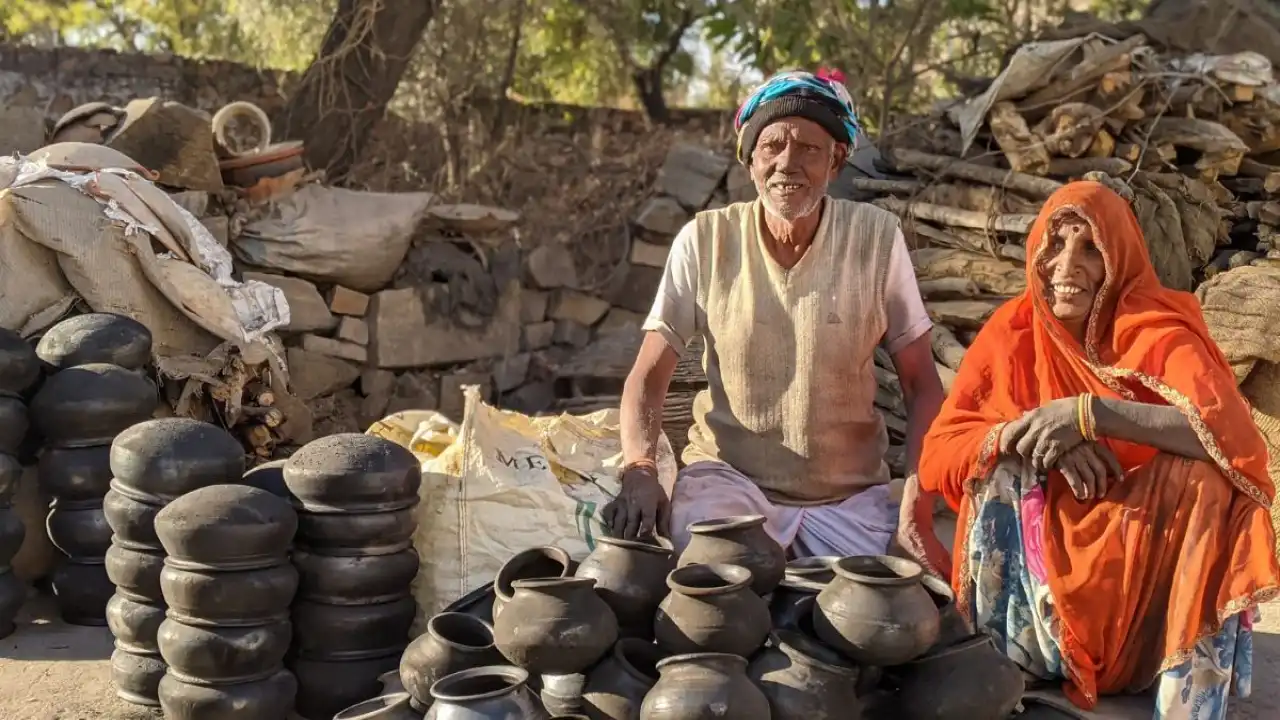
Many villages quietly keep traditional crafts alive. Skills passed down from generation to generation. In one house, you might see pottery being shaped from clay. In another, someone is carving wooden blocks used for textile printing. Groups of women sometimes sit together stitching embroidery while chatting about everyday things.
Common crafts include:
- Clay pottery
- Block-printed textiles
- Embroidery work
- Handmade leather goods
- Traditional weaving
What’s interesting is that these “workshops” are usually just corners of someone’s home. No fancy studios. No expensive equipment. Just tools on the floor and the patient's hands doing the work. Yet many of those handmade products eventually reach markets across the country.
What Tourists Often Miss
Most travelers visit Rajasthan for its forts and palaces. Which makes perfect sense. But focusing only on those places means missing the smaller moments that define everyday life.
Things like:
- Elders sharing stories during sunset
- Children inventing games with sticks and stones
- Women drawing rangoli outside their homes early in the morning
- Farmers discussing rainfall like experienced weather forecasters
These moments rarely appear in travel brochures. But strangely enough, they’re often what travelers remember most.
How Travelers Can Explore These Places
Exploring villages doesn’t usually require complicated planning. Many travelers encounter them during cultural visits included in Domestic tour packages, especially near desert towns or heritage areas. Even a short visit can offer a deeper understanding of Rajasthan beyond its famous monuments.
Why These Villages Matter
Cities change quickly. New buildings appear. Old streets disappear. Life speeds up every year. Villages move differently. Traditions remain. Community connections stay strong. Daily routines still revolve around land, seasons, and neighbors. For travelers used to fast urban life, spending time here can feel surprisingly calming. You start noticing small things again. Wind moving through crops. A quiet sunset over open fields. A neighbor stopped by just to talk. Simple moments. But they stay with you.
Conclusion
Rajasthan will always be known for its extravagant forts, royal palaces and expansive desert landscapes. Those places deserve their reputation. But away from those landmarks is another side to the state, quieter, slower, very human. Little villages alive with traditions, routines and ties. For travelers willing to stray off the beaten path, they offer a glimpse of Rajasthan you won’t find in guidebooks. And sometimes those dusty lanes in the village, the ones with no crowd or camera around them, become the nicest parts of history.
Pro Tips for Experiencing Village Life Respectfully
If you visit a village during your trip, a little awareness helps.
Pro Tips
• Dress modestly
• Ask before taking photographs of people
• Support local artisans when possible
• Accept tea if someone offers it
• Take time to talk with locals instead of rushing
Villages aren’t tourist attractions. They’re communities where everyday life continues.