Water Sports You Must Try in the Philippines
Ever scroll through pictures of water so blue you could count the fish from a boat and think, wait, where even is that? Nine times out of ten, it's the Philippines. Over 7,000 islands give or take; nobody's ever really nailed down the exact number; it changes depending on the tide and who's counting. This country basically got built for people who'd rather be soaked to the bone than parked on a couch. And once you try Philippines Water Sports yourself, not just scroll past them on a phone, you start getting why people keep flying back for way more than the beaches.
Picture this. Stepping off a banca the local outrigger boat, wobbly, wooden, bamboo pontoons sticking out either side like it's about to tip over but somehow never does somewhere off Palawan. Salt's still dried stiff on your arms from the last stop. And this thought just shows up uninvited: "Yeah, okay, this island-hopping thing is gonna ruin normal vacations for me forever." It does. Every single time. Ask literally anyone who's done it more than once, and they'll tell you the same thing. So here's the rundown. Water sports worth packing a swimsuit for, whether you've never touched a board in your life or you already own three wetsuits and won't shut up about it.
Why the Philippines Works So Well for This
Before diving into specifics, why does this country pull off water sports so well? Water stays warm nearly year-round, visibility hits 15 to 30 meters on a good day, sometimes more sometimes way less; the exact number depends on who you ask and which dive shop you visit. But one thing everyone agrees on is that marine life is incredible. The Philippines is part of the Coral Triangle, making it one of the best places in the world to see colourful coral reefs, tropical fish, sea turtles, and many other sea creatures.
The thing people call the Amazon rainforest of the ocean, and for once that comparison actually holds up instead of just being tourism-brochure talk. Most islands have some cove or reef tucked nearby too. Rarely more than a short boat ride away from your next thing to try. One town over, a totally different underwater world waiting. It's honestly a bit wild how much shifts in twenty minutes by boat: new fish, new coral colors, sometimes even different water temperatures.
Surfing: Siargao Earns That "Surfing Capital" Title
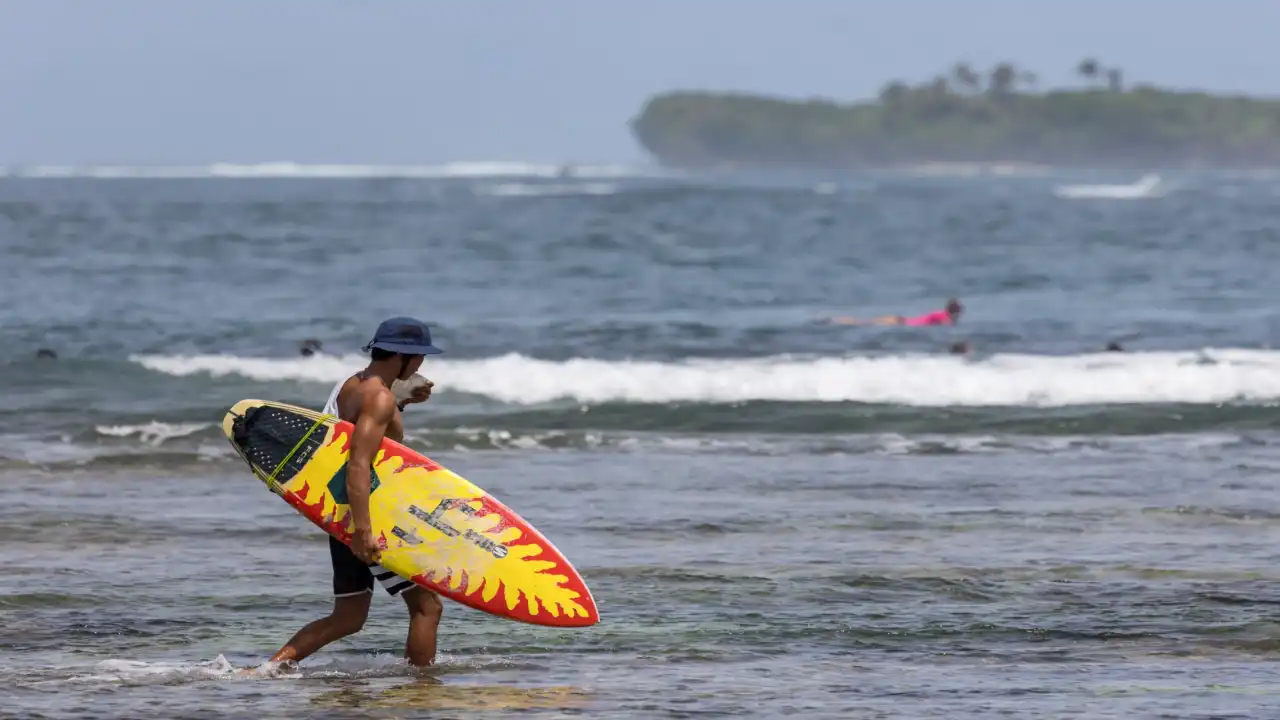
Siargao gets all the hype online and, fair enough, it earns it. Cloud 9, the island's most famous break, is not for beginners. Not even close. The barrel moves fast, the reef sits right underneath, so you better know what you're doing or you'll spend the week picking coral bits out of your knee. Jacking Horse and Quicksilver nearby are way friendlier if you're picking up a board for the very first time in your life.
Pro tip: book a local instructor for your first couple sessions, even if you've surfed plenty back home already. Reef breaks here act nothing like beach breaks. A guide who genuinely knows the tide charts (not one who just claims to) saves a ton of wasted paddling. And probably a scrape or two you'd rather avoid.
Other surf spots worth knowing:
- La Union: closer to Manila, chill vibe, decent for beginners
- Baler: where Philippine surfing basically got its start, still has that old-school feel to it
- Catanduanes: raw, way less crowded, for people who like their adventure a little rougher around the edges
Island Hopping and Snorkeling: Where Most People Start
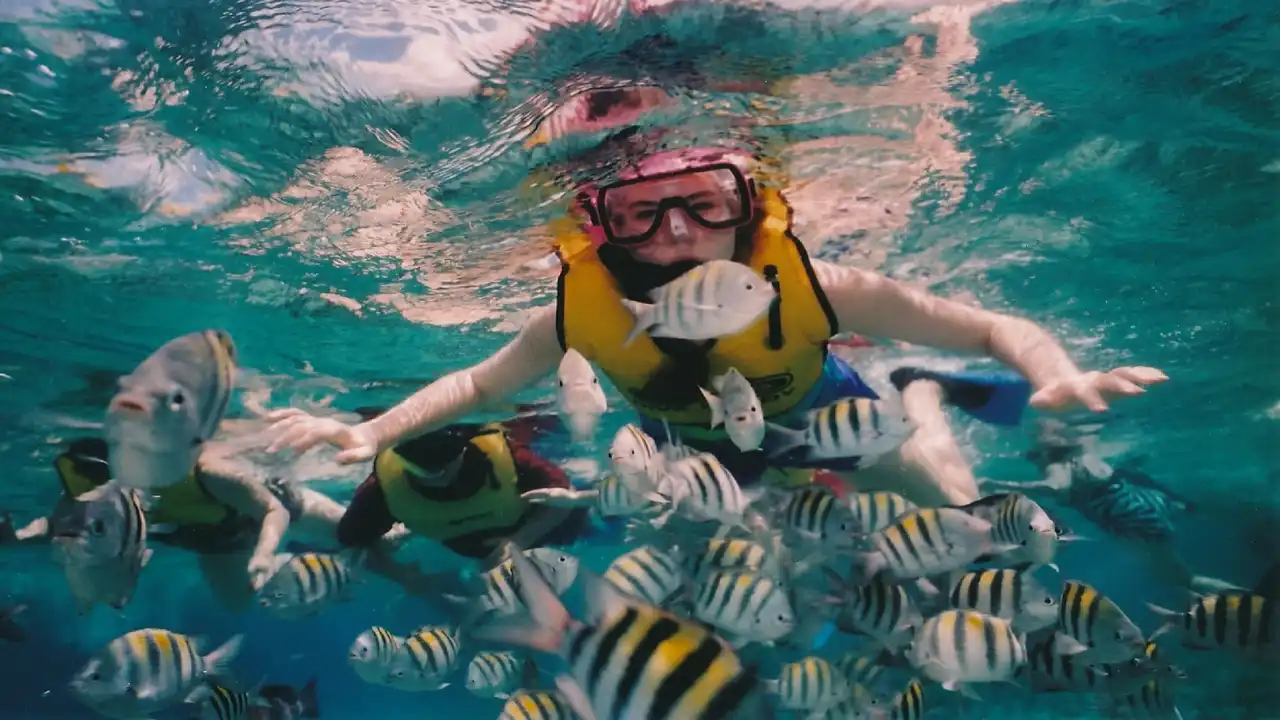
Usually the gateway activity, and honestly for good reason too. No special skill required, just a mask, some fins, and enough patience to float around staring at things for an hour. El Nido and Coron in Palawan are the most famous diving destinations in the Philippines: lagoons, shipwrecks, limestone cliffs that genuinely don't look real in photos. Truth is they don't look totally real in person either.
Coron specifically is known for its WWII shipwreck sites. Some sit shallow enough that even snorkelers can peek down and make out the outlines from the surface, which honestly feels a little unusual the first time you spot one drifting into view below you. Want to go deeper? Literally certified divers treat these wrecks like a bucket-list item. Water Sports in the Philippines, if you had to boil it down to one sentence, would probably sound something like this: it's the one country where you snorkel a coral garden in the morning and end up surfing waves by lunch, no island change needed. Not an exaggeration either. That's just how tightly packed everything is here.
Scuba Diving: Beyond the Postcard Shots
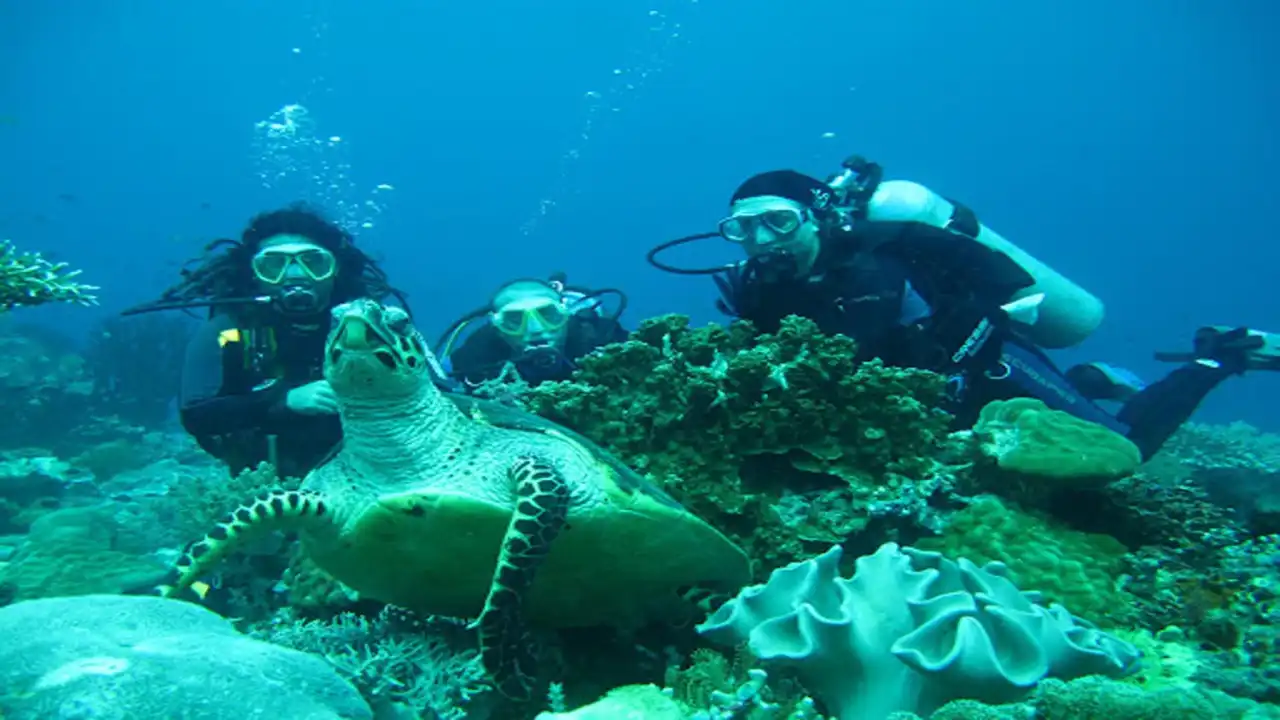
Once snorkeling hooks you and it usually does, diving's the natural next step. Tubbataha Reef out in the Sulu Sea often gets ranked among the best dive sites on the planet, though good luck getting there easily. Liveaboard boat only, short window from March to June. Not cheap. Not for casual divers. But people who've kept talking about it years later like something in them actually shifted. For something a little more accessible, Anilao in Batangas is the spot for muck diving. Basically hunting out tiny, weird little critters, nudibranchs, pygmy seahorses, hiding in the sand. Different vibe entirely from reef diving. Less scenic swim, more like a scavenger hunt where the prize is a seahorse smaller than your thumbnail.
Pro tip: not certified yet? Moalboal in Cebu's a solid place to knock out your Open Water course. The sardine run there, this massive swirling ball of thousands of fish just off the shore is something you actually get to watch while doing your training dives. Makes the whole learning curve way more fun than staring at the bottom of a pool.
Kitesurfing and Windsurfing: Letting the Wind Do the Work
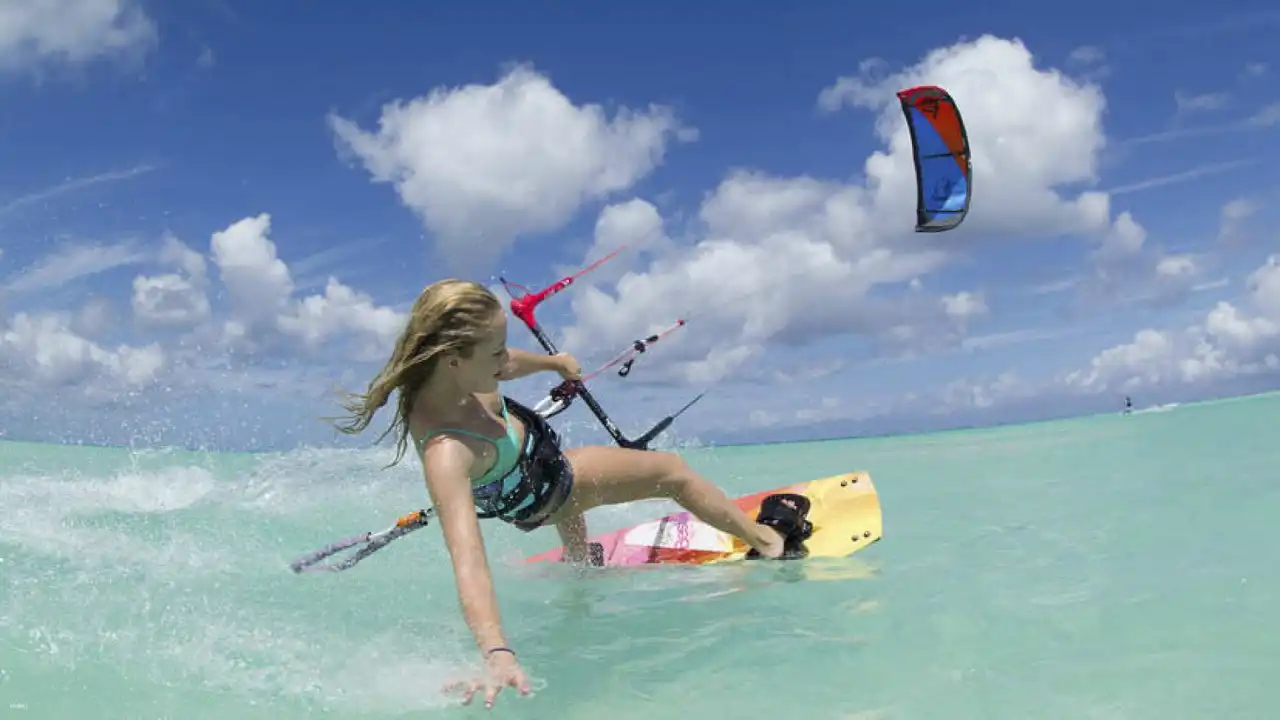
Head to Boracay's Bulabog Beach sometime between November and April and the sky's basically filled with kites, dozens of them, colors everywhere. This side of the island catches the amihan winds, which makes it one of the more dependable kitesurfing spots in Southeast Asia. Beginners can rent gear right there and take lessons on the sand, and instructors here are used to working with people who've genuinely never touched a kite bar before in their life.
A few things worth knowing if this is your first go at it:
- Morning sessions usually bring steadier, more predictable wind
- Wear a rash guard even if you think you don't need one; harness rub is very real; ask anyone who's got the marks to prove it
- Don't skip the beach-based kite control lesson just because you're itching to get in the water already; patience pays off here
Freediving: The Quiet One
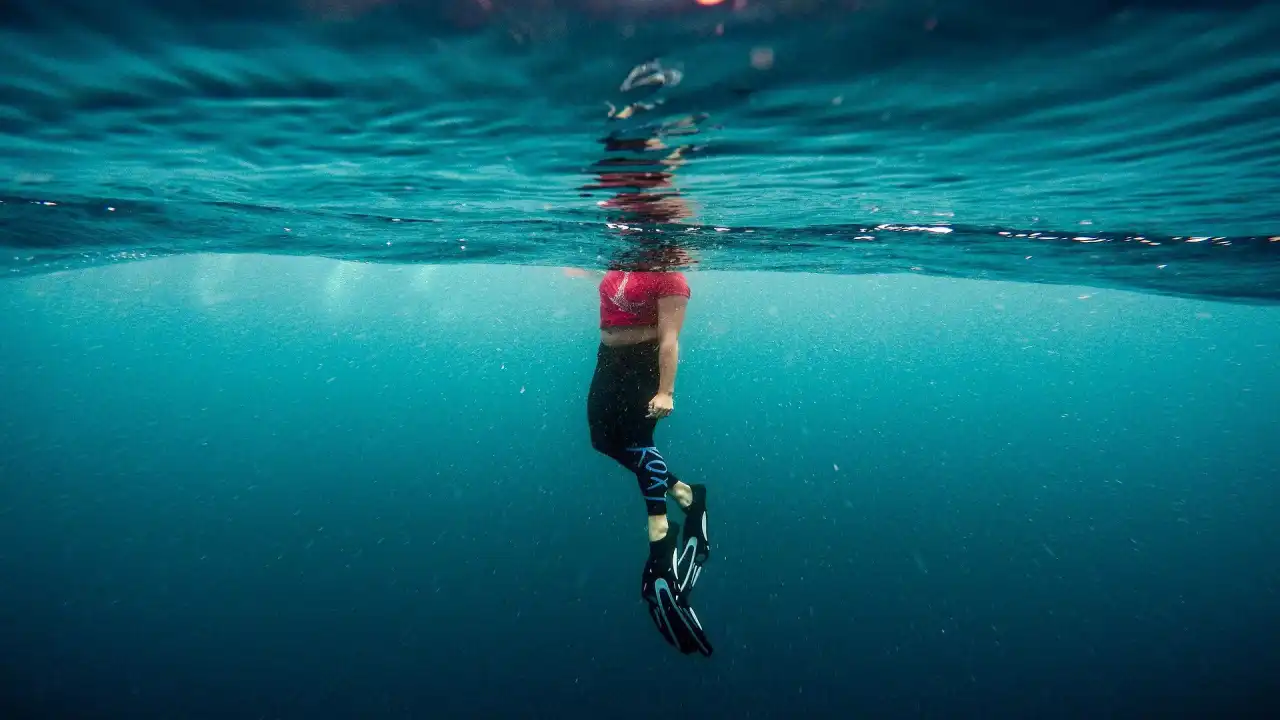
Not everyone wants tanks strapped to their back, and that's where freediving fits in. Moalboal and Panglao have become small hubs for it, with schools teaching breath-hold techniques and safety basics over a few days. There's something almost meditative. Okay, that word gets thrown around too much, but it genuinely fits here about sinking in a single breath, watching the light dim slightly the deeper you go, nothing but your own heartbeat keeping you company. Less intimidating than it sounds though. Most beginner courses stay shallow, controlled, and honestly more about relaxing your body than pushing any real limit.
Stand-Up Paddleboarding and Kayaking
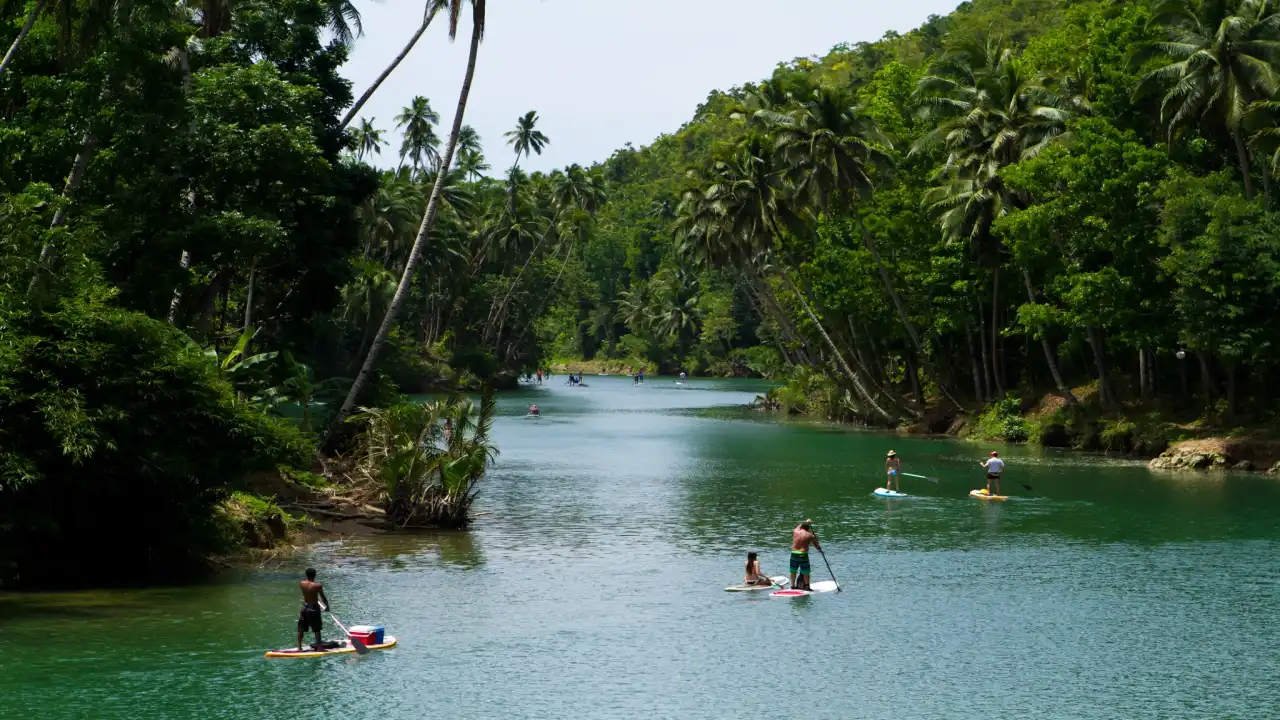
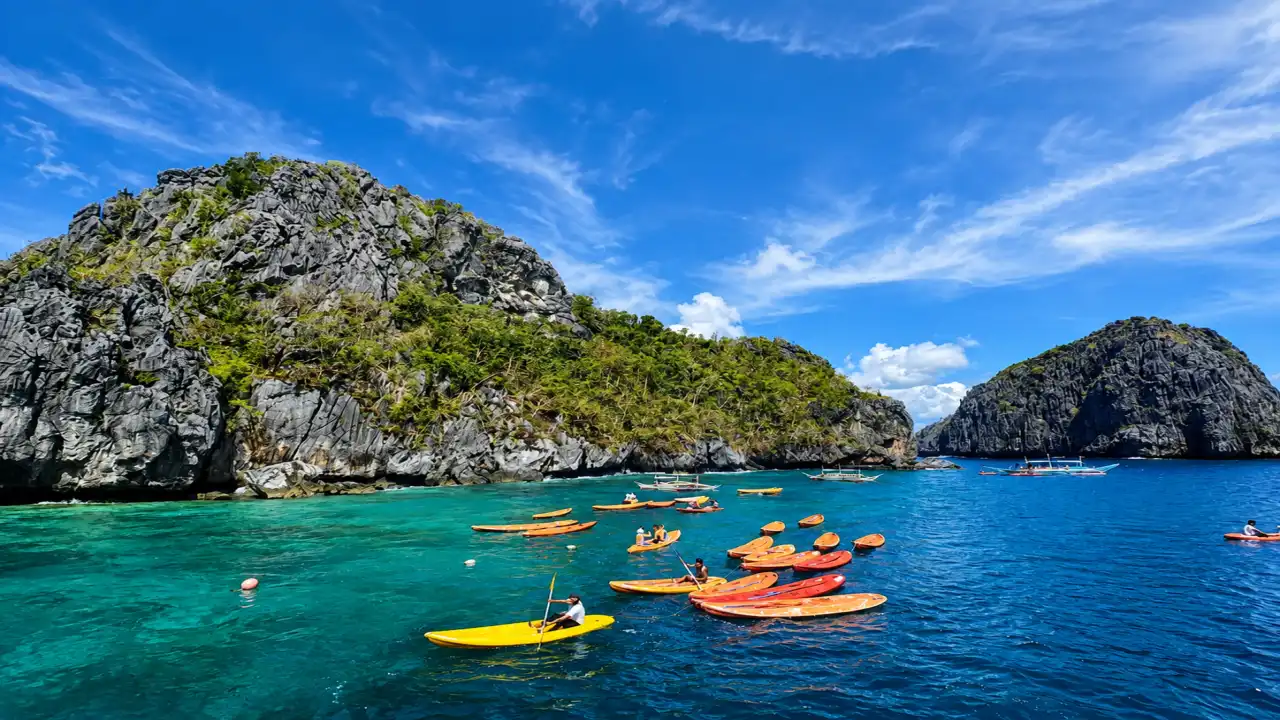
For something slower, SUP and kayaking are everywhere: calm lagoons of El Nido, mangrove rivers of Bohol. Not adrenaline sports so much as a decent excuse to be on the water without breaking a sweat. Paddling the Loboc River right at sunrise, mist sitting flat on the water, birds just starting to wake up around you, one of those moments that never quite translates to a photo but sticks with you anyway. Traveling with family, or with someone who isn't up for anything too physical? This one's usually the easy sell.
Wakeboarding and Cable Parks
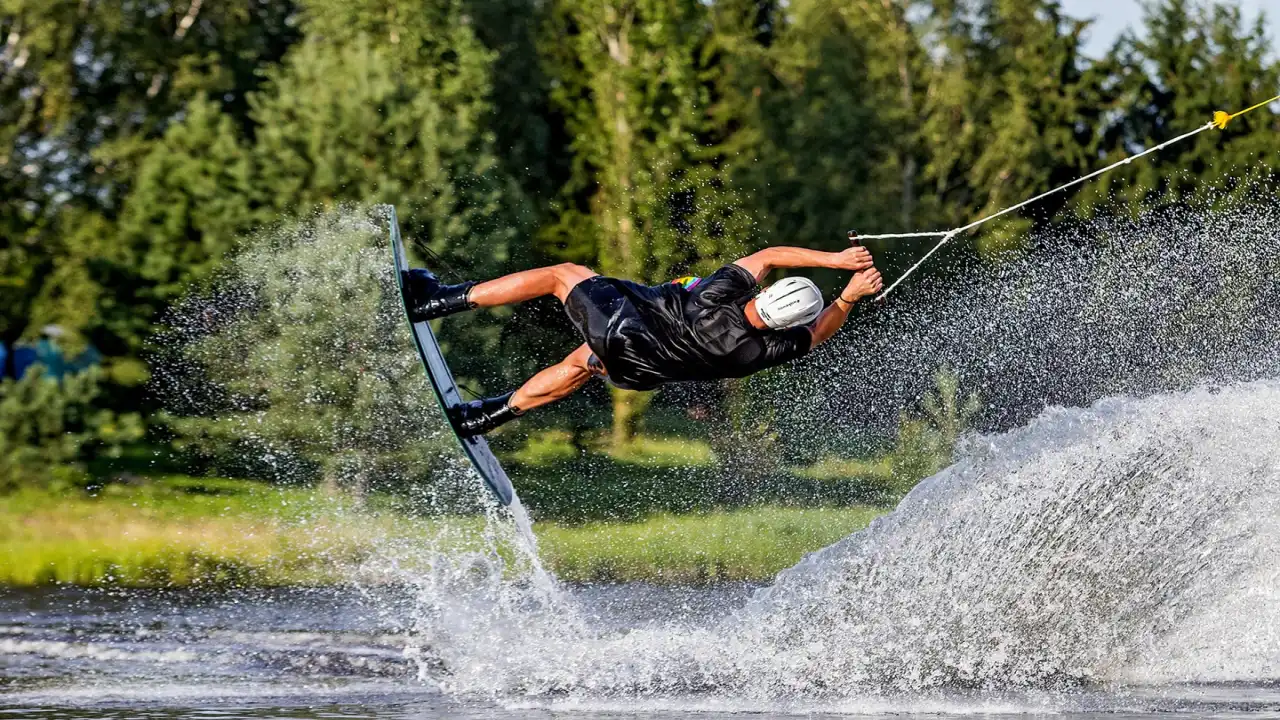
Want the thrill of wakeboarding minus the actual boat and driver? CamSur Watersports Complex in Camarines Sur runs one of Asia's biggest cable wakeboard parks. Good for friends too, since different skill levels can ride at the same time, and beginners can start small before working their way up to jumps and rails. This one tends to land as one of the Best Water Sports in the Philippines for bigger groups specifically, since not everyone has to match skill levels to still have a decent time together.
Planning the Trip Itself
A lot of first-timers try fitting everything into one visit and end up exhausted, kind of miserable actually, chasing too many islands in too few days. Honest advice here: pick two, maybe three islands per trip, go deep instead of wide. A well-planned Travel junky Philippines tour package, for instance, can pair kitesurfing lessons with a relaxed island-hopping day, so you're not stuck figuring out every single logistic yourself at midnight on hotel wifi that barely works.
A few practical notes before booking anything:
- Peak dive and surf seasons shift by region, so check month-by-month conditions for wherever you're actually headed
- Domestic flights between islands can be surprisingly cheap if booked early; wait too long though and prices jump fast, no warning
- You can rent surfing or diving gear at most places, so bringing your own isn't necessary unless you have a personal preference.
Traveling with relatives who all want different things, some chasing adrenaline, others just wanting to nap by the shore all day. Family Packages that mix a few water sports days with actual rest days tend to keep everyone from arguing by day three. Trust that one; it's a small thing that makes a real difference.
Conclusion
What makes this country stand out isn't really one activity. It's how many different ways there are to interact with the same ocean, honestly. One week you're learning to read wind for kitesurfing, next you're floating silent over a coral reef, barely making a ripple. That variety's probably what keeps people flying back year after year, chasing the next island, the next wave, the next quiet morning where the water's dead flat and nobody else is around yet. Pack light and bring a sunscreen you know works well, not one that washes off after a few minutes. Leave the rest to the islands, and if you'd rather skip the planning, Travel Junky can help you put together a smooth and memorable Philippines trip.