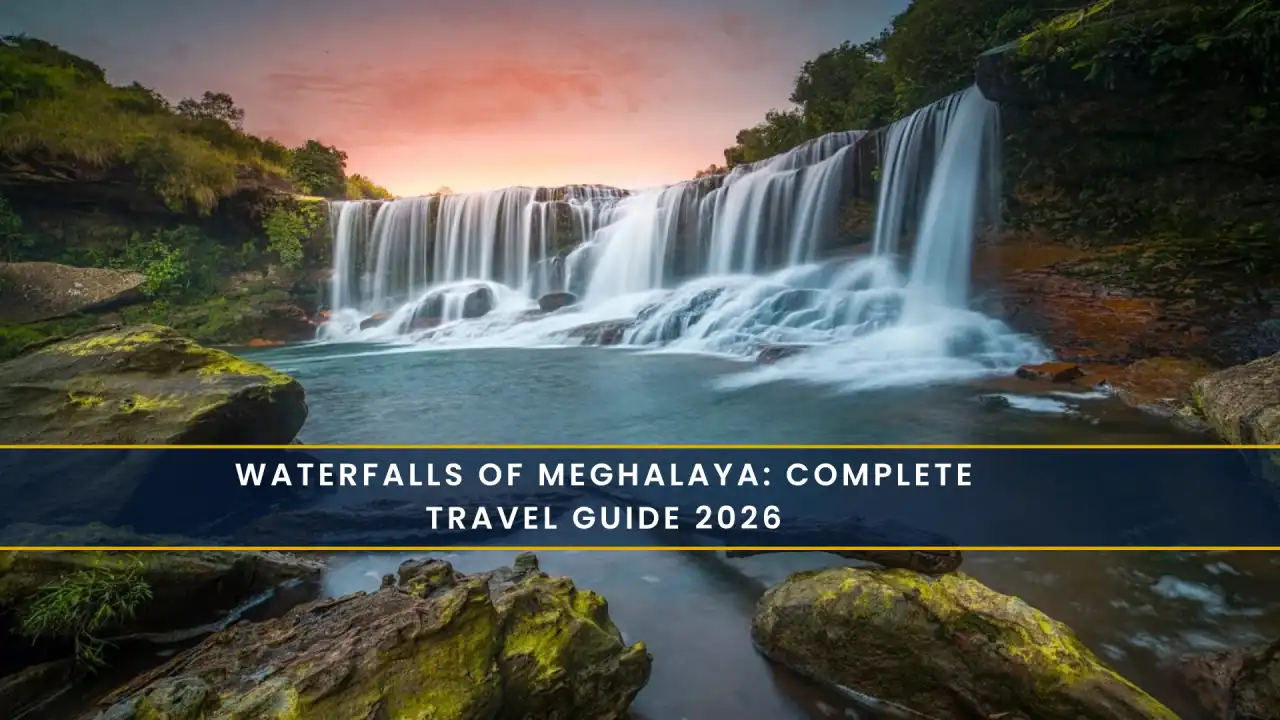
Waterfalls of Meghalaya: Complete Travel Guide 2026
Introduction: Where Water Feels Alive
Some places you visit, take photos, and move on. And then there are places like Meghalaya, the kind that linger a little longer than expected. It’s not just about seeing things here. You hear them first, the steady rush of water somewhere in the distance, the soft thud of rain on leaves, that faint echo when a waterfall crashes into a pool below. Even the air feels different. Damp, cool, a bit wild.
When people mention Meghalaya Waterfalls, they usually think of one or two big names they’ve seen online. Fair enough. But honestly, that’s just scratching the surface. Waterfalls here aren’t “spots” you visit; they sort of appear around you. You’ll be driving, maybe half-asleep, and suddenly there’s a stream spilling off a cliff like it’s the most normal thing in the world. This guide isn’t trying to be perfect or overly structured. It’s more like what you’d want to know if you were actually going. The small things. The pauses. The things that don’t always make it into typical travel lists.
Why Meghalaya is Called the “Abode of Clouds”
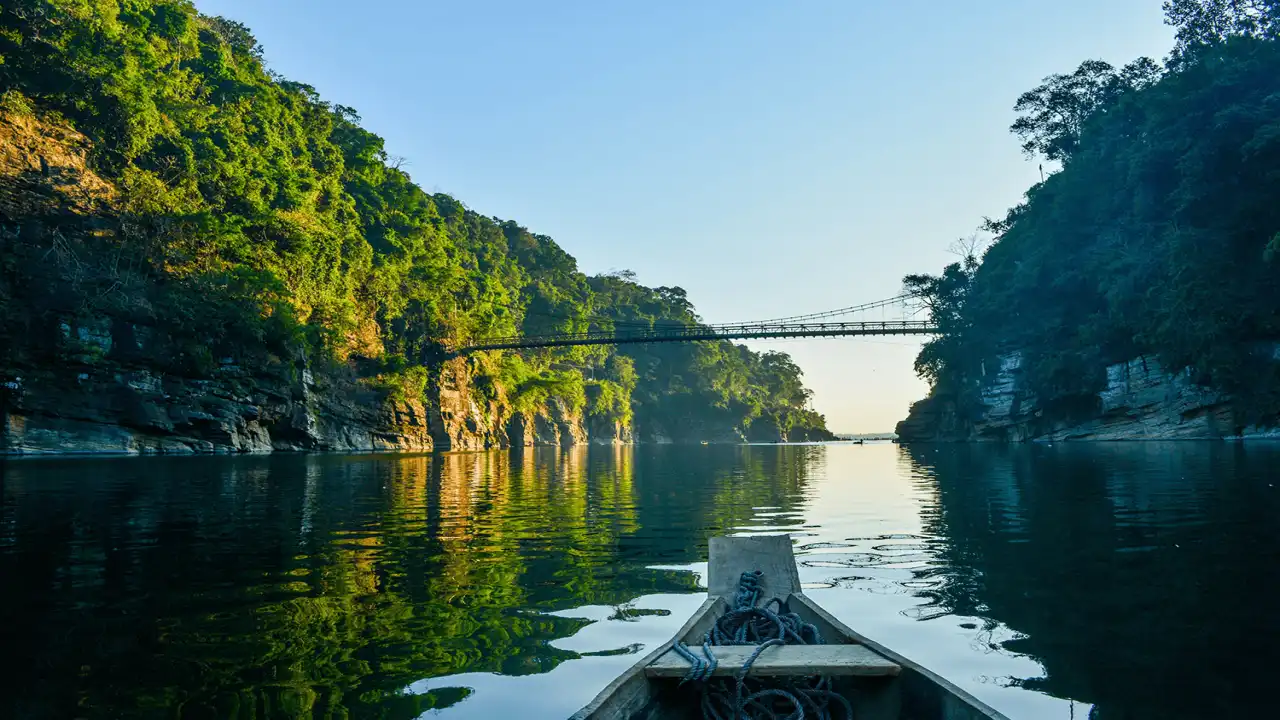
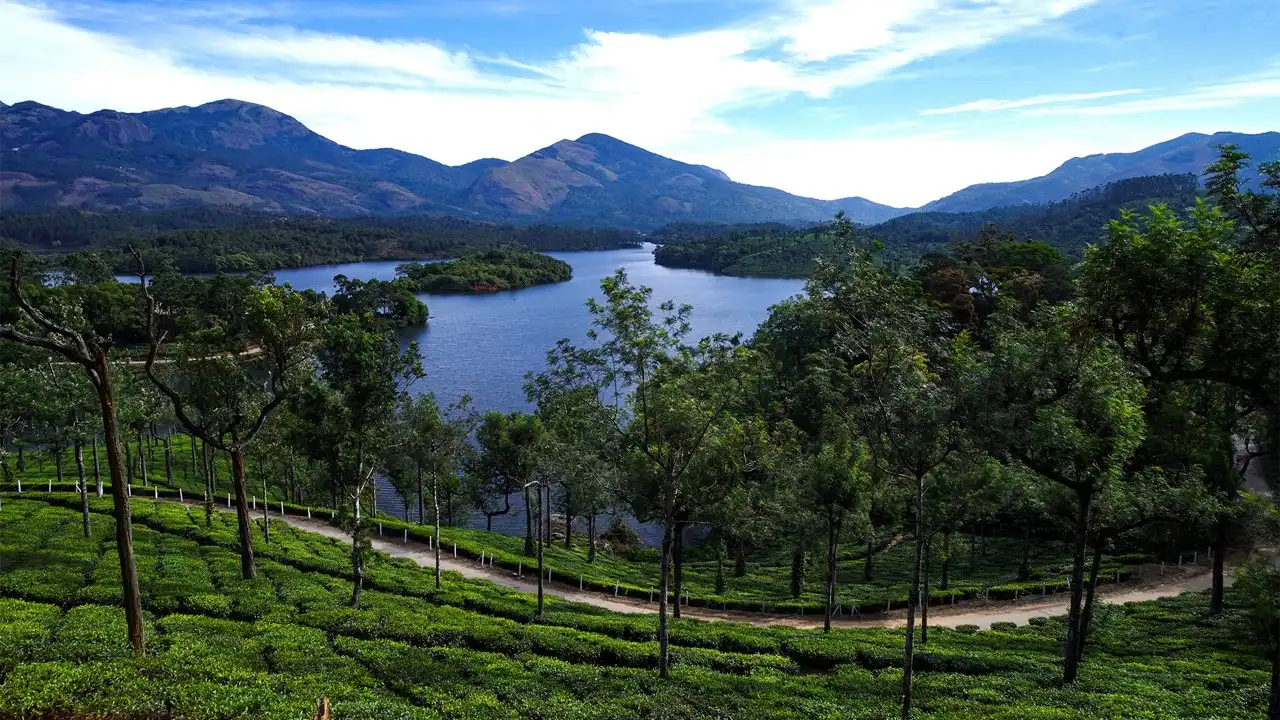
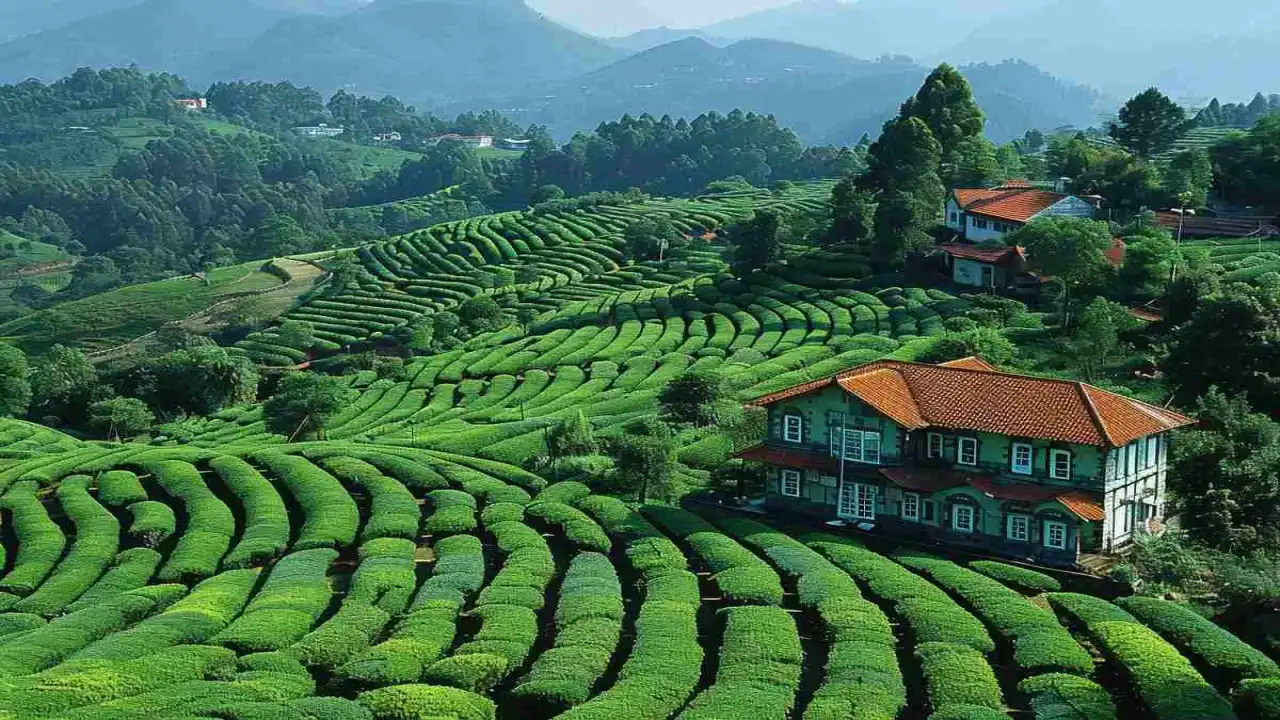
Before you even reach your first waterfall, Meghalaya Travel Guide 2026 kind of sets the tone quietly. The roads twist a lot. Not in a dramatic way, just enough to keep you looking outside the window. Hills roll into each other, everything is green (like, properly green), and clouds don’t stay up in the sky where you expect them. They drift. Sometimes right across the road.
Places like Cherrapunji or Sohra, as locals call it and Mawsynram get so much rain that it almost feels unreal when you first hear about it. But then you get there, and it makes sense. All that rain has to go somewhere. And it does sliding off cliffs, cutting through rocks, collecting into streams and then turning into waterfalls. Lots of them. Some loud and dramatic, others so quiet you almost miss them if you’re not paying attention. It’s less like a destination and more like a system. Everything connects.
Best Waterfalls in Meghalaya You Shouldn’t Miss
1. Nohkalikai Falls
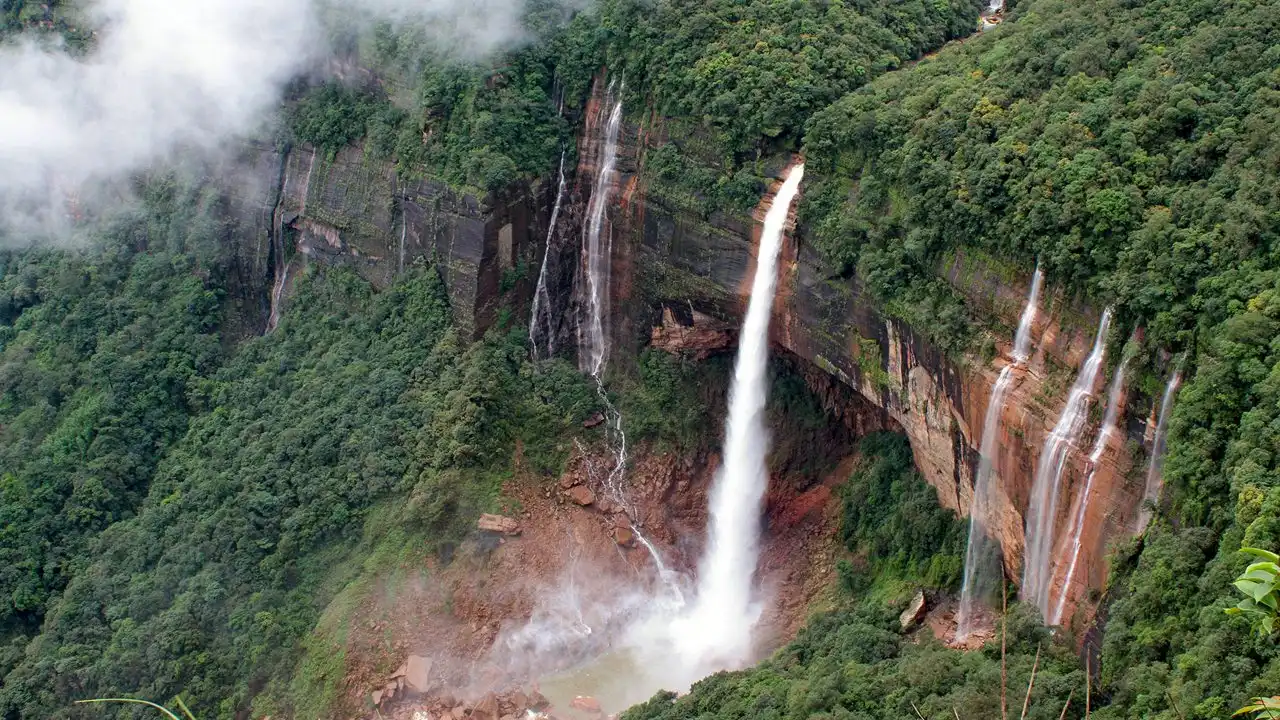
This is probably the one you’ve already seen somewhere on Instagram, Pinterest, travel reels, that kind of place. Tall drop, bright blue pool, dramatic cliffs. And, it is that good in real life. Maybe even more. There’s this moment when you reach the viewpoint. You expect noise, maybe crowds. But weirdly, it feels quiet. The waterfall is there, doing its thing, but the space around it feels still. Wind picks up, clouds move in and out, and you just stand there longer than you planned.
Pro Tip:
- Go early. Later in the day, clouds can block the view completely
- It gets windy, surprisingly windy, so carry something light to cover up
2. Seven Sisters Falls
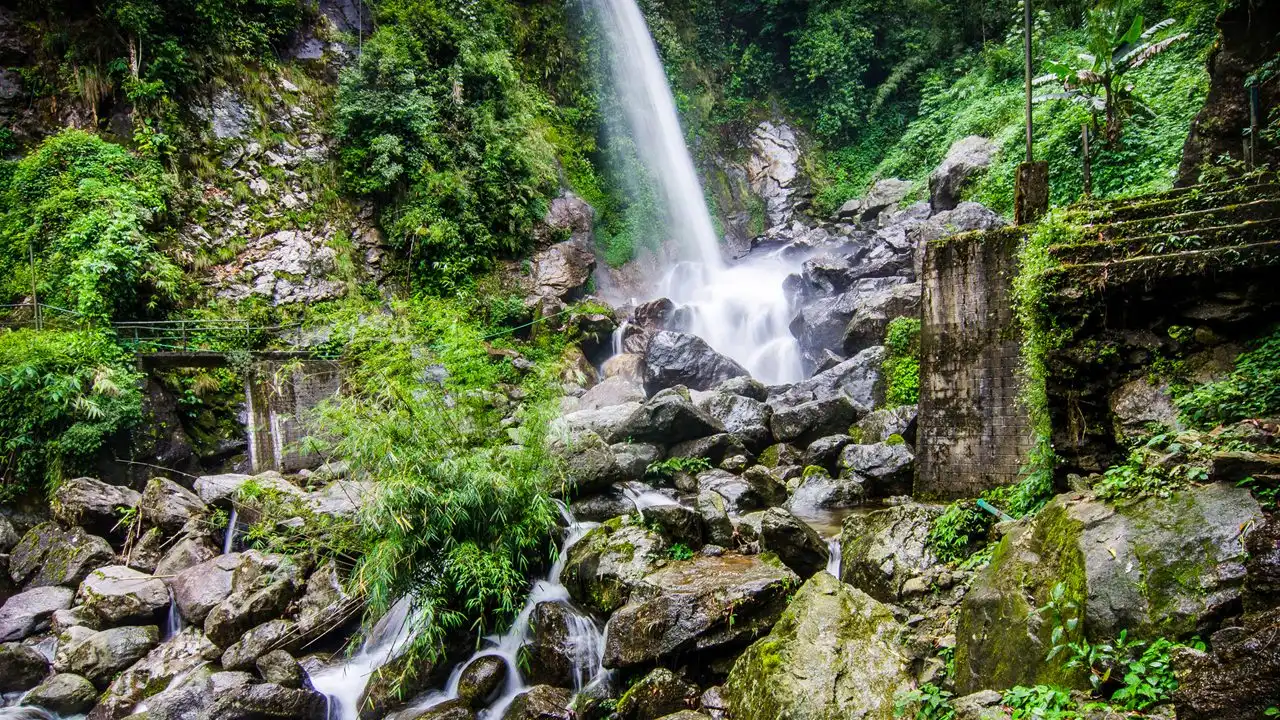
This one depends a lot on timing. During the monsoon, it’s incredible, seven streams spreading out like a curtain across the cliffs. But if you go in the wrong season, it might feel underwhelming. That’s just how it is here. Nature doesn’t perform on schedule. Still, when it’s at full flow, you don’t rush it. You just stand there, maybe lean on the railing, and watch.
Things to Know
- Best seen during monsoon (July–September), otherwise the flow can be quite low
- The viewpoint is easy to access, but the weather (fog/clouds) can block the view at any time
Best Time: July to September
3. Wei Sawdong Falls
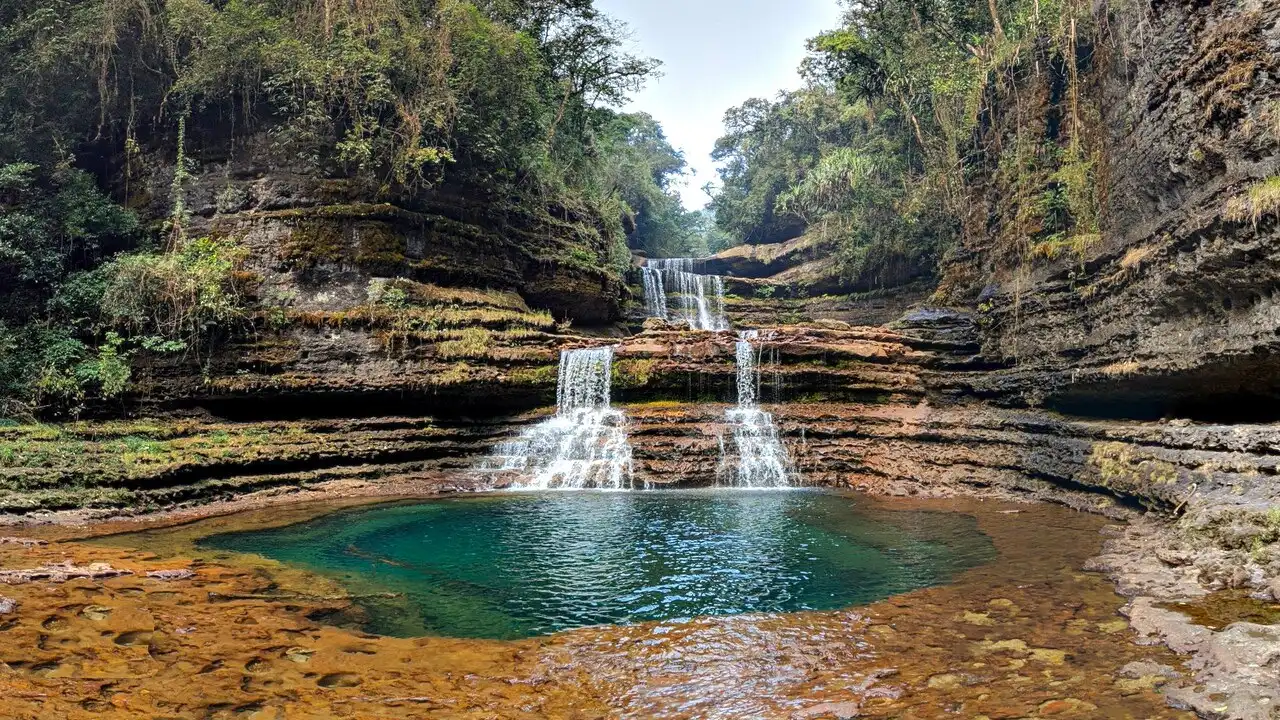
Getting here is a bit of an effort. Not extreme, but enough to make you question it halfway down the steps. They’re steep, sometimes slippery, and you’ll feel it on the way back up. But then you reach the bottom, and everything sort of clicks. Three layers of clear water, each one calmer than the last. It’s quieter here too. Less crowded. Feels a bit like you found something you weren’t supposed to.
Things to Know:
- Wear proper shoes. This is not the place for casual sneakers
- Avoid going right after heavy rain
4. Dainthlen Falls
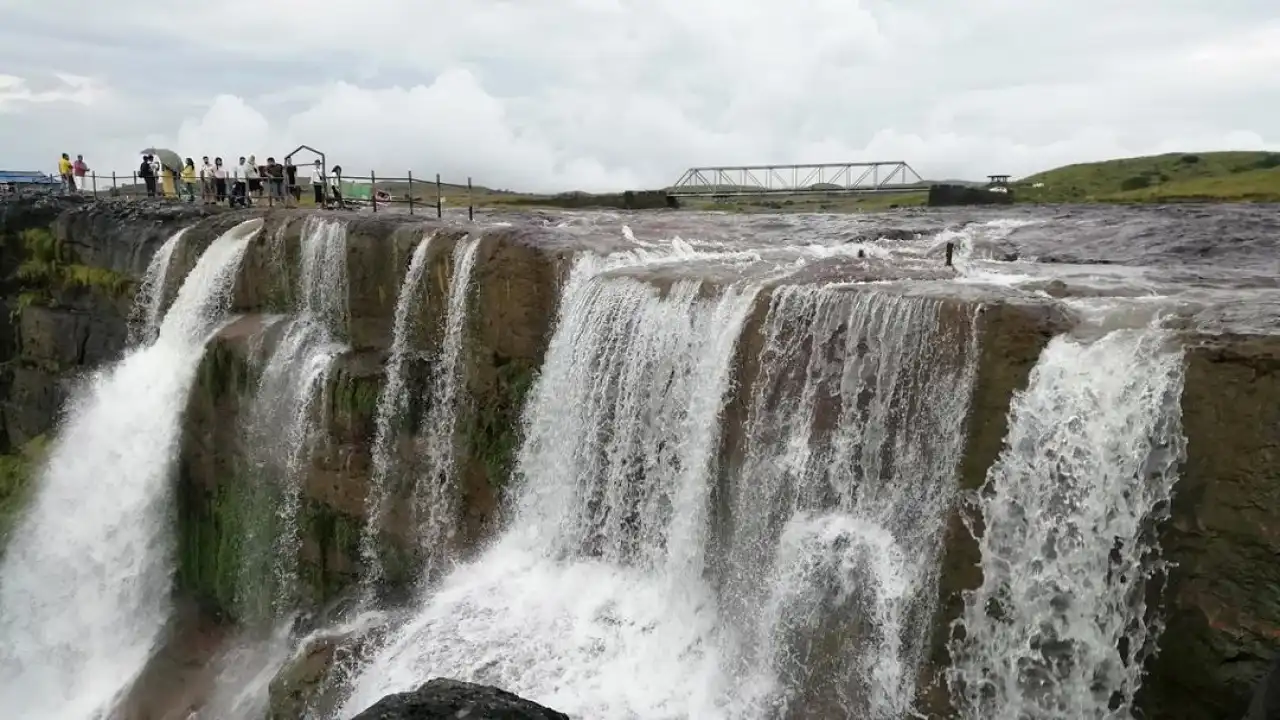
There’s a local story about a serpent linked to this place. You’ll probably hear it if you talk to someone nearby. Story aside, the waterfall has a raw feel. No dramatic viewpoints, no heavy setup. Just open rock, flowing water, and space to walk around. It’s one of those places where you end up wandering a bit without realizing it.
Things to Know
- Rocks are slippery and uneven, so walk carefully near the edges
- Very few facilities nearby, so carry water and basics with you
5. Elephant Falls
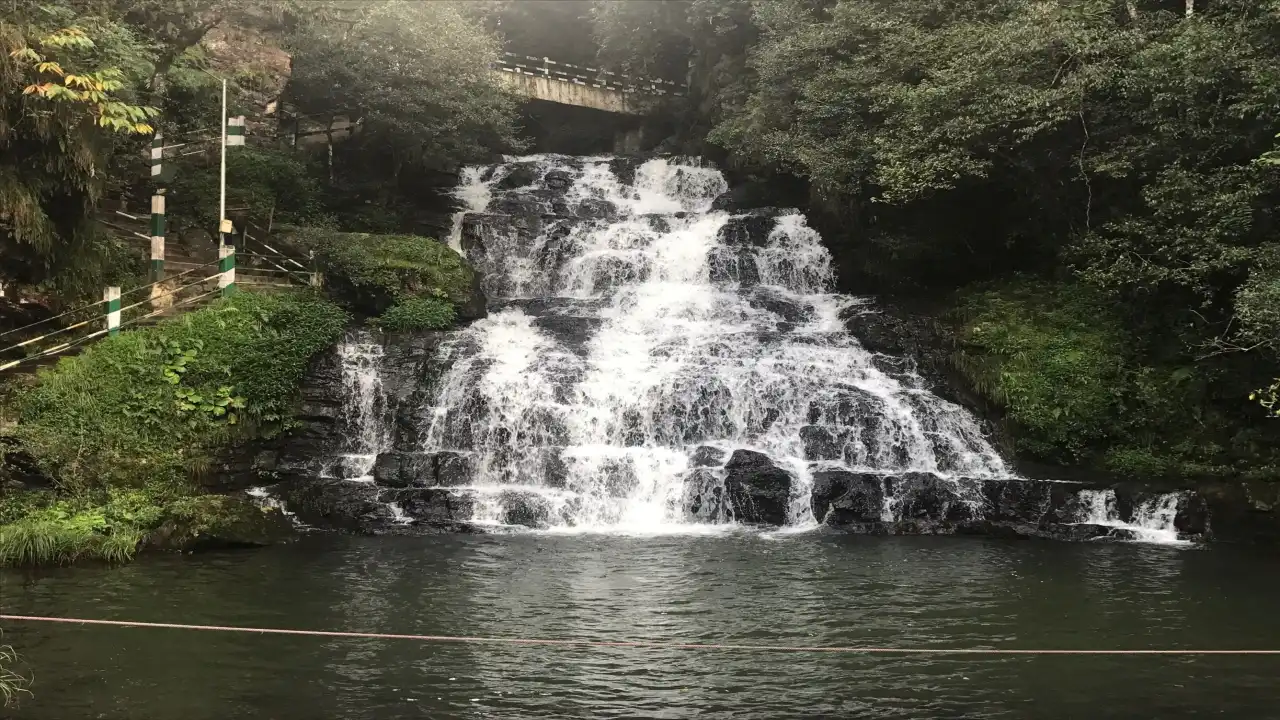
Near Shillong, this one’s easy. No long treks, no complicated routes. Just steps leading down to different sections of the waterfall. It’s a good stop, especially if you’re short on time or easing into the trip.
Things to Know
- There are many steps, easy to do but slightly tiring on the way back up
- It can get crowded, so visiting early makes a big difference
When is the Best Time to Visit?
This part matters more than people think. The same waterfall can look completely different depending on when you go.
- Monsoon (June–September):
Everything is full, loud, and dramatic. But also messy. Roads can get tricky, plans change fast - Post-Monsoon (October–November):
Probably the sweet spot. Waterfalls are still strong, but the skies are clearer - Winter (December–February):
Calmer. Less water, fewer crowds. Feels more relaxed overall
If you want that “perfect balance,” aim for post-monsoon. But honestly, every season has its own mood, which is why many travelers prefer going with a Northeast trip package to experience it without overthinking the timing.
How to Plan Your Trip Smartly
A common mistake? Trying to do too much in too little time. Meghalaya doesn’t work like that. Distances look small on Google Maps, but the roads slow you down. And you’ll want to stop. Random viewpoints, roadside tea stalls, unexpected views, they add up.
A simple plan works better:
- Day 1–2: Shillong
- Day 3–4: Cherrapunji
- Day 5: Mawlynnong or nearby villages
If planning all this feels like a headache, something like a North East trip package can make things easier. Less stress, more time to actually enjoy where you are.
A Realistic Meghalaya Travel Guide 2026 Insight
This isn’t a place you rush through. You might plan three waterfalls in a day and end up spending hours at just one. Sitting, watching, doing nothing in particular. And somehow, that feels right.
Keep in mind:
- The weather flips quickly, from sunny to foggy in minutes
- The network can disappear when you need it most
- Start early. Days feel shorter here
Packing Essentials for Waterfall Trips
Nothing fancy, just practical things:
- Waterproof jacket (or poncho, if you prefer)
- Shoes with grip, seriously, don’t ignore this
- Extra socks (you will need them)
- Small backpack
- Power bank
Pro Tip:
Even if it’s not raining, mist gets everywhere. Keep electronics covered.
Local Experiences Around Waterfalls
Don’t just hop from one waterfall to another. That gets tiring fast. Take breaks. Eat somewhere local. Try Khasi food, you might not recognize half the menu, but that’s part of it. Talk to people if you can. Walk through villages slowly. Sometimes the walk to a waterfall ends up being better than the waterfall itself. Sounds odd, but it happens..
Making the Most of Your Journey
Meghalaya has its own pace. Slow, steady, a bit unpredictable. If you try to rush it, you’ll miss the point. Better to just go with it. Stop when something catches your eye. Sit a little longer than planned. Change plans if needed. And if you prefer some structure, a flexible Domestic trip package can help, especially if it’s your first time here.
Conclusion
By the time you leave, something shifts. It’s not just the waterfalls you remember. It’s the feeling. The quiet. The way even doing nothing feels like enough. You’ll probably carry back fewer “perfect” photos than expected. But the moments? Those stay. And maybe that’s what the best waterfalls in Meghalaya do best. It doesn’t try too hard. It just exists the way it is. And somehow, that’s more than enough.
Safety Tips You Shouldn’t Ignore
It’s easy to get carried away here. Everything looks calm until it isn’t.
- Stay back from the edges
- Skip treks during heavy rain
- Listen to locals, they know what they’re saying
Simple things, but they matter