What Are the Best Beaches in Japan?
Introduction
When people think about Japan, beaches usually don’t show up right away. It’s more neon signs, bullet trains sliding in on time, temples tucked behind narrow streets, maybe cherry blossoms drifting into photos. Beaches feel like an afterthought. At least, that’s what tourists assumed. The best beaches in Japan don’t announce themselves loudly. They don’t try to impress you in the first five minutes. They take their time. You notice how clean everything is. Then how calm it feels. Then you realize every beach somehow has its own personality, depending on where you are in the country. This isn’t a hype list. It’s for people who actually want to enjoy their time. Families, couples, or travelers who just want to add a beach stop without turning the whole trip into a circus. These places work. Plain and simple.
Why Japan’s Beaches Are Worth Visiting
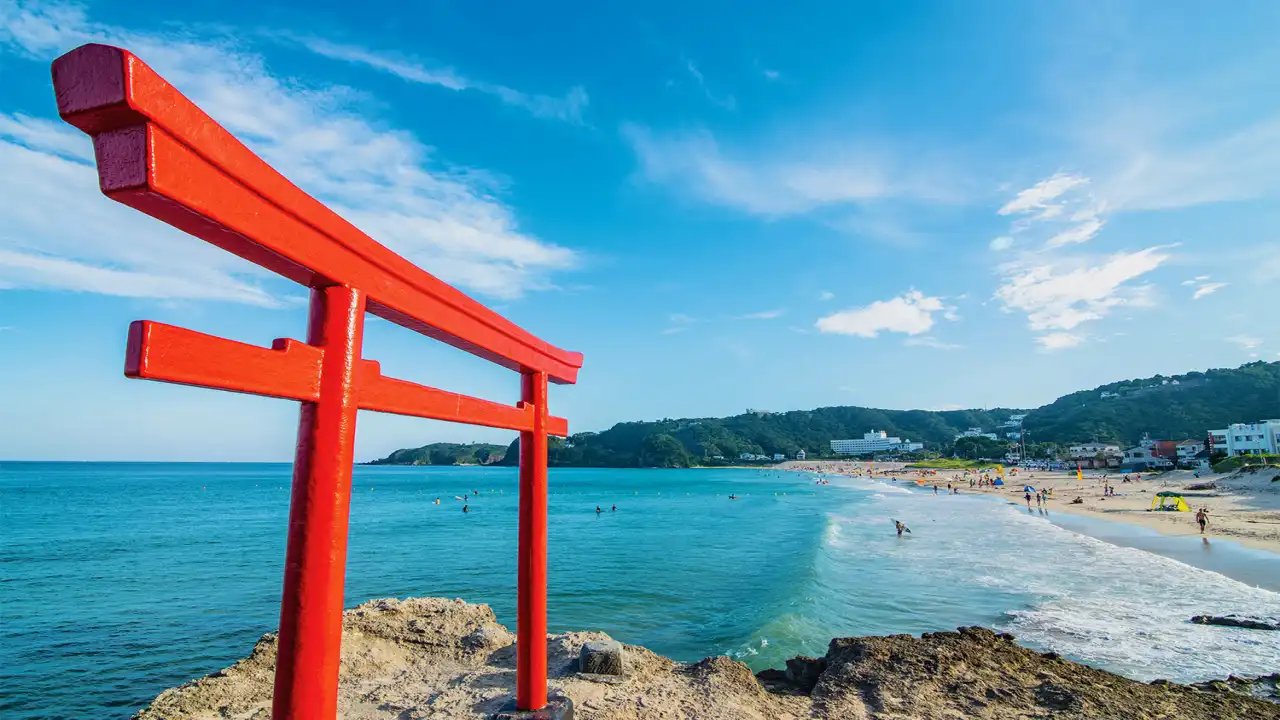
Japan has more than 6,800 islands, which already tells you something important. There’s no single “Japan beach.” They change a lot.
You’ll come across:
- White sand and warm water in the south
- Dark volcanic sand in quieter regions
- Pebble beaches near fishing towns where life feels slow
- Wide coastlines near cities where surfing is part of the daily routine
What stands out isn’t just how these beaches look. It’s how people use them. Things are clean. Rules exist, and people actually follow them. Crowds don’t shove their way in. Even busy beaches somehow feel organized, like everyone quietly agreed to share the space.
Pro tip: Swimming season usually runs from late June to early September. Outside that window, some beaches restrict swimming, but they’re still great for walks, views, and slowing down.
Okinawa: Japan’s Warmer, Softer Side
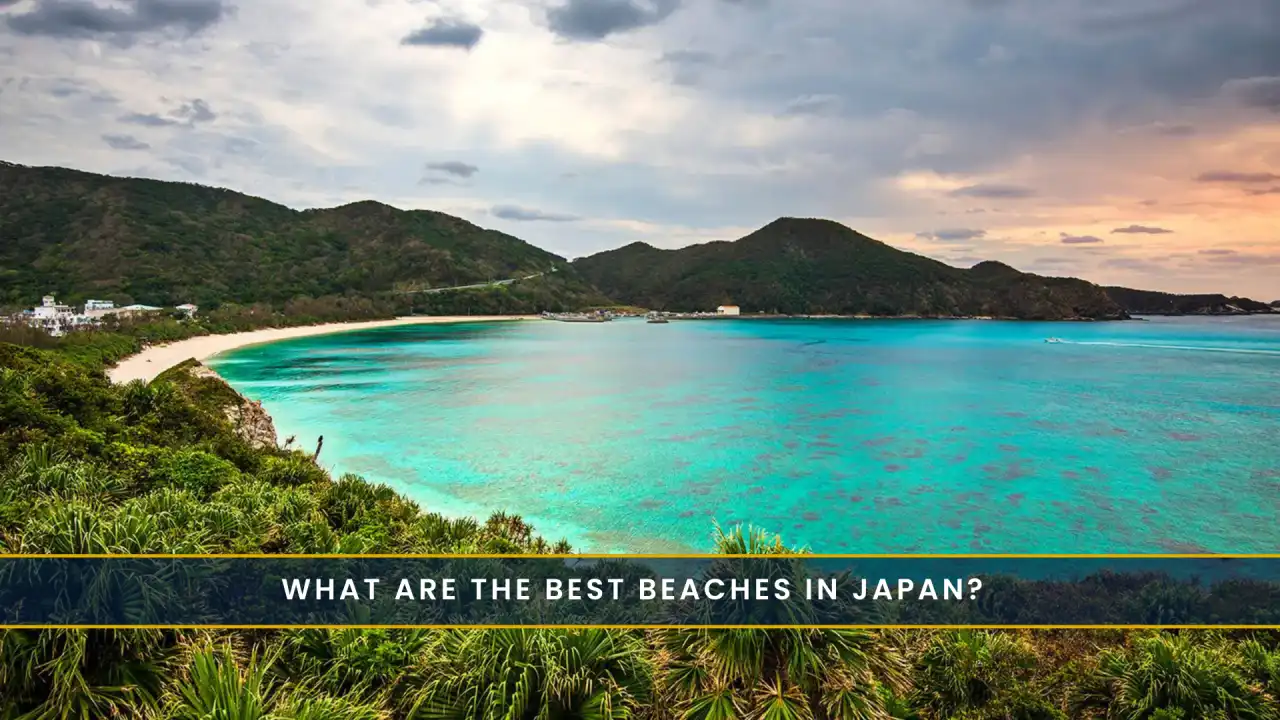
Okinawa doesn’t feel like mainland Japan, and that’s not a bad thing. It’s warmer. Slower. A little more relaxed around the edges. The water stays warm, coral reefs sit close to shore, and island life doesn’t rush you.
Emerald Beach (Okinawa Main Island)
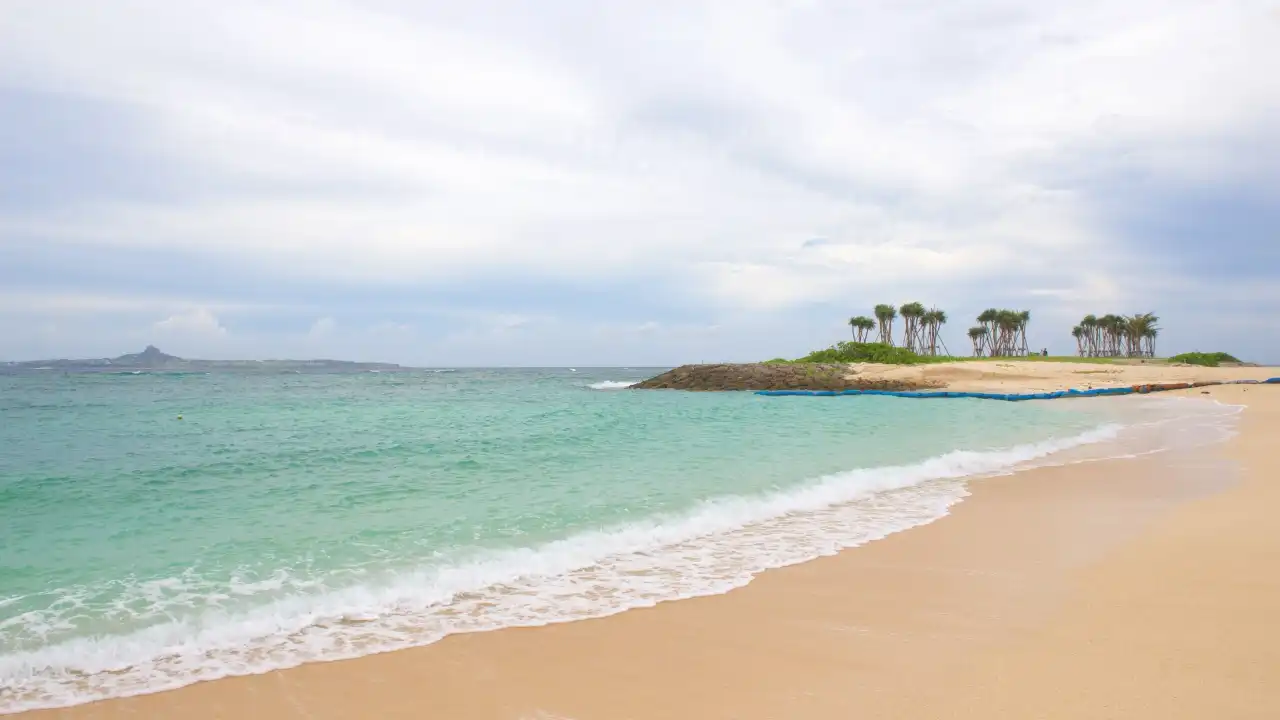
Emerald Beach is easy. That’s the best way to describe it. Easy to reach. Easy to enjoy. Everything feels planned without being overdone.
What makes it work:
- Clearly marked swimming areas
- Lifeguards are keeping an eye out
- Showers, restrooms, and space to breathe
This beach fits well for people traveling through Family trip packages, especially if you want safety without sacrificing scenery.
Pro tip: Early mornings or late afternoons feel completely different here. Fewer people. Better light. More space.
Miyako Island: Quiet Without Feeling Empty
Miyako Island is well known to people who’ve been to Japan a few times, but it still doesn’t feel crowded or commercial.
Yonaha Maehama Beach
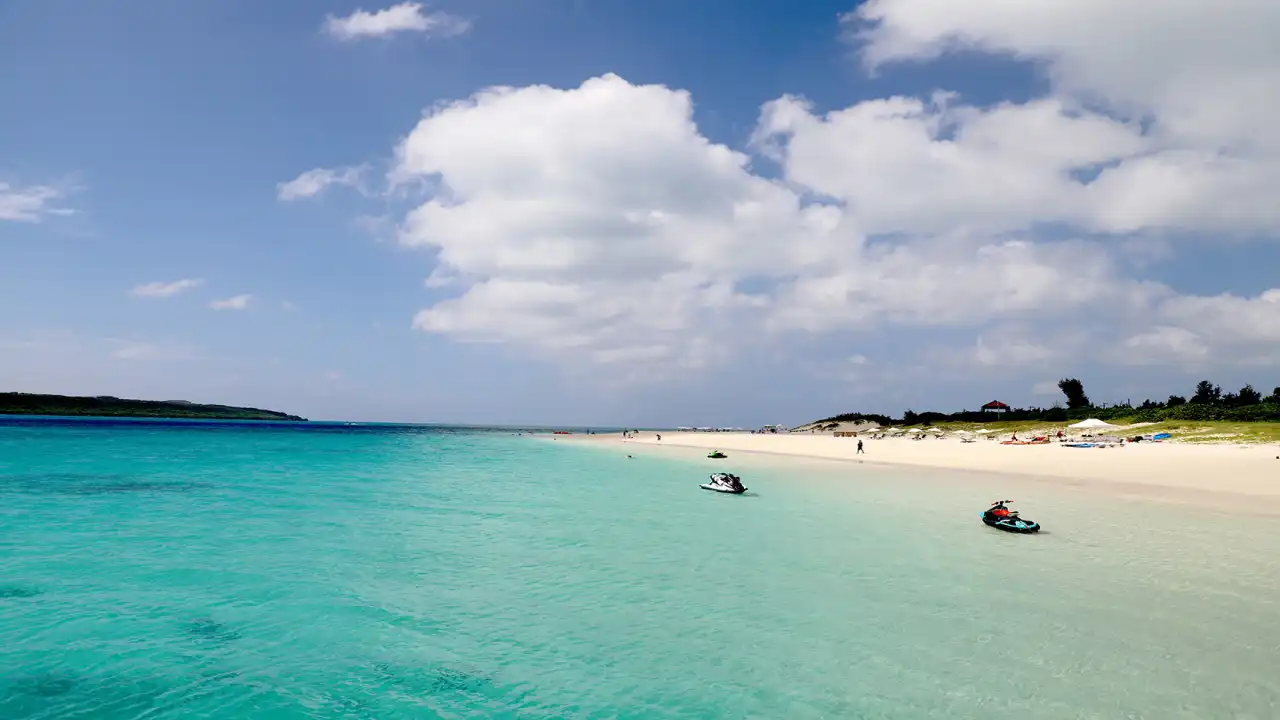
This beach goes on and on. Wide sand. Gentle water. No tall buildings blocking the view. It feels open in a way that’s hard to describe until you’re there.
What stands out:
- Soft, clean sand
- Water that stays shallow for a long stretch
- Nothing towering over the beach
Many couples include Miyako in their Japan tour because it feels private without feeling isolated.
Pro tip: Rent a car. It makes everything easier here.
Kamakura: Where History Meets the Sea
Kamakura is famous for temples and statues, but its beaches tell another story.
Yuigahama Beach
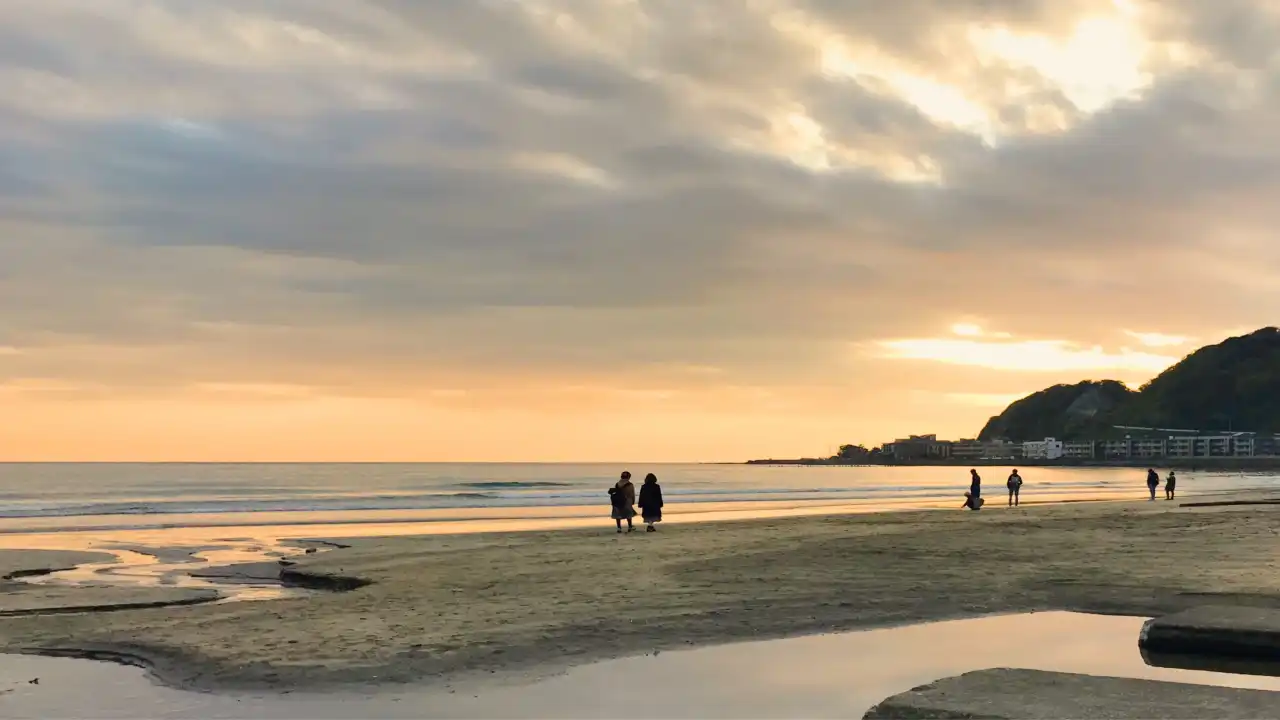
This is where things feel young and social. Surfboards on bikes. Seasonal beach huts. Music floating in from somewhere.
What to expect:
- Swimmers and surfers sharing space
- Crowds in summer
- A relaxed, casual atmosphere
It’s ideal for a short escape from Tokyo.
Pro tip: Go on a weekday if you can. Weekends get busy fast.
Niijima Island: Rough Around the Edges
Niijima doesn’t try to be pretty. It’s windy. The sand is dark. The waves don’t behave.
Habushiura Beach
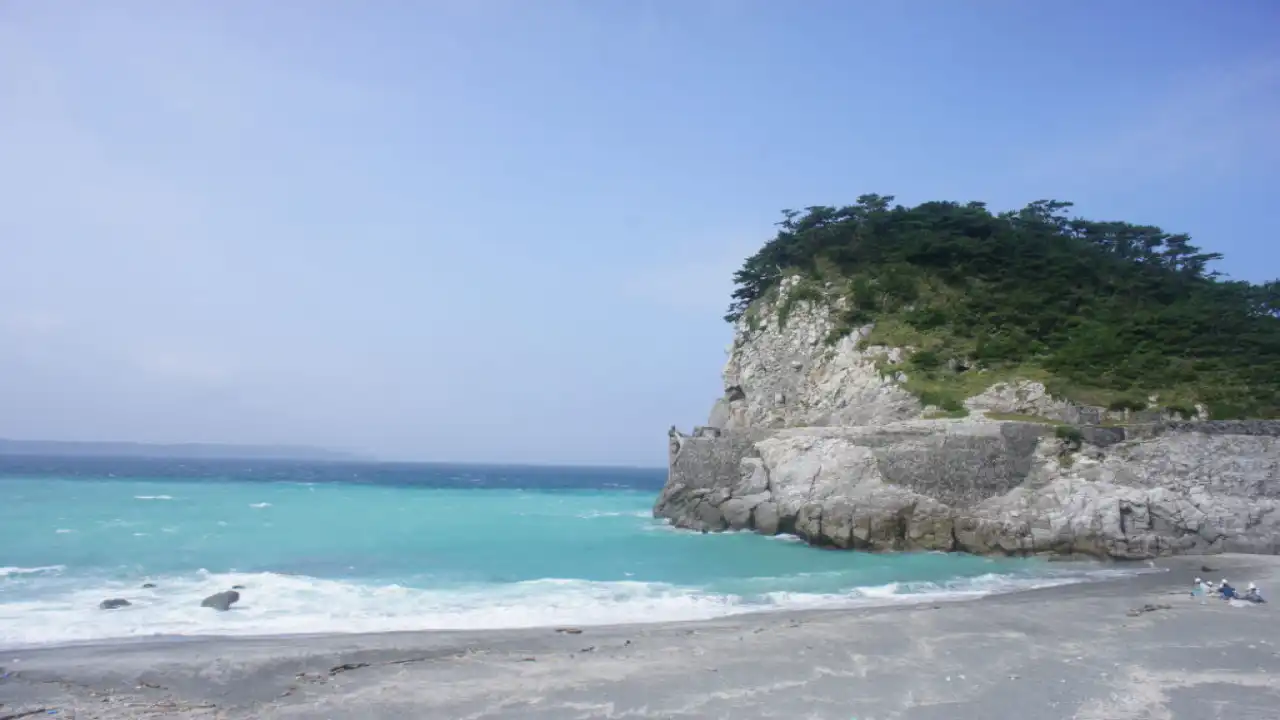
This beach stretches long and open, with strong surf and few comforts.
Best for:
- Surfers
- Adventure-focused travelers
- People who don’t mind things being a little wild
Among the Japanese islands' beaches, Niijima feels raw, not polished.
Sado Island: Slow and Traditional
Sado Island doesn’t chase trends. Life moves at its own pace.
Sobama Beach
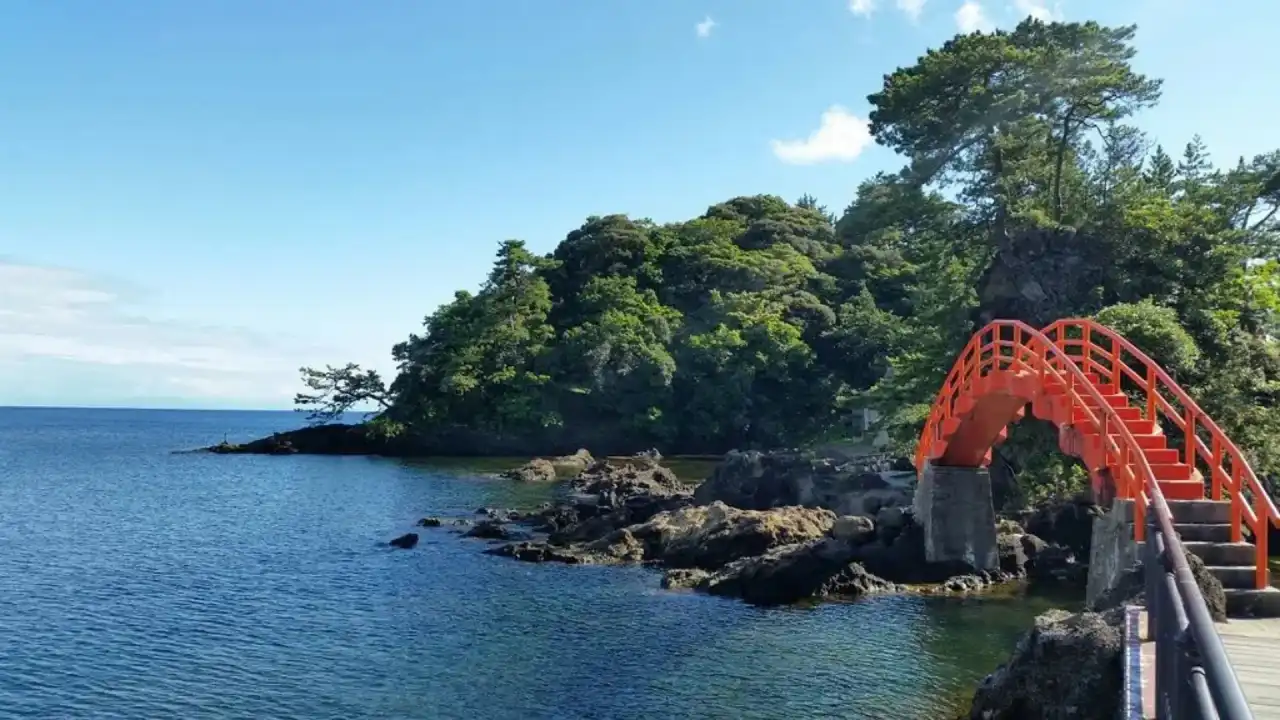
This beach is wide, quiet, and rarely packed. Space is the luxury here.
Why visit:
- Fresh seafood nearby
- Traditional villages close to the shore
- A calm, unhurried feel
Sado appeals to travelers who want something beyond standard Japan tour Packages.
Zushi Beach: A Local Favorite
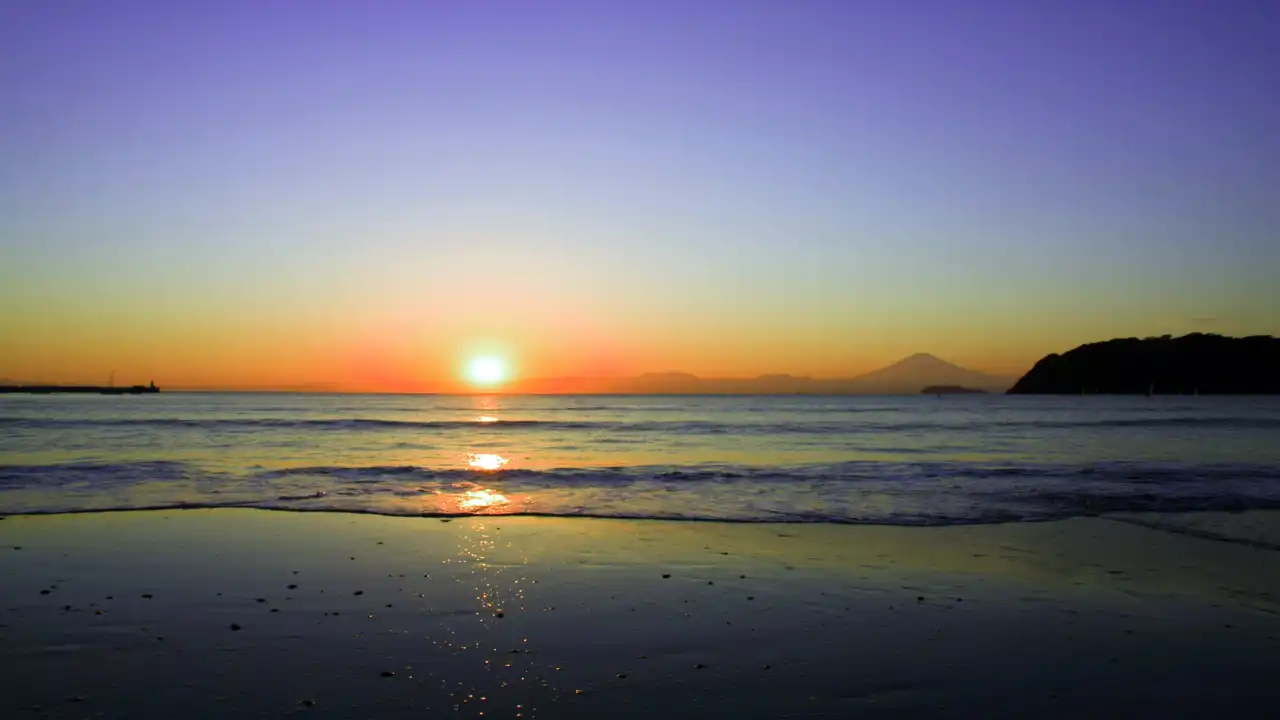
Zushi doesn’t feel designed for tourists. And that’s exactly why it works. Near Yokohama, it attracts families and older visitors looking for a calm day out.
What you’ll find:
- Gentle water
- Clean, well-kept facilities
- Easy train access
Perfect for a no-stress beach day.
Shirahama Beach: Simple and Convenient
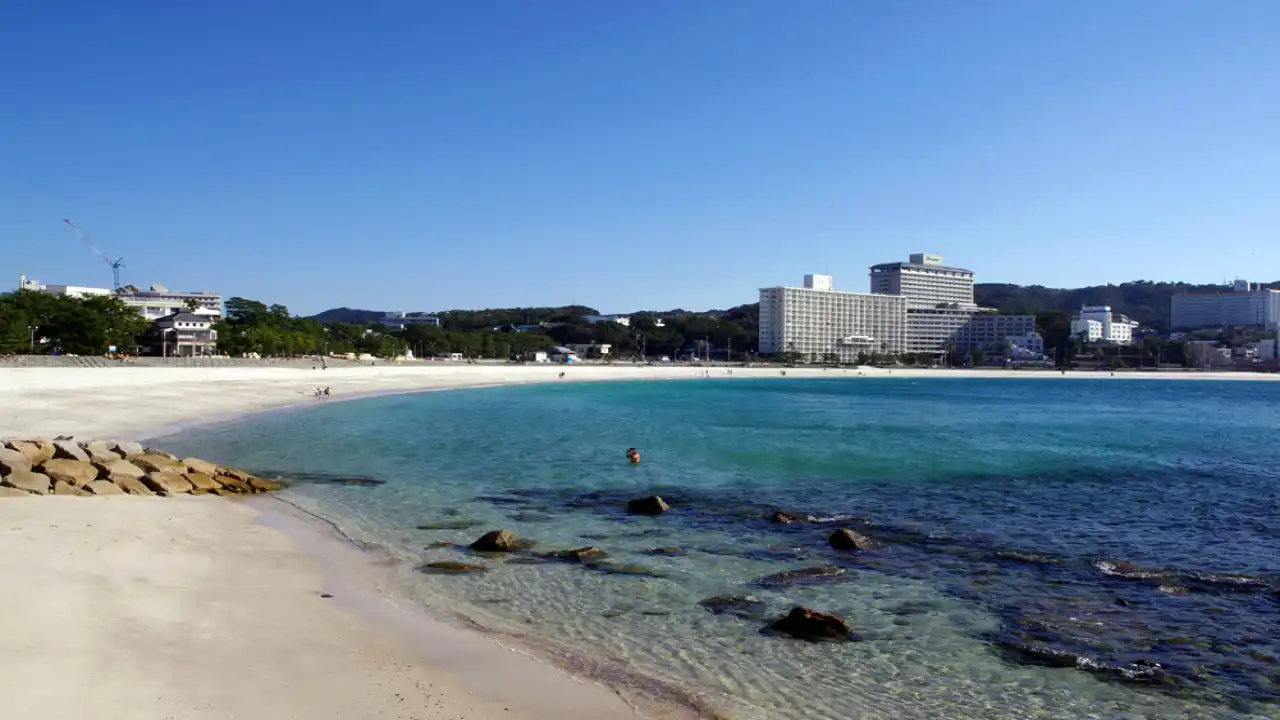
You don’t always need to fly to find a good beach. Shirahama proves that. Set in Wakayama Prefecture, this beach is busy but friendly. Locals come often. Tourists fit in easily.
Why it works:
- Direct train connections from Osaka
- Hot springs close by
- Cafes and small hotels along the shore
It’s a practical stop if you’re adding a coastal break to an international trip package.
Ishigaki Island: Where Time Slows Down
Ishigaki doesn’t push itself on you. You arrive, and nothing demands attention. Roads are quiet. Greetings feel genuine. Days stretch out longer than expected.
Kabira Bay
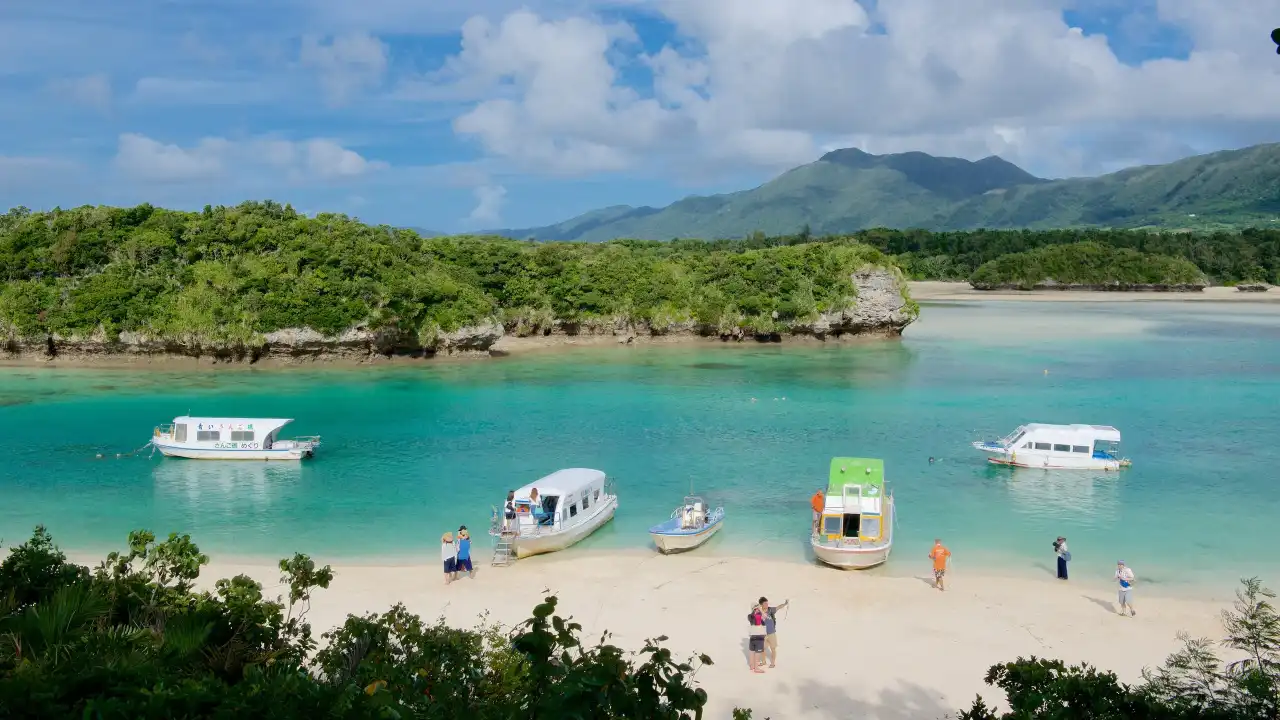
Kabira Bay isn’t a swimming beach, but a protected bay known for views and boat rides. You can’t swim here, and honestly, that’s fine. Kabira Bay isn’t about jumping in. It’s about standing there and staring at water so clear it messes with your sense of depth.
What people usually do:
- Take glass-bottom boat rides
- Walk the viewpoints slowly
- Sit and do almost nothing
Among many Japan beach destinations, this is one where planning feels unnecessary. You show up. That’s enough.
Tottori Coast: Unexpected Landscapes
Most people don’t expect dunes in Japan. That’s what makes Tottori interesting.
Uratomi Coast
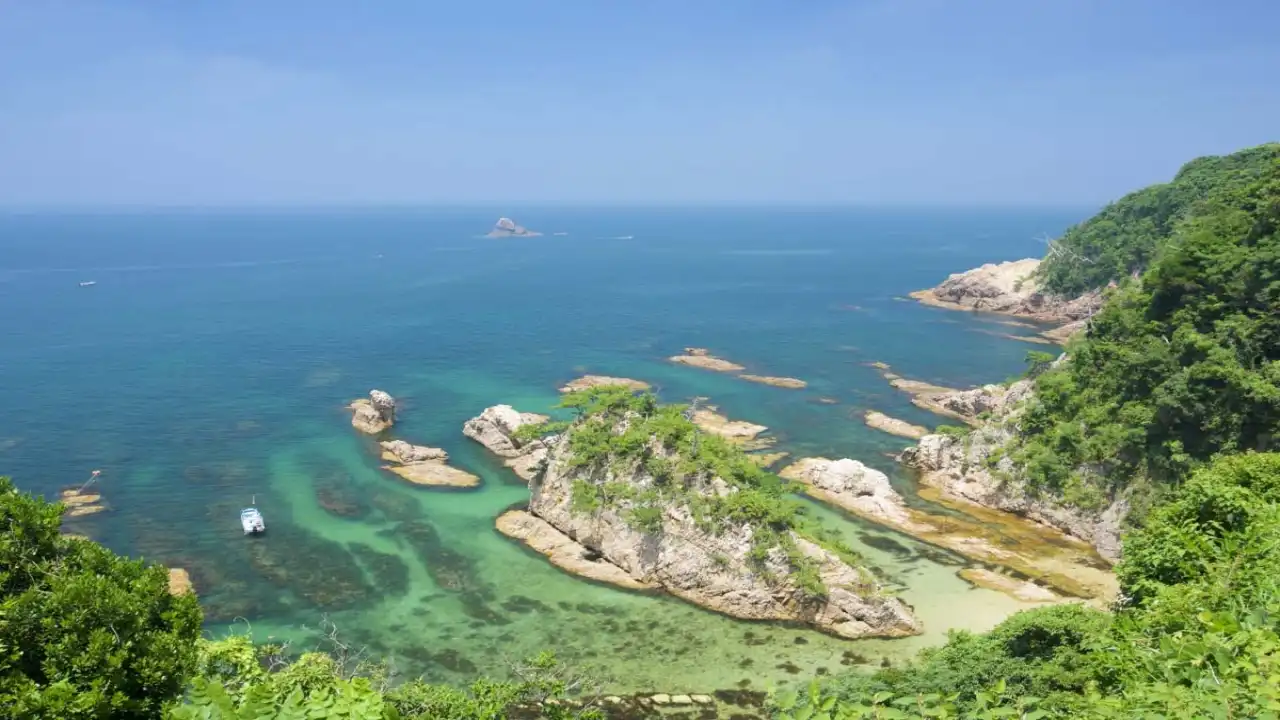
Here, cliffs, caves, and calm water all sit close together.
Things people enjoy:
- Kayaking along the coast
- The boat rides past the rock formations
- Short walks with big views
It’s a solid choice if you’ve already seen Japan’s major cities.
What to Know Before You Go
Japanese beaches come with a few rules. Nothing complicated, but worth knowing.
Basic things to remember
- Tattoos may need covering in some areas
- Alcohol rules differ by beach
- Swimming zones are clearly marked
Facilities you’ll usually find
- Coin lockers
- Showers
- Umbrella rentals
Pro tip: Always check local notices. Restrictions are enforced.
Best Time to Visit
Timing really matters.
- June: Warm, but rainy
- July–August: Peak season, best water
- September: Fewer people, still warm in the south
Northern beaches have shorter seasons. Southern islands stay warm longer.
Picking the Right Beach
Different travelers enjoy different places.
- Families: Okinawa main island, Zushi
- Couples: Miyako, Ishigaki
- Adventure lovers: Niijima, Tottori
- Short trips: Kamakura, Shirahama
Choosing based on your pace makes everything better.
Conclusion
Japan’s beaches don’t compete by being dramatic. They don’t need to. They work because they’re balanced. Calm. Thoughtful. Sometimes you just squeeze a beach stop into a packed route, sometimes you end up drifting along the coast longer than planned. Japan seems fine with either; it doesn’t hurry you along. And once you’ve sat on that sand,