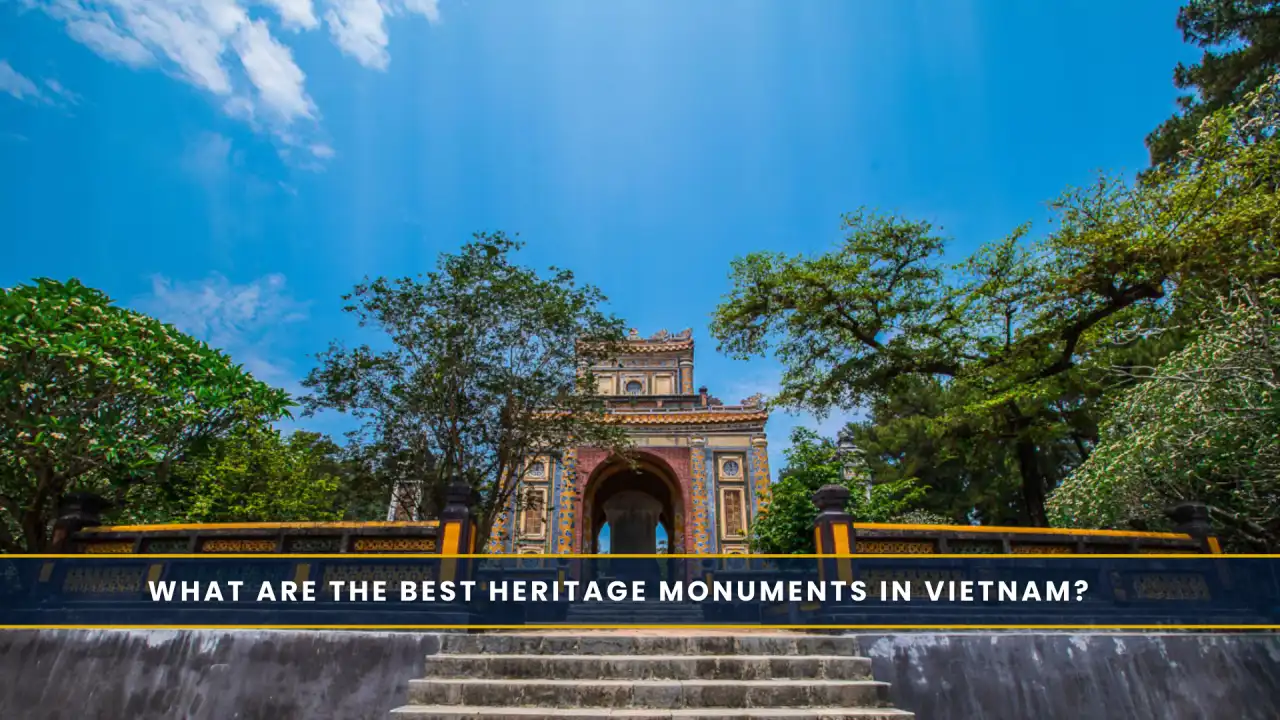
What Are the Best Heritage Monuments in Vietnam?
Introduction
Vietnam has a way of sticking with you that is both strange and enduring. Not in a loud, postcard kind of way, but quietly. You could be standing on a regular street, holding a cup of coffee that’s probably too strong, when you notice an old stone gate or a weathered wall nearby. No signs shouting for attention. Just history sitting there, minding its own business. That’s what makes visiting Vietnam's heritage monuments feel so personal. These places aren’t boxed off or frozen in time. People live around them. Sometimes right inside them.
Why Vietnam’s Heritage Monuments Feel Different
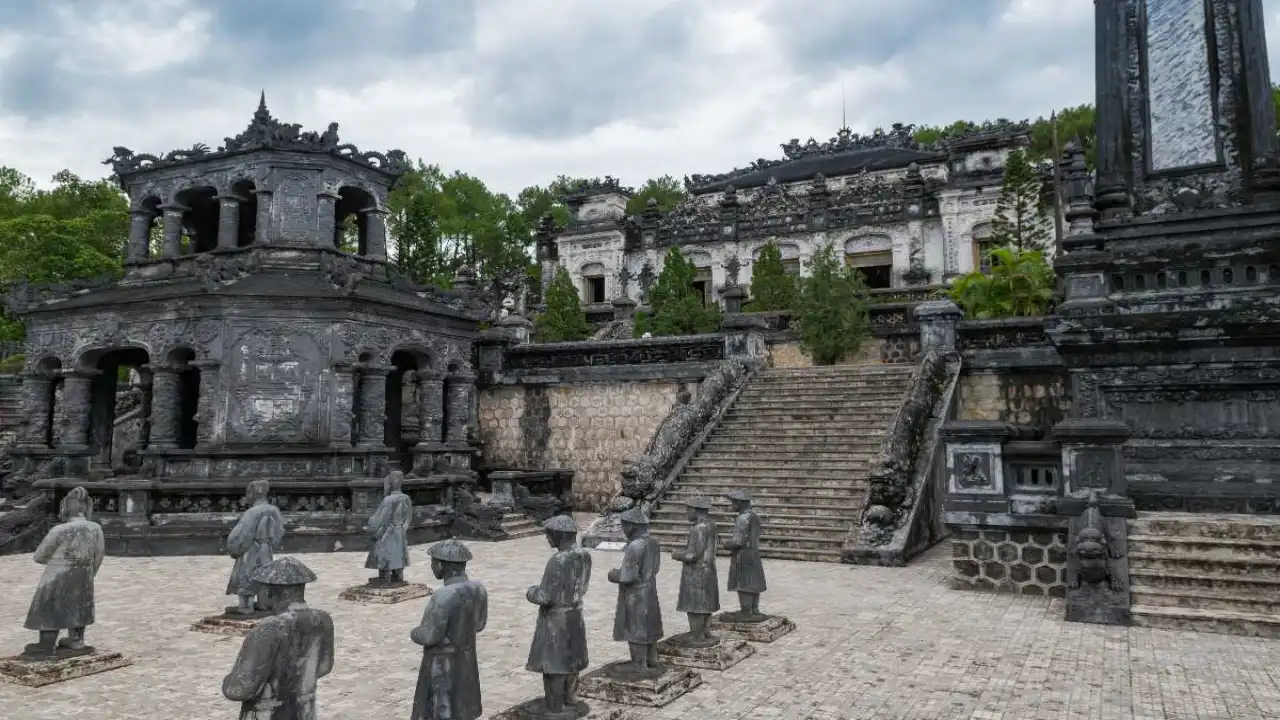
Vietnam doesn’t throw its history at you all at once. It allows you to discover it on your own. Many monuments here weren’t shaped only by emperors or big victories, but by floods, wars, rebuilding, and daily routines that never really stopped.
A few things you’ll notice pretty quickly:
- History and everyday life overlap constantly
- Many monuments are still used, not just visited
- Some of the best discoveries happen by accident
You don’t need to rush from site to site. In fact, rushing usually ruins it.
Pro tip: Sit somewhere nearby first. Watch people pass. The monument will make more sense after that.
Imperial Citadel of Thang Long, Hanoi
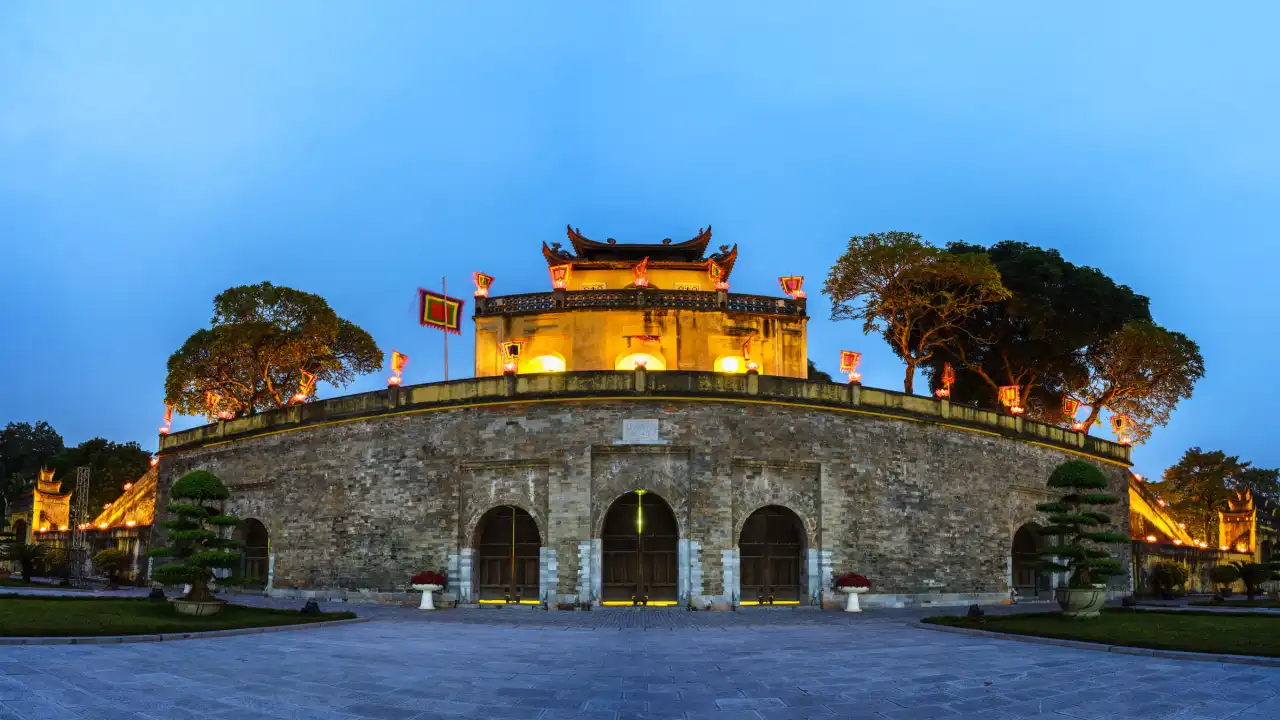
Right in central Hanoi, surrounded by traffic and noise, sits the Imperial Citadel of Thang Long. At first, it doesn’t look dramatic. No giant golden rooftops. No over-the-top decoration. And that’s exactly why it works. This place was Vietnam’s political heart for more than a thousand years. Different dynasties ruled from here. Others fell. You can actually see layers of time in the ground excavations, showing how one era literally built over another.
Why it matters:
- Used continuously for over 13 centuries
- Archaeological layers you can still see
- Deep connection to Vietnamese identity
Walking through it feels a bit like going through an old family home. Some rooms look newer. Some are falling apart. All of it counts.
Pro tip: Go early. You’ll see locals exercising or students hanging around, which oddly makes the place feel more alive.
Hoi An Ancient Town

Hoi An is popular, yes, but it earns that popularity. It used to be a busy trading port, and you can still feel that mix of cultures when you walk around. Chinese temples, Japanese bridges, and European-style shop houses all packed into a small town. What’s nice is that it doesn’t feel fake. The houses creak. Paint chips. People still live upstairs.
What makes Hoi An special:
- Merchant houses that actually look lived-in
- Architecture shaped by many cultures
- Streets made for walking slowly
At night, lanterns glow everywhere. It’s beautiful, but it’s also practical. This wasn’t built for photos. It was built for life before electricity.
Pro tip: Wander without a plan. The quiet side streets are where Hoi An feels most real.
My Son Sanctuary
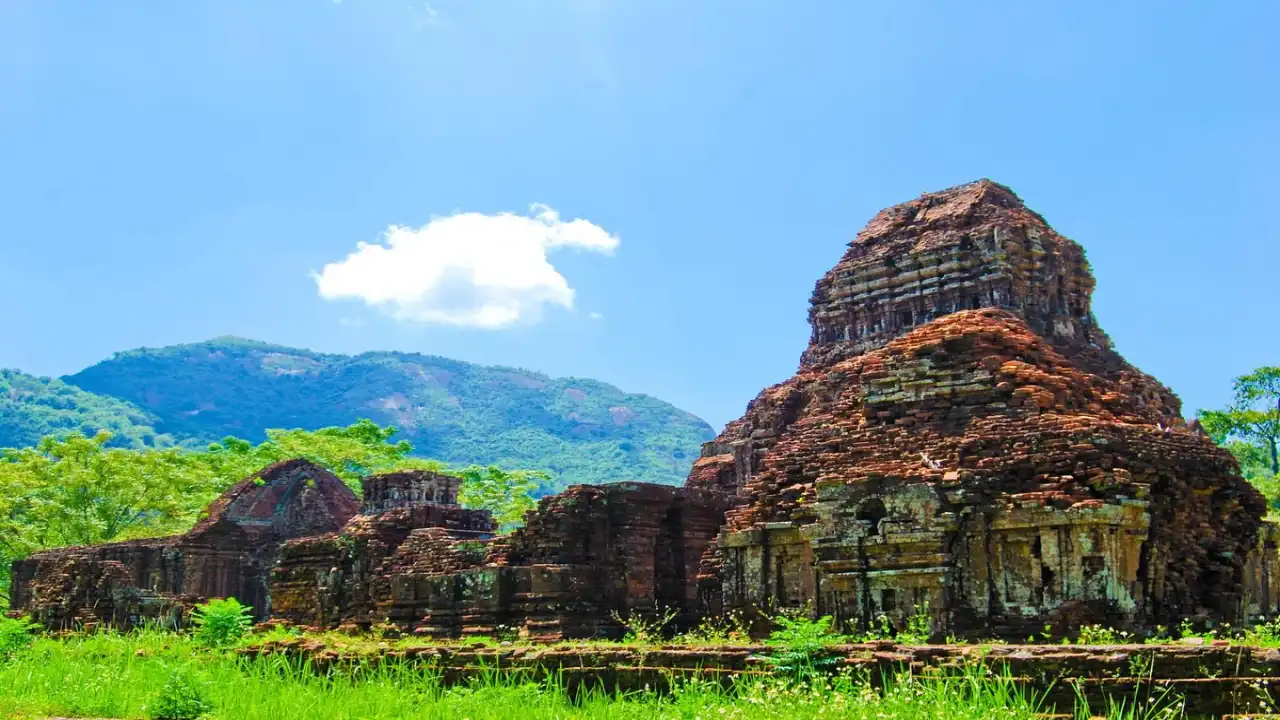
Not far from Hoi An, hidden among hills and trees, is My Son Sanctuary. It surprises a lot of people. Mostly because it doesn’t look Vietnamese in the way they expect. These temples were built by the Cham civilization between the 4th and 13th centuries. Hindu, not Buddhist. Brick structures without mortar, which still confuses engineers today.
Why it’s worth seeing:
- Ancient Hindu temples in Southeast Asia
- Unique construction techniques
- A quiet, heavy atmosphere
Even with damage from time and war, the place feels powerful. You don’t need much explanation. You just feel it.
Pro tip: Early morning visits are cooler, quieter, and far more memorable.
Hue Imperial City
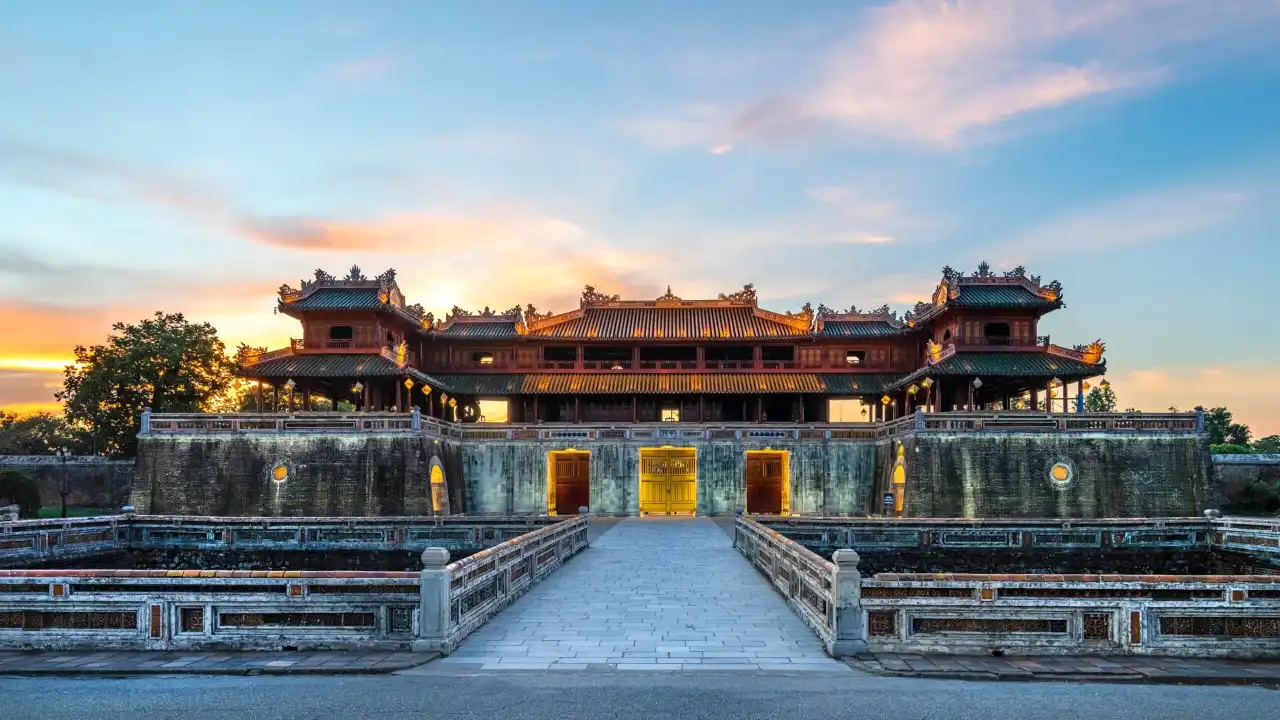
The Hue Imperial City was home to Vietnam’s last royal dynasty. It’s huge. Gates, palaces, temples, walls. But what stays with you isn’t the size. It’s the mood. A lot of Hue was damaged during the wars. Some buildings are restored. Others are still broken. And instead of hiding that, the city shows it.
Highlights include:
- Massive fortified walls and gates
- Vietnamese design mixed with Chinese influence
- Royal tombs spread far outside the city
Hue doesn’t feel flashy. It feels thoughtful. Almost quiet, even when people are around.
Pro tip: Explore the tombs by bicycle or boat. They’re spread out, and the journey matters as much as the destination.
Citadel of the Ho Dynasty
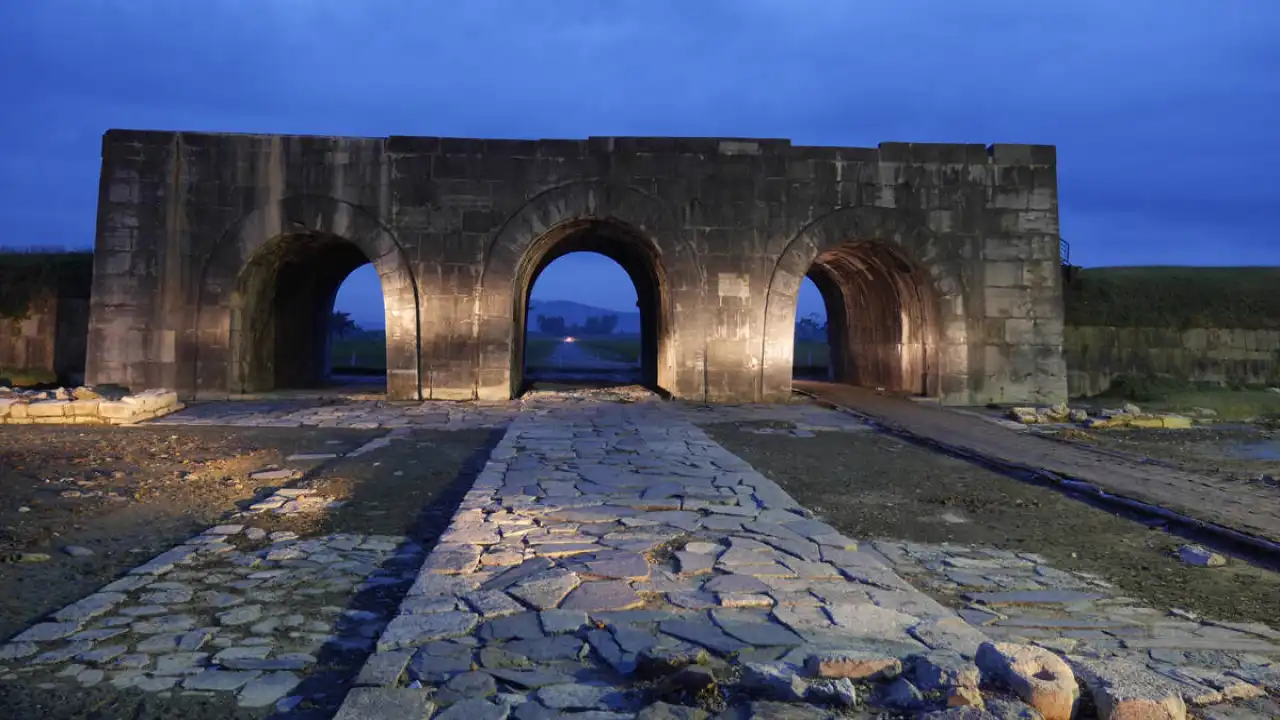
This place tends to catch people off guard. The Citadel of the Ho Dynasty sits in a rural area, surrounded by fields and mountains. No crowds. No noise. Built in the late 14th century, its stone walls are enormous. The stones were cut and fitted together so precisely that they’ve held up for centuries without modern tools.
Why it stands out:
- Massive stone construction
- Advanced engineering for its time
- Peaceful countryside setting
Standing there, you start wondering how people even moved stones that big. Let alone stack them so neatly.
Pro tip: Visit during harvest season if you can. The contrast is striking.
Trang An Landscape Complex
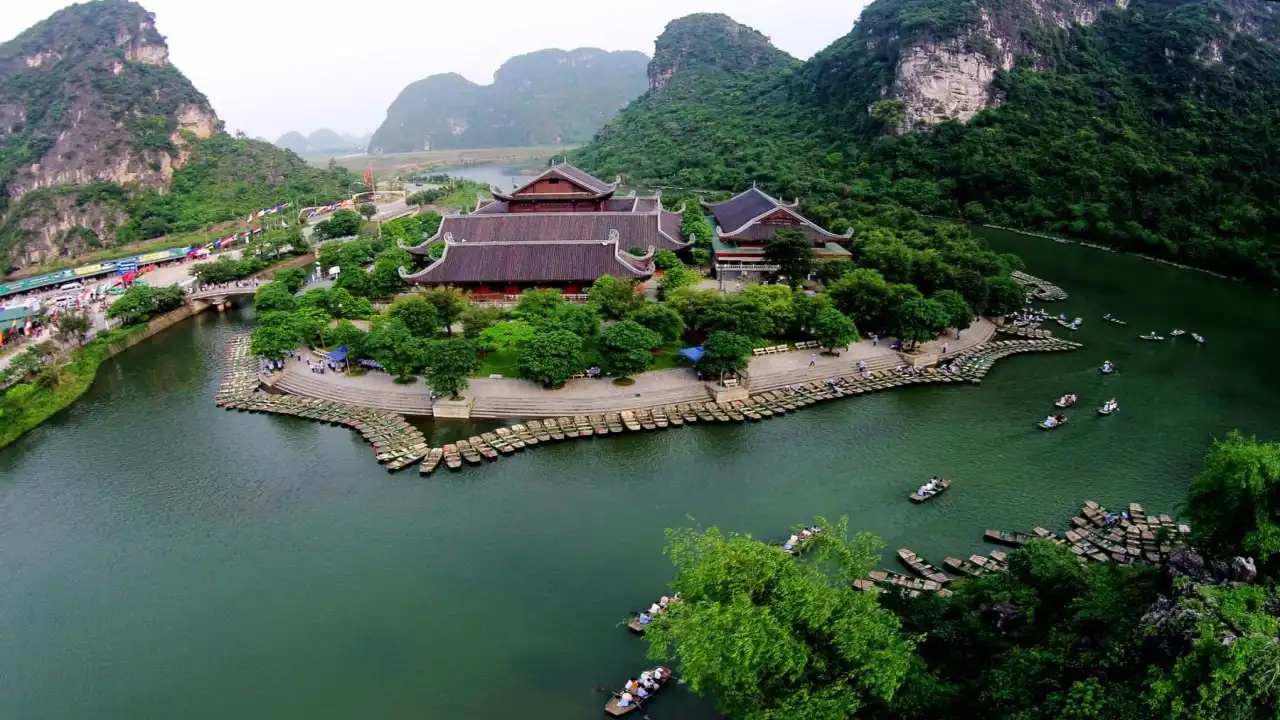
Trang An doesn’t feel like a monument at first. It feels like nature. You get into a small boat and drift through rivers, caves, and limestone cliffs. But then you notice temples tucked into rock walls. Old paths. Human traces everywhere.
What makes Trang An unique:
- Cultural and natural heritage combined
- Temples hidden in unexpected places
- Slow, calm experience
It’s often listed among UNESCO monuments in Vietnam, and for once, that label actually fits. This place shows how people learned to live with the land instead of reshaping it completely.
Pro tip: Pick a longer boat route. You won’t regret it.
Temple of Literature, Hanoi
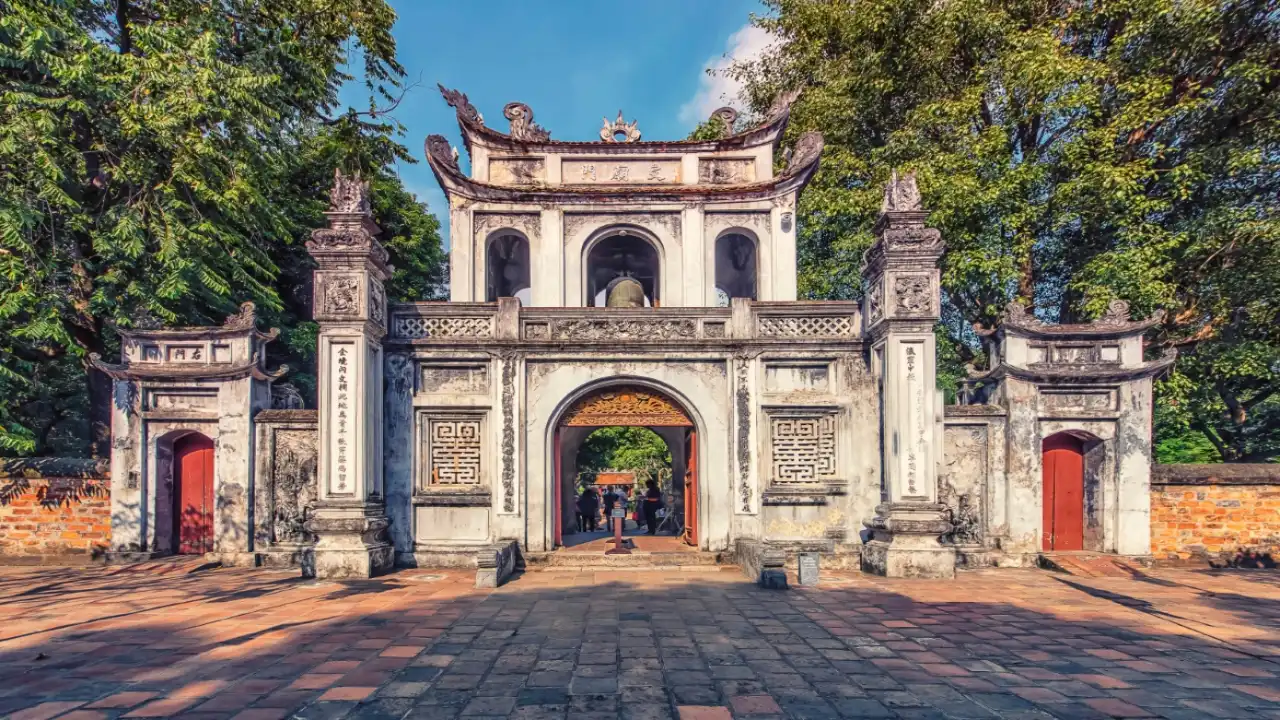
The Temple of Literature was built in 1070 and became Vietnam’s first national university. It was dedicated to Confucius and used to train scholars and officials. What’s interesting is that it’s still part of modern life. Students come here before exams. Parents bring their children. It’s not just a monument.
Why it matters:
- Symbol of education and learning
- Traditional architecture and layout
- Still culturally relevant
Inside, the city noise fades. Courtyards, ponds, old stone tablets, it’s calm in a way Hanoi rarely is.
Pro tip: Weekdays are quieter and easier to enjoy.
Are These Monuments Good for Families and Couples?
Yes, very much.
For families:
- Plenty of open spaces
- Learning without feeling like school
- Easy access in major cities
For couples:
- Calm towns like Hoi An and Hue
- Scenic places like Trang An
- Slow, unhurried travel
Vietnam doesn’t force one kind of travel style. It adapts.
Conclusion
Vietnam’s heritage monuments aren’t competing for attention. Each one tells a different story. Some are about kings and dynasties. Others are about traders, students, builders, or everyday life continuing through chaos. What really makes them special is how naturally they exist alongside modern Vietnam. You’re not stepping into a museum. You’re stepping into places people still walk past every day on their way to work, school, or home, barely thinking about how old those walls actually are.
If you enjoy travel that feels real rather than overproduced, Vietnam’s heritage sites quietly deliver that experience. They don’t try to impress you with grand performances or forced storytelling. They simply exist, and you meet them on their own terms. For many travelers, this is also why Vietnam fits so well into a thoughtfully planned international trip package; it adds depth and meaning without feeling overwhelming. And maybe that’s exactly why these places stay with you long after the journey ends.
Practical Tips for Visiting Heritage Sites in Vietnam
A few things that help:
- Dress respectfully, especially at temples
- Bring water; sites can be large
- Learn a bit of background beforehand
- Follow signs and local rules
If you’re traveling with parents or kids, planning helps more than you think. Some people choose guided Vietnam tour packages just to keep things smooth and stress-free.