What Are the Best Treks in North East India?
Introduction
There’s something about the North East that sneaks up on you, working quietly and slowly. One moment you’re in breath-thin fog, the next on a creaking wooden bridge that makes you pause. A local smiles like you were expected, and the place starts to feel familiar.
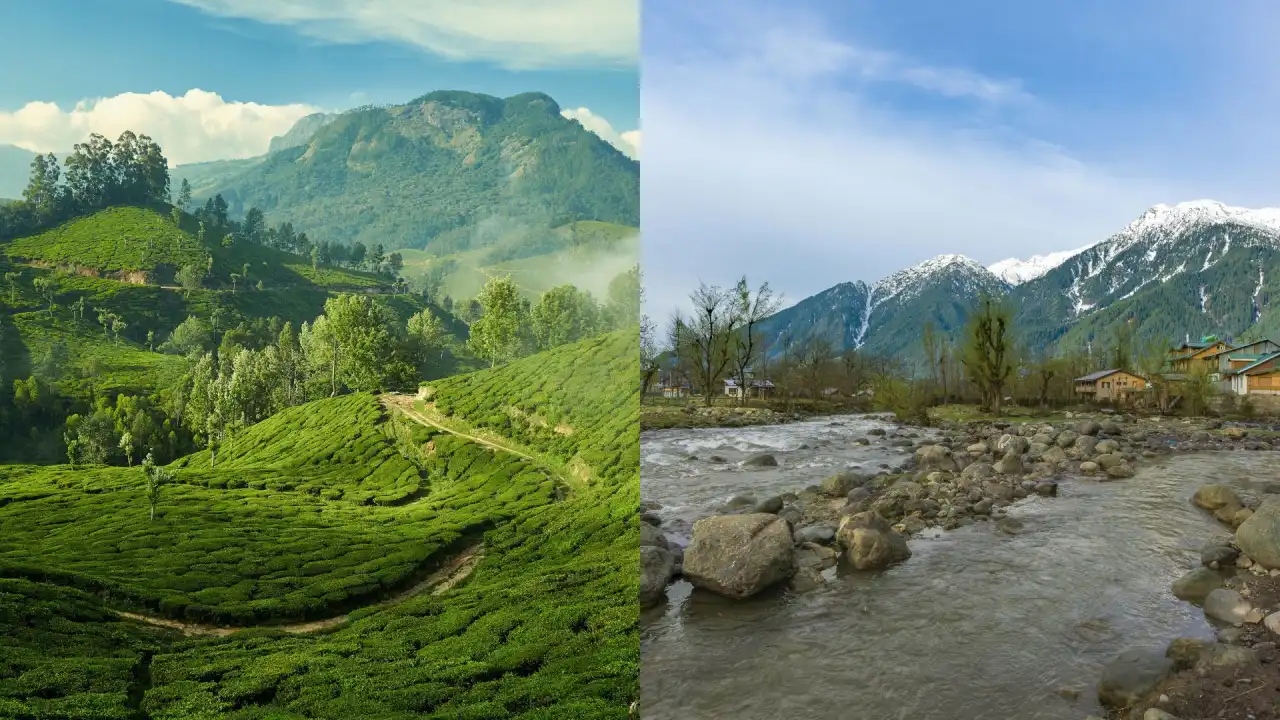
When people talk about the Best treks in North East India, this feeling is what they mean. Trekking here isn’t about height, speed, or ticking off milestones. It’s about villages unchanged by time, wet forests after rain, and patient valleys. The views arrive slowly, often after you’ve stopped asking if the effort is worth it. Trekkers leave quieter, softer and carry the stories long after the dust is gone.
Why Trekking in North East India Feels Different
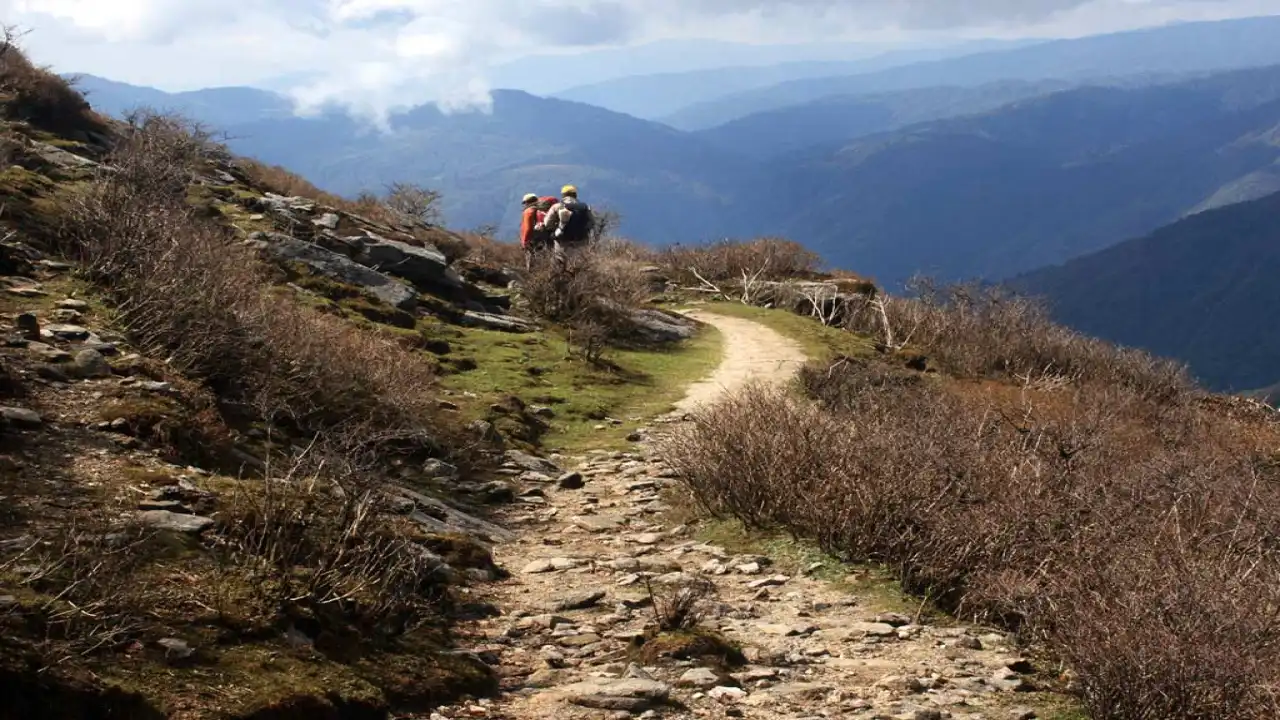
Before getting into specific treks, it helps to understand why this region feels offbeat, in a good way.
- Trails often cut straight through villages, not just forests
- Locals don’t just guide you, they cook, talk, and laugh with you
- Nature feels lived-in, not polished for visitors
- Even at popular times, crowds are surprisingly thin
A lot of first-time trekkers say it doesn’t feel like visiting a destination. It feels more like being allowed into someone’s space. Just that the space happens to stretch across hills and valleys.
1. Dzukou Valley Trek (Nagaland – Manipur Border)
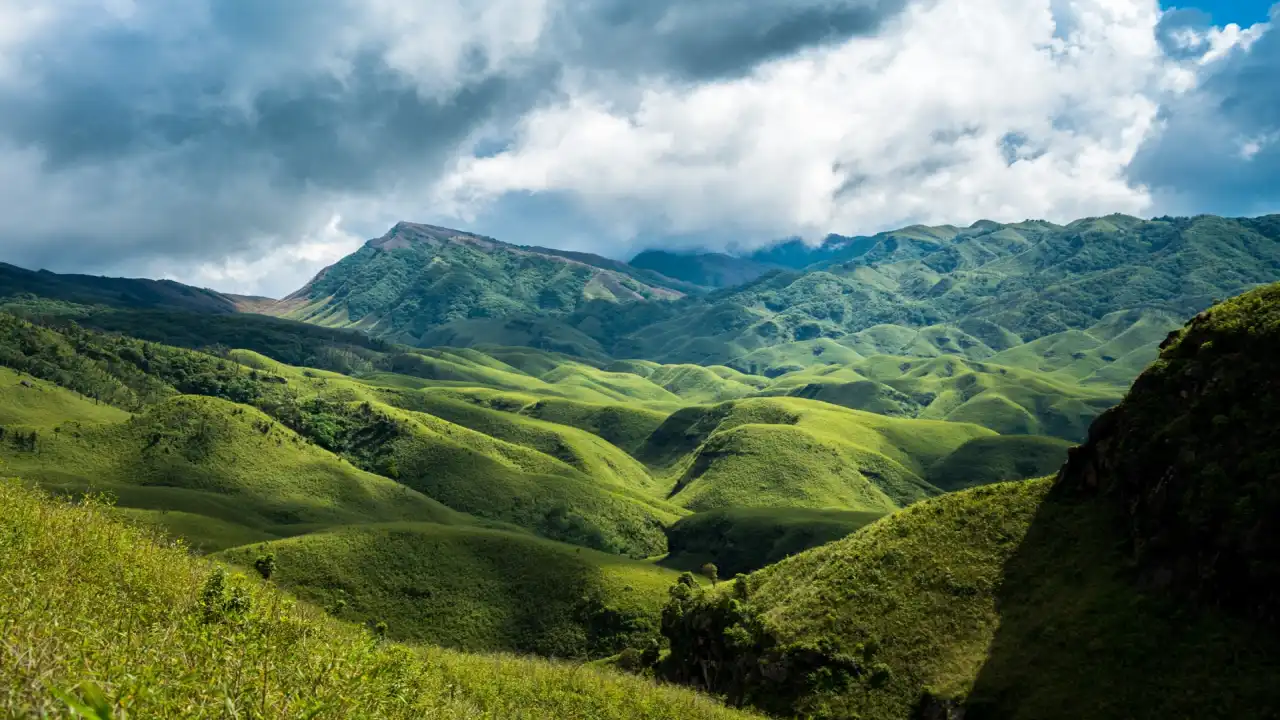
Almost everyone who goes to Dzukou Valley comes back talking about it. Sometimes a bit too much. It’s often called the Valley of Flowers of the North East, and for once, that label isn’t exaggerated. The trail starts near Kohima and slowly opens into a wide, grassy valley dotted with seasonal flowers. What surprises most people isn’t the scenery, it’s the calm. After hours of forest walking and climbing, the landscape suddenly opens up, and everything feels lighter. Quieter. Like the place is telling you to slow down.
Why does it stay in memory?
- Rolling green slopes instead of constant climbs
- Flowers everywhere between June and September
- Campsites where silence feels unusually loud
Difficulty: Easy to moderate
Best time: June to September
Pro tip: Carry a rain jacket. Even if the sky looks friendly. It changes its mind quickly.
2. Sandakphu Trek (West Bengal – Sikkim)
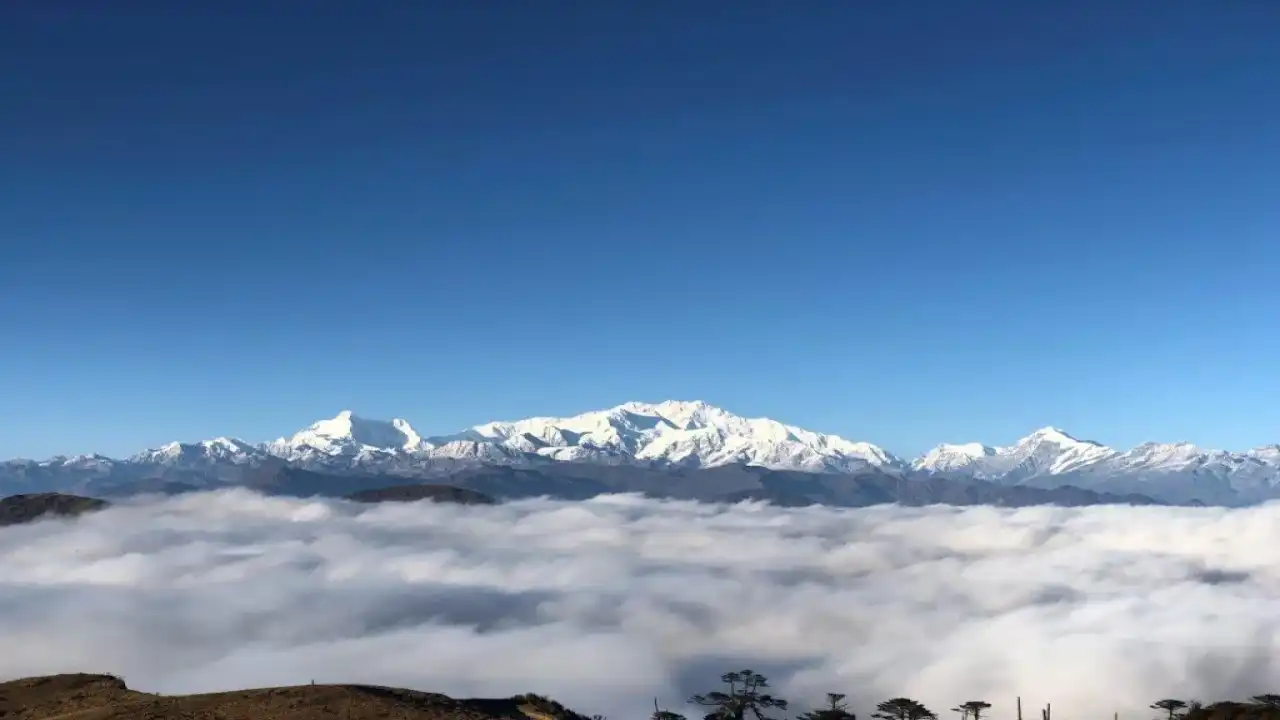
Sandakphu is talked about for one main reason. On a clear day, you can see four of the world’s tallest mountains lined up together: Everest, Kanchenjunga, Lhotse, and Makalu. Seeing them like that feels unreal, even if you’re not someone who usually cares about mountain names. The trail itself is fairly comfortable. There are tea houses, small villages, and hot food. It’s a good choice if you want a challenge but still like sleeping indoors sometimes.
What people usually mention
- Sunrise views that make early alarms worth it
- Tea that somehow tastes better after a long walk
- Enough difficulty to feel earned, not punishing
Difficulty: Moderate
Best time: April–May, October–November
Pro tip: Start early. Clouds don’t wait for late sleepers.
3. Goechala Trek (Sikkim)
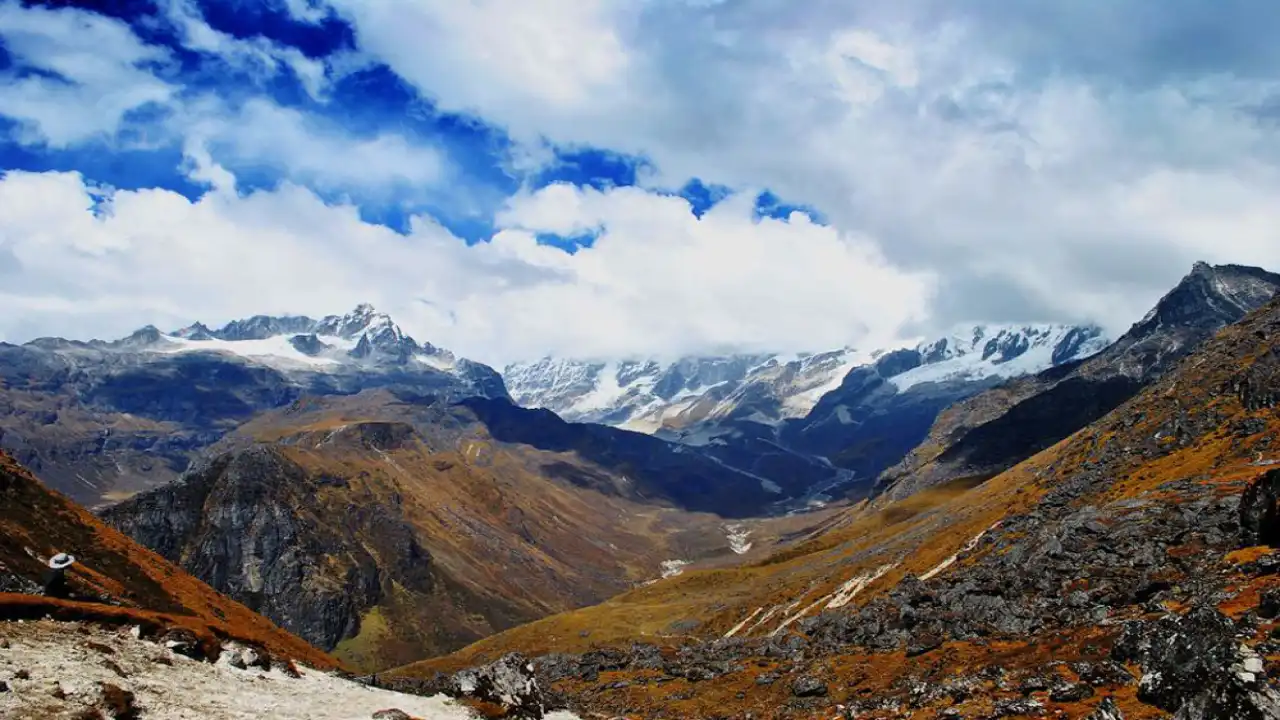
Goechala doesn’t try to impress you gently. It’s tough. Slow. Sometimes frustrating. But it gives back generously. You walk through thick forests, cold camps, and long days that make you question your fitness choices. And then there’s Kanchenjunga. At sunrise, from View Point 1, it feels close. Almost personal. People go quiet there. Some wipe their eyes and pretend it’s the cold. Nobody rushes that moment.
Best for
- Trekkers with some experience
- People are okay with exhaustion
- Anyone wanting a serious mountain trek
Difficulty: Difficult
Best time: April–May, September–October
Pro tip: Train properly. This trek notices shortcuts.
4. Tawang Monastery Trek (Arunachal Pradesh)
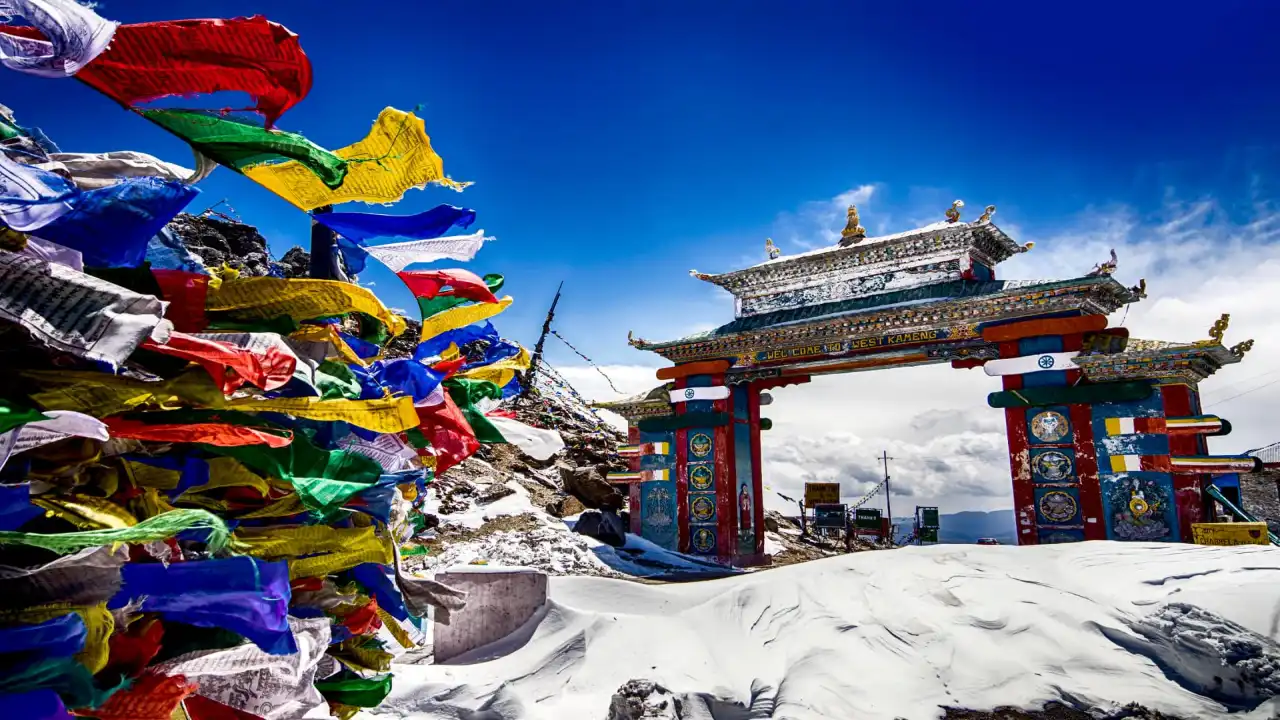
This trek feels different right from the beginning. It’s not only about scenery, though the landscapes are striking. It’s about culture walking alongside you. The trail moves through remote villages, prayer flags stretching across passes, and wide meadows that feel oddly timeless. Ending near Tawang, with its massive monastery, adds a quiet sense of weight to the journey. Not heavy. Just meaningful.
Highlights
- Honest interactions with Monpa communities
- Snow-touched scenery in colder months
- A calm that stays with you
Difficulty: Moderate
Best time: March–June, September–October
Pro tip: Be respectful. People notice. And they appreciate it.
5. Mechuka Trek (Arunachal Pradesh)
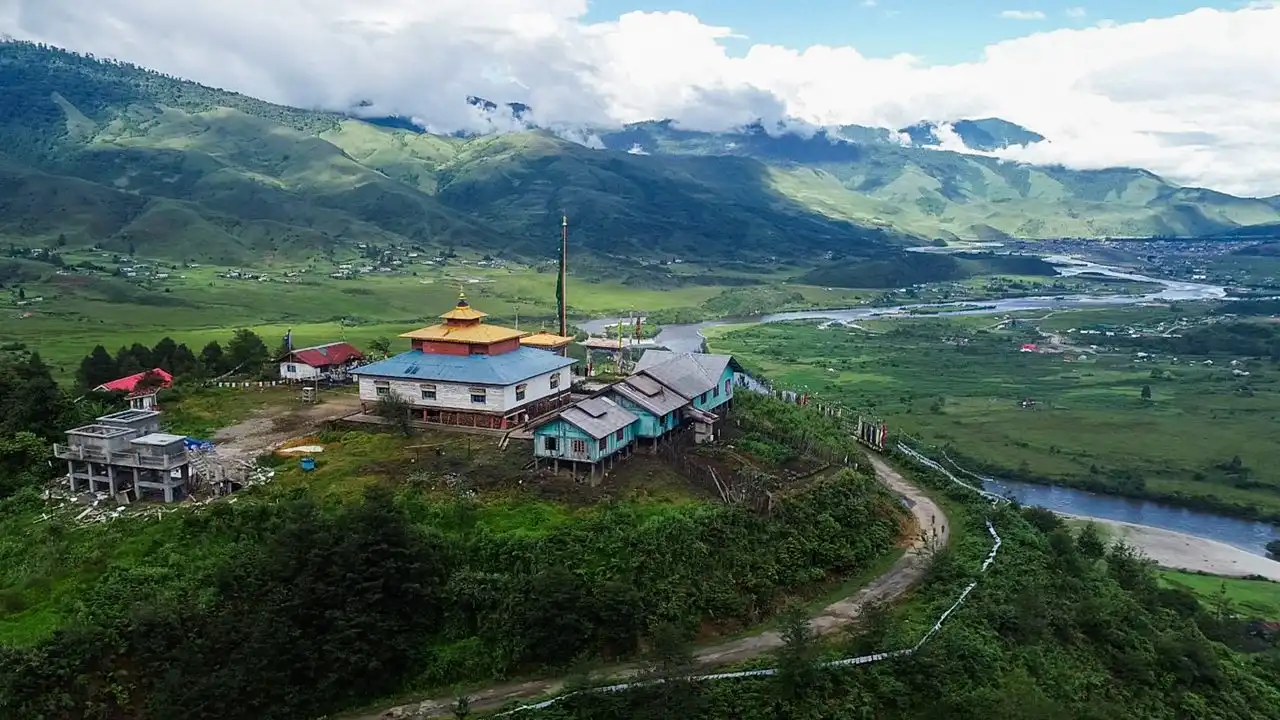
Mechuka still feels like a secret. Not because it’s hidden, but because reaching it takes effort. And most people stop before that. The trail winds through bamboo forests, riversides, and wide valleys where time slows down. Phones lose signal. Conversations stretch longer. You stop checking the clock.
Why people go
- Very few trekkers
- Strong local presence
- Open landscapes that feel endless
Difficulty: Moderate
Best time: October–April
Pro tip: Let people know you’ll be offline.
6. Phoktey Dara Trek (Sikkim)
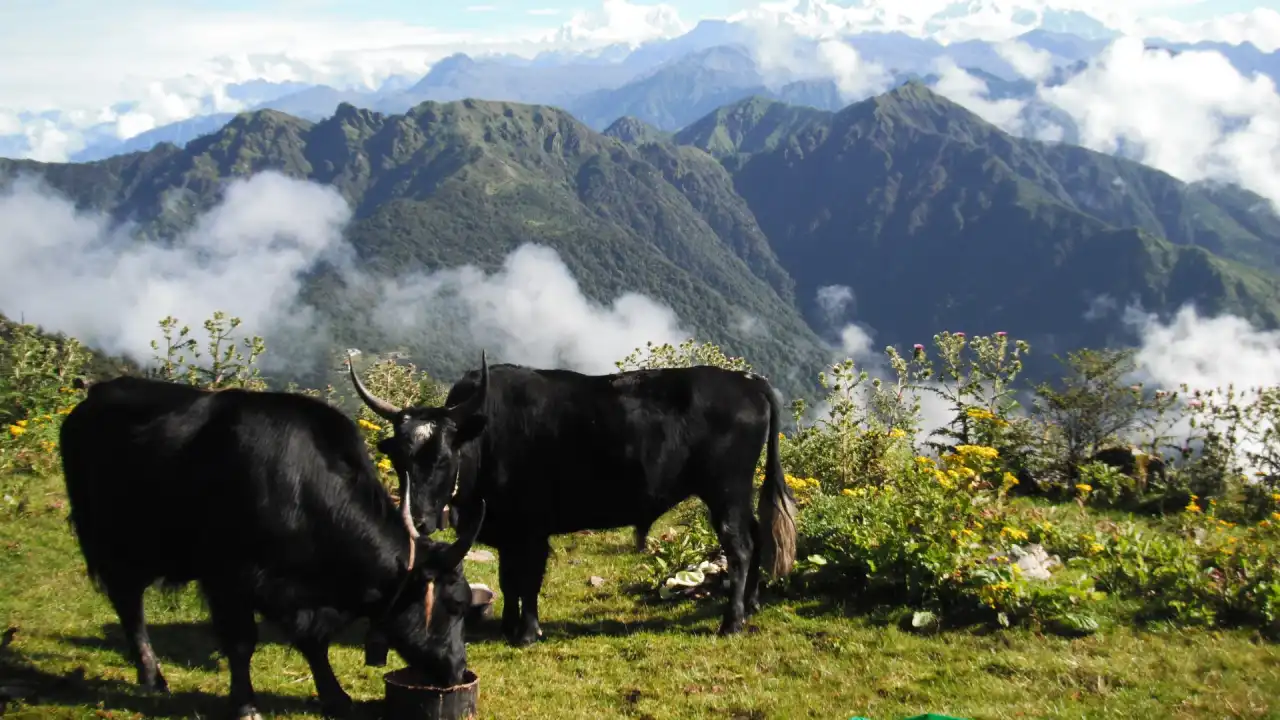
Phoktey Dara suits people who want views without constant strain. The trail stays along a ridge, so the scenery never really leaves you. It’s quieter than many Sikkim treks, which is part of the charm.
What stands out
- Kanchenjunga appears again and again
- Shorter, manageable days
- Calm forest stretches
Difficulty: Easy to moderate
Best time: October–December
Pro tip: Good shoes matter more than you think.
7. Namdapha Jungle Trek (Arunachal Pradesh)
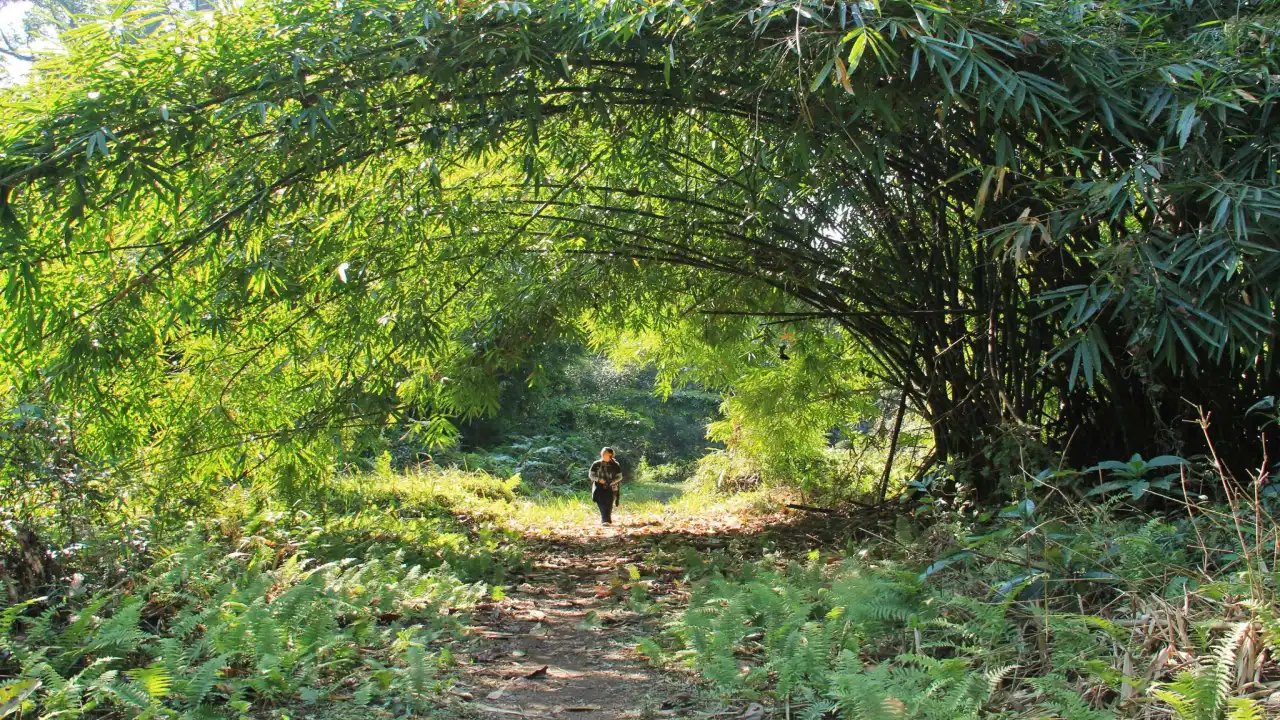
Namdapha breaks the usual idea of trekking. No snowy peaks. No wide-open valleys. Just jungle. Thick, loud, unpredictable jungle. You’ll notice animal tracks. Hear sounds you can’t place. Feel unsure sometimes. That’s normal here. That’s also the appeal.
Best for
- Wildlife lovers
- Curious, patient trekkers
- People are comfortable with uncertainty
Difficulty: Moderate to difficult
Best time: November–March
Pro tip: Stay close to your guide. Jungle paths don’t reward guesswork.
Choosing the Right Trek
Not every trek fits every person. And that’s okay. Ask yourself honestly:
- How do I handle long walking days?
- Do I want comfort or challenge?
- Does culture matter as much as scenery?
Some people pick easier routes through family trip packages. Others save harder treks for personal turning points. There’s no wrong answer. Just the one that fits your moment.
Safety and Responsibility
Trekking here comes with shared responsibility.
- Go with local guides
- Respect village customs
- Carry your waste back
- Keep noise down
These trails exist because communities protect them. Treat them gently.
Understanding the Region
As you move through these trails, you’ll notice how diverse the trekking places in North East India really are. Jungles, valleys, ridges, and cultural routes are often closer together than you expect.cYou’ll also see how North East India trekking routes blend into everyday life. Kids heading to school. Farmers working in fields. Monks walking toward the prayer halls. Trekking doesn’t interrupt life here. It walks alongside it.
Conclusion
Trekking in the North East doesn’t feel like some big mission to “beat” a mountain. It’s quieter than that. You walk with the hills, not against them. You listen more than you talk. Sometimes you stop because your legs ask you to. Sometimes, because the air smells different after rain and you don’t want to rush past it. Many travelers start looking at domestic packages not because they want convenience, but because they want a reason to return. And usually, somewhere on the journey home, that familiar thought creeps in, maybe just one more trek.
Practical Packing Advice
Most seasoned trekkers pack less than they think they need:
- Broken-in trekking shoes
- Warm layers without bulk
- Rain protection
- Basic medicines
- A refillable bottle