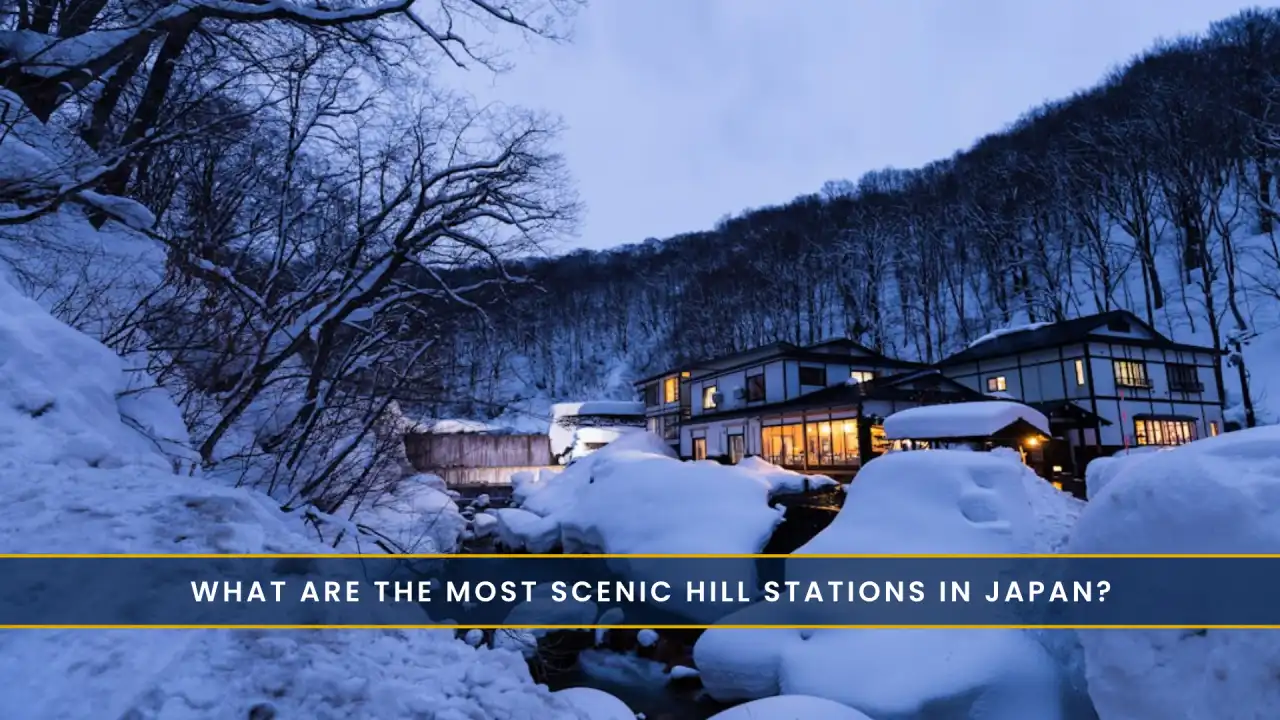
What Are the Most Scenic Hill Stations in Japan?
Introduction
Japan is often depicted as a land of bright lights, crowded crossings, vending machines everywhere, and trains that somehow arrive exactly on time. And yes, that Japan exists. But it’s only part of the picture. Head uphill, sometimes literally just an hour or two from a major city and things begin to change. Noise fades. Air feels lighter. Mornings don’t start with alarms and traffic, but with fog drifting between trees. Evenings stretch longer. Nothing rushes you.
This is the quieter Japan. The one that doesn’t ask for attention. In this guide, we’re looking at some of the most scenic hill stations in Japan. Not flashy resort towns. Not places built only for tourists. These are real towns, lived-in places, where daily life continues even when visitors arrive. They’re perfect if you want a slower trip, if you’re traveling with family, or if you just want to see a side of Japan that feels honest.
Why Japan’s Hill Stations Feel Different
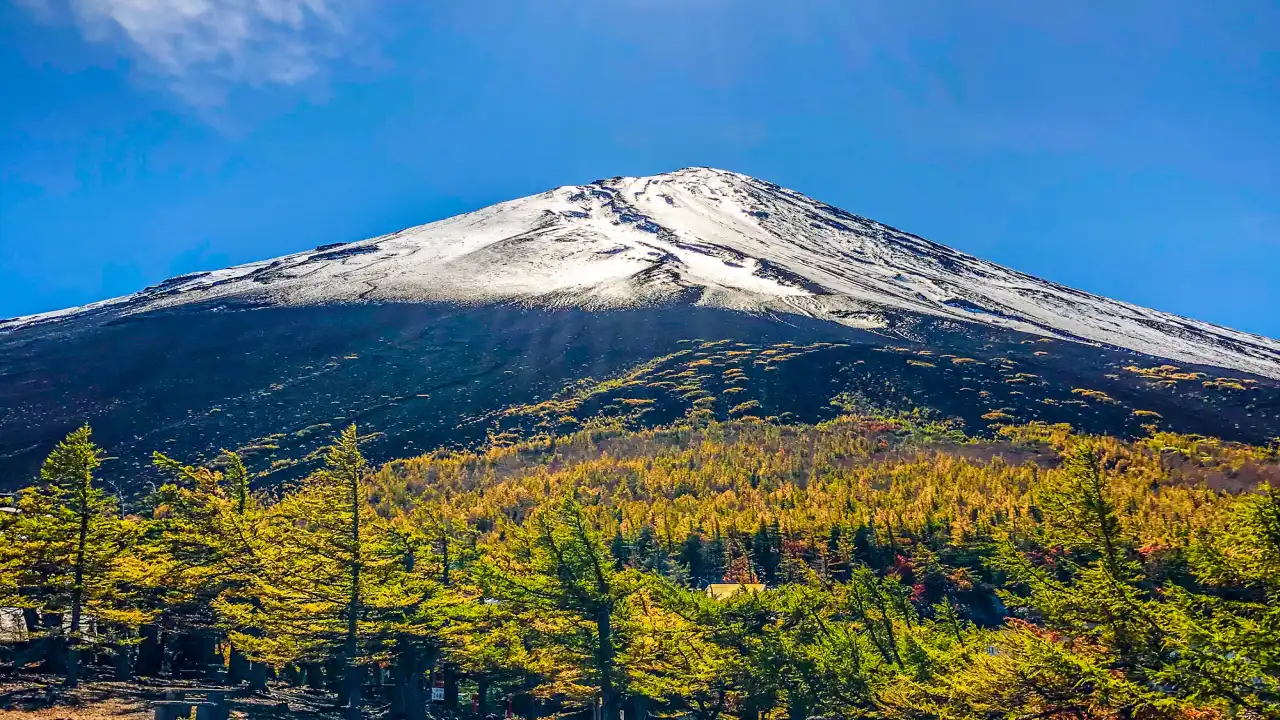
Japan is mostly mountains, nearly 70% of the country. So hill towns aren’t rare. What’s different is how they function. These places aren’t frozen for tourists. They’re not preserved like exhibits. People live here. Argue here. Grow old here. Tourists come and leave, and nothing really changes because of it.
That’s the real appeal of the scenic hill towns Japan is known for. It’s not just about views.
- Forests aren’t locked behind fences; they’re maintained and respected
- Traditional homes sit next to modern cafés without looking awkward
- Old walking paths aren’t labeled as “heritage routes,” but locals still use them as shortcuts
And then there’s the seasons. Japan doesn’t resist seasonal change. Towns shift with it. Spring, summer, autumn, winter, each one reshapes the same place entirely.
What Are the Most Scenic Hill Stations in Japan?
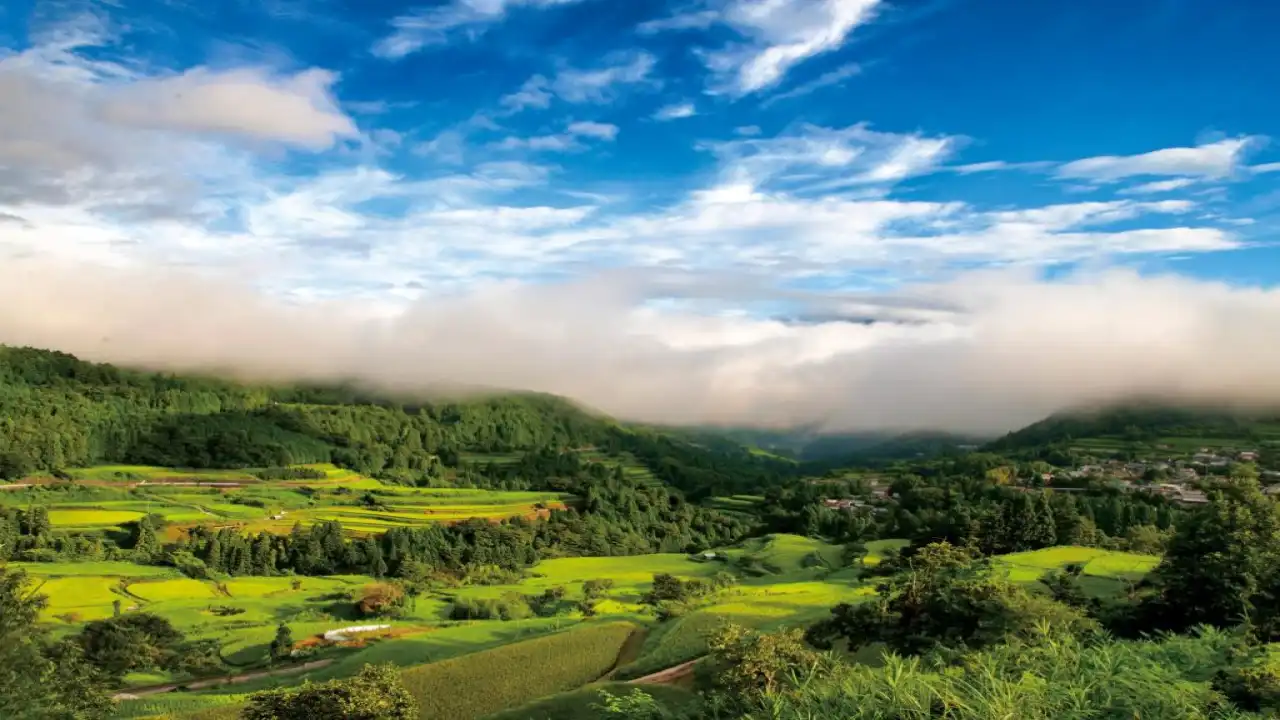
Most people picture Japan as neon lights, packed crossings, vending machines humming on every corner, and trains that somehow never run late. That version exists, sure. You’ll see it, probably on day one. But that’s not the whole country. Go uphill. Sometimes it’s barely an hour outside a major city. Sometimes it’s a slow train and a bus that only runs a few times a day. Either way, things shift. The noise drops off.
The air feels lighter, cooler. Mornings don’t begin with alarms and traffic sounds, but with fog hanging between trees. Evenings don’t feel rushed. Time stretches a little. This is the quieter Japan. The one that doesn’t advertise itself. Below are some of the most scenic hill stations in Japan. Not flashy resort towns built for photos. These are real, lived-in places. Kids still go to school. Shop owners open at the same time every day. Visitors pass through, but life doesn’t rearrange itself around them. If you’re traveling slowly, with family, or just tired of places that feel overdone, these towns make sense.
Karuizawa – Calm Without Trying Too Hard
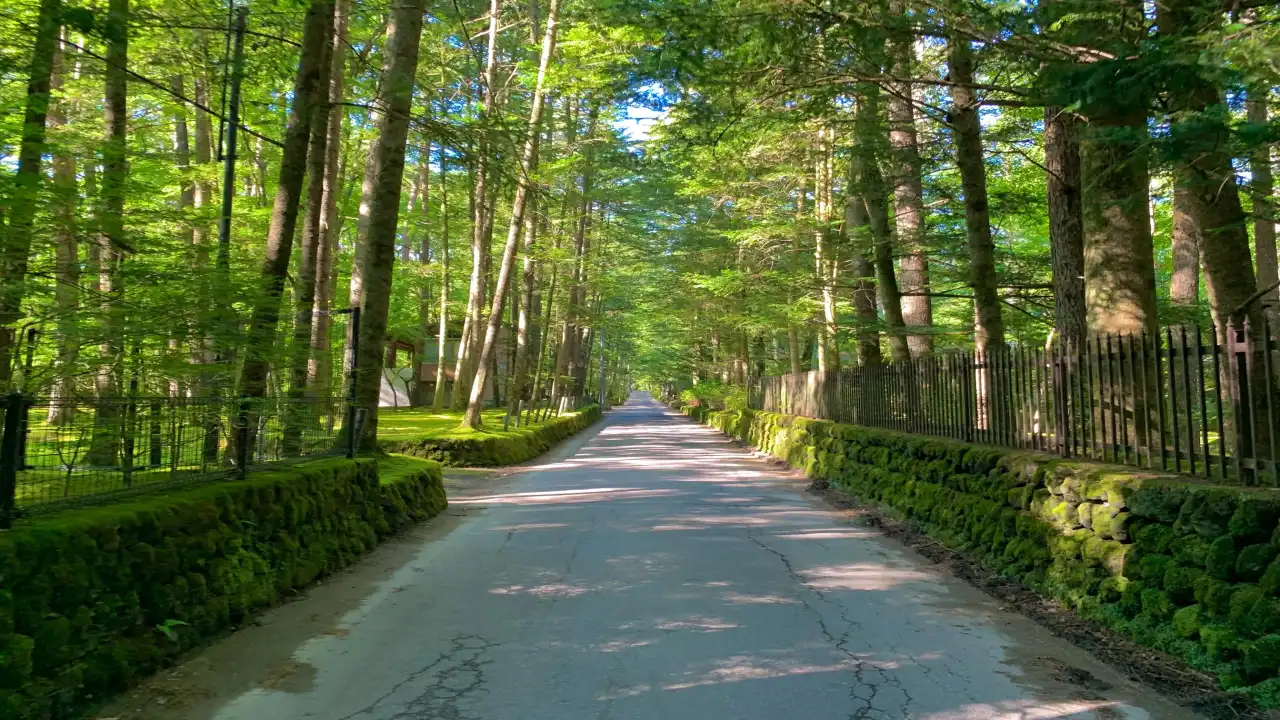
Karuizawa sits near Mount Asama and has long been a quiet escape for people from Tokyo. You can feel that history, but it doesn’t show off. It’s elegant, but relaxed. Comfortable. Not stiff. You notice small things. Trees lining bike paths.
Wooden villas are partly hidden behind hedges. Bakeries that run out of bread early, sometimes before you even arrive. The air feels cleaner, like your chest relaxes a little when you breathe. Summer stays cool. That’s the big draw. Autumn, though, steals the show. Reds and yellows everywhere. Even an ordinary walk feels special.
Pro tip: Rent a bicycle. Karuizawa is mostly flat, and moving slowly suits the place better than taxis ever could.
Hakone – Nature With a Bit of Drama
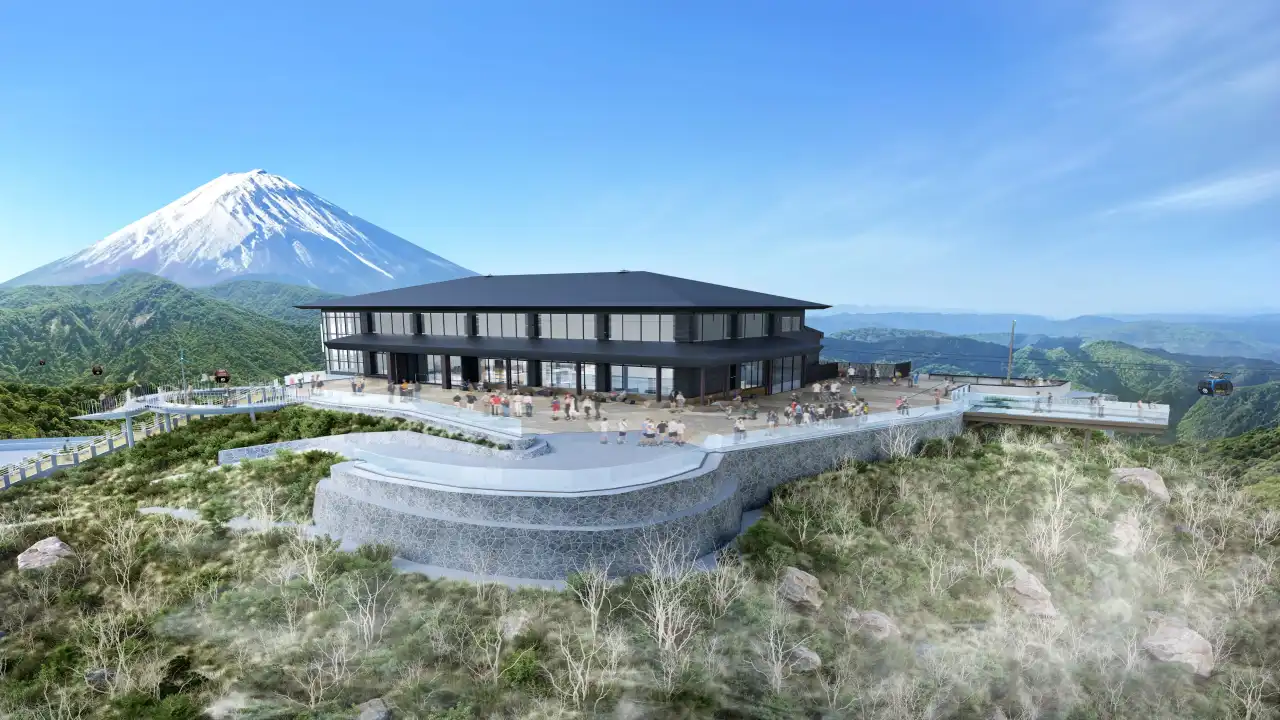
Hakone is famous for hot springs, but that’s only part of it. What really defines the area is how much is packed into one place. Mountains. Forests. A lake. Volcanic ground that still steams like it’s alive. Lake Ashi changes moods constantly. Ropeways glide overhead at a pace that forces you to look around. Steam rises casually from the earth. And on clear days, Mount Fuji appears when you least expect it, then disappears again. Hakone doesn’t overwhelm you. It just keeps shifting.
That’s why it fits so easily into Japan tour packages. You don’t have to plan much. Everything blends naturally.
Takayama – Historic, but Still Real
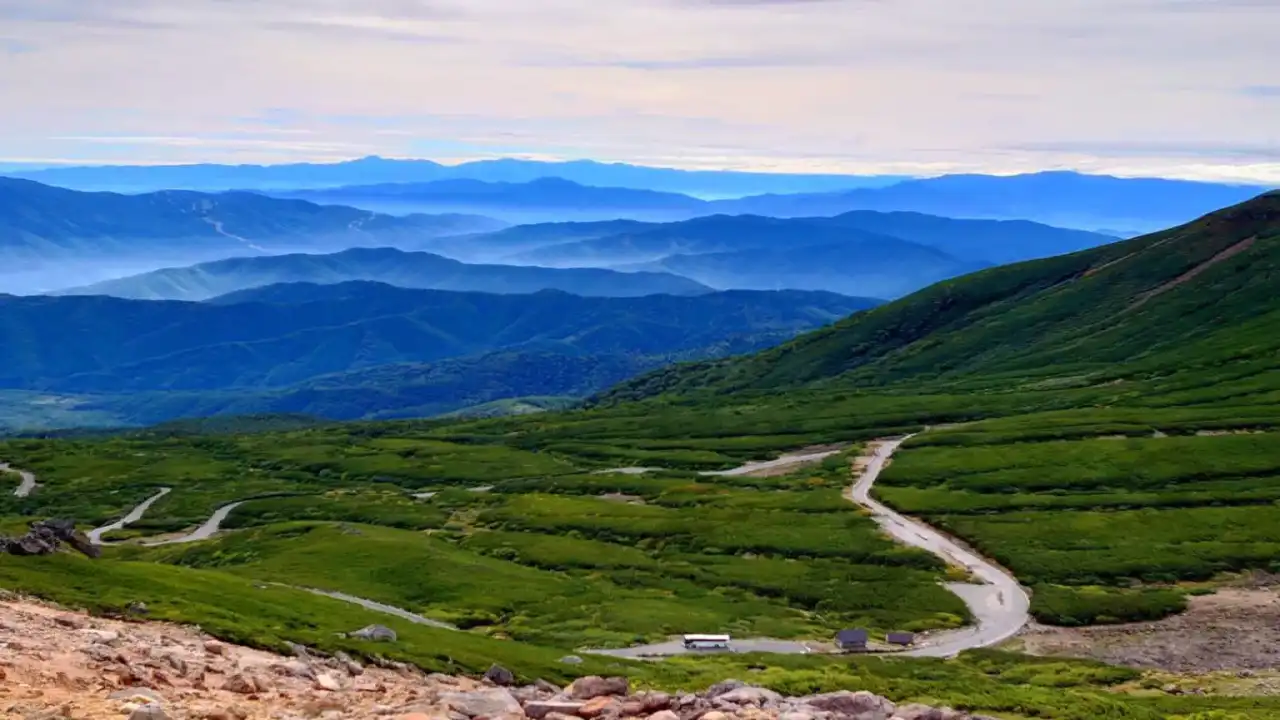
Takayama, tucked into the Japanese Alps, often catches people off guard. It looks like old wooden houses and narrow streets, but it doesn’t feel staged. Locals greet each other without ceremony. Morning markets exist because people need groceries, not because tourists are watching. Rivers run clear and fast. Mountains peek out from everywhere. Nothing feels rushed here. Which, honestly, is rare. Takayama is one of those mountain towns in Japan that travelers often miss when they stick to big cities.
Pro tip: Wake up early. Walk before the shops open. That quiet hour feels like something you weren’t supposed to find.
Nikko – History Wrapped in Trees
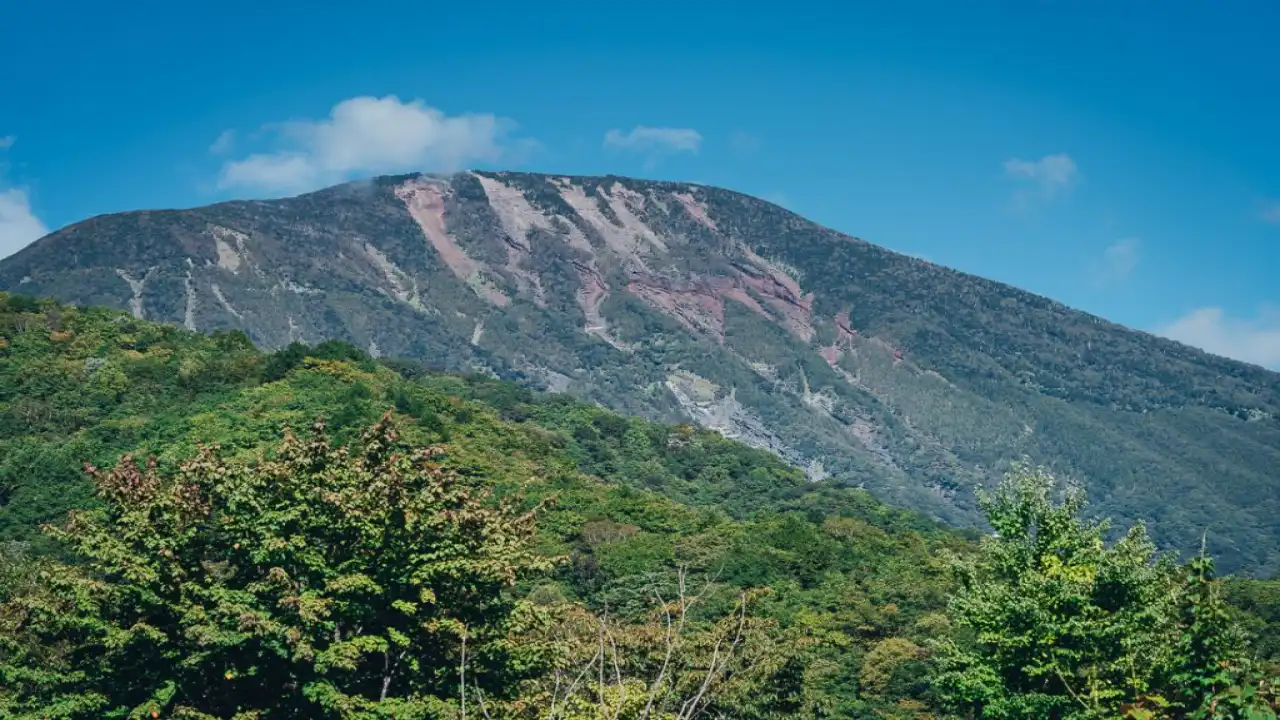
Nikko can feel serious at first. It holds some of Japan’s most important shrines, after all. But the forests soften everything. Tall cedar trees line the paths. The air smells damp and green. You hear birds more than voices. Even the shrines feel calmer, like they belong exactly where they are. Waterfalls sit just outside town. Trails are easy. Nothing pushes you to move fast. For travelers looking at Family trip packages, Nikko works well. History, nature, and manageable walking all without exhaustion.
Yufuin – Quiet by Design
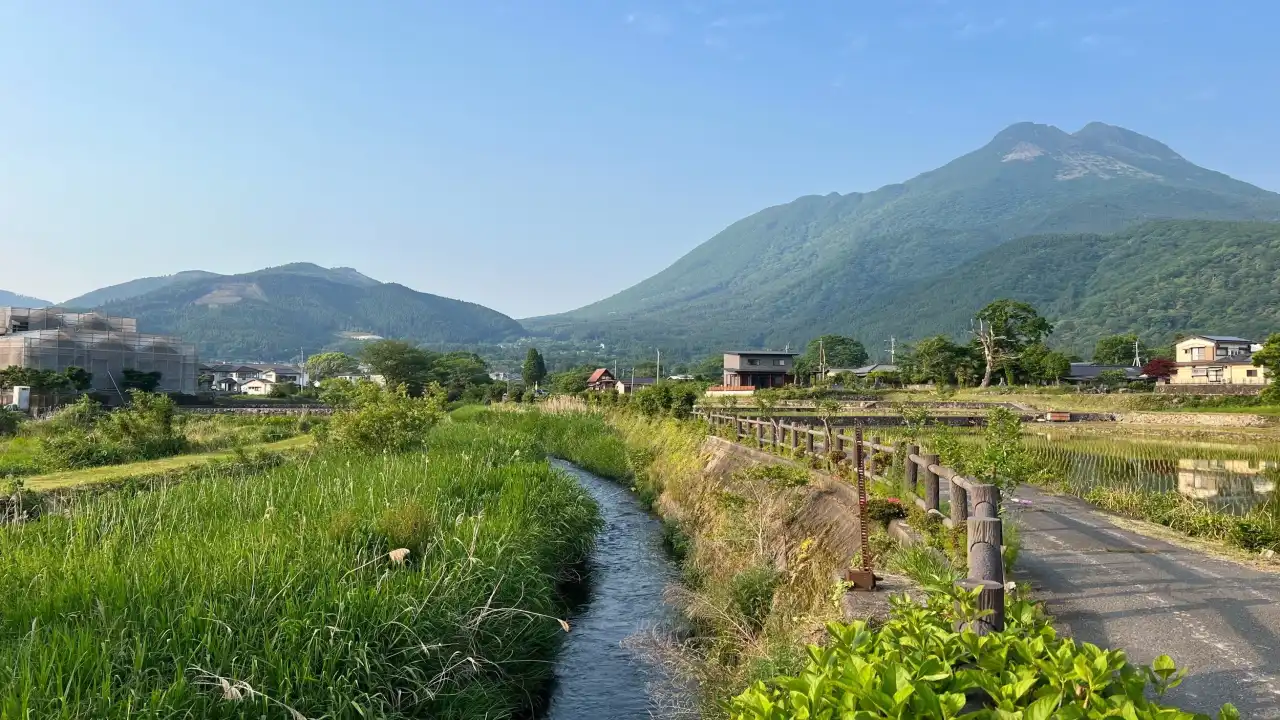
Yufuin feels like a place that chose calm on purpose. No flashing signs. No loud streets. Just open views of Mount Yufu, small cafés, art spaces, and food that feels comforting instead of showy. Milk-based desserts are everywhere. Walking paths stay quiet. People seem to speak more softly without realizing it.
Pro tip: Stay overnight. Early mornings in Yufuin, before day visitors arrive, are when the town feels most like itself.
Shirakawa-go – Practical Beauty
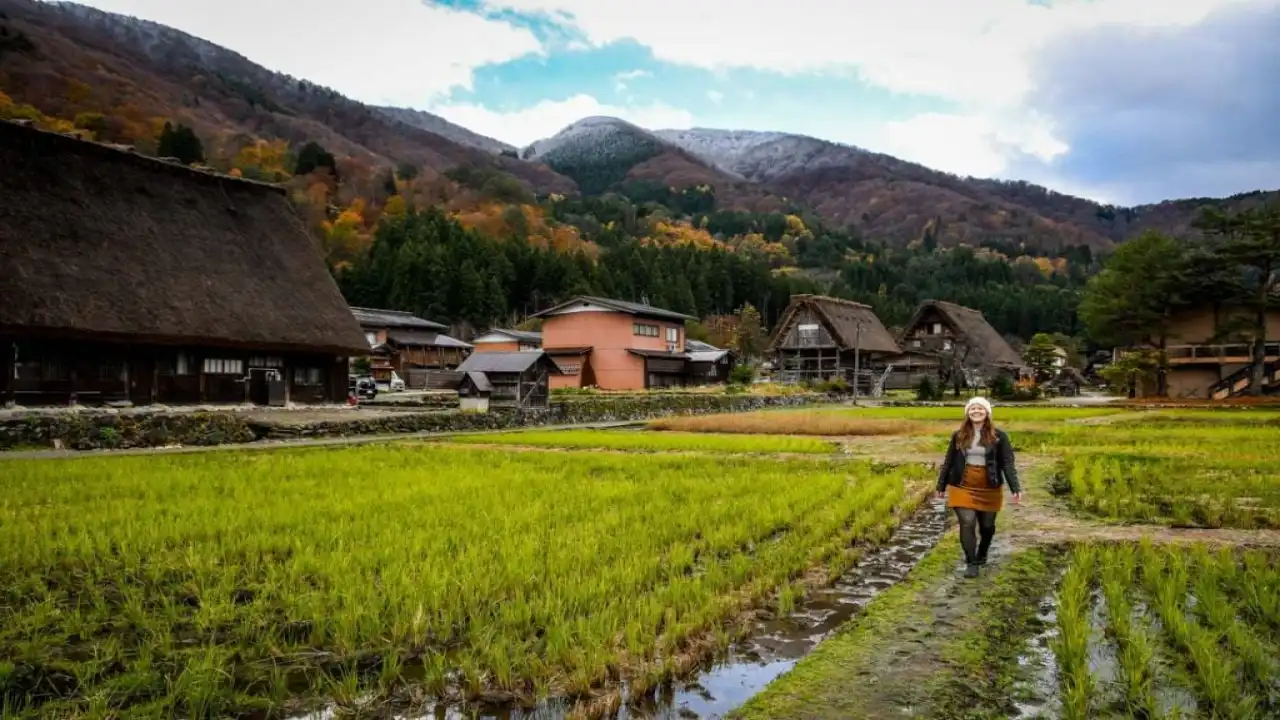
Shirakawa-go is famous for its steep-roof houses, built to survive heavy snowfall. In winter, the village looks unreal. Almost fake. But it isn’t. People live here year-round. In summer, rice paddies glow green. In winter, snow piles up. Neighbors help each other dig out. The architecture isn’t decorative; it’s survival. Shirakawa-go quietly shows what it means to work with nature instead of fighting it.
Why do these hill towns stay with you?
The scenic hill towns Japan offers don’t try to win you over. They don’t compete. They don’t perform.
Instead, they leave you with small moments:
- Steam rising from the tea
- Wind moving through trees
- Footsteps echoing on quiet paths
Easy to miss. Hard to forget.
Best Time to Visit
Every season works. It just depends on how you travel.
- Spring: fresh air, blossoms, easy walks
- Summer: cooler than the cities
- Autumn: deep colors, clear skies
- Winter: snow, warmth indoors, slow evenings
Conclusion
Japan’s hill stations don’t shout. They don’t rush you. They don’t demand attention. The mountains stay still. Towns follow their routines. Visitors are simply allowed to step into that rhythm for a while. If you’re looking for calm, grounded travel places that feel real rather than arranged, these hill towns are worth the effort.
They don’t overwhelm you.
They don’t impress loudly.
They just remind you how peaceful travel can feel.
A Few Practical Thoughts
Some things help:
- Wear proper walking shoes
- Check transport schedules (reliable, but limited)
- Stay overnight when possible
- Respect quiet spaces
These places reward patience, not speed.