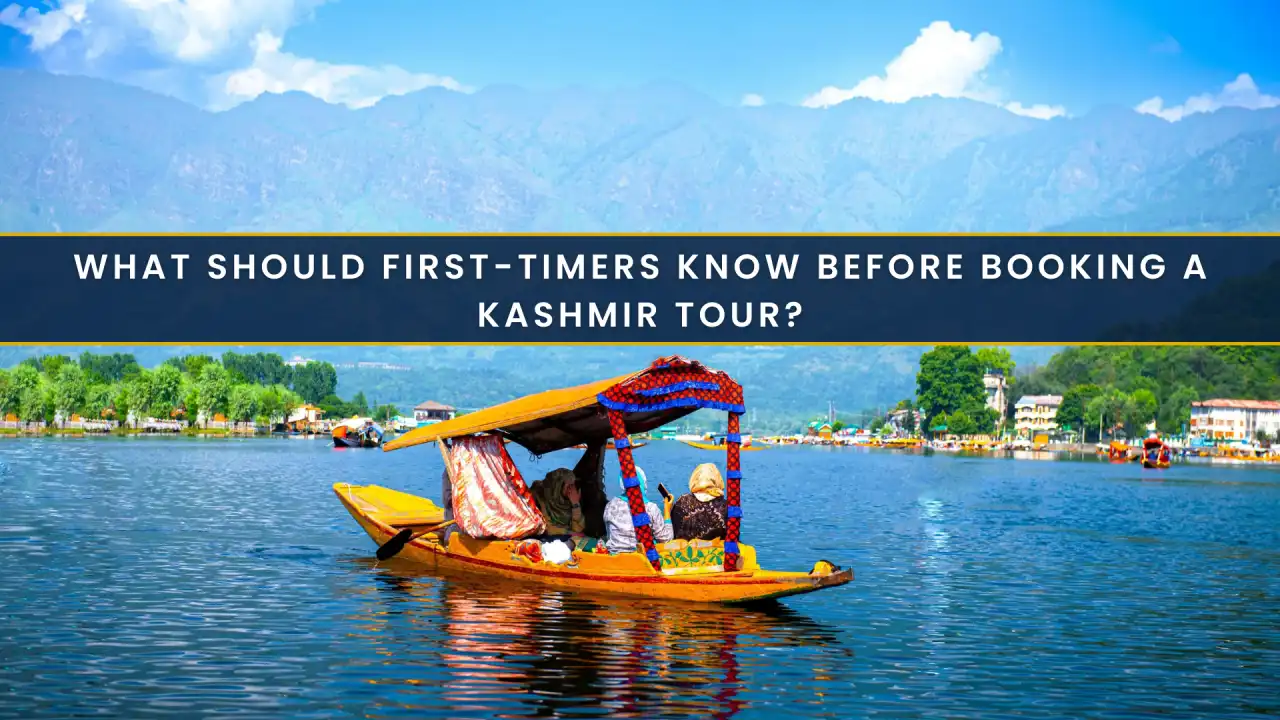
What should first-timers know before booking a Kashmir tour?
Introduction
Why does Kashmir feel familiar even to people who have never been there? Maybe it is because its images circulate endlessly, lakes like mirrors, mountains posed like they know they are being watched. Or maybe it is because everyone seems to know someone who has been. First-time travelers arrive thinking they already understand the place. That assumption is where confusion usually begins. Kashmir is not difficult, but it is particular. It asks questions back. It rewards those who slow down and quietly punishes those who rush. Before committing to dates, routes, or hotel names, it helps to understand how Kashmir actually behaves once you land. That clarity changes everything about how you experience a Kashmir tour.
Understanding the layers of Kashmir
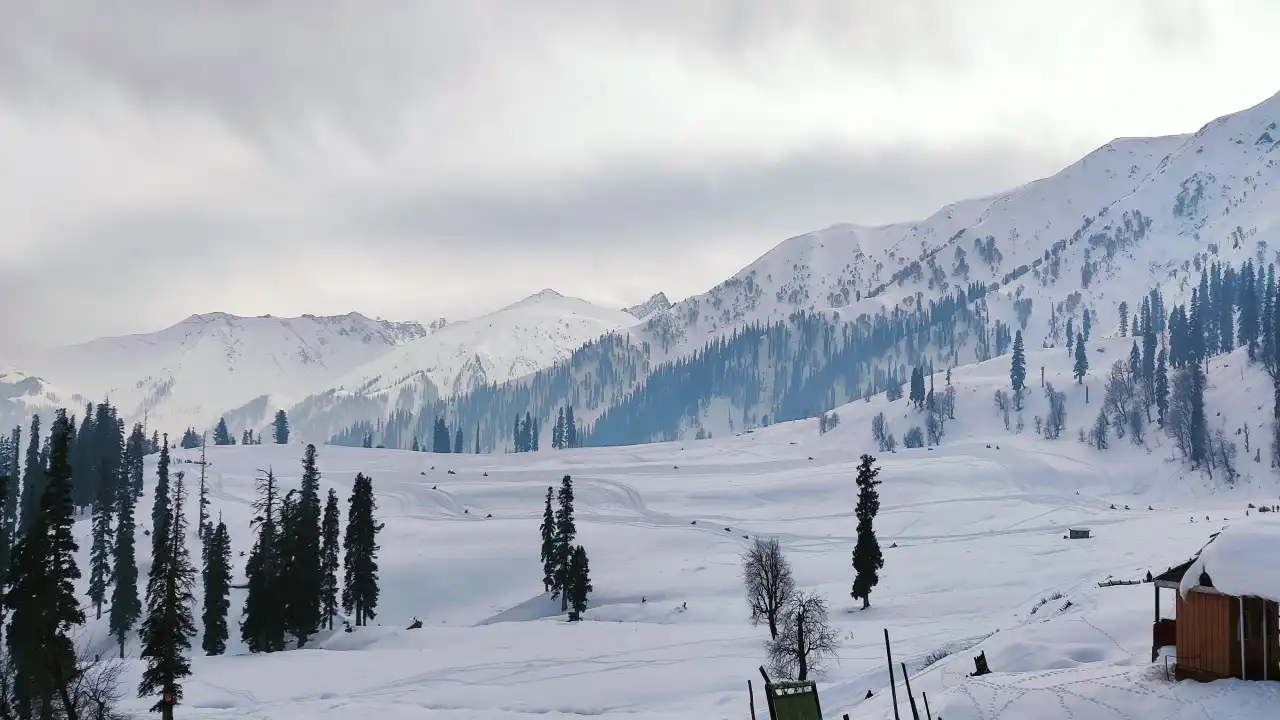
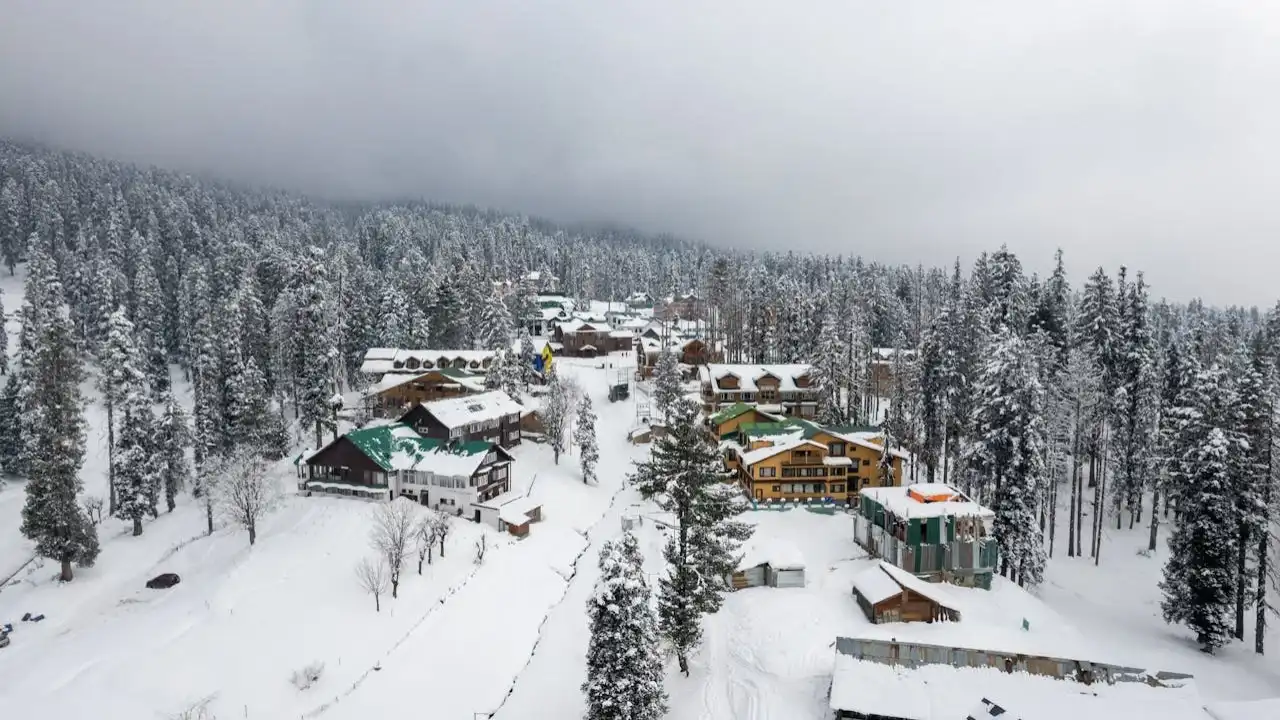
Maps make Kashmir look compact. On the ground, it feels layered. Srinagar runs on its own rhythm, half lake-town, half old city. Gulmarg behaves like a mountain resort with sudden silences between tourists. Pahalgam feels pastoral and slightly removed from urgency. These places are sold together, but they do not feel the same.
First-timers often expect a consistent experience throughout the trip. That rarely happens. Weather shifts, terrain changes, and even the way people speak can differ valley to valley. Accepting this early removes frustration.
Things worth keeping in mind
- Distances are short, but travel time is not
- Each region has its own tempo
- Uniform expectations lead to disappointment
How to pick the right season for Kashmir?
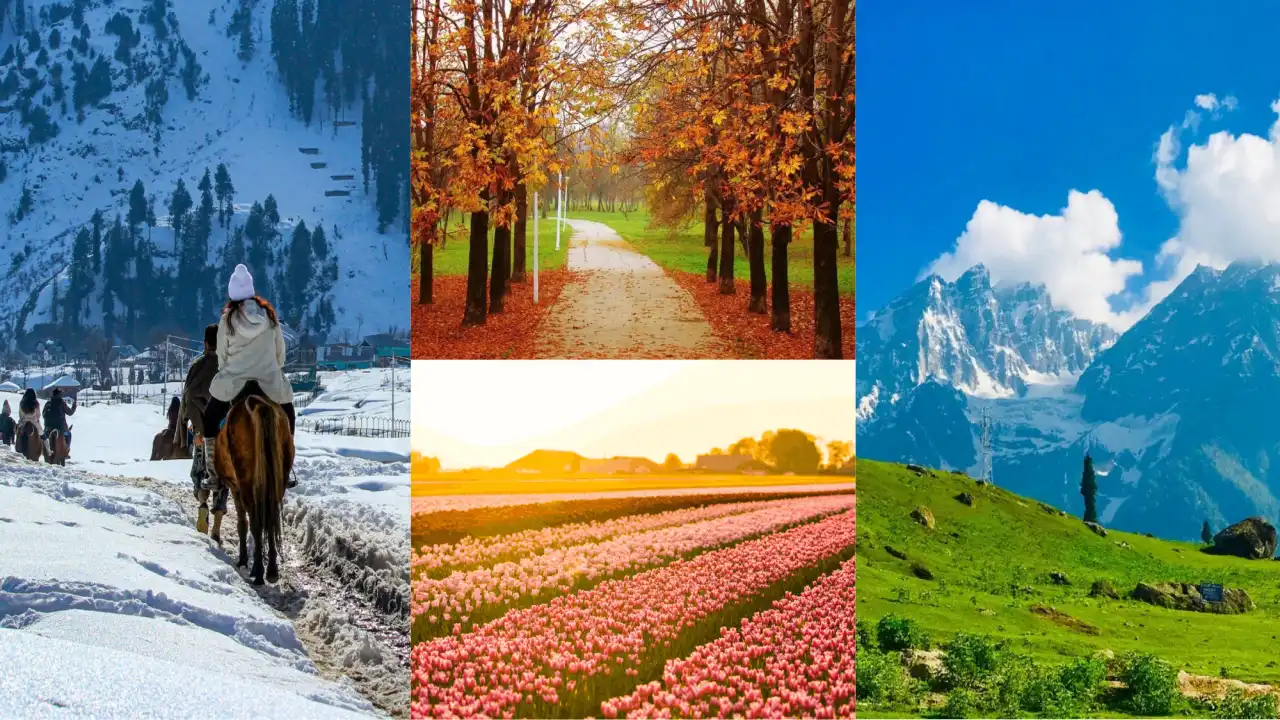
There is a strange obsession with asking for the best month to visit Kashmir. Locals usually smile at that question. What they want to know instead is what kind of traveler you are. Spring is gentle and restrained. Flowers arrive quietly. Summer is active, accessible, and crowded. Autumn is reflective, with fewer voices and more space. Winter is beautiful but unforgiving if you are unprepared. If this is your first visit, understand that comfort and visual drama rarely peak at the same time. Choose what matters more to you.
Seasonal realities
- Spring favors gardens and walking
- Summer favors coverage and ease
- Autumn favors solitude and color
- Winter favors patience and resilience
How to plan the itinerary?

Printed itineraries are optimistic documents. They assume roads will behave, weather will cooperate, and energy will remain constant. Kashmir rarely conforms to that optimism. A Kashmir tour works best when treated like a sketch, not a contract. Some days stretch. Some shrink. Some moments that look insignificant on paper end up being the ones you remember. First-time travelers struggle most with this mental adjustment.
What deserves flexibility
- Road conditions
- Weather windows
- Local advisories
- Human fatigue
Houseboats are an experience, not a checkbox
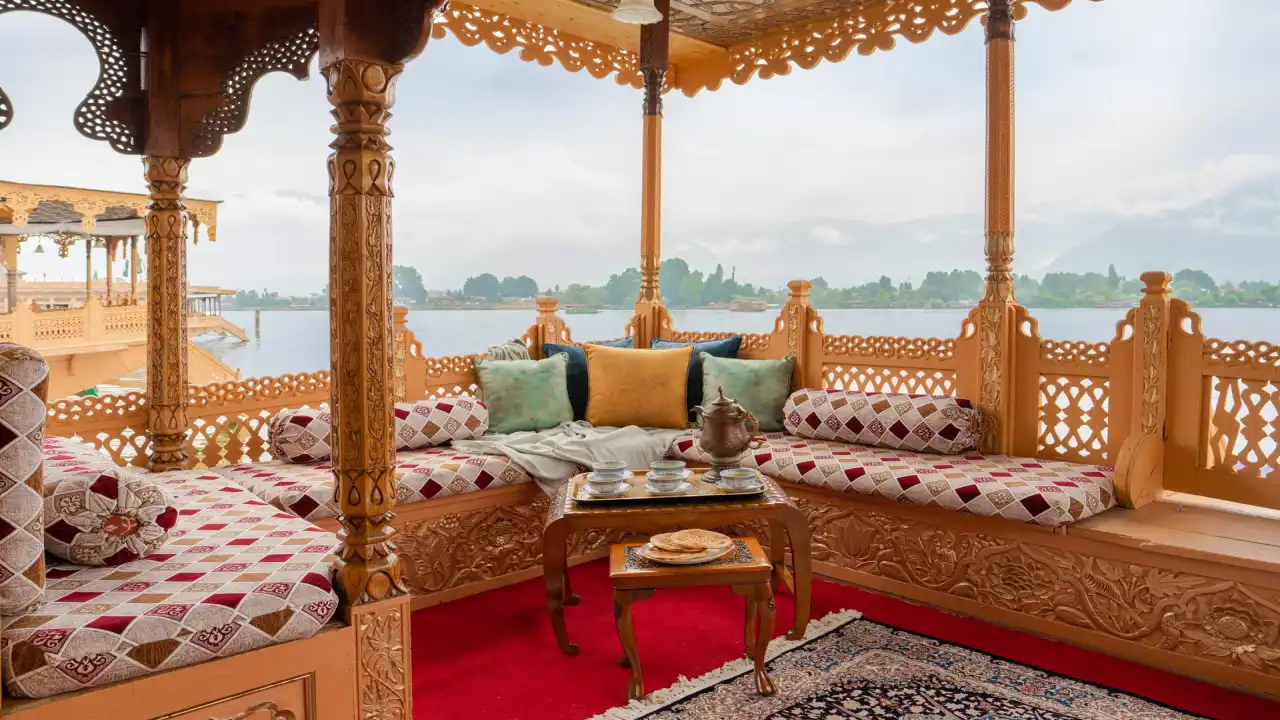
Houseboats are romanticized to exhaustion. The reality is more nuanced. Some are elegant, quiet, and deeply atmospheric. Others feel more like floating guesthouses. The charm depends on maintenance, hosting, and your own tolerance for stillness. If you have never stayed on one, do not commit your entire trip to it. One or two nights is enough to understand whether it suits you.
Accommodation insights
- Heating matters more than decor
- Lake-facing rooms feel different at dawn
- Hosts often shape the experience
- Hotels offer predictability after novelty
Food in Kashmir is subtle, not dramatic

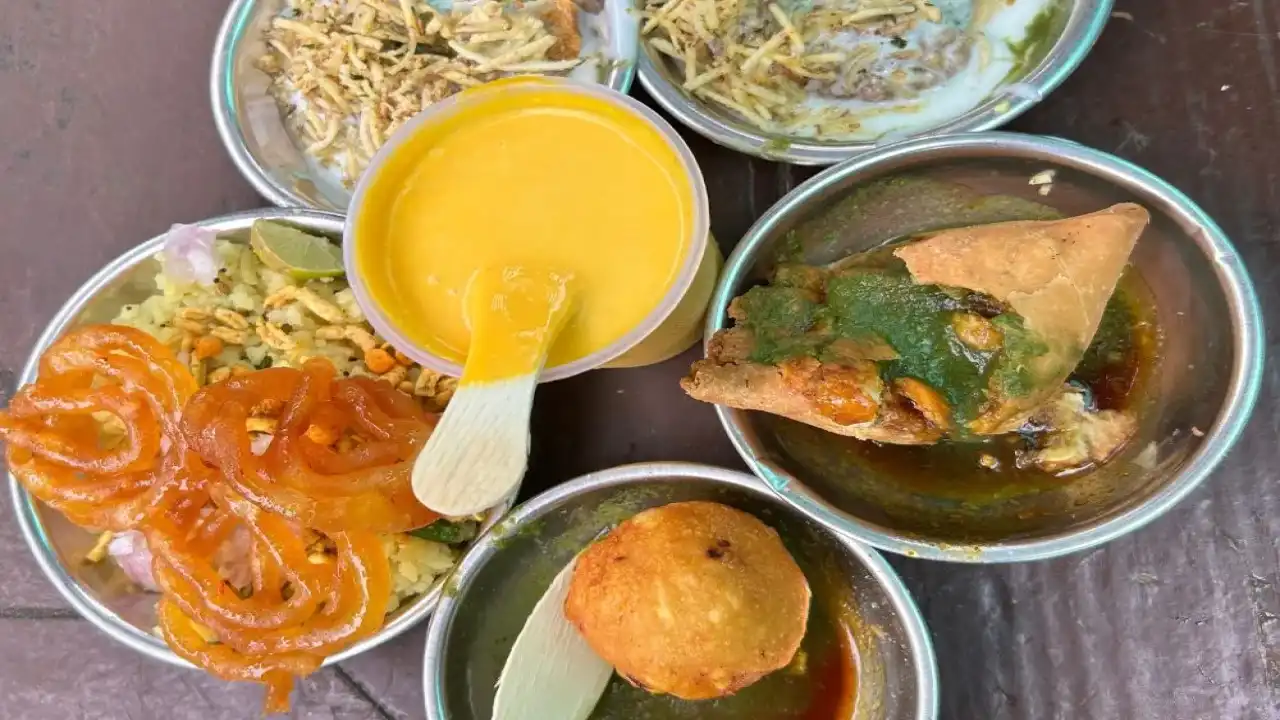
This often surprises first-timers. Kashmiri food does not announce itself loudly. It unfolds slowly. Spices are used with restraint. Rice anchors most meals. Tea appears constantly, not ceremonially, but as punctuation. Tourist menus exist, but the more satisfying meals tend to be quieter affairs. A bakery early in the morning. A small restaurant where lunch stretches longer than planned. Eating well in Kashmir means eating attentively.
Food expectations
- Flavors are layered, not fiery
- Portions lean generous
- Tea is social glue
- Timing matters more than variety
Also read: A Foodie’s Paradise: Discovering the Best Food in Kashmir
Cultural rhythm is real, not decorative
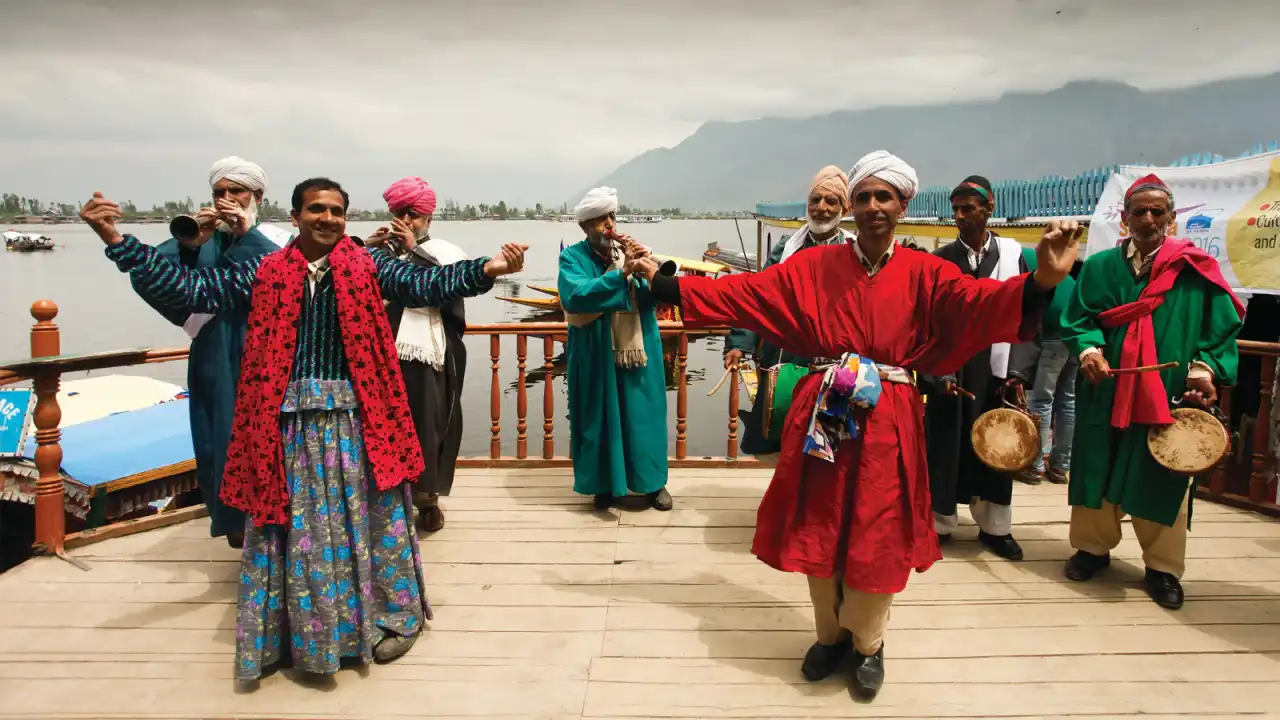
Kashmir follows patterns that visitors often overlook. Fridays are different. Evenings wind down earlier. Markets open and close with purpose, not convenience. Dressing modestly is less about instruction and more about respect. Conversations open easily when approached without performance. Asking before photographing is not etiquette; it is awareness.
Cultural grounding
- Observe before acting
- Respect daily routines
- Ask questions, do not assume
- Quiet behavior travels well
Safety is mostly about perception management
News headlines create an image that does not always match ground reality. Tourist areas function under visible security, which often feels reassuring rather than restrictive. The mistake first-timers make is letting distant narratives override present information. Listen to locals. Follow official guidance. Avoid speculative anxiety.
Practical clarity
- Tourist circuits are monitored
- Instructions are clear and consistent
- Rumors travel faster than facts
- Calm behavior blends in
Costs go beyond what you book
A Kashmir tour usually covers transport, accommodation, and major sightseeing. It does not cover every experience that makes the trip feel complete. Shikara rides, local guides, winter clothing rentals, café stops, and small purchases accumulate. None are excessive, but they exist. Digital payments work inconsistently. Cash still has value.
Budget notes
- Carry small denominations
- Experiences cost more than souvenirs
- Rentals are cheaper locally
- Bargaining is mild and respectful
Travel time is part of the experience, not a gap between spots
Mountain travel rewires expectations. A two-hour drive can feel like four. Motion sickness is common. Stops are frequent, sometimes unplanned. Early departures matter. Drivers understand terrain better than GPS. Let them.
Transport realities
- Start days early
- Trust local judgment
- Roads set the pace
- Comfort improves with realism
Why does the tour package design matter?
Cheaper packages often try to impress by adding destinations. Better ones remove pressure by spacing them out. For first-timers, that difference is crucial. A thoughtfully structured Jammu Kashmir tour understands weather buffers, acclimatization, and human limits. It leaves room for pause.
What to examine closely
- Daily travel distances
- Time spent at each location
- Support availability
- Scope for adjustment
Where Travel Junky fits into the picture
There is a quiet confidence in planners who do not oversell Kashmir. Travel Junky tends to work in that space where domestic tour packages are shaped by experience rather than novelty. The focus stays on flow, not spectacle. For first-timers, this approach reduces friction. Less explaining. Fewer surprises. More presence.
Check out: Where Love Meets the Mountains: Kashmir Couple Package
Mistakes first-timers repeat without realizing
- Overpacking bulky clothing instead of layers
- Treating Kashmir like a fast-paced city trip
- Ignoring seasonal daylight changes
- Planning without buffer days
Conclusion
Kashmir does not reward checklist travel. It responds to curiosity, patience, and a willingness to let days unfold imperfectly. A well-planned Kashmir tour sets the structure, but the experience fills in between. For first-timers, the real preparation is mental rather than logistical. Understand that Kashmir will not perform on demand. When allowed to be itself, it offers something far more lasting than photographs.
Pro Tips
- Carry both physical and digital ID copies
- Pack layers, not weight
- Leave one Srinagar evening unplanned
- Visit bakeries before breakfast crowds
- Listen carefully to drivers and hosts