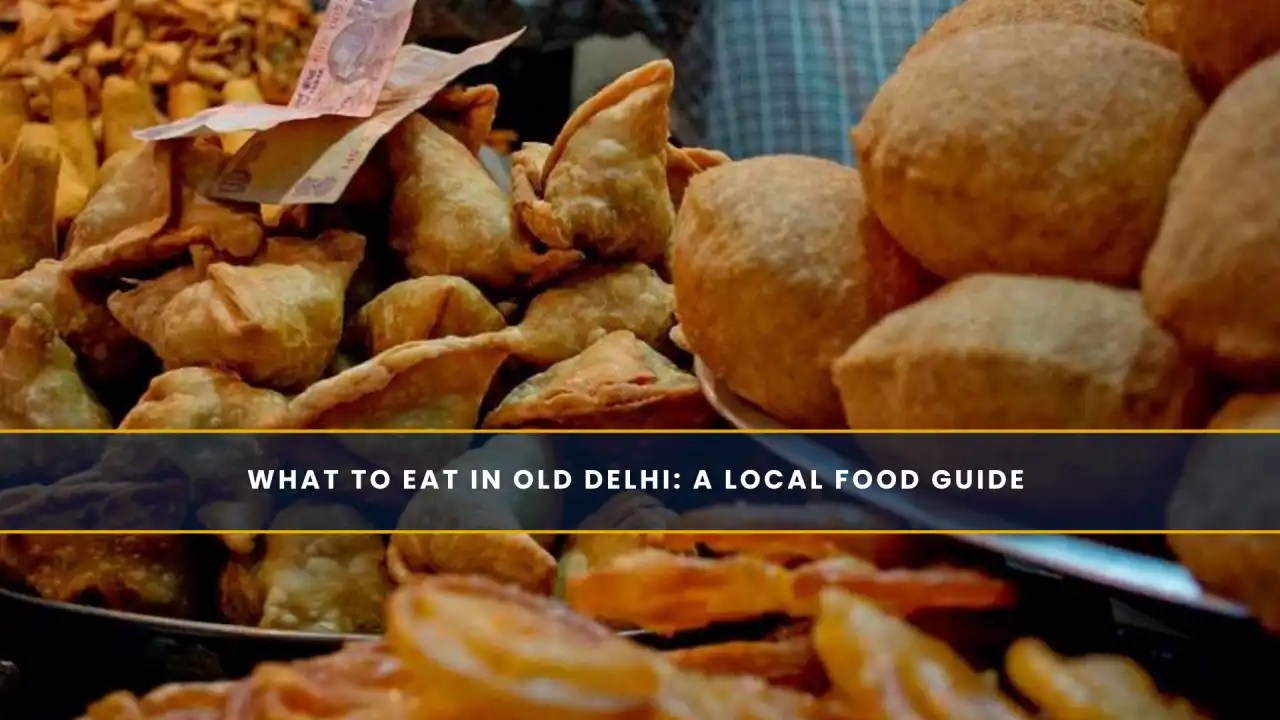
What to Eat in Old Delhi: A Local Food Guide
Introduction
Old Delhi doesn’t bother making a good first impression. It doesn’t slow down or explain itself when you step in, and life keeps moving around you. Cycles brush past, someone shouts an order, oil crackles from old pans that look like they’ve seen decades go by. It feels loud and messy at first, almost overwhelming. Then, without warning, it clicks. Food is running everything here.
Somewhere in that chaos, a line fits perfectly ho tujhse milna purani Dilli mein, chhod aaye nishani Dilli mein because Old Delhi doesn’t let you just visit and leave unchanged. That feeling is what sends most people searching best food in Old Delhi. They look up lists online, plan to eat quickly, take a few photos, and move on. But that approach rarely works. Old Delhi doesn’t care for speed; it responds to attention.
1. Chaat That Shows You the Pace of the Place
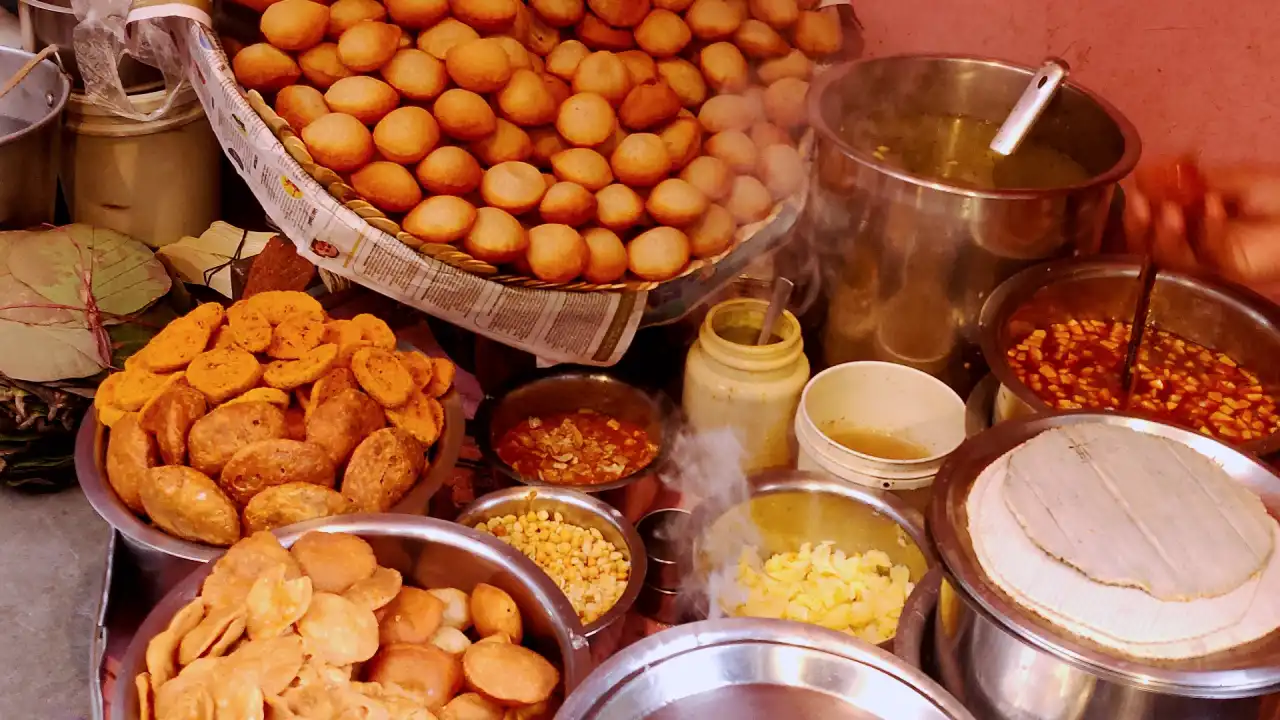
Chaat is usually where things start, and honestly, it sets the tone immediately. This is not relaxed food. It’s quick, layered, and very direct. You get crisp papdi, boiled potatoes, chickpeas, yogurt, tamarind chutney, and spice mixes all in one plate. Nothing waits its turn. Every flavour shows up together. Sweet, sour, spicy, crunchy. It’s a lot, but it works.
Around Chandni Chowk, chaat stalls don’t really follow written recipes. They don’t need to. Vendors measure spice with instinct. You’ll notice locals rarely explain what they want. They order, step aside, eat, and disappear back into the crowd. This is where Old Delhi street food feels most honest. No drama. No build-up. Just food doing its job.
Pro tips:
- Eat chaat early while your taste buds are still alert
- Don’t stress too much about spice levels on your first plate
- If locals are standing somewhere specific, join them
2. Aloo Tikki That Stops Being “Just a Snack.”
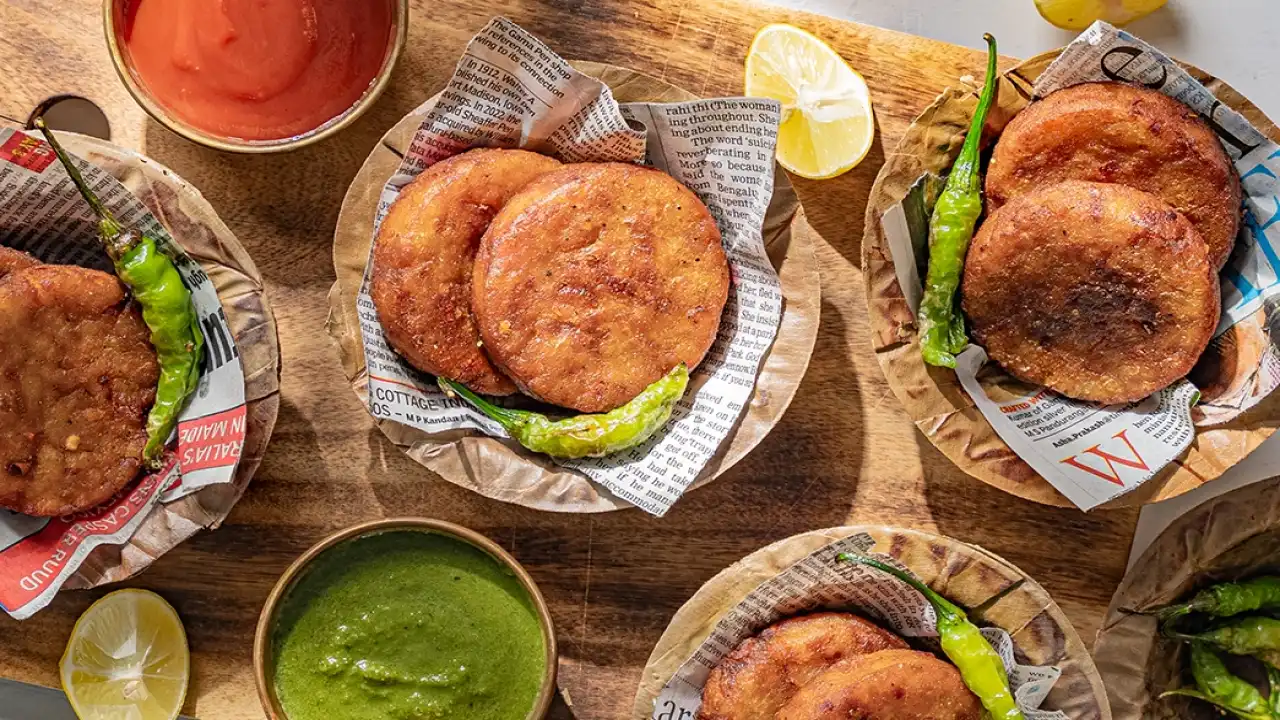
In many places, aloo tikki is something you eat between meals. In Old Delhi, it is the meal. The patties are thick and fried until the outside turns a proper crisp. Inside, the potato stays soft, warm, and lightly spiced. Then comes the layering of chole, yogurt, chutneys, and crushed papdi. It builds up fast.
Some of the most trusted tikki sellers don’t even display their names. Just small carts. Same spot. Same routine. Regular customers chat while they wait, like they’ve done this a hundred times. What stands out is balance. Even with butter involved, nothing feels excessive. It’s rich, yes, but controlled.
Pro tips:
- Eat it hot. Don’t wait
- Give yourself a break before the next heavy dish
- Share a plate if you’re sampling multiple foods
3. Paranthas That Make You Sit Still for a While
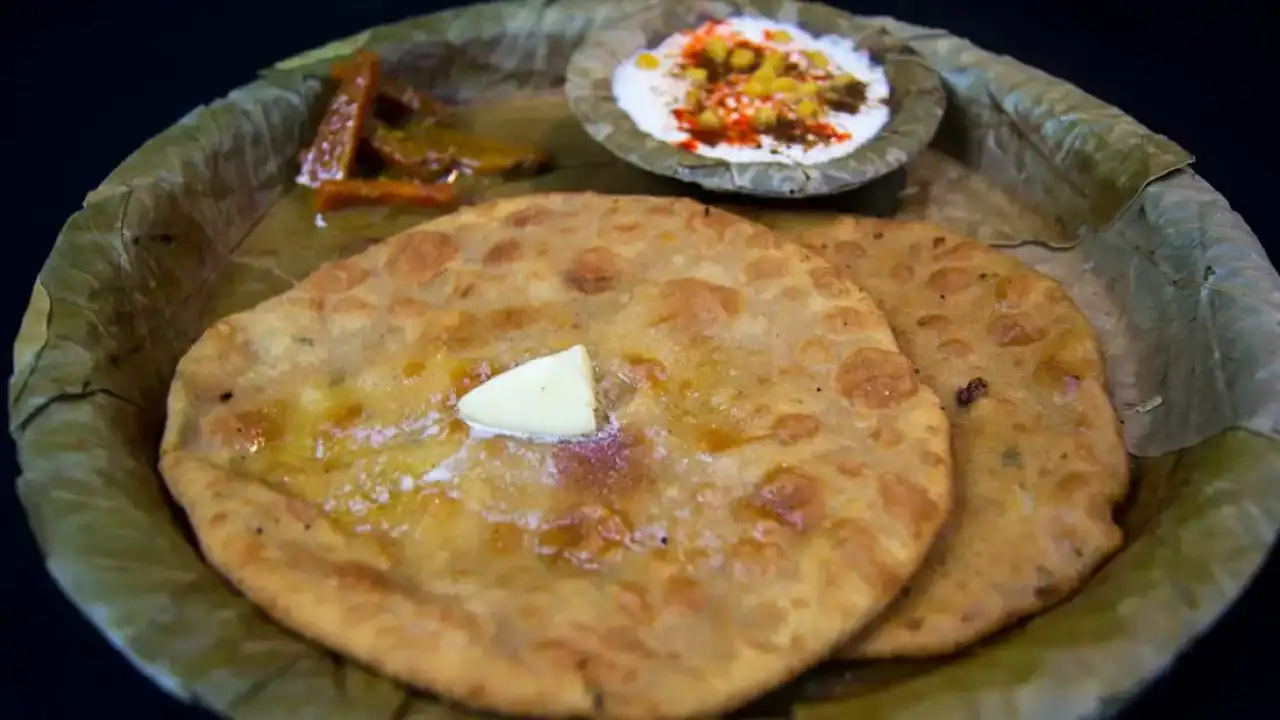
These paranthas are not meant to be convenient. They’re meant to slow you down, whether you planned for that or not. The dough is stuffed generously and deep-fried. Fillings range from potato and paneer to lentils and seasonal vegetables. Each paratha comes with sabzi, pickles, and chutney, nothing fancy, just enough.
Most people try them in Paranthe Wali Gali, where shops work on repetition more than creativity. Recipes don’t change much here. Nobody’s asking them to. People eat, talk, pause. No one rushes this meal. You physically can’t.
Pro tips:
- One paratha is enough for two people
- Walk after eating, don’t skip this
- Avoid having this late in the day
4. Chole Bhature That Only Show Up on Time
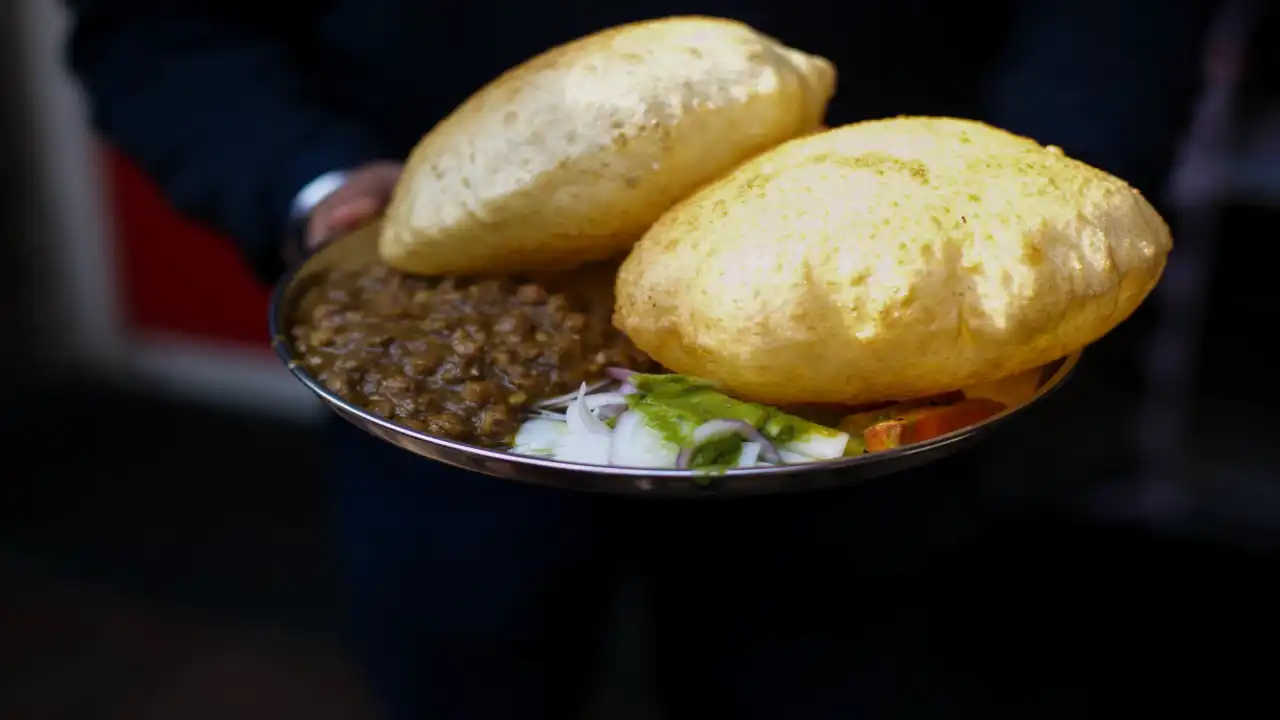
Chole bhature in Old Delhi runs on a clock. Miss the window, and that’s it. The chole here is darker and thicker than what you’ll find in newer restaurants. Bhature are fluffy and light, not dripping with oil. It’s served with onions and pickles. Simple. No extras.
Most chole bhature shops open early and close once they sell out. They don’t wait for customers. Customers adjust instead. It’s filling in a serious way. Locals eat it knowing they won’t need another big meal for a while.
Pro tips:
- Eat this before 1 PM
- Don’t eat another heavy dish right after
- Skip dessert for now; your stomach will thank you
5. Nihari That Happens Before Most People Wake Up
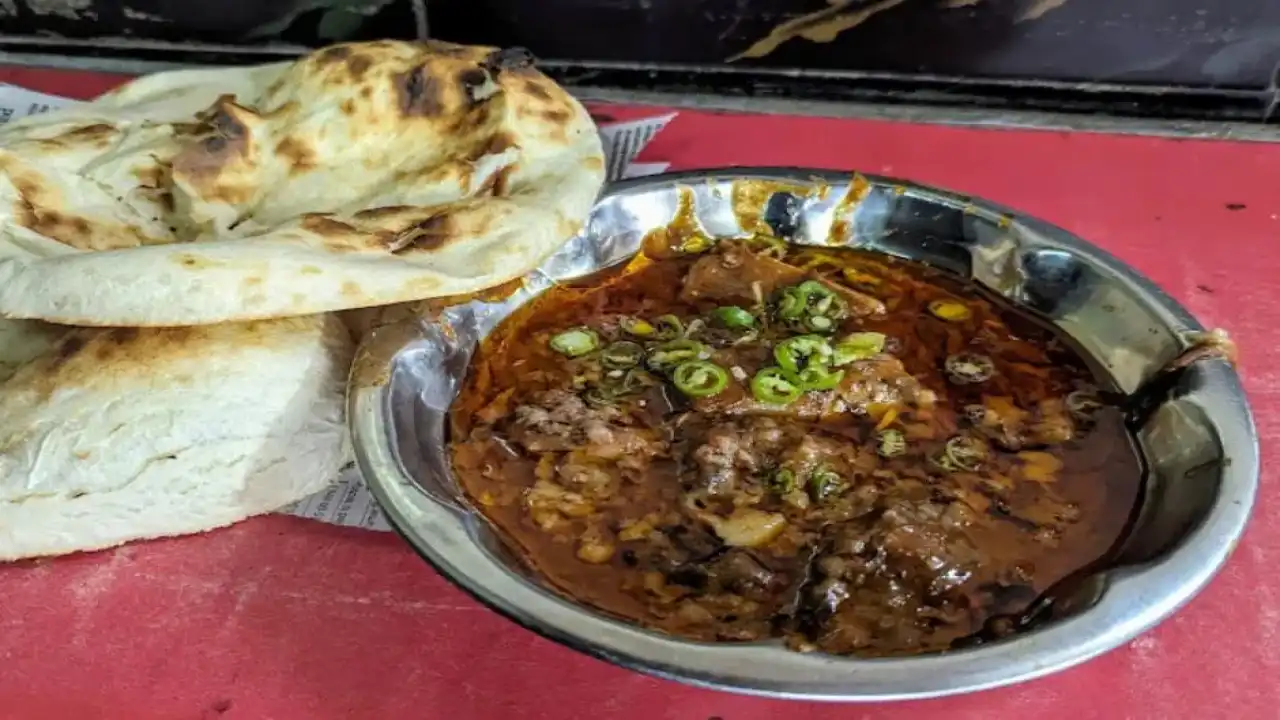
Nihari doesn’t fit into tourist schedules. It never has. The meat cooks overnight in large pots. By morning, the gravy is thick, rich, and deeply spiced. It’s served with khameeri roti made for tearing and dipping, not cutting neatly. Shops near Jama Masjid open early and close when the pot is empty. That’s it. This dish remains a famous food in Old Delhi because no one has tried to modernise it. Eating nihari feels slower. Quieter. People don’t rush through it, even though the streets around them are busy.
Pro tips:
- Go before 9 AM
- Eat slowly, it’s heavier than it looks
- Stick to plain roti, no extra sides
6. Kebabs That Don’t Care About Seating
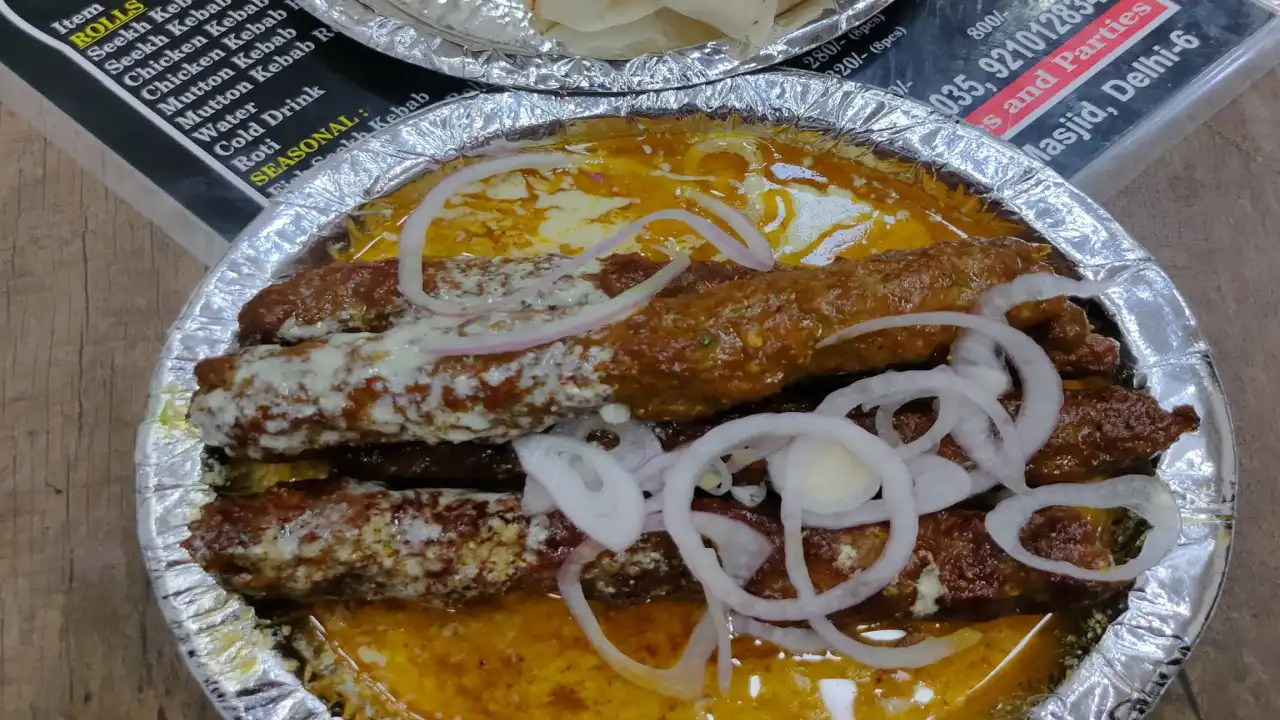
Old Delhi kebabs don’t try to impress you. They don’t need to. Minced meat is shaped onto skewers and grilled over open flames. The outside gets lightly crisp. The inside stays juicy. That’s all the explanation it needs. Many people try kebabs near Jama Masjid, including spots around Karim's, but smaller stalls nearby are just as trusted. Seating is limited, sometimes nonexistent. People eat standing, wipe their hands, and move aside. It’s efficient. And it works.
Pro tips:
- Eat kebabs right after they’re cooked
- Don’t overorder, the flavours are intense
- A little lemon juice helps
How People Actually Eat Here
What you eat matters. How you eat matters just as much. People take small portions. They walk between stops. They don’t sit too long. Cash still gets used a lot. Busy stalls are trusted. Quiet ones are questioned. Many travellers include Old Delhi food walks as part of a Domestic trip package, especially when travelling with family, because pacing and timing can completely shape the experience.
When Each Food Makes Sense
- Early morning: Nihari
- Morning to noon: Chole bhature
- Afternoon: Paranthas
- Evening: Aloo tikki and chaat
- Night: Kebabs
Timing isn’t optional here. It’s part of how the food survives.
Conclusion
Old Delhi food doesn’t adjust itself for visitors. It stays exactly as it is and waits to see who keeps up. These six dishes aren’t trends. They’re daily comfort habits for people who live and work here. Eat slowly. Walk often. Let the noise blur into the background. Whether you’re exploring on your own or as part of a family package, Old Delhi won’t impress you loudly, but it has a way of staying with you long after you leave.
Mistakes First-Timers Often Make
- Trying to eat everything at once
- Skipping morning foods like chole bhature or nihari
- Running after viral recommendations
- Sitting too long between meals
Old Delhi food works best when you move with it, not against it.