What Wildlife Can You See in North East India?
Introduction
People usually talk about Rajasthan, Goa, or Kerala when travel comes up. The North East often slips into the conversation much later, almost as an afterthought. Which is funny, because it quietly offers something many places no longer have room to breathe. No rushing crowds, no loud signboards shouting for attention. Just forests that feel lived in, rivers that move at their own pace, and animals that don’t really care whether you see them or not.
The Wildlife in North East India isn’t about collecting sightings like trophies. It’s slower than that. More personal. You’re not the boss here; you’re the visitor. You lower your voice without realizing it. You pause more. Sometimes you wait for hours, staring at grass or trees, wondering if anything will happen at all. And then, suddenly, something does. A shadow moves. A sound breaks the silence. That brief moment sticks with you far longer than a dozen perfect photos ever could.
Why the North East Feels Different for Wildlife Travel
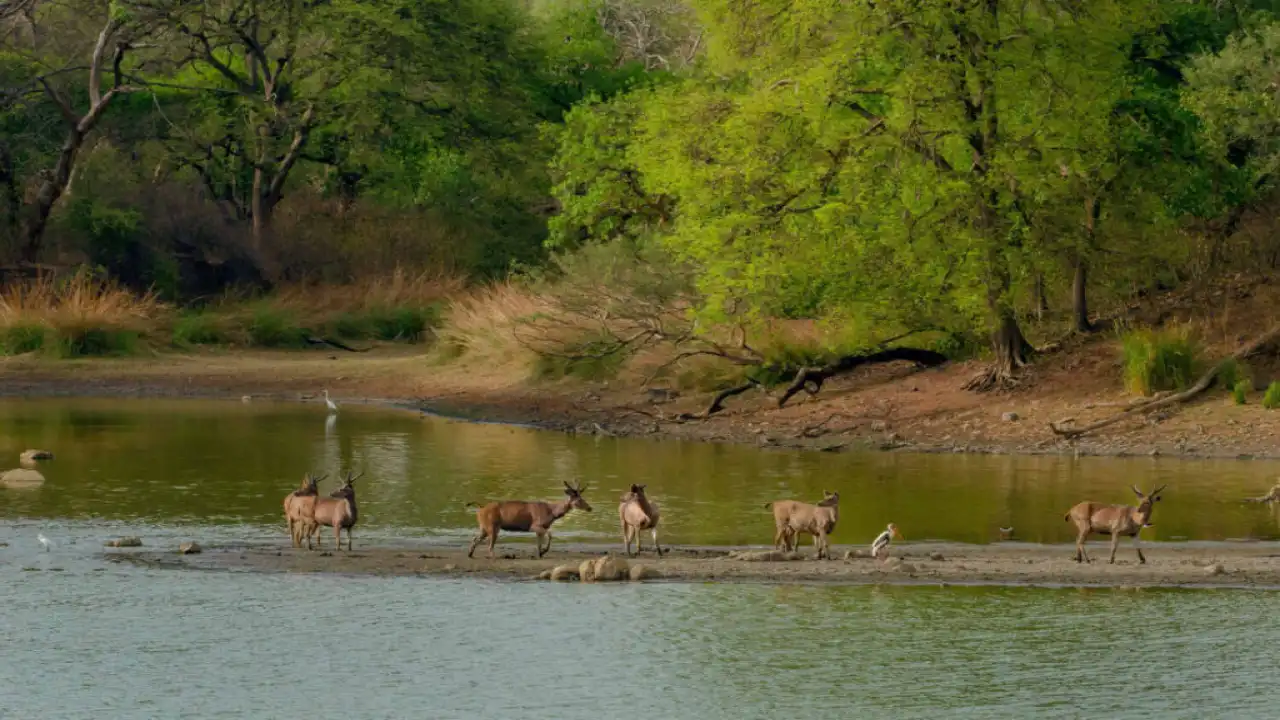
The North East is made up of eight states, and no two feel the same. Hills rise quickly, forests change color and density, and cultures shift every few hours of driving. What ties it all together is location. This region sits where India blends into Southeast Asia, and nature clearly took advantage of that meeting point.
Here, you’ll find:
- Thick rainforests that block sunlight
- Open grasslands that stretch wide
- River plains shaped by floods and time
- Hills that stay green even when the rest of the country dries out
All of this creates space for animals that don’t easily fit into other parts of India. Some are rare. Some are barely studied. Many simply stay hidden.
Pro Tip:
If you’re expecting dramatic, close-up wildlife moments every hour, you may feel confused at first. In the North East, wildlife often appears in pieces, footprints, sounds, and quick movements. That’s part of the experience.
One-Horned Rhinoceros: Assam’s Most Famous Resident
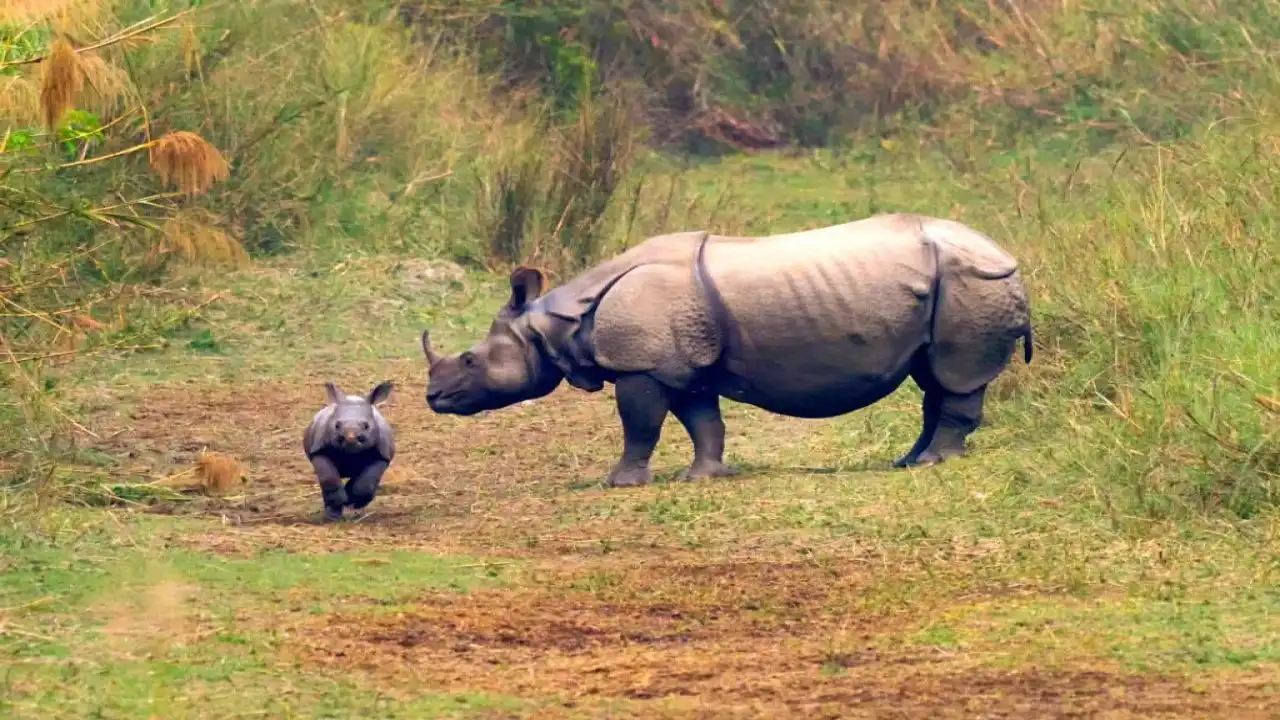
Ask anyone about wildlife here, and Assam’s one-horned rhino comes up almost instantly. There’s a reason. Seeing one for the first time feels unreal, like you’ve stepped into a time before humans complicated things. Kaziranga National Park is where most visitors meet them. Early morning safaris are quiet, sometimes uncomfortably so. Then you notice a massive shape in the grass. Rhinos graze slowly, completely uninterested in your presence. Birds hop around them like old companions. They don’t charge. They don’t pose. They just exist, solid and calm.
Pro Tip:
Plan your visit between November and March. The weather behaves, and visibility is much better.
Asian Elephants: Calm Until They’re Not
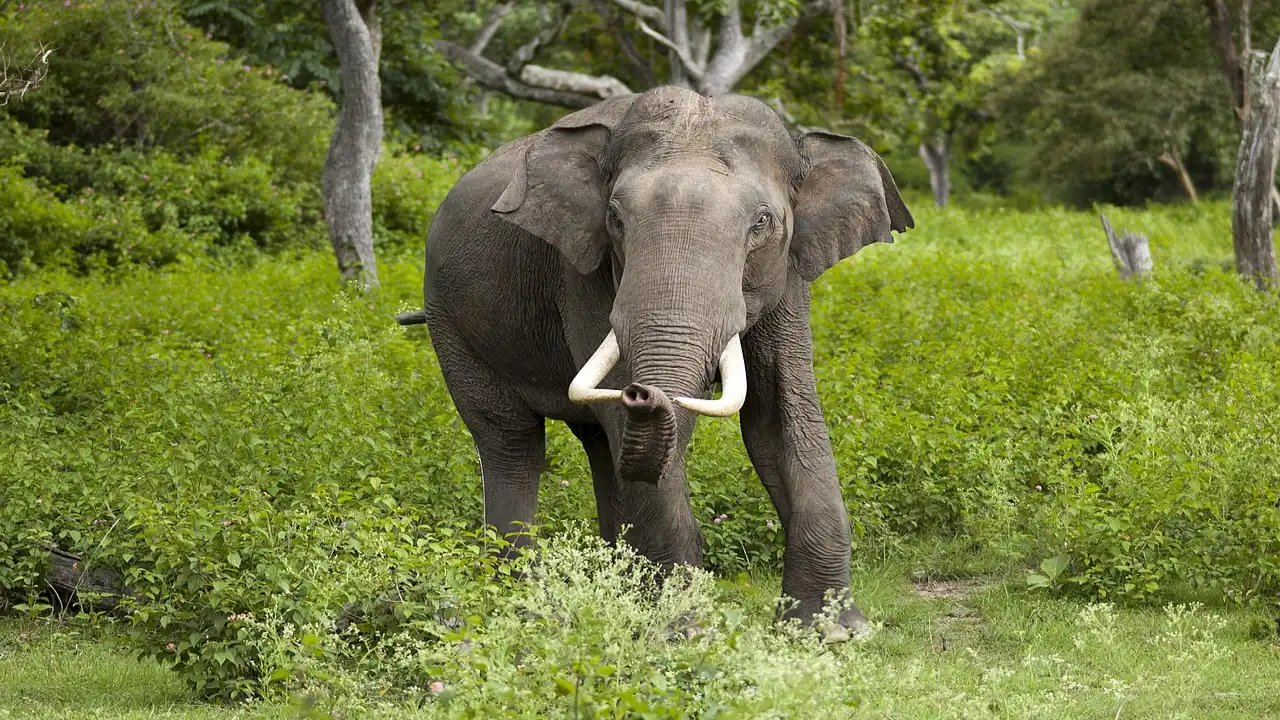
Elephants are everywhere in North East Assam, Meghalaya, and Arunachal Pradesh. What’s different here is that many of their paths cut straight through human areas. Tea gardens. Village edges. Narrow forest roads. Watching a herd move is a lesson in quiet order. The younger ones stay protected. The older ones lead, pause, listen. There’s communication happening that you’ll never fully understand, but you can sense it. It also reminds you that people and wildlife still overlap here, sometimes peacefully, sometimes not.
Pro Tip:
Never get down from a vehicle around elephants. And don’t argue with local guides, they’ve learned the hard way.
Big Cats You Rarely See
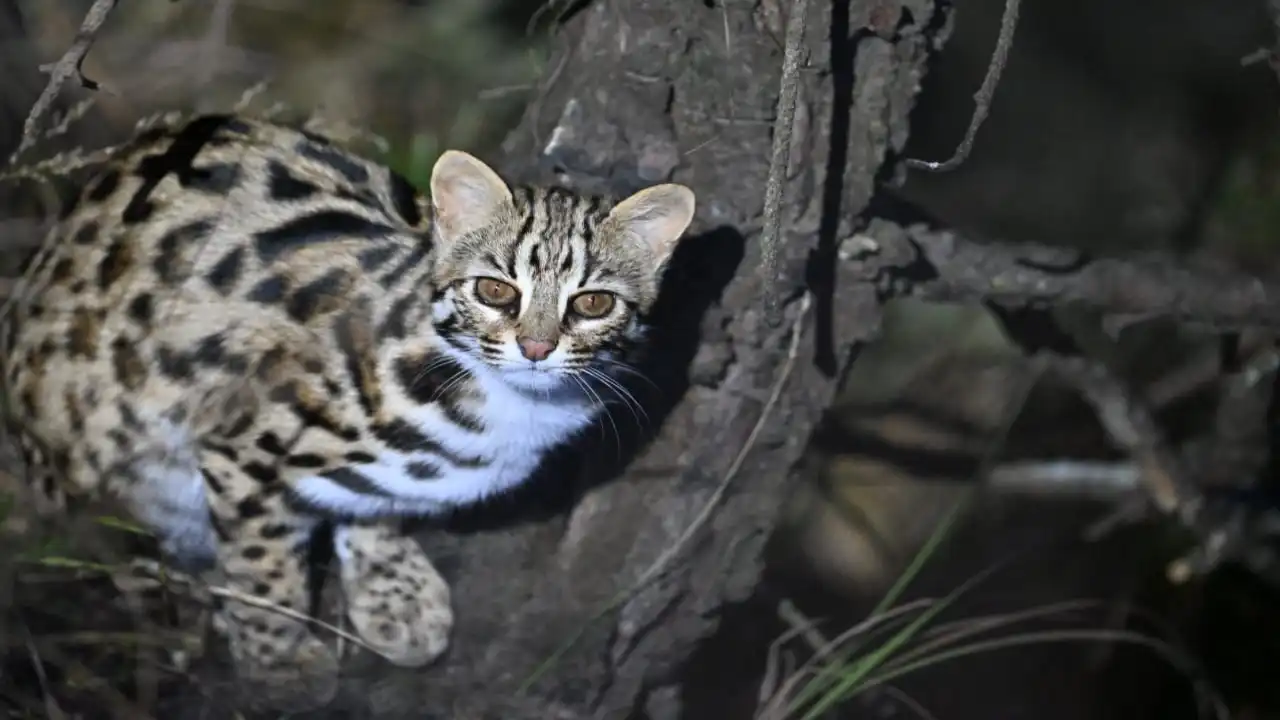
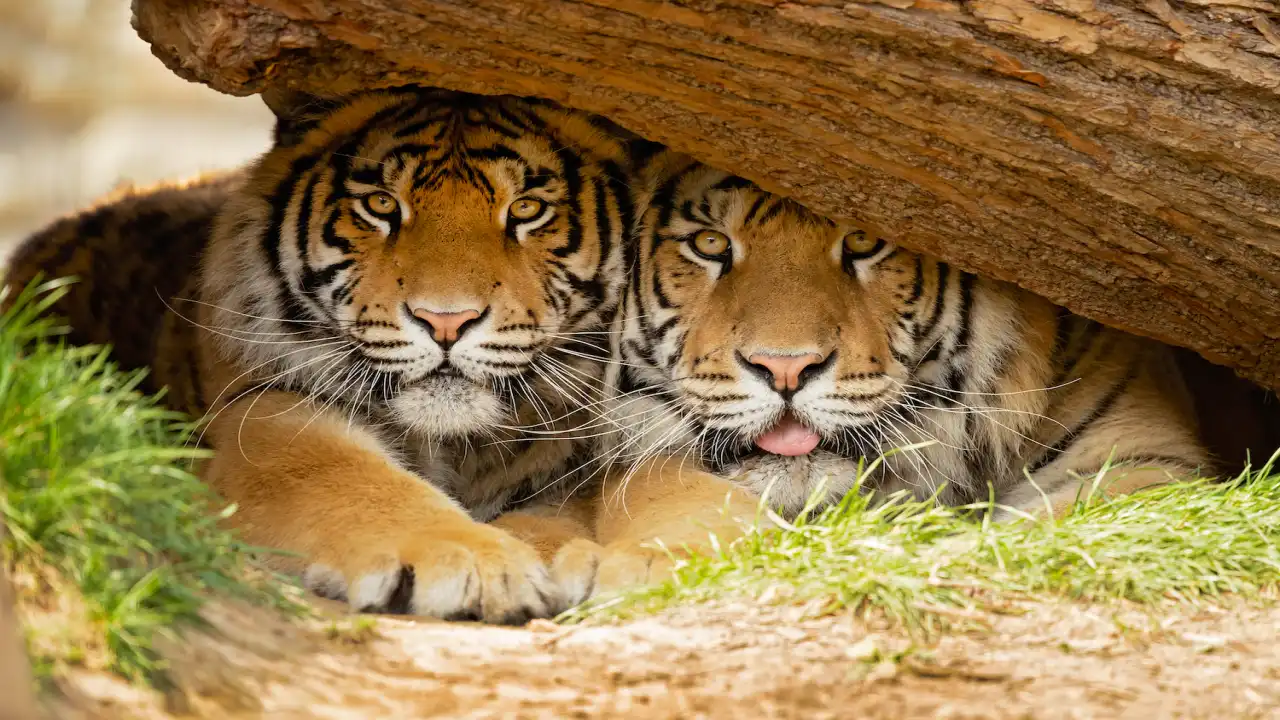
Yes, tigers live here. So do leopards and the mysterious clouded leopard. But don’t expect dramatic sightings. The clouded leopard, in particular, feels more like a rumor than an animal. Tree-loving, shy, mostly nocturnal. Even forest staff go years without seeing one properly. Yet knowing they’re nearby changes how the forest feels. Every snapped twig sounds louder. Every shadow feels heavier. That quiet awareness defines North East India wildlife tourism as less spectacle, more presence.
Pro Tip:
Rules around safaris exist for a reason. Follow them, even when it feels inconvenient.
Red Panda: Rare, Quiet, Unforgettable
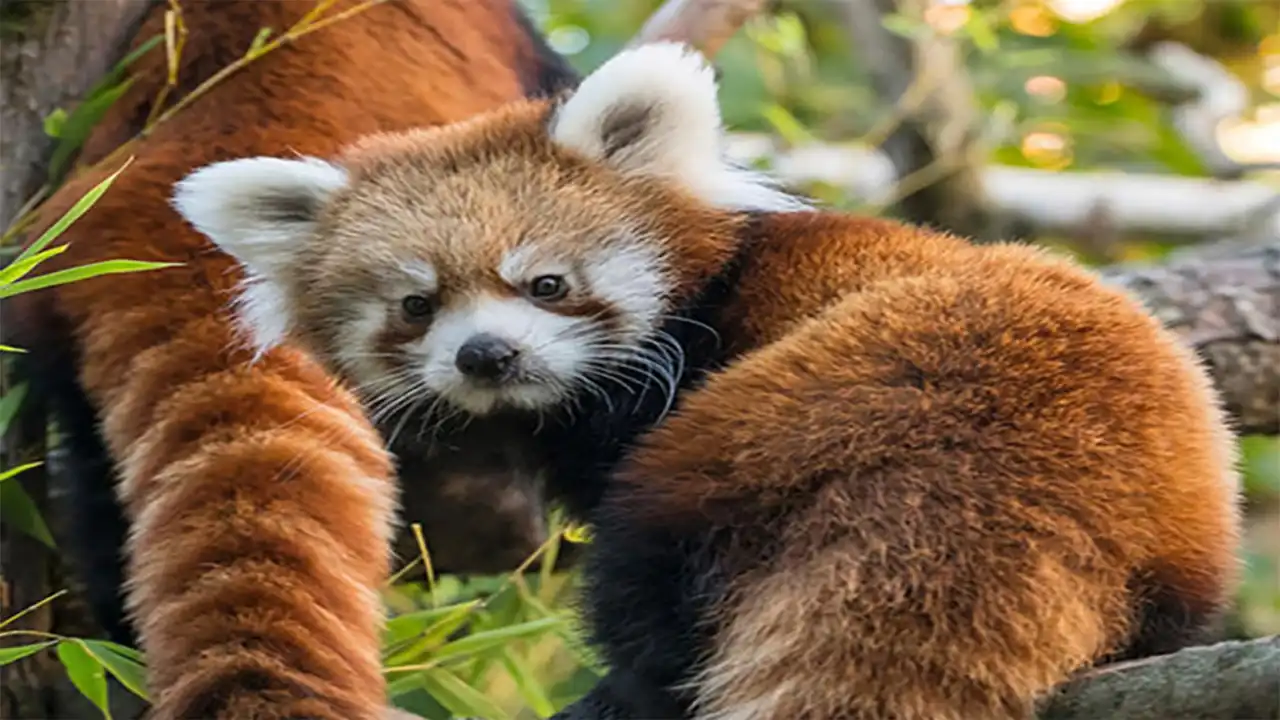
High in the forests of Arunachal Pradesh and nearby regions, lives the red panda. And no, spotting one is not easy. They spend most of their lives in trees, eating bamboo, barely making a sound. If you do see one, it’s often a rustle, a flash of red, then nothing. People usually go silent when it happens. Almost afraid to break the moment.
Pro Tip:
Local guides increase your chances. Wandering alone usually doesn’t.
Birds That Steal the Show
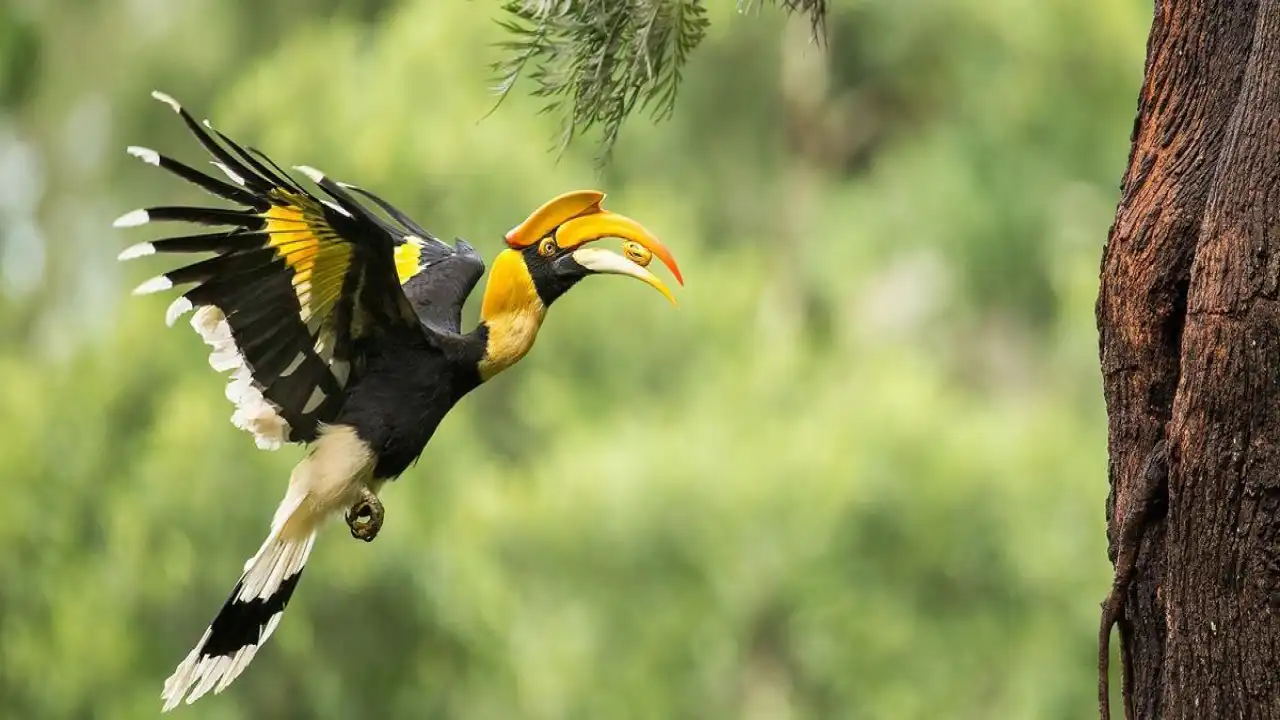
Birds don’t hide here. They call, flash color, and move constantly. The North East is heaven for bird lovers, even accidental ones.
You’ll spot:
- Hornbills gliding heavily between trees
- Kingfishers darting along rivers
- Migratory birds fill wetlands
- Tiny forest birds that seem all sound and no size
Eaglenest Wildlife Sanctuary is especially famous, though many lesser-known areas are just as rewarding.
Birdwatching here feels informal. No pressure. Just listening and looking up.
Pro Tip:
Carry binoculars. You’ll regret it if you don’t.
Reptiles and Amphibians: Easy to Miss, Hard to Forget
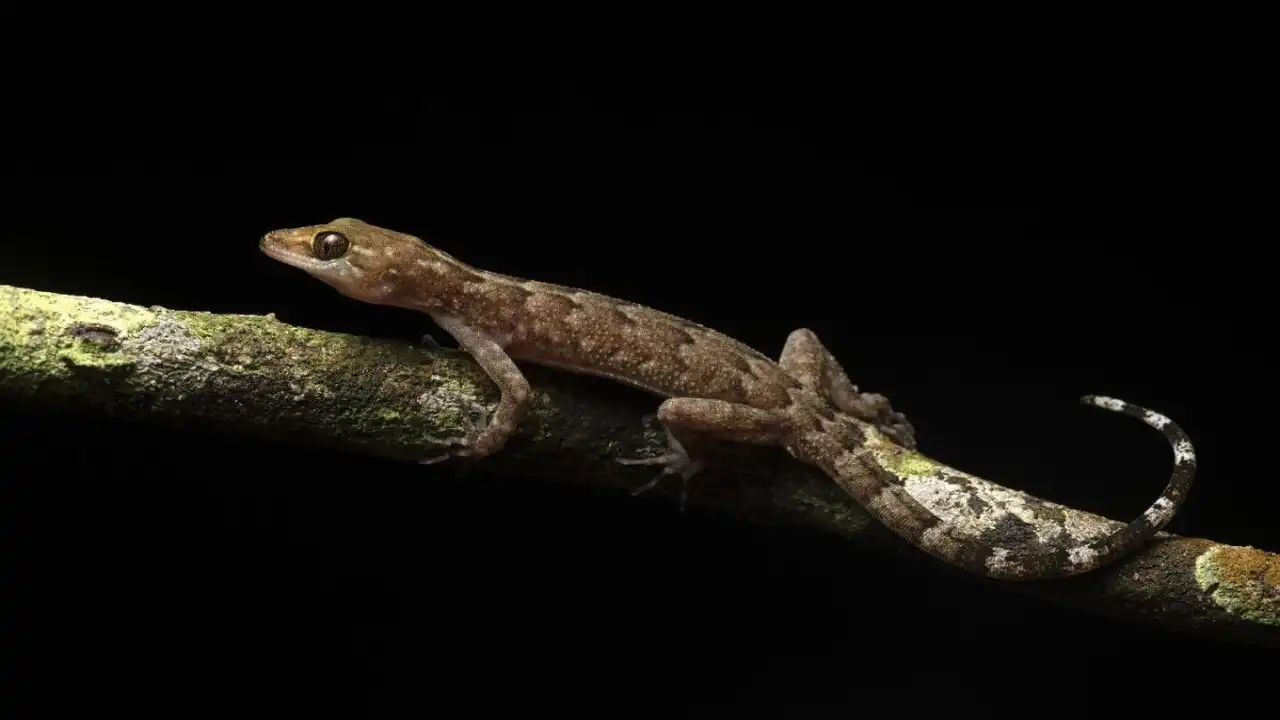
After rain, the forests come alive at ground level. Frogs call nonstop. Lizards appear on rocks. Snakes keep their distance. Many species here are still being researched. Some don’t even have common names yet. This is where you really understand the depth of Animals found in North East India, far beyond the headline species.
Pro Tip:
Good shoes matter. Trails can be slippery, uneven, and unpredictable.
Primates with Personality
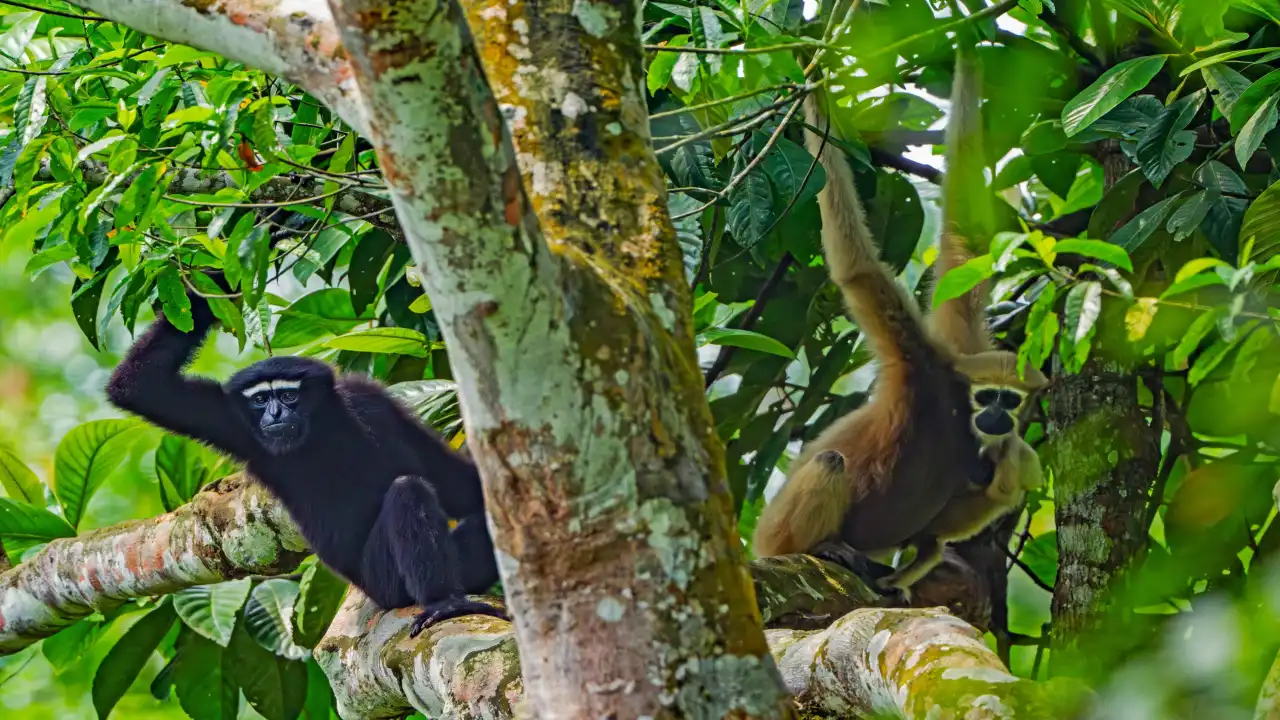
Hoolock gibbons are often heard before they’re seen. Their calls echo through forests early in the morning, long and haunting. Watching them swing through trees feels oddly intimate. Like you’re interrupting something private. They’re not performers. They don’t care if you’re watching.
Pro Tip:
Start early. Forests wake up fast here.
Butterflies and Insects: Small but Important
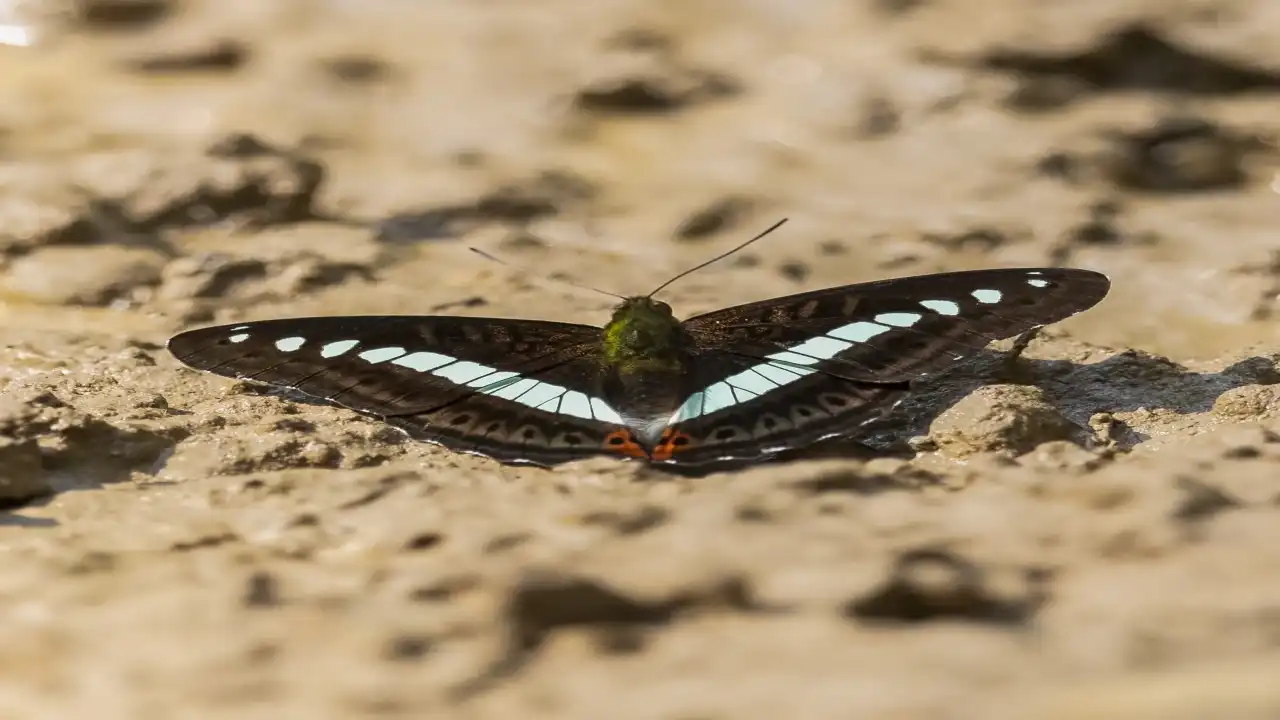
If you slow down enough, you’ll notice movement everywhere. Butterflies gather near streams. Insects hum quietly in the background. These moments don’t look impressive on camera. But they stay in your memory.
Wildlife Experiences That Aren’t Just Safaris
Some of the best wildlife moments don’t happen in jeeps at all. They happen during:
- Slow walks with local guides
- Boat rides through protected rivers
- Staying in villages near forest edges
- Limited elephant-back safaris
Everything feels less rushed. More real.
Families often enjoy this pace, especially with well-planned Family trip packages that balance learning with comfort.
Pro Tip:
Choose operators who involve local communities. It makes a real difference.
Conservation Is a Shared Effort Here
Local communities play a huge role in protecting forests. Many guides grew up here. They know the land instinctively. When you travel responsibly, you’re not just a tourist. You’re part of a system that keeps these places alive.
When to Visit
- October to March: Best balance
- April to June: Hot, but active wildlife
- July to September: Heavy rain, limited access
Always check park schedules. Closures are common during the monsoon.
Planning Without Stress
Distances are long, roads can surprise you, and permits are sometimes required. A reliable North East India tour package helps smooth out these details. It takes care of the small but stressful things, like local paperwork, timing park entries, and figuring out where you can and cannot go. That way, you spend less time worrying about logistics and more time actually being present in the landscape around you.
Conclusion
Wildlife travel in the North East isn’t neat or predictable. You’ll miss things. Plans will change. Some days will feel quiet. But that’s the point. You don’t leave with a checklist completed. You leave with stories. With moments you didn’t expect. With the memory of standing still while the forest went on around you. And long after you’re home, that feeling stays with you.