Where to Visit in North East India During the Rainy Season
Monsoon travel. People either love it or run the other way. Some pack a bag the second the first drop hits the ground. Others wait for blue skies, clear roads, the works, before they'll even think about packing. If you're in the first camp or honestly even if you're just curious what the issue is about North East India might flip how you think about rain completely. It's not the go-to postcard spot everyone rushes to during monsoon. That's kind of the point, actually.
There's a story that keeps coming up whenever people talk about Meghalaya in July. Someone goes in expecting washed-out roads, cancelled plans, the usual monsoon headache. And they come back saying it was the most alive they've ever seen a place look. Waterfalls that barely trickle in winter turn into these roaring, angry curtains of water. Rivers change colour overnight, practically. The air smells different too earthy, wet, kind of heavy in a good way, like the whole region just exhaled after holding its breath all year.
Why Monsoon Isn't Actually a Bad Time to Go
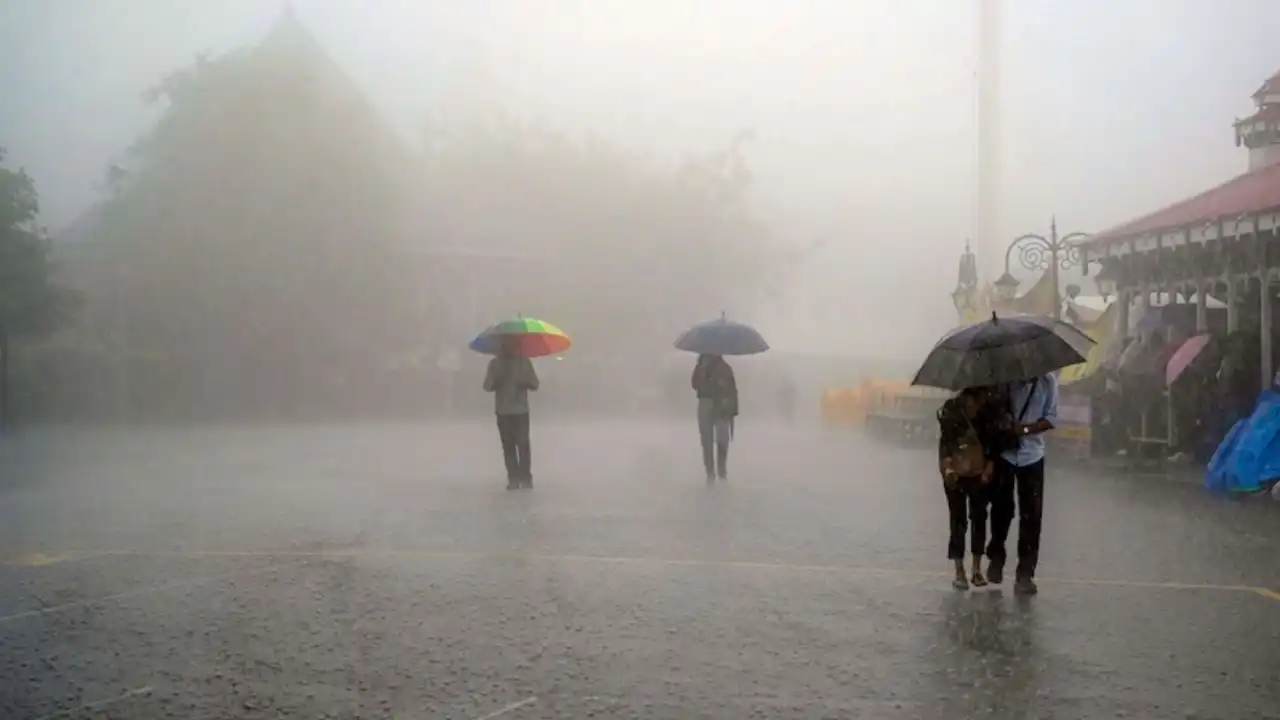
Most people hear "rain" and think "ruined trip." Fair enough, that's how it works most places. But this part of the country runs on a different clock. It gets some of the heaviest rainfall on the planet we're talking record-breaking numbers and life here has adapted around that for generations. Houses, roads, even how people plan their day. So instead of fighting the weather, you just kind of move with it. No point arguing with something that's been happening for a few thousand years. Think of it like a beach town in July. Nobody complains about the sun there; you just build your day around it. Same deal here. Swap the sunscreen for a decent raincoat and you're set.
Best Places to Visit in North East India During Monsoon
Meghalaya — Basically Owns This Season
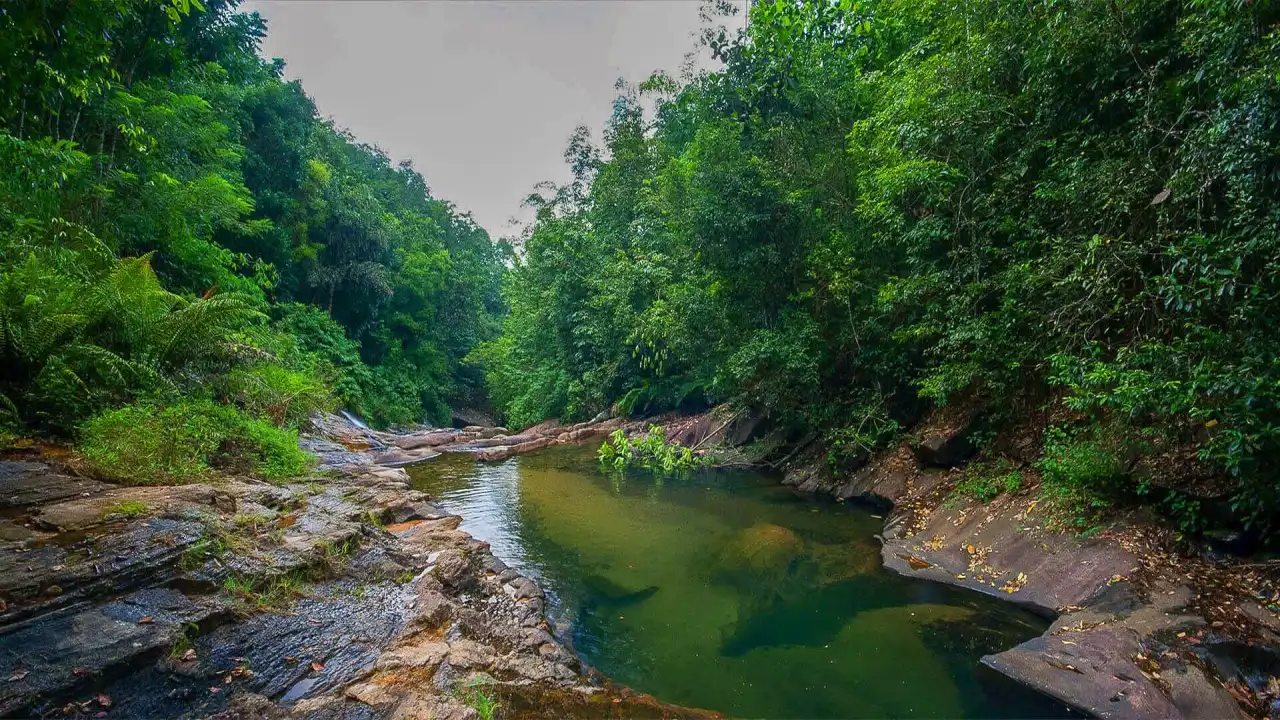
If one state gets to claim the rainy season as its own, it's Meghalaya, no contest. The name literally means "abode of clouds." During monsoon. Clouds sit low, right on the hills, sometimes rolling straight through the streets. Cherrapunji and Mawsynram, two of the wettest spots on Earth, by the way, not just India are right here. Sitting under a tin roof somewhere in these towns, listening to rain for hours, is weirdly calming. You stop checking your phone. Time just slows.
And then there's the Living Root Bridges near Nongriat. Bridges that are literally grown, over decades, from tree roots by the local Khasi tribes. No steel, no concrete. Walking across one while everything around you drips moss on the rocks and water everywhere feels a bit unreal, honestly, like you wandered into someone's damp little fairy tale by accident.
A few more spots worth squeezing into the itinerary:
- Dawki River: the water's this insane clear blue-green, looks even more dramatic against grey monsoon skies
- Nohkalikai Falls: one of India's tallest waterfalls, and during monsoon it's basically thunder you can see
- Mawlynnong: often tagged "Asia's cleanest village," and the monsoon green makes it look almost fake in photos
Pro tip: skip the umbrella, grab a poncho. The wind up here doesn't care about your umbrella's feelings; it'll turn inside out within five minutes, guaranteed.
Assam — Feels Like a Totally Different Beast
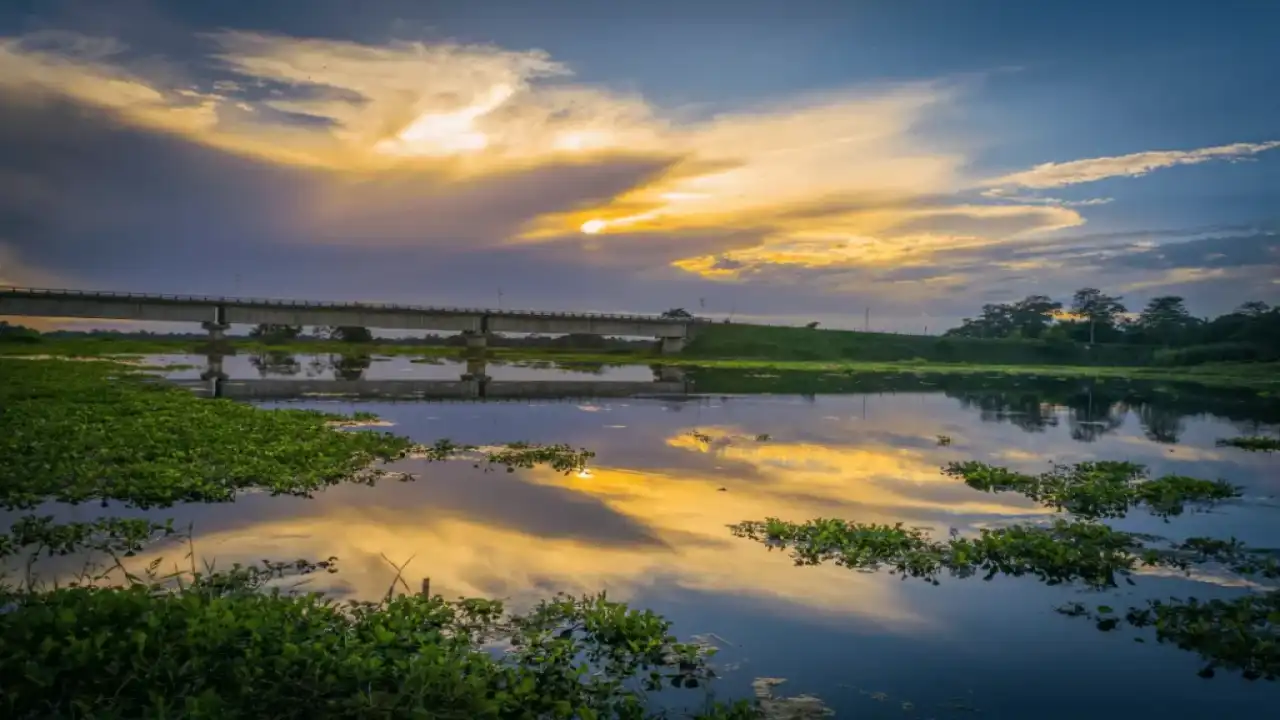
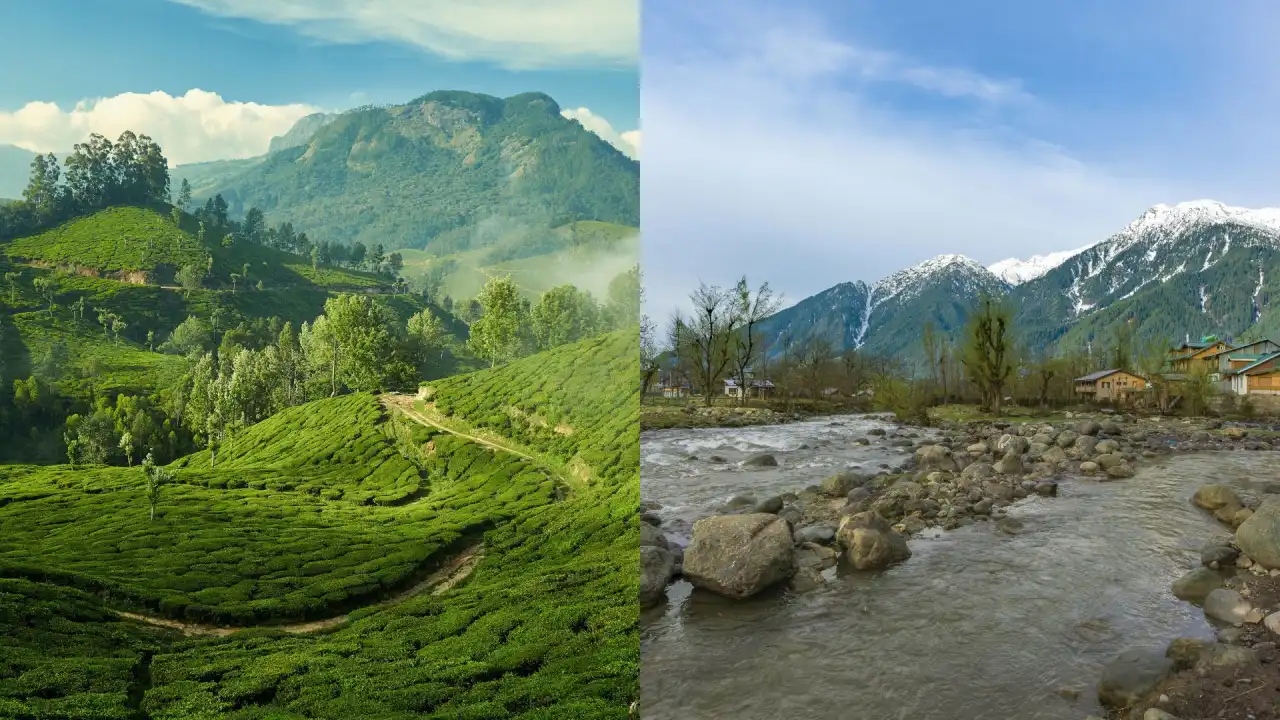
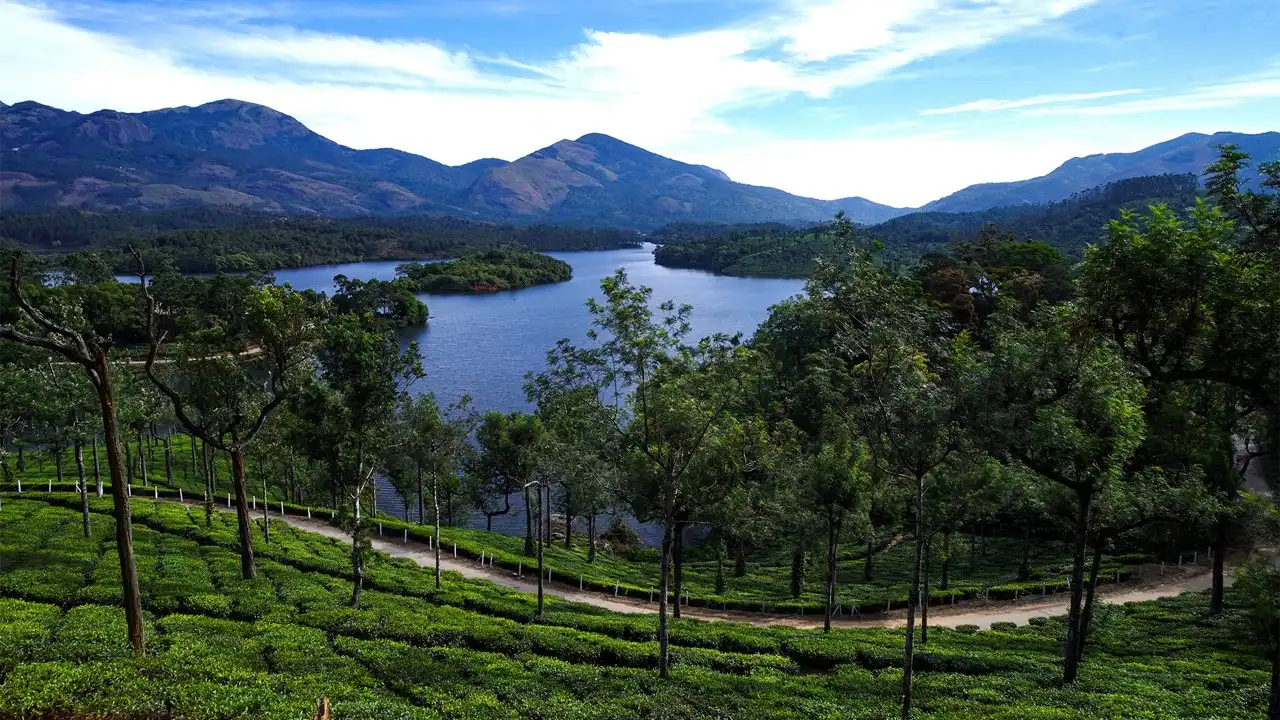
Assam during the rains has its own vibe going on. The Brahmaputra swells up sometimes a lot, and the tea gardens turn this shade of green that looks almost too saturated, like someone cranked the colour settings on a photo app. Kaziranga National Park usually closes partially during peak monsoon, mostly for safety, so keep that in mind if wildlife spotting is the whole point of your trip. But there's still plenty around: tea estates, river cruises, quiet little towns.
Sitting on a houseboat with rain tapping on the roof, sipping Assam tea that was probably grown a few kilometres away, is one of those small joys nobody really writes songs about but should. Majuli, the world's largest river island, is another one worth mentioning. Parts of it flood during monsoon sounds risky on paper, sure, but the locals have lived with this pattern forever; it's basically routine for them. The culture, the satras (these monastic institutions scattered around), the mask-making traditions none of that stops for a little water.
Arunachal Pradesh — For People Who Want It Wilder
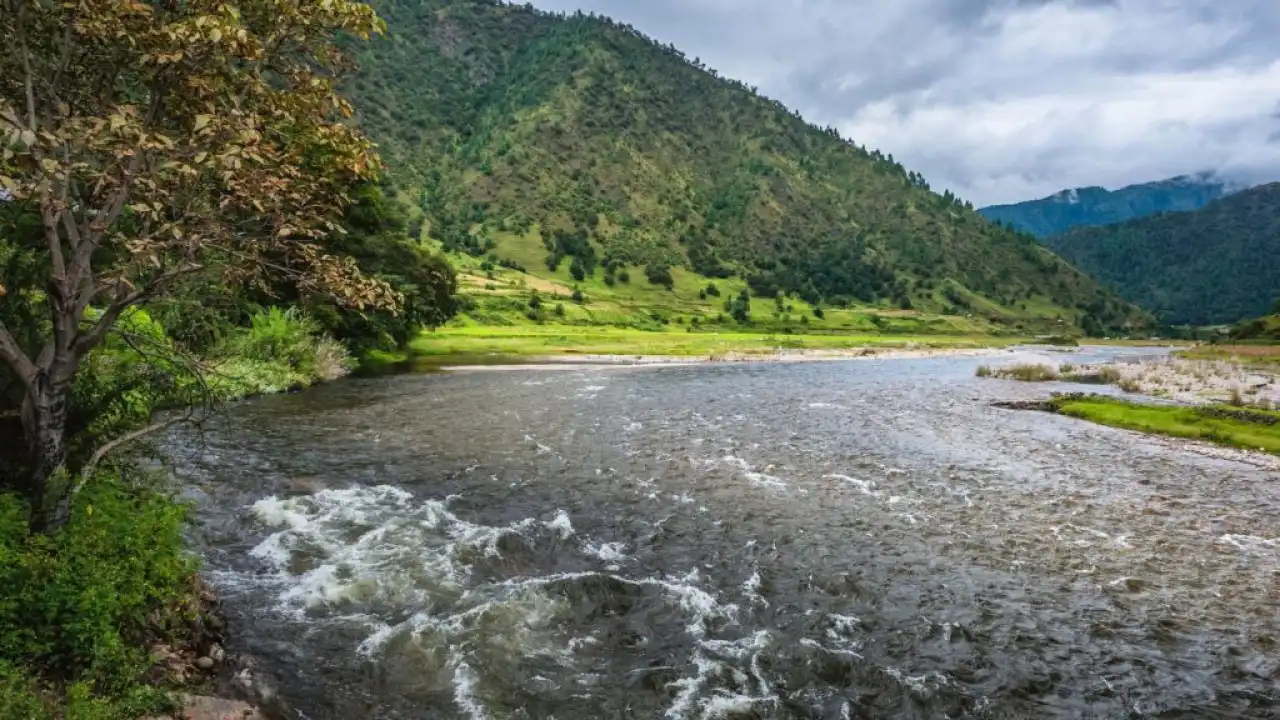
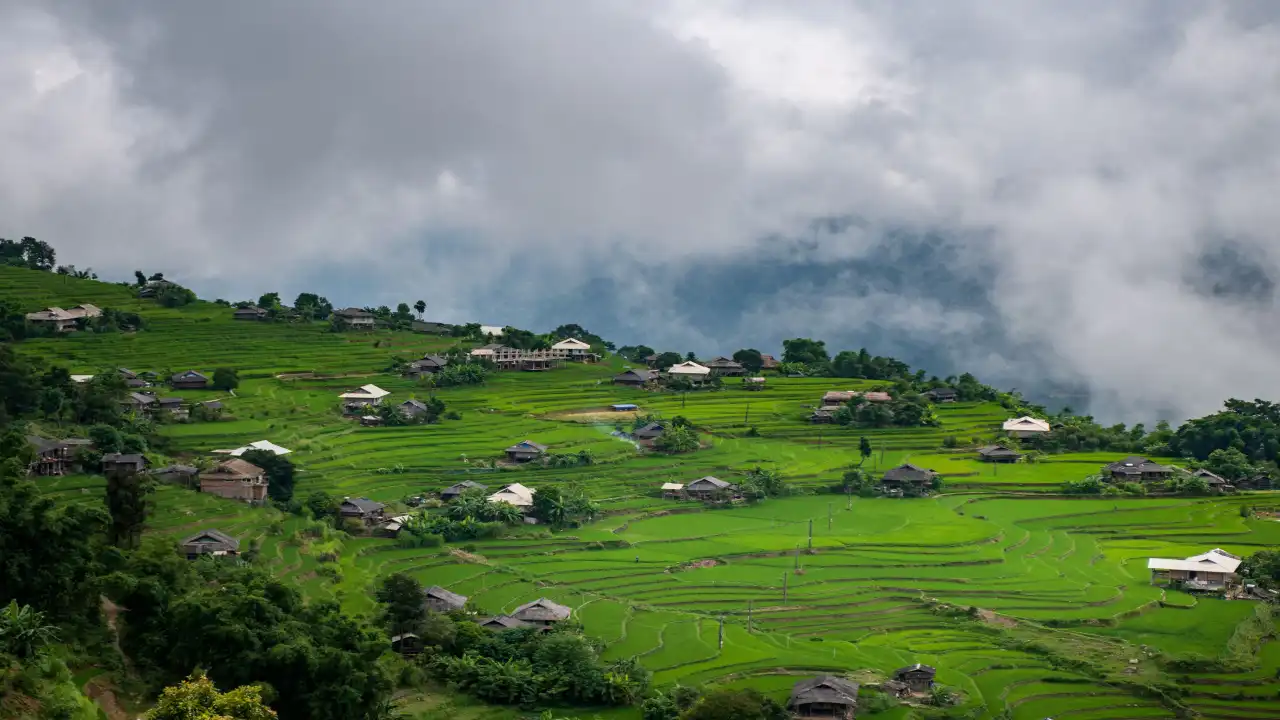
Where Meghalaya feels curated and Assam feels cultural, Arunachal Pradesh feels raw. Barely touched, honestly. It doesn't get much monsoon tourism, which works out great if crowds annoy you. Ziro Valley turns into this patchwork of paddy fields wrapped in mist during this season genuinely looking like a painting some days. The Apatani tribe still farms the traditional way, and it looks even more striking against that hazy monsoon backdrop. Fair warning though: roads can get rough here. This isn't a pack-and-go kind of trip. It needs actual planning.
Sikkim — An Easier Way Into the Region
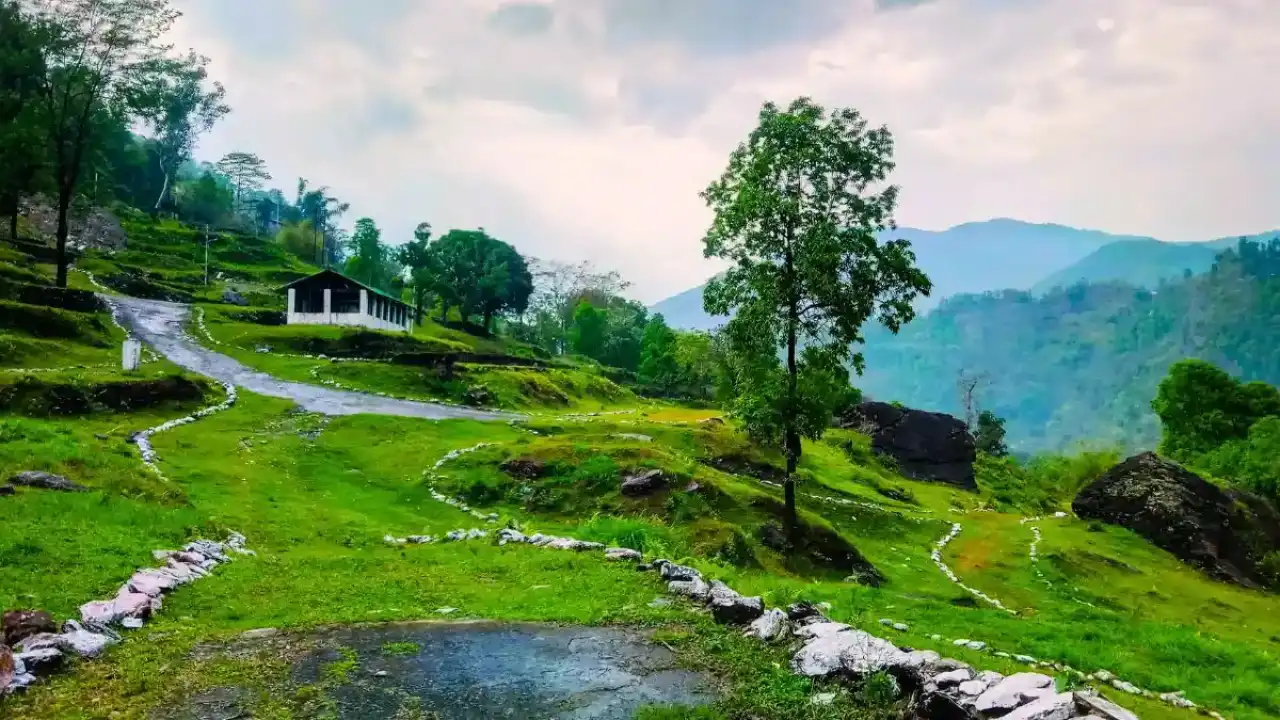
Technically, Sikkim sits in the eastern Himalayas, not the core North East, but people group it in any way, and honestly, fair enough. Gangtok and Pelling during monsoon bring cooler weather, way fewer tourists, and waterfalls that just don't exist the rest of the year. High passes like Nathula shut down sometimes because of landslides. So build in some slack. Don't lock your whole itinerary down to the hour.
Top Monsoon Picks at a Glance
Short on time? Here's the cheat sheet:
- Waterfalls, dramatic landscapes → Meghalaya
- River life, tea culture → Assam
- Untouched, offbeat exploring → Arunachal Pradesh
- An easier, cooler intro to the hills → Sikkim
Honestly there's no wrong pick here. Depends what you're after: comfort, adventure, or a bit of both mixed in.
Who This Trip Actually Suits
This isn't for someone chasing nonstop sunshine and lounging by a pool. It's for people who like slower travel, don't mind a bit of chaos, and actually want to watch nature do its most dramatic show of the year. Photographers tend to love this season here: the light, the mist, all of it. Same goes for anyone who just wants quieter places, away from the usual tourist crush.
Planning this as a couple's getaway? A Northeast honeymoon package during monsoon is seriously underrated. Misty hills, small cosy cafés, waterfalls in the background make for a memorable trip without needing a huge budget to pull off. And if all the research and logistics feel like too much permits, road closures, figuring out which town, it can save a ton of back-and-forth. Especially in Arunachal Pradesh, where permits alone can trip up first-timers.
Conclusion
North East India monsoon travel here isn't about dodging bad weather. It's about catching a version of the landscape that just doesn't show up any other time of year. Louder waterfalls, greener hills, and way fewer crowds. Sure, it takes a bit more planning, a different packing list, maybe a small mindset shift. But the payoff is a trip that actually feels different from your standard hill-station holiday. So next time someone says monsoon's the "wrong time" to travel here, feel free to disagree. Sometimes the best trips happen exactly when everyone else decides to stay home. If this has inspired your next getaway, you can also explore the region with a North East trip package from Travel Junky for a hassle-free experience.
Pro tips
Some practical bits, because monsoon trips need a little extra thought compared to your usual holiday.
- Pack quick-dry clothes; cotton takes forever to dry out here, and damp clothes in a backpack are not a smell you want to deal with
- Leave buffer days in your plan; landslides or blocked roads can push things back a day or two, sometimes more
- Carry basic motion sickness meds; hilly roads plus rain plus sharp turns is a rough combo for a lot of people
- Waterproof your electronics; a plain ziplock bag honestly does the job better than half those fancy gadget pouches
- Book stays with flexible cancellation. Weather doesn't check your calendar first.
- Local guides know these weather patterns better than any app ever will. If your homestay host says don't head out at 4 PM, just listen to them. They've watched storms roll through that your weather app hasn't even heard of.