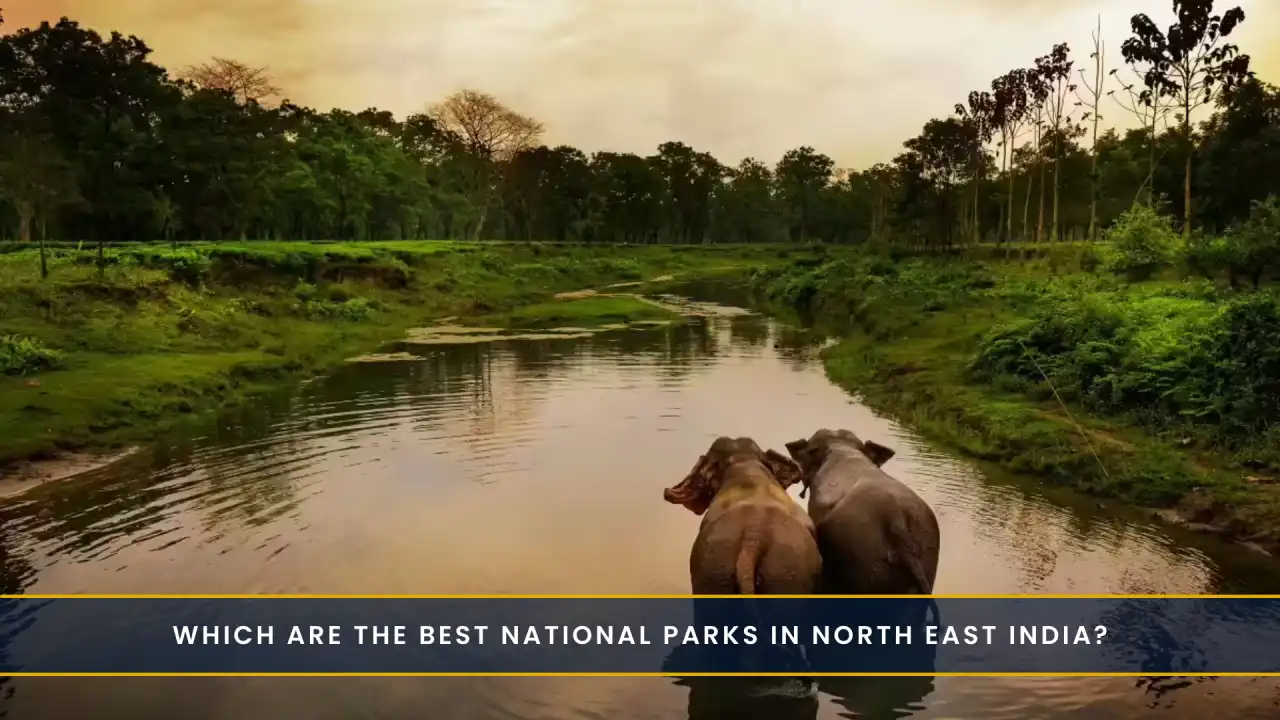
Which Are the Best National Parks in North East India?
Introduction
Every once in a while, you open a map and your eyes wander off the usual paths. Not Mumbai. Not Jaipur. Not Goa. Somewhere else. That big, slightly mysterious corner in the northeast. It always feels like it’s there waiting, not competing.
North East India doesn’t rush you. You notice it almost immediately. The roads curve instead of cutting straight through. There’s less noise. Fewer horns. More sky than signboards. When people talk about the national parks in North East India, they aren’t talking about tidy safaris with perfect photo stops. They’re talking about places where forests still decide how things work. Where animals don’t care if you’re watching. Where villages sit close to jungles, not separated from them. This isn’t a list you read and forget. Think of it more like someone sitting across from you, sharing what actually stood out, what felt real, and what’s worth slowing down for.
Why Wildlife Feels Different Here
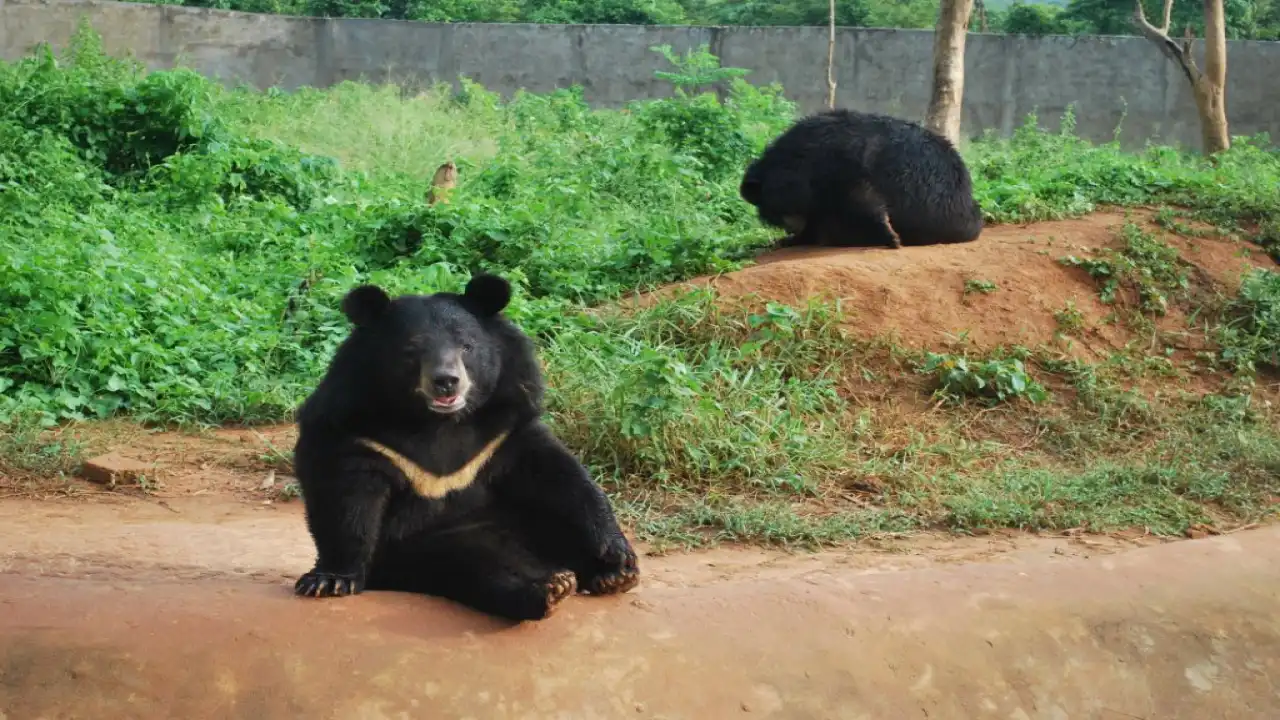
On paper, North East India already looks complicated. Hills sliding into plains. Rivers that flood, retreat, and flood again. Thick forests suddenly open into grasslands. Nature doesn’t follow straight lines here, and honestly, that’s part of the charm.
But the bigger difference isn’t geography. It’s the feeling. These places don’t feel staged. You’re not constantly being directed to “look here” or “stand there.” There are fewer souvenir stalls. Fewer people are chasing the same sighting. Most of the time, it feels like you’ve stepped into someone else’s daily rhythm: forest guards, guides, villagers, people who know this land the way you know your own neighborhood. Calmly. Without making a show of it.
Kaziranga National Park, Assam
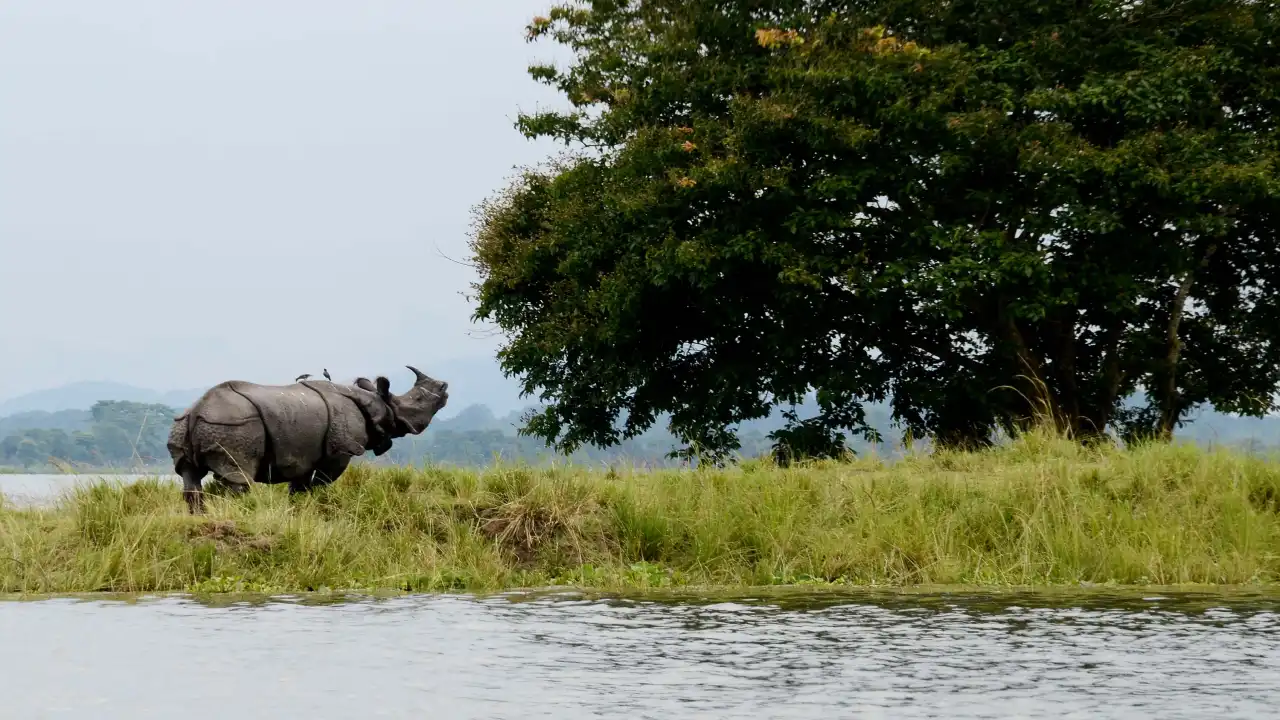
Kaziranga always comes up first. And yes, it deserves to. This is where the one-horned rhinoceros isn’t a headline; it’s just there. Watching one move through tall grass feels oddly grounding. The land itself shapes the experience. Wide floodplains. Shallow water bodies. Patches of forest that seem to appear and disappear with the light. Early mornings are something else. Mist hangs low. Shapes move before you fully understand what you’re seeing. It feels like the park is waking up slowly.
You might see:
- One-horned rhinoceros
- Wild elephants
- Swamp deer
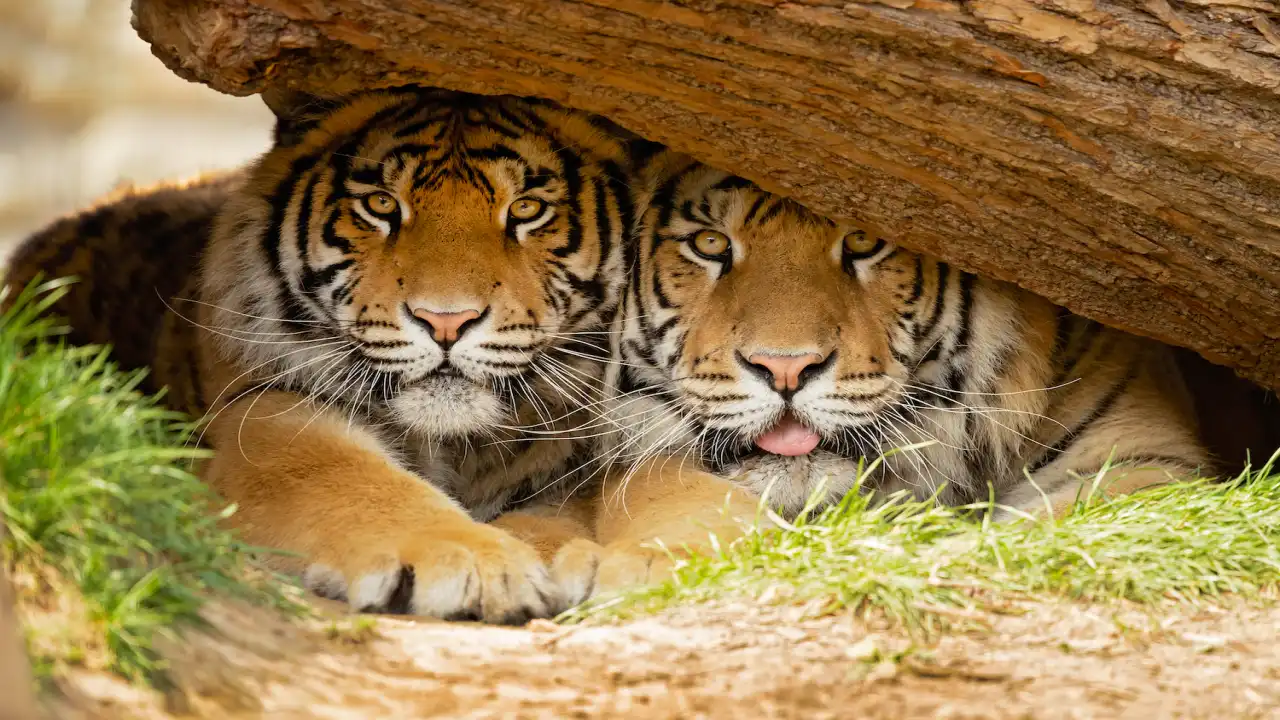
- Tigers (rare, but present)
- A surprising number of birds
Pro tip:
November to February works best. Cooler air, clearer mornings, animals sticking close to water.
Many people opt for a North East India trip package, mostly because it simplifies things, permits, safaris, and stays. Less planning, more time actually being there.
Manas National Park, Assam
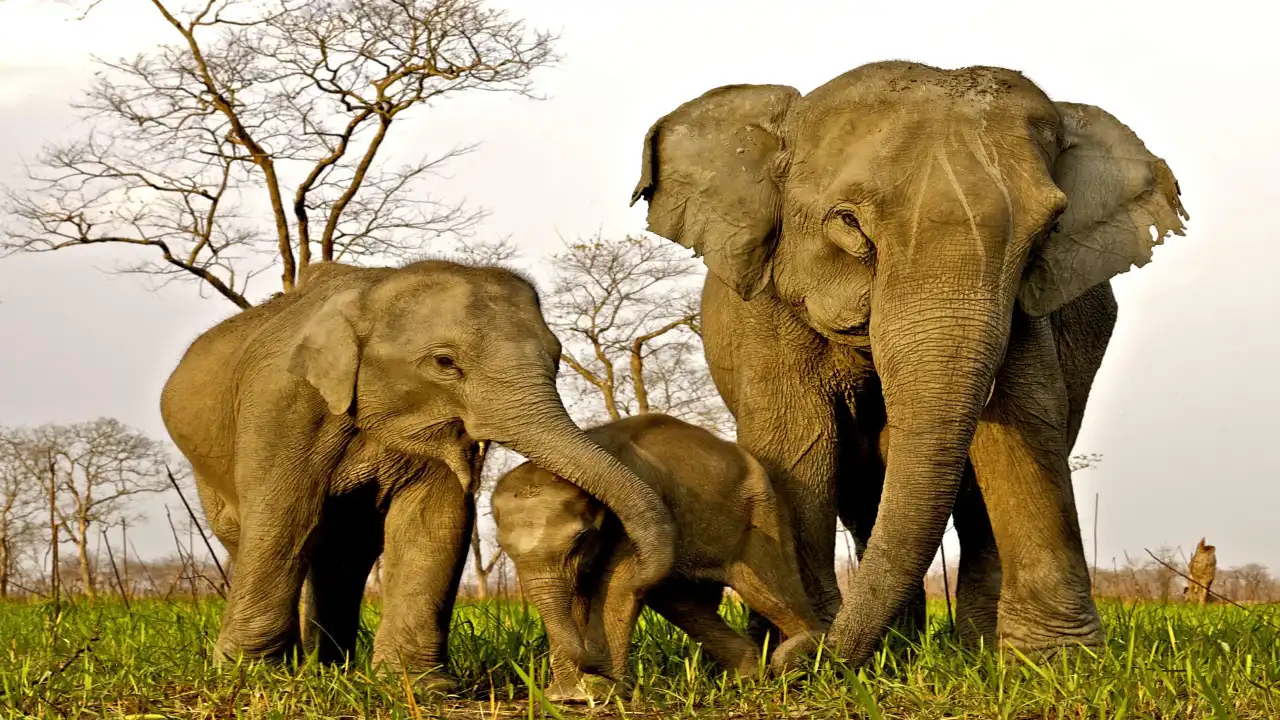
Manas feels quieter. Almost shy. It sits near the Bhutan border and has this wide-open feel that’s hard to describe until you’re there. Grasslands stretch out. Rivers cut through forests. Sometimes, you don’t see another vehicle for a while, which feels rare these days. There’s also history here. Manas went through difficult years, and wildlife paid the price. What you see now is recovery happening in real time. Animals returning. Forests heal. There’s a hopeful feeling in the air, even if no one says it out loud.
What stays with you:
- Golden langurs (you don’t forget those faces)
- Wild water buffalo
- Tigers and leopards
- Long, quiet river views
Pro tip:
A local guide makes a big difference. They catch small signs, tracks, and calls you’d otherwise walk past.
Namdapha National Park, Arunachal Pradesh
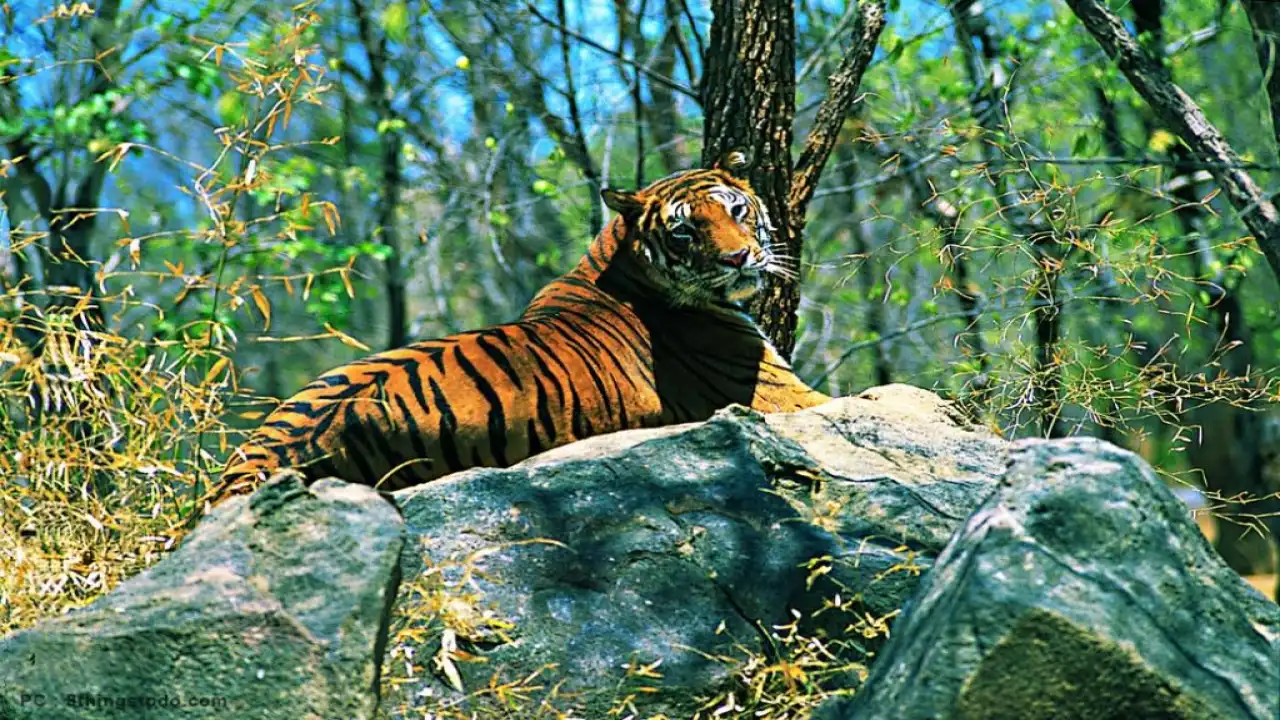
Namdapha isn’t comfortable. And that’s the point. It’s huge, remote, and properly wild. One of the few places where four big cats exist in the same region tiger, leopard, snow leopard, and clouded leopard. Getting there feels more like a journey than a holiday. Roads aren’t smooth. Phone signals fade out. Comforts drop away. But what replaces them is silence. Deep forest silence. The kind that makes you notice your own footsteps. Nights here are dark, full of stars, and very still.
Why Namdapha stands apart:
- One of India’s largest protected parks
- Rainforests blend into higher terrain
- Serious biodiversity
Pro tip:
This isn’t a place to improvise. Permits, guides, and timing matter more here than anywhere else.
Orang National Park, Assam
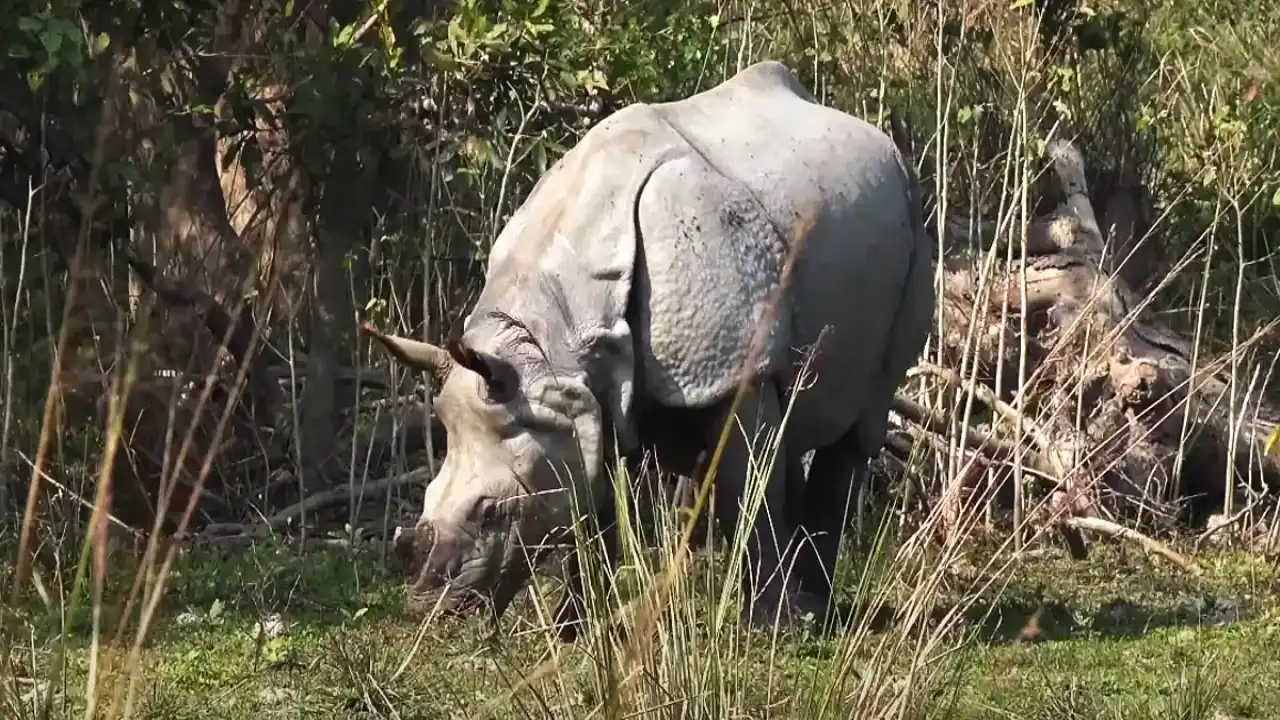
Orang gets called “mini Kaziranga,” but that only explains the size. The feeling is different. Smaller park. Shorter drives. Quicker sightings. Set along the Brahmaputra, Orang mixes wetlands and grasslands beautifully. Safaris don’t feel rushed. You’re not covering huge distances, which makes the whole experience feel more personal, less mechanical.
Common sightings:
- One-horned rhinos
- Elephants
- Hog deer
- Migratory birds
Pro tip:
Early mornings work best. The park feels sharper, more awake.
Nameri National Park, Assam
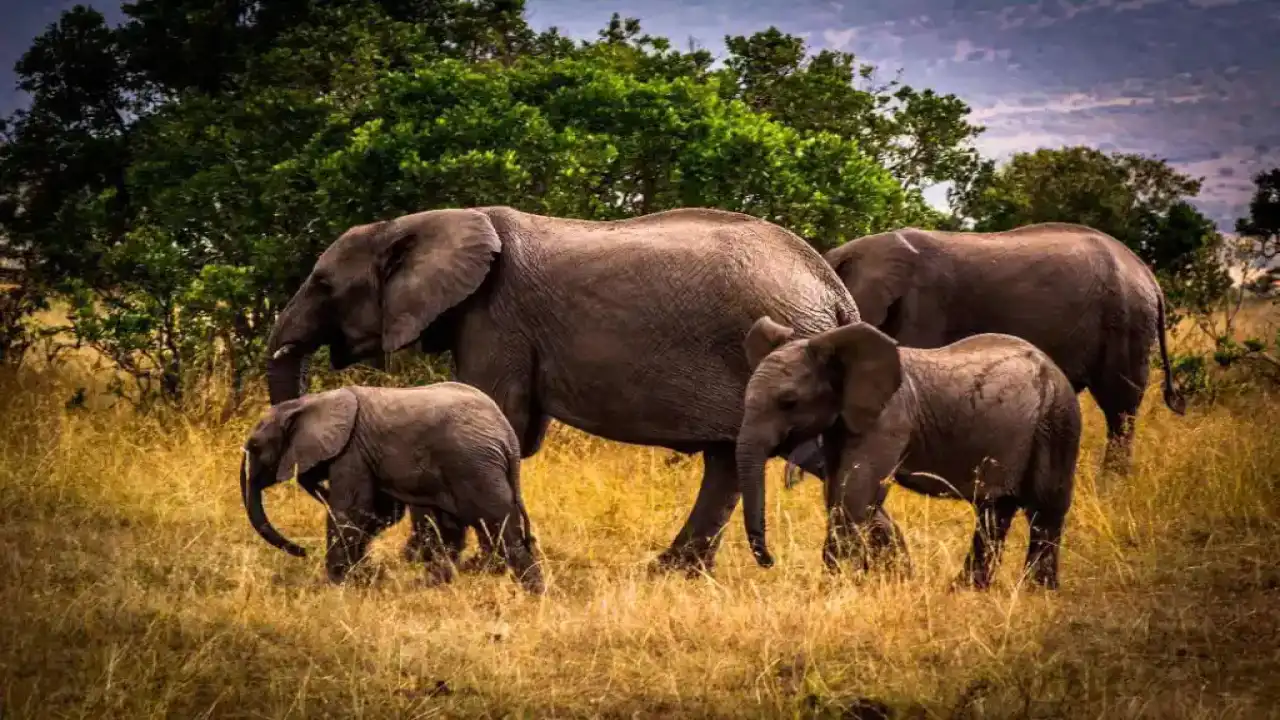
Nameri is subtle. It doesn’t try to impress you. No loud moments. No checklist energy. It’s more about sound than sight: river flow, bird calls, leaves moving.
Jeep safaris are limited. Elephant rides aren’t allowed. And honestly, that’s why it works. Guided walks with forest guards are often the highlight. You stop looking for animals and start noticing the forest itself.
Why people keep returning:
- Excellent birdlife
- Calm riverside settings
- Fewer crowds, less noise
Pro tip:
Binoculars help. Even when animals hide, something’s always happening.
Keibul Lamjao National Park, Manipur
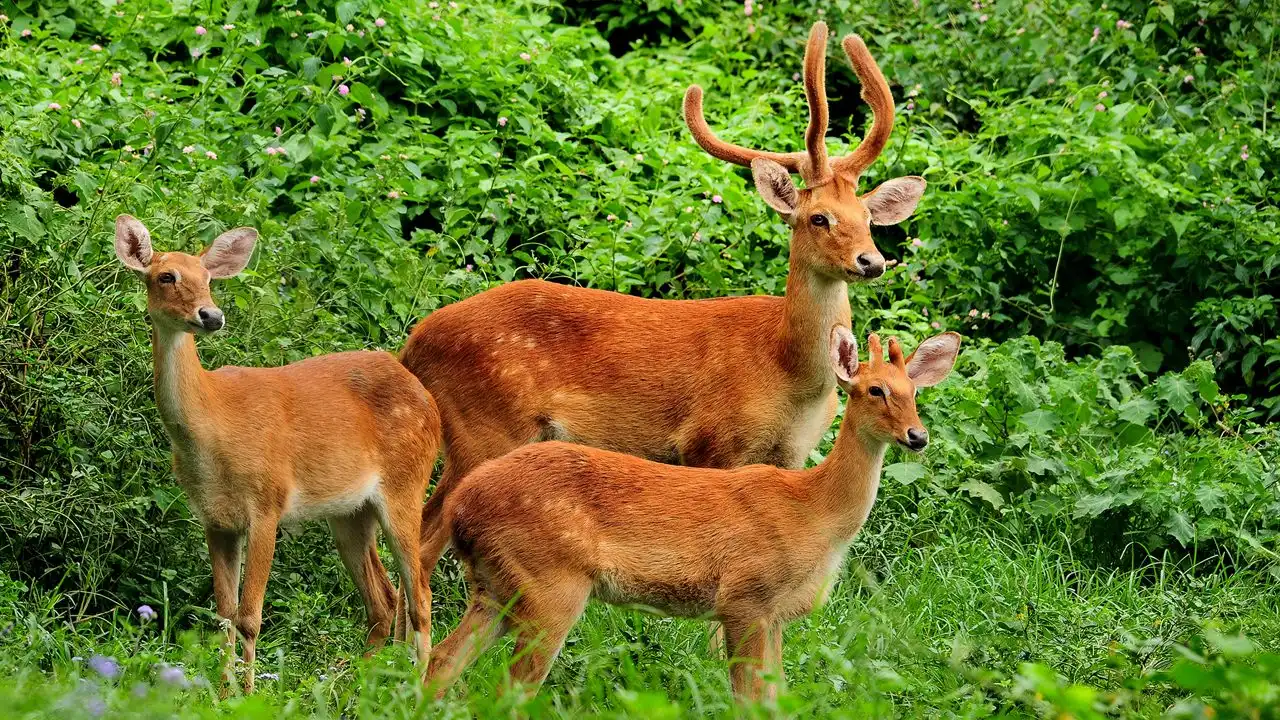
The first time you hear about it, it sounds made up. A floating national park. But Keibul Lamjao is very real. It sits on Loktak Lake, built on phumdis, floating vegetation that shifts gently underfoot. It’s also the last natural home of the Sangai deer. Watching it move across floating land explains the nickname “dancing deer” better than any description ever could.
What makes it different:
- The world’s only floating national park
- Rare Sangai deer
- Strong ties to local culture
Pro tip:
Winter is better. Water levels behave, and sightings improve.
Balpakram National Park, Meghalaya
Balpakram doesn’t chase wildlife sightings. That’s not its strength. Instead, it offers mood. Deep gorges. Cliffs. Caves. Stories that locals pass down without writing them anywhere. Some believe spirits live here. Whether you believe it or not, the place feels heavy with presence.
You come here to walk. To pause. To look out and just stand there for a bit.
What defines Balpakram:
- Dramatic landscapes
- Rich tribal folklore
- Forests that still feel untouched
Pro tip:
Go with a local guide. Otherwise, you only see half the place.
Beyond the Famous Names
The well-known parks get attention, but conservation here runs deeper than that. Smaller sanctuaries quietly do their part, forming a wider network of North East India wildlife parks that protect corridors, rivers, and forests. They don’t trend online. But they matter. A lot.
Planning Without Rushing
North East India doesn’t reward tight schedules. Distances look short on maps. Reality says otherwise. Roads twist. Weather shifts. Plans change. And that’s okay.
A few practical reminders:
- Check park dates before you go
- Respect local customs
- Keep noise low during safaris
- Support local stays and guides
If you’re traveling with children or elders, comfort matters. Well-planned Family trip packages can help keep things smooth without rushing the experience.
Best Time to Go
Most parks shut down during the monsoon, usually from June to September. Roads flood. Forests need time.
Best windows:
- October to March overall
- December to February for birds
- November, if you like post-rain greenery
Who Will Enjoy This Most
These parks suit people who like:
- Quiet over crowds
- Wildlife that doesn’t perform
- Educational trips for families
- Landscape and wildlife photography
If you want nightlife or luxury resorts, this region might feel slow. But that slowness is the whole point.
Responsible Travel Matters Here
These forests aren’t backdrops. They’re working ecosystems. Small actions, staying on trails, and listening actually change outcomes. Respect keeps these places alive, not just for visitors, but for the people and wildlife who belong here.
Conclusion
There’s no single “best” park. The best national parks in Northeast India depend on what you want: easy access, rare species, silence, or raw terrain. Together, they show a region where nature still sets the pace and life isn’t in a hurry. Go slow. Stay curious. Let the forest lead. That’s when this part of India really starts to make sense.