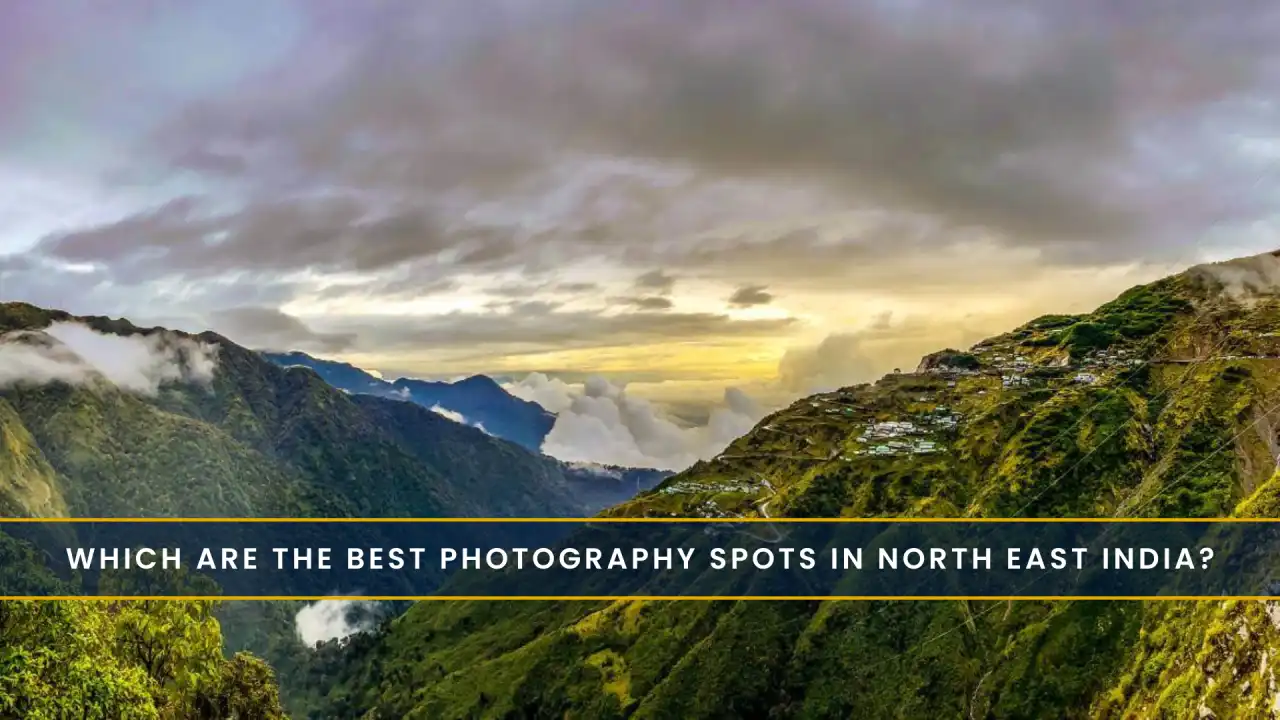
Which Are the Best Photography Spots in North East India?
Introduction
If you like photography, North East India has a quiet way of slowing you down. You don’t realise it at first. One moment you’re adjusting camera settings, the next you’re just waiting for the light to fall right. Nothing feels rushed here. Hills sit calmly, roads curve naturally, and even busy places feel softer. Mornings stay wrapped in mist, and villages wake up at their own pace. When people mention the Best photography spots in North East India, they often think of mountains and clouds. That’s true, but the real beauty is smaller fishermen at dawn, prayer flags in the wind, and children walking through fog. This guide is for those who like to pause and observe. Phone or DSLR, it doesn’t matter much. The place quietly does the rest.
Why North East India Feels So Right for Photography
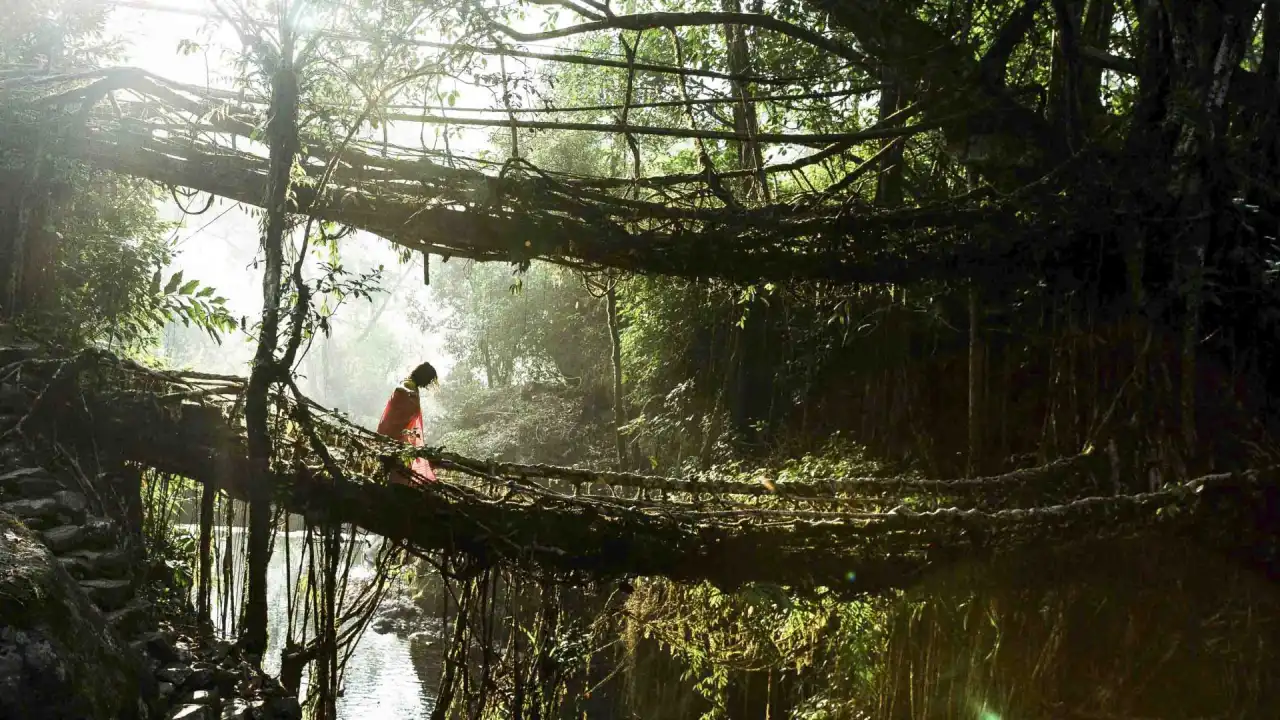
There’s a certain calm to this region that’s hard to explain until you experience it. The moment you enter, things feel spaced out. Villages don’t spill into each other. Rivers stretch wide and are lazy. Forests feel lived-in, not decorative.
For photographers, this quietly translates into a few big advantages:
- Many places are still low on crowds
- Light stays soft for longer parts of the day
- Landscapes change quickly as you move
- Cultural moments feel natural, not staged
The variety is another bonus. On one trip, you might shoot snow near a mountain pass, wetlands filled with birds, thick jungle trails, and a local festival, all without crossing state borders endlessly. That kind of range is rare.
1. Tawang, Arunachal Pradesh – Where the Air Feels Thinner and Quieter
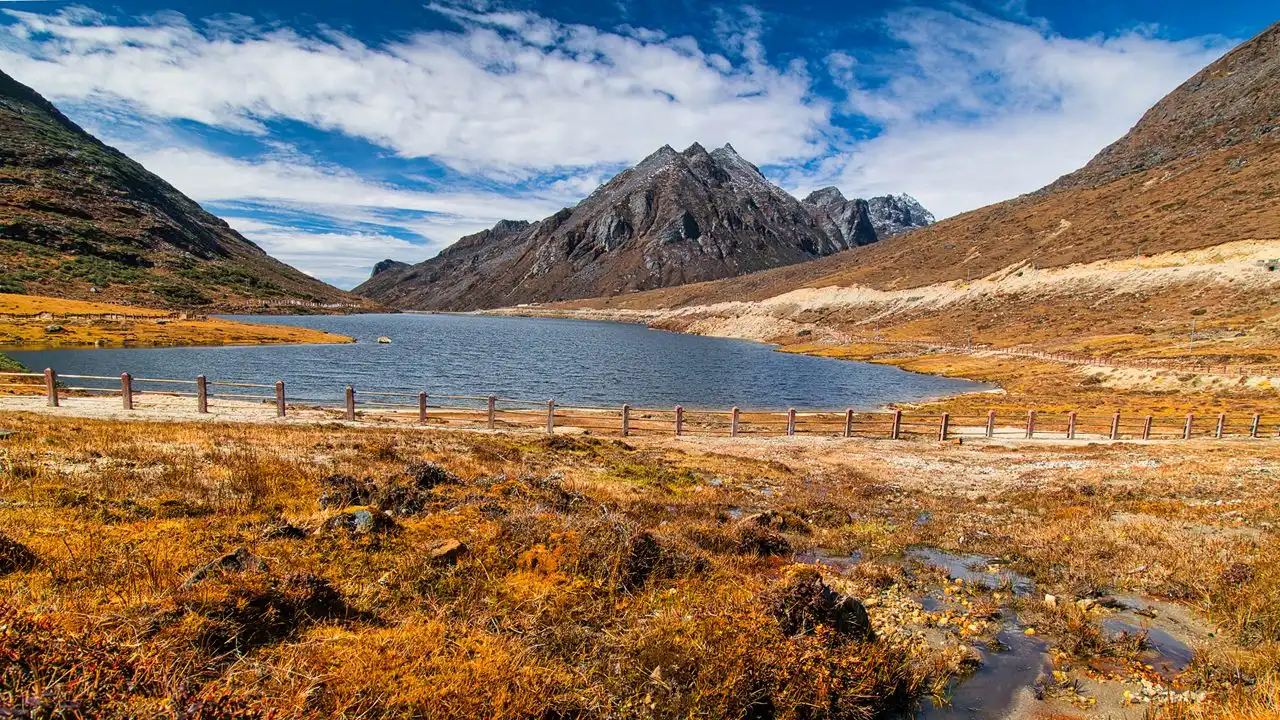
Tawang doesn’t feel like the rest of India. Even the road leading up there feels different. High passes. Frozen lakes. Prayer flags stretched across space. You’ll probably stop more times than planned. Everyone does. The monastery is the obvious highlight, but the real beauty shows up early in the day. Before tourists arrive. Mist moves slowly. Monks walk without hurry. Light falls gently on the hills, almost unsure of itself.
What’s worth photographing here:
- Tawang Monastery in the early morning
- Sela Pass when the wind is sharp and cold
- Locals warming their hands at tea stalls
- Wide frames filled with clouds
Pro tip:
Don’t go wide all the time. Some of Tawang’s strongest photos are small moments, hands on prayer wheels, worn wooden doors, quiet faces.
2. Ziro Valley, Arunachal Pradesh – Soft Mornings and Patient Frames
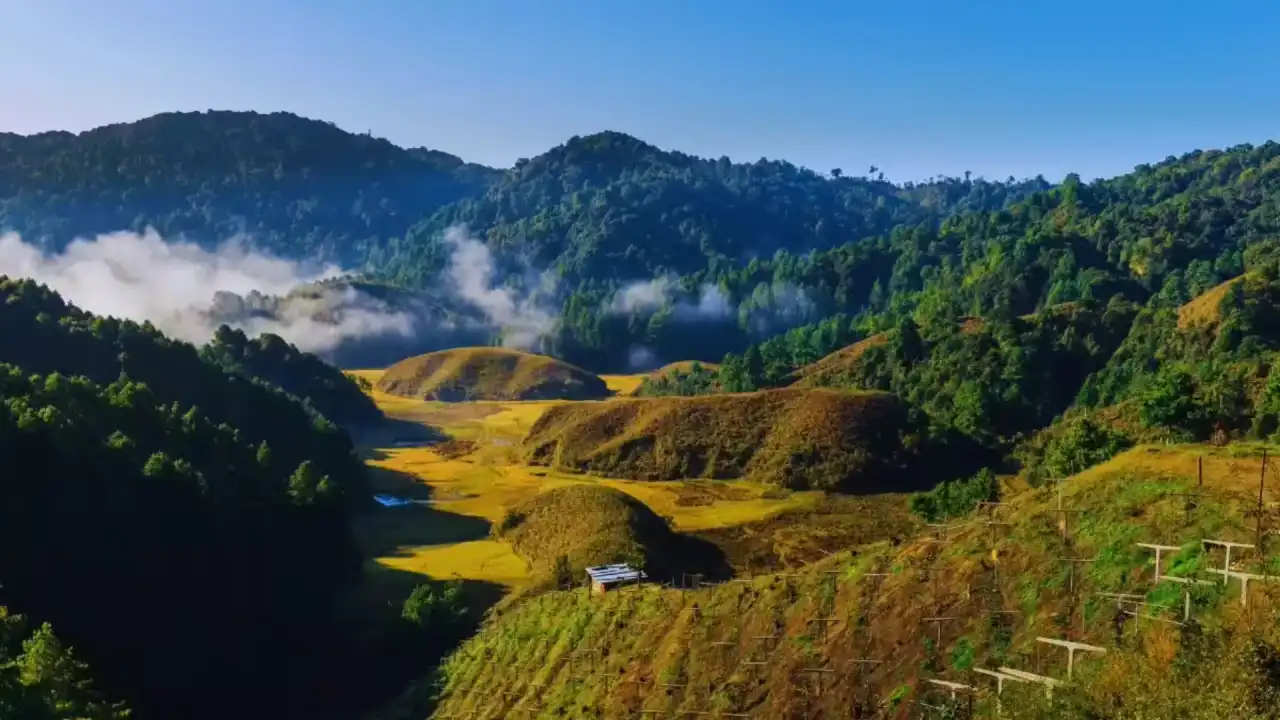
Ziro doesn’t try to impress you. It just exists. And somehow that works. The Apatani tribe lives here, and their lifestyle fits naturally into the valley. Rice fields spread out across flat land, framed by low hills. Light behaves nicely here. It doesn’t rush or disappear suddenly. Photography in Ziro is mostly about waiting. Sitting somewhere and letting things happen around you.
Why Ziro works so well:
- Gentle light throughout the day
- Water reflections after rain
- Traditional homes with real character
- Fog that rolls in without drama
This is one of those Scenic places in North East India where even casual shots come out balanced.
Pro tip:
Talk to people before photographing them. A short chat often leads to better photos than a zoom lens ever could.
3. Majuli, Assam – Life Moving at River Speed
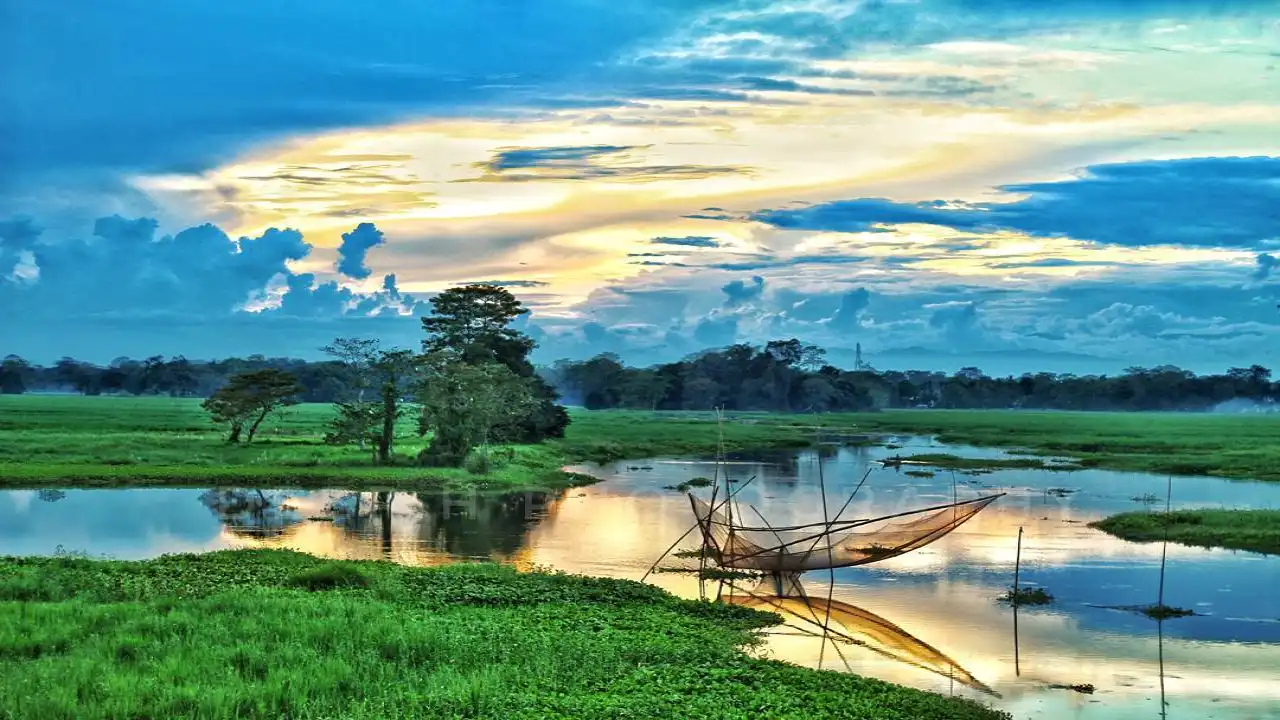
Majuli feels like it’s floating, even when it’s not. Surrounded by the Brahmaputra, the island has its own rhythm. Nothing feels urgent here. Photography isn’t about chasing landmarks. It’s about watching movement. Boats crossing water. Monks walking barefoot. Farmers working near the edge of the river.
Good subjects in Majuli:
- Satras and prayer halls
- River sunsets that stretch forever
- Mask-making workshops
- Everyday village routines
Pro tip:
Carry less gear. Walk more. Majuli rewards slow exploration.
4. Kaziranga National Park, Assam – More Than Just Rhinos
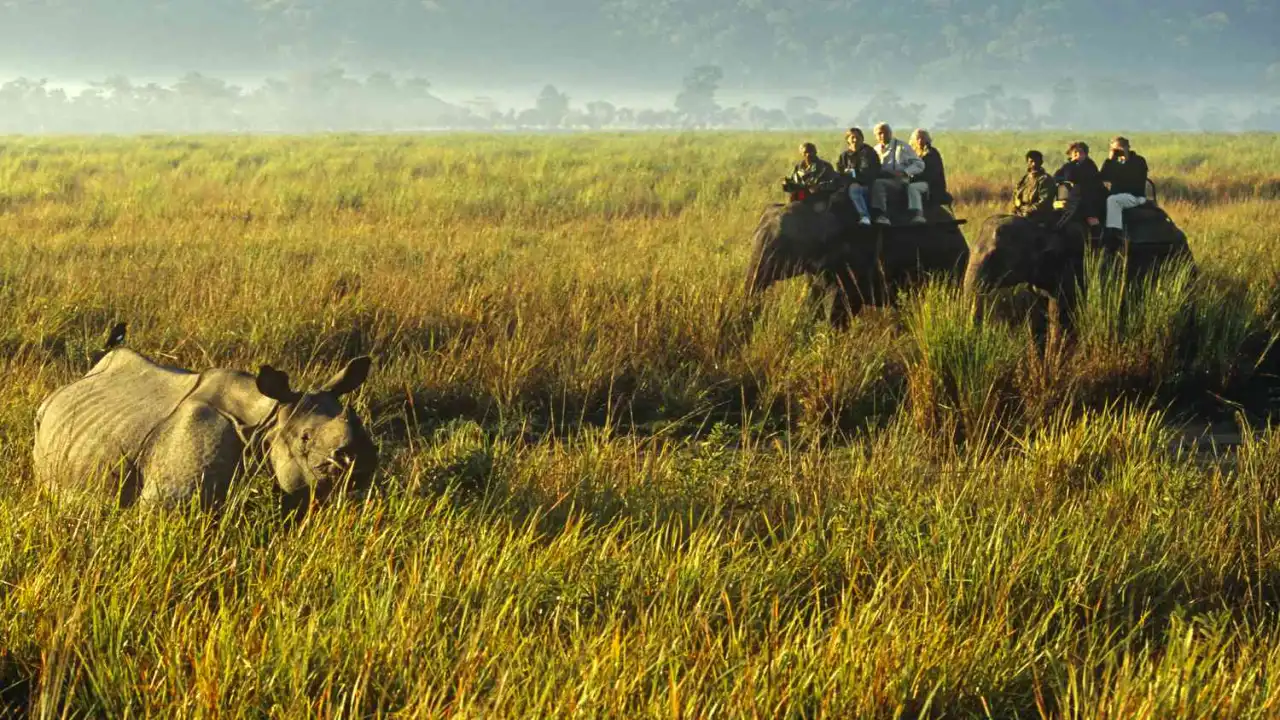
Yes, Kaziranga has rhinos. Everyone knows that. But if you look beyond the obvious, the park offers far more. Early morning safaris are especially atmospheric. Fog sits low. Grass hides half the story. Animals appear and disappear without warning. It feels raw. Open. Less controlled than many wildlife parks.
What to look for:
- Rhinos half-hidden in tall grass
- Elephants near water
- Birds during the winter months
- Sunrise light filtering through mist
This place suits people who enjoy North East India travel photography that tells a story, not just captures a subject.
Pro tip:
Jeep safaris give you more freedom to frame and wait.
5. Shillong, Meghalaya – A City That Breathes Like a Hill Town
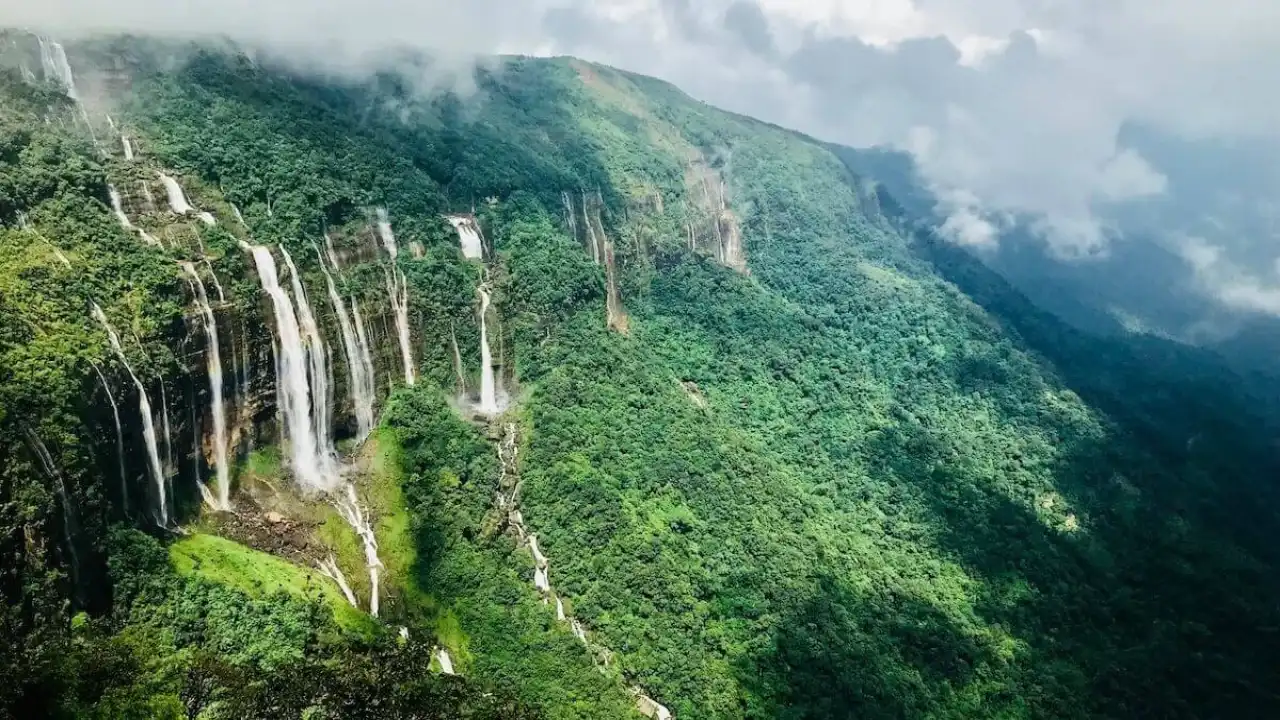
Shillong isn’t just about views. It’s about mood. Pine trees. Old buildings. Cafes that feel lived in. Clouds that change their mind every hour. You don’t have to go far to find good frames here.
What works well:
- Ward’s Lake early in the day
- Valley viewpoints under moving clouds
- Market streets
- Colonial-era architecture
Pro tip:
Don’t fear cloudy weather. Shillong looks better without the harsh sun.
6. Cherrapunji and Sohra – Wet, Green, and Textured
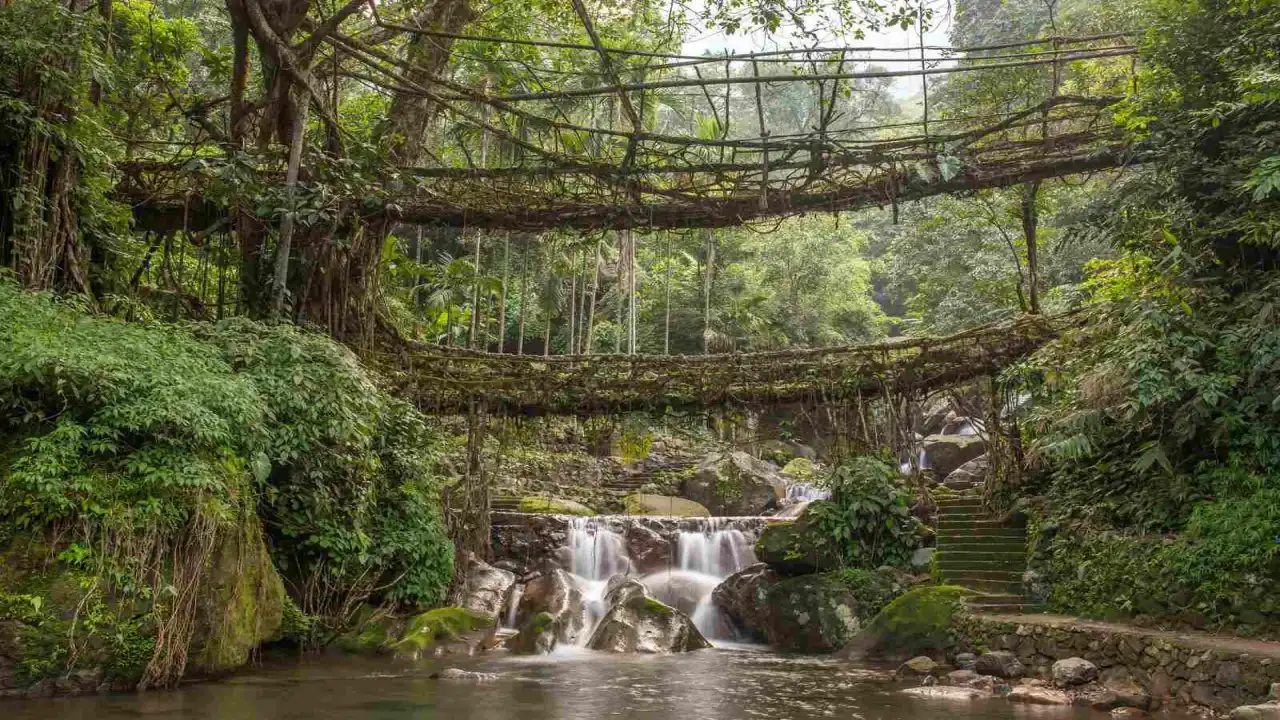
Cherrapunji is wet. Constantly. And that’s exactly why photographers like it. Everything has texture here. Rocks shine. Waterfalls never stop. Valleys feel deep and alive. The living root bridges are especially interesting. They’re not built overnight. They grow slowly over the years.
Things worth capturing:
- Nohkalikai Falls from different angles
- Root bridges after rain
- Village paths are soaked and muddy
- Clouds drifting through valleys
Pro tip:
Tripods help, but don’t depend on them. Some of the best shots come handheld.
7. Loktak Lake, Manipur – Floating Landscapes That Keep Changing
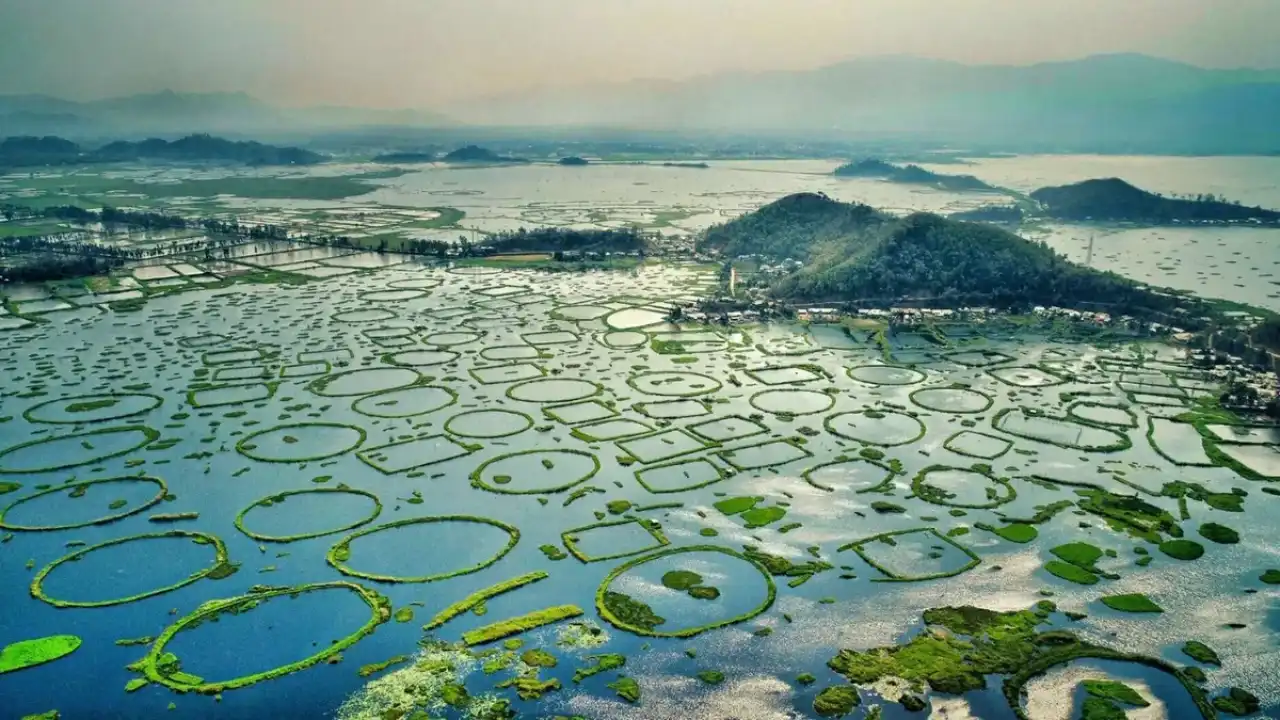
Loktak Lake feels unreal the first time you see it. Floating islands shift slowly. Houses sit on water. Nothing stays fixed for long. Mornings are best. Quiet. Almost still.
Strong subjects here:
- Fishermen at sunrise
- Floating huts
- Birds near shallow water
- Calm reflections
Pro tip:
Shoot low from the boat. It changes the entire feel of the frame.
8. Dzukou Valley, Nagaland – Space, Silence, and Balance
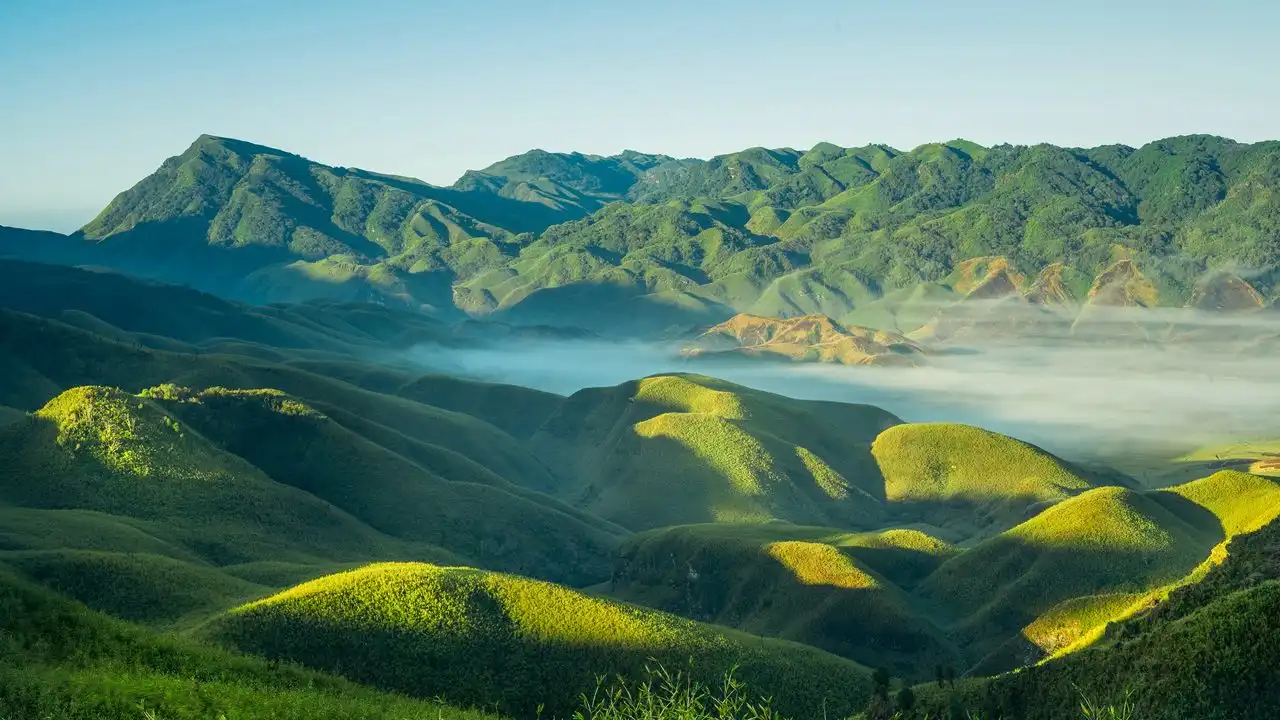
Dzukou Valley doesn’t crowd your frame. That’s the point. Wide land. Rolling hills. Seasonal flowers. Very little else. It’s clean visually. Simple. And sometimes, that’s exactly what a photographer needs.
Best shots include:
- Flower-covered valleys
- Golden hour landscapes
- Minimal compositions
- Shifting clouds
Pro tip:
Pack light. The less you carry, the more you notice.
9. Kohima, Nagaland – Quiet History and Everyday Hills
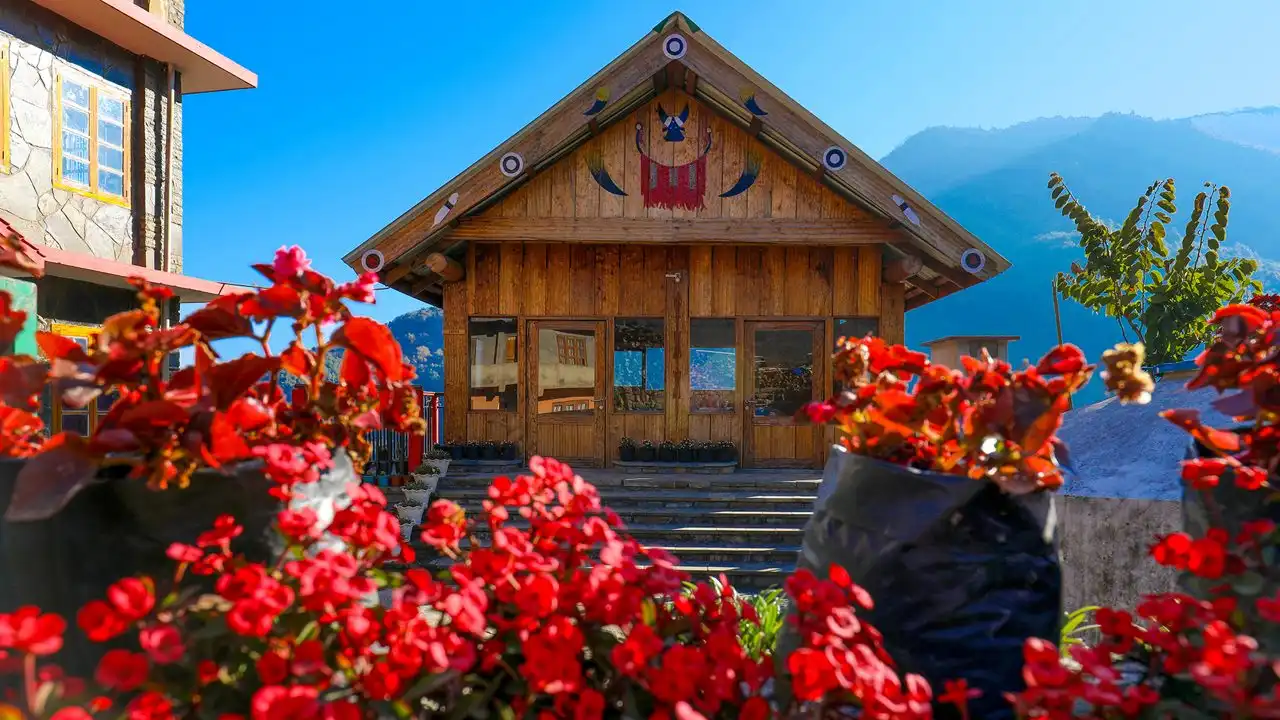
Kohima blends past and present gently. The war cemetery feels heavy, but peaceful. Best visited early, when it’s quiet. Outside that, village life continues without performance.
Worth photographing:
- War Cemetery at sunrise
- Local markets
- Sloping village homes
- Hilltop views
Pro tip:
Some places don’t need many photos. One good frame is enough.
10. Aizawl, Mizoram – A City Built in Layers
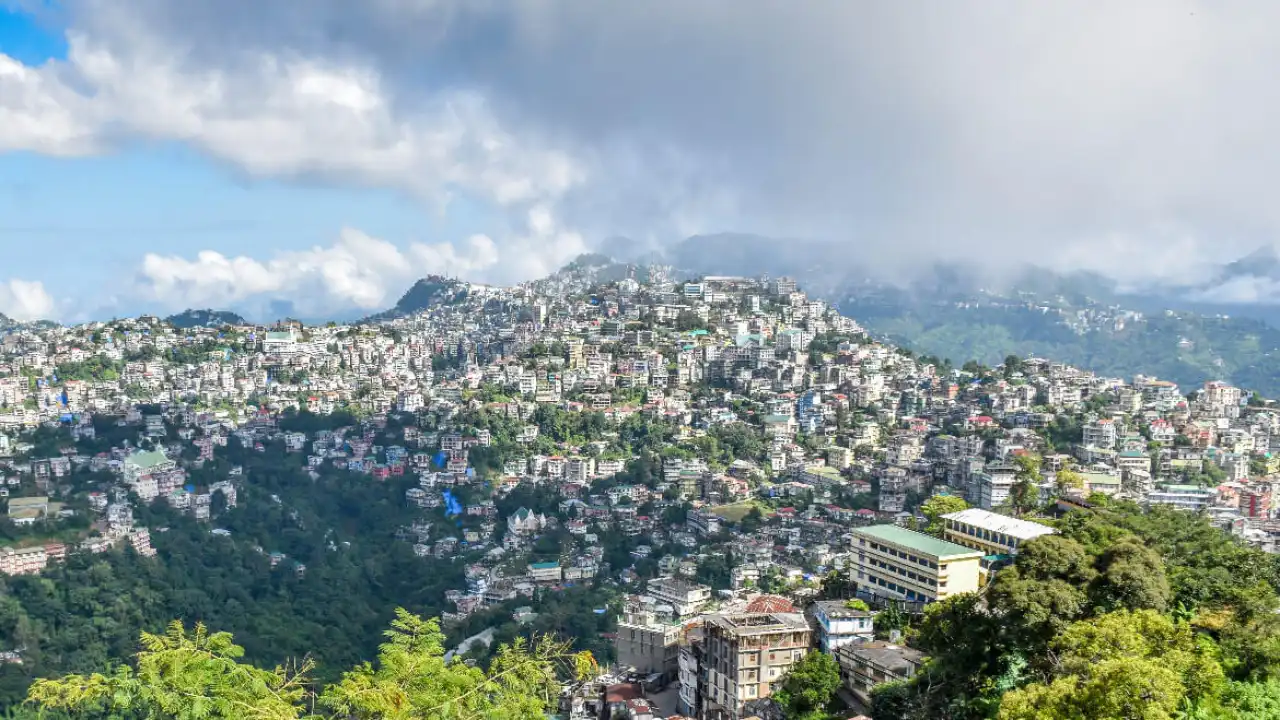
Aizawl climbs upward instead of spreading out. Houses stack along hills. Streets curve and climb. From above, it all looks like layers. Street photography works well here, especially when the city slows down.
Ideas for frames:
- Hilltop city views
- Narrow stairways
- Church interiors
- Daily routines
Pro tip:
Use roads and stairs as natural leading lines.
Best Time for Photography in the Region
Timing makes a big difference.
- October to March: Clearer skies, festivals, cleaner light
- April to June: Greener landscapes, fewer people
- July to September: Difficult conditions, dramatic results
Monsoon photography isn’t easy, but it can be rewarding if you’re prepared.
Planning the Trip Without Stress
Many photographers prefer choosing Domestic Packages that handle transport and stays. It saves energy, especially in remote areas. If you like independence, local homestays and rented vehicles often lead to more meaningful experiences.
Conclusion
North East India doesn’t demand attention. It waits. And if you’re patient, it gives you moments that feel honest. It’s not about how many places you cover, even if you’re travelling through a North East India trip package. It’s about noticing what’s already there, the way light moves, how people live, how landscapes breathe. Go slow. Carry curiosity. The rest will follow.
A Few Simple Photography Habits That Help
- Wake up early. Always worth it
- Talk before shooting people
- Watch first, click later
- Protect your gear from rain
- Respect local spaces