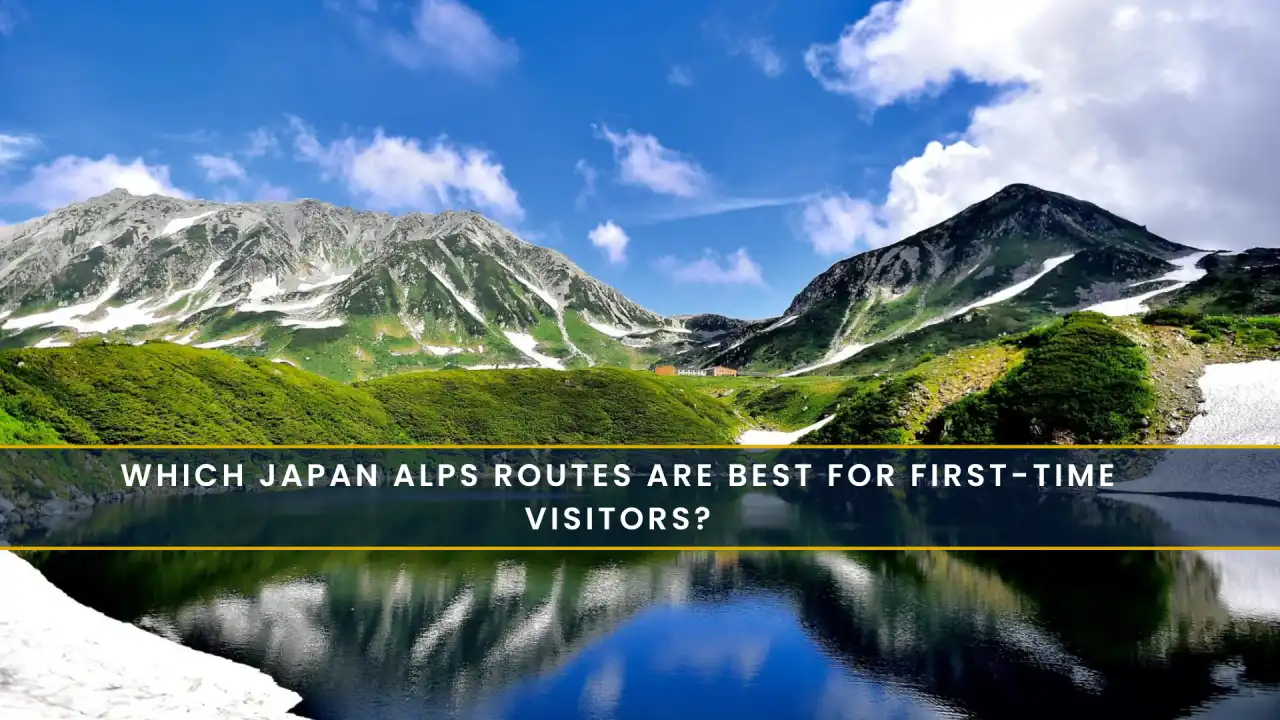
Which Japan Alps Routes Are Best for First-Time Visitors?
Introduction
Mountains don’t ask for attention. They just exist. Quietly. Steady. And somehow, that’s exactly what pulls you in. The Japan Alps feel like that too, less about “look at me” and more about “stay a while.” For first-time visitors, it’s easy to think the goal is reaching viewpoints or famous spots. But honestly? It’s the route that sticks with you. The in-between parts. The unexpected pauses.
If you’re figuring out your first Japan Alps travel route, it can feel like a lot at first. Trains curving through valleys, buses climbing higher than you thought roads could go, trails that make you stop, not because you’re tired, but because something just feels worth noticing. This isn’t one of those guides that tries to make you do everything. It’s simpler than that. Just a few routes that actually make sense for a first trip, nothing overwhelming, nothing forced.
1. The Classic Tateyama Kurobe Alpine Route: A First-Timer’s Favorite
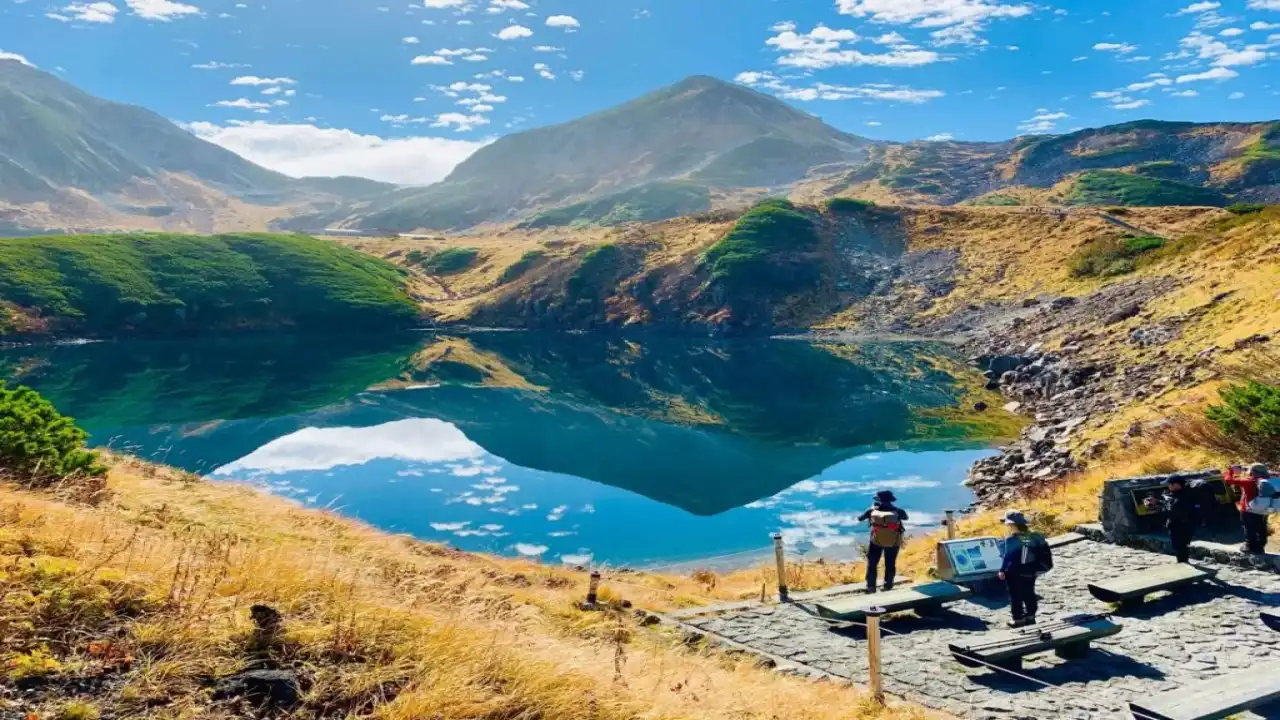
If you ask around, this is probably the route people will mention first, and there’s a reason for that. It’s kind of like an introduction that doesn’t feel like one. The Tateyama Kurobe Alpine Route isn’t just travel. It’s layers. You’re constantly shifting cable cars, ropeways, buses, and even this slightly old-school tunnel trolley that feels oddly fun. It sounds complicated on paper, but when you’re there, it just flows. One minute you’re in a quiet town. Next minute? You’re above everything. Snow walls, if you’re lucky with timing, wide open valleys, lakes that look almost too still to be real. It’s not dramatic in a loud way; it just keeps unfolding.
Why it works for first-time visitors:
- It’s structured, but not rigid
- You don’t need to be “fit” or outdoorsy
- Feels like multiple experiences packed into one day
Pro Tip:
Go early, like, earlier than you think, because the difference between calm and crowded here is just a couple of hours, something you’ll really notice if you’re on a well-planned Domestic Packages.
2. Kamikochi Valley Route: Slow Travel at Its Best
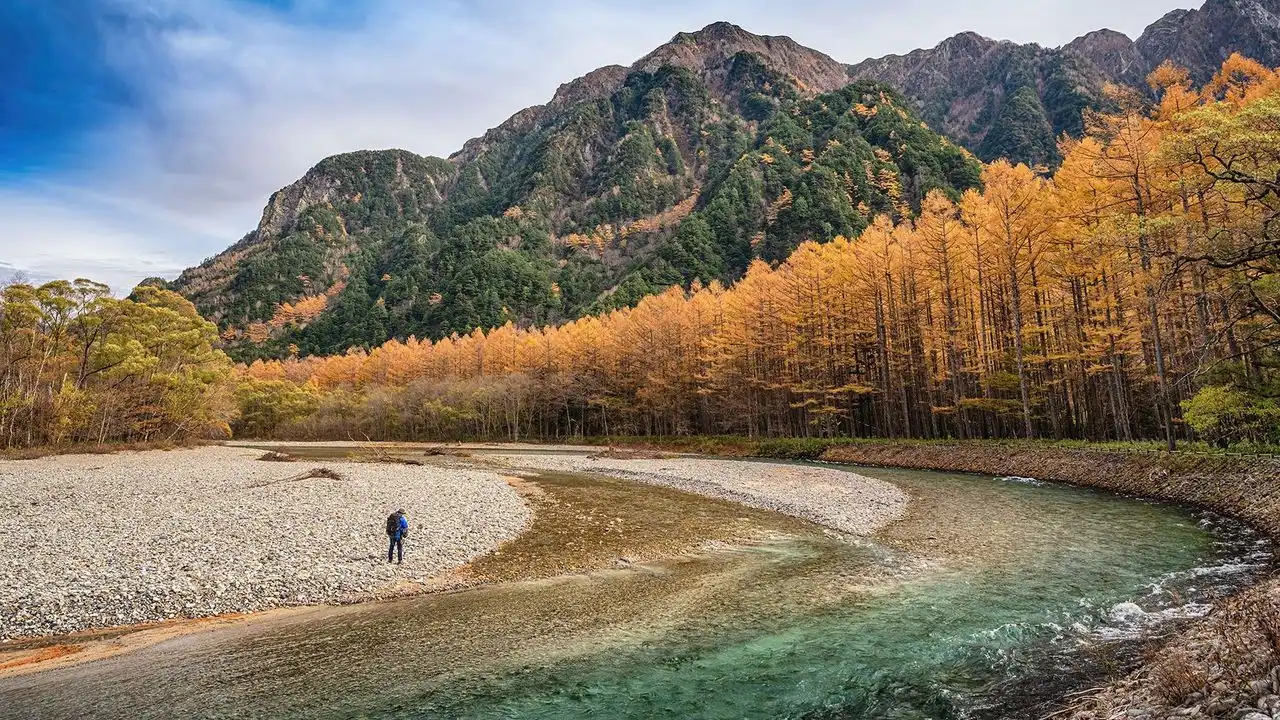
Kamikochi is different. It doesn’t try to impress you. It doesn’t need to. You arrive, and things just slow down automatically. There’s this river clear in that almost unreal way and mountains sitting quietly around it like they’ve been there forever (which, obviously, they have). You don’t really “plan” Kamikochi. You just walk. Stop. Walk again. Maybe sit somewhere longer than you intended. Cross a wooden bridge and suddenly decide not to rush anywhere. And that’s kind of the whole point.
What makes it special:
- Trails are easy, almost flat
- Views come without effort
- This calm’s hard to explain but easy to feel
It’s not about doing more here. If anything, doing less works better.
3. Takayama to Shirakawa-go Route: Culture Meets Landscape
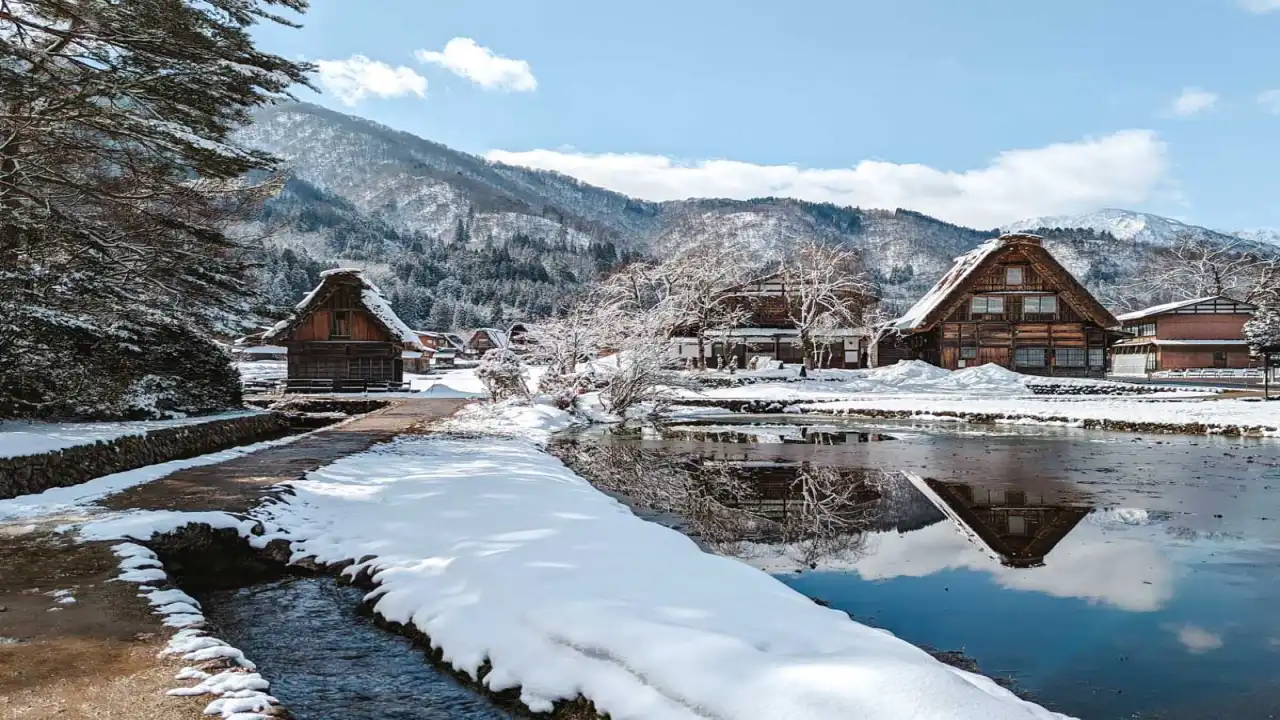
Some routes give you views. This one gives you a bit of a story. Takayama feels like a place that hasn’t rushed to keep up with the rest of the world. Streets lined with wooden houses, small shops, that quiet kind of energy where nothing feels urgent. Then you move on to Shirakawa-go, and suddenly it feels almost unreal, but not in a fake way. More like stepping into something that’s been preserved without trying too hard. Those steep thatched roofs? They’re not just for photos. People actually live there. It’s simple, but it stays with you.
Why first-time visitors like it:
- Easy to navigate (mostly buses, no stress)
- A mix of nature and culture without feeling forced
- Gives you a glimpse of a slower Japan
You don’t need a strict plan here either. Just wander a bit. That usually works.
4. Kurobe Gorge Railway: A Ride You’ll Remember
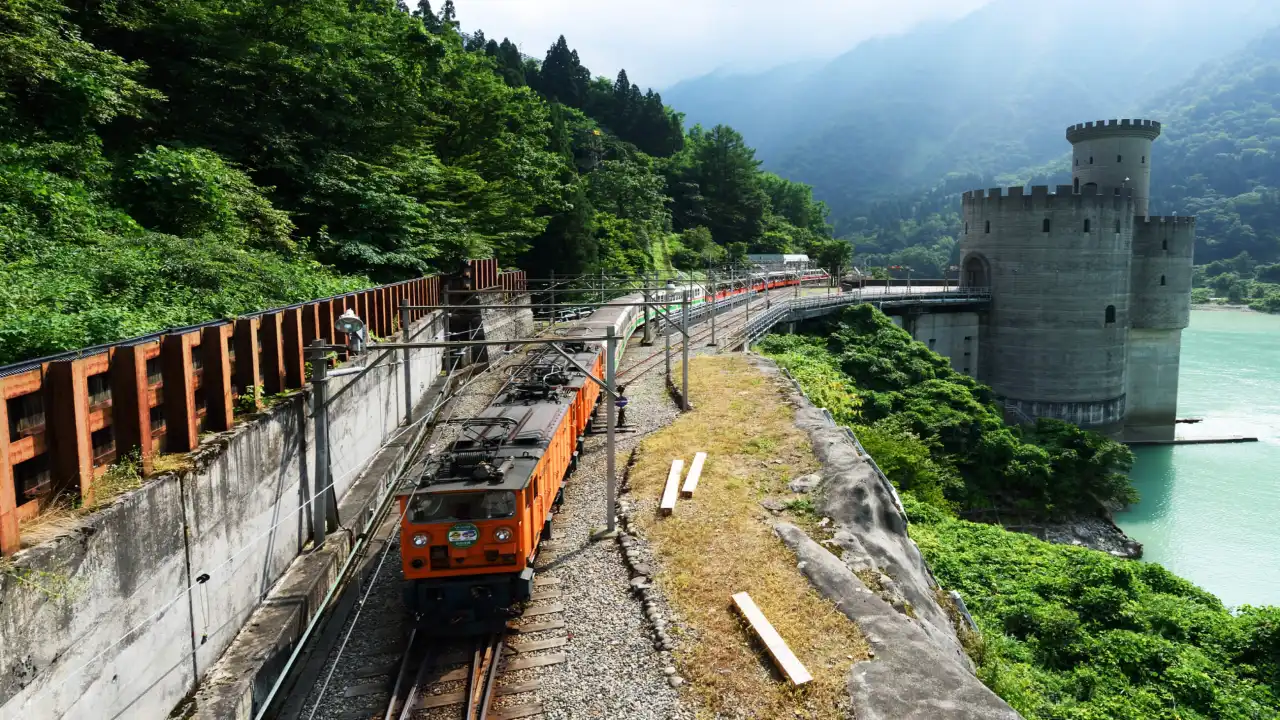
This one’s less about where you’re going and more about how you get there. The Kurobe Gorge Railway moves slowly. And honestly, that’s what makes it good. You’re not rushing past anything; you're actually seeing it. Open-air carriages, wind hitting your face, the sound of the train echoing a little through the mountains. You pass bridges that look almost too narrow, rivers cutting through deep below, and tunnels that briefly swallow the light. It’s simple. No distractions. Just the ride.
What stands out:
- Feels different from typical train journeys
- Great if you like photography (or just staring out the window)
- No physical effort needed
Pro Tip:
It gets chilly. Even when it shouldn’t. Carry something light, you’ll thank yourself later.
5. Norikura Highlands Route: A Quiet Alternative
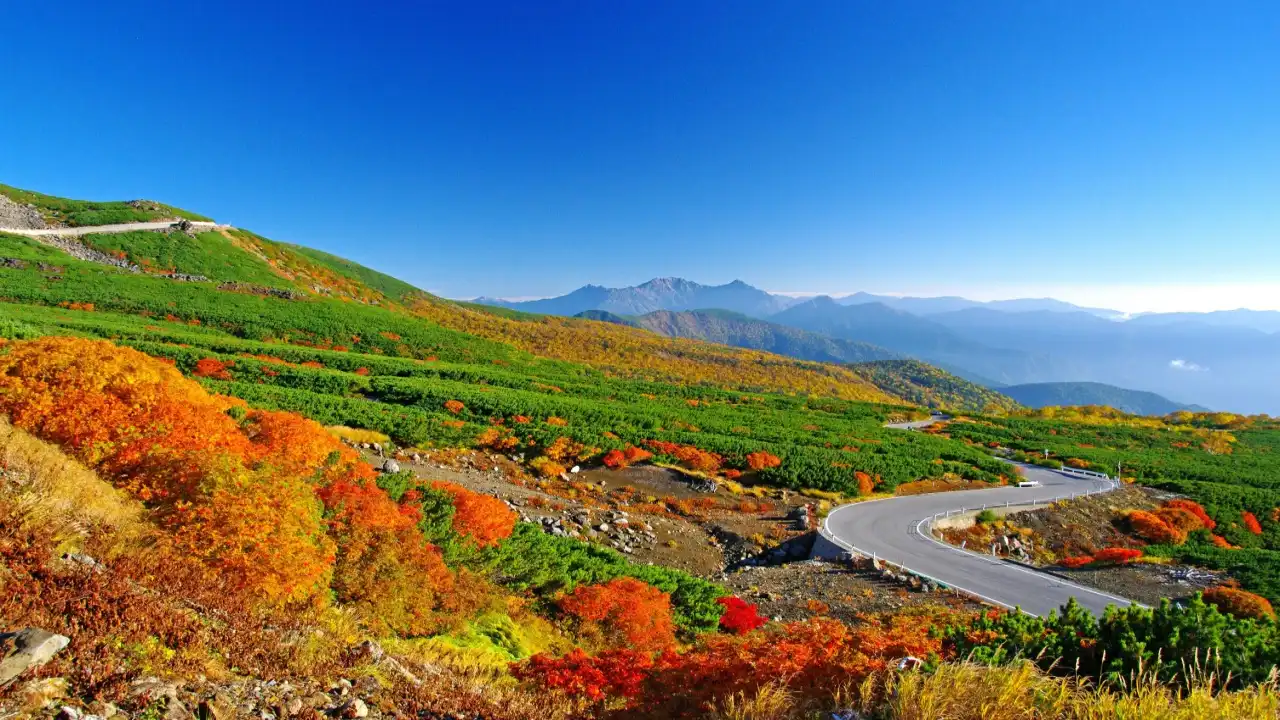
Not everyone wants the “main” routes. If you’re one of those people, Norikura might quietly become your favorite. It doesn’t have the same buzz. Fewer people. Less noise. But the views? Still there. Wide, open, kind of peaceful in a way that feels more personal. You can cycle if you want. Or not. Take a bus, walk a bit, sit somewhere random. There’s no pressure to do anything specific.
Why consider it:
- Way less crowded
- You control the pace completely
- Still offers those big mountain views
It feels less like a destination and more like something you stumbled upon.
Planning Your First Japan Alps Itinerary
Here’s where most people go wrong: they try to fit everything in. When building your Japan Alps itinerary, it’s tempting to add “just one more stop.” But the Alps don’t really work like that. Even simple routes take time, and rushing them kind of ruins the point. Think of it less like a checklist. You don’t need every detail. Just enough to make it feel complete.
A simple approach:
- Stick to 2–3 routes
- Leave gaps in your schedule (you’ll need them)
- Stay at least one night in a mountain area
Pro Tip:
The weather changes fast. Like, really fast. Keep one flexible day if you can.
What Makes Scenic Routes in Japan So Memorable
People talk a lot about the scenic routes Japan offers, and it’s not just hype. It’s the small moments. Not the big viewpoints. The in-between things. A train turns slightly, and suddenly there’s a valley you didn’t expect. A quiet station where no one gets off, but you almost wish you did. Light changes for a few minutes, making everything look different. You can’t really plan these moments. But the right routes make them more likely.
Making Your Trip Easier
If all the planning routes, transfers, and stays start to feel like too much, choosing a Japan trip package can take that weight off. You still get the experience, just without constantly checking maps or schedules.
Conclusion
You don’t need to see everything on your first visit. Honestly, you shouldn’t try. Pick a couple of routes that actually interest you. Take your time. Let things happen a bit naturally. Because in the end, it’s not about how many places you covered. It’s about what stayed with you after. And the Japan Alps? They have a quiet way of staying.
Practical Tips for First-Time Visitors
Getting Around
- Public transport is reliable (almost too reliable, honestly)
- Combo tickets help simplify things
- Luggage forwarding is a game-changer if you’re moving a lot
Best Time to Visit
- Spring: Snow walls, fresh air
- Summer: Green landscapes, easier trails
- Autumn: Colors that don’t look real
What to Pack
- Comfortable shoes (this matters more than you think)
- Layers weather shifts quickly
- A small bag for day travel