Which Japanese Festivals Feel Most Local and Real?
Introduction
Most people land in Japan with a rough plan already sitting in their head. Temples, bright streets in Tokyo, maybe sushi at a place they saw online. And, all of that is great. It’s popular for a reason. But somewhere in between all that, there’s a quieter version of Japan. You don’t really notice it at first. It’s not trying to get your attention. It just sort of exists in the background, doing its thing like it always has.
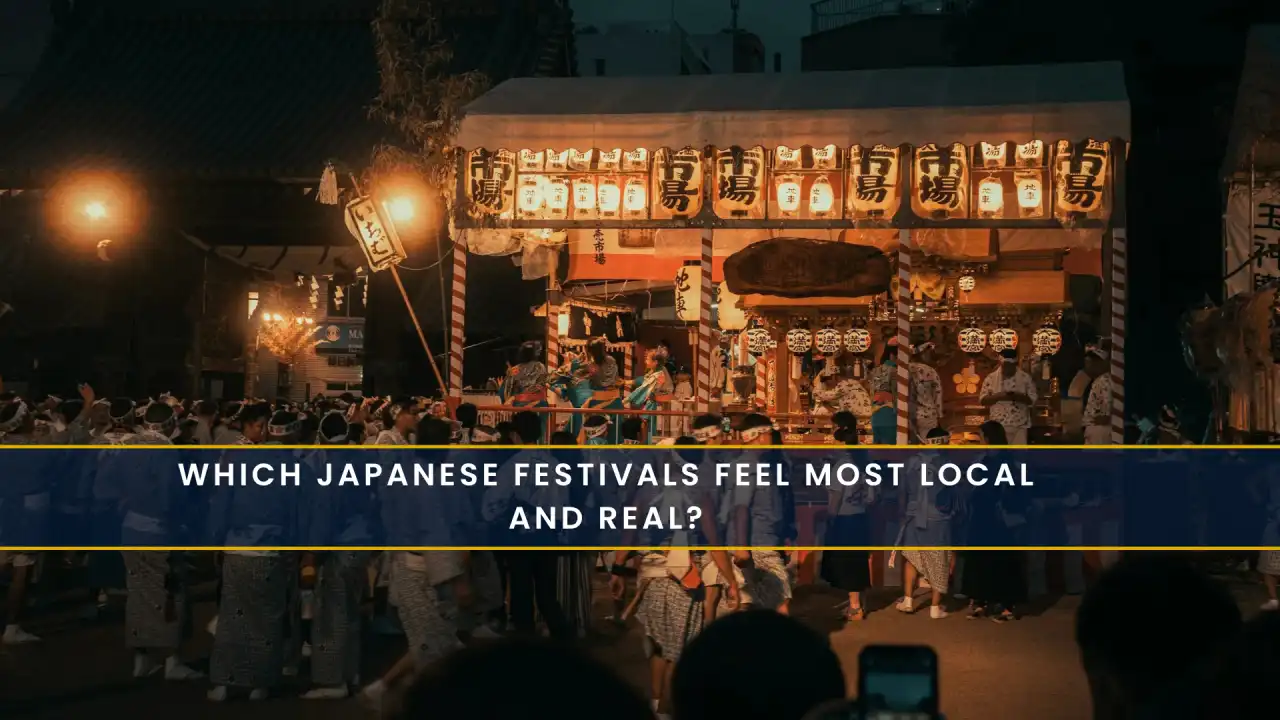
That’s where traditional festivals in Japan come in. Not the big, polished ones that feel almost staged sometimes, but the smaller, more grounded ones. The kind that feel like they belong to the people who live there, not to visitors passing through. You’ll see kids running around in slightly oversized yukatas, probably eating something messy. Older locals just sit and watch, not in a hurry. Food stalls that don’t feel like attractions, more like routines. And the strange part is, you don’t feel like an outsider for long. You just blend in a little. Not fully, obviously. But enough.
What Makes a Festival Feel “Local” in Japan?
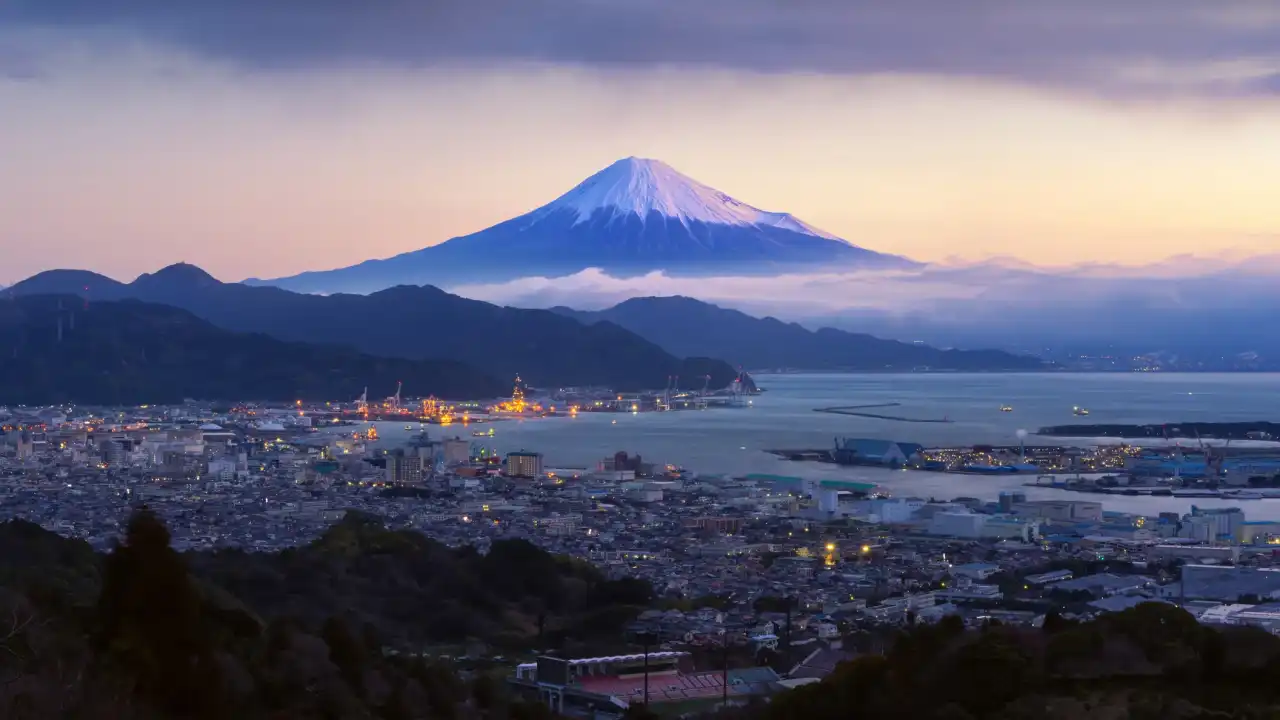
It’s not always obvious. Some festivals are huge, famous, and visually stunning. But that doesn’t always mean they feel real in that everyday sense.
The ones that do usually share a few small things:
- They’re tied to a specific shrine or neighborhood, not just a city name
- You see more locals participating than tourists watching
- Traditions don’t feel explained; they just happen
- There’s no rush; things unfold at their own pace
It’s less like attending an event and more like stepping into something that was already happening before you arrived.
1. Awa Odori Festival: Where You Stop Watching and Start Moving
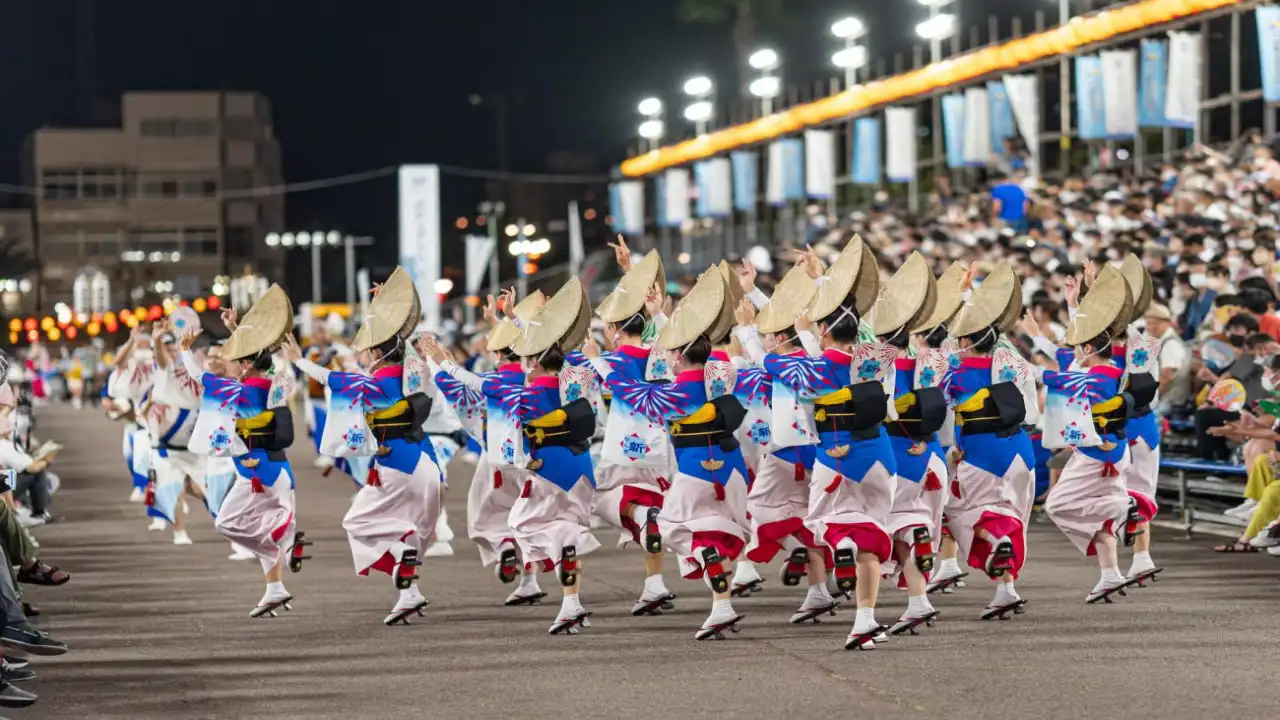
In Tokushima, this festival doesn’t wait for you to understand it. It just begins, and you kind of figure it out as you go. At first, you stand there like everyone else watching lines of dancers moving in rhythm, the same steps repeating again and again. It almost feels too simple. But then it gets into your head a bit. The clapping, the chanting, it sticks. And then, without realizing it, people around you start copying the moves. Laughing a little. Someone pulls a friend in. It’s messy, not perfect at all. There’s this old line people say: “The dancers are fools, the watchers are fools—so why not dance?” Sounds odd, but in that moment, it actually makes sense.
Pro Tip:
- Skip the main viewing spots if you can. Wander into side streets. It feels less like a performance and more like… something alive.
2. Takayama Matsuri: Quiet Details That Stay With You
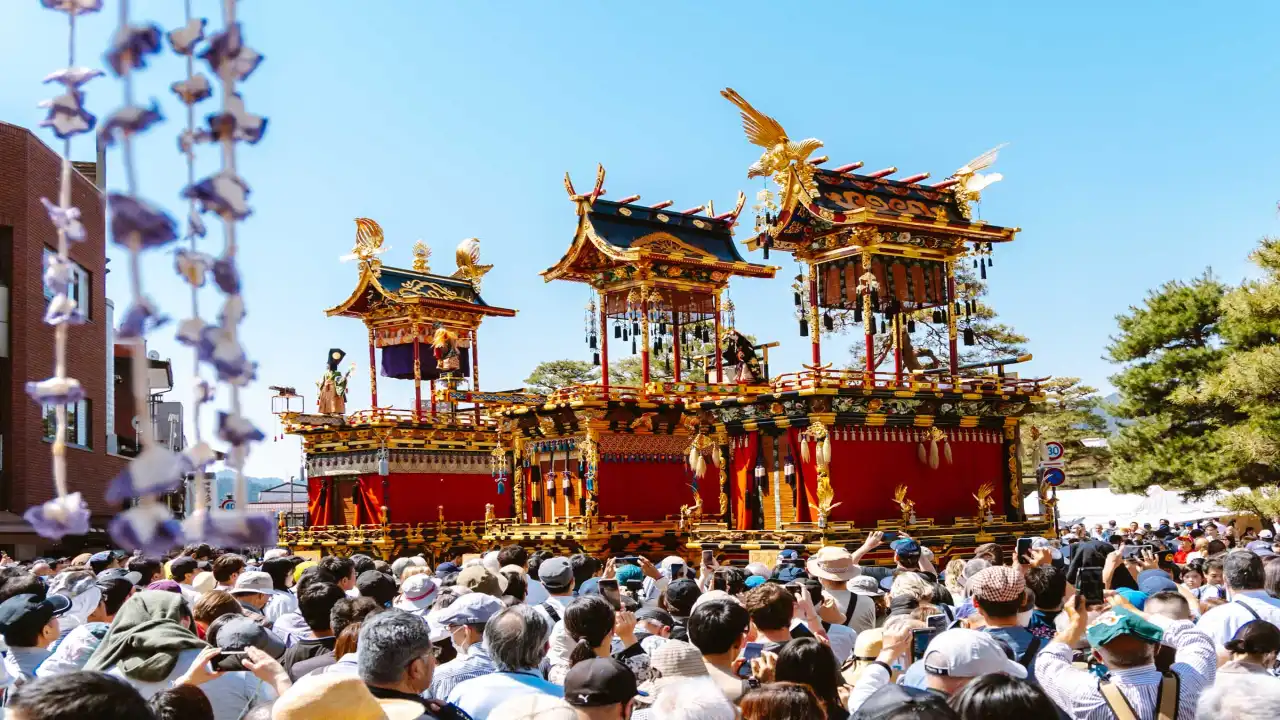
Takayama is one of those places that already feels slower than the rest of Japan. And the festival there follows that same pace. The floats are the main thing people talk about, and yes, they’re incredibly detailed. Almost too detailed, honestly. You start noticing small carvings, patterns, things you wouldn’t expect anyone to spend time on anymore. But what stands out more is the mood. People aren’t rushing to take photos every second. Conversations just pause as the floats pass by. Then resume. It feels respectful without anyone saying anything about respect.
Pro Tip:
- Go early. Like, earlier than you think you should. Watching locals prepare the floats in the morning has a completely different energy, quieter, more real.
3. Owara Kaze no Bon: The Festival That Almost Whispers
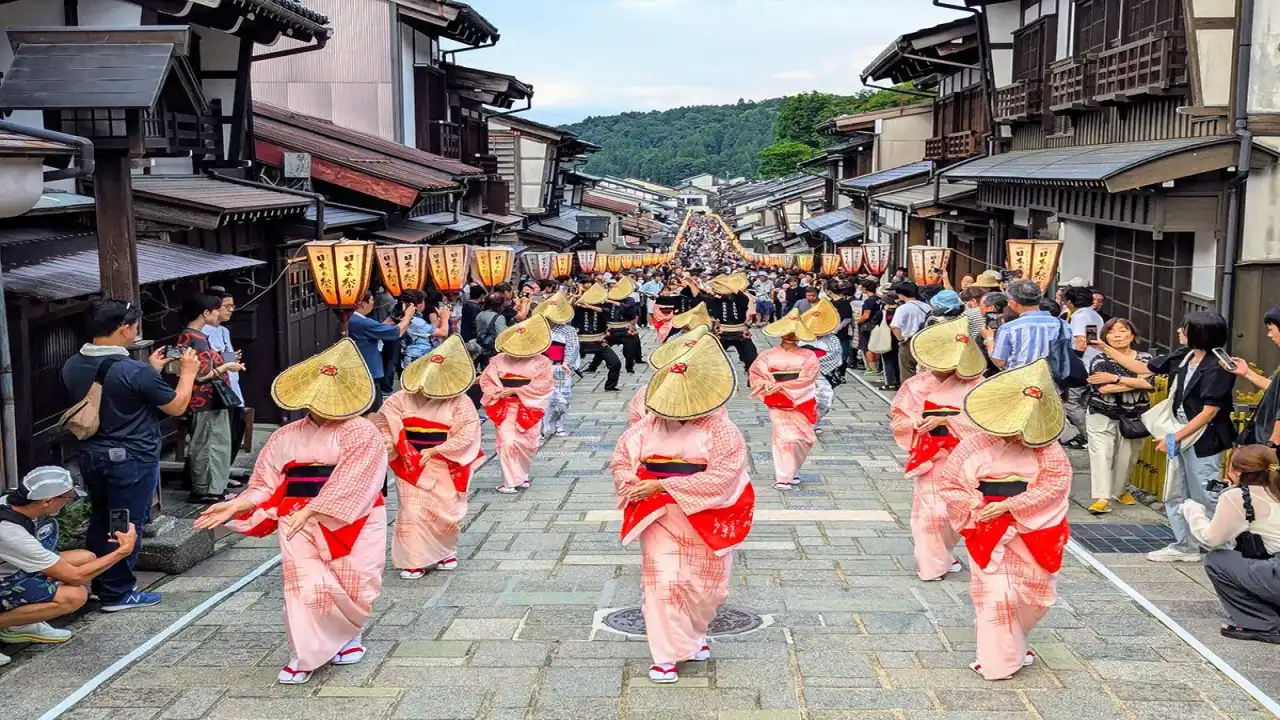
This one’s a bit harder to describe. In Yatsuo, the streets are dimly lit, mostly by lanterns. Dancers move slowly, faces partly hidden under hats. No big announcements, no loud build-up. At one point, you might even wonder if you’re missing something. But then you stop expecting something dramatic and that’s when it clicks. The music is soft. The movement is slow. It’s almost like the festival isn’t trying to reach you; you have to step closer to it. And weirdly, that makes it more memorable.
Pro Tip:
- Don’t plan every step here. Just walk. Take random turns. The smaller, quieter corners usually feel the most special.
4. Kishiwada Danjiri Festival: Loud, Fast, and a Little Unpredictable
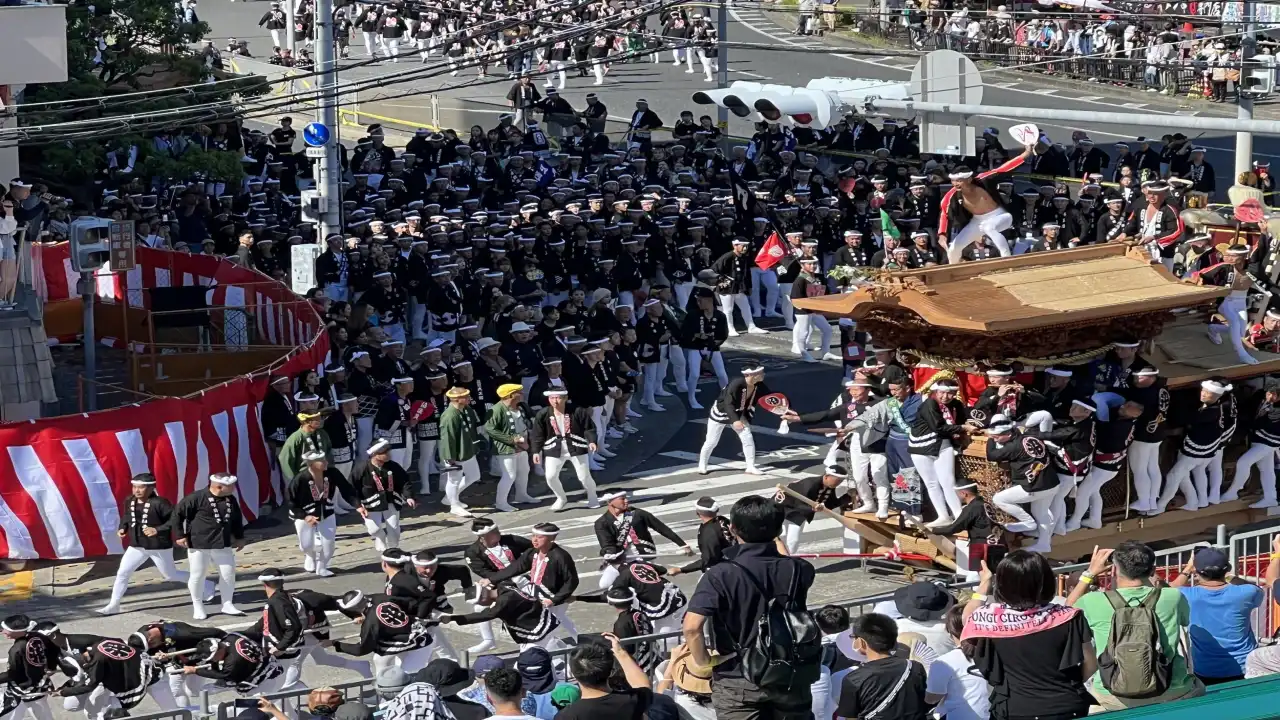
Then there’s the complete opposite. In Kishiwada, things get loud. Really loud. Huge wooden floats being pulled at speed through narrow streets, it feels slightly chaotic, if you’re being honest. And no, it’s not “controlled chaos” in a neat way. It’s raw. Corners get tight. People shout. The ground literally shakes a bit when the floats pass. But that’s exactly why it feels real. Nothing has been softened or adjusted for visitors. You’re not watching something designed for you. You’re just there while it happens.
Pro Tip:
- Keep a bit of distance near turns. That’s where things get intense. It’s exciting, but also, just be careful.
5. Hanagasa Festival: Repetition That Somehow Works
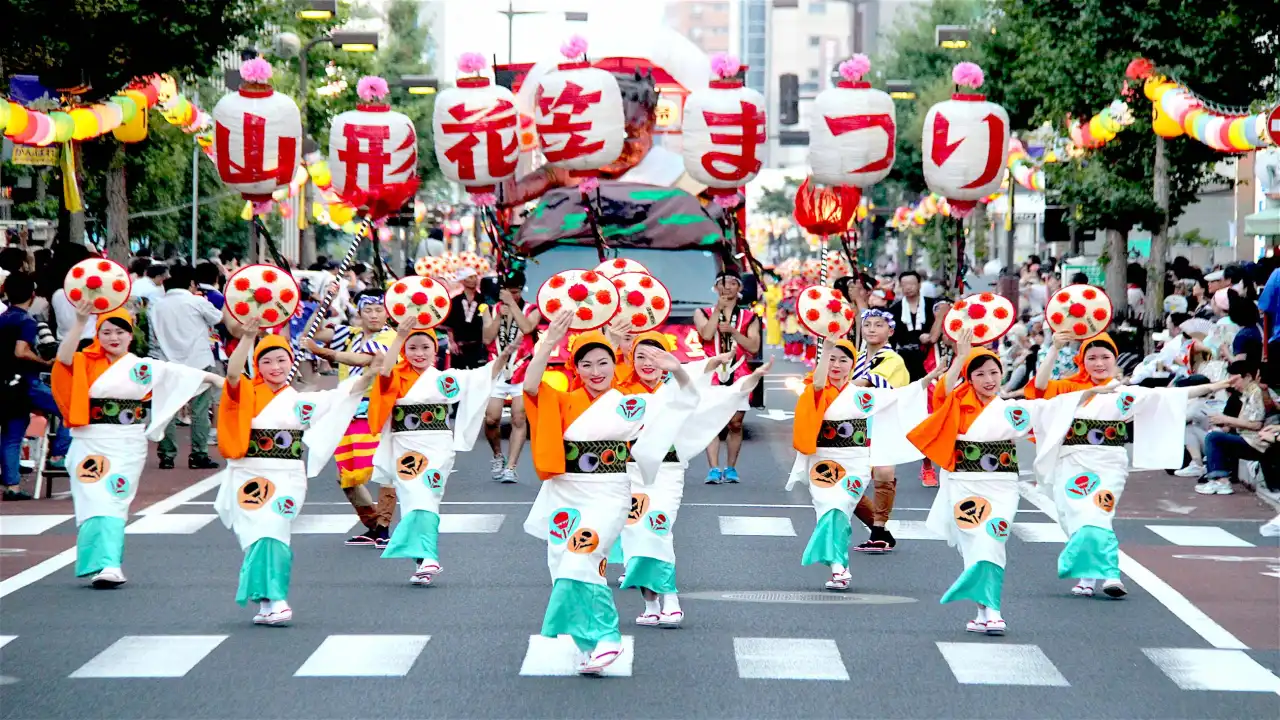
In Yamagata, this festival feels simpler at first glance. Lines of dancers. Flower hats. The same chant, over and over. And you might think, “Okay, I get it” within the first few minutes. But then something shifts. The repetition starts to feel calming, almost like a rhythm you fall into without trying. This is where local Japanese festivals start to make sense differently. They’re not trying to impress you with variety. They’re built on doing one thing, really well, again and again.
Pro Tip:
- If there’s a chance to join in, take it. It’s one of the easiest festivals to participate in, and honestly, way more fun than just watching.
6. Nagasaki Kunchi: Layers You Don’t Expect
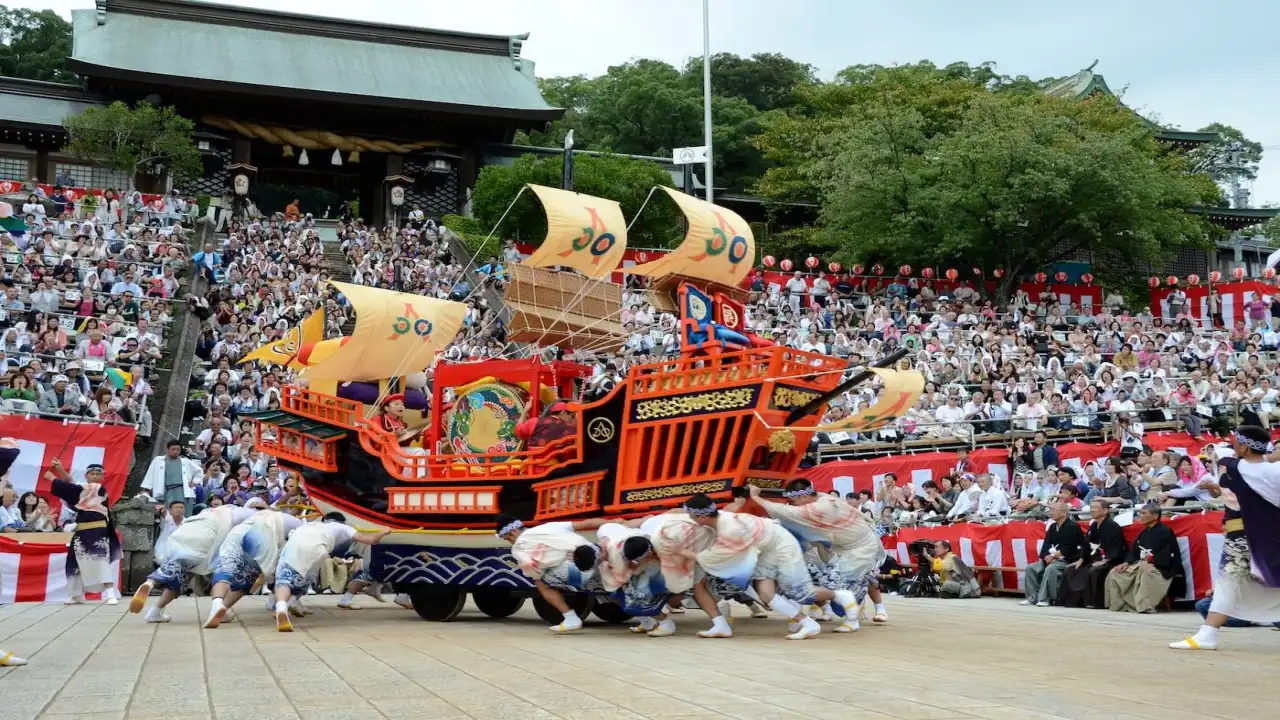
Nagasaki has always had a slightly different history compared to the rest of Japan, and this festival reflects that. You’ll notice influences that don’t feel typically “Japanese” at first, Chinese elements, even hints of European style in some performances. But it’s not mixed in a showy way. It feels natural, like it’s always been part of the story. This is where Japanese cultural festivals get interesting. They’re not always pure or isolated; they evolve, quietly, over time.
Pro Tip:
- If you like structure, book a seat. But if you want a more immersive feel, standing areas give you that slightly unpredictable, real experience.
Why These Festivals Stay With You
Here’s the thing: you probably won’t get perfect photos at these festivals. Lighting’s not ideal. Streets are crowded. Something always blocks your view at the wrong moment. But later, that’s not what you remember anyway.
You remember small things. Like:
- The sound of footsteps hitting the ground in sync
- A random food stall smell that stays longer than expected
- That moment where you didn’t fully understand what was happening, but still felt part of it
And that’s the difference. These festivals aren’t trying to impress you. They just exist. And somehow, that’s enough.
How to Experience Them the Right Way
If you want these festivals to actually feel real, not just something you checked off, there are a few small things that help:
- Arrive early or stay late – the in-between moments are quieter and more honest
- Move away from main spots – side streets are where things feel less staged
- Watch first, join later – it helps you understand the flow
- Be respectful – this isn’t built for tourism, even if you’re welcome there
A Small Note on Planning Your Trip
If you’re planning your trip around these kinds of experiences, it’s worth thinking beyond the usual cities. Sometimes a well-planned Japan trip package includes smaller towns or seasonal stops that are easy to miss on your own, and those are often the places where experiences like this happen.
Conclusion
In the end, it’s not about the dances, or the floats, or even the traditions themselves. It’s about repetition. Continuity. People show up year after year and do the same thing, not because it attracts attention, but because it matters to them. And if you happen to be there at the right time, you don’t feel like you’re watching something staged, you feel like you caught a glimpse of something real, the kind of moment that often becomes the highlight of thoughtfully planned International Packages.