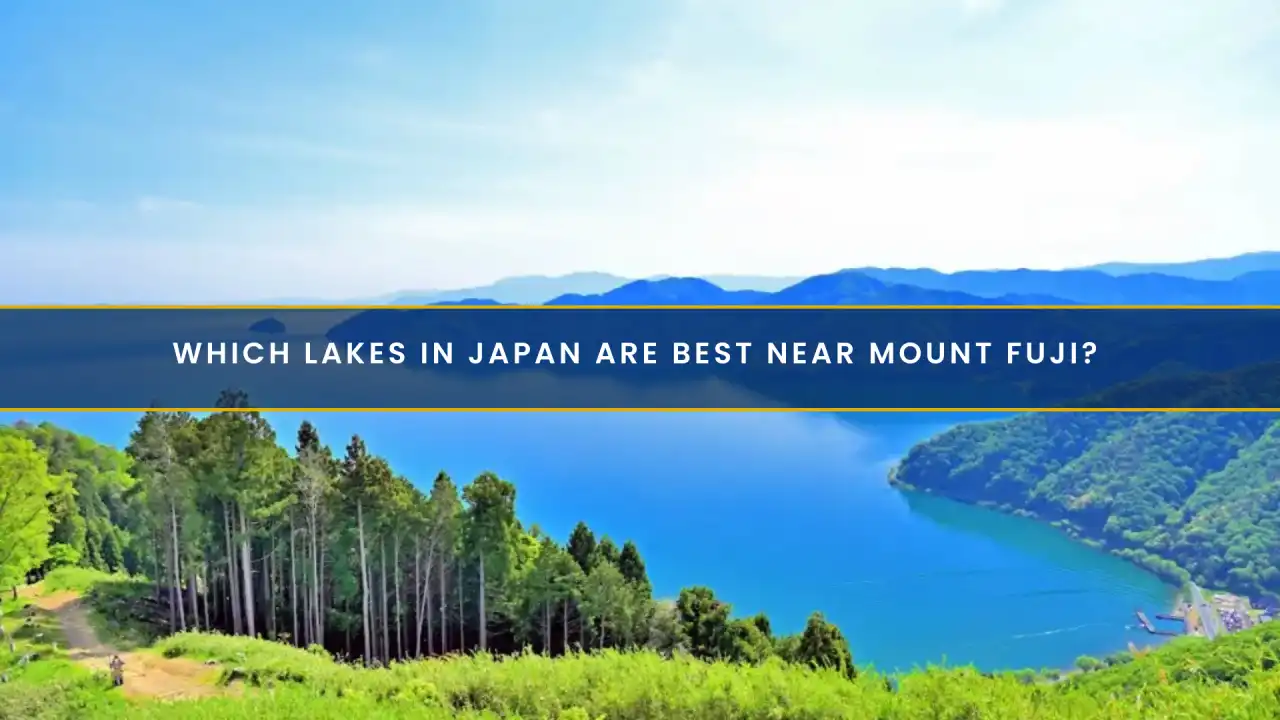
Which Lakes in Japan Are Best Near Mount Fuji?
Introduction
When people picture Japan, they almost always think of Mount Fuji, that too-perfect cone, snow on top, looking almost unreal. But the mountain alone isn’t the full experience. The real feeling shows up around the lakes near Mount Fuji, where things quiet down and time feels softer. You sit longer than planned, notice water on the shore, wind in the trees, and forget about your phone. If you’re planning a Japan trip package, family holiday, or honeymoon tour, choosing the right lakes changes everything.
Understanding the Mount Fuji Lakes Region
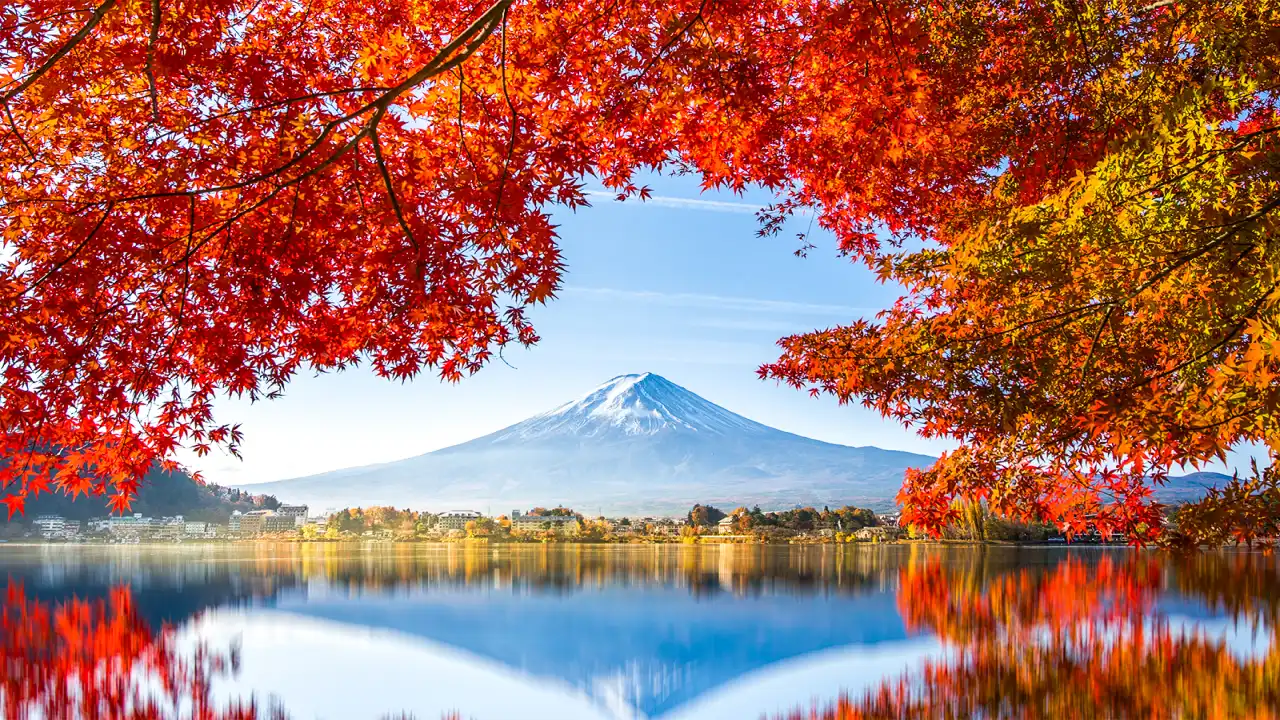
Before diving into individual lakes, it helps to pull back for a second. These lakes weren’t placed here to look pretty for photos. They took their time forming eruptions, lava pushing through, ice melting, things shifting slowly while nobody was watching. Thousands of years of trial and error. You can feel that history. The area feels steady. Calm. Like it doesn’t need to impress you.
Together, people usually call them the Mount Fuji lakes, mostly spread along the northern side of the mountain. And honestly, each one feels different. Some are lively, with chatter and movement. Others feel strangely untouched, like they slipped through the cracks on purpose. Drive twenty minutes in another direction and the whole mood changes. If you keep hearing one name again and again, they’re probably talking about the Fuji Five Lakes
The Fuji Five Lakes (And What They Actually Feel Like)
The Fuji Five Lakes are Kawaguchi, Yamanaka, Saiko, Shoji, and Motosu are close together, but they don’t feel the same at all. Liking one doesn’t mean you’ll like all of them. That’s normal.
Here’s what each one is really like, beyond the photos.
1. Lake Kawaguchi (Kawaguchiko)
Best for: Easy access, classic Fuji views, things to do without planning
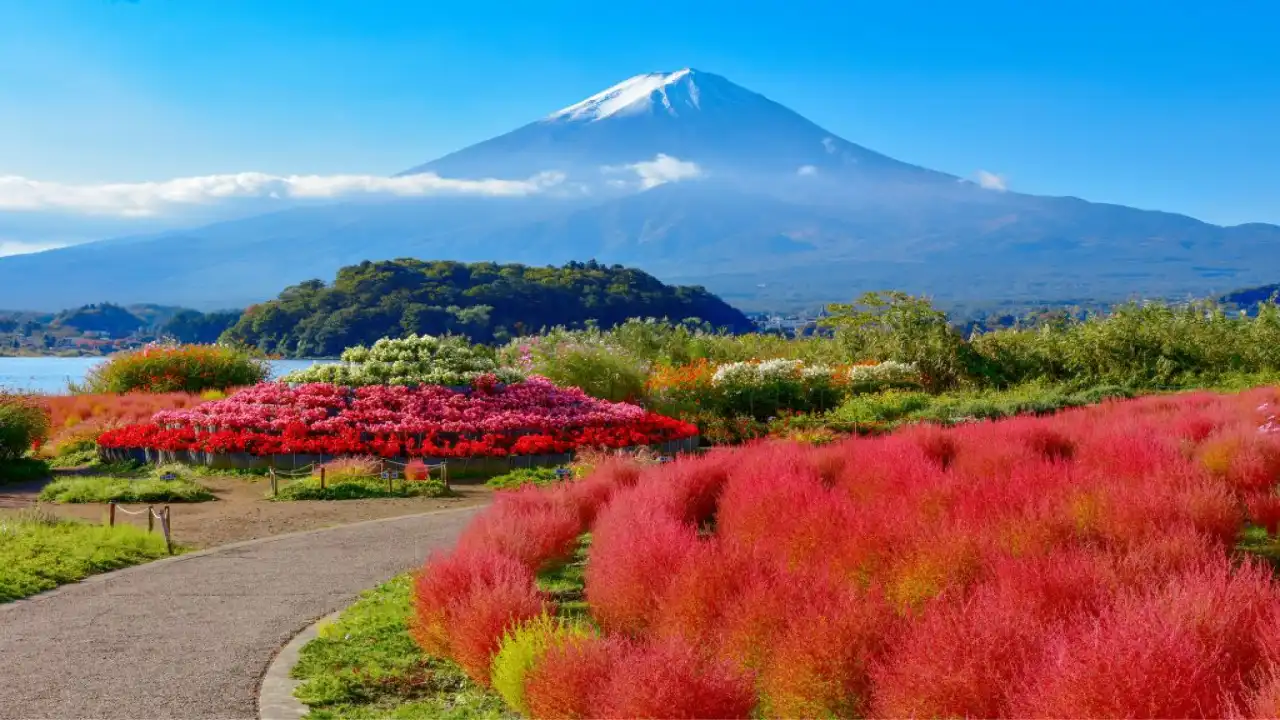
This is the most famous lake. Also, the busiest. Both things can be true. It’s easy to reach from Tokyo, which makes it popular for day trips. Buses arrive. Buses leave. Crowds move in waves. But if you’re there early, really early, it’s honestly beautiful in a quiet, almost fragile way.
Why people keep coming back:
- Accessibility: You don’t need a car or advanced planning.
- Things to do: Boat rides, cafés, cycling paths, and small museums.
- Views: When the lake is calm, Fuji reflects so cleanly it doesn’t look real.
Traveler tip: Stay near the water if you can. Waking up before the tour buses arrive changes everything.
2. Lake Yamanaka (Yamanakako)
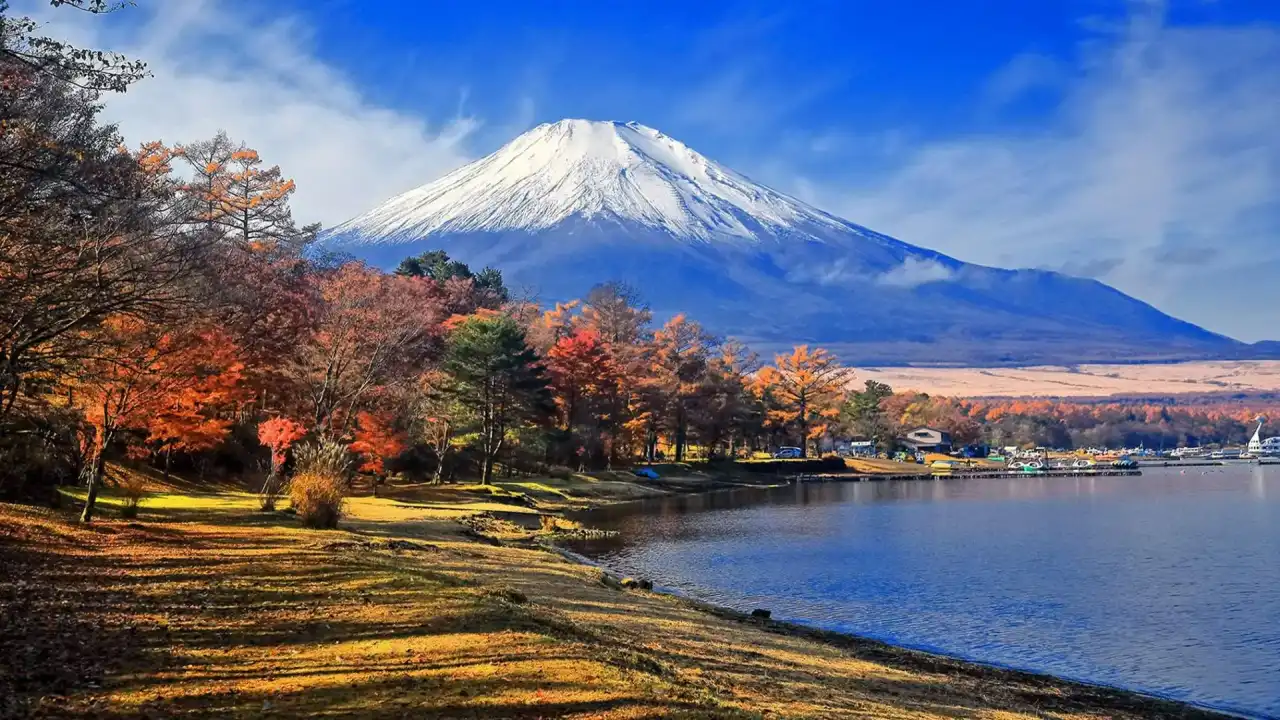
Best for: Space, movement, families
Lake Yamanaka feels wide. Open. You notice it immediately. It’s the largest of the five, and that extra space gives it a lighter energy. More sky. More breeze. Less pressure to sit still.
What stands out here:
- Water activities: Paddleboarding, fishing, sailing.
- Walking paths: Flat, long, easy.
- Atmosphere: Calm, especially in the morning.
Traveler tip: Early mornings are magic. The water goes still and photographers quietly lose their composure.
3. Lake Saiko
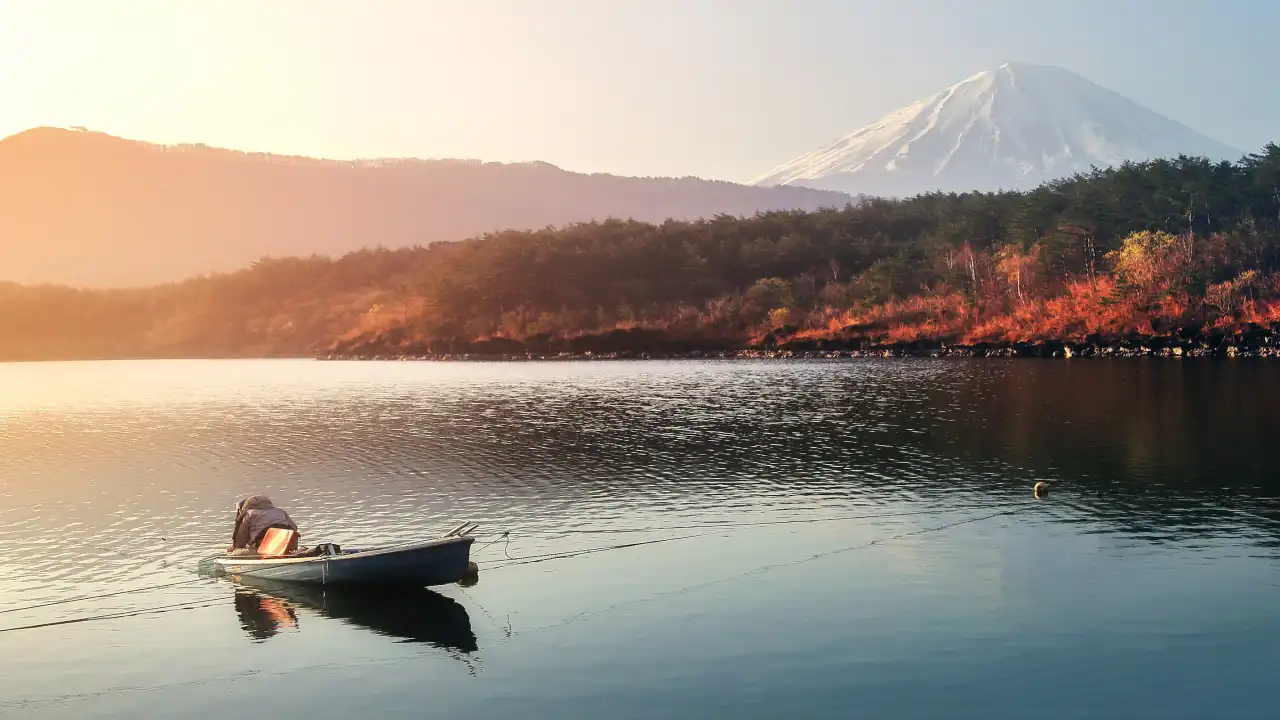
Best for: Forests, camping, getting away from it all
Lake Saiko doesn’t announce itself. It kind of hides behind trees. This one feels more natural than curated. Fewer shops. More forest. The air smells different here, cooler, damp, quiet.
Why people love it:
- Forest trails: Soft ground, tall trees, real shade.
- Camping: One of the best spots for unplugging.
- Bat Cave: Small, quirky, unexpectedly interesting.
Traveler tip: Wear good shoes. This is a walking lake, not a rushing one.
4. Lake Shoji (Shojiko)
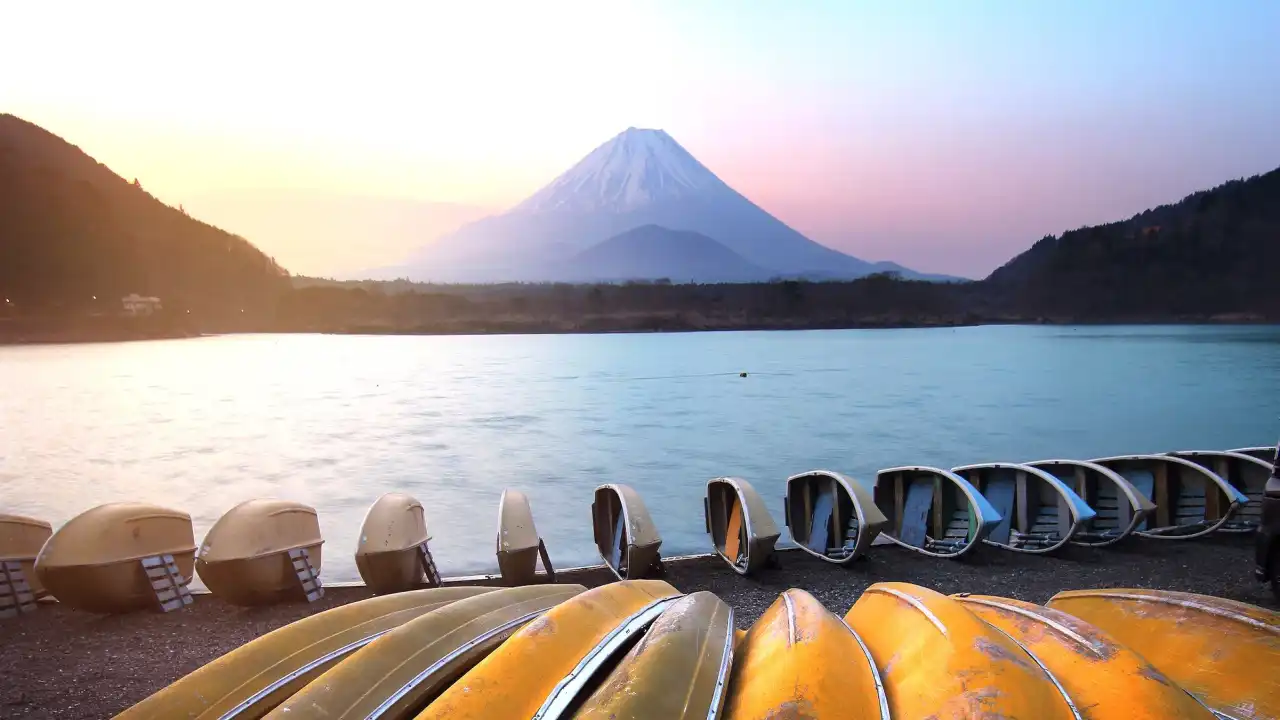
Best for: Silence, reflections, low-key stays
Shojiko is the lake most people skip, which is exactly why it’s special. It’s small. Quiet. The water often sits perfectly still, especially in the late afternoon. No big attractions. No loud groups. Just space to think.
What makes it underrated:
- Reflections: Fuji looks unreal when the light is right.
- Local vibe: Small cafés, simple food stalls.
- Sunsets: Softer, slower, fewer interruptions.
Traveler tip: Go late afternoon and stay until evening. The stillness builds.
5. Lake Motosu
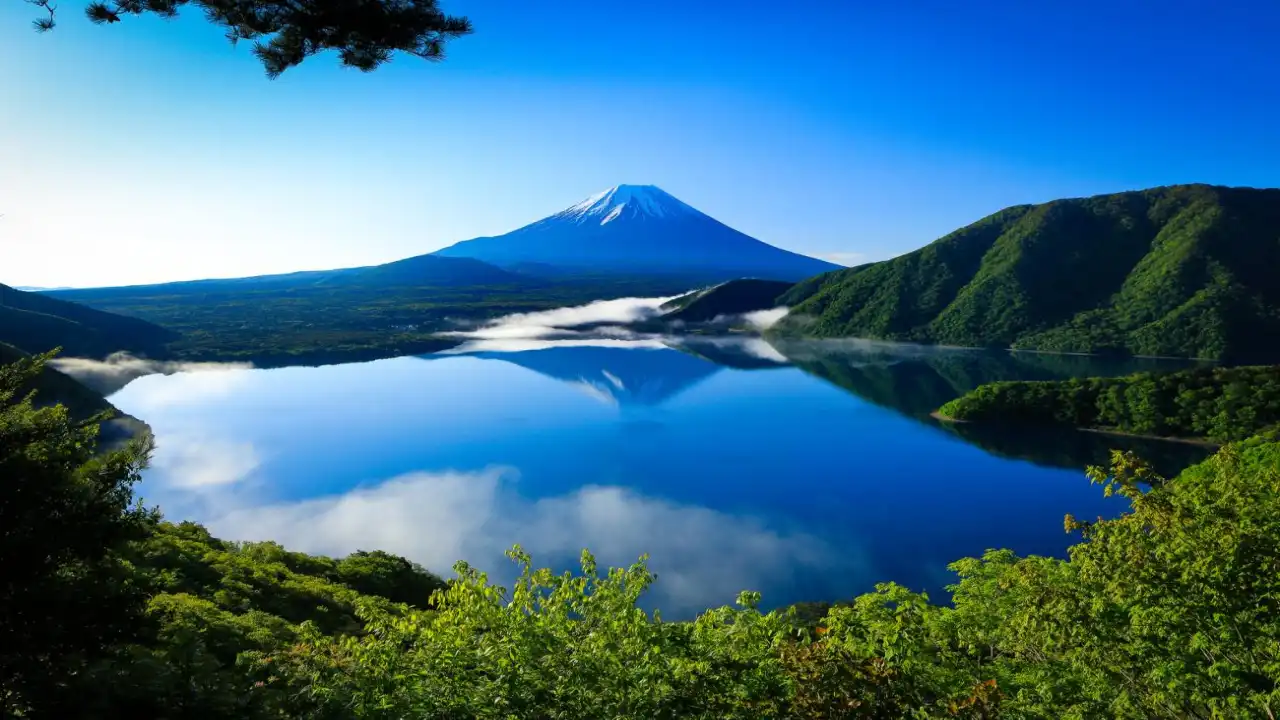
Best for: Solitude, drama, iconic views
Lake Motosu feels serious. Deeper. Darker. Less forgiving. This is the lake printed on Japan’s 1,000-yen note. And when you see it in person, it makes sense. The reflection is clean, sharp, and almost cinematic.
Why it stays with people:
- Famous view: That perfect Fuji reflection.
- Few crowds: Ideal for solo wanderers.
- Stillness: The kind that makes you stop talking.
Traveler tip: Sit longer than you planned. This lake rewards patience.
Local Food You Should Try
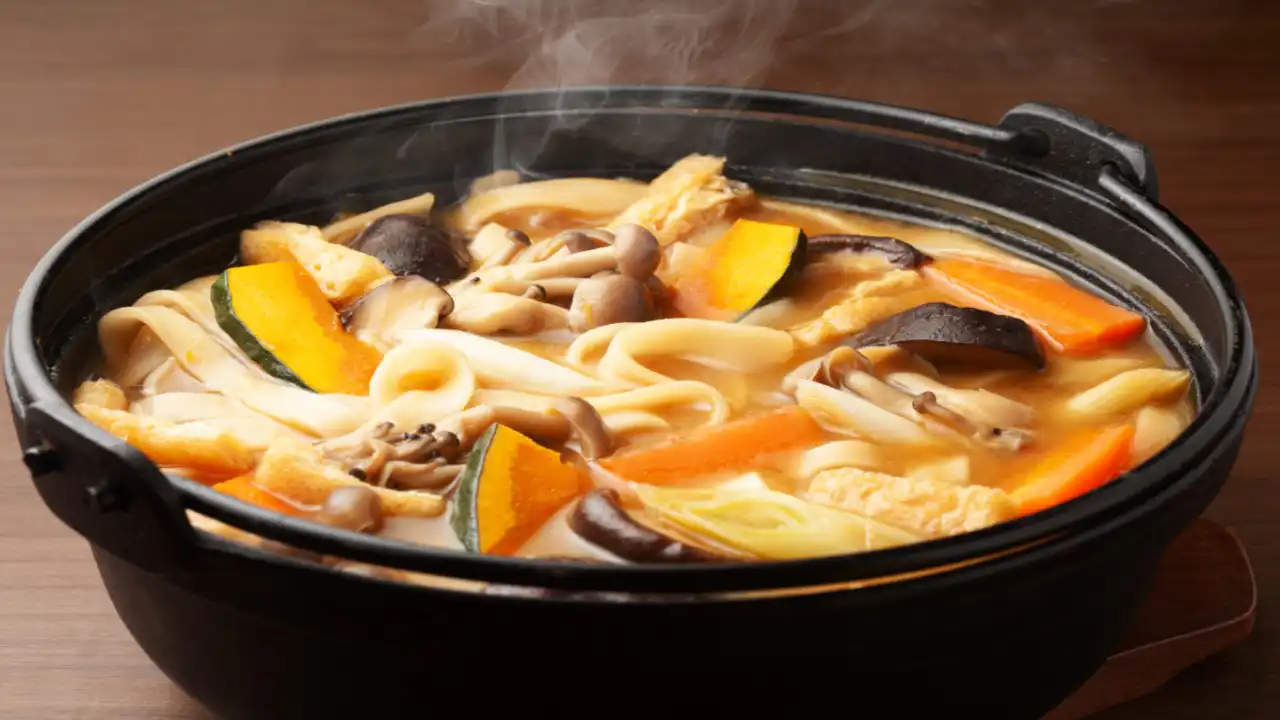
- Hoto noodles: Thick, warm, comforting
- Fresh fish: Simple and seasonal
- Cafés and desserts: Perfect for slow afternoons
Food tastes better when you’re not rushing
Things to Do Around the Lakes
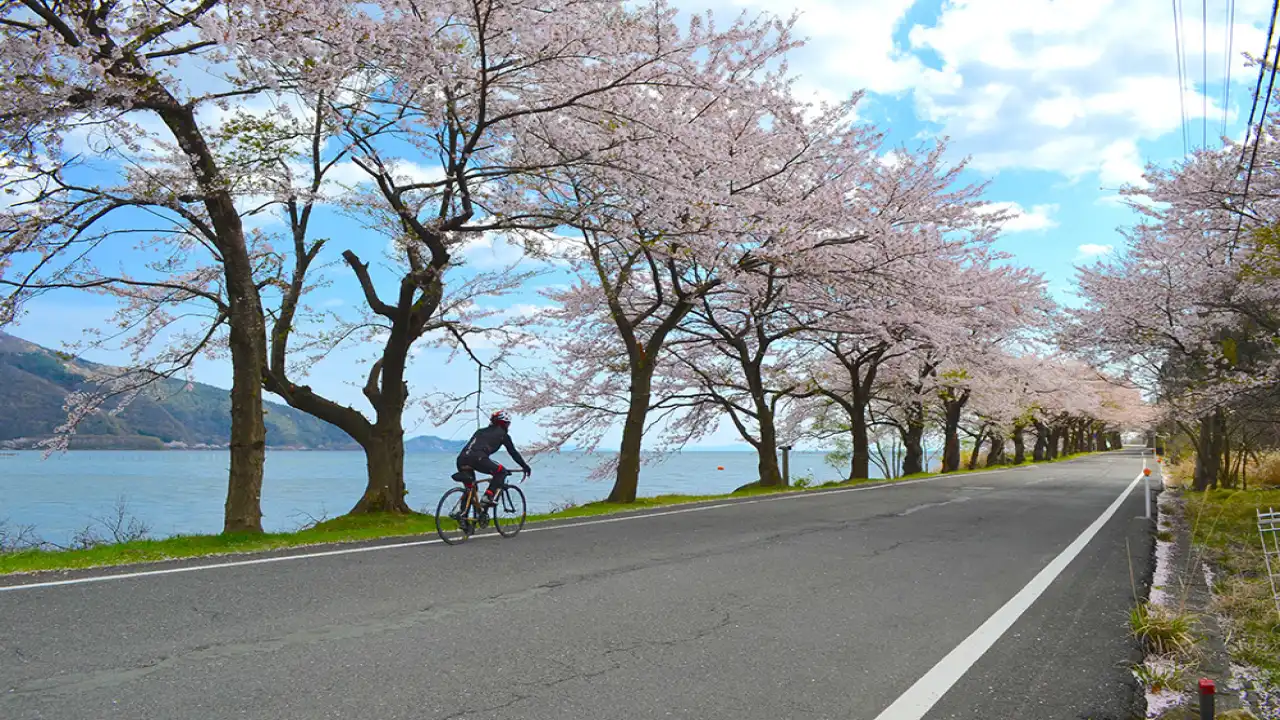
- Boating, cycling, hiking
- Small shrines and local markets
- Onsen baths and lakeside picnics
Sometimes doing nothing ends up being the highlight.
Choosing the Right Lake for You
If decision fatigue is creeping in, here’s the simple version:
- Kawaguchi: Easy, iconic, lively
- Yamanaka: Open space, water activities
- Saiko: Forests and camping
- Shoji: Quiet and reflective
- Motosu: Solitude and drama
You don’t need to see all five. Pick what matches how you actually travel.
Best Times to Visit the Mount Fuji Lakes
Every season shifts the mood.
- Spring: Cherry blossoms, soft light
- Summer: Green landscapes, active days
- Autumn: Crisp air, fall colors
- Winter: Fewer people, crystal-clear Fuji views
Winter is cold, yes. But the clarity? Hard to beat.
Where to Stay
- Lakefront hotels: Views and convenience
- Ryokan: Tatami floors, quiet dinners, hot baths
- Camping: Total immersion in nature
Where you sleep changes how the lakes feel.
Why the Mount Fuji Lakes Matter
These lakes don’t just frame Mount Fuji. They slow you down. A quiet coffee by Kawaguchi. Kids laughing at Yamanaka. A silent sunset at Motosu. These are the moments that stay.
Conclusion
If you’re planning an international trip package or, honestly, any trip where silence isn’t awkward, don’t file the Mount Fuji lakes under “quick stop.” That’s a mistake. They are the point. Sit by the water. Longer than feels productive. Longer than your schedule likes. Watch the light mess around on the surface, clouds dragging themselves across the sky like they’ve got nowhere else to be. Colors shift. Slowly. Almost lazily. Give the mountain some room to breathe. Then do the same yourself. It usually hits you right there. No announcement. Just a quiet moment.
Practical Travel Tips
- Transport: Buses work, but a car gives freedom
- Budget: Local food is simple and affordable
- Photography: Early mornings win, always
- Booking: Spring and autumn fill up fast