Which Mountain Villages in Japan Still Follow Old Traditions?
Introduction
When people picture Japan for the first time, the image is usually pretty similar. Huge cities. Bright neon signs everywhere. Bullet trains slide into stations like something from the future. And that famous crossing in Tokyo where hundreds of people step onto the road at once and somehow nobody crashes into each other. Cities like Tokyo or Osaka dominate most travel plans. And honestly, it makes sense. They’re exciting. Busy in a good way. A little overwhelming sometimes, but fun. But Japan isn’t only that version of itself.
If you leave the cities and start heading toward the mountains, things change. Gradually at first. Then very suddenly. The highways shrink into narrow roads. Forests get thicker. The air smells a bit cleaner… maybe pine, maybe wood smoke depending on the season. And eventually, you arrive somewhere that feels like time slowed down a few gears. Small villages tucked between mountains. Wooden houses that have been standing longer than most countries have existed. People waving to neighbors like they’ve done every morning for decades.
What’s interesting is that these places aren’t pretending to be historical attractions. They’re just… living normally. Festivals that started hundreds of years ago still happen every year. Old houses still shelter real families. Recipes get passed down quietly without anyone writing them down. Spending time in villages like this doesn’t feel like sightseeing exactly. It feels more like slipping sideways into another rhythm of life. Morning sounds are different too. Less traffic. More wind in the trees. Maybe a distant temple bell. If you're curious about that quieter side of Japan, there are a handful of mountain villages in Japan where traditions never really disappeared. Let’s start with one people tend to recognize.
Shirakawa-go – A Village Built for the Mountains
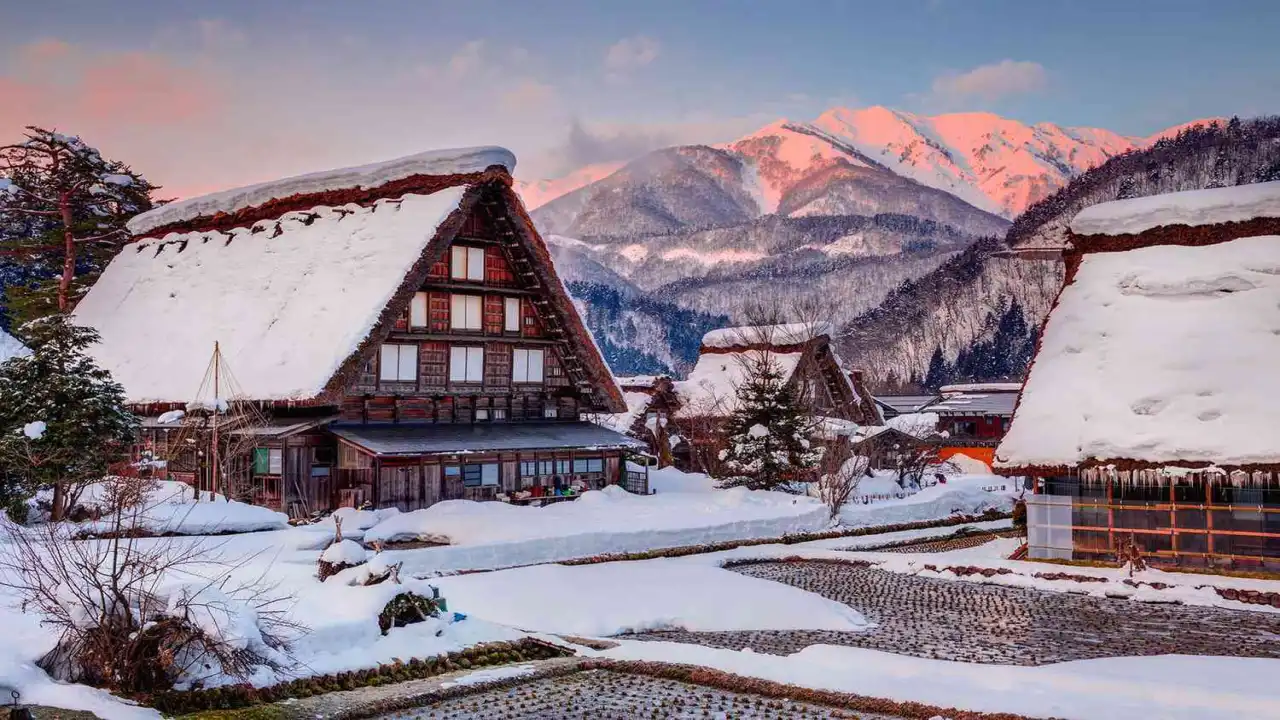
Far back in the mountains of Gifu Prefecture is a village called Shirakawa-go. The first time you see it from above, it’s almost not real. Like one of those pictures in a children’s book. The kind where smoke snakes from the chimneys and everything is encircled by snowy hillsides. The Gokayama village is best known for its gassho-zukuri farmhouses. The houses feature large thatched roofs that taper sharply downward. That design is not merely for aesthetics.
Winters here are serious. Snow builds up quickly, and the angled roofs help it slip off before it becomes too heavy. Gassho, translated, means hands pressed together in prayer which might make sense if you look at the roofs closely. Some of these houses date back more than 250 years. And the surprising thing? They’re still living there. People cook dinner inside them. Kids grow up in them. Daily life just… happens. Life here also tends to stick pretty close to the seasons.
Winter comes and quiets everything down to white. Spring gradually melts away the snow and unveils the fields. In early summer the rice paddies shine bright green, nearly neon. Then comes autumn, cool air and orange leaves. Visitors tend to remark on the ease of daily life here. Rather than supermarkets, some residents plant vegetables in small plots outside their houses. Traditional dishes still appear at dinner tables, recipes that likely haven’t been altered for generations.
Small tip:
If you ever visit Shirakawa-go, staying overnight in a farmhouse is worth it. Sitting near an old hearth while snow falls outside… that kind of moment stays in your memory longer than you’d expect.
Takayama – A Town That Still Feels Edo-Era
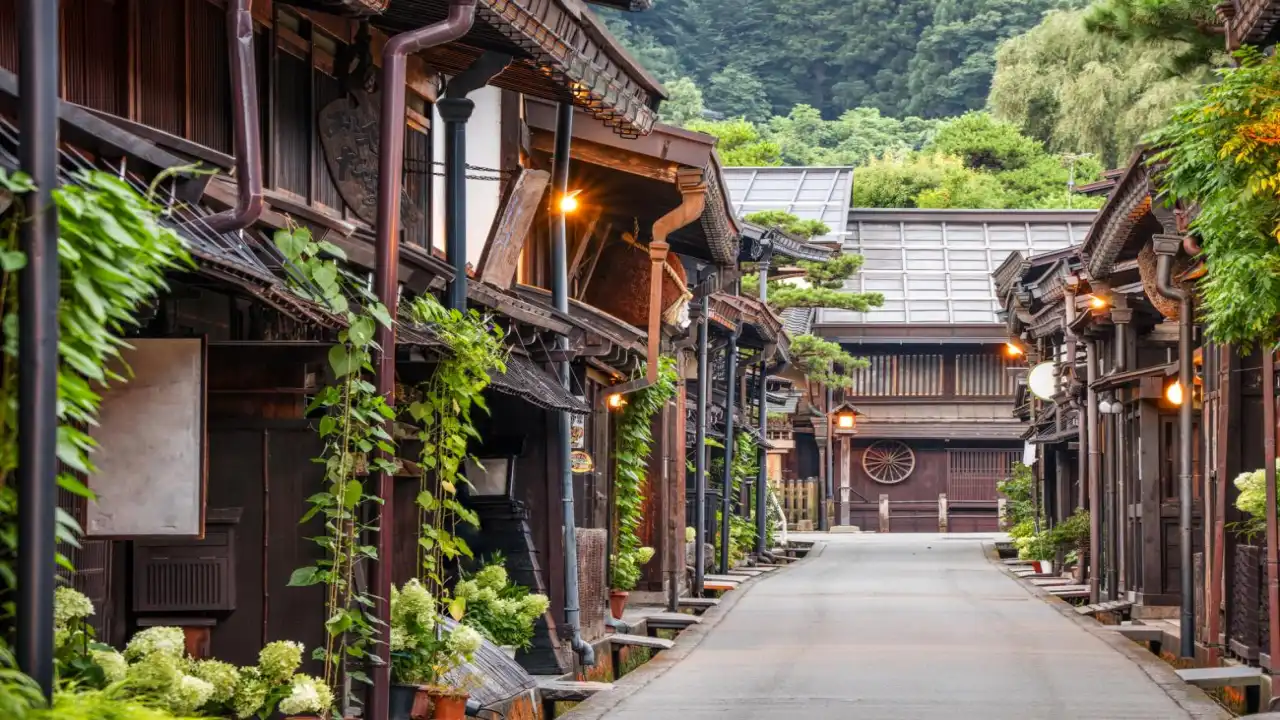
Not too far away, in the mountainous Hida Region, sits the town of Takayama. It’s bigger than the villages we’re talking about, but the historic atmosphere is still strong. Walking through Takayama’s old district feels a bit like wandering through another century. Narrow streets. Wooden merchant houses. Small sake breweries tucked quietly between shops. The architecture hasn’t changed much since the Edo period. But it doesn’t feel staged. People still live and work here, which gives the town a kind of everyday authenticity. Craft traditions are also a big deal in Takayama.
Local artisans still produce things the slow way:
- hand-carved wooden crafts
- traditional textiles
- locally brewed sake
The town also hosts the famous Takayama Festival, which many people consider one of Japan’s most beautiful festivals. Huge floats covered in detailed carvings roll through the streets. Some are almost shockingly elaborate. Visitors see a festival. Locals see something deeper — family tradition, community pride, months of preparation.
Tsumago – A Post Town That Refused to Change
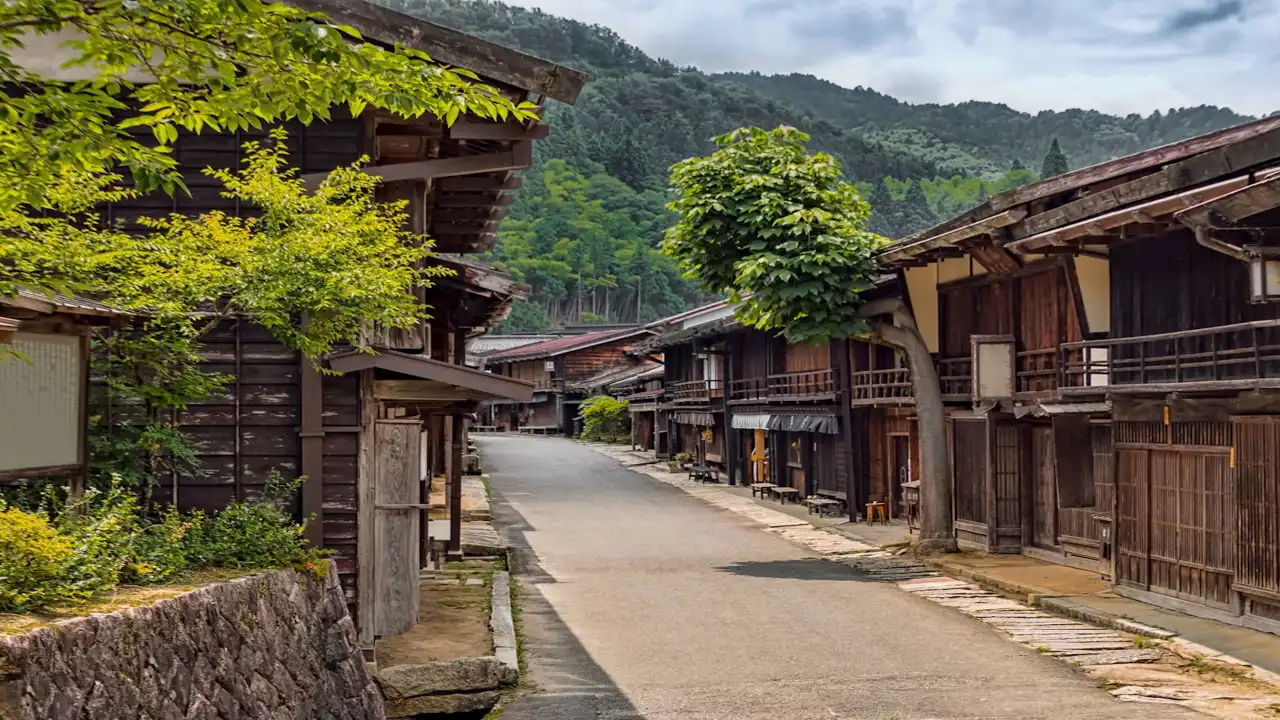
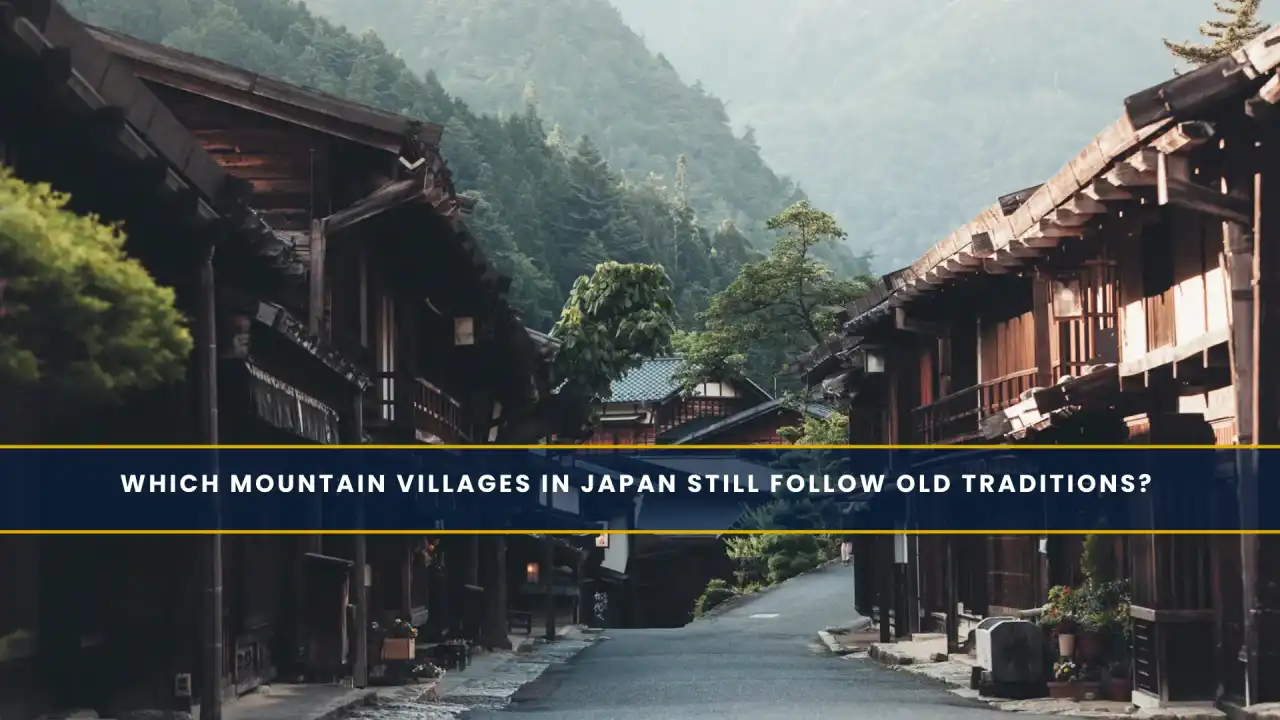
Another place that’s pretty fascinating is Tsumago-juku. A long time ago, this village was an important stop along the Nakasendo Route, which connected Kyoto and Edo. Travelers, merchants, officials, and all kinds of people passed through here. They’d stop to eat, rest their horses, and maybe spend the night before continuing. What’s remarkable is how similar the village still looks today. Local authorities made a deliberate decision to preserve the original appearance. And they’ve taken that decision pretty seriously.
For example:
- Power lines are hidden so they don’t ruin the view
- Buildings must follow traditional styles
- Flashy modern signs aren’t allowed
- Cars are restricted during certain hours
Because of this, walking through Tsumago-juku can feel strangely peaceful. Especially in the evening. After the day-trippers leave, the village quiets down and you can almost imagine travelers from centuries ago walking the same road.
Ainokura – The Village Many Travelers Miss
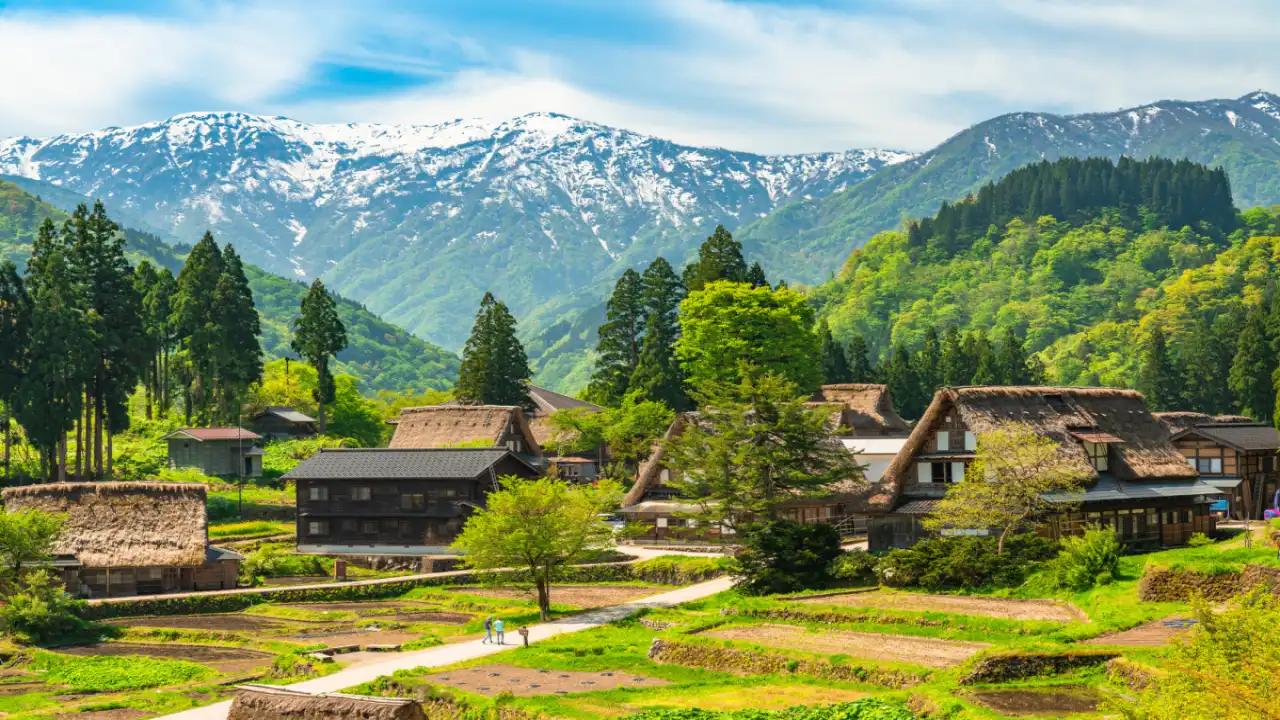
Most people visiting the region focus on Shirakawa-go. But nearby Ainokura offers something similar, just without the crowds. It’s smaller. More tucked away. And in some ways, that makes the experience feel more personal. You’ll still see the traditional gassho-style houses here. Many families continue living inside them and maintaining the buildings together as a community.
Life moves slowly. Agriculture still plays an important role, and local food changes depending on the season. Travelers who stay overnight often mention the hospitality. Some families open their homes as guesthouses, serving meals made from ingredients grown nearby. Dinner might include river fish, fresh vegetables, and handmade dishes that have been around longer than anyone remembers. The conversations tend to linger too.
Ouchi-juku – A Village That Quietly Stays Traditional
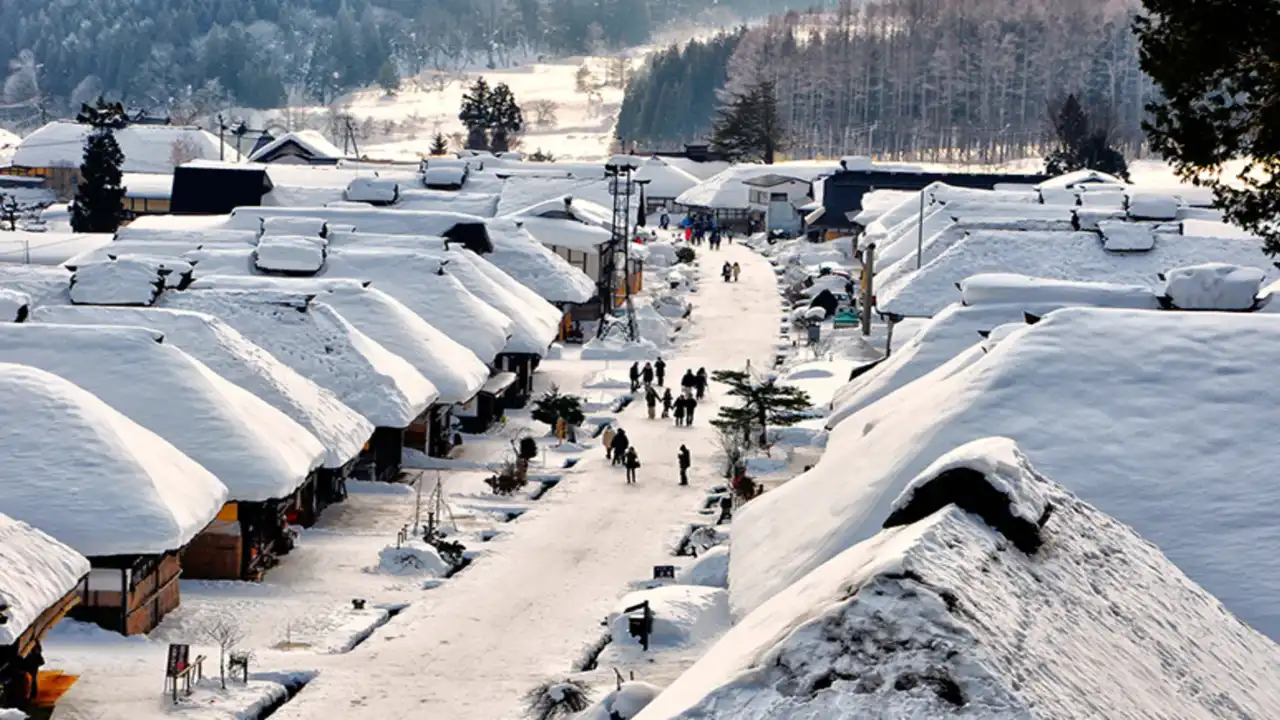
Further north in Fukushima Prefecture, there’s another preserved post town called Ouchi-juku. Like Tsumago-juku, it started as a stop for travelers during the Edo period. Rows of thatched-roof houses still line the main street today. Some now function as restaurants, small shops, or guesthouses.
But the buildings themselves remain carefully preserved. There’s also a pretty unusual food tradition here. A noodle dish called negi soba. Instead of chopsticks, diners use a long green onion to eat the noodles. Yes, an onion. It sounds strange at first. A little messy too. But people seem to enjoy the experience — and the noodles themselves are actually great. Seasonal festivals bring extra energy to the village with traditional clothing, music, and local foods filling the streets.
Why These Villages Still Protect Their Traditions
People sometimes ask how places like this managed to stay traditional while the rest of the world modernized so quickly. There’s no single answer, really. A lot of it comes down to community effort. Residents understand that their heritage matters. Instead of replacing historic homes with modern buildings, they restore and maintain what already exists. Local governments help as well.
Preservation efforts often include:
- restrictions on modern construction
- protection of historic architecture
- funding for traditional crafts and festivals
Tourism plays a role too. Visitors who respect the culture help generate income that supports preservation projects. When it’s done carefully, tourism can actually help traditions survive rather than erase them.
How Travelers Can Visit These Villages
The good news is that visiting these places doesn’t require complicated planning. Many travelers include them as part of broader trips through Japan. Some common travel routes combine big cities with rural stops, which honestly makes the contrast more interesting. You might spend a few busy days in Tokyo, then suddenly find yourself walking through rural mountain Japan, where the loudest sound is the wind in the trees.
Travel options often include:
- cultural heritage tours
- scenic train routes through mountain regions
- small group history trips
Even family trip packages sometimes include countryside villages now. And that balance of city energy mixed with rural calm tends to be what people remember most.
Conclusion
It’s the modern cities of Japan that make most of the global news. That’s understandable. But the country’s deep cultural roots often stand strongest out in its countryside. And there are traditional Japanese villages such as Shirakawa-go, Takayama, Tsumago-juku, Ainokura and Ouchi-juku that demonstrate how traditions can persevere even in an ever-changing world. Historic homes are still inhabited. They’re there to bring people together.
Daily life still plays to the rhythm of seasonal time. For travelers seeking more than photos of famous sites, these villages have something deeper to offer, something often included in a Japan trip package that explores both cities and countryside. At times, the better way to perceive a country isn’t via its largest cities. It happens sometimes in the quiet places where history never really moved out.