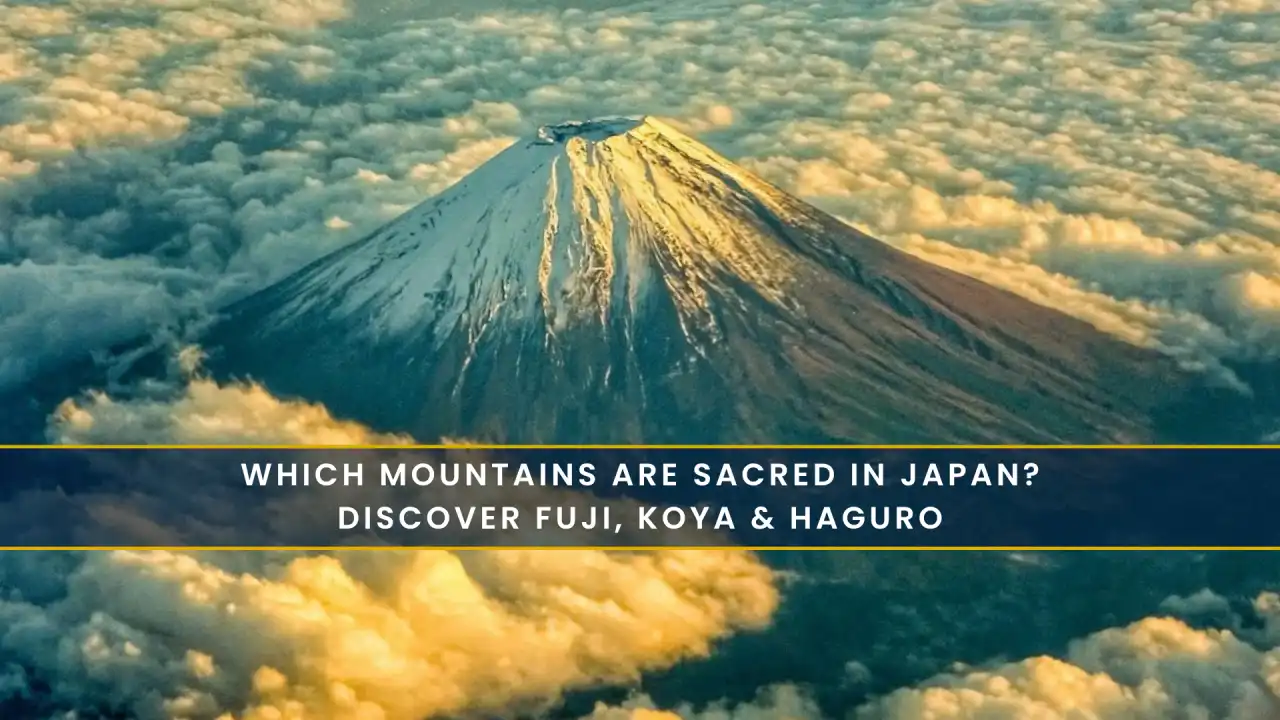
Which Mountains Are Sacred in Japan? Discover Fuji, Koya & Haguro
Introduction
There’s just something about mountains in Japan. It’s not only how they look (though yes, they’re beautiful in that almost unreal way), but more how they feel when you’re actually there. Like the air shifts a little. You don’t just “visit” and tick it off a list, you sort of settle into it, even if only for a few hours. And this isn’t some new travel trend. People have been coming to these mountains for centuries, but not for photos or checklists.
They came because they were searching. Not always for something clear either, sometimes just a feeling, or peace, or maybe clarity they couldn’t find elsewhere. Monks walked here. Pilgrims too. Long before backpacks and travel reels became a thing. This isn’t just about landscapes. This guide gets into a few of those places, the Sacred Mountains in Japan, where nature and something deeper kind of blend together. Quietly. No big signs announcing it.
Why Mountains Are Sacred in Japan
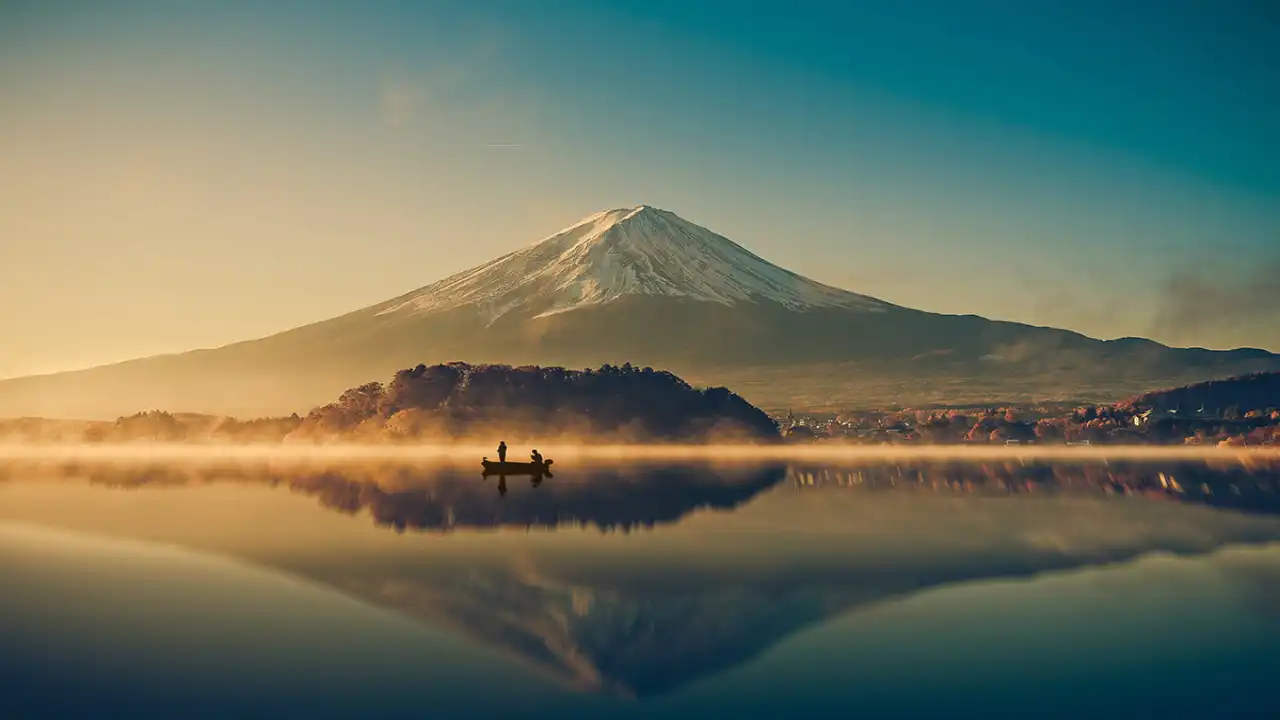
So if you’re wondering why mountains, it helps to understand a bit about how people here see nature. In Shinto, nature itself is sacred. Not symbolically, literally. Trees, rivers, rocks and especially mountains are believed to hold kami. Spirits, energies, whatever word feels right to you. You don’t see them, but there’s this quiet belief that they exist. And mountains? They’re massive, distant, kind of mysterious. So naturally, people respected them. Maybe even feared them a little.
Then Buddhism came along and added another layer. Mountains became places where monks would go to train, meditate, and push themselves mentally and physically. Away from noise. Away from distractions. Somewhere along the way, these ideas just merged. So now when you climb a mountain here, it’s not just a hike. It can be just a hike, sure. But it often feels like something more. Like you’re part of something older than you. And even if you don’t believe any of this, you still kind of feel it. Which is the strange part?
Mount Fuji: More Than Just a Perfect Peak
The Spiritual Side of Fuji
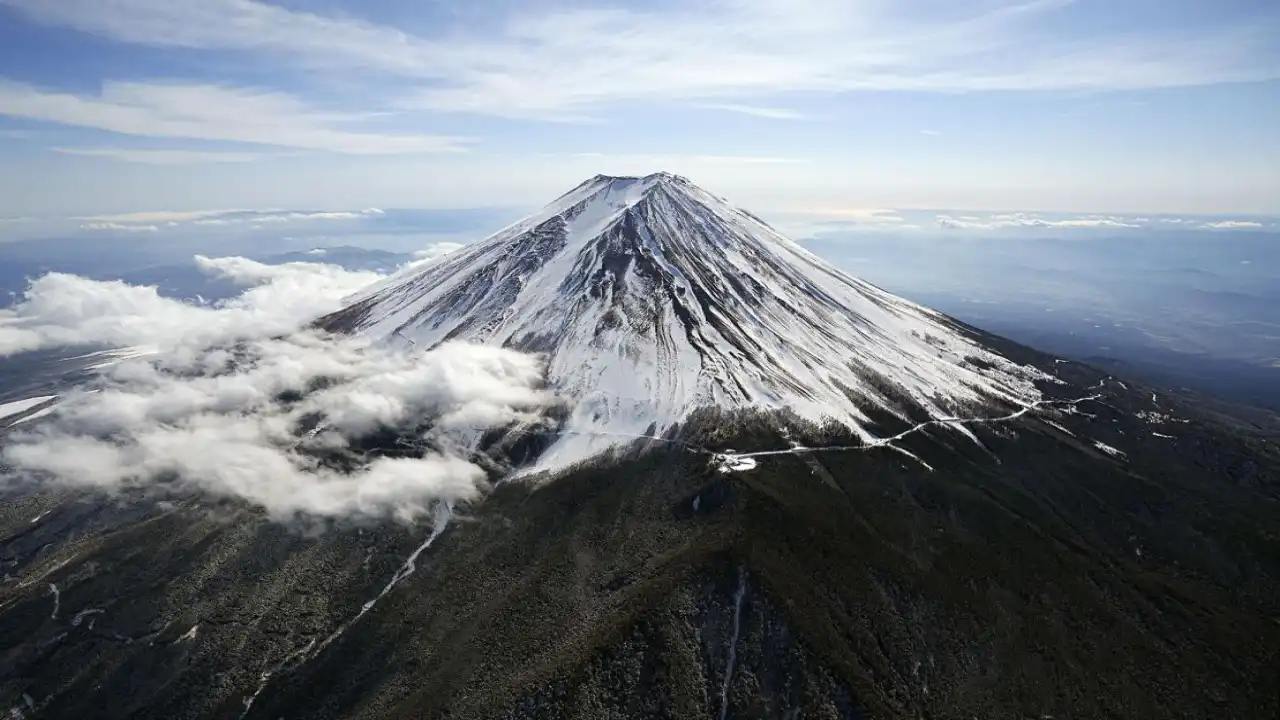
You’ve seen Fuji before. Everyone has. It’s almost too perfect, like someone designed it. But actually standing there? It’s not just “pretty.” It feels important. Hard to explain without sounding dramatic, but yeah. The Mount Fuji spiritual significance goes way back. It’s been sacred in both Shinto and Buddhism for centuries. People believed it was a dwelling place for spirits, and climbing it wasn’t casual at all. It was something you prepared for. A ritual. A way to purify yourself. Even now, you’ll notice little things. People stop at shrines before starting. Taking a pause. Not rushing straight into the climb like it’s a race. It’s subtle. But it changes the mood.
What It Feels Like to Climb Fuji
So the climb itself? Not technical, but don’t underestimate it. It’s long. And a bit tiring in a sneaky way. Most people start at night, which sounds odd until you’re doing it. The idea is to reach the top right at sunrise. Somewhere in the middle of the climb, things get quiet. Not forced silence, just natural. Conversations drop off. Everyone’s in their own rhythm. You hear footsteps, wind, maybe someone breathing a bit heavier nearby. It’s strange what you start noticing. And then the sunrise. Honestly, it’s not just about the view. It’s about the whole build-up to it. That’s what makes it hit.
Pro Tips for Visiting Fuji:
- Yoshida Trail is easiest if it’s your first time
- It gets really cold near the top. Don’t trust the weather below
- Book mountain huts early (they fill up faster than you think)
- Drink water regularly, even if you feel fine
Mount Koya: A Journey Into Stillness
A Spiritual Retreat in the Mountains
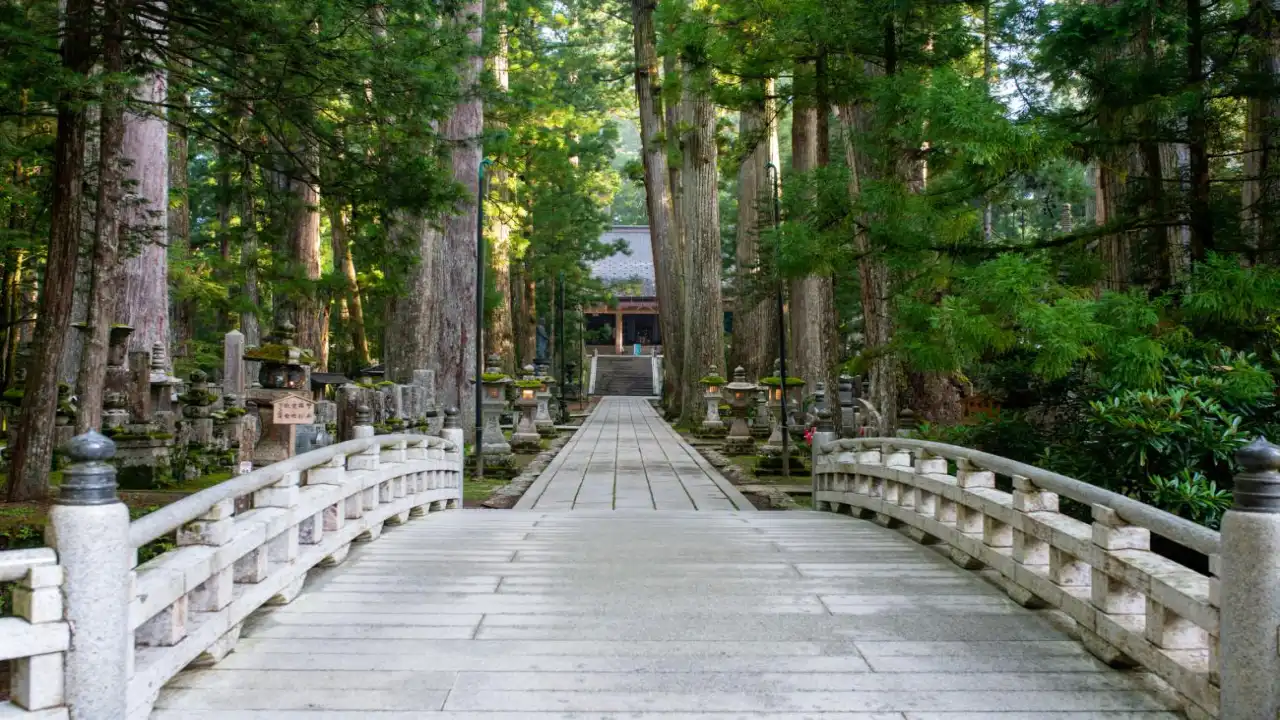
Mount Koya is completely different. Like, almost the opposite of Fuji. No big climb. No “summit moment.” No pushing yourself physically. It’s just quiet. Deep, still quiet. The Mount Koya pilgrimage in Japan is tied to Shingon Buddhism, started by Kobo Daishi. But honestly, you don’t need to know the history to feel what’s going on. People come here to slow down. That’s it. To step out of whatever rush they’ve been living in.
Staying in a Temple
If you stay overnight (which you should, if you can), you’ll likely stay in a temple, shukubo. It’s simple. Tatami mats. Thin bedding. Vegetarian food that doesn’t look fancy but feels intentional, somehow. You wake up early for prayers. And if you’re not religious, it might feel unfamiliar at first. But give it a moment. The chanting, the stillness, it settles in. It’s not luxury. But weirdly, it stays with you longer than most luxury hotels do.
Okunoin Cemetery Walk
Then there’s Okunoin. Calling it a cemetery feels a bit incomplete. It’s more like a forest with memories in it. Moss-covered stones, tall cedar trees, paths that just keep going. It’s quiet, but not uncomfortable. Just calm. You walk slowly without meaning to.
Pro Tips for Mount Koya:
- Book temple stays early; they’re limited
- Keep things respectful (it’s not a touristy vibe)
- Try the vegetarian meals, they’re part of the experience
- Go to Okunoin early in the morning, if you can, it feels different
Mount Haguro: The Path of Pilgrims
Part of the Dewa Sanzan Trio
Mount Haguro doesn’t always get the spotlight, which is kind of surprising once you see it. It’s part of Dewa Sanzan, three mountains representing birth, death, and rebirth. Haguro represents the present. And honestly, that fits. It feels very grounded.
The Staircase Experience
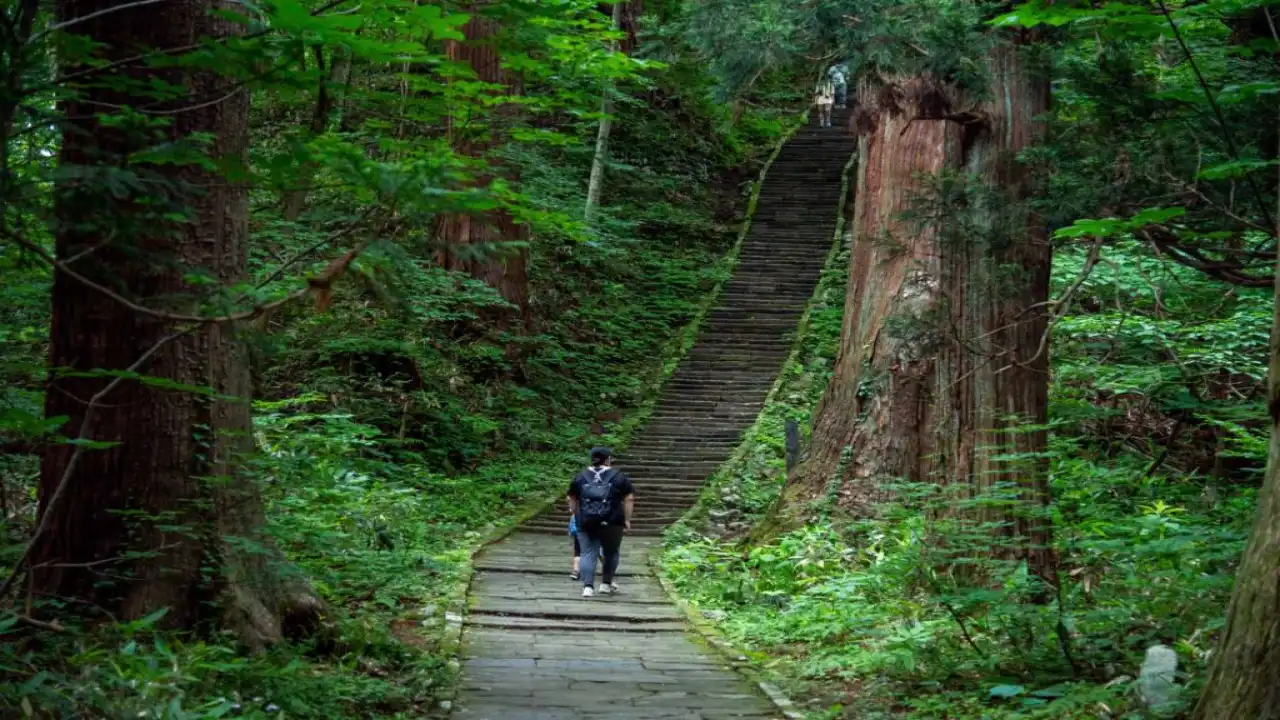
The climb starts with stone steps. A lot of them. Around 2,400. Sounds intense. And, your legs will notice. But it’s not meant to be rushed. People take breaks. Sit. Look around. No one’s in a hurry. At one point, you pass this five-story pagoda tucked into the trees. It’s not flashy. It doesn’t demand attention. But it sticks with you.
A Different Kind of Climb
This isn’t about altitude or reaching some dramatic peak. It’s just step after step. Breathing. Moving and noticing small things. And when you reach the top, it doesn’t feel like you “achieved” something. It feels quieter than that, like you arrived when you were supposed to.
Pro Tips for Mount Haguro:
- Wear comfortable shoes; the steps can be uneven
- Start early if possible (less crowd, better weather)
- Carry water, it’s a steady climb
- Take your time seriously, don’t rush this one
Comparing the Three Sacred Mountains
Each one feels different. And it’s not really about picking the best one.
- Mount Fuji → more physical, a bit intense, but rewarding
- Mount Koya → slow, reflective, almost meditative
- Mount Haguro → steady, immersive, somewhere in between
If Fuji pulls you upward, Koya turns you inward. Haguro just keeps you in the moment.
How to Include These in Your Travel Plans
These places don’t work well in rushed itineraries. You kind of need to give them space.
- Fuji pairs easily with Tokyo
- Koya fits well with Osaka or Kyoto
- Haguro works if you’re heading north
Some people even plan their whole trip around places like these. You’ll find options like a japan trip package that include temple stays or guided visits, which can help if you don’t want to figure everything out yourself.
A Few Things Travelers Often Don’t Expect
- The silence is noticeable, especially in Koya and Haguro
- Not everything needs a photo (some moments feel better without one)
- You don’t need to be religious to connect with these places
- Time feels slower in a good way
Conclusion
You might come here thinking it’s about views, culture, or just seeing something new. And yes, it is. But it’s also the smaller things. The kind you don’t plan for. A quiet sunrise. The sound of your own footsteps. That moment where you pause for no clear reason. These mountains don’t really ask anything from you. They just exist and honestly, that feeling is something you won’t really find in most typical International trip packages. And somehow, that stays with you longer than expected.