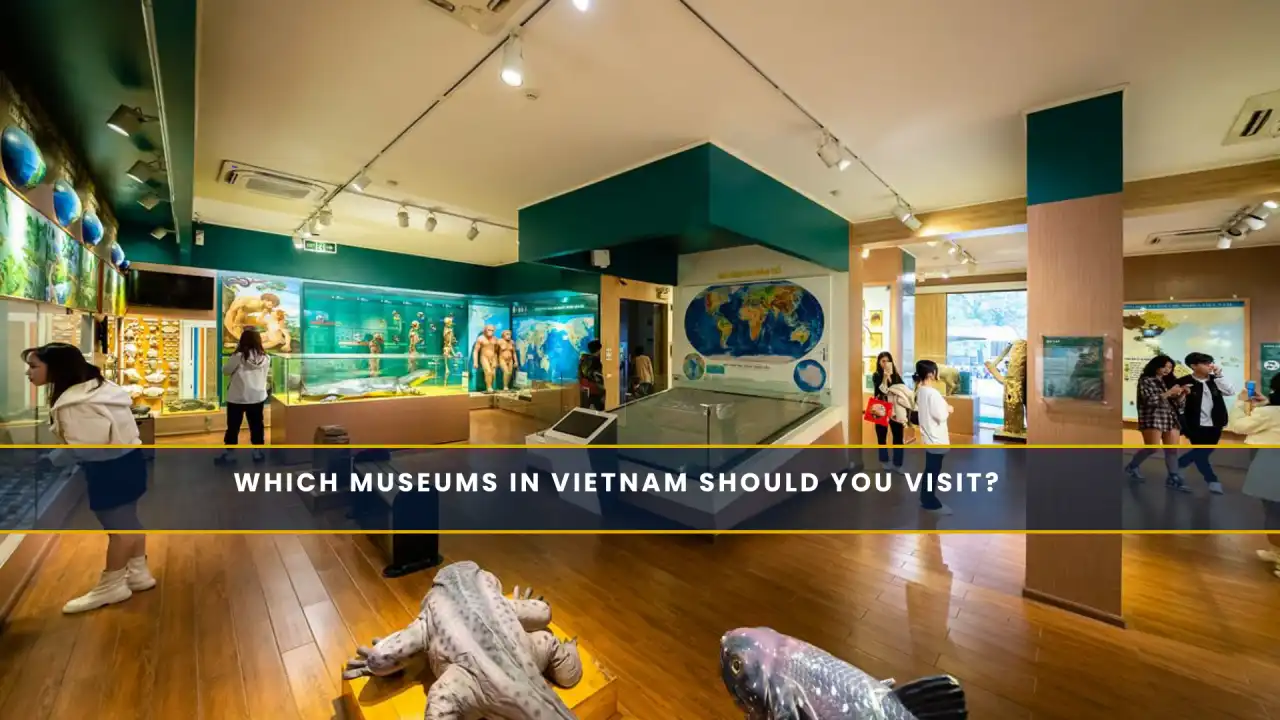
Which Museums in Vietnam Should You Visit?
Introduction
Most people planning a Vietnam trip aren’t thinking about museums first. It’s usually Ha Long Bay cliffs, lantern-lit streets in Hoi An, or the crazy scooter traffic in Ho Chi Minh City that comes to mind. Vietnam feels loud and alive the moment you arrive, with humid air, honking bikes, and food stalls sizzling on every corner.
But once the markets and beaches fade a bit, there’s another side of the country. Quieter places most travelers rush past. Inside museums, old photos, letters, and random artifacts quietly explain pieces of Vietnam’s past. Without that context, many famous places look great in photos but don’t fully make sense. That’s why the museums in Vietnam must visit list for travelers who want to understand the country, not just see it.
Why Museums in Vietnam Hit Different
Let’s be honest. In some countries, museums can feel like a school field trip you didn’t sign up for. Endless paragraphs on the wall. Tiny labels. You pretend to read. You don’t. Vietnam’s museums feel different.
Maybe it’s because the country’s history isn’t neat. It’s not wrapped up with a bow. Colonial rule. War. Reunification. Wildly fast modernization. And most of it isn’t ancient history, it’s within living memory. People you see on the street lived through parts of it.
So instead of sterile timelines, you’ll see:
- Letters written by soldiers in messy handwriting
- Photographs taken during moments that were anything but calm
- Personal belongings that feel intimate, almost intrusive to look at
- Cultural displays from ethnic groups that most visitors didn’t even know existed
It doesn’t feel academic. It feels personal. Sometimes uncomfortably so. Some exhibits don’t soften the edges. They don’t try to make you comfortable. And honestly? That’s what makes them powerful.
Also, on a purely practical level, stepping into a cool, quiet museum after hours in Vietnam’s heat feels amazing. Your ears get a break. Your shoulders drop. You slow down without realizing it.
War Remnants Museum – Heavy, But Necessary

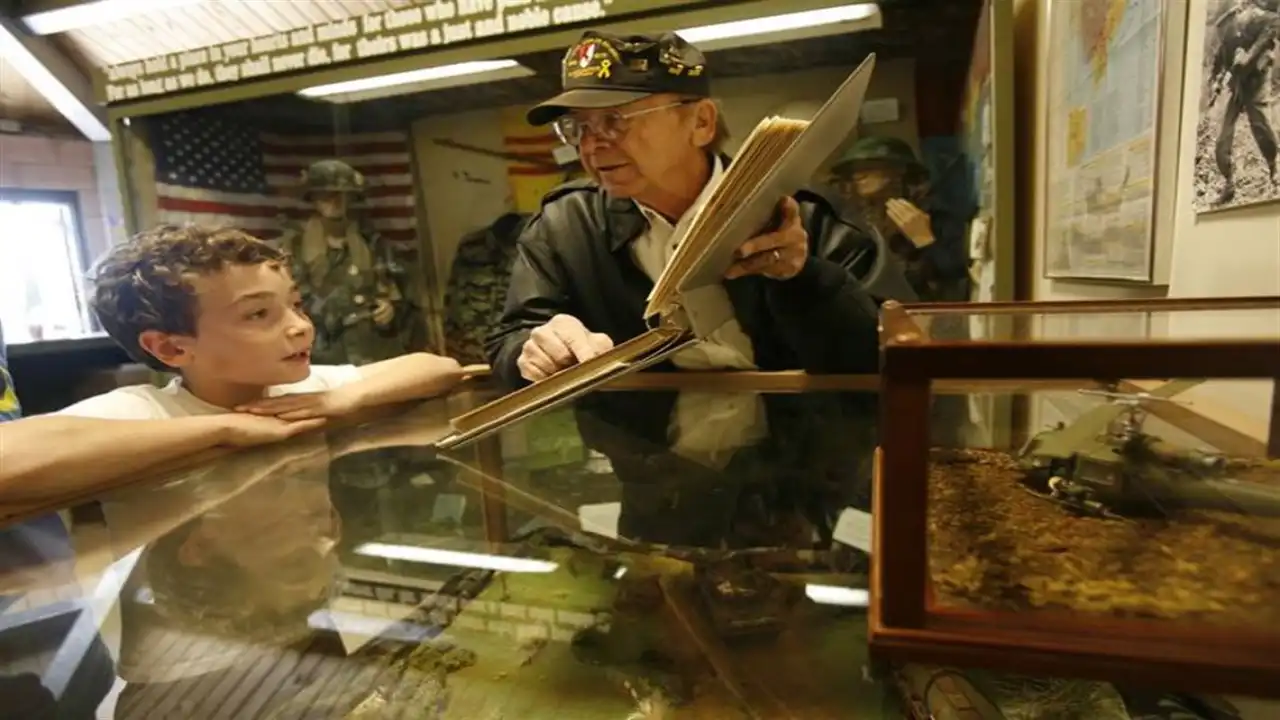
If you’re in Ho Chi Minh City, the War Remnants Museum is one of those places you kind of have to prepare yourself for. It’s not an easy visit. Let’s just say that clearly. The focus is on the Vietnam War and the impact of the photos inside is intense. Some are graphic. Many were taken by journalists who were right there in the middle of it all. No filters. No careful framing for comfort.
Outside, there’s military equipment displayed in the courtyard:
- Fighter planes
- Tanks
- Helicopters
- Artillery
They’re massive. Bigger than you expect. The metal looks tired now, almost dull in the sun. Standing next to them feels strange, like you’re close to something that once carried so much destruction. Inside, though, it’s less about machinery and more about people. Families. Civilians. The long shadow the war left behind. You don’t rush through this museum. Or at least you shouldn’t. It’s the kind of place where you walk out quieter than you walked in.
Tip: Go early. By afternoon, it gets crowded, and it’s not a place that pairs well with noise and selfie sticks.
Vietnam Museum of Ethnology – A Breath of Fresh Air
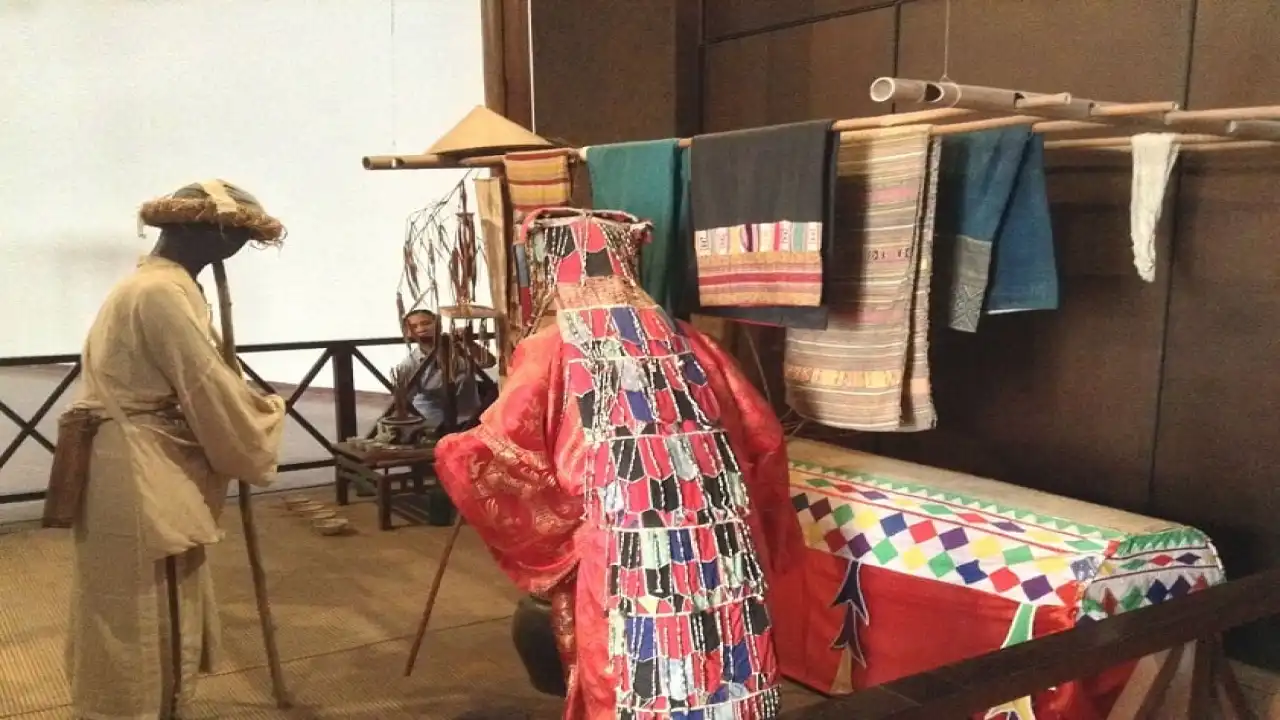
Then there’s the Vietnam Museum of Ethnology in Hanoi, which feels completely different in tone. Vietnam officially recognizes more than 50 ethnic groups. Fifty. And they’re not just small variations of one culture; they have distinct languages, clothing styles, house designs, and traditions.
Inside the museum, you’ll see:
- Intricately embroidered garments
- Jewelry that somehow looks both delicate and heavy
- Farming tools that tell quiet stories of daily life
- Musical instruments used in ceremonies
But the outdoor section is where things really click. There are full-size traditional houses you can walk into. Wooden stilt houses. Homes built for flood-prone regions. Structures that look nothing like each other because they weren’t meant to. You climb the steps, duck your head through a doorway, and for a second, it feels less like a museum and more like stepping into someone’s world.
Tip: Wear comfortable shoes. You’ll wander longer than you plan to.
Vietnam Fine Arts Museum – Slower, Softer
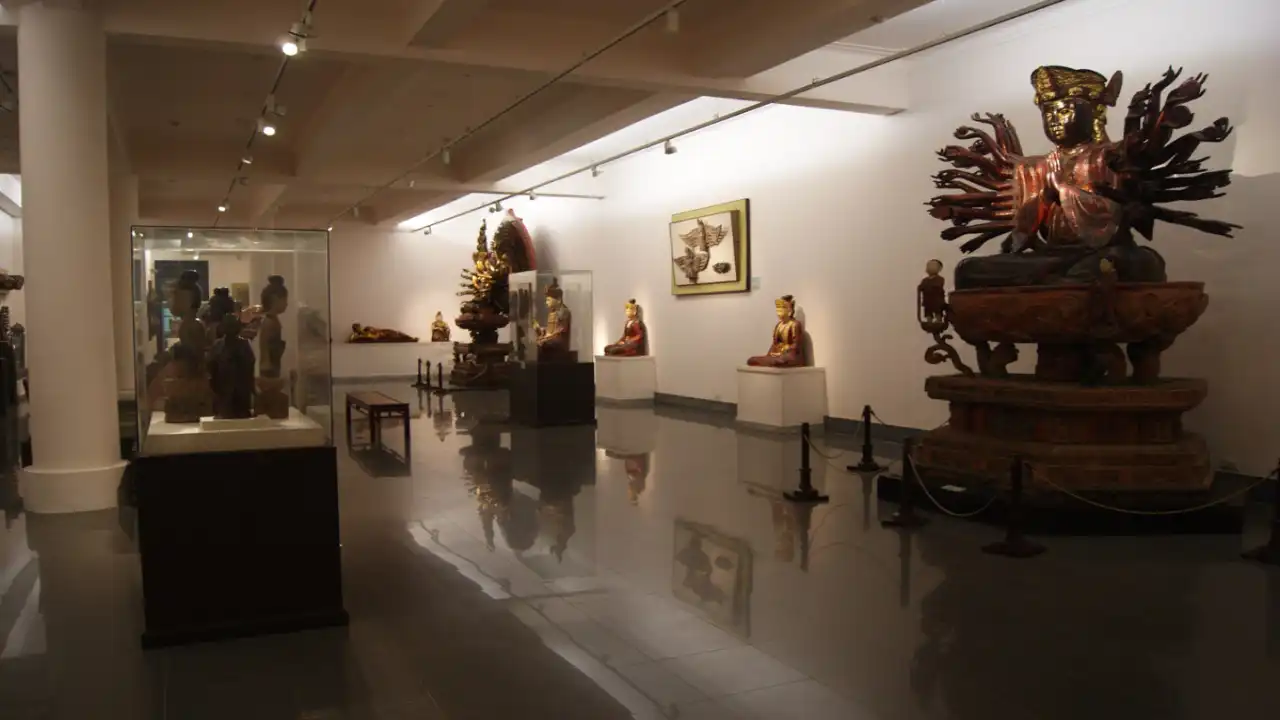
Not every museum visit has to leave you emotionally drained. The Vietnam Fine Arts Museum in Hanoi is calmer. The lighting is softer. The pace feels slower.
Inside you’ll find:
- Ancient temple sculptures
- Lacquer paintings with deep, glossy layers
- Silk artworks that almost look like they’re moving
- Modern pieces reflecting changing times
What you will like most is seeing how traditional techniques blended into more modern expressions over time. You can literally see history shift through art styles. Even if you don’t usually visit art museums, this one is easy to enjoy. It doesn’t overwhelm you. Just watch for photography restrictions; some rooms don’t allow it.
Museum of Cham Sculpture – Unexpected and Underrated
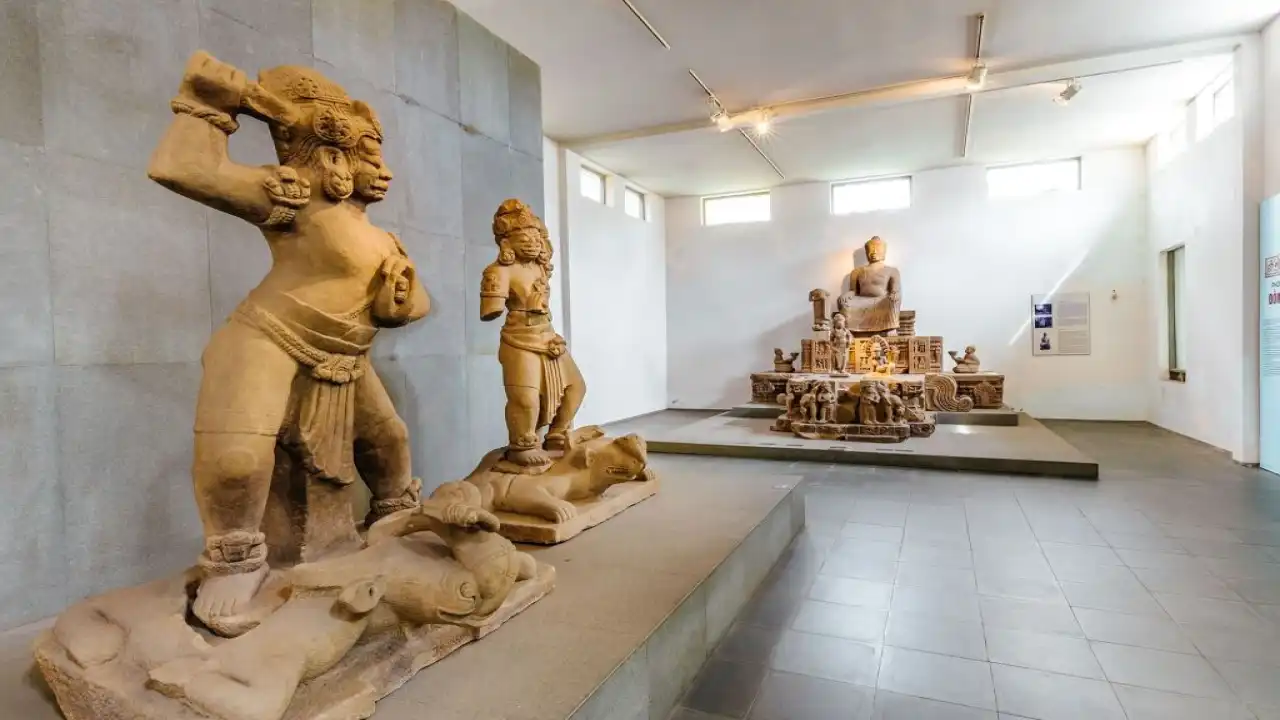
In Da Nang, the Museum of Cham Sculpture offers something completely different. The Cham civilization once ruled parts of central Vietnam, though many visitors don’t know much about it before arriving.
Inside are sandstone carvings taken from ancient temples. You’ll see:
- Hindu deities
- Mythological figures
- Religious symbols
The details are impressive. Even after centuries, the expressions on some of the sculptures feel sharp and alive. The atmosphere is quieter than in bigger museums. Almost meditative. You move more slowly without trying to.
Ho Chi Minh Museum – For the Bigger Picture
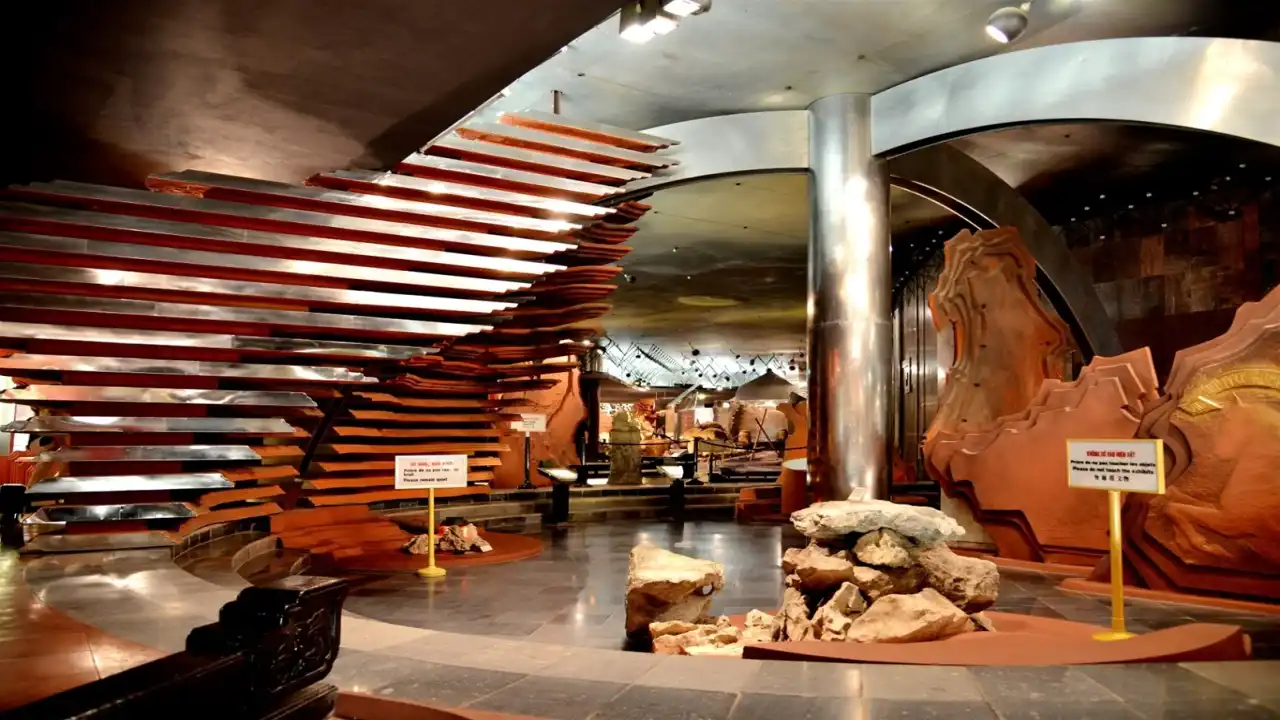
If you want context for Vietnam’s political history, the Ho Chi Minh Museum is one place that helps connect a lot of those dots. The exhibits move through his life step by step, from his early travels overseas to eventually leading the independence movement. Inside, there are personal belongings, old photographs, government documents, and a few symbolic displays spread through a building that’s honestly a bit bold in its design.
Some sections can feel pretty dense, especially for anyone not deeply into political history. At times, it almost feels like there’s a lot to process all at once. So, slowing down and taking time with a few exhibits actually helps make more sense of it. But it matters. Understanding that era changes how you see modern Vietnam.
Tip: It’s close to the Ho Chi Minh Mausoleum, so you can combine both. Just be ready for security lines and dress appropriately.
Hanoi Feels Like a Museum Itself
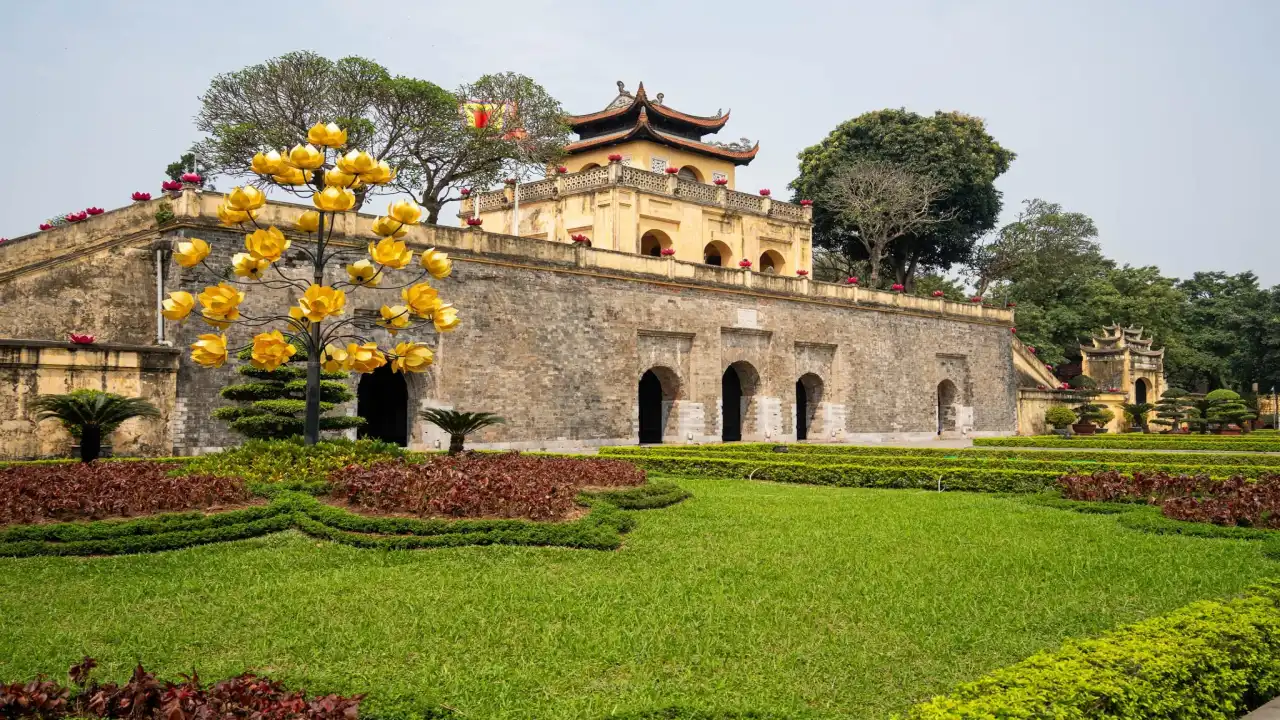
Hanoi museums, in general, feel layered. French colonial buildings. Quiet lakes. Tiny alleyways with plastic stools and bowls of pho steaming in the morning air. And museums tucked into different corners of the city. There are smaller ones too, focused on military history, women’s contributions, and traditional crafts. Some feel sleek and modern. Others feel frozen in time, with handwritten labels and older display cases. Weirdly charming. But pace yourself. Two museums in one day is enough. Three if you’re ambitious. After that, everything starts blending together and your brain needs noodles, not more information.
Why Museums Actually Make the Trip Better
We always think museums would slow down a trip. Like they’d interrupt the fun parts. But what actually happens is this: you spend the morning learning about wartime history or cultural traditions. Then later, you’re sitting on a tiny stool, eating pho while scooters zip past. And suddenly it all feels layered. Not just chaotic, but meaningful. The food tastes the same. The streets look the same. But you understand more. Museums don’t replace the beaches, markets, or night walks. They just add depth to them. And that depth stays with you.
Conclusion
Vietnam is a movement. Noise. Heat. Smells of street food drift through traffic. But underneath all that energy is a long, complicated story. Museums are where that story slows down enough for you to hear it. You can absolutely skip them and still have an incredible trip. Plenty of people do. But if you step into even one or two, something shifts. You leave with more than photos. More than memories of good meals and beautiful landscapes.
Pro Tips
Some things that help:
- Go early, especially in popular museums
- Take short breaks between galleries
- Bring water (the heat in Vietnam is no joke)
- Dress respectfully near historical sites
- Keep your voice low, it’s not the place for loud commentary
If you want deeper explanations, a guided tour can help. Sometimes the context isn’t obvious unless someone connects it for you.