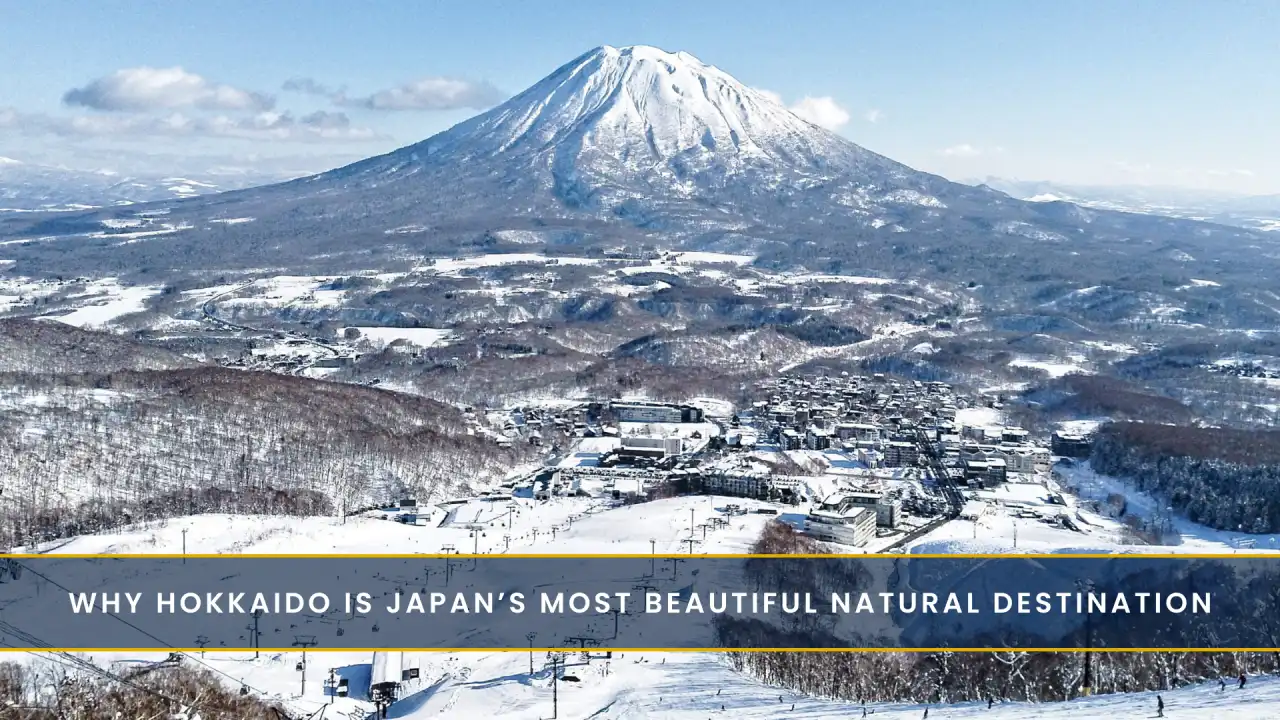
Why Hokkaido Is Japan’s Most Beautiful Natural Destination
Introduction
Ask people about Japan, and the answers come out fast. Tokyo lights. Kyoto temples. Osaka food. It is always crowded. Always moving. Nature usually comes later, like a footnote. That order falls apart once Hokkaido comes up. Japan’s northernmost island doesn’t try to grab you. It just sits there. The air feels cleaner. The sky feels oddly big. Even the quiet feels louder, in a good way.
You’re not squeezing through people anymore. You’re staring at open fields, forests that look slightly messy, and mountains that don’t care if you notice them. Long roads. No rush. This Hokkaido travel guide isn’t about collecting famous spots. It’s about why this place stays in memory. Why do people bring it up years later? And why, without planning to, many travelers end up calling Hokkaido Japan’s most beautiful natural destination.
1. A Landscape That Feels Untouched
The first thing you notice in Hokkaido is space. Not space. Just a room. Compared to much of Japan, development feels lighter here. Cities exist, but they don’t dominate everything around them. Nature still feels like it’s in charge. You’ll pass farmland that stretches farther than expected. Forests that look like they’ve grown without anyone constantly trimming the edges. Mountains that don’t feel posed for photos. That’s what makes Hokkaido's natural attractions feel real. They don’t try to impress you. They don’t rush you. You arrive, you spend time, and you leave when you’re ready. A lot of people describe Hokkaido as “quiet Japan.” Not boring. Just calmer.
2. Seasons That Completely Change the Experience
Hokkaido doesn’t have one best time to visit. It changes character depending on when you show up, and each season feels like a different version of the island.
Spring: Quiet and Fresh
Spring comes late here. Snow hangs around longer. Flowers don’t rush. Mornings stay cool. It feels gentle. Almost cautious. It’s a good season if you like space and don’t care about big spectacles.
Summer: Cool, Green, and Open
While most of Japan struggles with humidity, Hokkaido stays comfortable. This is when everything opens up. Green fields. Clear lakes. Trails that finally feel accessible. Lavender fields in Furano get attention, but honestly, the random countryside views stay with you longer.
Autumn: Color Without Chaos
Autumn is short. It happens fast. Forests turn red and gold, then move on. The difference here is that you can actually enjoy it without fighting crowds for space.
Winter: Snow Done Right
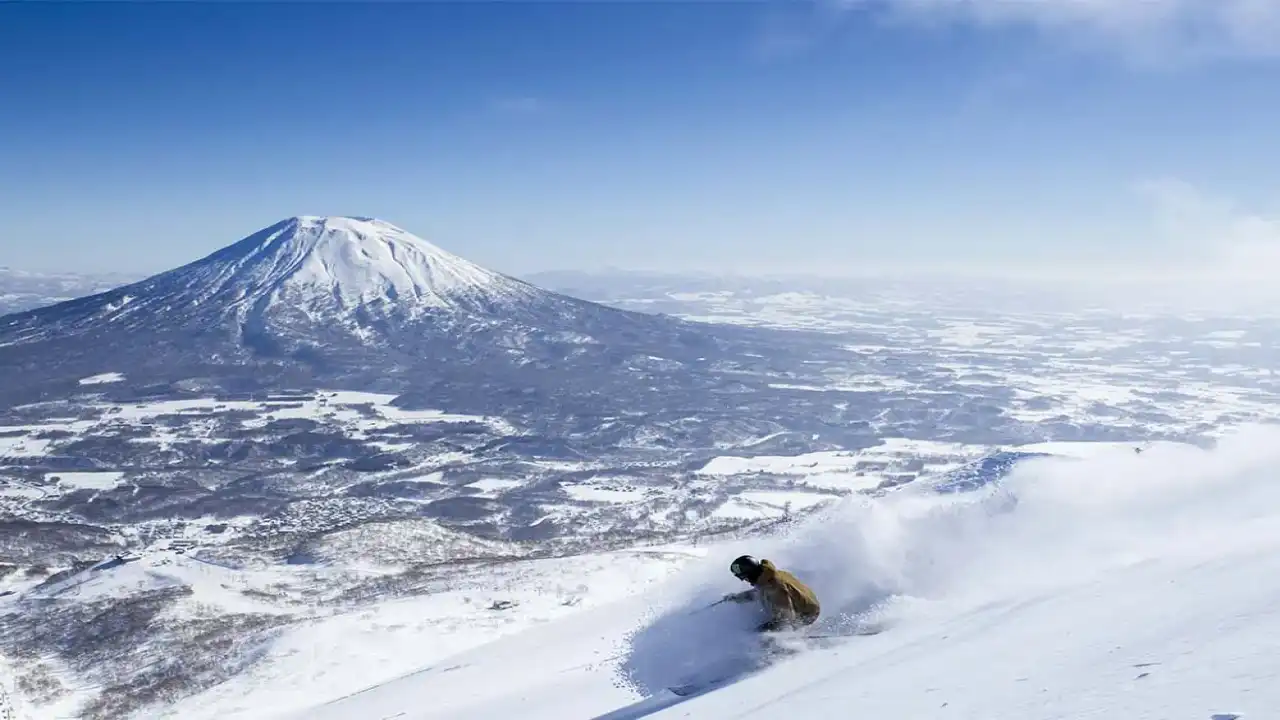
Winter doesn’t shut life down in Hokkaido. It reshapes it. Roads work. Towns adapt. Snow isn’t a problem; it's just part of daily life.
Each season doesn’t just look different. It behaves differently. And that’s part of the appeal.
3. National Parks That Actually Feel Wild
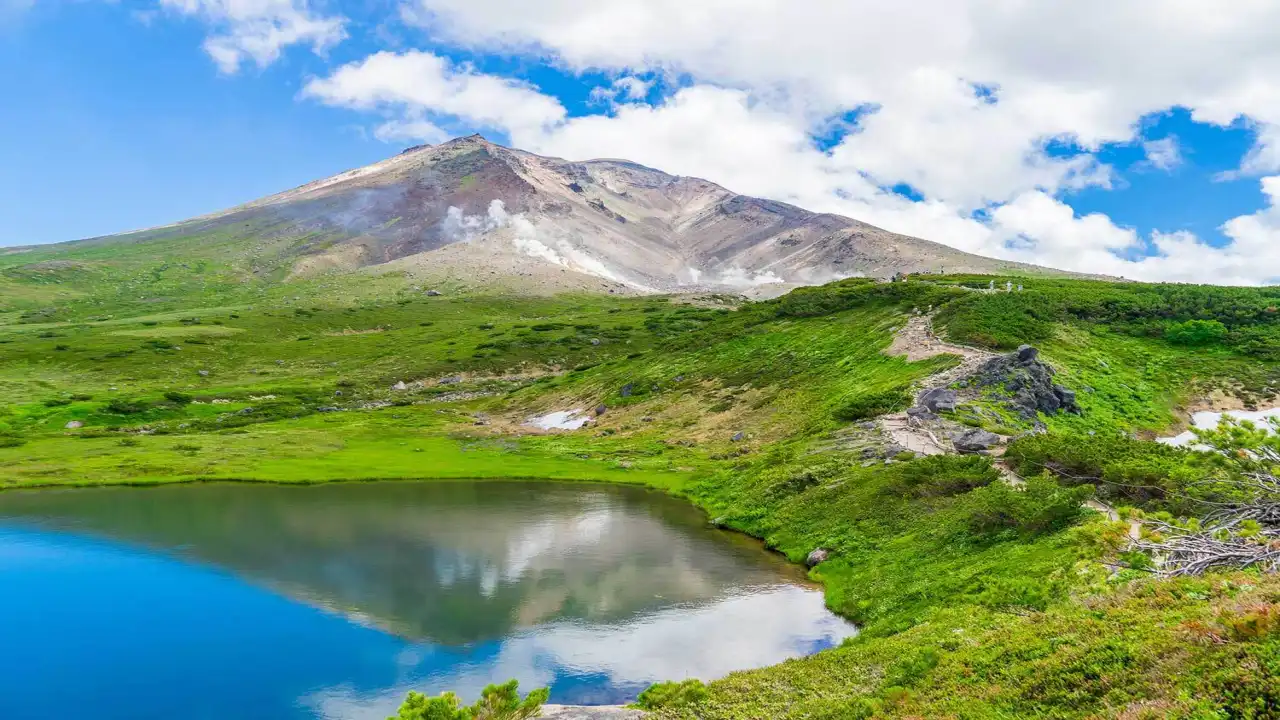
Hokkaido’s national parks don’t feel carefully packaged. They feel open. Places like Daisetsuzan National Park are big in a way that’s hard to explain until you’re there. Volcanic land. Long trails. Quiet stretches where you hear wind before voices. You might walk for hours and barely see anyone. That’s normal here. Trails don’t feel compressed. Views don’t feel framed. You stop when you want. You move on when you’re ready. If you enjoy nature without constant signs and barriers, Hokkaido does it right without making a big deal about it.
4. Lakes, Wetlands, and Water Landscapes
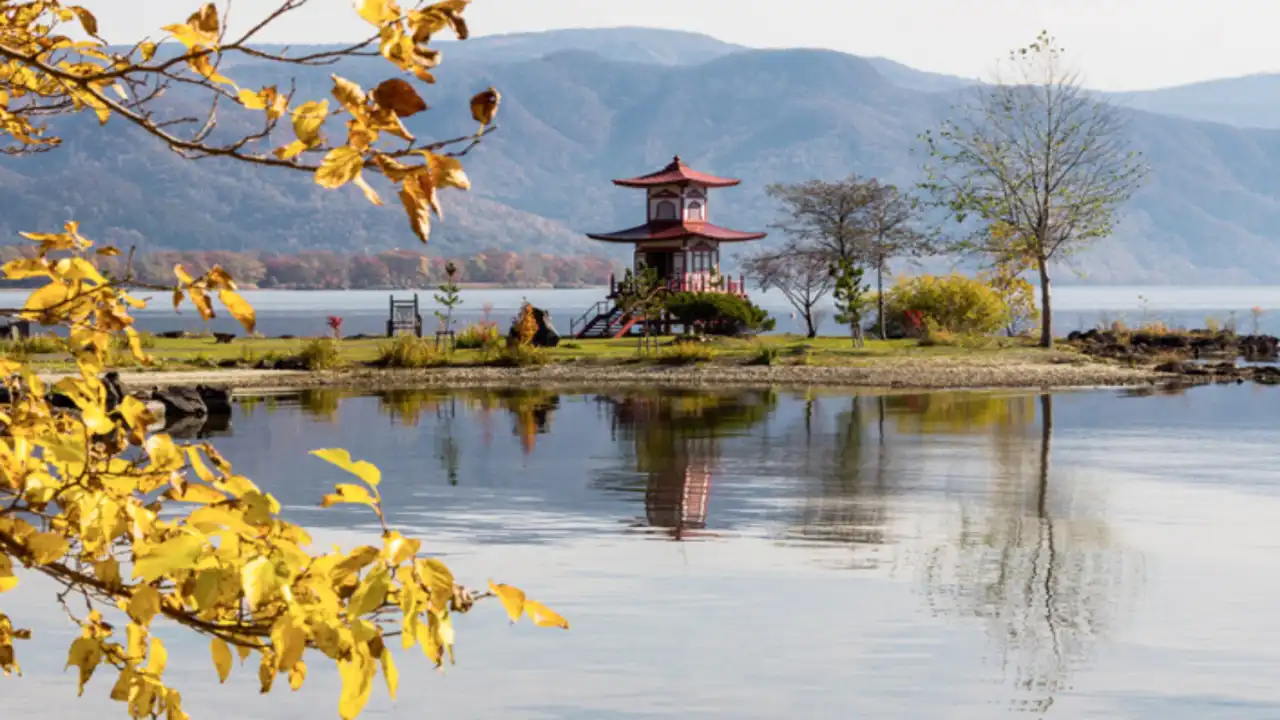
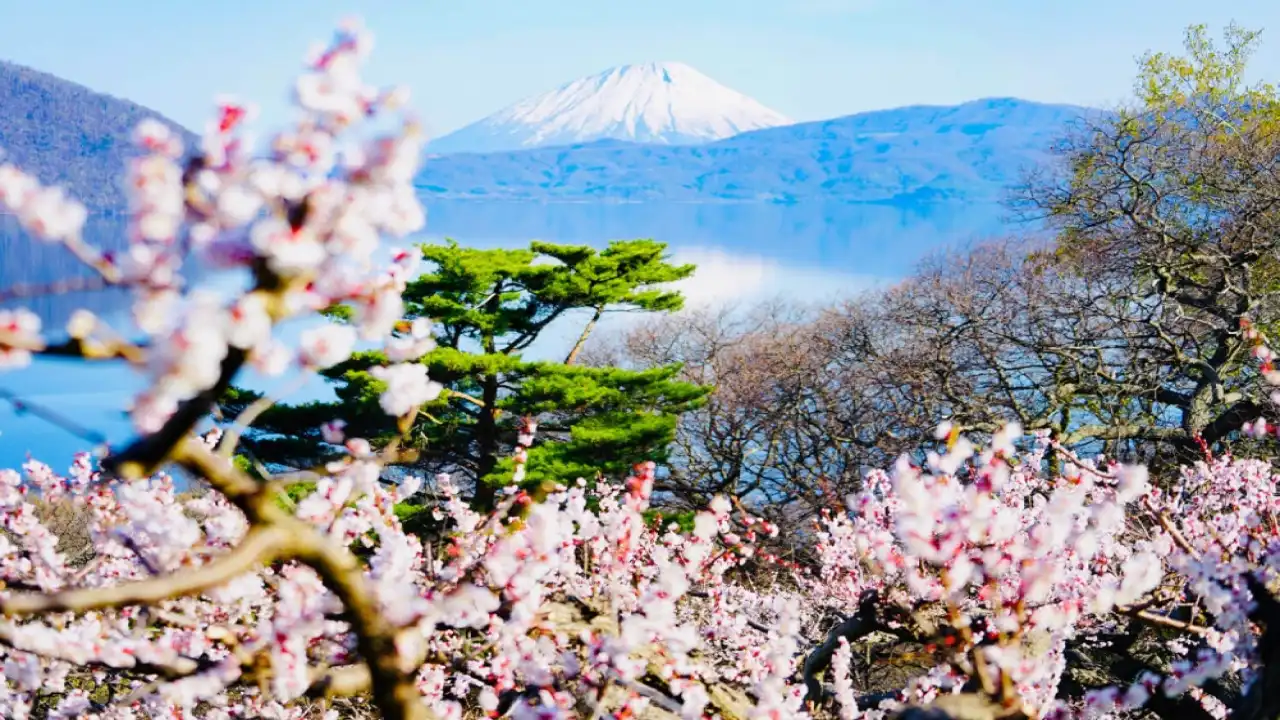
Hokkaido’s beauty isn’t only about mountains. Water plays a huge role. Lakes feel clear and open. Wetlands stretch out with simple wooden paths that don’t interrupt the view. Rivers move quietly, supporting wildlife and farmland without being turned into attractions. Lake Toya is a good example. Calm water. Rolling hills. Mountains sit far enough away to let everything breathe. It’s the kind of place where sitting still doesn’t feel like wasted time.
5. Wildlife Encounters That Feel Natural
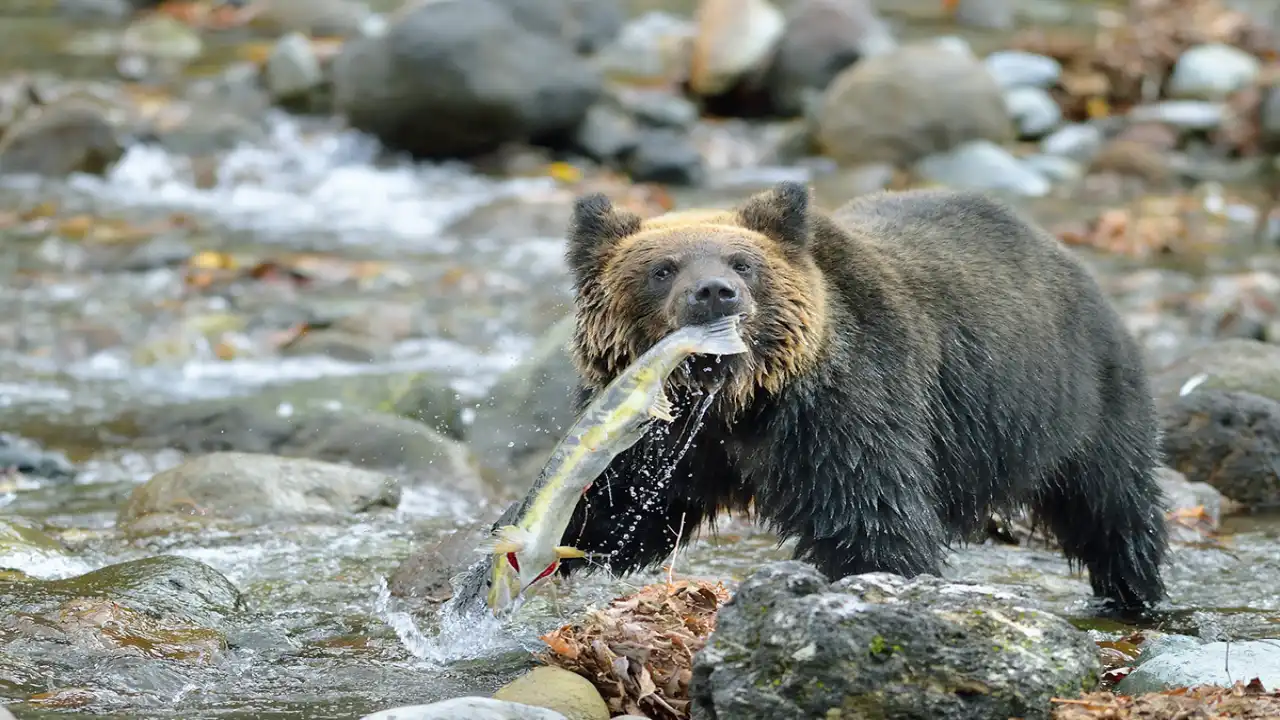
In many places, wildlife feels staged. Scheduled. Controlled. In Hokkaido, it feels unplanned. You might see deer near forest roads. Cranes standing quietly in wetlands. Just there. Brown bears do live here. Sightings are rare, and safety rules are taken seriously. What matters is that animals aren’t part of a show. You don’t feel like you’re watching them. You feel like you’re passing through their space, briefly.
6. Countryside Towns With Real Character
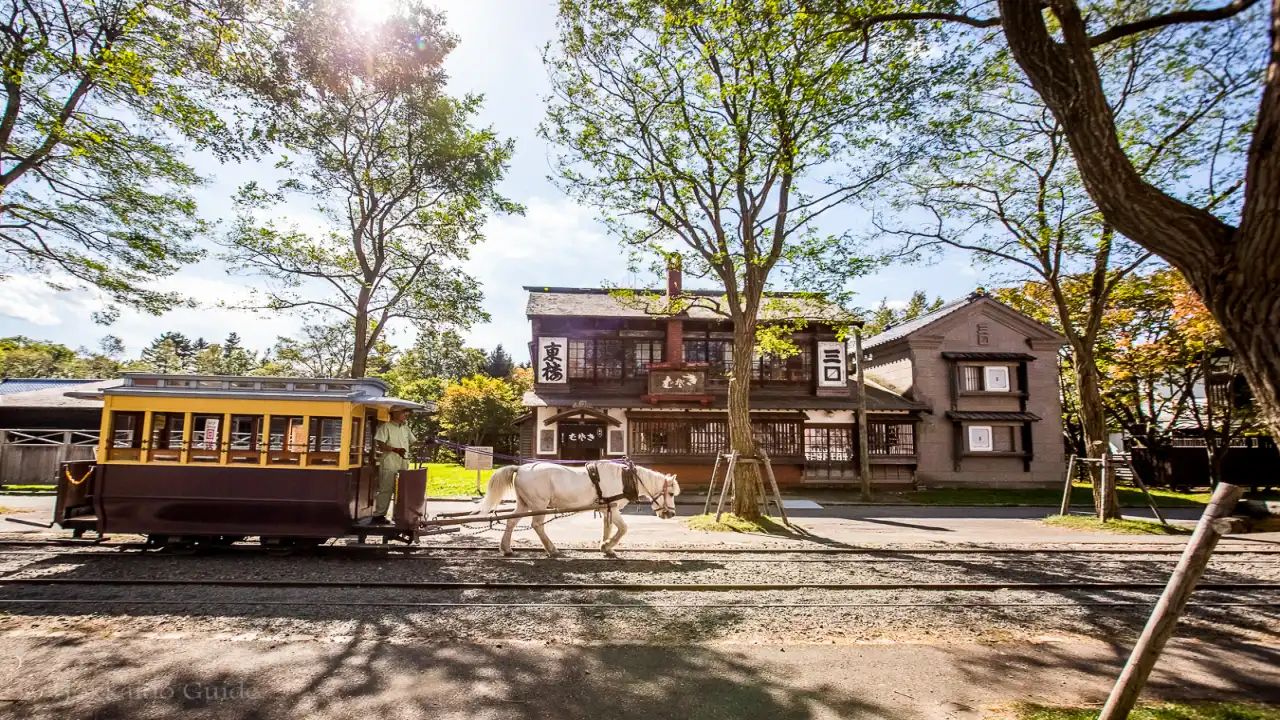
Hokkaido’s small towns don’t try to impress visitors. They just function. And that’s exactly why they’re memorable. Local bakeries open early. Cafes feel familiar even on the first visit. Markets sell what’s available, not what’s trending. Streets are quiet, but not lifeless. This makes Hokkaido sightseeing feel personal. You’re not chasing highlights. You’re noticing everyday moments. Those tend to stay with you longer than landmarks.
7. Food That Reflects the Land
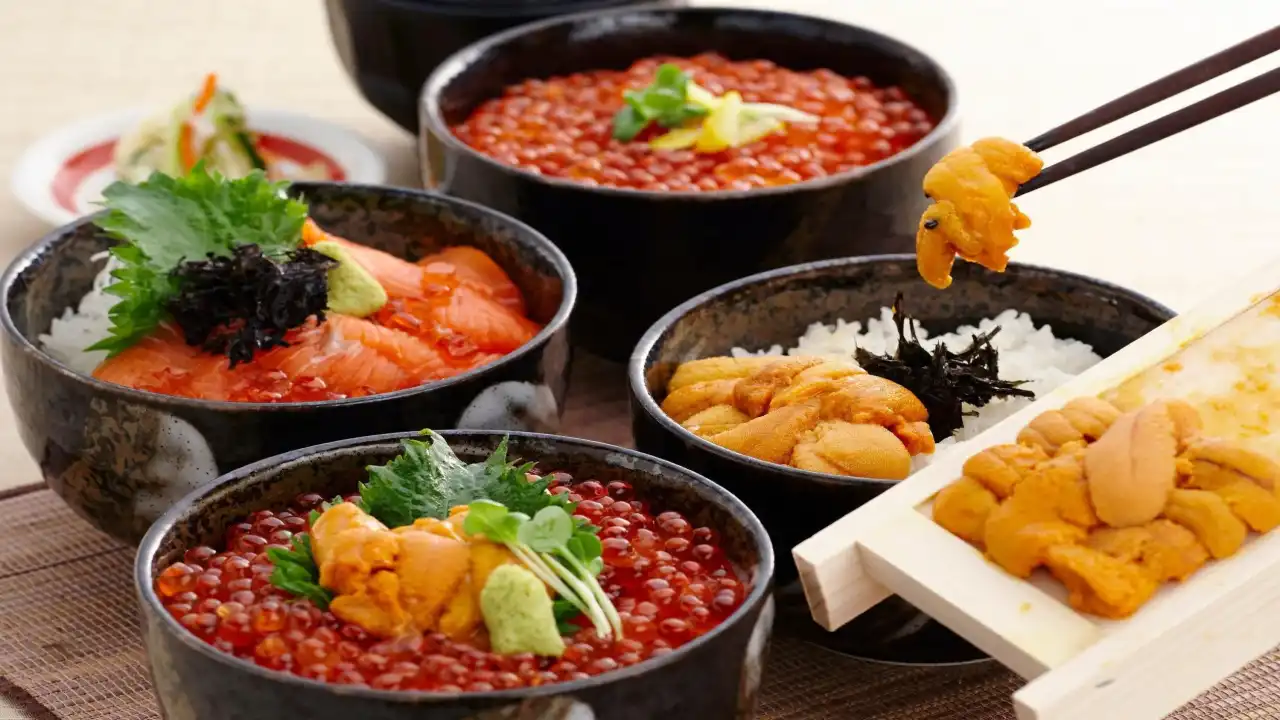
Food in Hokkaido is tied closely to its environment. Clean air. Open land. Cold waters. Dairy tastes fresh. Seafood is straightforward. Vegetables don’t need much help. Meals feel honest. Nothing tries too hard. Food supports the experience instead of stealing attention from it.
8. Winter Experiences Beyond Skiing
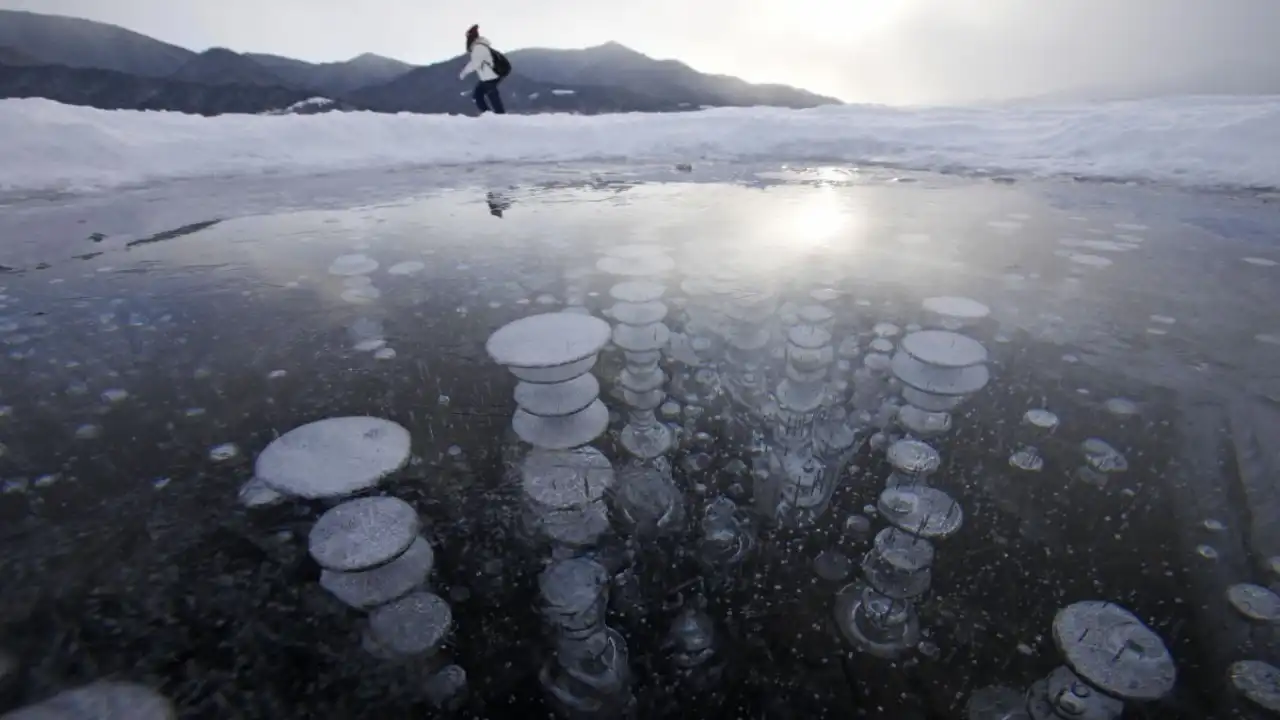
Skiing is popular here, yes. But winter doesn’t revolve around it. Snow festivals. Frozen lakes. Slow walks. Hot springs surrounded by snow. It’s quieter than you expect. A lot of people who claim they hate winter end up enjoying Hokkaido the most during this season.
9. Travel Styles That Fit Different Travelers
Hokkaido doesn’t force one kind of experience. That’s why it works for so many people.
Couples like the quiet drives.
Nature lovers like the space.
Families like the safety and clean environment.
People comparing Japan trip packages often realize Hokkaido offers something very different from the usual routes.
10. Practical Comfort Without Overcrowding
Hokkaido manages a balance that’s hard to find. Transport works. Roads are good. Places to stay are clean and reliable. Yet even popular spots rarely feel overwhelming. You get comfort without chaos. And that matters more than people realize.
Who Should Consider Hokkaido?
Hokkaido isn’t for travelers chasing nightlife or packed schedules. It suits people who enjoy space, scenery, and quiet moments that don’t need explaining.
It works especially well for:
- First-time visitors wanting a different side of Japan
- Repeat visitors are tired of crowds
- Travelers browsing Family trip packages focused on privacy and scenery
- Anyone who values landscapes over landmarks
Conclusion
Hokkaido doesn’t compete with Japan’s famous cities. It doesn’t shout. It doesn’t perform. Its beauty feels lived-in. Landscapes stay open. Experiences feel personal. Nothing feels forced.
For travelers who believe nature doesn’t need exaggeration to be powerful, Hokkaido quietly makes its case. It may not always be the first place mentioned but for many, it becomes the one they remember most. If you’re looking for a destination where you can slow down, breathe deeper, and feel connected to the land around you, Hokkaido stands quietly, confidently, as Japan’s most beautiful natural destination.
Pro Tips for Traveling in Hokkaido
- Renting a car changes everything
- Plan around seasons, not just landmarks
- Pack layers, even in summer
- Follow nature rules and local advice
- Slow down. Hokkaido doesn’t reward rushing