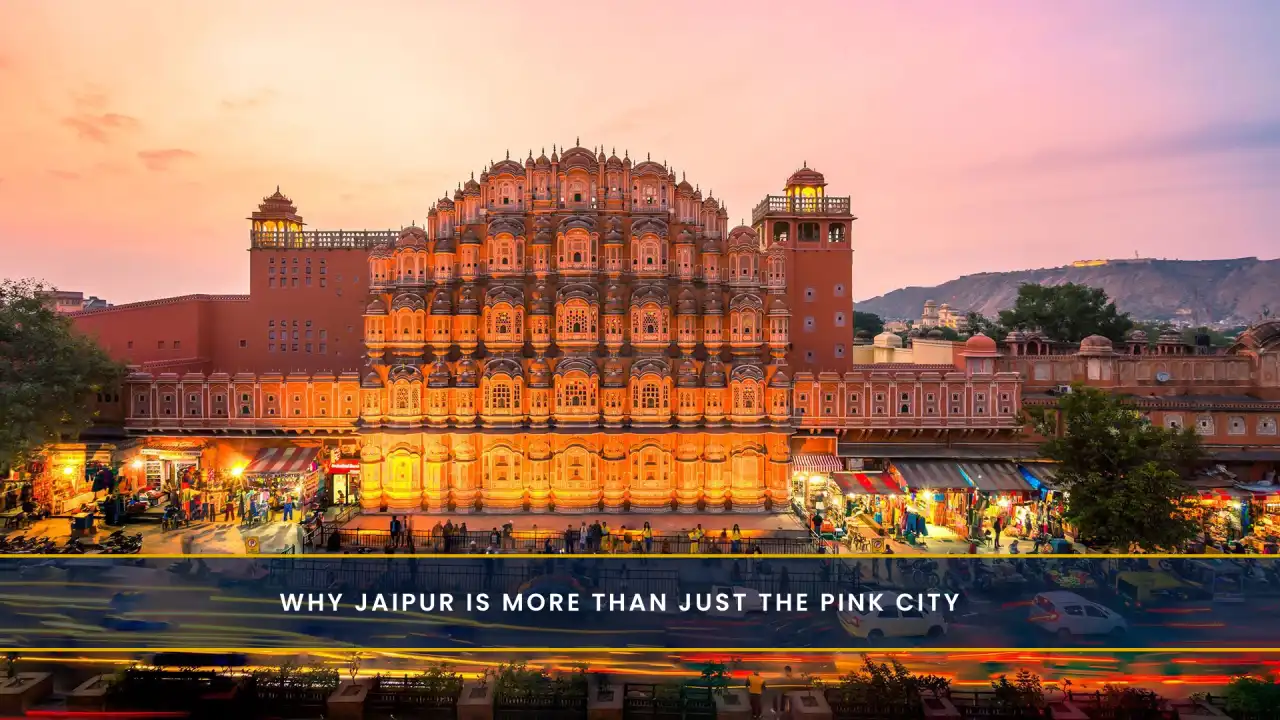
Why Jaipur Is More Than Just the Pink City
Introduction
Most people meet Jaipur through the color pink gates, pink buildings, and pink photos everywhere. For many travelers, that becomes the whole story, and they stop there. Stay a little longer, though, and the city shifts quietly. History here isn’t behind glass; it moves with daily life. Scooters pass old doorways, kids rush to school, and chai debates fill the streets. It’s not only the forts or palace views from Amer Fort. Jaipur opens up through small, unplanned moments. That’s when Jaipur's hidden places reveal a city deeper than its pink walls.
A City That Was Planned, Yet Grew Its Own Way
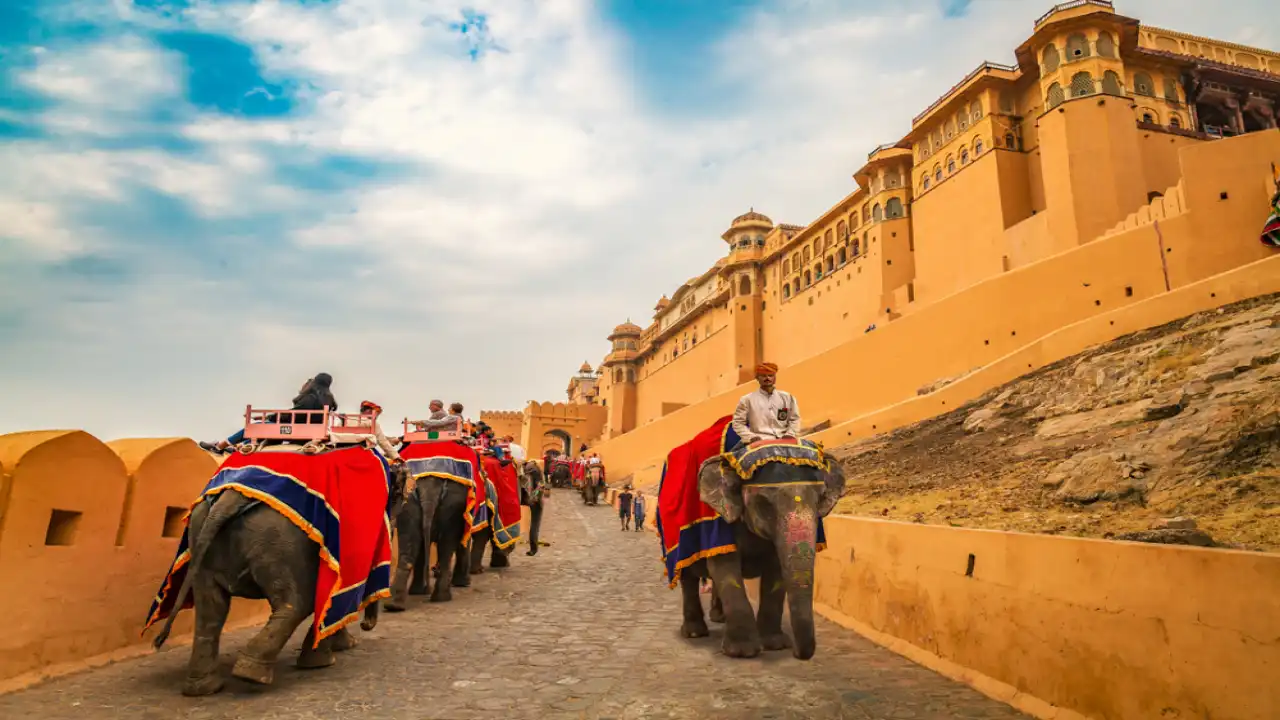
Jaipur is unusual in India because it didn’t grow randomly. It was planned. Back in the 18th century, Maharaja Sawai Jai Singh II laid it out with wide roads, neat blocks, and a sense of order that still holds up today. Even now, the city feels oddly organized for a place this old. Traffic somehow moves. Markets have their own logic. Neighborhoods don’t blur into each other completely. But here’s the thing. Planning alone doesn’t give a city character. Life does that part.
Over time, Jaipur bent those straight lines in its own way. Old havelis turned into homes, cafés, small hotels, sometimes all three at once. Shops that once sold basic household items now sit next to stores selling phone covers and spices under the same roof. The city didn’t try to stay frozen in the past. It adjusted. Slowly. Quietly.
Pro tip: Look up at the street signs when you’re walking in the old city. Many still point to the original trades of that area. And surprisingly, some of those crafts are still right there.
The Forts Aren’t Just Stone and Stories
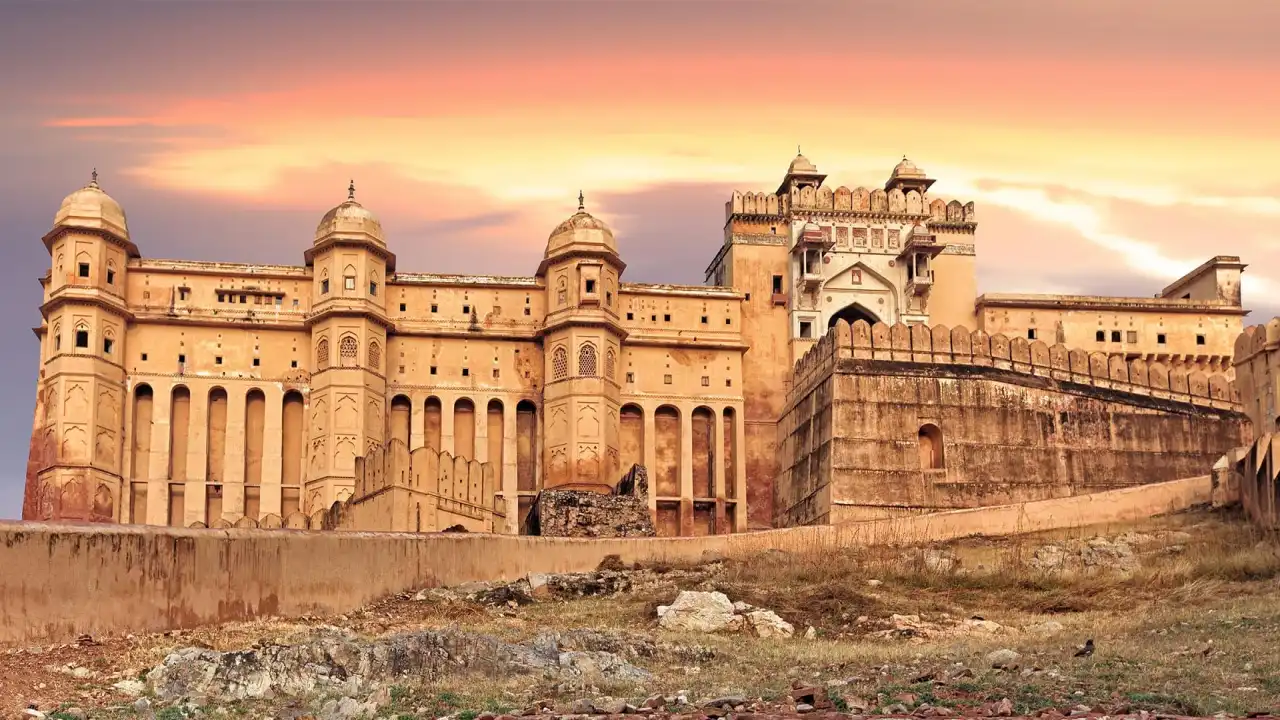
Yes, Jaipur’s forts are impressive. No denying that. Amer Fort, Nahargarh, and Jaigarh are big, dramatic, and easy to photograph. But they’re more than architectural achievements. They feel like places where real decisions were made. Where people lived long, complicated lives.
Amer Fort isn’t only about mirror work or elephant rides. It shows how power and comfort existed side by side. Jaigarh feels tougher, more practically built for defense and strategy. Nahargarh, sitting above the city, almost feels personal. Like a place someone escaped to when the noise below got too much. What many visitors don’t notice is how locals treat these forts. They’re not distant monuments. They’re familiar. Background landmarks. Almost like old neighbors watching the city grow.
Markets That Don’t Let You Stay Quiet
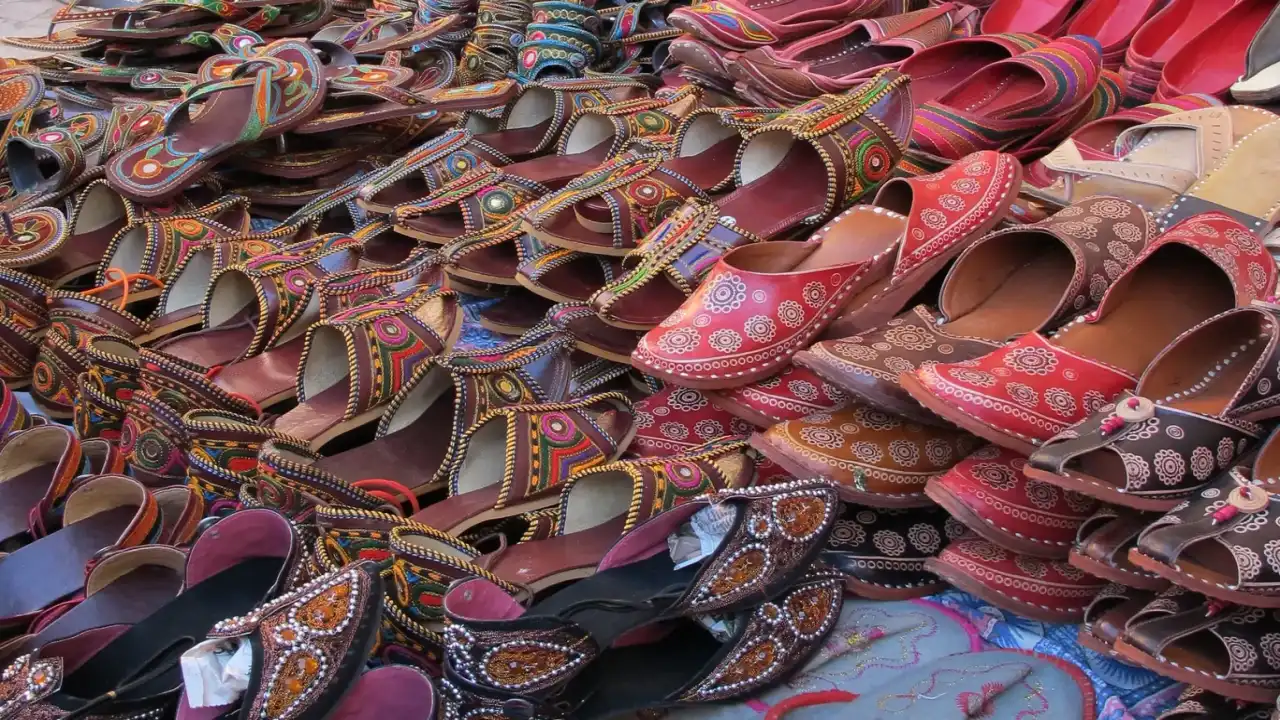
Jaipur’s markets don’t whisper. They talk. Loudly. Johari Bazaar shines with jewelry and stones. Bapu Bazaar is full of fabrics, shoes, souvenirs, and things you didn’t know you needed five minutes ago. But what really stays with you isn’t the shopping, it’s the interaction. Shopkeepers explain. They joke. They bargain. Sometimes they even tell you not to buy something if it’s not right for you. That doesn’t happen everywhere. This is where Jaipur culture and heritage feel most real. Not staged. Not polished. Just part of everyday behavior. The way people greet you. The respect for handmade work. The pride in knowing where things come from.
Pro tip: Slow down in the markets. Ask questions. Even if you walk away empty-handed, you’ll leave with a story or two.
Food That Makes Sense Once You Think About It
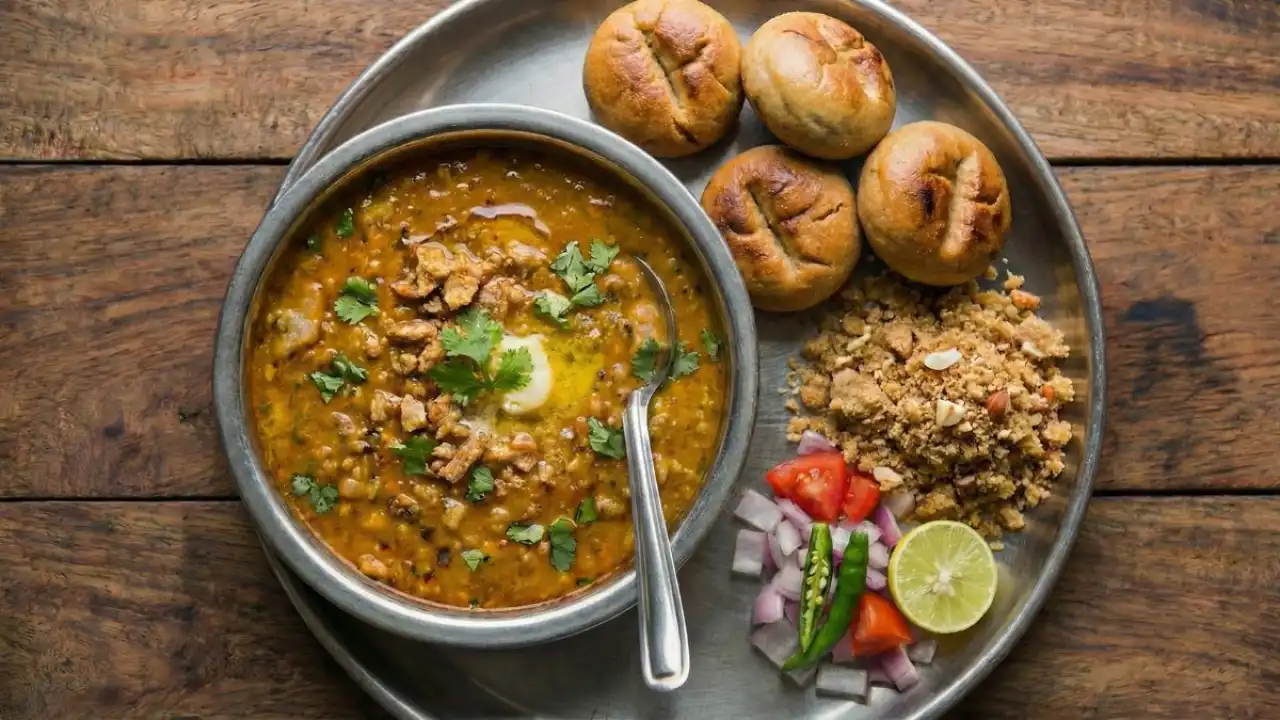
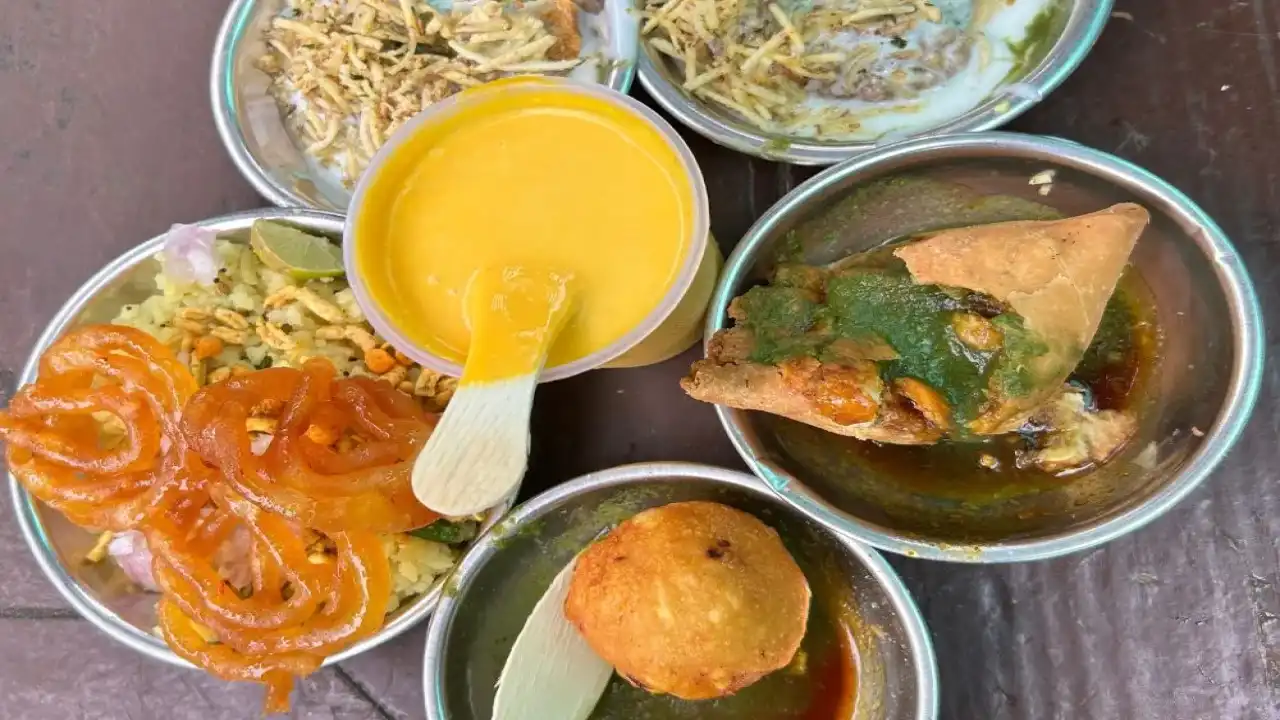
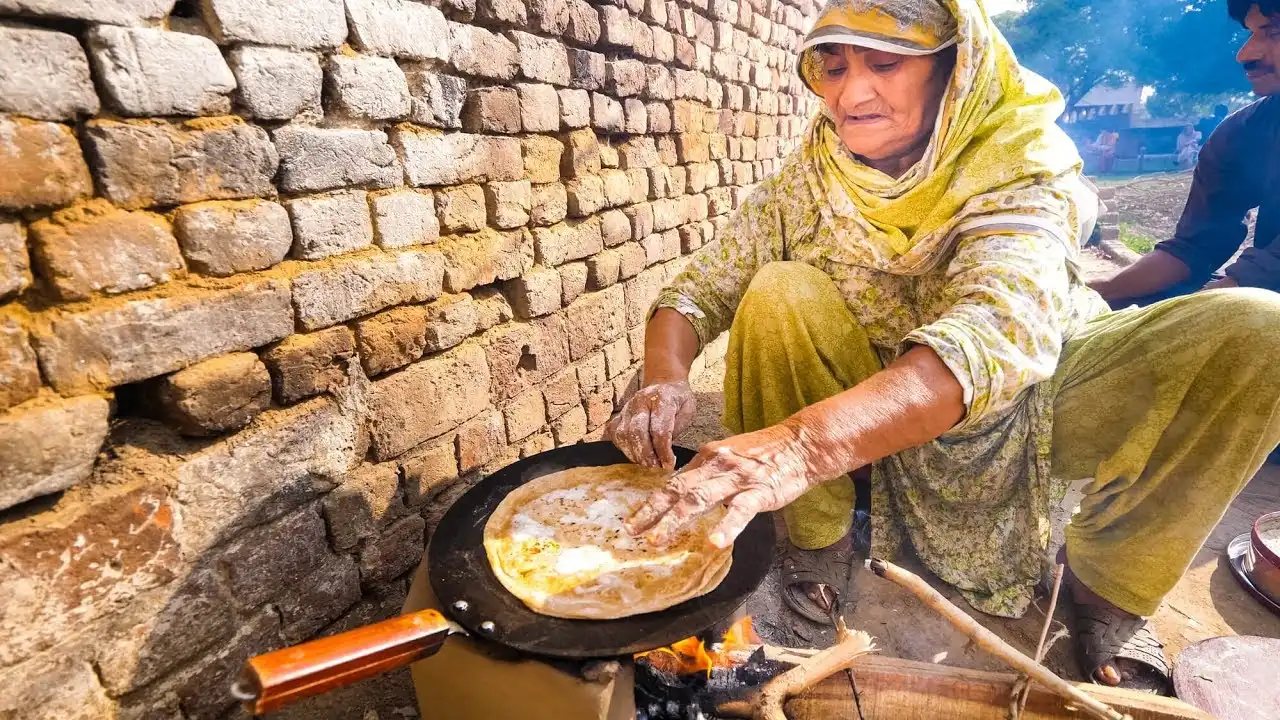
Jaipur’s food isn’t flashy. It doesn’t try too hard. It’s practical. Balanced. Built around survival as much as taste. The desert shaped the kitchen here. Water was limited. Ingredients needed to last. That’s how dishes like dal bati churma, gatte ki sabzi, and ker sangri came to be. They’re not fancy, but they’re clever. Street food adds its own chaos, kachoris dripping with spice, sweet lassi cooling everything down, snacks eaten standing because sitting feels optional. Meals aren’t rushed. People eat together. Recipes pass through families quietly, often without written instructions. Just memory and habit.
Crafts That Didn’t Disappear
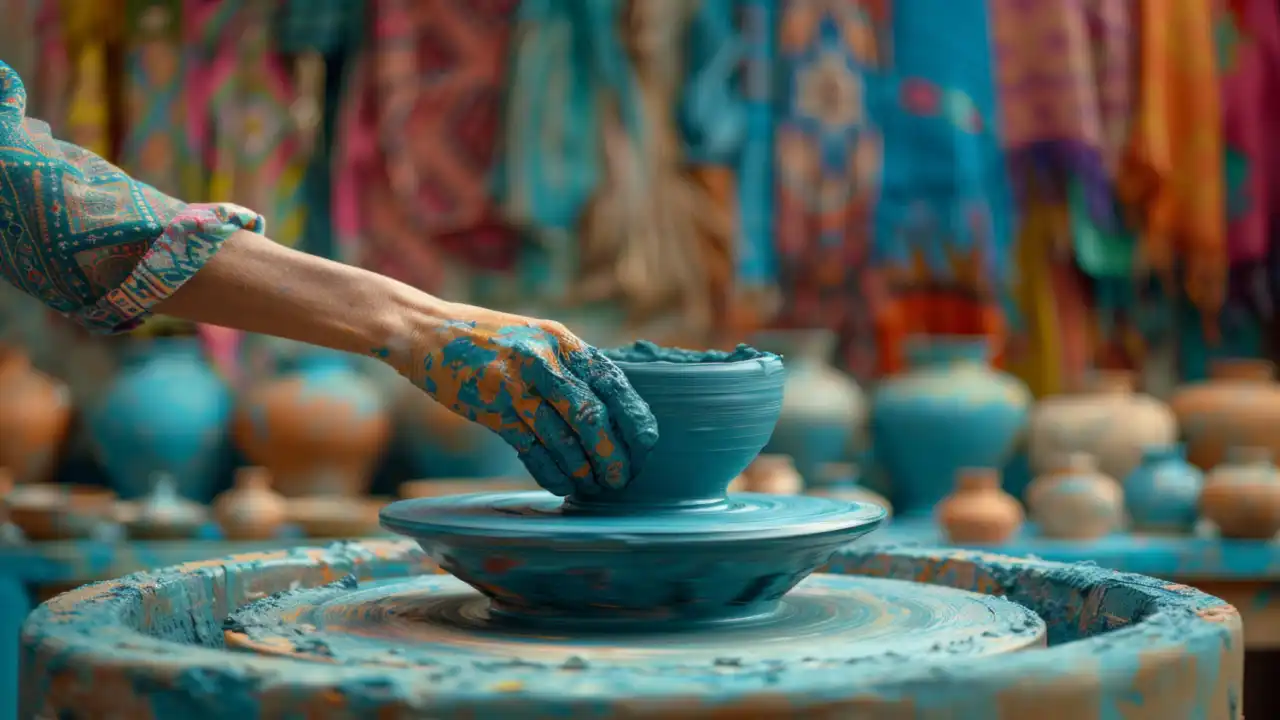
Jaipur’s crafts are still alive. Block printing. Blue pottery. Gem cutting. Miniature painting. What’s impressive isn’t just the skills, it’s the continuity. Families are doing the same work their grandparents did. And their grandparents before that. Visit a small workshop and you’ll notice something. No one’s rushing. Hands move confidently, almost automatically. These skills weren’t learned in classrooms. They were picked up over years of watching, copying, and repeating. Buying directly from these artisans keeps more than a business running. It keeps a tradition alive.
Pro tip:
Ask how something was made. If it’s genuine, the explanation usually comes with pride.
Sometimes Doing Nothing Is Enough
One of the most overlooked things to do in Jaipur is nothing special. Just watch the day unfold. Shopkeepers are lifting shutters early in the morning. School kids dodging traffic in pressed uniforms. Evening prayers blend into honking horns and street noise. The city moves at a steady pace. Not slow. Not overwhelming. It doesn’t demand your attention every second. Some of the best moments aren’t in any guidebook. Sitting at a roadside stall longer than planned. Getting overly detailed directions from a stranger. Watching an artisan work without stopping to explain what they’re doing.
Old Jaipur and New Jaipur Share Space
Jaipur hasn’t tried to erase its past. It’s added to it. Cafés run inside old havelis. Startups work out of historic neighborhoods. Festivals blend old rituals with modern ideas. Younger locals are shaping the city in their own way. They respect traditions, but they don’t feel trapped by them. That mix gives Jaipur its current energy, but not stuck.
A City That Works for Different Travelers
Jaipur doesn’t demand one kind of traveler. It works if you like slow wandering. It works if you’re traveling with family. Couples find quiet corners. Solo wanderers find conversation easily. That flexibility is why many people now consider Jaipur family packages that balance sightseeing with breathing room. You don’t need to rush here. In fact, rushing feels wrong.
Don’t Overfill Your Days
Jaipur isn’t meant for checklist travel. Trying to squeeze everything into one day flattens the experience. Spread things out. Leave gaps. Let the city interrupt your plan. That’s something many Domestic Packages are finally understanding: travel feels better when it has space.
Pro tip:
Pick one or two main sights a day. Let the rest happen on its own.
What You Remember Later
Long after the photos fade, people remember Jaipur by how it felt. The warmth. The ease of conversations. The calm evenings. The feeling that history wasn’t something you visited, it was something you walked through. Jaipur doesn’t chase attention. It waits. And that’s why people who really experience it don’t talk much about pink walls anymore. They talk about moments. And those moments tend to stick.
Conclusion
Jaipur isn’t a destination you rush through. It asks you to slow down, notice details, and listen more than you speak. Its beauty doesn’t shout. It shows up quietly in routines, in conversations, in everyday pride. Come without rigid expectations. Let the city lead a little. If you do, Jaipur gives back generously. And you’ll realize the real charm has very little to do with color and everything to do with the life unfolding inside it.