Why Rajasthan Is India’s Most Colourful Travel Destination
Introduction
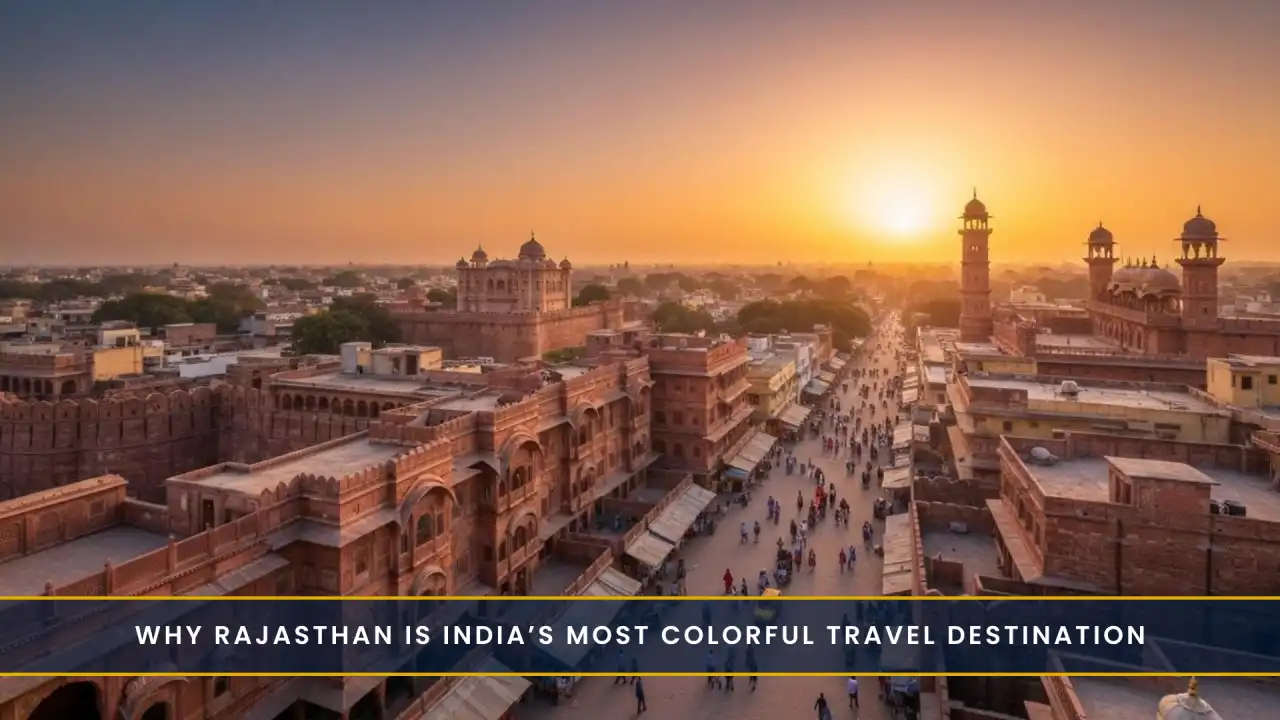
The first time most people arrive in Rajasthan, they notice the colors before anything else. Not just bright colors, but layers of them on clothes, walls, markets, turbans, doorways, and even in the desert sky at sunset. This is not a place where life stays quiet or hidden. Everything feels lived-in and visible. That is what makes Rajasthan travel so memorable.
This blog is not about ticking off famous places or repeating what brochures already say. It is about why Rajasthan feels different when you are actually there, why it stays with you long after you leave. From old cities that still follow ancient routines to deserts that somehow feel full of life, Rajasthan has a way of pulling you into its rhythm without trying too hard.
A Land Shaped by History, Not Just Ruled by It
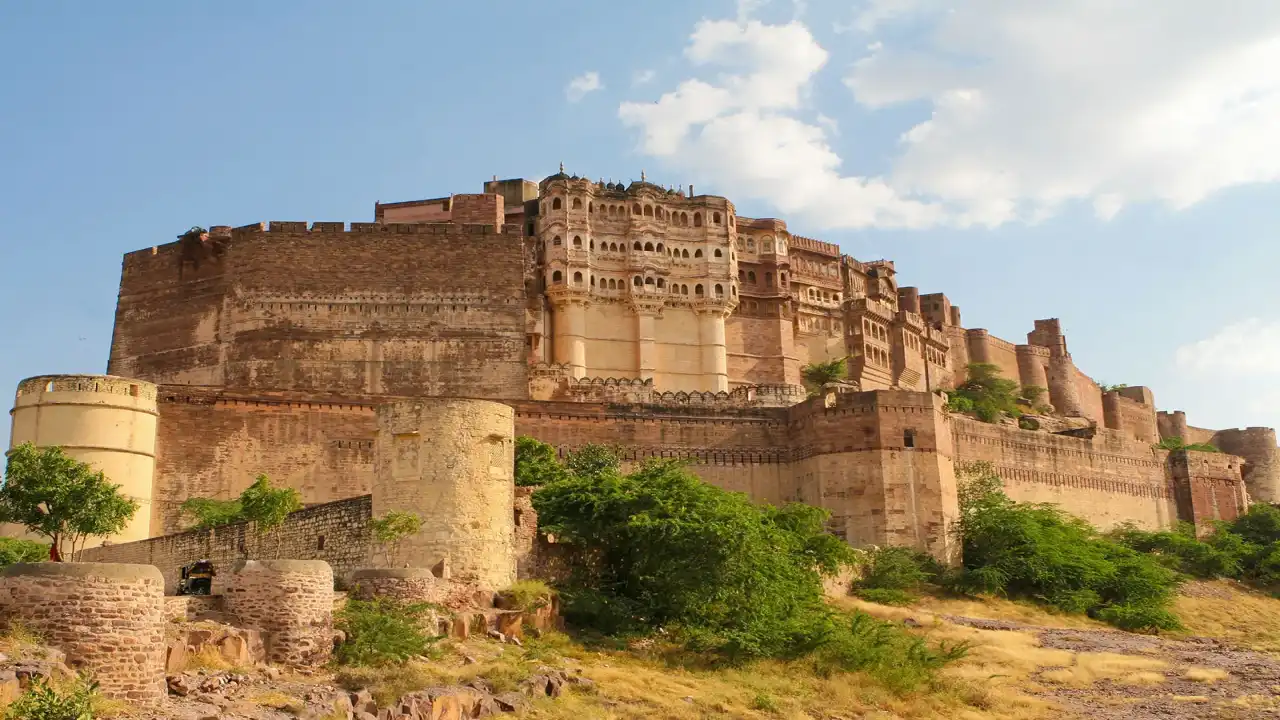
In Rajasthan, history doesn’t sit quietly behind glass panels. It doesn’t feel like something you read once and forget. It’s part of daily habits. You notice it in how elders are greeted, in how homes turn inward instead of opening up, and in traditions people follow without stopping to explain why. In many places, history feels finished. Like a closed chapter. Rajasthan doesn’t work that way. Forts aren’t just tourist stops. People use them for directions. “Go straight till the fort, then turn.” That’s normal. Palaces aren’t frozen in time either. They’re reminders of how towns grew around royal life, slowly, over generations.
A few reasons the past still feels close here:
- Forts like Amer, Mehrangarh, and Jaisalmer rise out of hills and sand, not away from them
- Old markets still follow layouts made long before traffic signals mattered
- Stories of kings and battles aren’t told formally; they come up during tea breaks and casual chats
Pro tip: Take a local guide at least once. Not the polished kind with memorized lines. The ones who pause mid-sentence, change details, and argue with themselves a little. That’s usually when it starts feeling real.
Cities That Feel Like People
Rajasthan’s cities don’t blend. Each one behaves differently. Almost like personalities.
Jaipur: Ordered, but Never Quiet
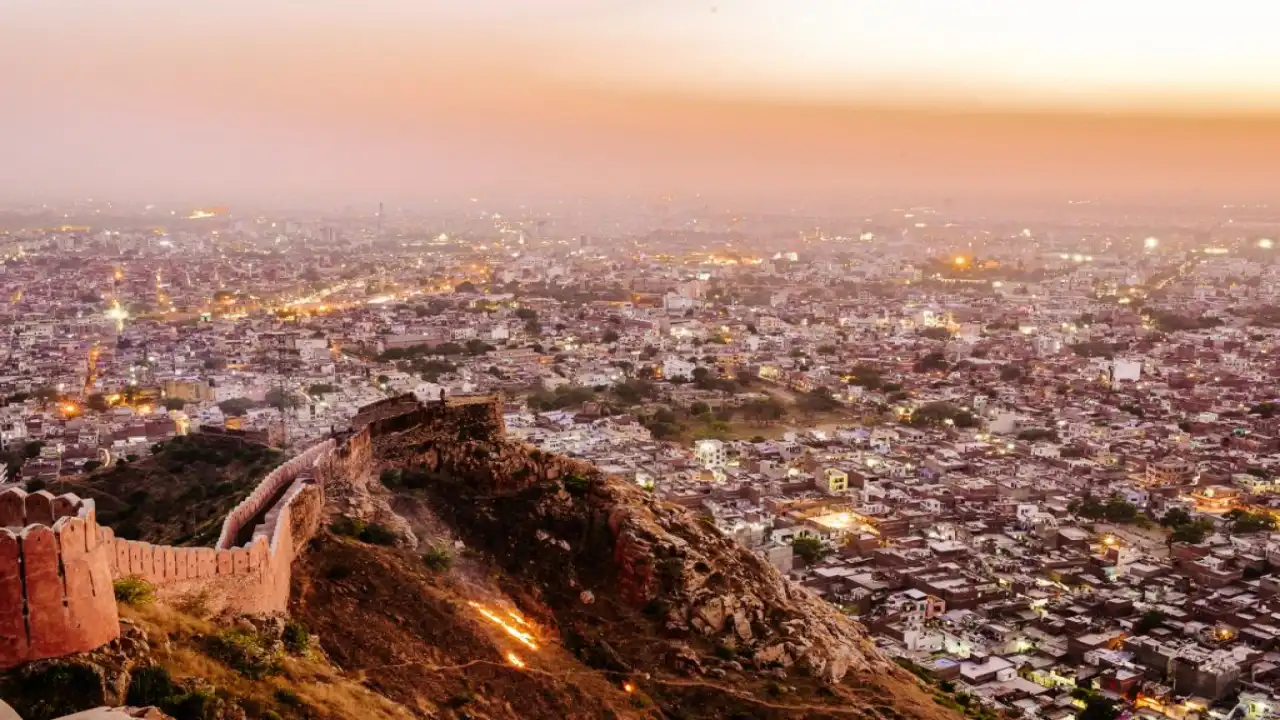
Jaipur feels planned. You sense it quickly. Roads make sense. Markets are divided logically. You don’t feel lost often. But calm? Not really. Jewelry shops flash. Food stalls hiss. Courtyards hide behind traffic. It’s structured, yes, but never boring.
Jodhpur: Solid and Straightforward
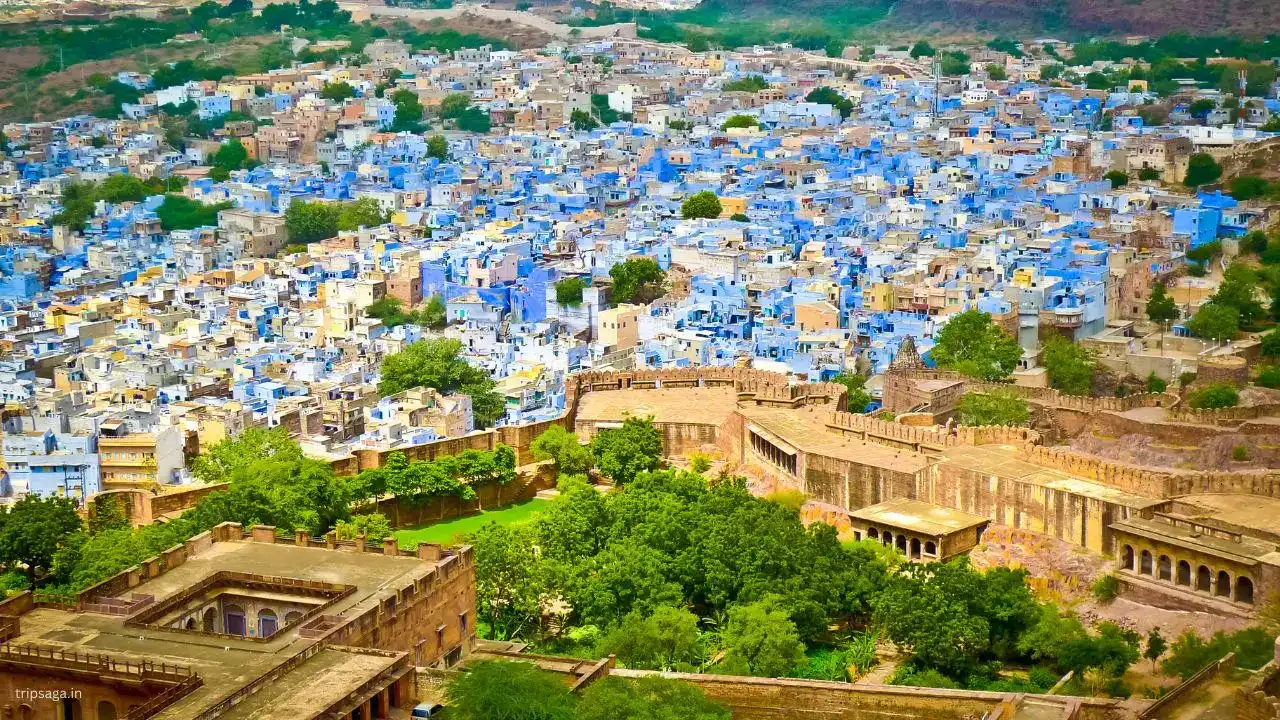
Jodhpur doesn’t try to decorate itself unnecessarily. The blue houses exist for a reason: they help with heat. The city feels grounded. Steady. Mehrangarh Fort sits above everything, not trying to impress, just watching.
Udaipur: Slower Than You Expect
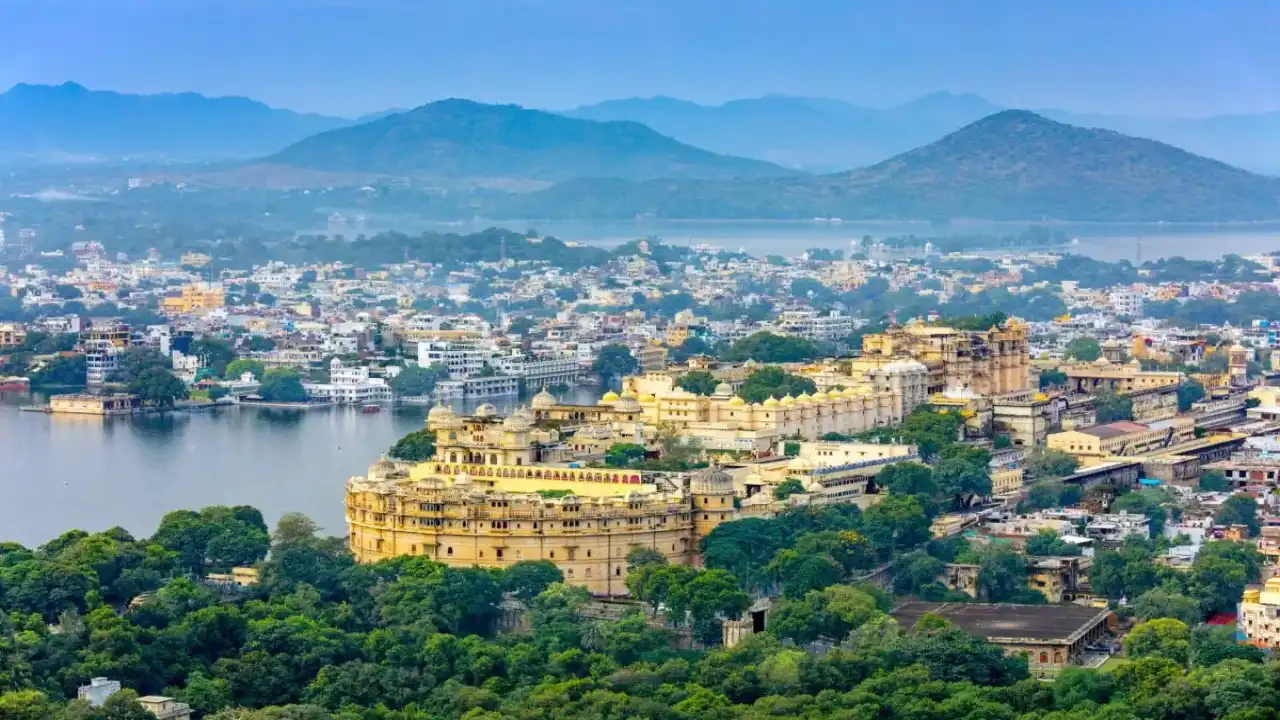
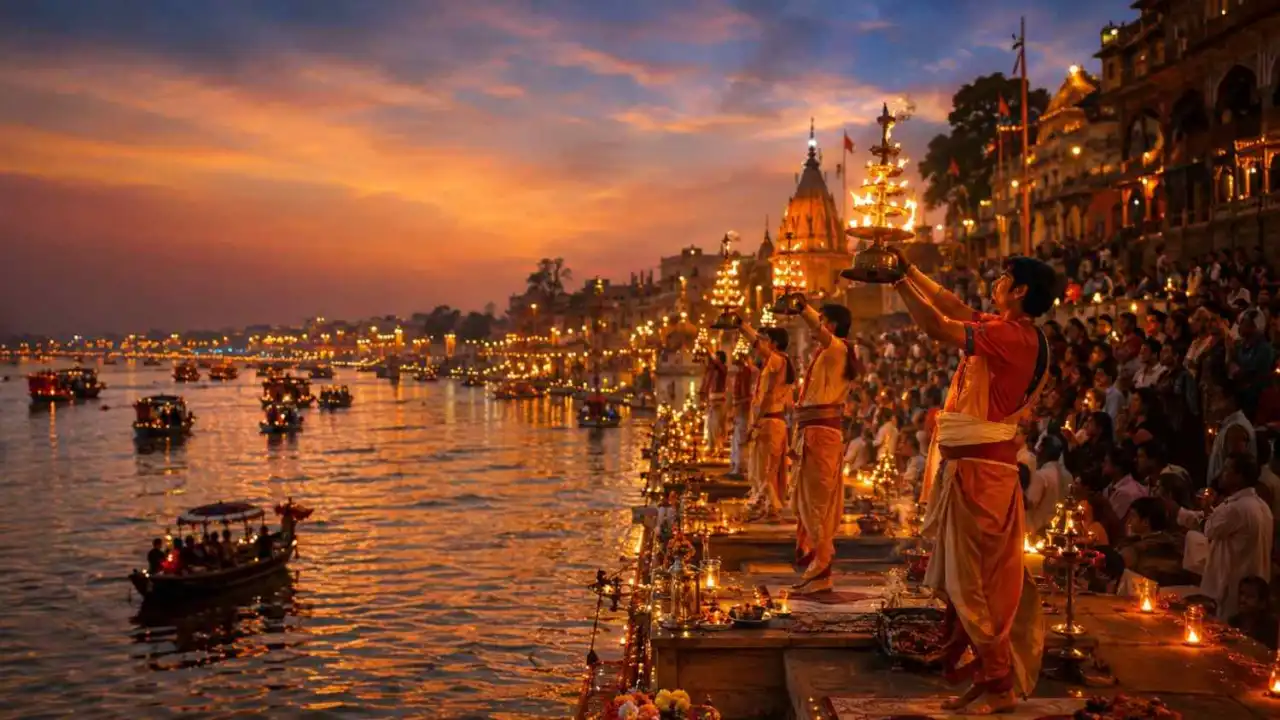
Udaipur makes you slow down without asking. Lakes soften everything. The heat, the noise, even your thoughts. People sit longer here. Evenings stretch out. After a day or two, you stop checking the time as much.
Jaisalmer: Quiet, But Not Empty
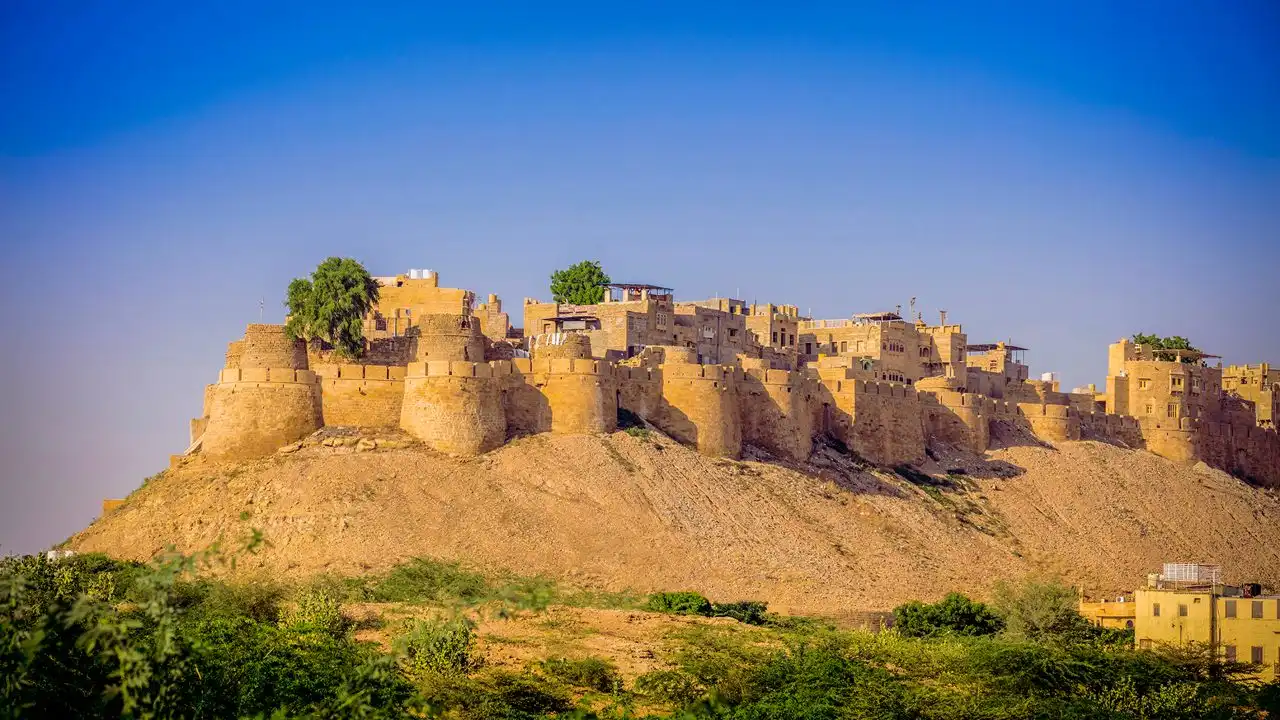
Jaisalmer feels like it grew out of sand instead of being placed on it. Life doesn’t fight the desert here. It adjusts. Days are sharp and bright. Nights are silent. And the silence doesn’t feel awkward. It feels normal.
Rajasthan Culture: Just Part of Life
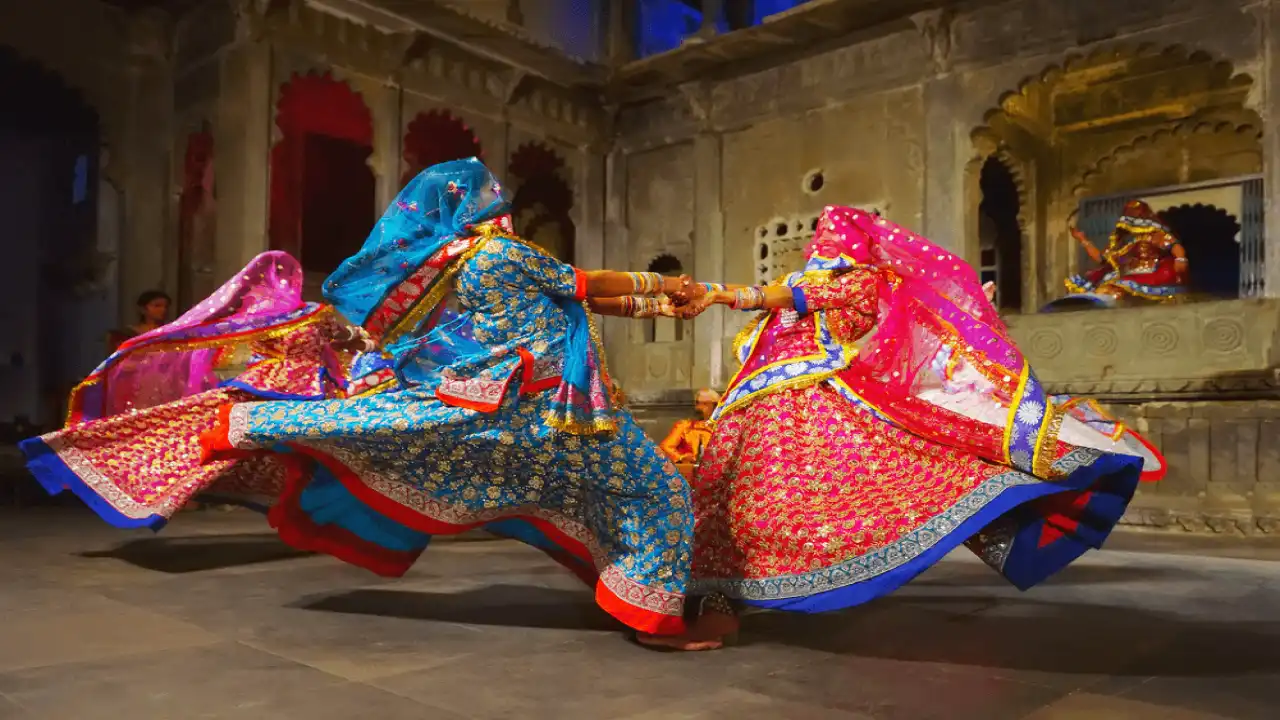
What stands out most is how ordinary tradition feels here. Rajasthan culture isn’t staged for visitors. It’s not performed on cue. It just exists because it still fits the way people live.
You’ll see things like:
- Women in traditional ghagras riding scooters, completely unbothered
- Men in colorful turbans running shops, farms, and entire households
- Folk music is played at weddings, temples, or small gatherings without any announcement
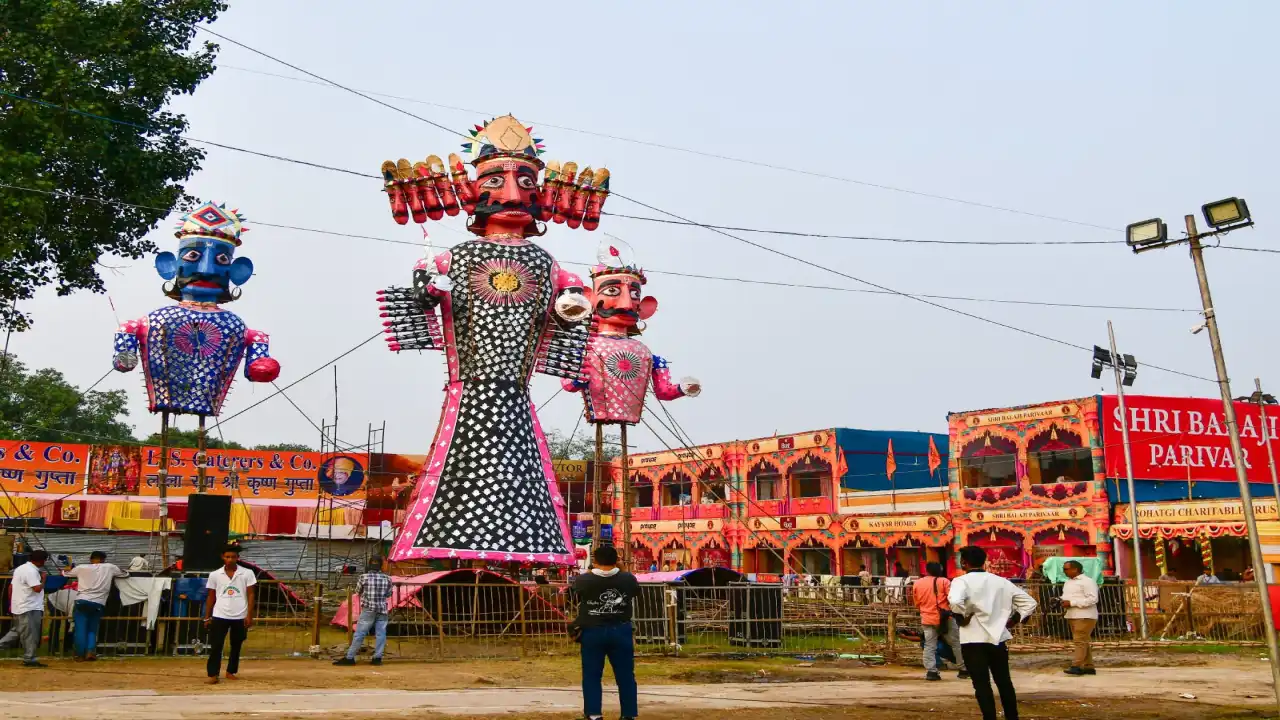
Festivals aren’t rare events planned for tourism. They’re just part of the year.
Some that really show this:
- Teej, with swings, songs, and rituals centered around women
- Gangaur, focused on marriage, family, and long processions
- The Desert Festival, mixing music, camel races, and local competitions
Pro tip: Don’t overplan festival days. Things don’t run on strict timelines. Let it unfold. The moments you didn’t schedule are usually the ones you remember.
Food That Exists Because It Had To
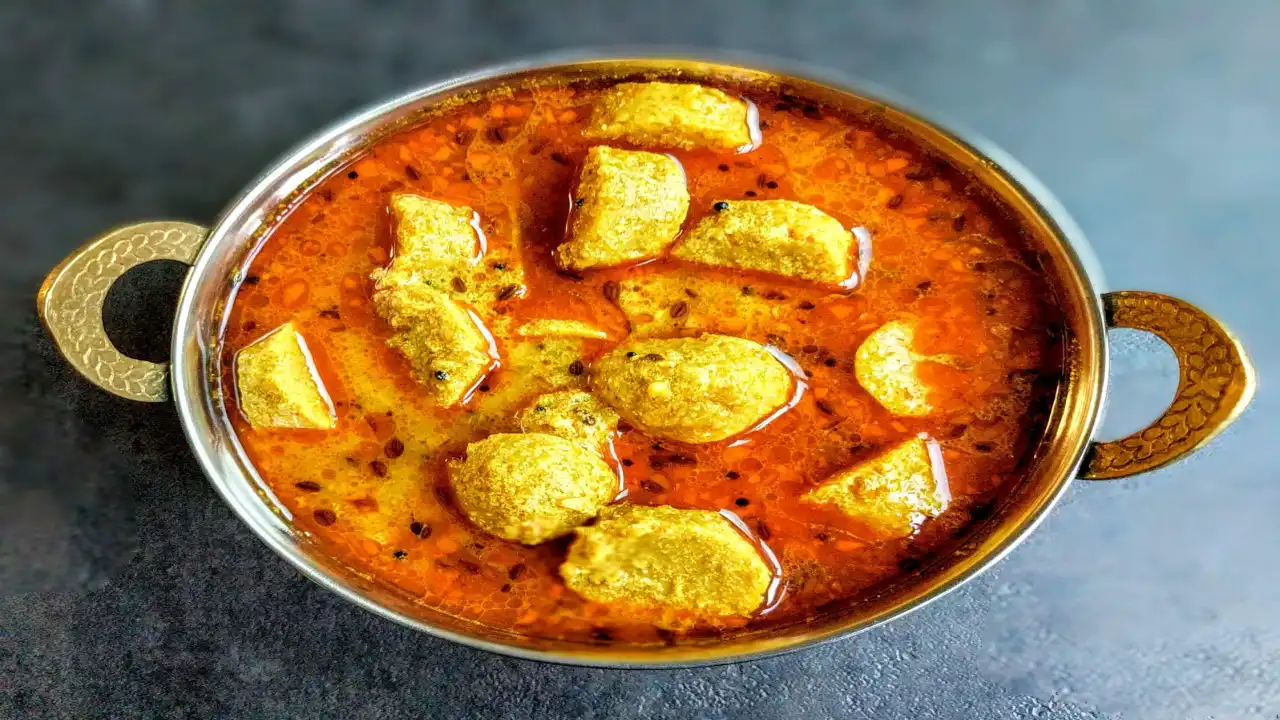
Rajasthan’s food wasn’t created for comfort or variety. It came from necessity. Water was limited. Ingredients depended on the seasons. Preservation mattered more than presentation. That’s why the food is bold, heavy, and filling.
You’ll notice patterns pretty quickly:
- Spices are used for preservation as much as flavor
- Dishes that last without refrigeration
- Meals designed to support long, physical days
Dal baati churma, gatte ki sabzi, ker sangri, none of these happened by accident. They’re practical solutions that slowly became traditions.
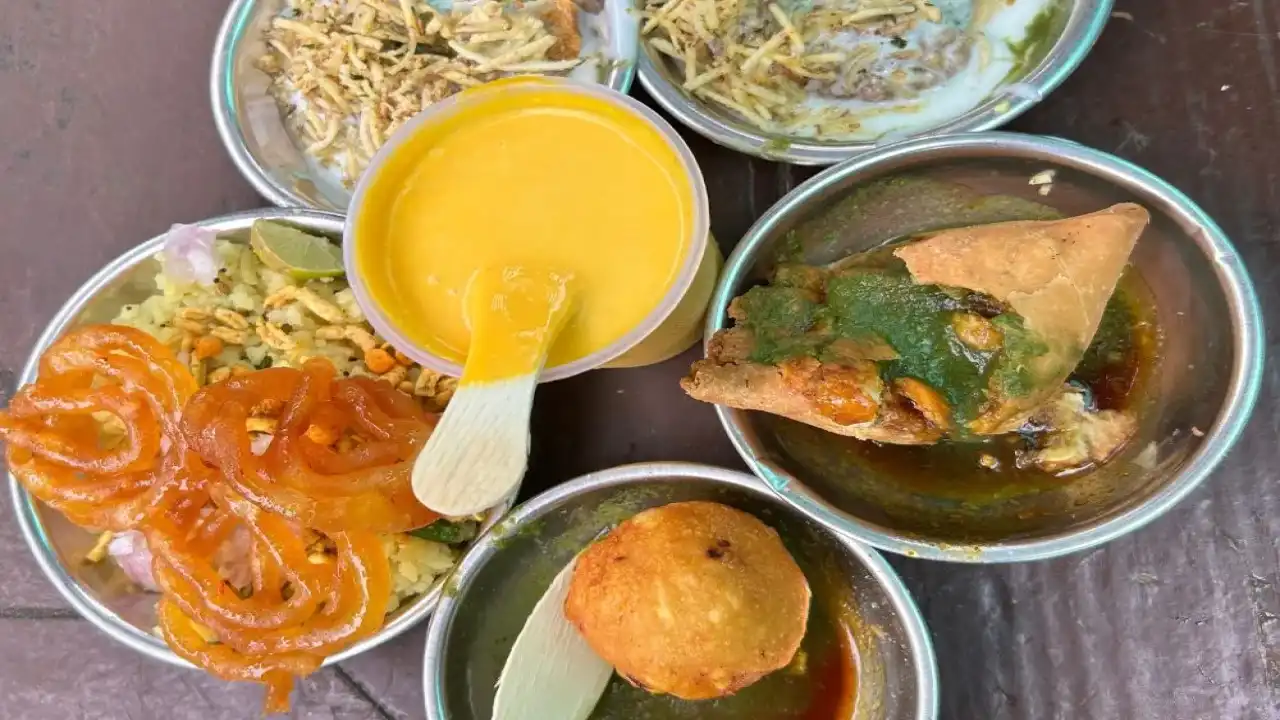
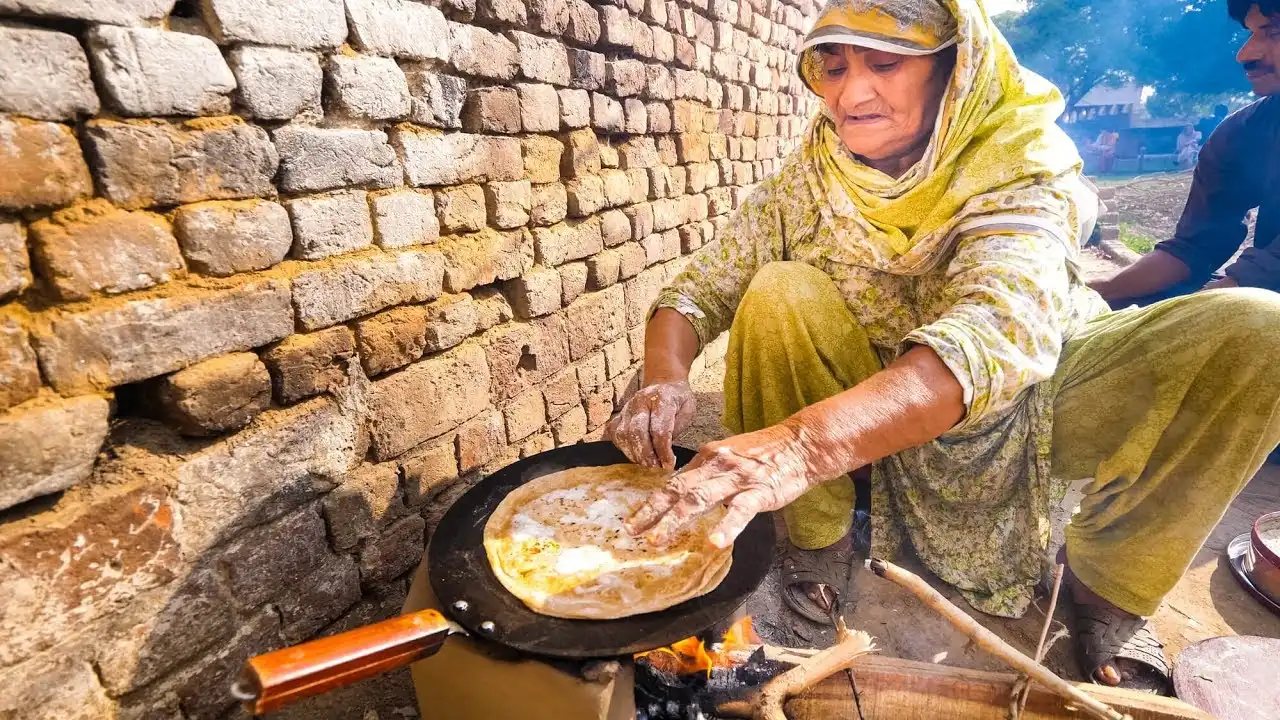
Street food adds another layer. Kachoris, mirchi vadas. Quick snacks that hit hard and disappear fast. No drama. Just effective.
Markets That Don’t Feel Rushed
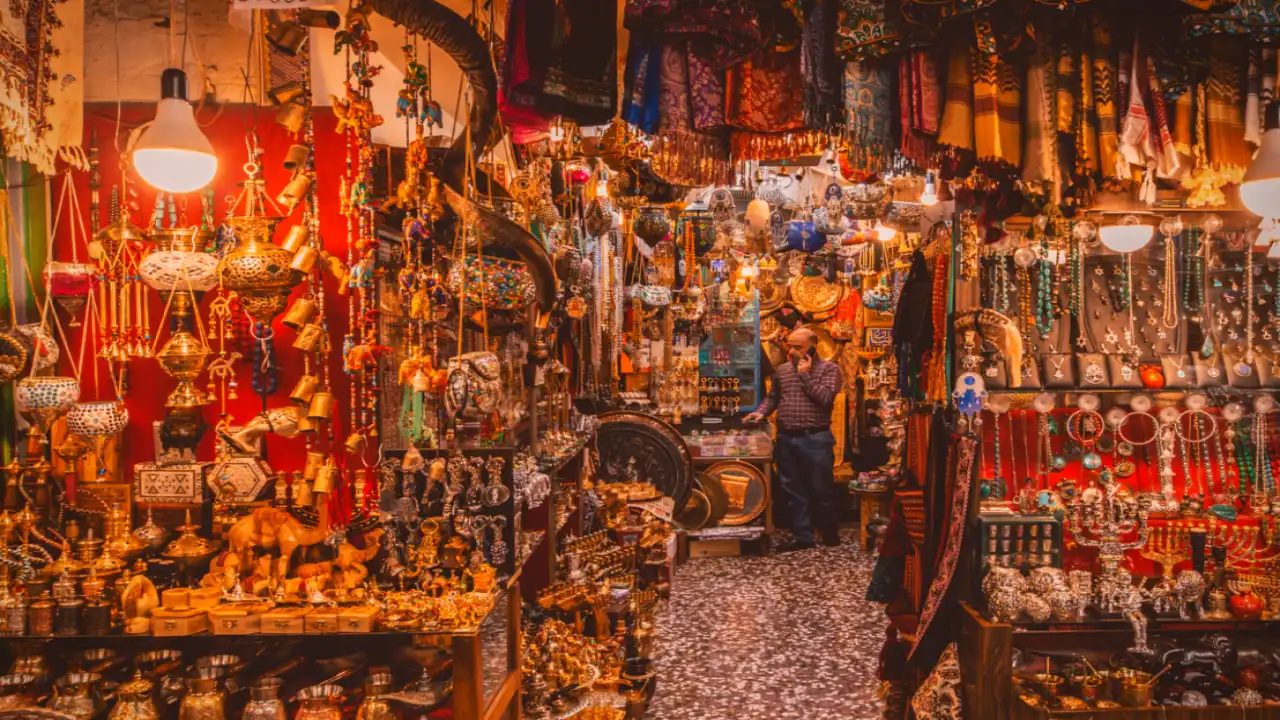
Shopping here doesn’t feel like a transaction. Markets feel like conversations. Shopkeepers talk to each other. Neighbors interrupt. Bargaining happens, but it’s rarely aggressive.
You’ll usually find:
- Hand-block printed fabrics
- Silver jewelry made locally
- Leather goods and traditional footwear
Often, buying something comes with a story. About who made it. Or where it came from. Or why it looks the way it does.
Pro tip: If a market feels overwhelming, turn into a smaller lane. That’s usually where things slow down.
The Desert: Quiet, Not Empty
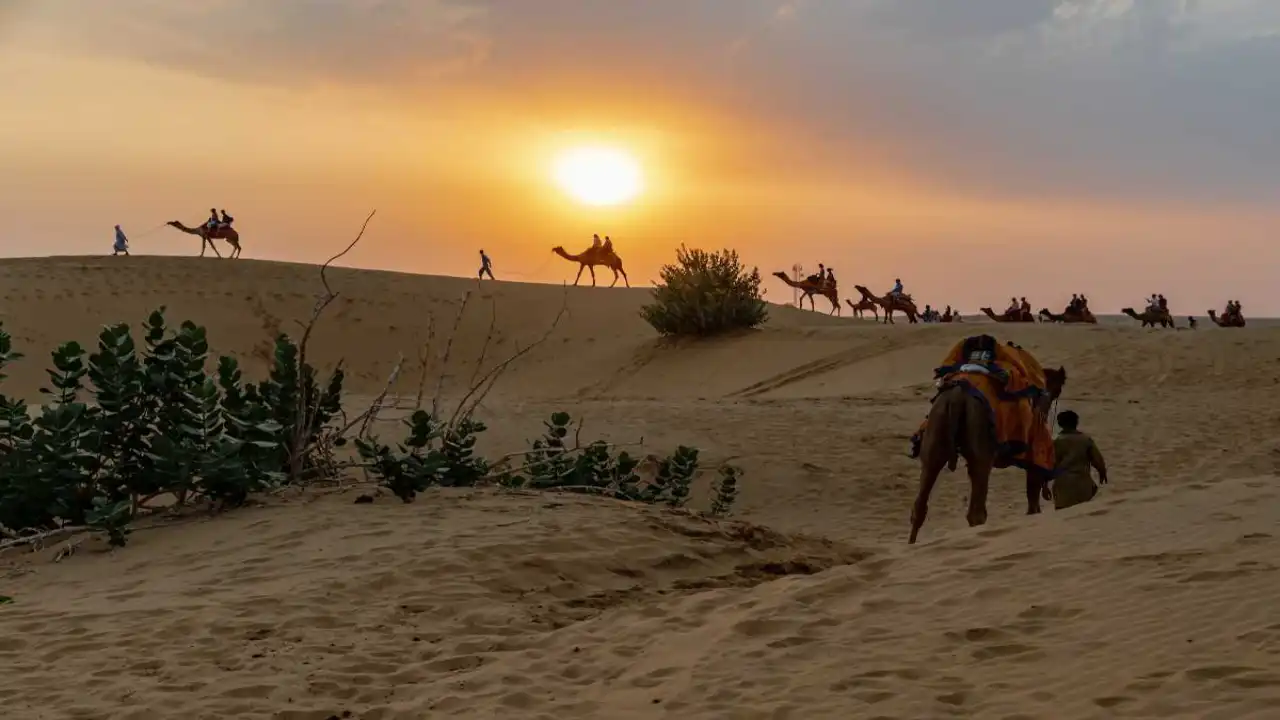
People assume deserts are lifeless. Rajasthan’s desert quietly disagrees. The Thar supports villages, wildlife, and routines shaped by patience. Camel herders, craftsmen, farmers, people here work with the land, not against it. Nights feel wide. Stars feel closer. Days move slowly, guided by heat and light. A desert stay isn’t about constant activity. It’s about paying attention.
Travel That Fits Different People
Rajasthan works for different kinds of travelers. Some come for history. Some for food. Many arrive without knowing exactly why.
It’s also why it suits Family trip packages. Distances aren’t overwhelming. Experiences vary. Kids get forts. Elders get quiet lakes. Everyone finds something.
You can travel:
- Slowly, staying longer in fewer places
- Quickly, covering major cities
- Comfortably, with heritage stays and modern hotels
Rajasthan Tourism: Beyond the Famous Spots
Forts and palaces still dominate photos, but Rajasthan tourism is slowly opening up quieter experiences. Village stays, rural walks, craft workshops.
These experiences help you:
- See daily routines up close
- Support local communities
- Experience Rajasthan without crowds
It’s less flashy, but often more memorable..
Planning Without Overthinking
For first-time visitors, some structure helps. A well-planned Rajasthan tour package can handle logistics while still leaving room to explore. Less planning stress means more space actually experience things.
Why Rajasthan Stays With You
Rajasthan doesn’t shout. It doesn’t rush you. It lets you notice things slowly.
You remember small moments:
- Temple bells early in the morning
- Random conversations with strangers
- Colors softening as the sun goes down
It feels honest. That’s what stays.
Conclusion
Rajasthan isn’t colorful only because of how it looks. It’s colorful because of how people live, adapt, and remember. Tradition and modern life exist side by side here without trying too hard to impress. For travelers who want something deeper than surface-level sightseeing, Rajasthan offers a real sense of connection.
It doesn’t feel like just another destination.
It feels like something you carry with you afterward.
Practical Tips That Actually Matter
Best time to visit
- October to March for comfortable weather
- Summers are harsh, but quieter
- Monsoon adds greenery in some regions
Getting around
- Trains connect major cities well
- Cars give flexibility
- Local transport works fine within cities
What to pack
- Comfortable walking shoes
- Light layers
- Sun protection year-round
Pro tip: Respect local customs, especially in temples and villages. People notice