Why Udaipur Is Called the Venice of the East
Introduction
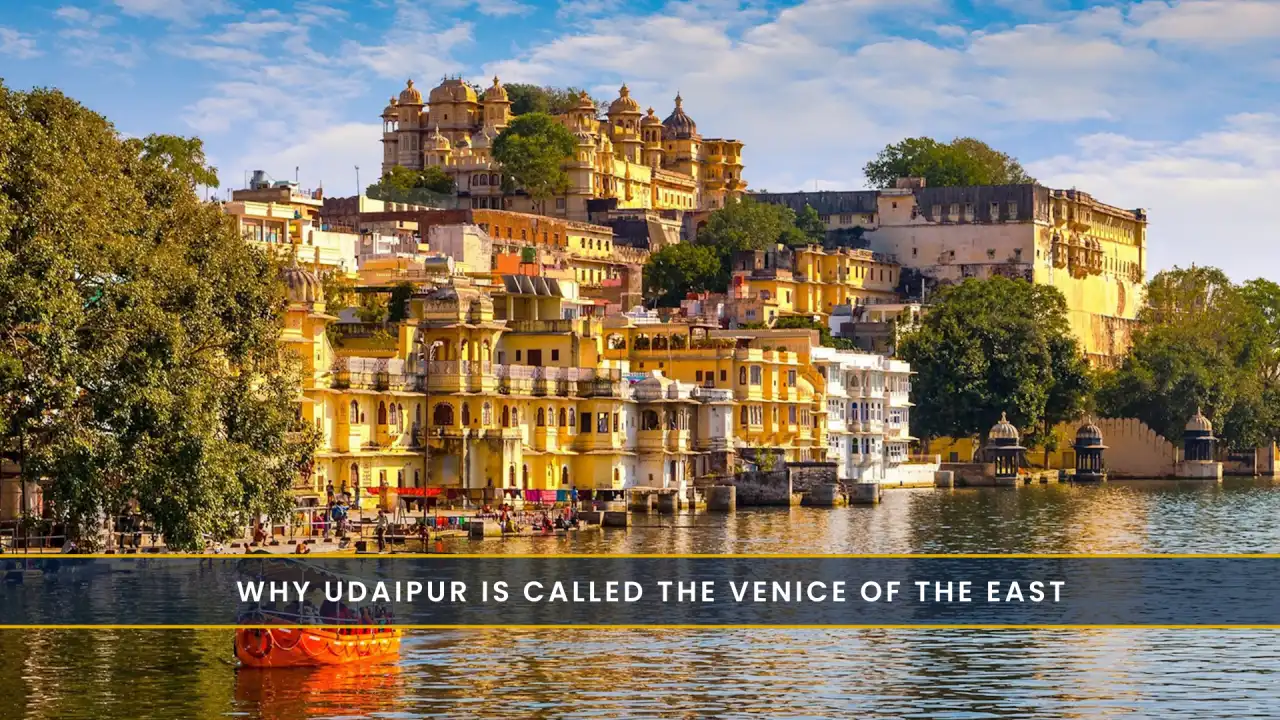
If you ask people about Udaipur, really ask them, most won’t jump straight to naming a palace. They’ll pause for a second. Then they’ll probably say something about the water. It’s everywhere. How it sneaks up on you. One minute you’re walking past a shop, the next you’re staring at a lake with a palace floating in the middle like it forgot to sink. That’s what sticks.
Udaipur doesn’t try to impress you loudly. It’s not one of those places. There’s no rush, no push. It sort of settles around you. Slowly. That’s how it ended up being called the Venice of the East, Udaipur. Not because it wants to be Venice, or copy it. More because the feeling lines up. Water everywhere. Old buildings watch their own reflections. Romance that doesn’t feel forced. Go for a walk, early in the morning, before the city fully wakes up. Half-open shutters, chai stalls heating up, boats drifting without much purpose. That’s when it clicks. Udaipur isn’t something you just look at. You absorb it.
A Glimpse into Udaipur’s History
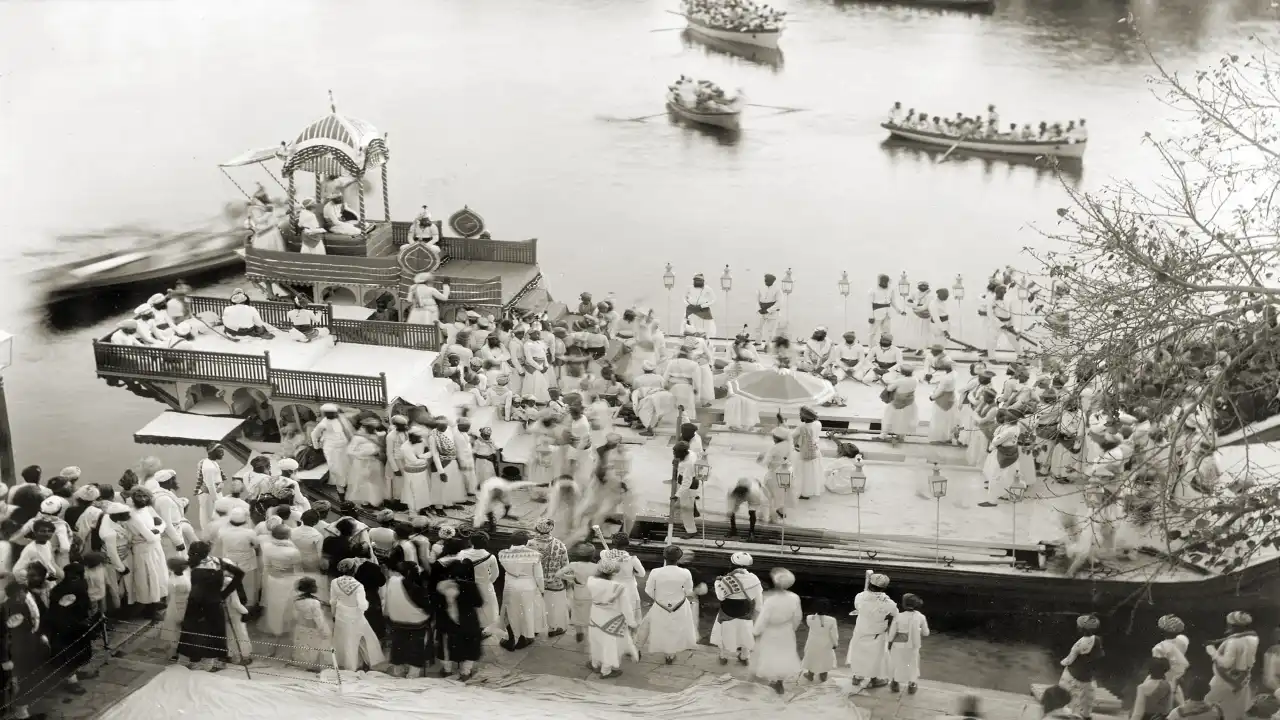
Udaipur didn’t just appear out of nowhere. You have to go back to 1559, when Maharana Udai Singh II decided he was done rebuilding Chittorgarh after every attack. Enough was enough. He wanted a place that felt safer. Quieter. Somewhere, the kingdom could actually last. The Aravalli hills made sense. Natural protection, yes, but more importantly, water. In Rajasthan, that’s everything. Instead of fighting the landscape, the city leaned into it.
Lakes weren’t added as decoration later on. Water shaped the city from the beginning. Lake Pichola was already there, expanded and embraced as Udaipur grew. Fateh Sagar and smaller lakes followed over time, connecting the city in quiet, practical ways. None of it feels accidental. And today, when you walk through the older parts of Udaipur, it doesn’t feel frozen in time. It feels lived in. A temple bell rings. A scooter honks. Kids play cricket against walls that are hundreds of years old. History isn’t separated here. It’s sharing space
The Lakes That Hold the City Together
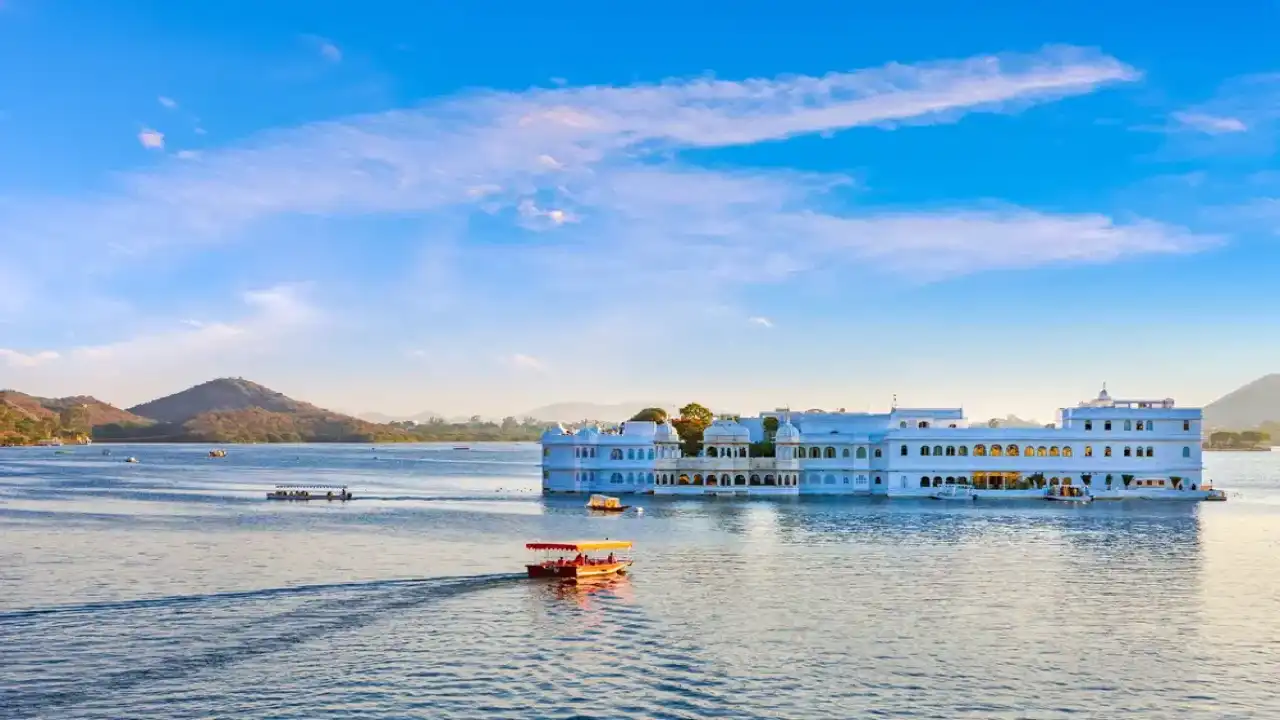
People call Udaipur the City of Lakes, and that’s not marketing talk. The lakes are the city. Take them away and the place wouldn’t feel the same at all.
- Lake Pichola gets most of the attention, and fair enough. Jag Mandir. The Lake Palace. They rise straight out of the water as they belong there. Take a boat ride around sunset and watch how people naturally go quiet. No one tells them to. It just happens. The light changes. The water turns bronze. Something slows down.
- Fateh Sagar Lake feels more beautiful every day. Less dramatic. Locals walk, snack, talk nonsense, argue, and laugh. Nehru Park sits in the middle, as if it doesn’t mind being ignored.
- Jaisamand Lake is different again. Bigger. Quieter. The kind of place where you stop checking the time and don’t notice.
And it’s not just scenery. These lakes feed families. Boatmen. Tea sellers. Photographers wait for the same shot every evening. Water here isn’t decorative. It’s practical. It’s personal.
Quick note: mornings beat evenings if you want calm. Always.
Udaipur Tourism Attractions You Shouldn’t Miss
There are many Udaipur tourism attractions, but not all of them stay with you. A few places quietly become the highlight of the trip, the ones you keep thinking about long after you’ve moved on.
- City Palace dominates everything, no surprise there. From the outside, it’s massive. Inside, it somehow feels close. Corridors that lead nowhere. Balconies you didn’t plan to stop at. Views that slow you down, whether you want them to or not.
- Jag Mandir feels unhurried. Floating. Like it exists outside time.
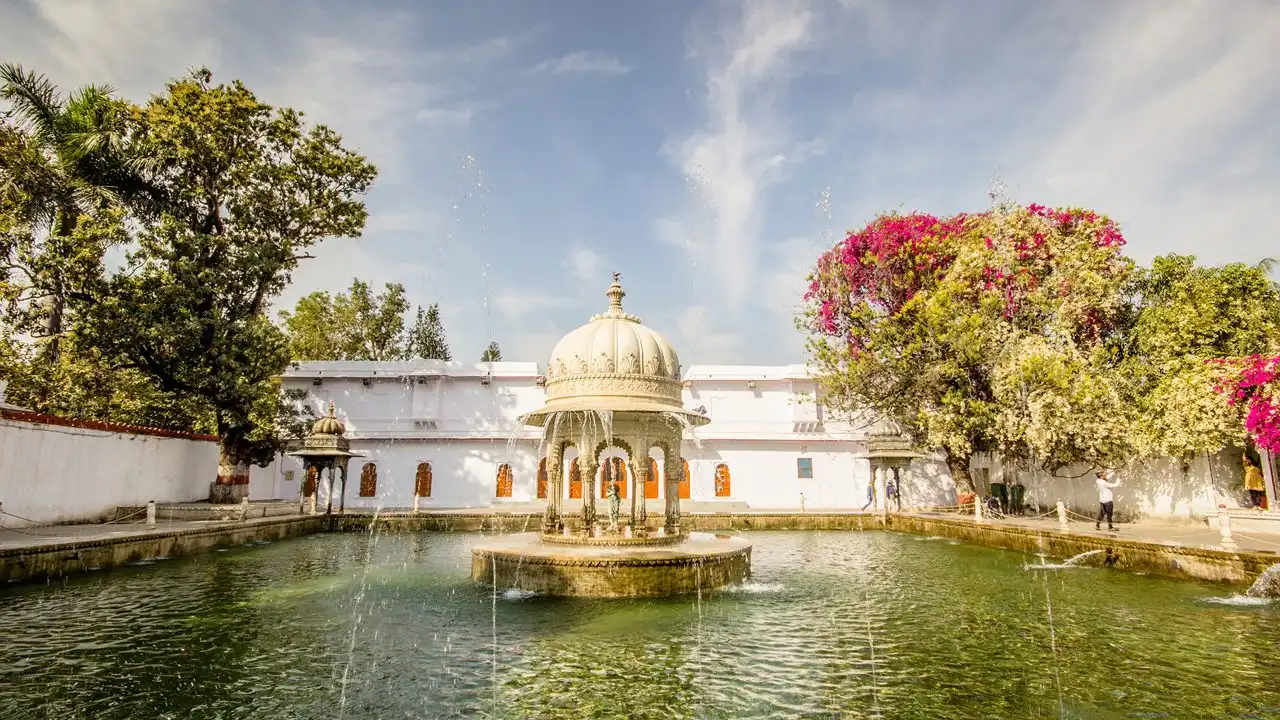
- Saheliyon ki Bari is soft and quiet. Fountains. Shade. The kind of place where voices naturally lower.
- Bagore Ki Haveli catches people off guard. Calm during the day. Loud, energetic, slightly chaotic in the evening with folk performances that feel real, not polished for tourists.
- Monsoon Palace isn’t about detail. It’s about standing there and realizing how far the city stretches.
Experiencing Local Life in Udaipur
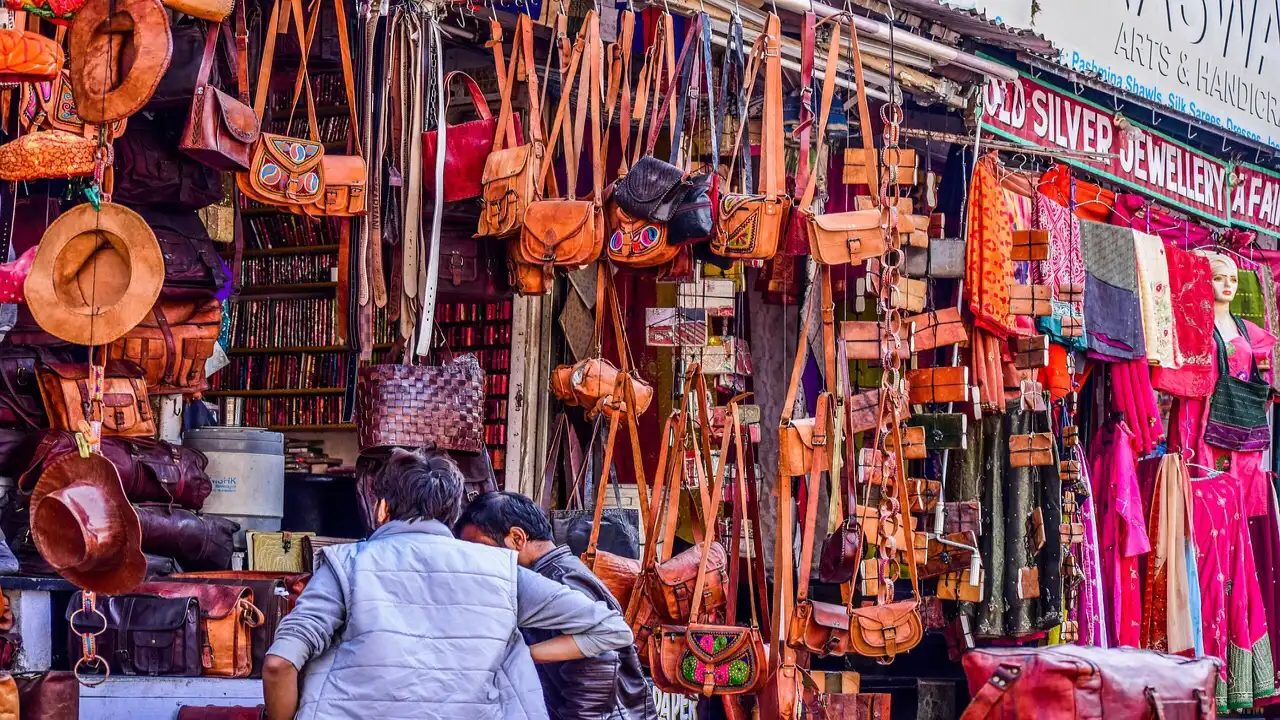
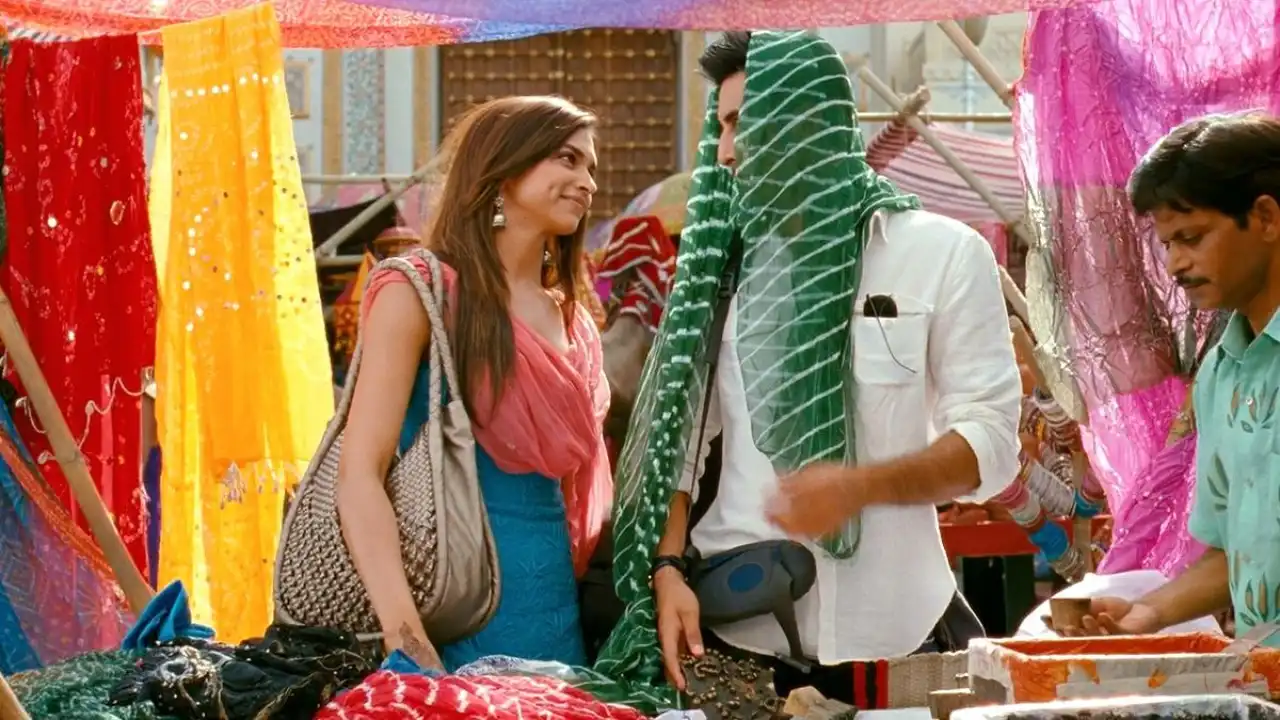
Honestly, Udaipur makes the most sense on its streets. Hathi Pol is noisy in a comforting way. Bargaining voices overlap. Bangles clink. Fabric flaps around like it has a mind of its own. Bada Bazaar doesn’t rush you. Shops stacked on shops. Everyday life layered on top of history.
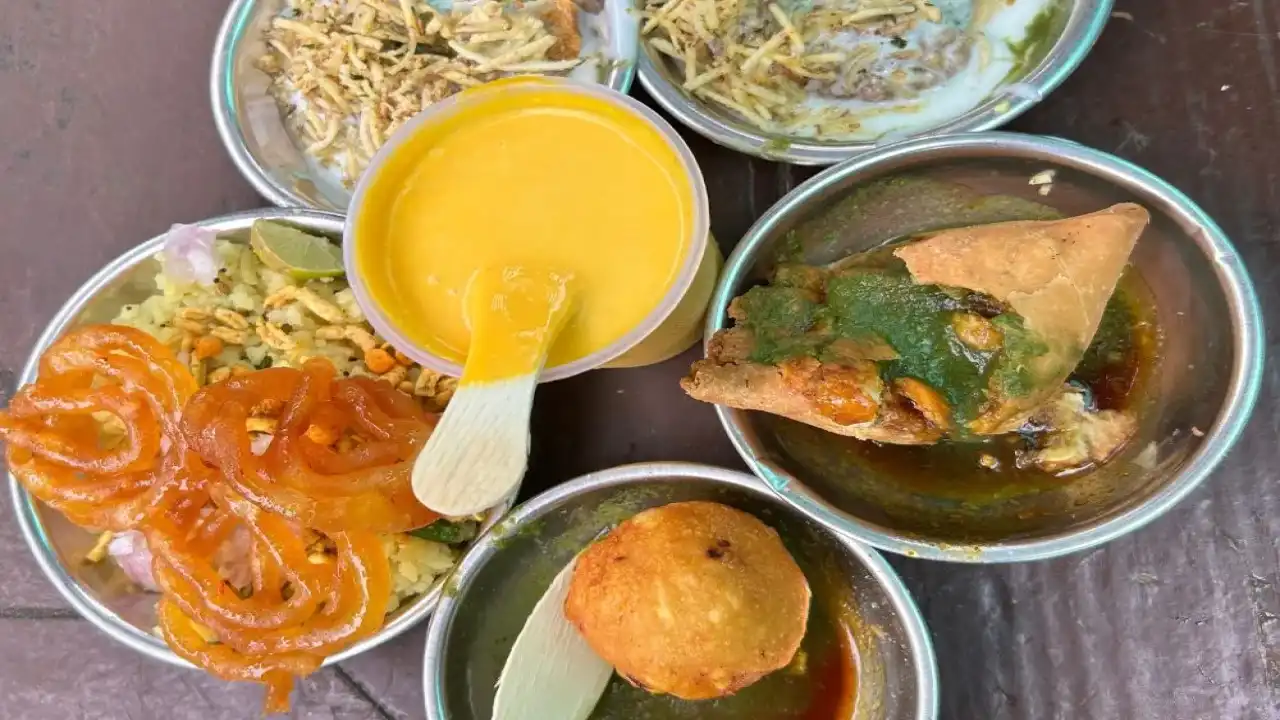
And the food is simple, spicy, and addictive. Kachoris that bite back. Mirchi vadas that make you question your decisions. Ghewar that disappears before you realize you’re done. Sit at a rooftop café near Lake Pichola if you can. The food doesn’t have to be perfect. The view does the heavy lifting.
Activities You Can’t Miss in Udaipur
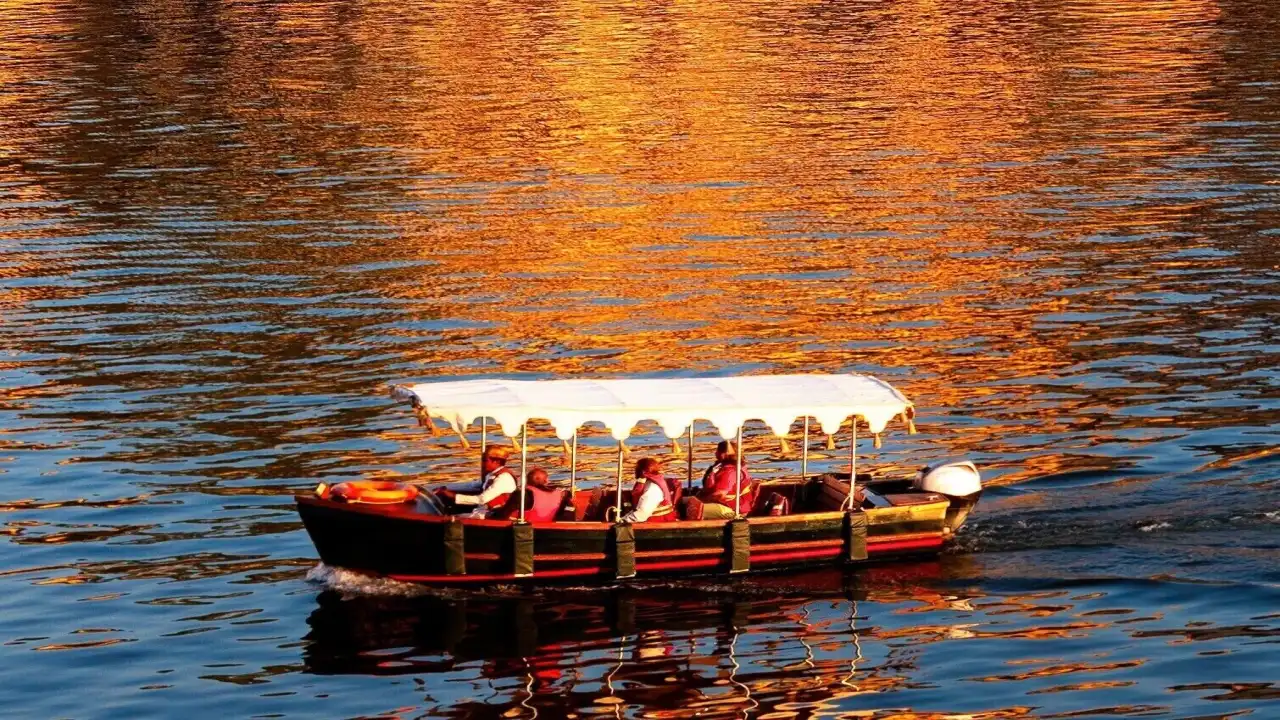
- Boat rides
- Evening shows at Bagore Ki Haveli are loud, joyful, and messy in a good way.
- Walking the old city with a camera, even if you don’t know what you’re looking for.
- Cooking classes, if you’re curious. Rajasthani food explains itself better once you see the process.
Where to Stay in Udaipur
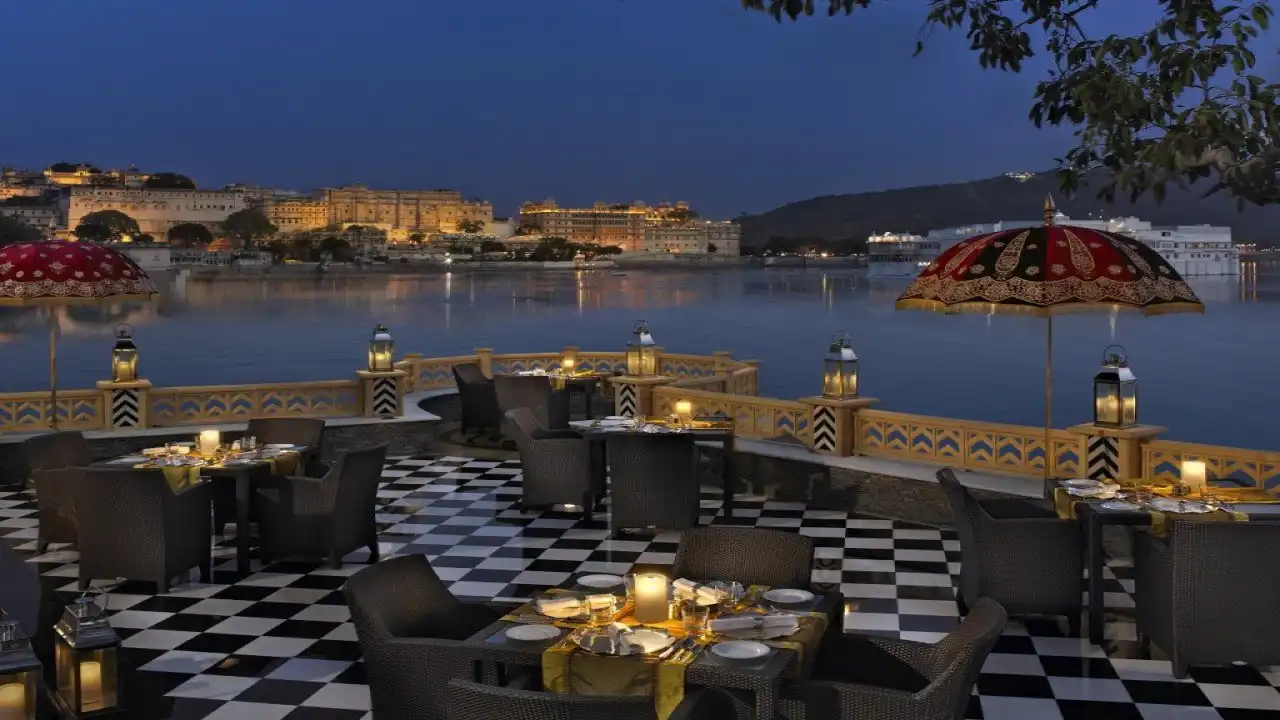
Udaipur has all kinds of places to stay, from fancy heritage hotels to cheap guesthouses. If you want the best views, try staying near the lake. Some options are:
- Lakefront hotels: You can see Lake Pichola and the City Palace from your room. Perfect for honeymooners or anyone who wants a bit of luxury.
- Heritage havelis: These are old palaces turned into hotels. You get a royal feel while staying here.
- Budget hotels and guesthouses: Cheap and practical, often close to markets and bus stations. Good for families or solo wanderers.
Best Time to Visit Udaipur
- October to March is ideal. Cool mornings. Walkable days. Evenings you don’t want to end.
- Monsoon makes everything green and dramatic. Beautiful, but unpredictable.
- Summer is hot. Very. But slow mornings and late nights help.
- Carry water. Take breaks. Udaipur isn’t meant to be rushed anyway.
Why “Venice of the East”?
Because water shapes everything here. Because nothing feels forced. Because romance exists without trying too hard. Udaipur isn’t competing with Venice. It doesn’t need to. The comparison exists because the feeling lines up stillness, beauty, and reflection. Some families arrive on a relaxed family tour package, others plan every detail themselves, but the city gives everyone the same quiet moments to slow down and simply be together.
Conclusion
Udaipur doesn’t leave you all at once. It stays in little pieces, the sound of water hitting old stones, sunlight bouncing off walls, that small food stall where you eat standing up because you can’t wait. You might come with a planned domestic package or just show up with no idea, and it somehow works. The city leans in, meets you halfway, and that’s the strange magic of it. People keep coming back, not for perfect plans, but for these small moments that stay with you.