Yoga Retreats Beyond Rishikesh: Hidden Ashrams in Himachal, Kerala, and Pondicherry
Introduction
For most people, Rishikesh is where the idea of yoga in India begins. Someone suggests it, Google confirms it, and it feels like the obvious choice. It’s easy to reach and full of options, sometimes a few too many. Stay longer than a few days, and things start to feel crowded. Streets stay noisy, classes run back-to-back, cafés buzz nonstop, and the practice slowly starts to feel packaged.
That’s usually when people begin looking elsewhere. Not because Rishikesh is bad, but because they want something quieter and less rushed. Away from busy riverfronts, there are places where yoga still moves at a slower pace. These yoga retreats aren’t about certificates or social media moments. They’re about settling into the practice, even if only for a short time. Himachal, Kerala, and Pondicherry offer that space without needing to shout for attention.
Himachal Pradesh: Learning Yoga Where Silence Does Half the Work
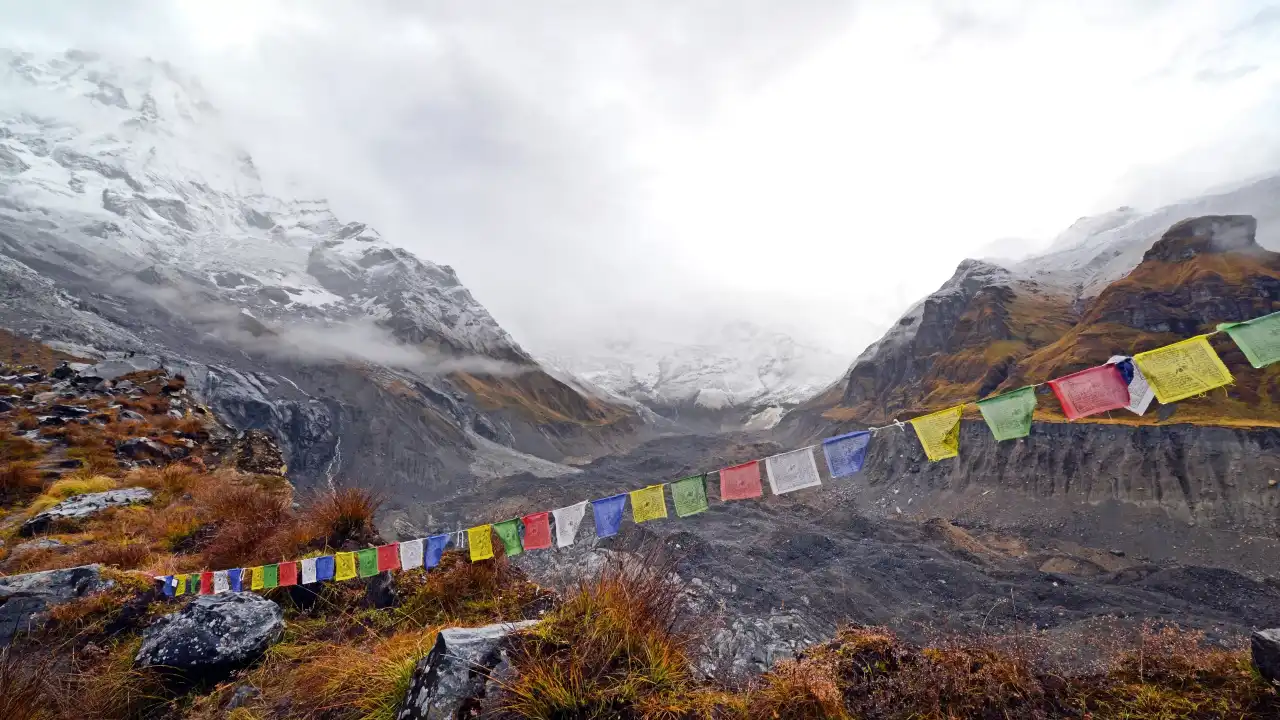
In Himachal, the surroundings teach you before any teacher does. The air feels thinner. Mornings are cold, even in warmer months. People wake up early not because they’re disciplined, but because the day just starts that way. Yoga here naturally slows down. Movements become deliberate. Breathing changes. You notice small things how long you can actually sit still, how loud your thoughts are when everything else is quiet.
Tushita Meditation Centre, Dharamshala
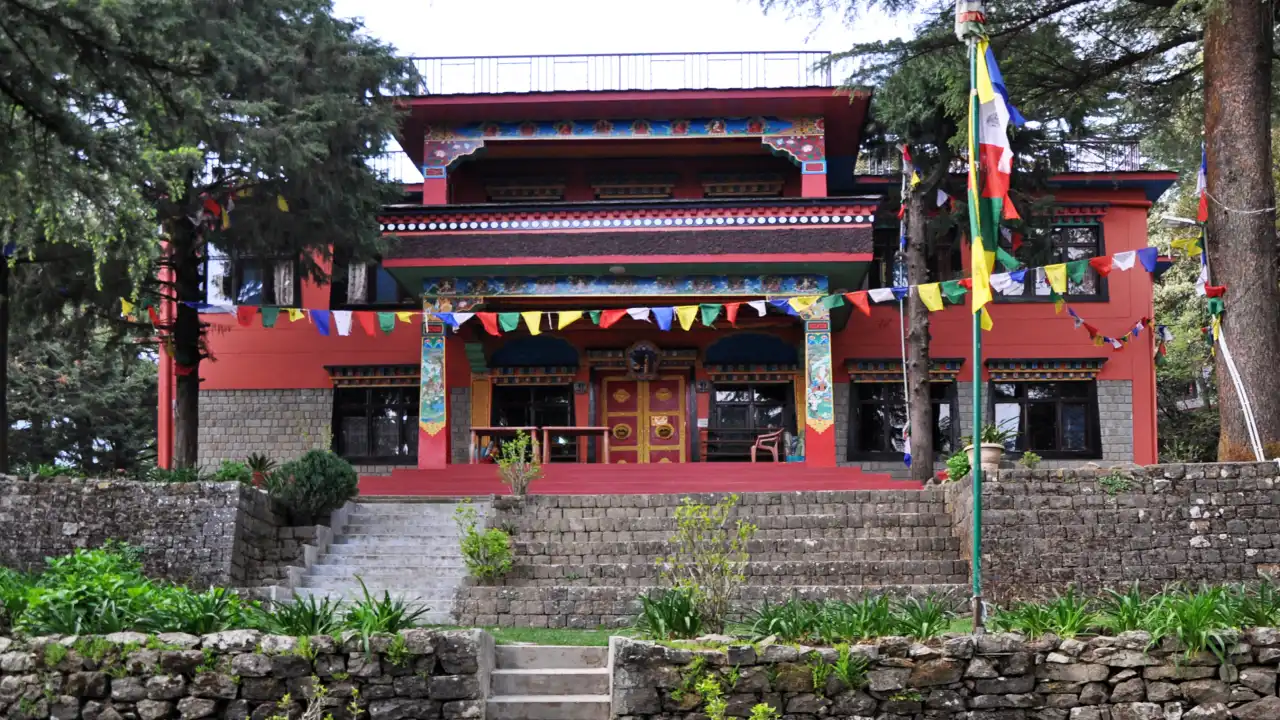
Tushita sits just outside McLeod Ganj, close enough to reach but far enough to feel removed. It’s known more for meditation, but the way it approaches movement and breath leaves a mark. Many people arrive here tired mentally more than physically.
What stands out at Tushita:
- Courses follow a clear structure, no guessing
- Silence isn’t suggested, it’s expected
- Teachers don’t rush to fix you; they wait and observe
It’s the kind of place where discomfort shows up quietly. And you’re asked to stay with it instead of distracting yourself.
Swami Rama Sadhaka Grama (Himalayan foothills)
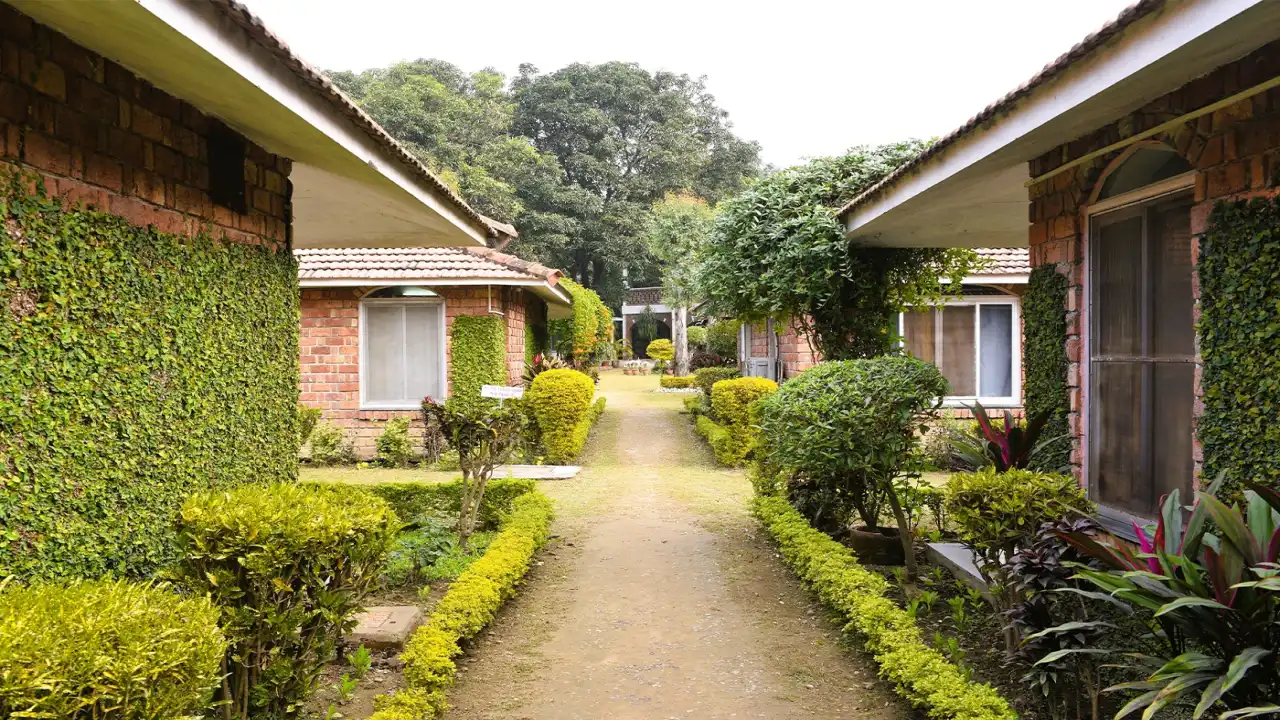
This ashram sits away from tourist noise, even though it’s technically not far from Rishikesh. The difference is obvious the moment you arrive. Fewer signs. Fewer conversations. Fewer choices.
Daily life is simple:
- Early mornings, without negotiation
- A steady mix of breath, posture, and rest
- Hardly any outside distractions
Nothing feels forced. Discipline exists, but it doesn’t feel heavy.
Himalayan Iyengar Yoga Centre, Dharamkot
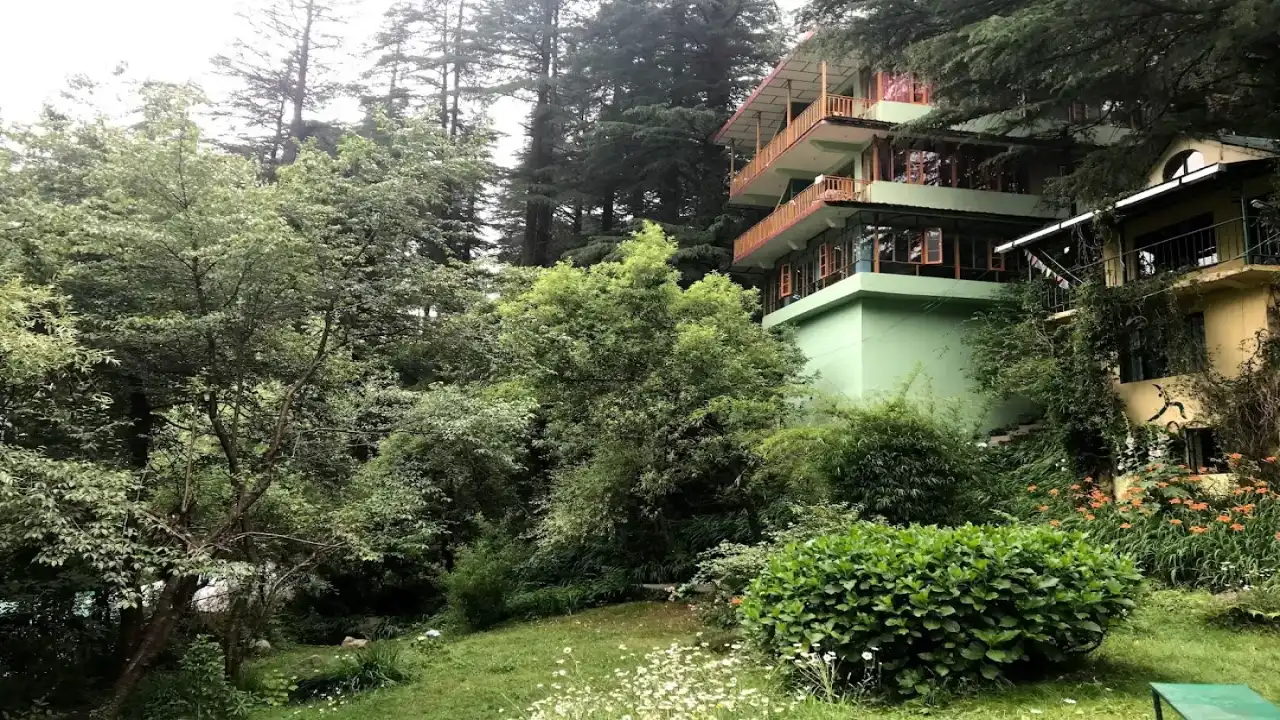
For those who care about alignment and precision, this centre in Dharamkot is quietly respected. No drama. No over-selling.
What people appreciate here:
- Small classes where corrections actually happen
- Clear explanations, repeated patiently
- Village silence once class ends
It’s challenging, yes. But in a grounded way. No pushing for the sake of pushing.
Pro Tip for Himachal Ashrams
- Carry warm clothes. Always.
- Don’t rely on mobile networks
- Silence isn’t awkward here, it’s normal
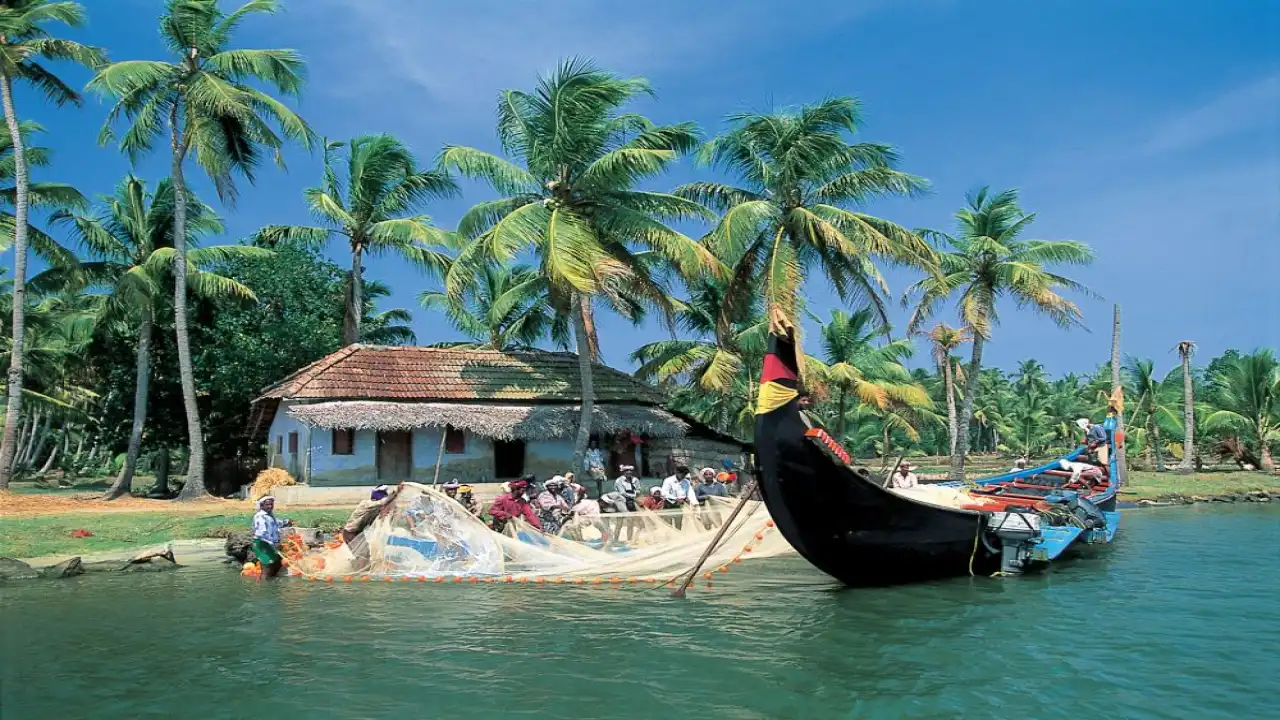
Kerala: Where Yoga Becomes Part of Everyday Care
Kerala treats yoga less like an event and more like maintenance. Something you do the way you eat or sleep. Slowly. Regularly. Without drama. People often arrive here exhausted, not curious. They’re not chasing flexibility. They want balance back.
Sivananda Yoga Vedanta Dhanwantari Ashram, Neyyar Dam
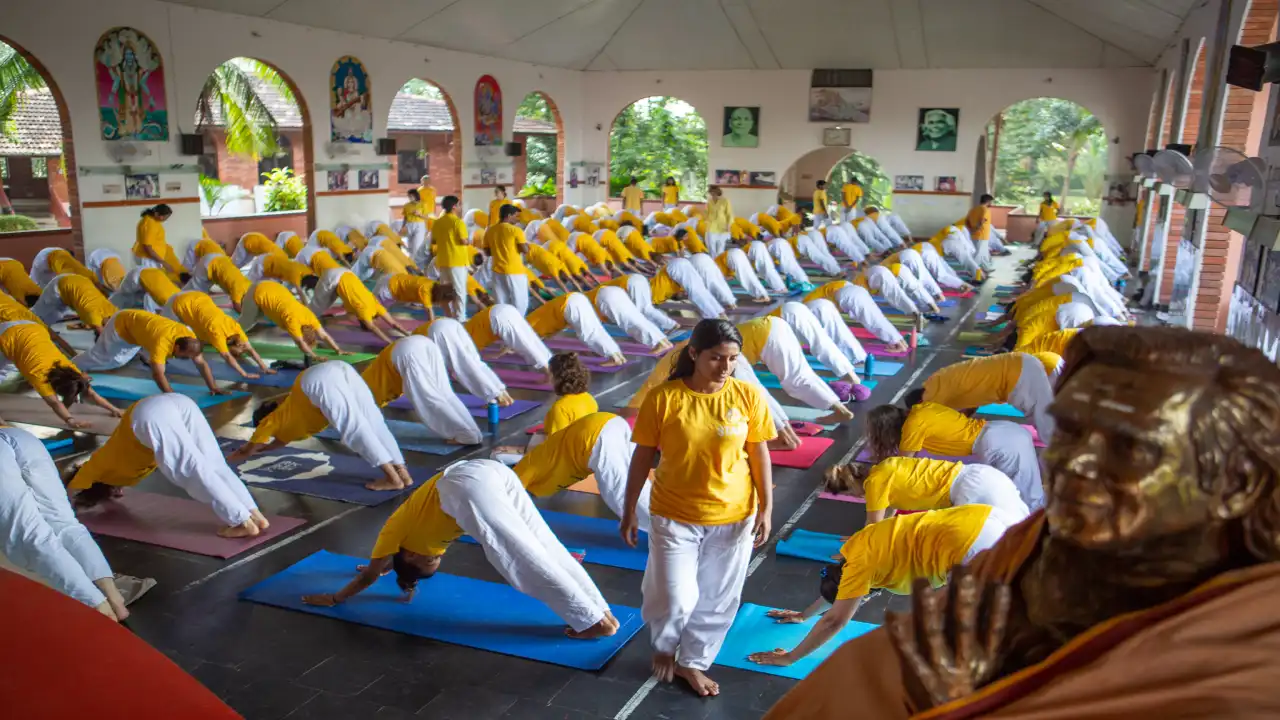
Surrounded by forest and water, this is one of those places where the day runs on its own clock. You either adapt or struggle for a bit. Most people adapt.
Life here includes:
- Fixed schedules that don’t change
- Simple vegetarian food, served quietly
- Teachings that don’t try to impress
This is where many finally understand what a yoga ashram actually feels like. Structured. Plain. Consistent.
Amritapuri Ashram, Kollam
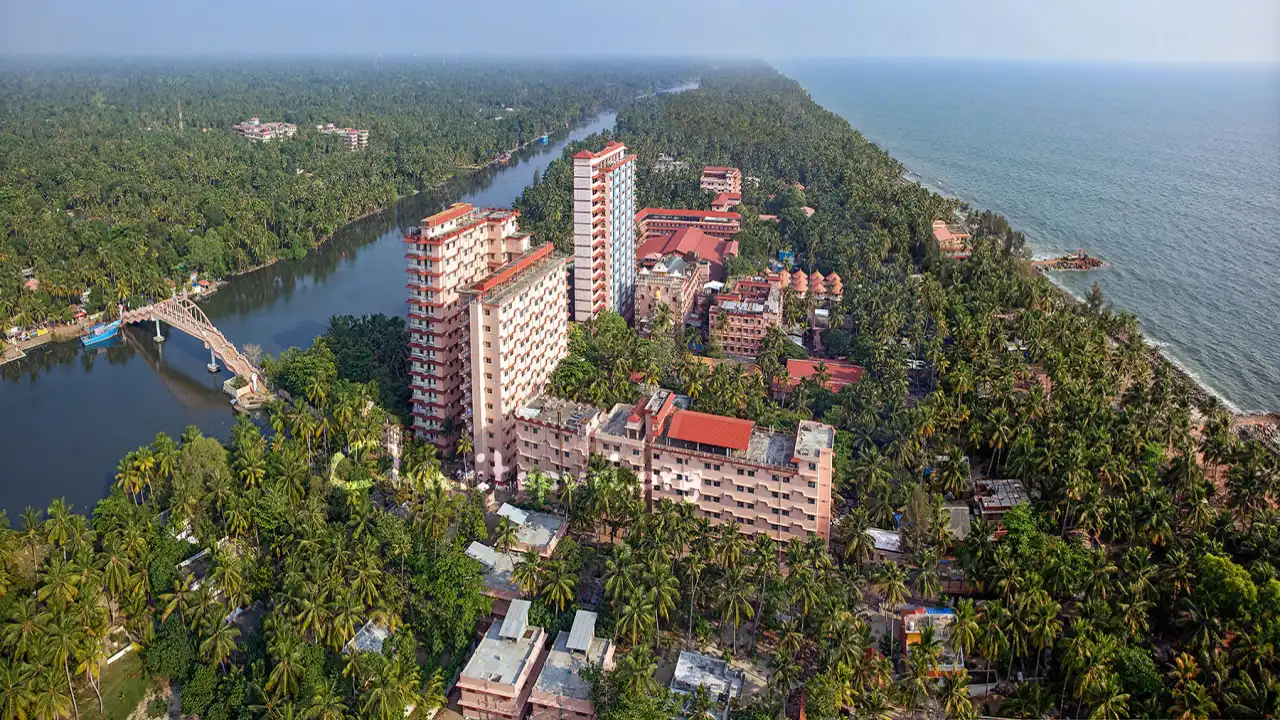
Amritapuri is known worldwide, but living there is very different from hearing about it. Yoga here blends into daily routines rather than standing alone.
What stays with people:
- Shared living, not private comfort
- Service woven into the day
- Practices that support emotional steadiness
You don’t “consume” a program here. You become part of a rhythm.
Wayanad Ashrams near Vythiri
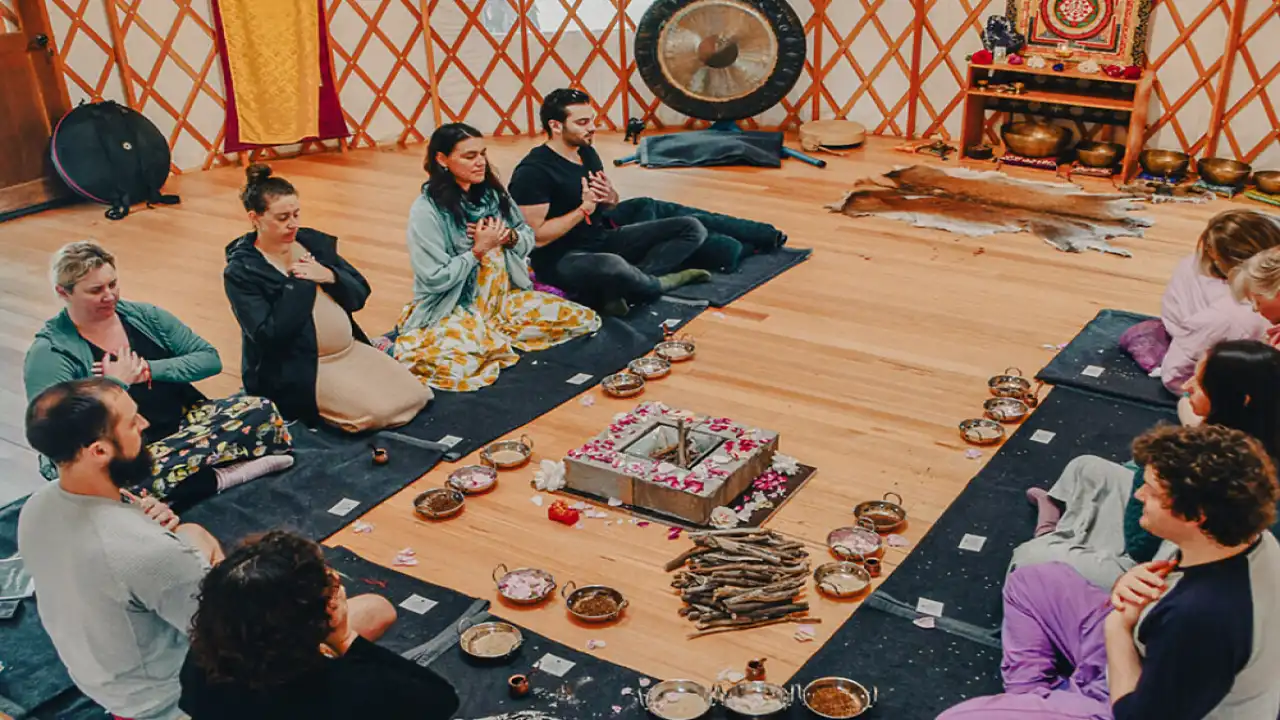
Scattered around Wayanad are smaller ashrams that don’t advertise much. Many people find them by accident or recommendation.
They usually offer:
- Quiet morning and evening sessions
- Plenty of time to rest or walk
- Clean, simple rooms
This is where a yoga wellness retreat actually feels restorative, especially for people burned out from work or constant travel.
Pro Tip for Kerala Ashrams
- Stay longer if you can
- Don’t fight the food changes
- Keep sightseeing for later
Some travelers choose Kerala trip packages after their stay, once the retreat time is complete. Mixing both rarely works well.
Pondicherry: Discipline, Stillness, and Inner Order
Pondicherry feels calm, but not relaxed in the casual sense. There’s structure in the air. Days follow rules. Silence is respected, not explained. Yoga here leans inward. Less about movement, more about awareness.
Sri Aurobindo Ashram, Pondicherry
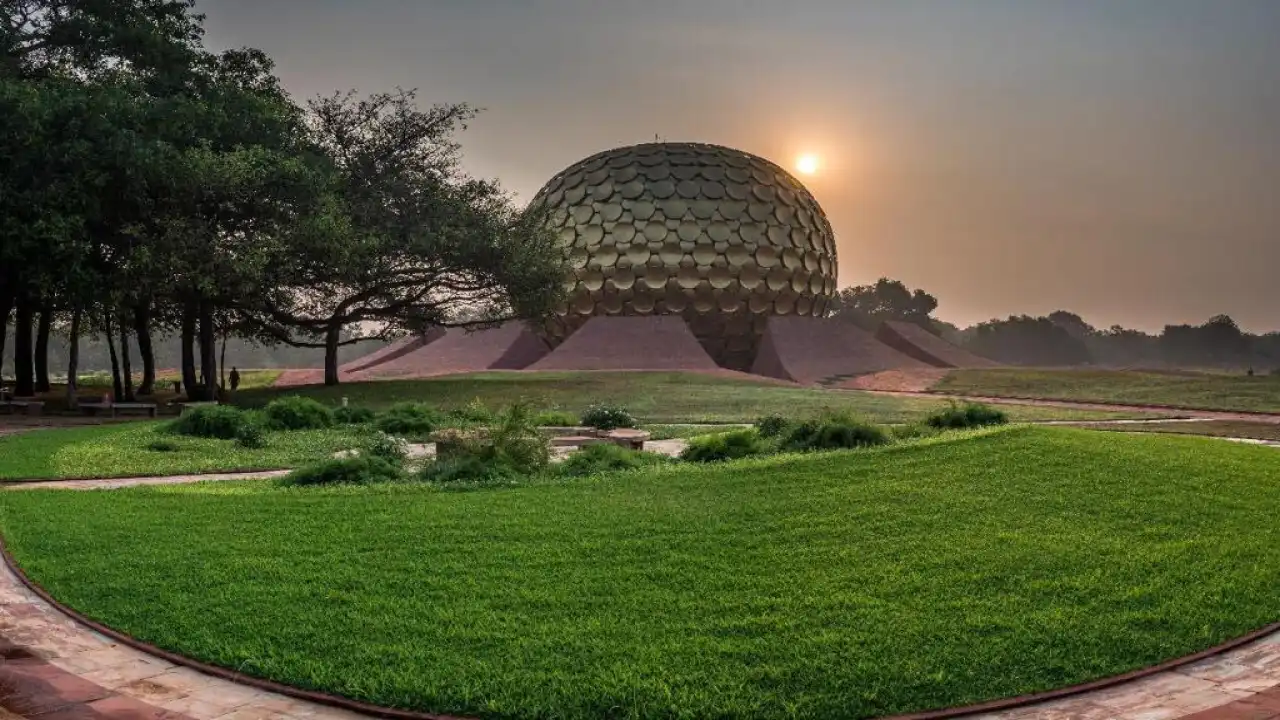
This isn’t a retreat in the usual sense. But the influence it has on how people live and practice is unmistakable.
Visitors notice:
- Quiet meditation halls
- Clear daily routines
- Very few distractions
Physical yoga exists, but it supports mental stillness rather than stealing focus.
Sadhana Forest (Near Auroville)
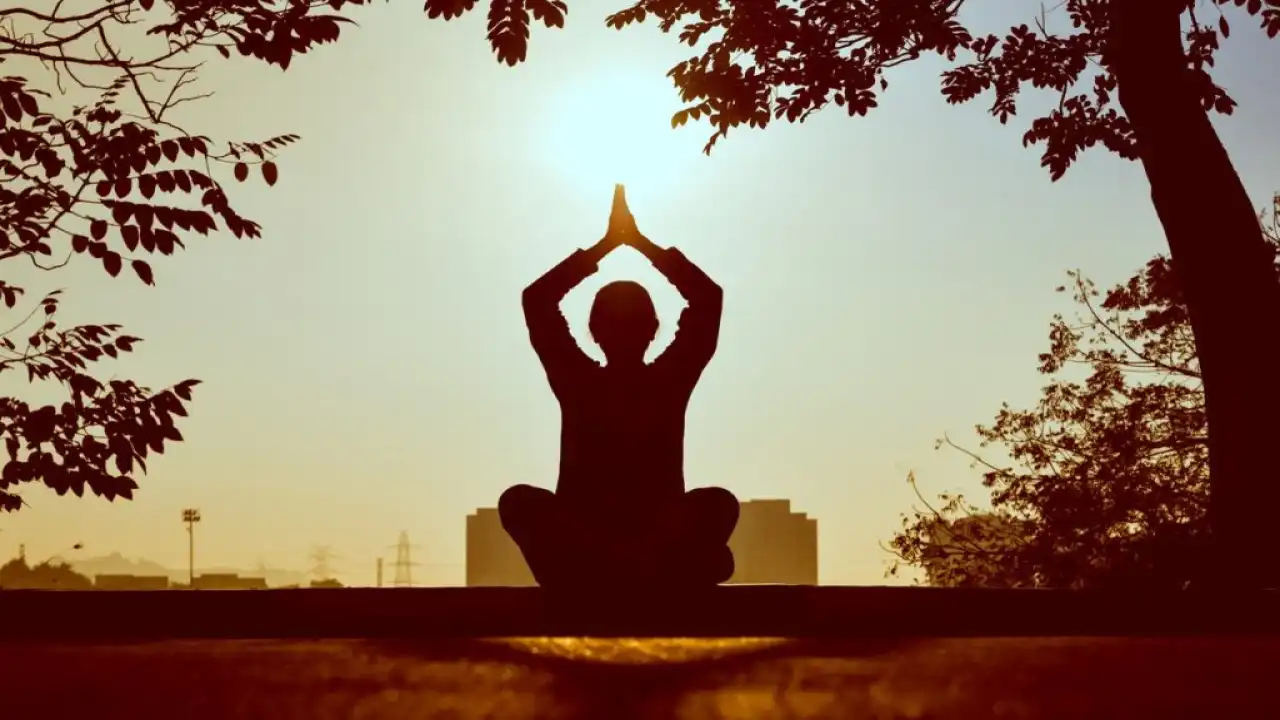
Sadhana Forest blends yoga with sustainability and shared responsibility. You don’t just attend sessions, you live the practice.
Expect:
- Community work as part of the day
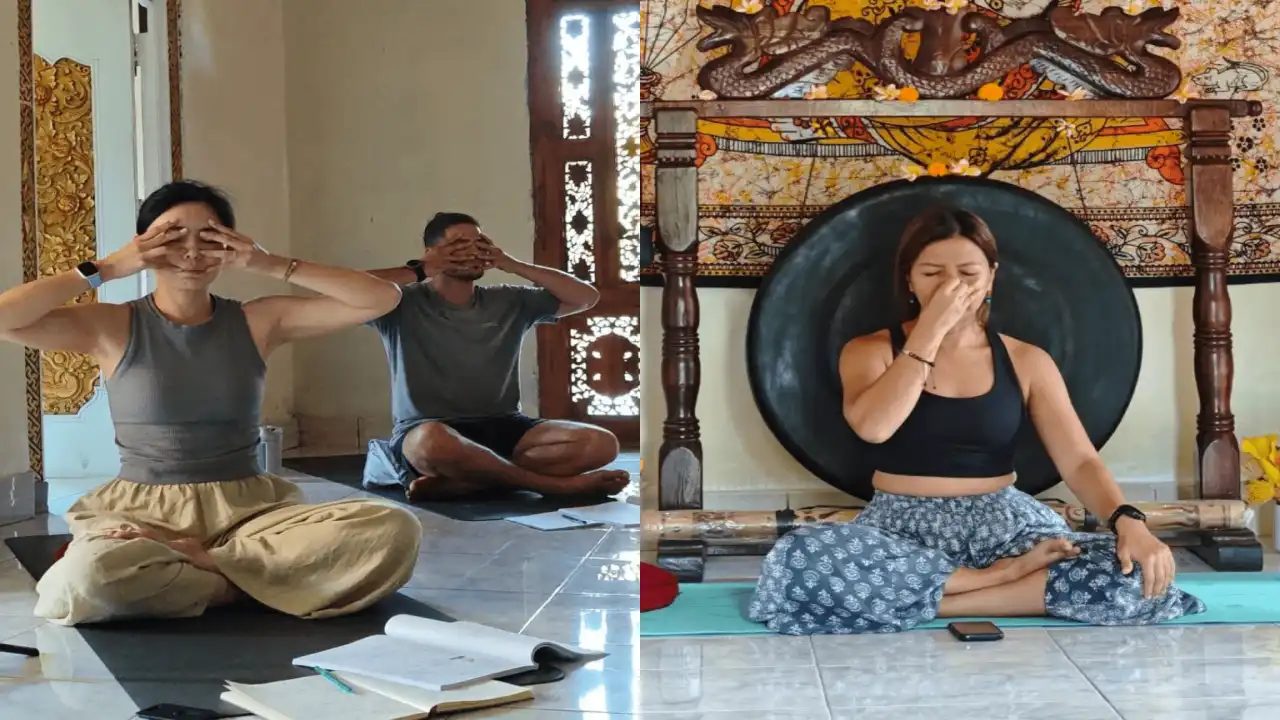
- Morning movement and breath practices
- Constant awareness of how you live
Many come here specifically for a yoga meditation retreat, where practice doesn’t stop when the mat is rolled up.
Smaller Yoga Centres in Auroville
Around Auroville, there are several low-key yoga spaces run by long-term residents.
They tend to offer:
- Small private groups, sometimes very small
- Quiet, disciplined environments
- Focus on long-term growth
This isn’t drop-in culture. You show up, or you don’t come at all.
Pro Tip for Pondicherry Ashrams
- Follow the rules as they are
- Don’t multitask your stay
- Sightseeing can wait
How These Ashrams Really Differ From Popular Retreats
It helps to be honest about expectations.
You won’t find:
- Luxury rooms
- Flexible schedules
- Entertainment
You will find:
- Repetition that slowly works
- Teachers who watch more than talk
- Space to disconnect properly
A traditional yoga meditation retreat is about depth. Variety comes later.
Who These Places Actually Suit
These ashrams work well if you:
- Want fewer distractions
- Are okay with simplicity
- Care more about learning than comfort
They’re harder for people who:
- Need constant freedom
- Expect hotel-style living
- Want social energy all the time
Planning It Without Ruining It
People who’ve done this before usually separate things.
They:
- Finish the retreat first
- Travel later
- Or book short domestic trip packages once the practice is done
That gap matters more than most expect.
What to Bring, What Not To
Bring:
- Loose clothes
- Essentials only
- A bit of patience
Leave behind:
- Packed itineraries
- Comfort expectations
- Constant phone checking
Conclusion
Going beyond Rishikesh isn’t about rejecting it. It’s about realizing yoga in India isn’t tied to one place.
Himachal teaches patience through quiet mornings.
Kerala rebuilds balance through routine.
Pondicherry sharpens awareness through structure.
None of these ashrams promises change. They simply offer space. And what happens in that space depends entirely on you.
Clearing Up a Few Misunderstandings
“These places are outdated.”
They’re not. They’re just not modern in the way hotels are.
“Beginners don’t belong.”
Beginners often settle in faster.
“They’re too strict.”
Structure can be freeing, once you stop resisting it.