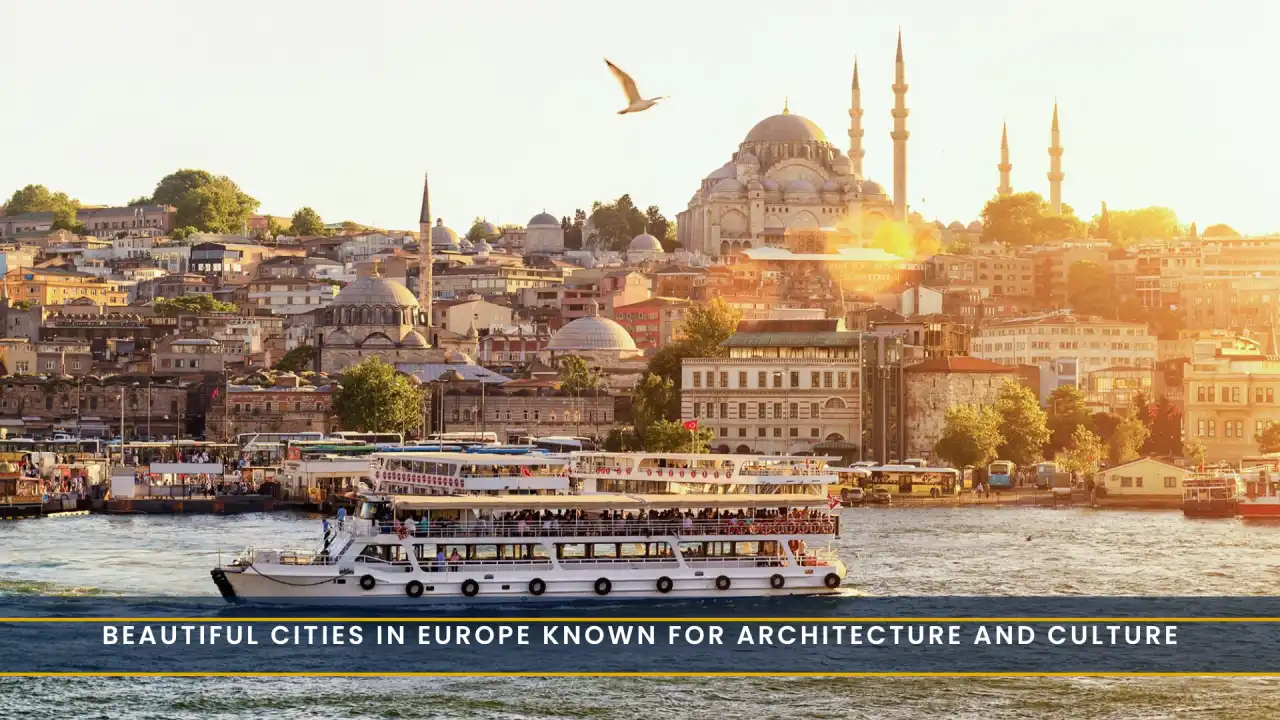
Beautiful Cities in Europe Known for Architecture and Culture
Introduction
There’s a moment that happens in old European cities that’s hard to explain. It doesn’t hit you all at once. You walk for a bit. You look around. And then, almost without realizing it, the place starts to feel heavy in a good way. Buildings don’t just stand there. They seem to remember things. Streets feel worn, not broken, like they’ve been walked on for centuries and don’t mind a few more footsteps.
When people talk about beautiful cities in Europe, they’re usually talking about this feeling. Not just famous buildings or postcard views, but cities where architecture and culture are part of everyday life. In cafés. On bridges. In how people move through their day. This guide is for travelers who enjoy slowing down, wandering, and noticing small details, not just rushing from one attraction to the next. The cities below are explored one by one, focusing on how design and culture shape daily life. Nothing dramatic. Nothing exaggerated. Just how these places actually feel when you’re there.
Paris, France – Where Design Shapes Daily Life
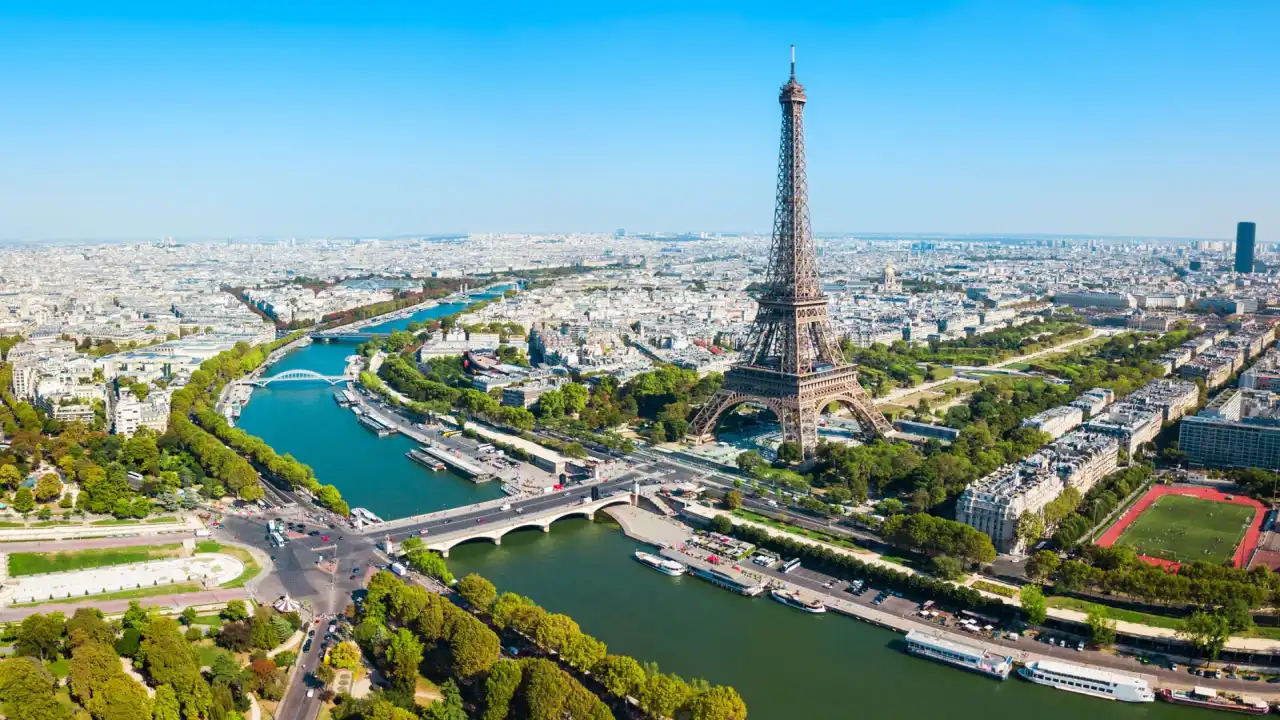
Paris is often reduced to landmarks. The tower. The museums. The bridges everyone recognizes. But the real charm shows up in quieter moments. Someone reading by the river. A local is leaning on an old railing while scrolling through their phone. Life just happens, surrounded by centuries-old stone.
Architectural character
Paris architecture doesn’t try to impress you aggressively. It’s calm. Controlled. Almost disciplined.
- Buildings line up neatly, usually the same height
- Stone walls change color as the light shifts
- Courtyards hide behind plain doors, easy to miss
Cultural experience
Culture here doesn’t feel staged. It feels used.
- Bookshops that look untouched by time
- Museums woven into daily routines
- Bakeries are acting like unofficial meeting points
Pro tip: Go out early. No plan, no map. Paris before the crowds feels like a different city.
If you’re visiting through a Europe trip package, leave gaps in your schedule. The city works better when you let it surprise you.
Rome, Italy – History Without Distance
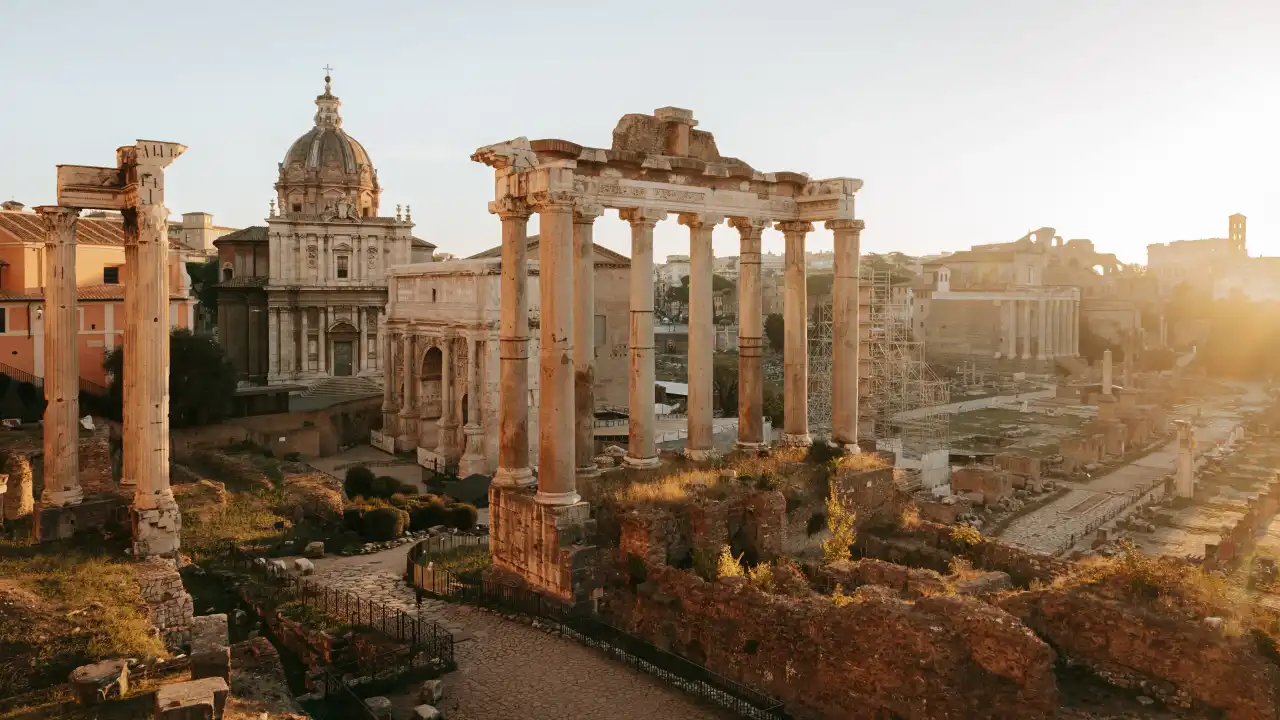
Rome doesn’t separate past and present very well. Ancient ruins come up next to busy streets. Churches sit beside noisy cafés. At first, it feels chaotic. Then it starts to make sense.
Architectural layers
Rome is built like a history book you can walk through.
- Ruins tucked under modern buildings
- Renaissance palaces are still being lived in
- Baroque churches are filled with daily visitors
Cultural rhythm
Rome doesn’t rush.
- Long lunches, even on workdays
- Evening walks that feel almost ceremonial
- Conversations that wander and take their time
Pro tip: Avoid midday visits to major sites. Early mornings or late evenings show Rome at its most honest.
Barcelona, Spain – A City That Chose Creativity
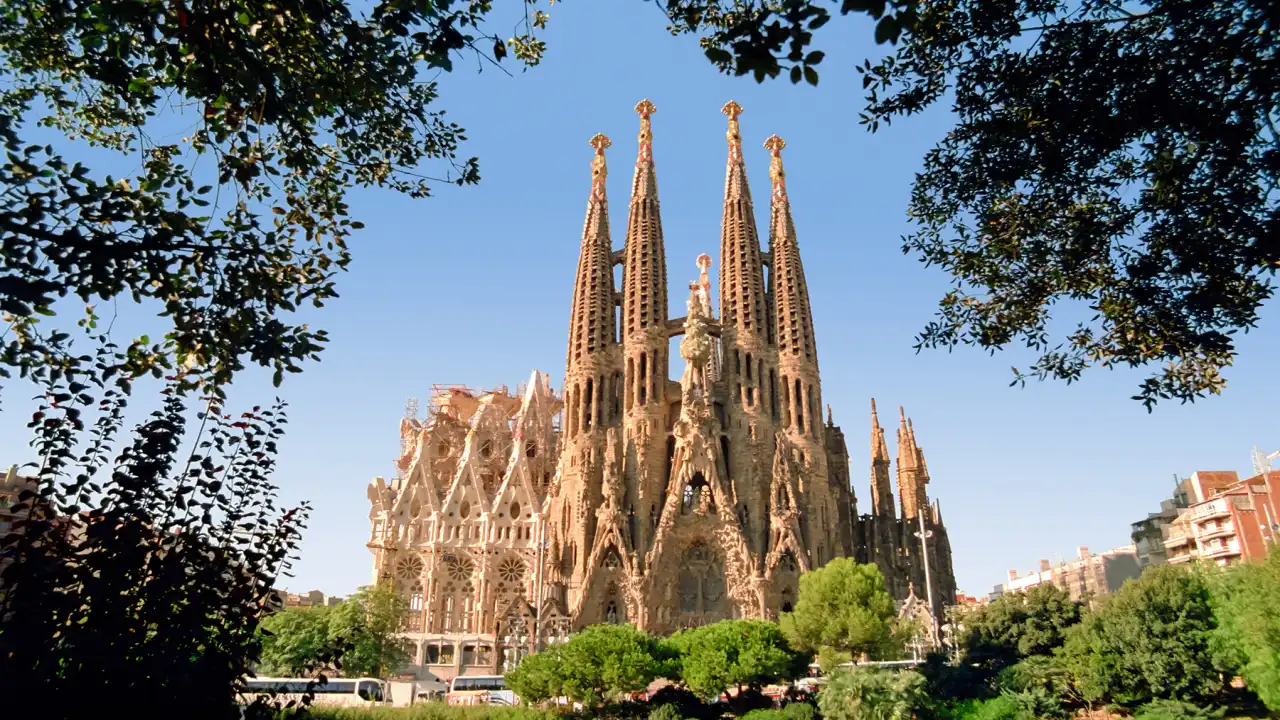
Barcelona feels lighter somehow. Less serious. Architecture here doesn’t always follow rules, and that’s part of the appeal. It’s one of those europe sightseeing places where even random streets feel interesting.
Architectural identity
Modernisme shapes much of the city’s look.
- Curves instead of straight lines
- Buildings inspired by plants and movement
- Colors that don’t play it safe
Gaudí’s influence is everywhere, but it doesn’t feel repetitive. Each building has its own personality.
Cultural energy
Barcelona expresses itself openly.
- Street performers blending into daily life
- Food that respects tradition but experiments
- Public spaces meant for people, not just views
Pro tip: Step away from the main attractions. Neighborhood streets show a more balanced Barcelona.
Prague, Czech Republic – A City Preserved by Time
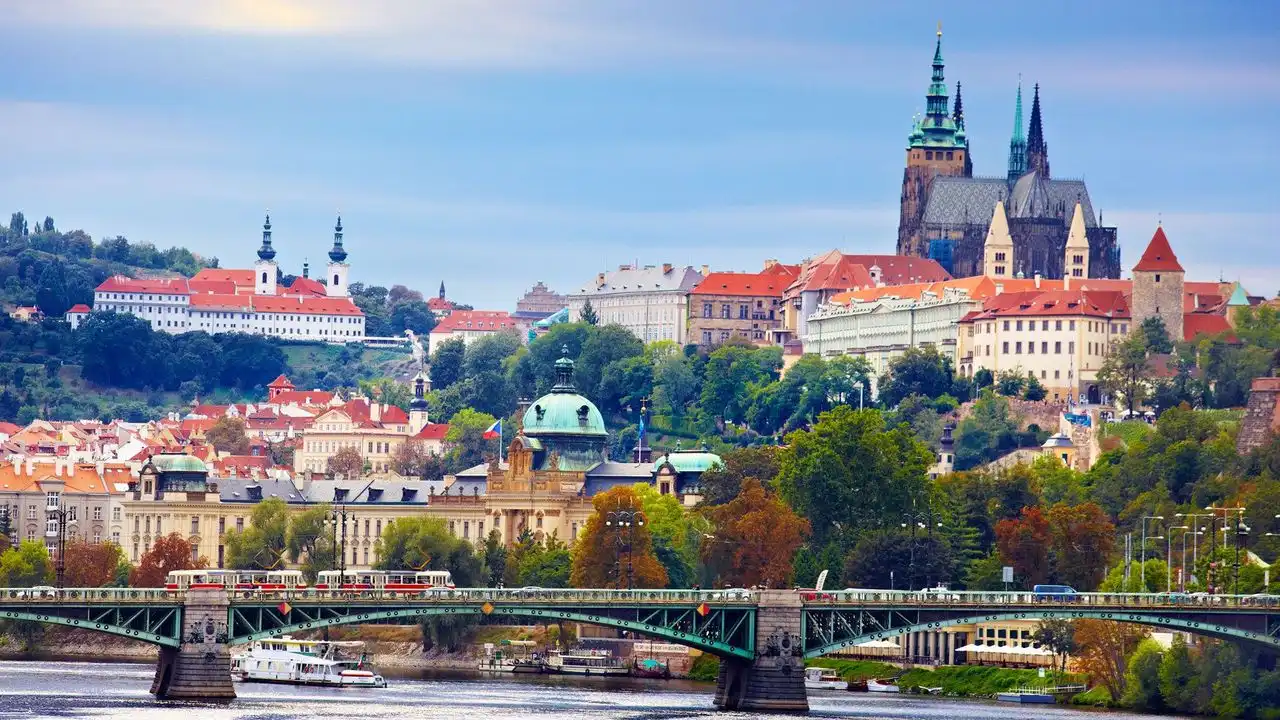
Prague feels like it made a decision years ago to slow down and stick with it. The city hasn’t chased change aggressively and you can feel that while walking its streets.
Architectural harmony
Prague holds on to its variety.
- Gothic towers rising quietly above rooftops
- Baroque churches tucked into corners
- Art Nouveau buildings softening the skyline
Cultural atmosphere
Culture here is subtle, not loud.
- Classical music sis till part of daily life
- Cafés designed for sitting, not rushing
- Literature and philosophy quietly respected
Pro tip: Climb a tower near sunset. The view explains the calm better than words.
Vienna, Austria – Structure with Soul
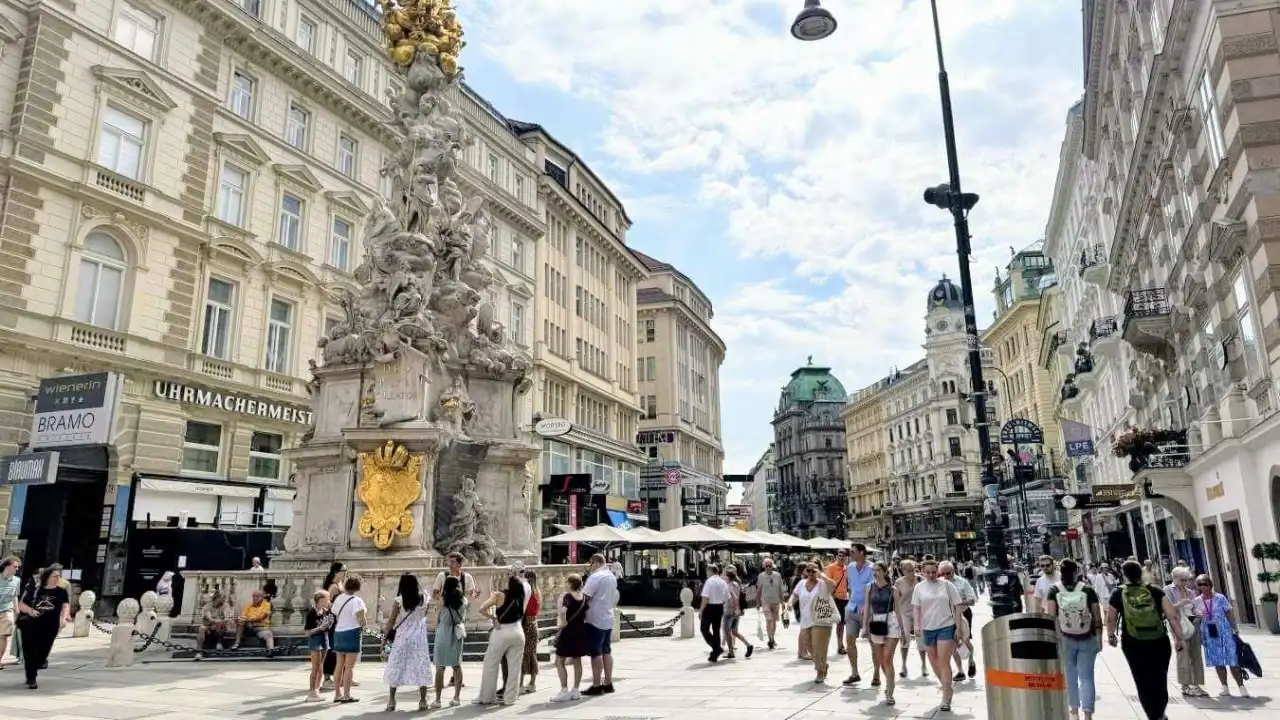
Vienna looks serious at first. Very neat. Very organized. But spend some time there and something warmer shows up underneath.
Architectural order
The city’s imperial past is easy to see.
- Grand palaces built with symmetry
- Wide streets designed for formal processions
- Elegant apartment blocks with quiet charm
Cultural depth
Culture here feels steady and thoughtful.
- Music performances feel normal, not special
- Coffeehouses double as thinking spaces
- Museums welcome curiosity instead of intimidation
Pro tip: Sit in a café and do nothing for a while. Vienna opens up when you stop moving.
Florence, Italy – The City That Taught the World Art
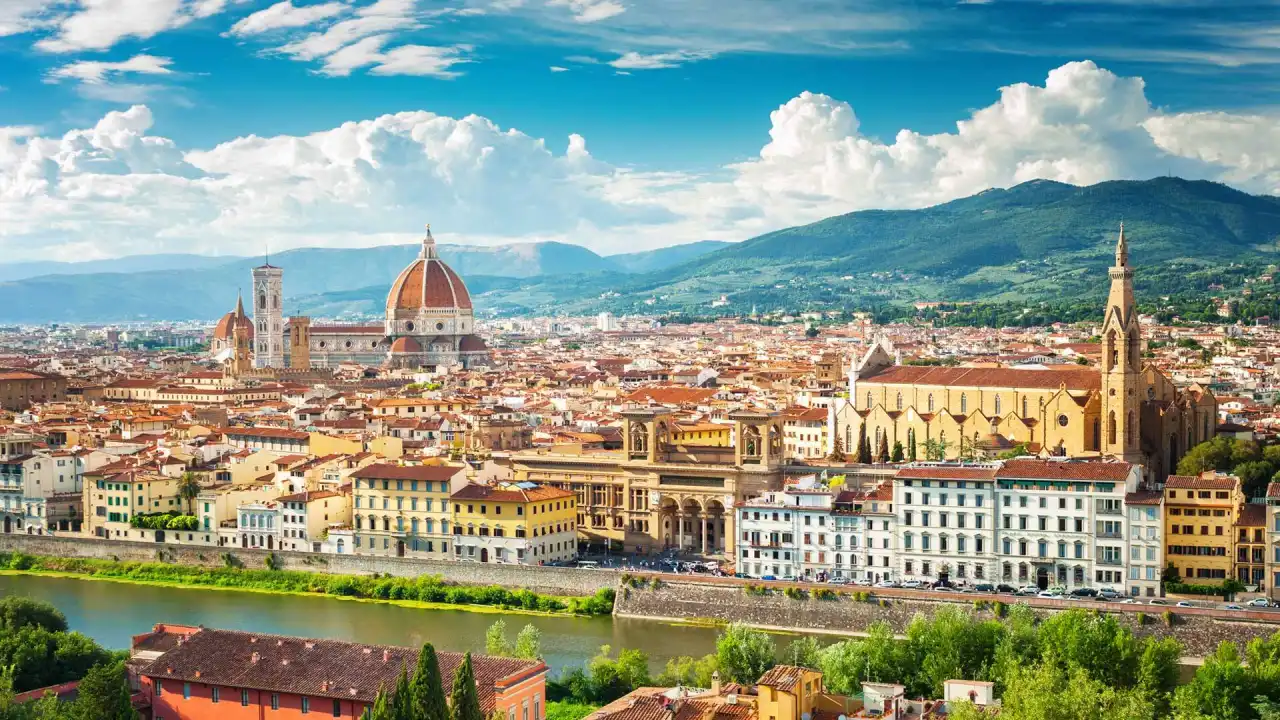
Florence is small, but its influence is huge. Art, history and daily life overlap so closely that it all feels connected.
Architectural legacy
Florence's architecture is deliberate.
- Proportions carefully planned
- Stone buildings aging naturally
- Bridges built for beauty and use
Cultural influence
Florence shaped creative thinking.
- Birthplace of Renaissance ideas
- Art is visible in everyday spaces
- Strong pride in craftsmanship
It often appears on lists of romantic europe cities, but it’s just as rewarding for travelers who enjoy learning and observing.
Pro tip: Visit small workshops. They tell quieter, better stories.
Amsterdam, Netherlands – Designed for Living
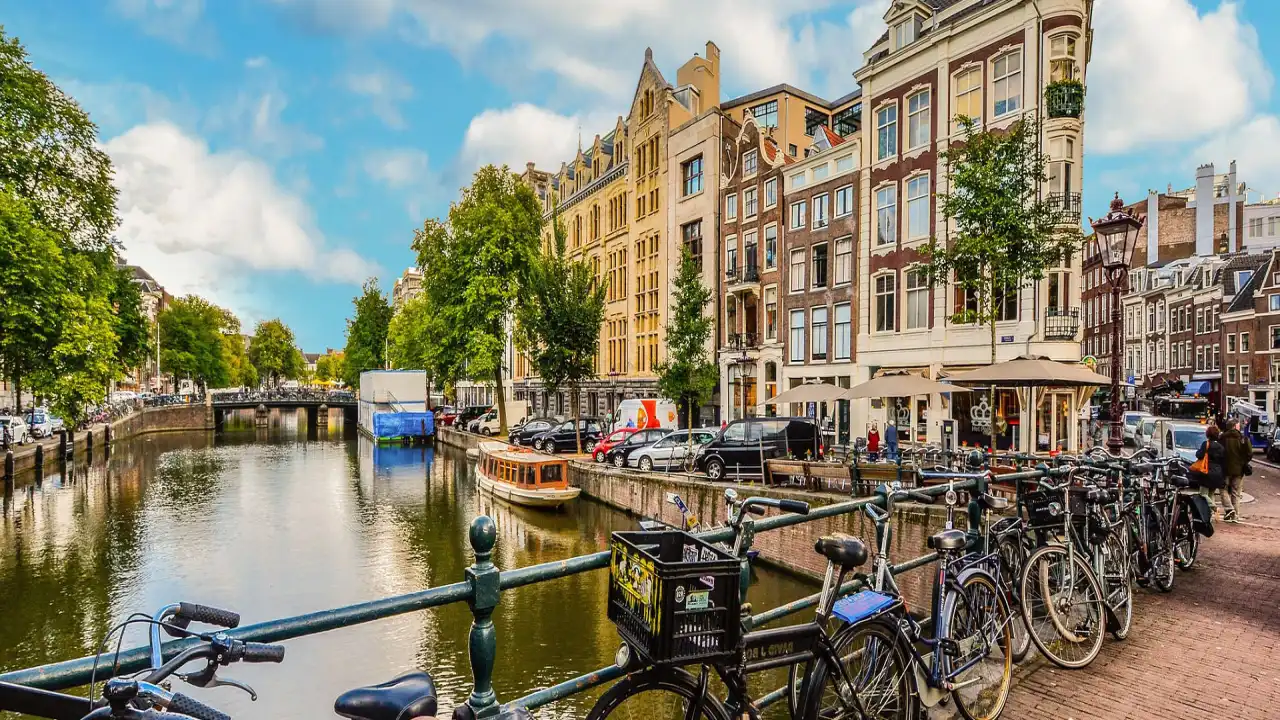
Amsterdam doesn’t overwhelm you. It feels practical, human-sized, and comfortable. Even the buildings seem relaxed.
Architectural balance
Design here focuses on everyday use.
- Narrow houses shaped by canals
- Big windows letting light inside
- Streets designed for people, not traffic
Cultural openness
Amsterdam feels honest.
- Art and history presented plainly
- Public spaces built around equality
- Cycling shapes how the city moves
Pro tip: Walk first. Biking is great, but walking lets you notice more.
Istanbul, Turkey – Where Cultures Meet
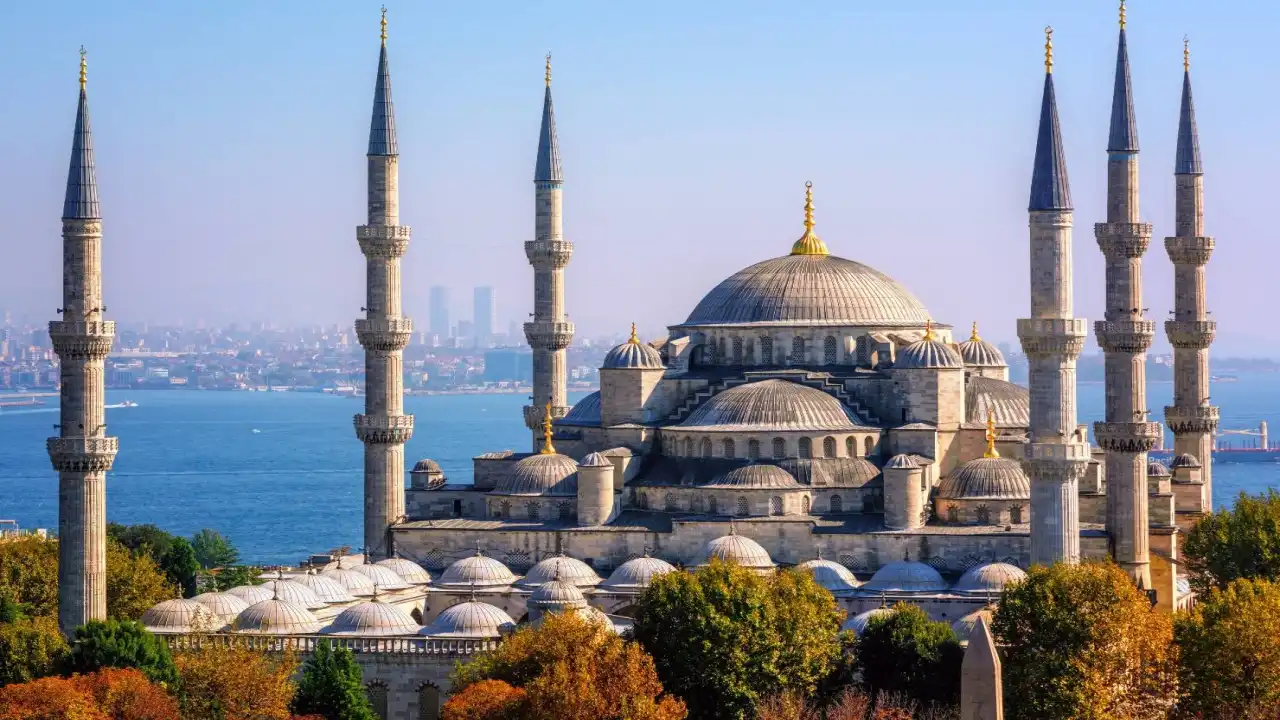
Istanbul doesn’t fit into one category. It never has. You feel that the moment you arrive.
Architectural contrasts
The mix is obvious and powerful.
- Byzantine churches turned into mosques
- Ottoman palaces near modern buildings
- Markets designed like winding mazes
Cultural richness
Culture here layers itself naturally.
- Calls to prayer mix with street noise
- Recipes passed down quietly
- Hospitality felt immediately
Pro tip: Cross the water and explore quieter neighborhoods. The city feels different there.
Budapest, Hungary – Grandeur with Warmth
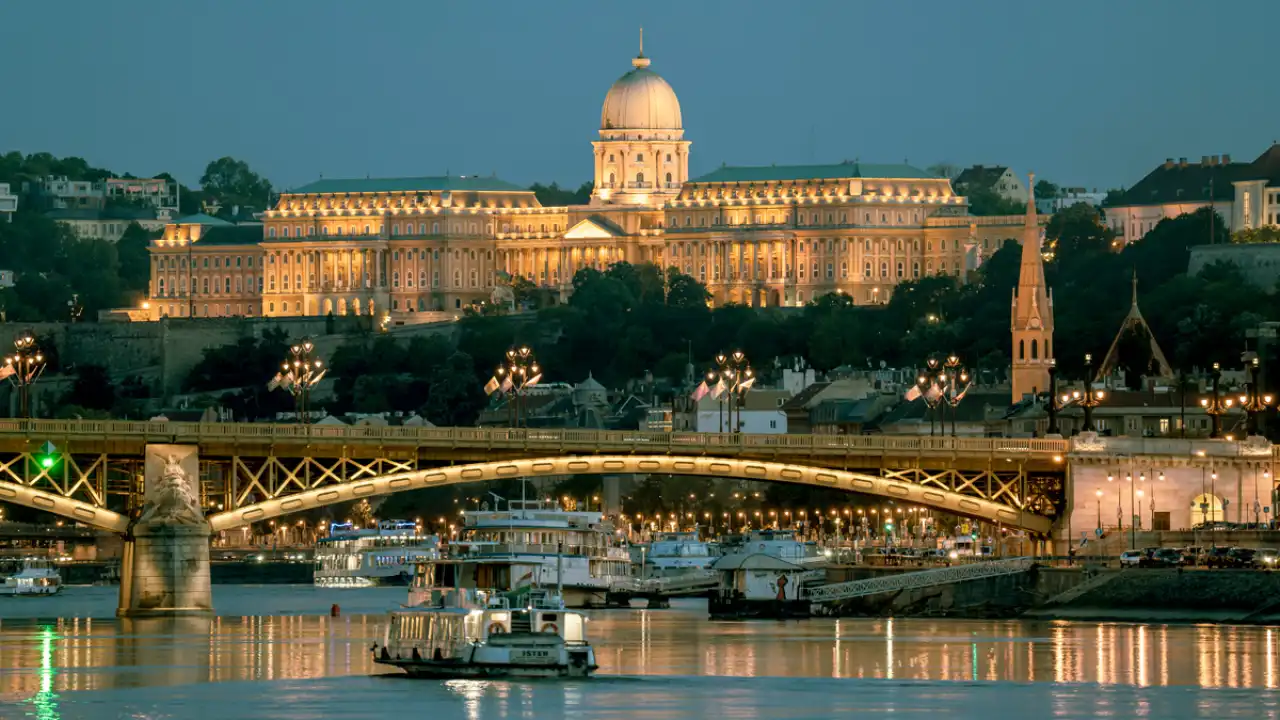
Budapest surprises people. It looks grand, almost dramatic, but feels welcoming once you settle in.
Architectural presence
The city knows how it looks.
- Parliament dominating the skyline
- Thermal baths built like palaces
- Bridges acting as landmarks
Cultural connection
Culture here feels personal.
- Baths used as social spaces
- Music and storytelling everywhere
- Strong local pride
Pro tip: Visit a thermal bath at night. It changes the mood completely.
Lisbon, Portugal – Beauty Through Simplicity
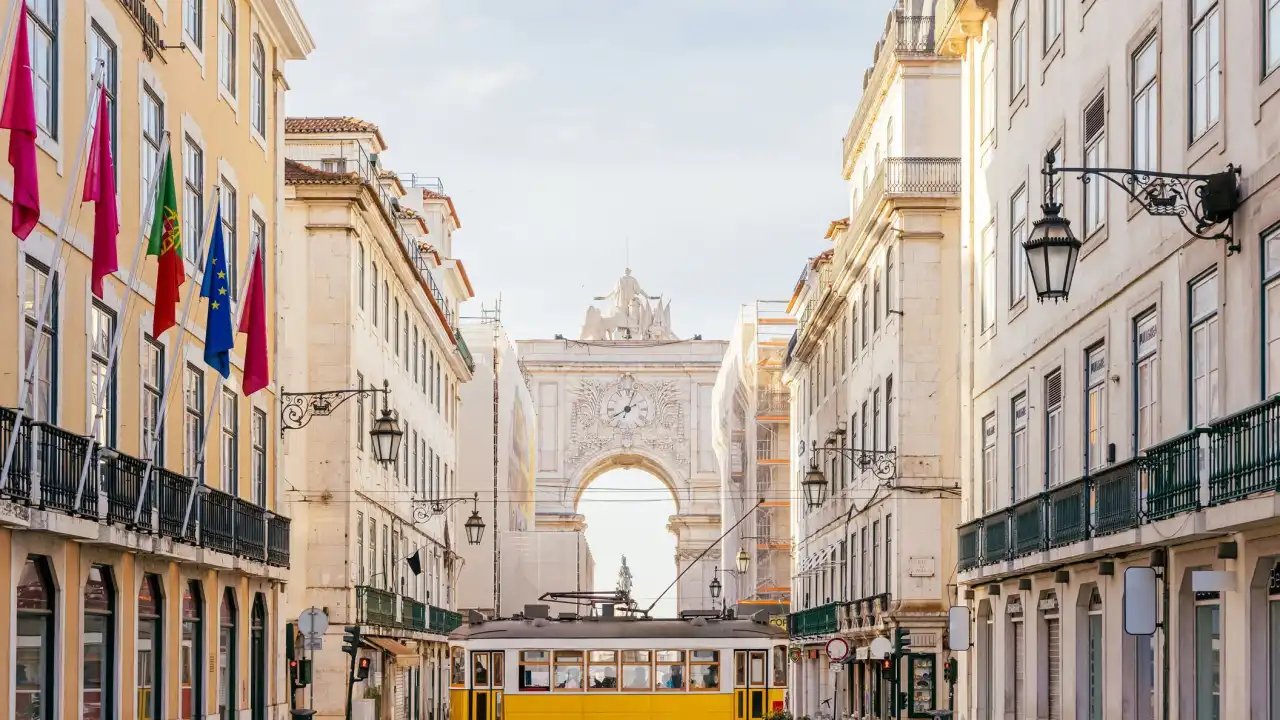
Lisbon doesn’t show off. Its beauty feels worn-in, shaped by hills and time.
Architectural charm
Imperfection is part of the appeal.
- Buildings allowed to age naturally
- Colorful tiles telling everyday stories
- Streets shaped by geography, not planning
Cultural warmth
Culture here feels close.
- Music drifting through the streets
- Meals that take their time
- A strong connection to the sea
Pro tip: Comfortable shoes matter here. The hills are real.
Travel Planning Notes
Trying to see everything usually ruins the experience. Slower trips work better. Many travelers now prefer flexible International trip packages that leave room for wandering and rest.
General tips for architecture-focused travel
- Walk more than you ride
- Explore neighborhoods, not just landmarks
- Watch how locals actually use spaces
Why Architecture and Culture Matter Together
Architecture shows what people cared about when places were built. Culture shows what they still care about. When you experience both together, cities feel real instead of staged. None of these places is perfect. Some are crowded. Some move slowly. Some tests your patience. That’s part of the deal.
Conclusion
Europe’s cities aren’t museums frozen in time. They’re lived-in places shaped by choices, habits, and everyday routines. The real reward comes when you stop comparing them and start paying attention to each one on its own terms. Whether you’re traveling solo, with family, or on planned journeys, these cities offer more than sightseeing. They quietly show how design and culture guide daily life. Give them time. They tend to stay with you long after you’ve left.