Japan Visa for Indians 2026: From Application to Approval
Planning a Japan trip from India comes with one non-negotiable step before anything else gets booked, figuring out the visa. Unlike parts of Southeast Asia where Indian travelers can land and get a stamp at immigration, Japan still requires the whole thing sorted in advance- no exceptions for tourists, no airport counter shortcut. Getting this wrong, missing a document or misjudging the timeline, is genuinely the biggest reason applications stall or get sent back for resubmission. There's no fast lane for people who left it too late either. A properly researched Japan Visa for Indians 2026 guide, built around what the embassy and VFS Global actually publish rather than recycled advice passed between travel blogs, saves a lot of unnecessary stress closer to departure.
Travel Junky has been fielding more Japan queries over the past year than almost any other international destination, and a good chunk of that traffic comes down to one thing: people not knowing where to even start with the visa process before they get to the fun part of planning.
Do Indian Citizens Need a Visa to Visit Japan?
Yes, without exception. India does not have a visa-exemption arrangement with Japan, and there's no visa-on-arrival option for Indian passport holders, regardless of whether the trip is for tourism, business, study, or visiting family. Every Indian traveler needs an approved visa in hand before boarding the flight, full stop.
What Types of Japan Visas Are Available for Indians?
Japan issues several visa categories depending on the purpose of travel, and picking the wrong one is a common early mistake that delays applications later.
Tourist Visa
This is the category most Indian applicants fall under, and it's the one behind most Japan Tourist Visa for Indians searches. It covers standard holiday travel, whether that's a week around Tokyo and Kyoto or a longer loop through Osaka, Hakone, and further north into Hokkaido. It does not permit paid employment of any kind, and immigration officers do occasionally ask about the specifics of an itinerary at entry, so having one that roughly matches what was submitted in the application matters.
Business Visa

Covers short visits tied to conferences, negotiations, factory inspections, or exploratory meetings. It does not cover actual paid work inside Japan, which requires a completely different work visa category with its own sponsor requirements. Business visa applicants typically need an invitation letter from the Japanese company along with a letter of guarantee, on top of the standard document set.
Student Visa

For anyone enrolling at a Japanese university, vocational school, or language institute. Processing here tends to run longer than tourist applications since it involves a Certificate of Eligibility issued by Japan's immigration bureau beforehand, arranged through the school itself before the visa application even reaches VFS.
Visit Relatives Visa

For Indians with family based in Japan, this category requires proof of relationship along with an invitation from the relative, plus their residence documentation in Japan. It's processed similarly to the tourist visa but with an added layer of relationship verification.
What Documents Are Required for a Japan Tourist Visa?
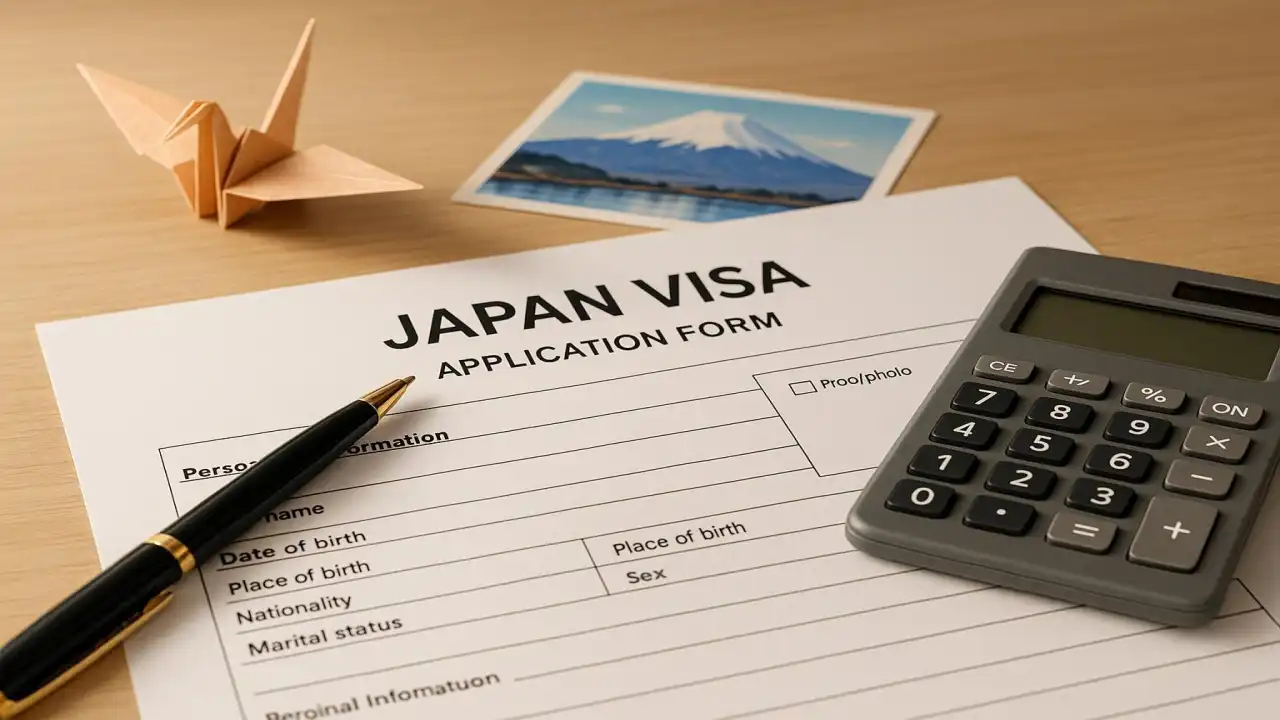
This is where most rejections actually happen. Not eligibility problems, just incomplete paperwork or details that don't line up across documents. Japan Visa Documents for Indians generally split into two buckets: mandatory documents everyone needs and purpose-specific ones depending on the visa category.
Mandatory documents:
- Valid passport with at least two blank visa pages
- Completed visa application form with a recent passport-size photograph
- Proof of travel itinerary, including flight bookings and confirmed accommodation
- Bank statements covering the last six months, showing a consistent balance
Purpose-specific documents:
- Employment certificate or approved leave letter, for salaried applicants
- Income Tax Returns, particularly for self-employed or business owner applicants
- Invitation letter from a Japanese host, business or family, where applicable
- Letter of guarantee, required specifically for business visa applications
- School enrollment and Certificate of Eligibility, for student visa applicants
A recurring issue worth flagging here: dates. Flight dates, hotel check-in dates, and the dates stated on the cover letter all need to match exactly. A one-day mismatch between the itinerary and the accommodation booking sounds trivial, but it's flagged more often than people expect, and it slows things down unnecessarily.
How Do You Apply for a Japan Visa From India, Step by Step?
Most Japanese consulates across India have shifted entirely to VFS Global for application handling. The Consulate-General of Japan in Mumbai, for instance, stopped accepting direct applications from April 2026 onward, routing everything through VFS instead. The general process looks like this.
- Download the correct visa application form for your visa category from the official consular site
- Gather all mandatory and purpose-specific documents listed above
- Book an appointment through the VFS Global Japan visa portal for your nearest center
- Attend the appointment, submit documents, and provide biometric data where currently required at that center
- Pay the embassy visa fee plus the separate VFS service charge
- Track application status online using the reference number from the VFS receipt
- Collect the passport once processing completes, either in person or via the courier option offered at submission
Some VFS centers, particularly in South India, have moved to mandatory appointment booking rather than walk-ins, so checking the specific center's current policy before showing up unannounced is worth the two minutes it takes.
How Much Does a Japan Visa Cost?
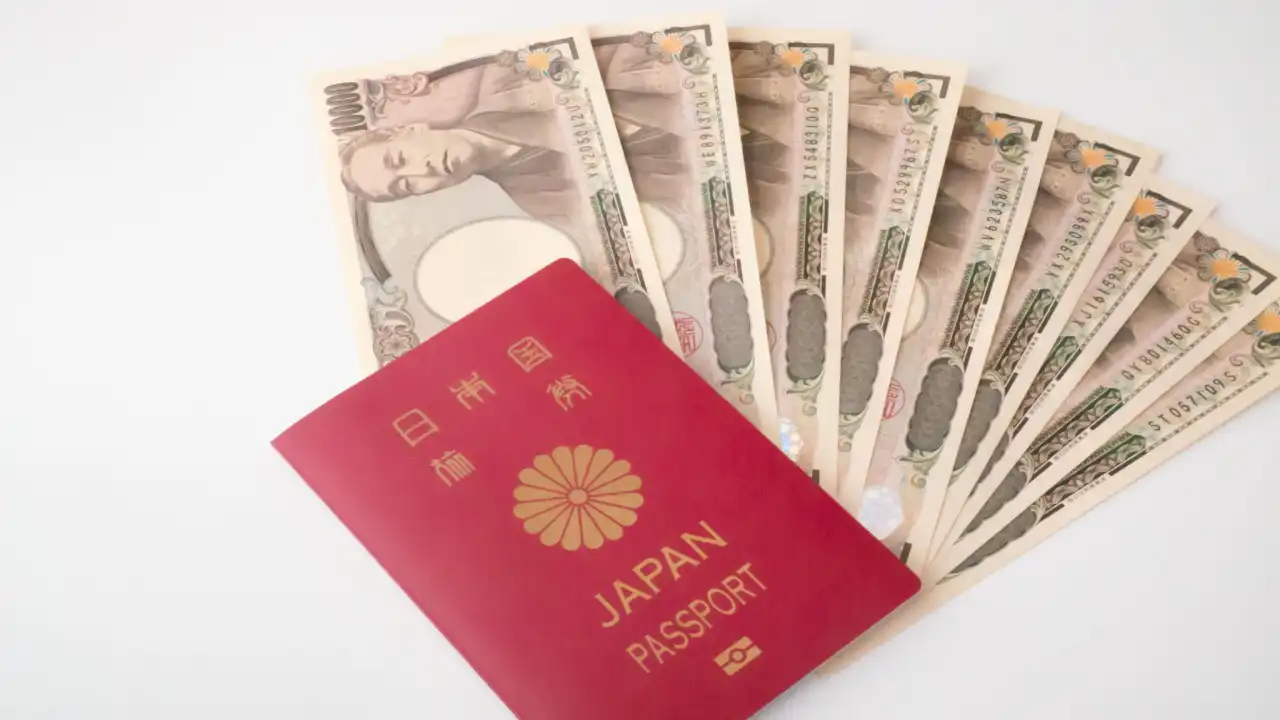
According to the Consulate-General of Japan's published fee schedule, the embassy fee for Indian nationals sits at Rs. 500 for both single-entry and multiple-entry visas, applicable from April 2025 through March 2027. Transit visas cost Rs. 50. These rates are notably lower than what other nationalities pay, where single-entry runs closer to Rs. 1,750.
On top of that embassy fee, VFS Global charges a separate service fee, generally cited around Rs. 800, inclusive of taxes. So while the embassy portion looks minimal, the total out-of-pocket cost for most applicants lands somewhere between Rs. 1,000 and Rs. 1,500 once VFS charges are added. Additional convenience services, courier delivery of the passport or SMS status updates, cost extra and aren't mandatory. Embassy fee payment is cash only at the point of submission.
How Long Does Japan Visa Processing Take?
The consulate states a minimum of five working days counted from when the application is received, though it explicitly notes that processing times vary depending on application volume and cannot be expedited regardless of individual travel dates. That five-day figure is a floor, not a guarantee.
Applying three to four weeks ahead of the planned departure, rather than cutting it close to the minimum, gives enough buffer to absorb document requests, appointment availability gaps, or unexpected embassy holidays. Golden Week in early May and the Obon period in mid-August both fall on non-working days for Japanese consulates, and travelers applying close to those windows should account for the extra delay.
Is There a Japan Visa on Arrival for Indians?
No. This is one of the most persistent misconceptions floating around online, and it isn't current policy for Indian passport holders. There's no visa-on-arrival facility, and there's no exemption arrangement either. Every Indian traveler needs the visa processed and approved before departure, and turning up at Narita or Haneda without one means being turned back at the airline check-in counter long before reaching Japanese immigration.
What Are Common Reasons Japan Visa Applications Get Rejected?
Rejections rarely come down to a single dramatic issue. It's usually a stack of small inconsistencies. Incomplete documentation tops the list: missing bank statements, an unsigned application form, or a photograph that doesn't meet the size specification. Weak financial proof follows closely behind; an account showing a large lump-sum deposit right before the application date raises questions rather than answering them. Immigration officers are generally looking for consistent balances over the full six-month window, not a sudden spike. Inconsistent itinerary details cause a fair share of delays too: dates that don't match between the flight booking and the cover letter, or an itinerary that seems implausible for the number of days requested. And for business visa applicants specifically, a vague or generic invitation letter from the Japanese host company, one that doesn't specify actual meeting dates or purpose, tends to draw additional scrutiny.
Japan Visa for Indians at a Glance
- Validity window for tourist visa: generally 90 days from date of issue, single-entry
- Permitted stay per visit: typically up to 90 days within that validity window
- Minimum processing time: 5 working days, can extend based on volume
- Total estimated cost: Rs. 500 embassy fee plus roughly Rs. 800 VFS service charge
- Application channel: VFS Global centers across India, direct consulate submission largely discontinued
Pro Tip
Keep bank statement formatting exactly as issued by the bank, stamped and signed where applicable, rather than submitting a printout of an online statement without official markings. VFS and the embassy both prefer the bank's own letterhead format over self-printed versions, and this small detail has caused avoidable rejections for otherwise solid applications.
Planning the Trip Itself
Once the visa is sorted, the actual itinerary planning tends to move faster, Tokyo's Shibuya and Asakusa districts, Kyoto's temple circuit around Fushimi Inari and Kinkaku-ji, Osaka's Dotonbori strip, and a possible detour to Hakone for Mount Fuji views all fit comfortably into a 10 to 12 day route. For travelers building out a full Japan tour around these documentation timelines, matching the visa application window to the actual travel dates avoids the last-minute scramble that catches a lot of first-time applicants off guard.
Final Thought
The process itself is straightforward once the paperwork is in order, and the embassy fee is genuinely affordable for Indian nationals compared to most other nationalities applying for the same visa. Most delays come down to documentation gaps rather than actual eligibility issues, and applying early with consistent, verifiable records covers most of what determines how smoothly the approval goes. For help matching visa timelines with itinerary planning, Travel Junky's team can walk through both pieces together before anything gets booked.
Check out: Japan Tour Itinerary Blending Modern Cities & Timeless Traditions
Frequently Asked Questions
Can Indians get a Japan visa on arrival?
No. Indian passport holders must have an approved visa before departure. There's no on-arrival facility at any Japanese airport.
How many days before travel should I apply?
Three to four weeks ahead is a sensible buffer, even though the official minimum processing time is five working days.
Is travel insurance mandatory for a Japan visa?
No, it isn't a required document for the application, though the consulate does recommend it separately for the trip itself.
Can I apply for a Japan visa myself or do I need an agent?
Self-application through VFS Global is entirely possible and doesn't require an agent. Some travelers use agents for convenience with document preparation, but it's not mandatory.
What is the validity of a Japan tourist visa once approved?
Single-entry tourist visas are generally valid for 90 days from the date of issue, within which the traveler can enter Japan once and stay up to the permitted duration.