Best European Countries to Visit in One Europe Trip
Introduction
On paper, visiting multiple countries in Europe sounds perfect. Almost too perfect. Everything’s close, trains everywhere, borders that barely feel like borders. Then you actually start doing it. You miss a connection. You stare at a departure board in a language you don’t speak. You eat dinner at 4 p.m. because that’s when you arrived, not because you were hungry. And yet that chaos is part of the charm.
This guide looks at the Best European Countries to visit if you want variety without completely draining yourself by day four. This isn’t about ticking boxes. Or seeing “everything.” That’s impossible anyway. It’s about choosing places that connect easily, feel genuinely different, and don’t force you to live out of a suitcase every single day. You don’t need all of Europe. You just need enough of it to feel something.
How to Think About a Multi-Country Europe Trip
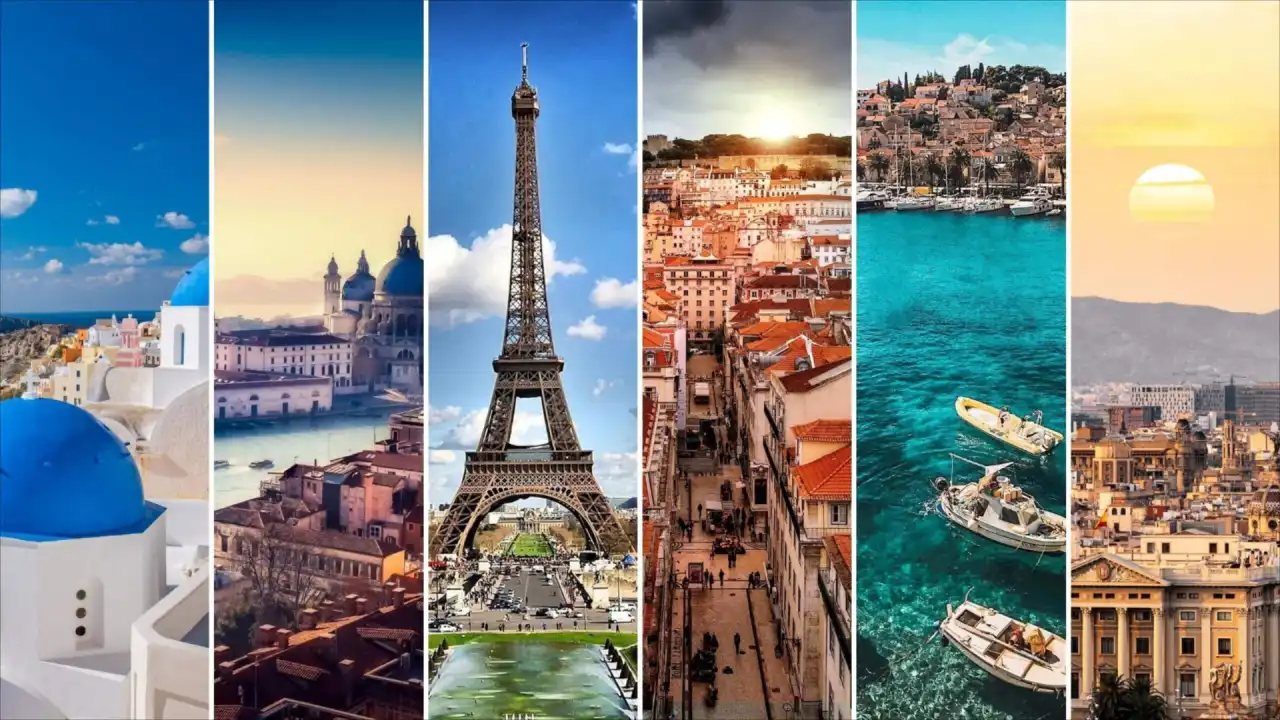
Before picking countries, slow down in your head first. Europe looks small on maps. It isn’t small when you’re carrying luggage, navigating stations, or figuring out dinner in a new place every night. Each country moves differently. Eat differently. Sleeps differently. Treating Europe like one big destination usually ends in burnout.
A route that actually works often looks like this:
- One country is heavy on history, museums, and old streets
- One place where nature or scenery takes over
- One destination where daily life slows down is cafés, markets, and late evenings
That mix matters more than distance.
Pro Tip: Stop counting countries. Count the days you can enjoy without rushing. Three countries done right will always beat six done fast.
France: Culture, Food, and Easy Travel
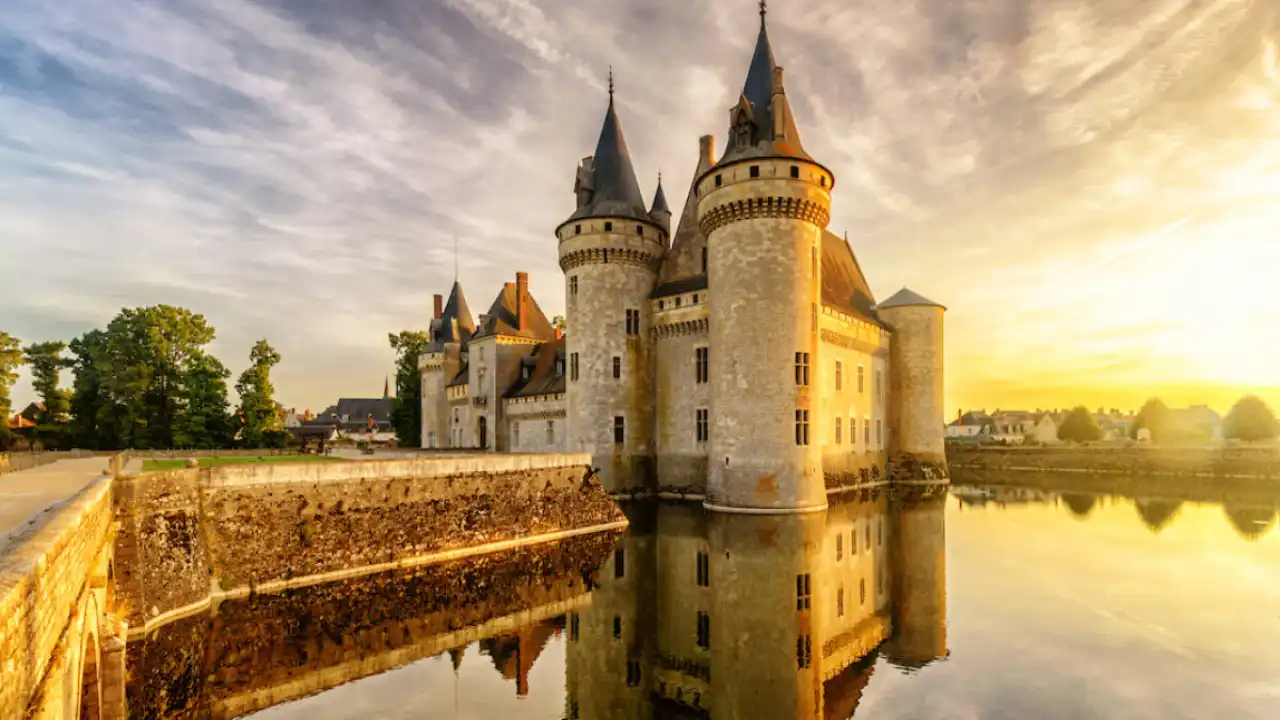
France is where a lot of Europe trips begin, and honestly, there’s a reason. It’s organized without feeling sterile. Busy, but manageable. Especially for first-timers. Paris gets the attention, sure. But France works because it lets you change pace easily.
Why France Works Well
Trains are reliable. Signs make sense. You don’t constantly feel lost or second-guess every decision.
You can switch environments without drama:
- Paris for walking endlessly, museums, and sitting at cafés pretending you’re not tired
- The Loire Valley for quieter days and castles that don’t feel like theme parks
- The French Riviera, when you want the sea and slower evenings
Food matters here. Even random meals feel thought-through. You don’t need fancy reservations to eat well, which helps when you’re on the move.
Pro Tip: Long-distance train prices jump fast. Book early, especially for weekends.
Italy: History That Feels Lived In
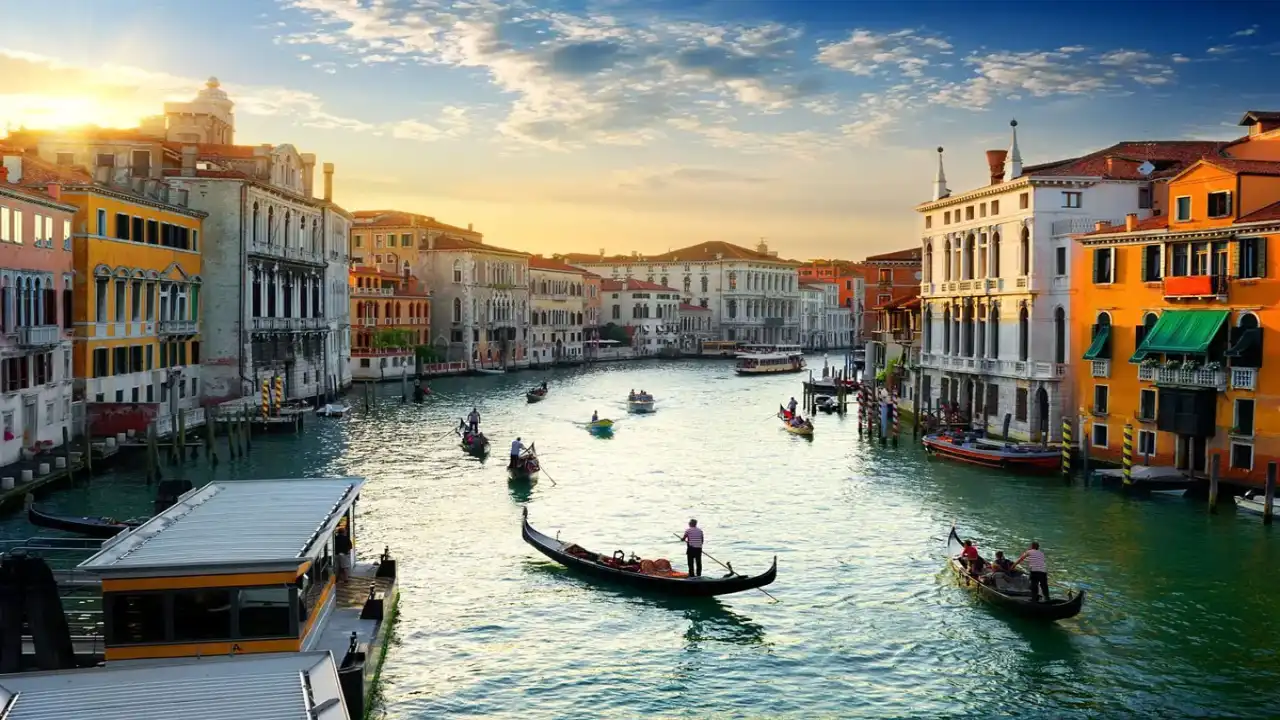
Italy doesn’t put its past behind bars. It just lives with it. Ruins next to traffic. Ancient walls with laundry hanging off balconies. That’s what makes it work.
What Makes Italy Special
You get variety without crossing borders every few days:
- Rome feels layered, loud, and overwhelming in the best way
- Florence stays compact and walkable
- Venice feels unreal, slightly confusing, and quietly beautiful
Honestly, though, the smaller towns stick with you. The places where shop owners notice you have come back. Where meals stretch longer than planned because no one’s rushing. Some travelers prefer locking things in early, especially in peak season, which is why an Europe tour package can make sense if logistics stress you out.
Pro Tip: Visit big sights early or late. Midday crowds drain energy fast.
Switzerland: Nature Without the Chaos
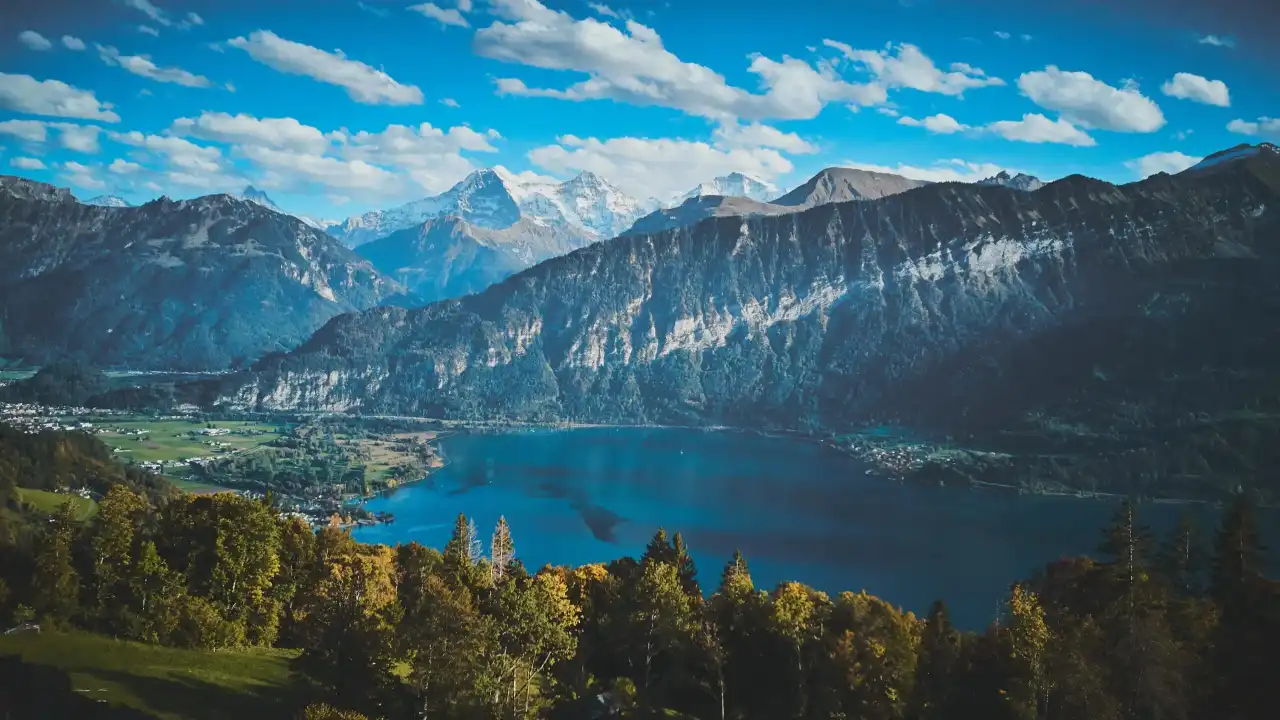
Switzerland looks expensive, and yes, it can be. But it gives something back in return: calm. Trains run on time. Views start immediately. Nothing feels rushed or messy.
Why Add Switzerland
After busy cities, Switzerland gives you breathing room. It resets the trip.
Popular stops include:
- Interlaken for lakes and mountains
- Lucerne for easy scenic walks
- Zermatt for alpine views
You don’t need a car. Public transport handles everything smoothly.
Pro Tip: A Swiss Travel Pass often saves money and mental effort.
Spain: Energy, Food, and Everyday Life
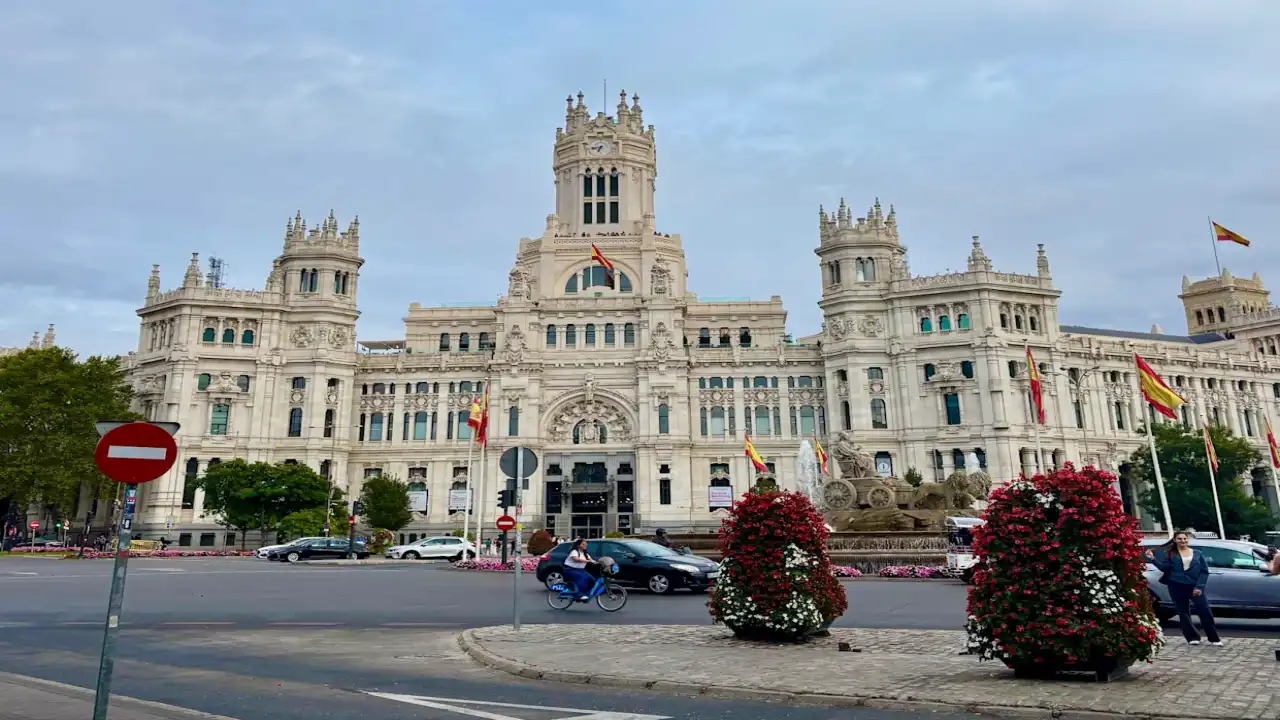
Spain feels warm in a way that isn’t just weather. Life starts later. Meals stretch. No one seems in a hurry and eventually, neither are you.
What You’ll Experience
Each place feels distinct:
- Barcelona blends city life with the sea
- Madrid feels local and lived-in
- Seville shows tradition without trying too hard
Food is social here. You sit longer. You talk more. No one pushes you out.
Pro Tip: Stop forcing early schedules. Spain makes sense when you adapt to it.
Netherlands: Compact but Well-Designed
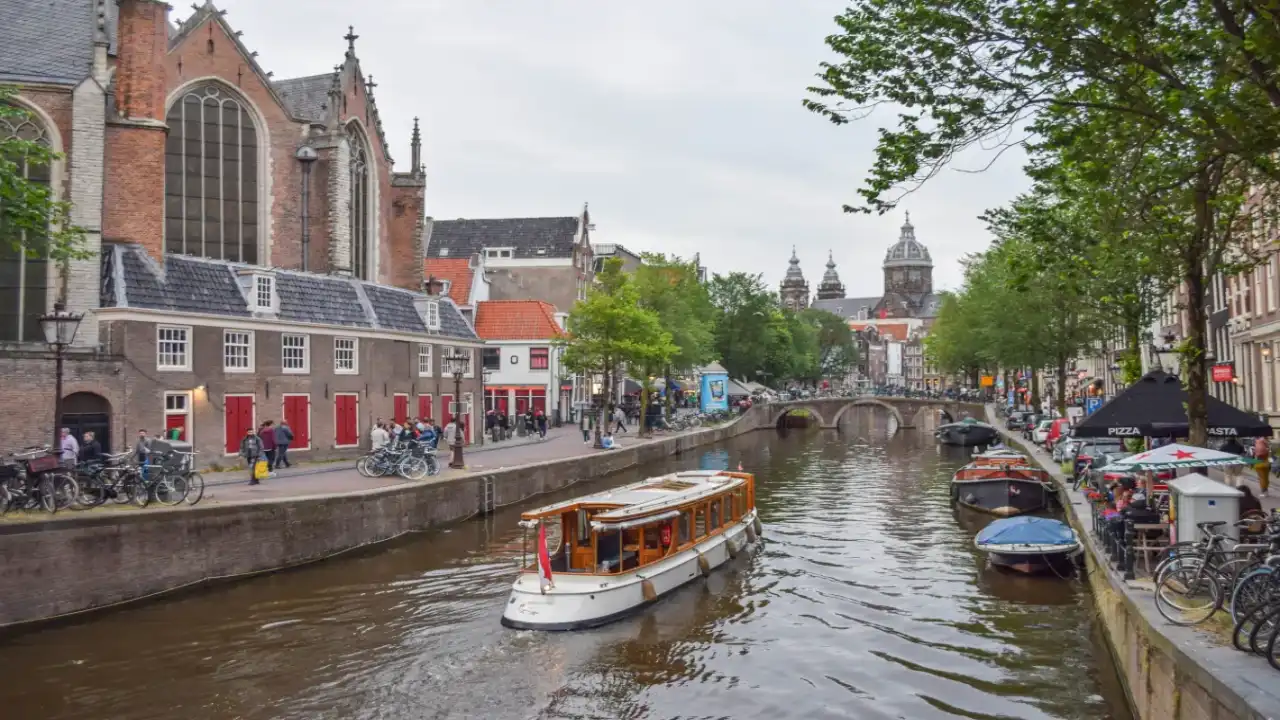
The Netherlands doesn’t take long to cross, but it leaves an impression. Everything works. Quietly.
Why It Fits Well
It slides easily into a multi-country route:
- Amsterdam for canals and museums
- Utrecht for something calmer
- Small towns where cycling feels normal
English is widely spoken, which helps when you’re tired and don’t want to think too hard.
Pro Tip: Only rent a bike if you’re confident. Trams and walking are simpler than they look.
Germany: Structure with Personality
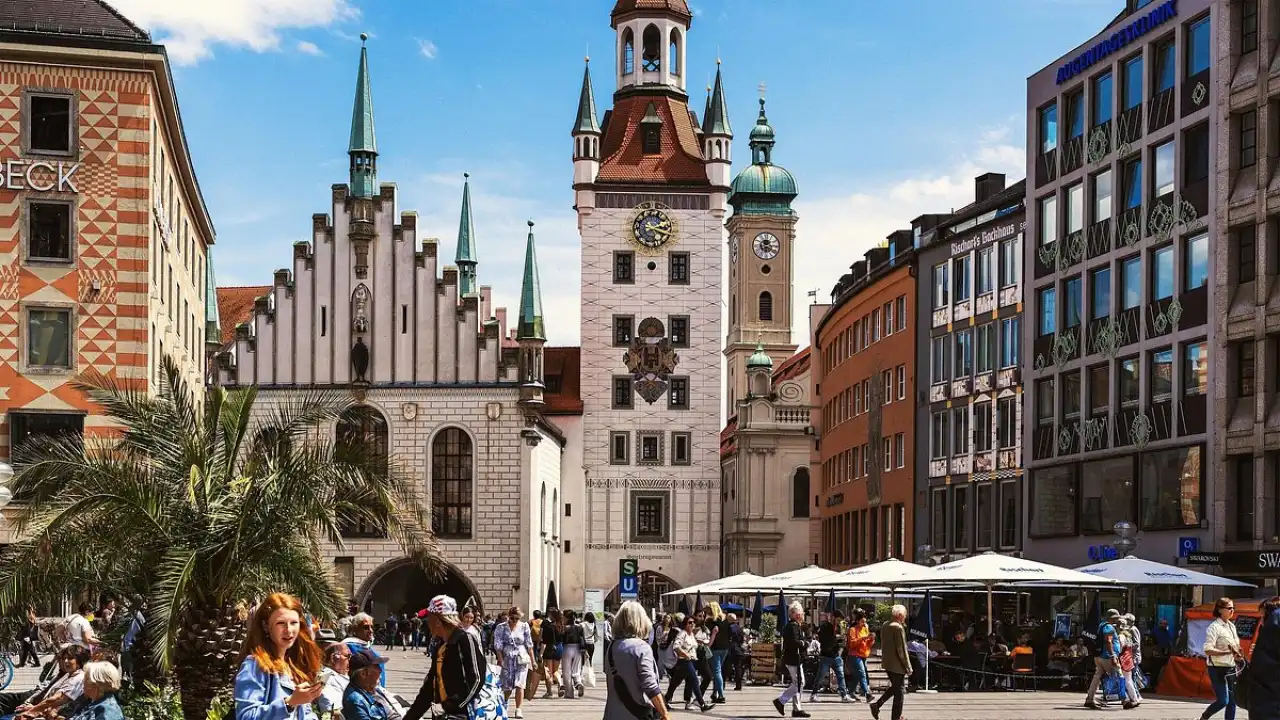
Germany surprises people. Yes, things are organized. But there’s warmth beneath it.
What Germany Offers
- Berlin mixes history with creativity
- Munich balances tradition and nearby nature
- Smaller towns show everyday life
Transport is efficient. Accommodation fits every budget.
Pro Tip: Sundays are quiet. Shops close. Plan sightseeing, not errands.
Austria: Calm Cities and Natural Balance
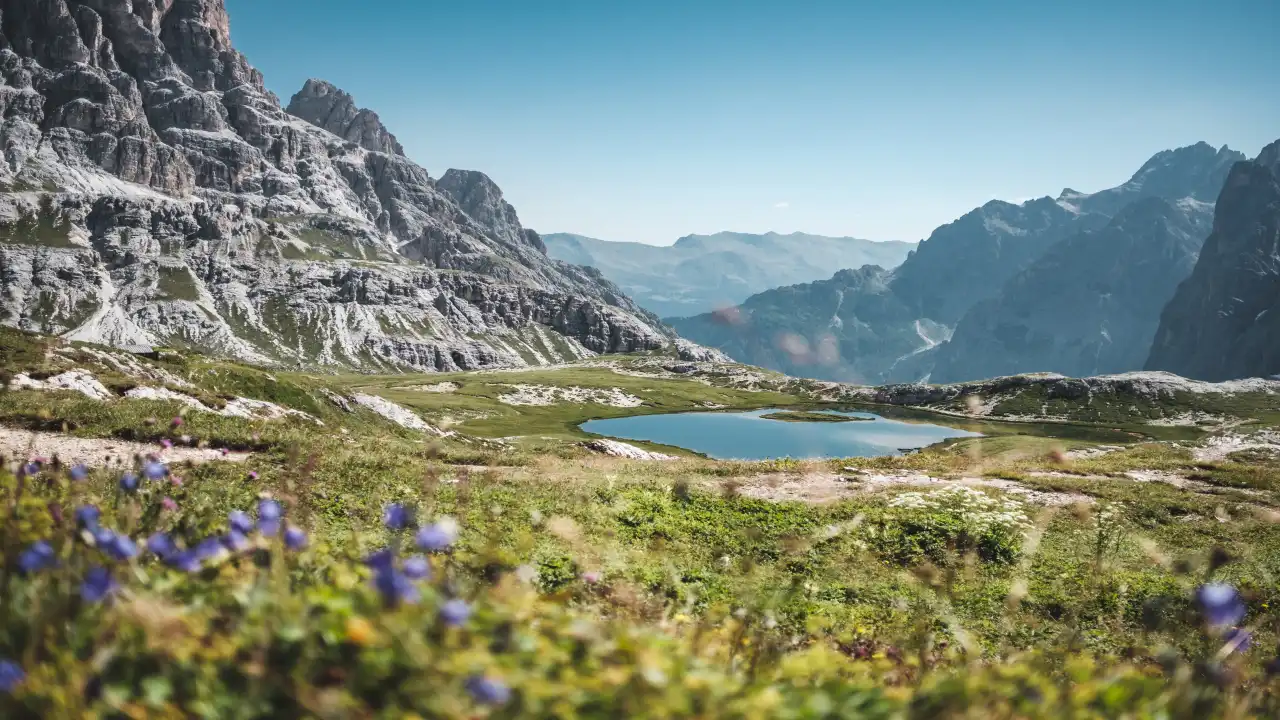
Austria feels gentle. Cities are clean, walkable, and never overwhelming.
Why Include Austria
- Vienna for cafés, music, and culture
- Salzburg for scenery and history
- Alpine areas for slower days
It’s a good pause between busier stops.
Pro Tip: Café culture matters. Sit. Order properly. Don’t rush.
Prague and the Czech Republic: Strong Value
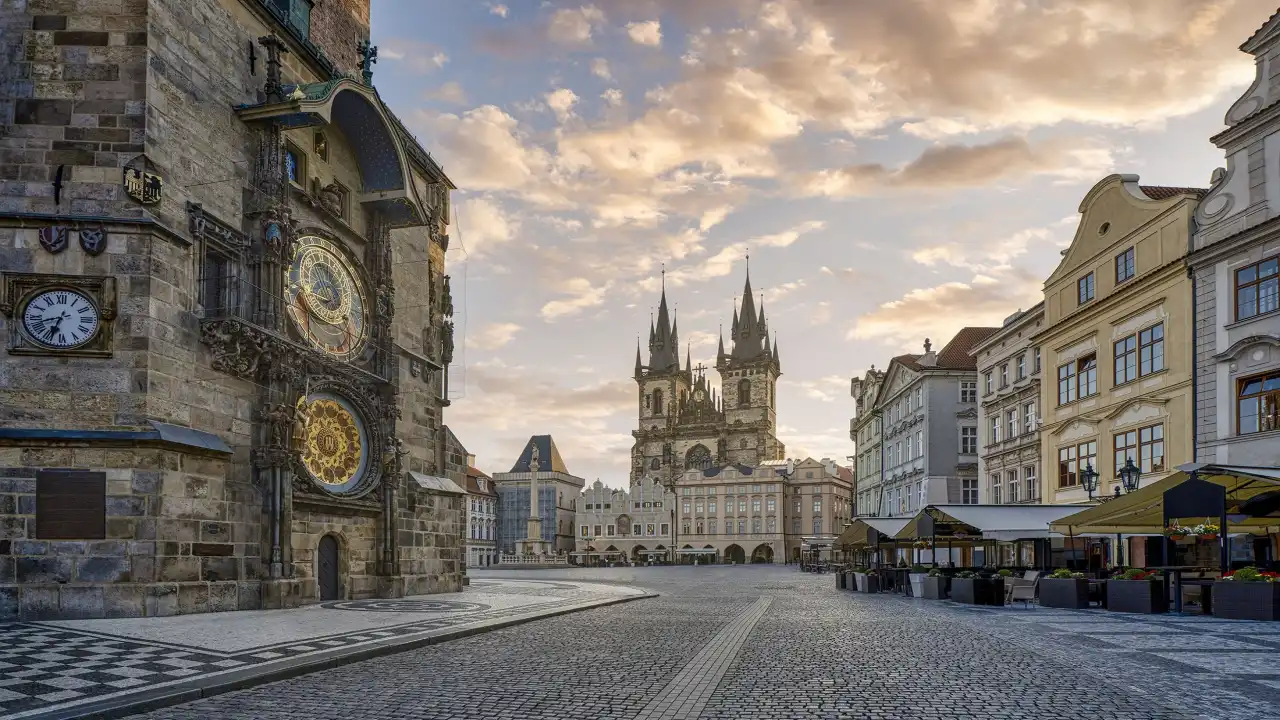
The Czech Republic offers an atmosphere without high costs. Prague is busy, but nearby towns feel calmer.
What Stands Out
- Storybook streets
- Affordable food and stays
- Walkable historic centers
It fits naturally between Western and Eastern Europe.
Pro Tip: Staying outside the Old Town often feels more relaxed.
Hungary: Character and Contrast
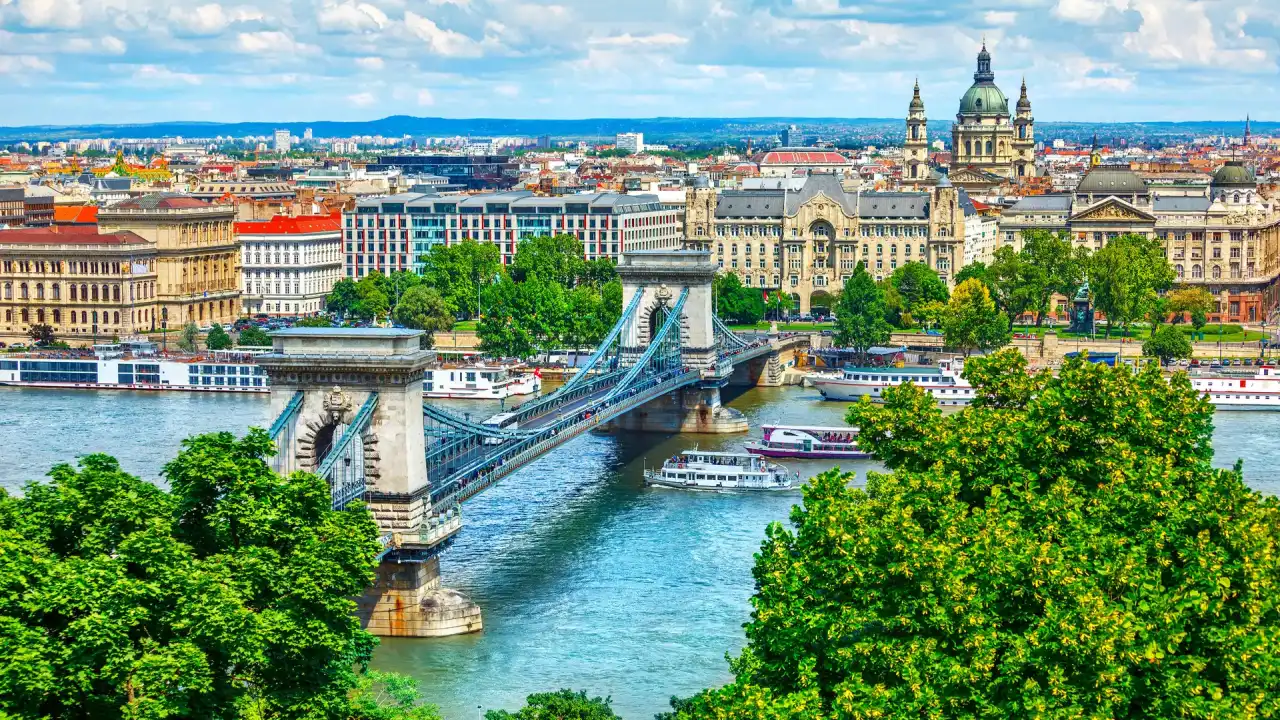
Hungary isn’t polished and that’s the appeal. Budapest feels elegant and rough around the edges at the same time.
Why Hungary Works
- Thermal baths that actually relax you
- Strong local food
- Lower prices
It adds contrast without complicating plans.
Pro Tip: Visit the baths on weekdays for space.
Planning the Route Without Stress
Order matters more than quantity. Logical routes save energy.
Routes that work:
- France → Switzerland → Italy
- Netherlands → Germany → Austria
- Spain → France
This flow simplifies europe trip planning and cuts wasted travel time.
Budget, Time, and Practical Choices
Europe rewards planning but not overplanning.
Keep this in mind:
- Trains beat flights for short distances
- Mid-range hotels often work best
- Grocery stores save money and time
Many travelers move through different europe travel destinations more comfortably by staying flexible.
Pro Tip: Leave one open day per country. It always gets used.
Packages vs Independent Travel
Some people love planning. Others hate it. Both are fine. Independent travel works if you’re okay with:
- Changing plans
- Traveling light
- Small uncertainties
Structured options, including International Packages, help when time is tight or planning feels overwhelming.
There’s no perfect method, only what fits you.
Common Mistakes to Avoid
- Too many countries
- Ignoring travel time
- Skipping rest days
Europe isn’t meant to be rushed. It’s closer to a long conversation than a checklist.
Conclusion
A good European trip isn’t about seeing everything. It’s about balance. When routes make sense, busy cities are offset by quieter places, and there’s room for small surprises, the trip becomes personal. That’s usually what pulls people back, not the landmarks, but the feeling that they didn’t rush past it all.