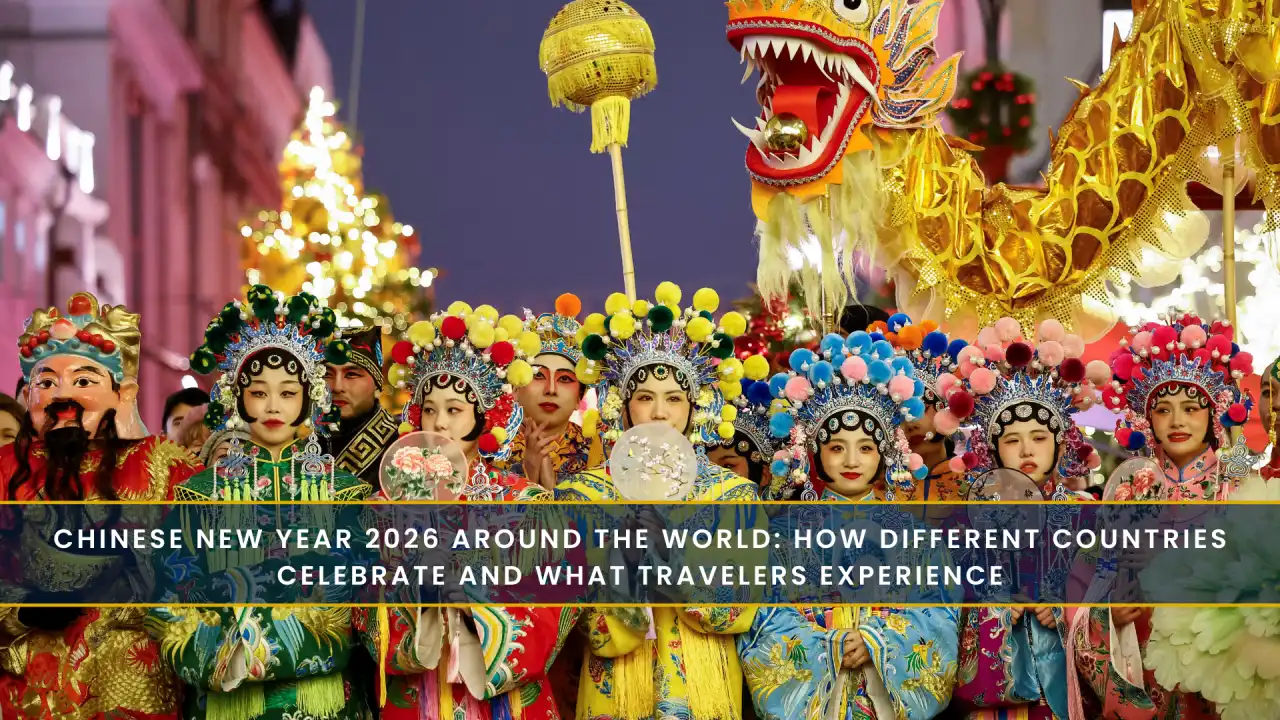
Chinese New Year 2026 Around the World: How Different Countries Celebrate and What Travelers Experience
Introduction
The Chinese New Year festival has this odd way of feeling familiar, even when you’ve never seen it before. You may not get every symbol or tradition, but you notice the change fast: airports crowded, houses cleaned like guests are arriving, shop windows quietly switching themes overnight. People talk differently, too. Less about last year, more about what’s coming next.
In 2026, the celebration will again spill across borders, with each place doing it its own way but holding on to the same basics: family, elders, and a fresh start. This isn’t a guide full of rules or dates you’ll forget. It’s more about how it actually feels on the ground, and how to travel through it without making things complicated.
Why the Chinese New Year Exists Far Beyond China
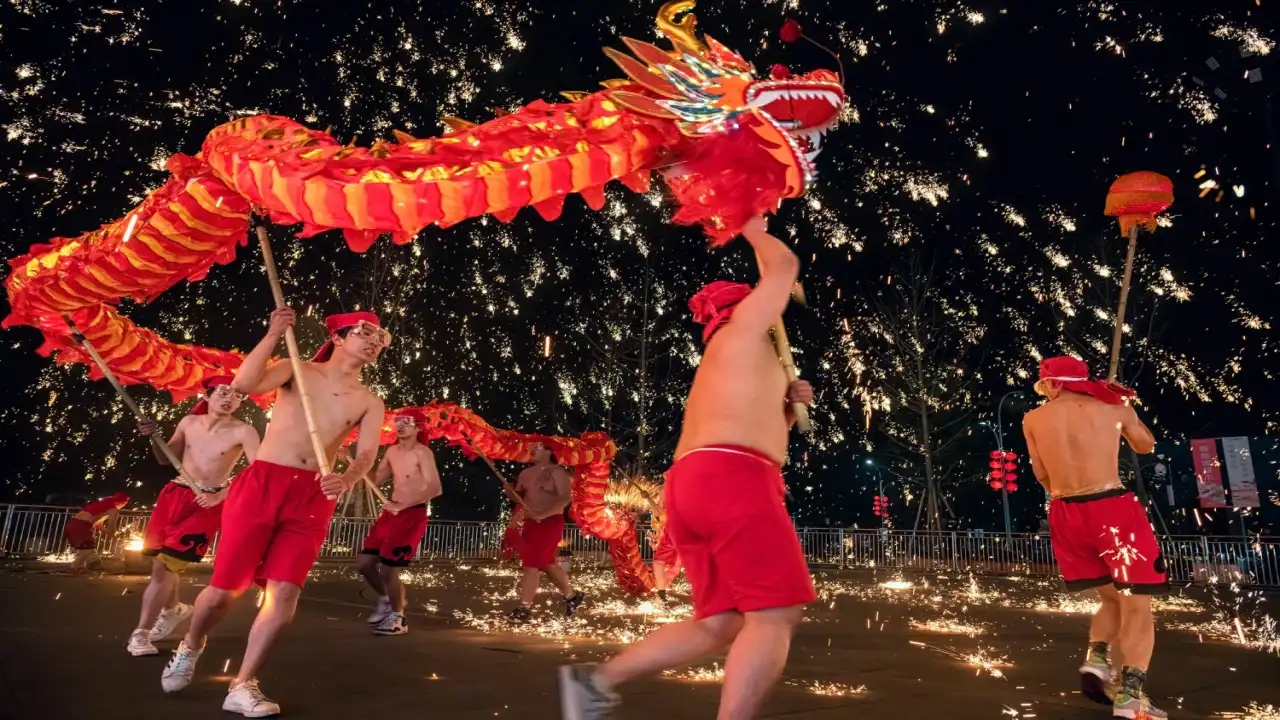
Yes, it began in China. But it didn’t stay there. Over time, people carried their customs with them first across Asia, then into cities around the world. That’s why today you’ll see major celebrations not just in East Asia, but across Southeast Asia and even in Western cities with strong Asian communities.
No matter where you go, the purpose stays pretty consistent:
- wrapping up the old year properly
- getting back together with family
- hoping for steadier days ahead
What changes is the way each place brings those ideas to life. Some do it loudly. Others barely raise their voice.
Mainland China: Quiet Streets, Full Homes
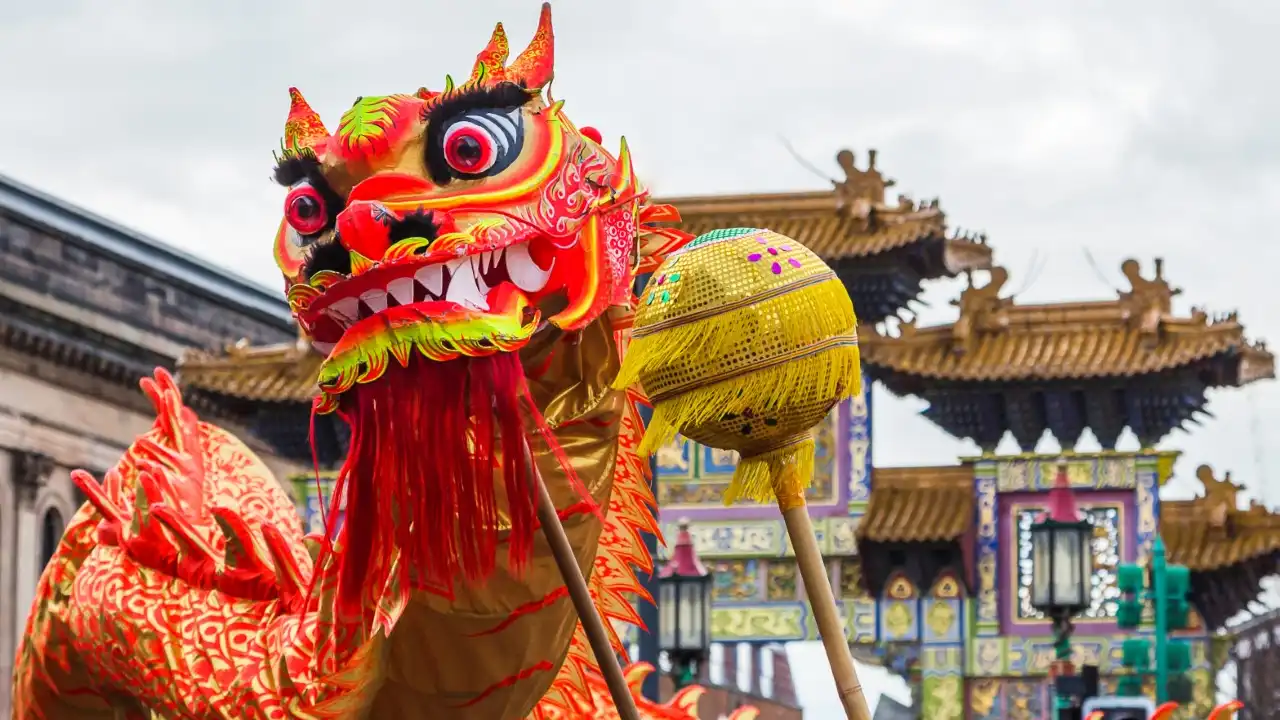
In China itself, the festival is deeply personal. Cities don’t just slow down; they almost empty out. People travel long distances to return home, and once they arrive, they stay in. Trains fill up days in advance. Flights sell out fast. Then suddenly, neighborhoods feel still.
Typical sights include:
- long reunion dinners that stretch late into the night
- fireworks where regulations allow
- temple visits, often early in the morning
For travelers, this period can feel surprisingly quiet. Less commercial. More private. It’s meaningful, but it does take planning since many services pause or shut completely.
Singapore: Orderly, Festive, Easy to Navigate
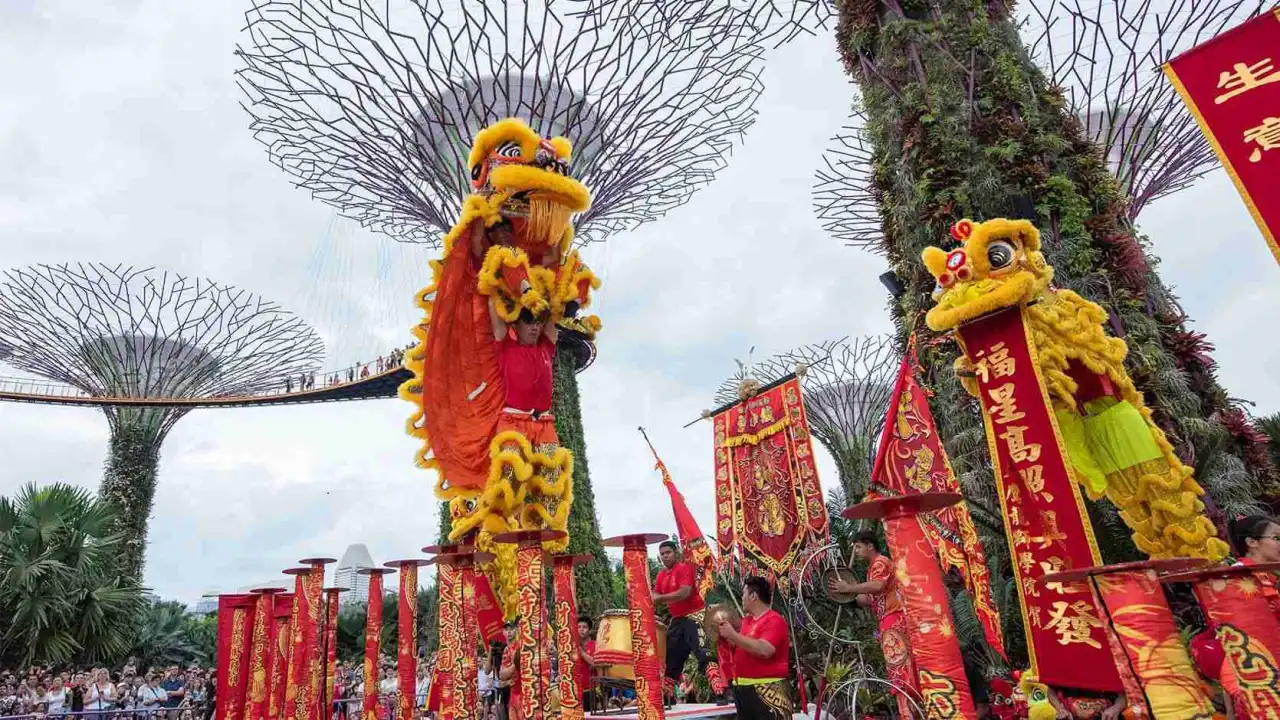
The Chinese New Year festival in Singapore strikes a balance that a lot of visitors appreciate. Traditions are taken seriously, but the city still runs smoothly.
What really helps travelers:
- clearly announced event schedules
- clean, well-managed public spaces
- transport that stays reliable, even during peak days
Evenings are usually spent walking through decorated streets, while afternoons stay calm with long lunches and unhurried conversations. This relaxed pace fits well with a Singapore trip package, letting you enjoy the festive mood without feeling rushed or overwhelmed.
Malaysia: Open Doors and Shared Tables
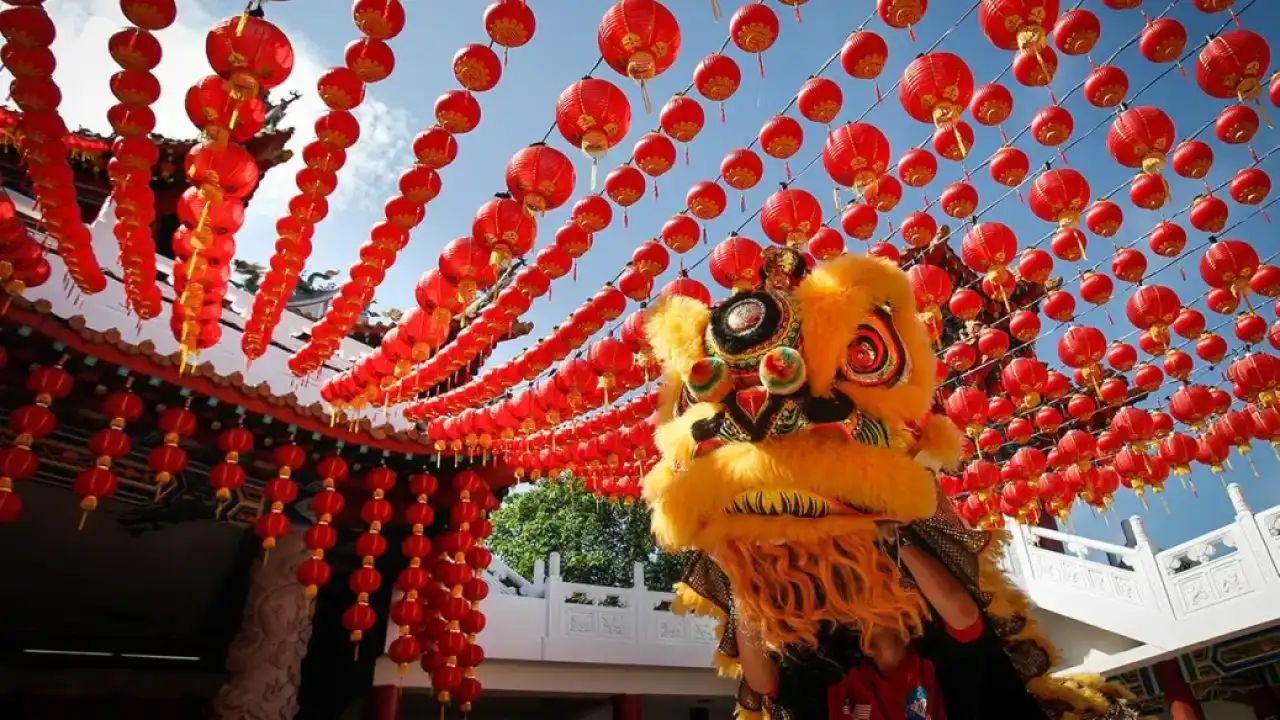
Malaysia celebrates in a way that feels slightly more relaxed. There’s less structure, more warmth. One of the most noticeable things is the tradition of open houses, where families welcome neighbors and sometimes strangers.
Visitors usually notice:
- genuine hospitality
- meals shared across communities
- decorations everywhere, not just in tourist areas
It’s a good choice if you like talking to people and being invited into everyday moments rather than attending big staged events.
Hong Kong: Fast Pace, Strong Traditions
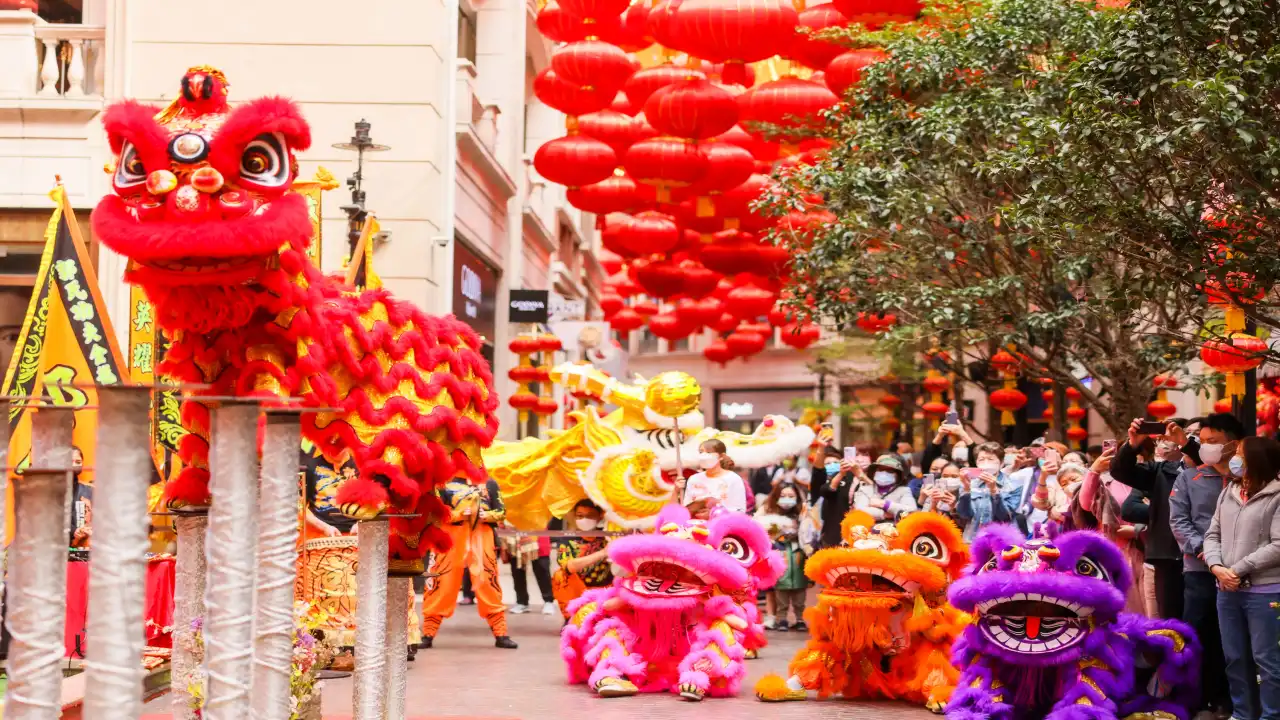
Hong Kong doesn’t really slow down, but it doesn’t ignore tradition either. The result is high energy with clear cultural roots.
You’ll likely see:
- lively night parades
- flower markets before the new year begins
- crowded temples on the first day
For travelers, it can feel intense. Busy. Loud. But also exciting, especially if you enjoy cities that don’t dim their lights for festivals.
Taiwan: Quiet, Thoughtful, Grounded
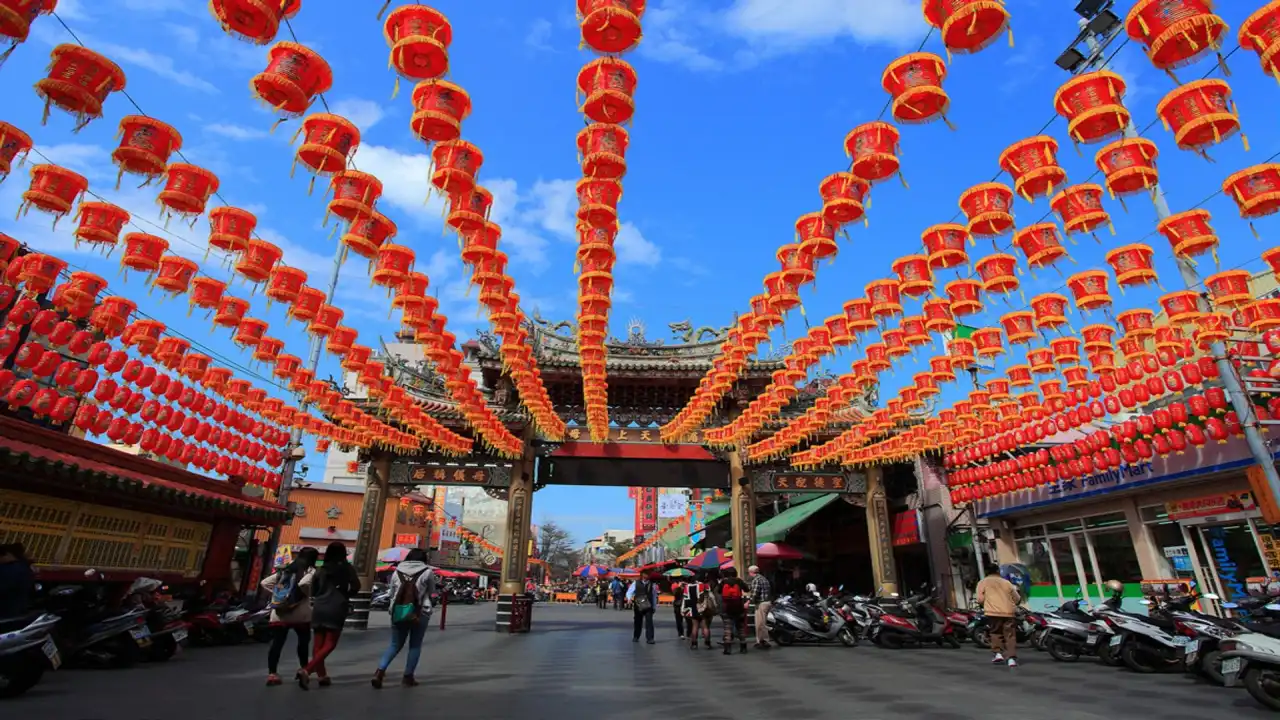
Taiwan takes a calmer approach. Families focus inward. Temples become important meeting points. There’s less commercial noise and more space to breathe.
Expect:
- slower movement around cities
- a stronger spiritual focus
- fewer large-scale events
It suits travelers who prefer reflection and observation over spectacle.
Vietnam: Different Name, Familiar Feeling
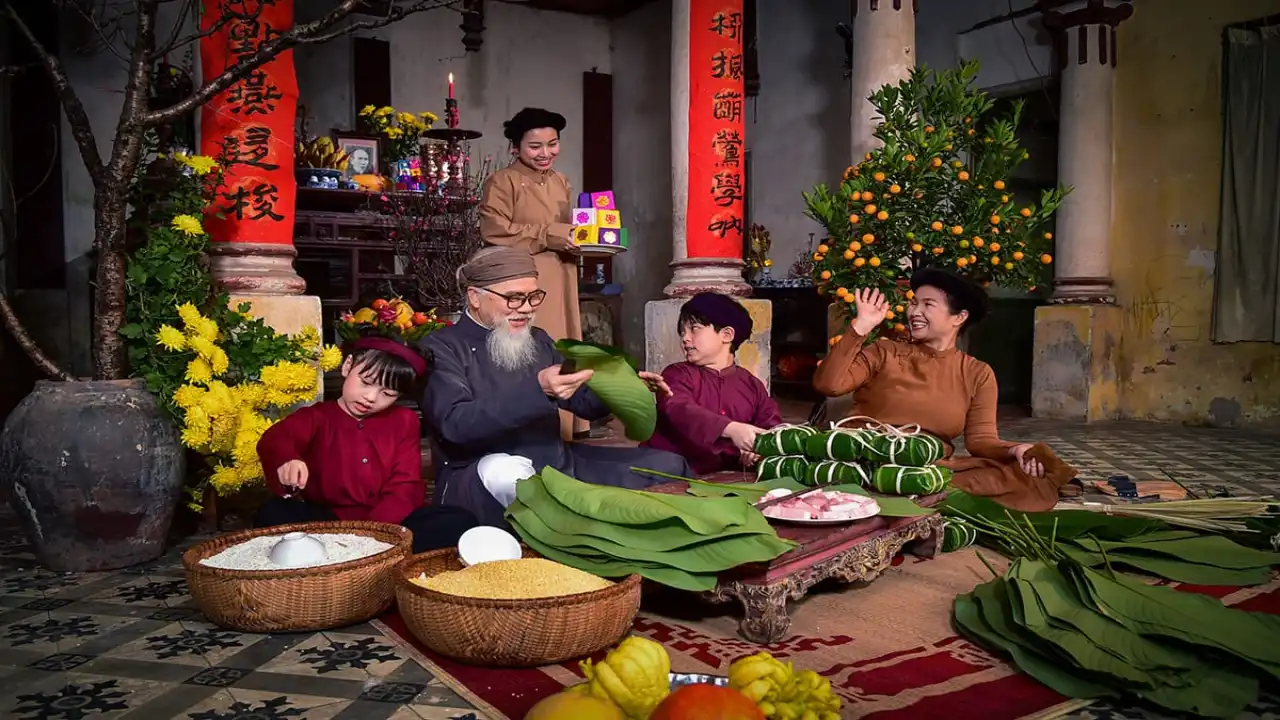
Vietnam celebrates the Lunar New Year as Tết, usually around the same time. Customs differ, but the feeling underneath is familiar.
You’ll notice:
- homes being cleaned and decorated
- family meals that take priority over everything else
- visits to elders
Travelers often feel deeply immersed, especially if they spend time away from tourist centers.
How Celebrations Look Across Cultures
Understanding how the Chinese New Year is celebrated around the world helps set realistic expectations. Symbols change. Food changes. The mood doesn’t.
Across countries, you’ll keep seeing the same patterns:
- careful preparation at home
- respect for elders
- new clothes, even simple ones
- businesses closing briefly, without apology
As a visitor, watching quietly is usually more appreciated than trying to participate.
Why 2026 Feels Different
Chinese New Year 2026 is expected to draw more international travelers than usual. Many families are returning to full celebrations, and cities are planning accordingly.
For travelers, that usually means:
- better-organized public events
- Higher demand for hotels
- a more noticeable festive atmosphere
Booking early isn’t optional this year. It’s necessary.
Food: Shared, Simple, Unrushed
Food is central everywhere, but it’s not flashy. Meals are meant to be shared, not photographed.
Common habits include:
- dishes placed in the center
- ingredients chosen for meaning, not decoration
- meals eaten slowly, often with long pauses
You don’t need to know the symbolism to enjoy it. Sitting and eating are enough.
Getting Around During the Festival
Pro tips for 2026 travelers:
- Arrive a few days before the main date
- Expect limited services on day one
- Rely on public transport in busy areas
Things move more slowly. That’s part of the experience.
Couples, Families, and the Festival
This season works well for both if expectations are realistic.
Families tend to enjoy:
- safe, walkable spaces
- early evening activities
- cultural exposure without pressure
Couples usually like:
- night walks
- shared meals
- slower, more meaningful experiences
It’s also a popular period for travelers choosing International Trip Packages that focus on culture rather than nightlife.
Shopping
Markets are busiest before the new year. Once it begins, things quiet down.
Good buys include:
- traditional snacks
- festive decorations
- practical souvenirs
Big discounts are rare during the main days.
Common Mistakes
Some visitors expect constant entertainment. Others worry they’ll feel out of place.
In reality:
- No one expects participation
- Quiet observation is normal
- Simple politeness goes a long way
This isn’t a performance. It’s continuity.
Conclusion
Chinese New Year 2026 will show up in different languages, streets, and living rooms, but the idea underneath doesn’t really change: finish one chapter properly before moving on. You feel it whether you’re stuck in a crowded city queue or standing in a quiet lane watching someone light incense. The Chinese New Year festival isn’t loud everywhere; sometimes it’s just people choosing to slow down a little. Meals take longer. Conversations wander. Effort matters more than speed. Travelers who come in curious, not rushed, usually notice these small things first. They leave with more than photos, something harder to explain, and harder to forget.
Getting Around During the Festival
Pro tips for 2026 travelers:
- Arrive a few days before the main date
- Expect limited services on day one
- Rely on public transport in busy areas
Things move more slowly. That’s part of the experience.