Exploring the Top Destinations Driving Tourism Growth in the Philippines
Introduction
Travel trends come and go. One year, it’s one big hotspot; the next year, it’s something else.
But sometimes a place grows quietly, without chasing attention. That’s what’s happening in the Philippines right now. For years, people focused mostly on beaches and yes, they’re excellent.
Stay a little longer, though, and you notice more: simple food that feels personal, streets that carry real history, conversations that drift into stories. At the center of this shift is the Philippines global tourism, growing through word of mouth rather than loud promotion. Travelers leave, talk about it, and want to return. This blog explores the destinations behind that growth and why they’re shaping the country beyond a quick beach break.
Why These Destinations Matter More Than Ever
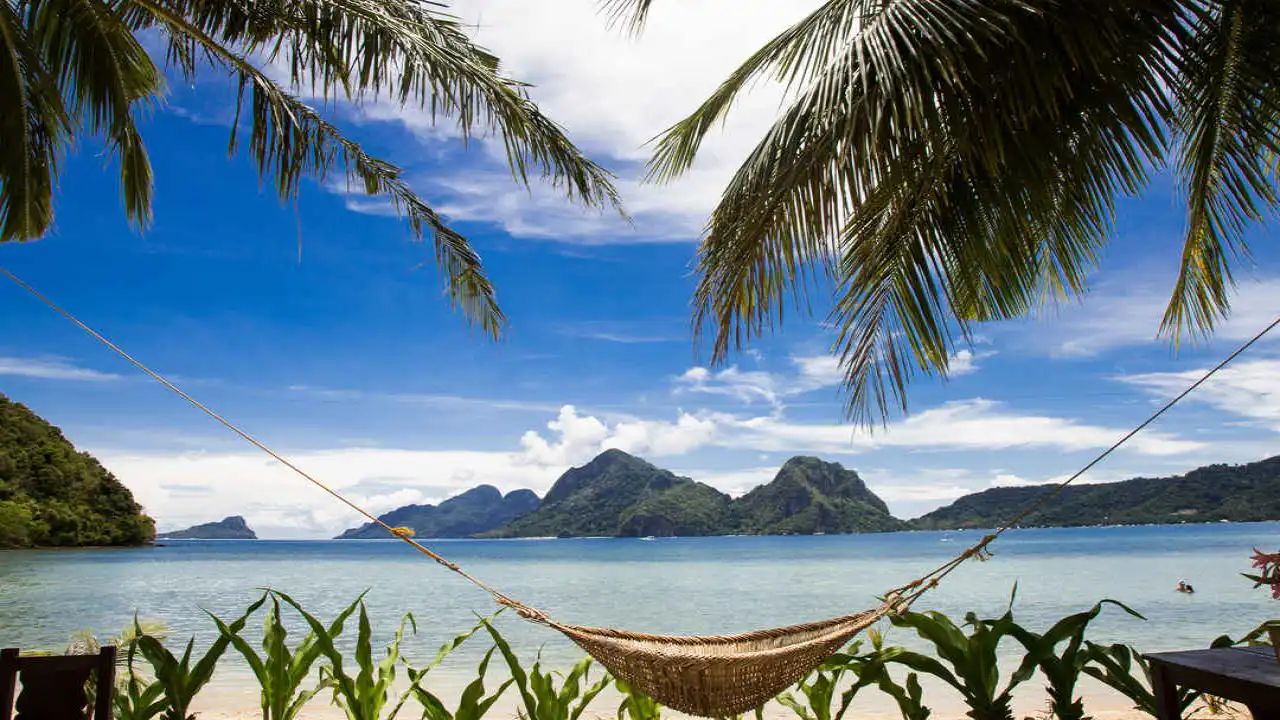
Beautiful places exist everywhere; that part is easy. What really grows tourism is access, comfort, and whether the experience stays with you afterward. In recent years, better roads, more domestic flights, and smarter planning have made once-tiring places easier to reach. Getting around still has its moments, but it’s far simpler than before, and travelers feel that. People now want more than one experience: a bit of adventure, some comfort, and room to slow down. In the Philippines, beaches, old towns, street food, and cafés sit side by side naturally. That’s why these areas are being noticed as emerging travel destinations for 2026, not new, just finally seen properly.
Boracay: Reinventing a Classic
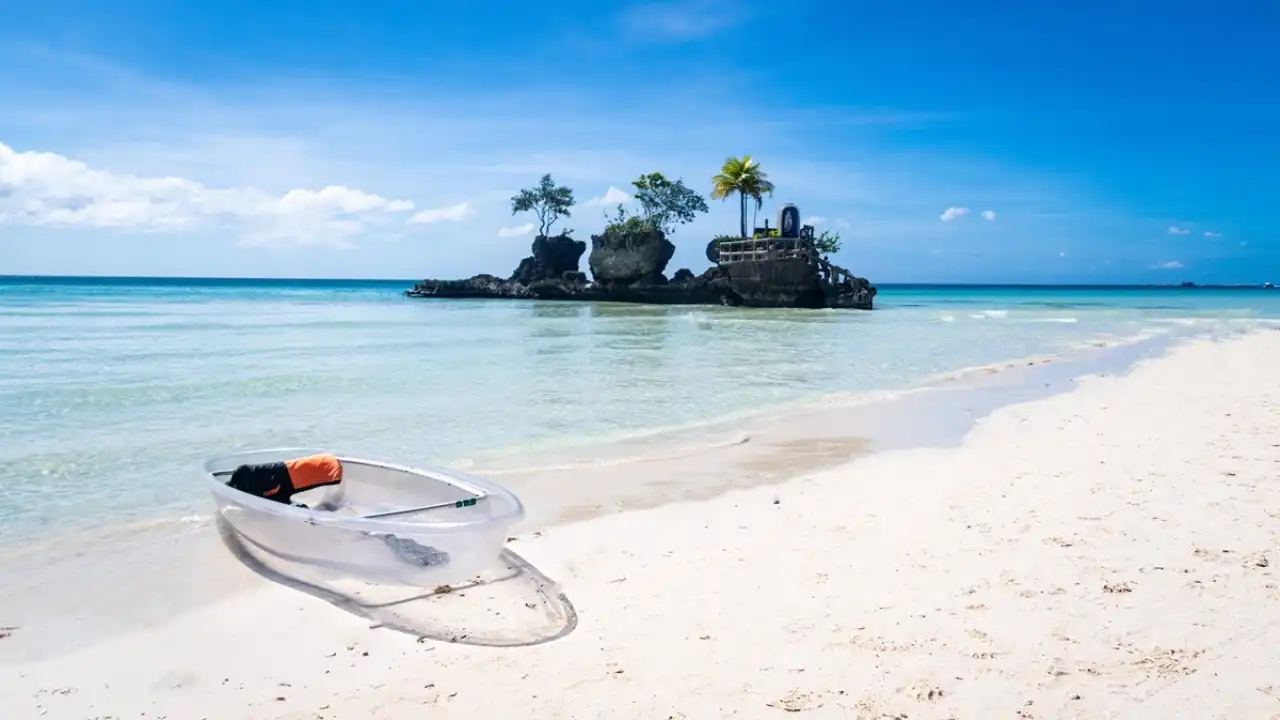
Boracay has been famous for a long time. Maybe too famous. At one point, it felt like the island was collapsing under its own popularity. Crowds, noise, and a sense that something had been lost. What makes Boracay relevant again is its reset. After strict environmental cleanups, the island became calmer. The water looks better. The beaches feel more organized. And while it’s still lively, it doesn’t feel out of control.
Why Boracay still works:
- White Beach is easy, wide, and genuinely relaxing
- You can be active or do almost nothing at all
- Hotels follow clearer rules now, especially around waste and water
Pro Tip: Stay a little away from Station 2. You’ll sleep better, and the beach is still close.
Boracay’s comeback proves that tourism doesn’t have to burn a place out forever if people step in at the right time.
Palawan: Letting Nature Do the Talking
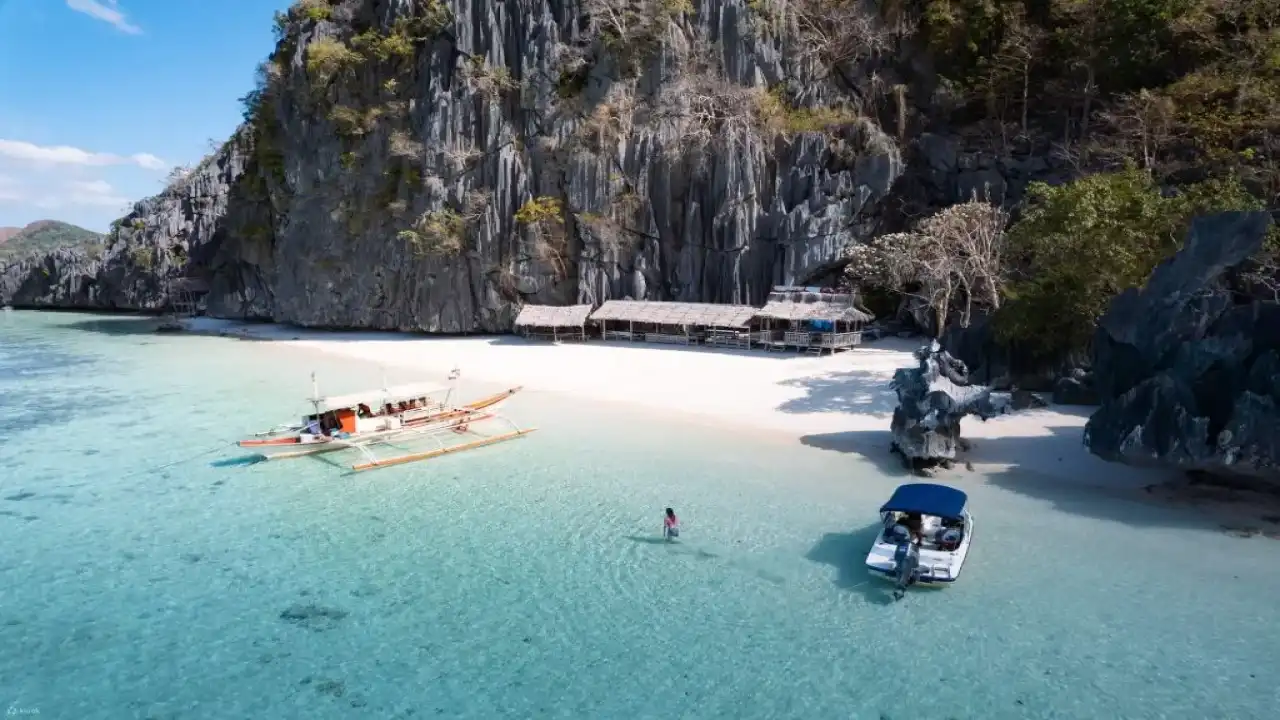
If there’s one place people instantly recognize, it’s Palawan. Photos don’t exaggerate much here. But what makes Palawan special isn’t just how it looks, it’s how it slows you down. You don’t rush in Palawan. You plan boat trips. You wait for the weather. You sit quietly in the evening because there’s nothing else you need to do.
Two places stand out:
- El Nido for island hopping
- Coron for lakes and shipwreck dives
Palawan plays a big role in the Philippines tourism growth, especially for travelers who care about landscapes more than nightlife.
Pro Tip: Shoulder season (May or October) is underrated. Fewer people, calmer days.
Cebu: City Energy, Island Access
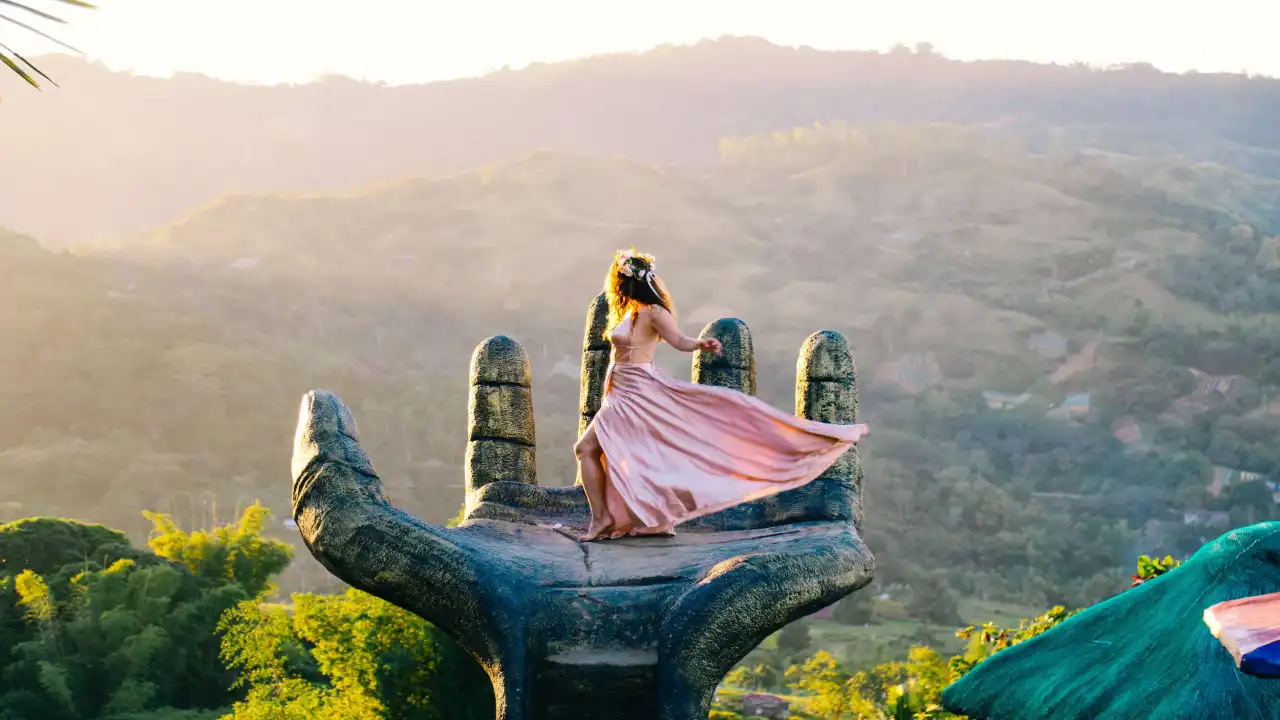
Cebu often gets treated like a stopover. That’s a mistake. Cebu is busy, yes, but it’s also practical. Everything connects from here. You’ve got history in the city, waterfalls a short drive away, and beaches within easy reach. Some days you’re walking through traffic. The next day, you’re floating in clear water.
Cebu suits:
- First-time visitors who want convenience
- Families who don’t want complex transfers
- Adventure seekers chasing canyons and dives
Pro Tip: Stay near Mactan if beaches matter more than nightlife.
Cebu shows that tourism growth doesn’t mean choosing one experience over another.
Siargao: A Place People Don’t Rush Through
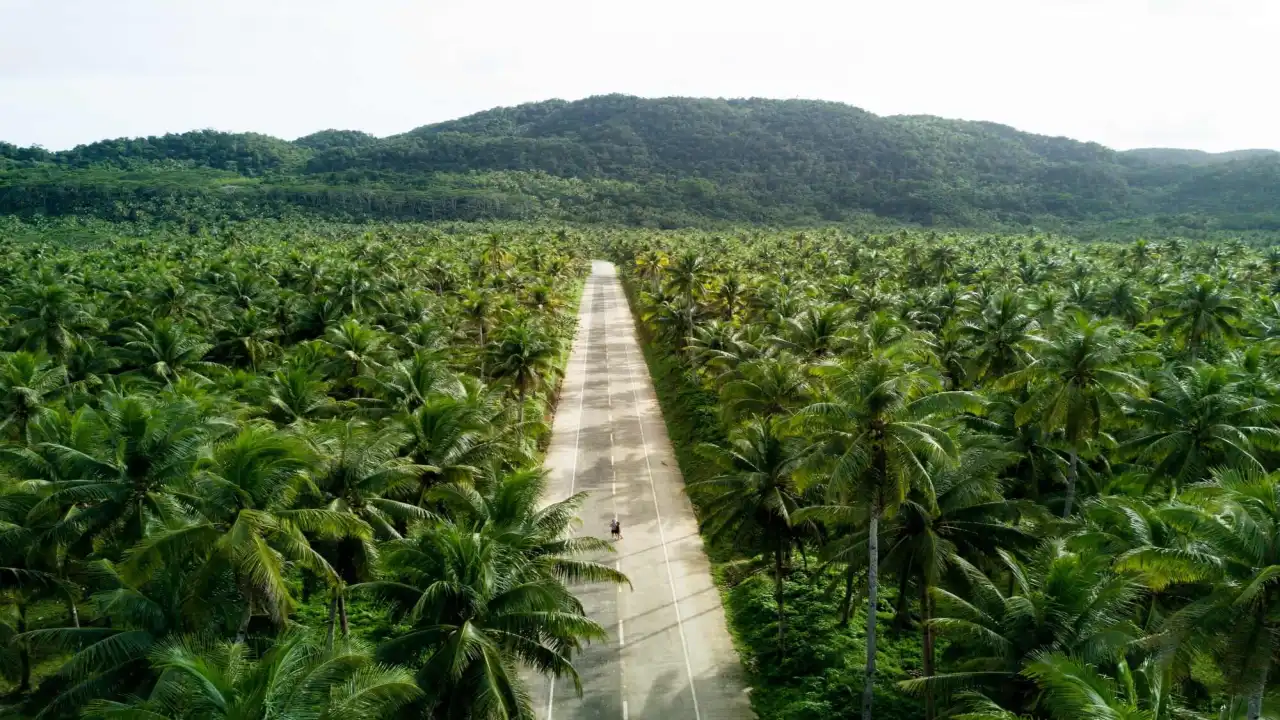
Siargao didn’t explode overnight. It spread quietly. Surfers came. Then, remote workers. Then travelers who just wanted space. Even if you never touch a surfboard, Siargao makes sense. Mornings start slow. Afternoons drift by. Evenings are simple.
What makes Siargao click:
- A real sense of local life
- Cafés that don’t feel rushed
- Days that stretch without effort
Pro Tip: Rent a scooter and ride out of General Luna. The quieter parts feel more honest.
Bohol: Calm, Green, and Grounded
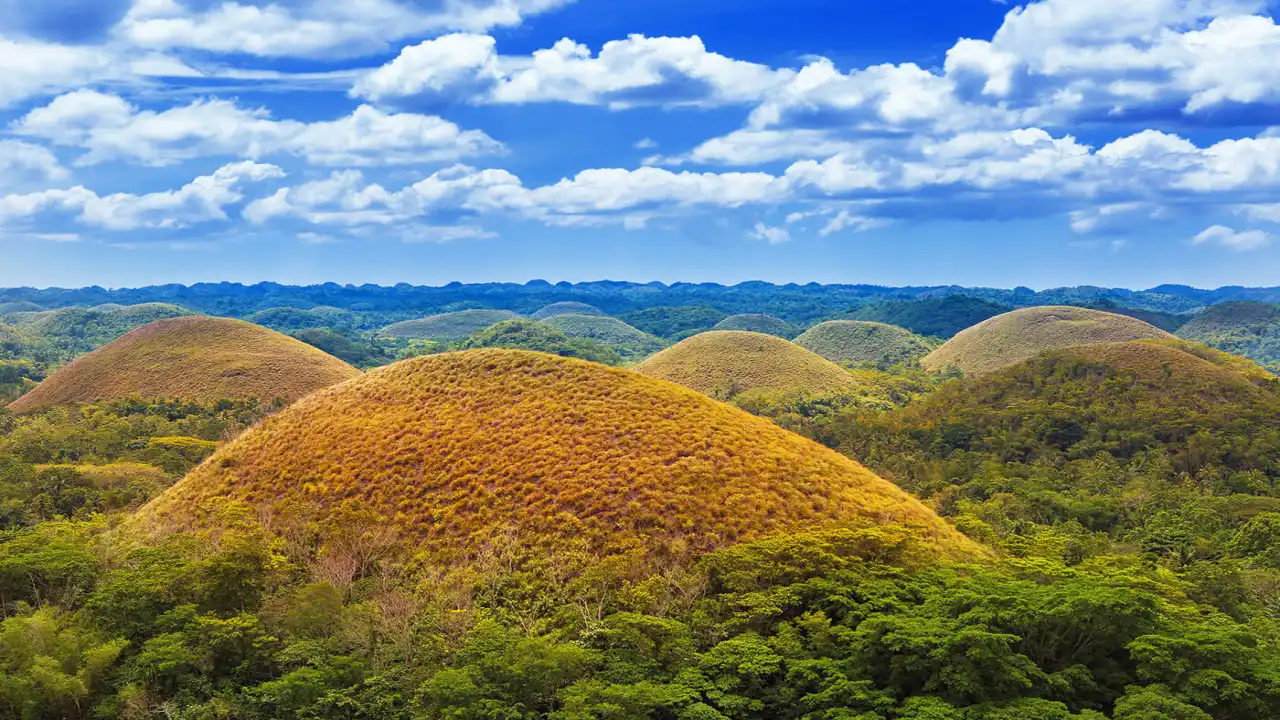
Bohol doesn’t try to impress loudly. It doesn’t need to. Yes, the Chocolate Hills draw people in. But it’s the rivers, villages, and soft countryside that keep them there.
Bohol works well for:
- Couples who want slower days
- Families looking for easy travel
- Travelers curious about everyday culture
Pro Tip: Split time between inland areas and Panglao Island.
Manila: Where the Story Comes Together
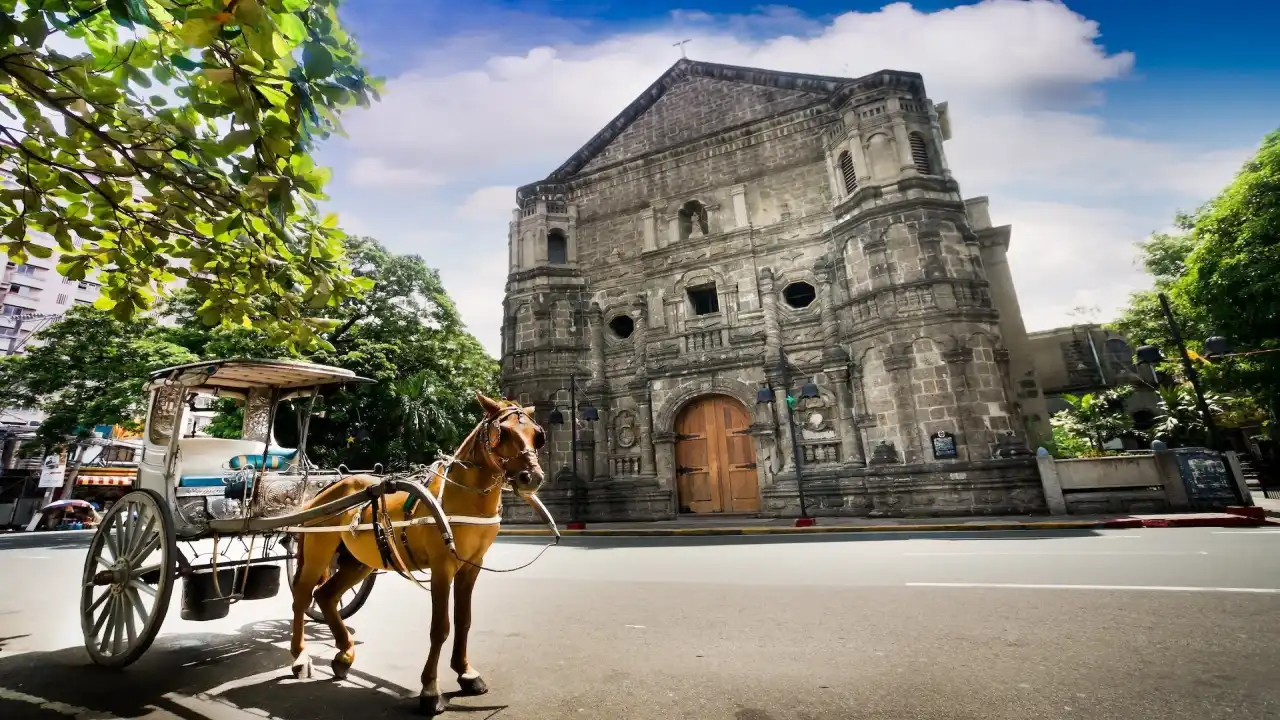
Manila gets skipped too often. It’s messy, loud, and sometimes tiring. But it explains the country better than any beach ever could. From Intramuros to side streets filled with food stalls, Manila shows history layered on top of daily life.
Pro Tip: Give it one full day. Don’t rush i
Banaue and Northern Luzon: Places That Are Still Lived In
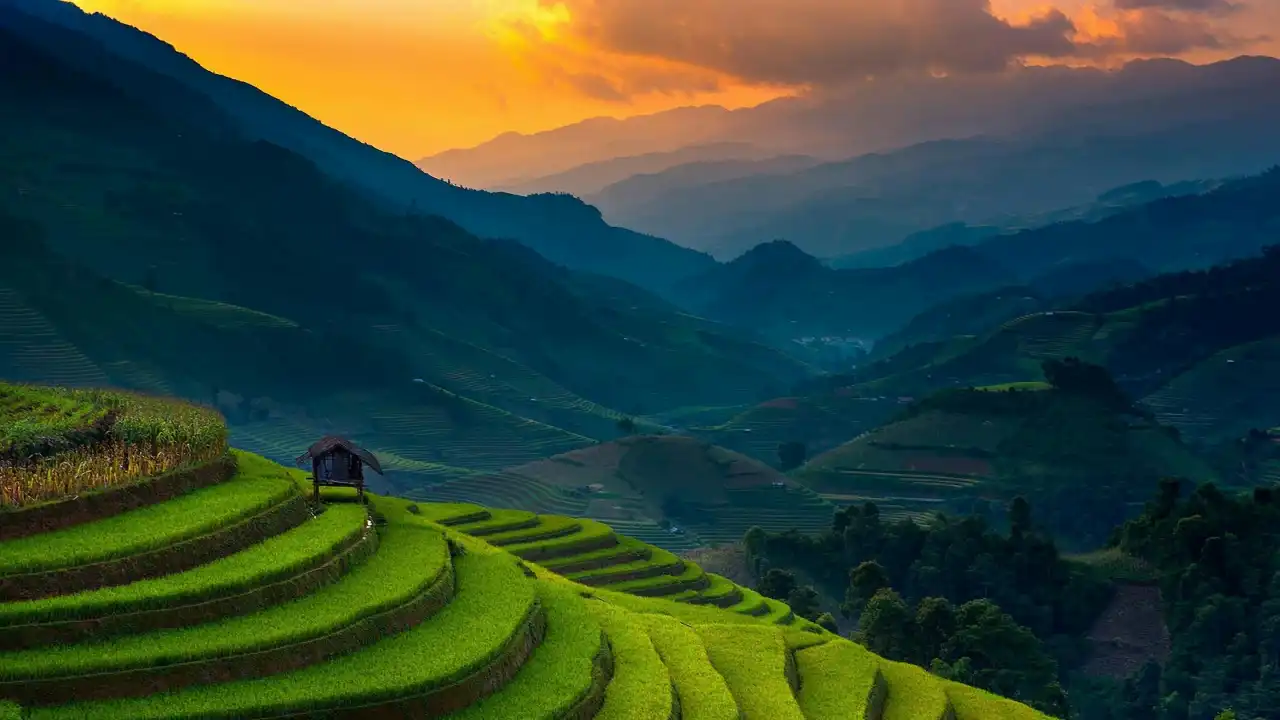
The Banaue Rice Terraces aren’t museum pieces. People still farm here. Kids still grow up here. It takes effort to reach this region. Long drives. Early mornings. But the connection feels deeper. Nearby Vigan adds history and structure to the journey.
Pro Tip: Local guides make all the difference.
How These Destinations Shape the Bigger Picture
Put together, these destinations explain why the Philippines is growing as a travel destination. They share a few common strengths:
- Genuine hospitality
- Reasonable costs
- Nature woven into daily life
Travelers don’t feel like outsiders. They feel included. Choosing the right Philippines trip package can help with logistics while still leaving room for surprises, which is where the country really shines.
Who Does This Country Suit Best
The Philippines works well for:
- Travelers who like variety
- People who value experiences over checklists
- Visitors are okay with small detours
It fits different travel styles, whether you’re booking International Trip Packages or traveling independently.
Looking Ahead
Tourism here isn’t about chasing numbers. It’s about doing things better, slower, and with more care. Roads won’t always be smooth. Schedules won’t always hold. That’s part of the deal. But for travelers willing to go with it, the experience feels real.
Conclusion
The places driving tourism growth in the Philippines aren’t trying to impress anyone. They simply show up as they are imperfect, warm, and welcoming. That honesty stays with people long after they leave. And that, more than anything, is why travelers keep coming back
Practical Tips
- Domestic flights save time
- Cash still matters outside cities
- Eat local, it’s part of the experience
- Weather changes fast, pack light
Pro Tip: Leave space in your plan. The best moments usually aren’t scheduled.