Gion Matsuri Festival in Kyoto: A Complete Travel Guide for Visitors
Introduction
Kyoto in July feels a little different from the version people usually imagine. Not worse. Just... older somehow. The streets start glowing with lanterns by evening, food stalls appear outside quiet neighborhoods, and you keep hearing drums or festival flutes from somewhere you cannot even see. It gets crowded, obviously, but the strange thing is the city still feels calm underneath all that noise.
The Gion Matsuri Festival in Kyoto is difficult to explain properly unless you walk through it yourself. You think you will spend maybe an hour there, grab some food, take a few photos, and leave. Then suddenly it is 10 at night and you are still wandering around with grilled squid in one hand while groups of locals in yukata walk past laughing like they have done this every summer forever. For people booking an international trip package, this is honestly one of those experiences that makes Japan feel more real than regular sightseeing. Temples are beautiful, yes. But festivals show personality.
What is the Gion Matsuri Festival?
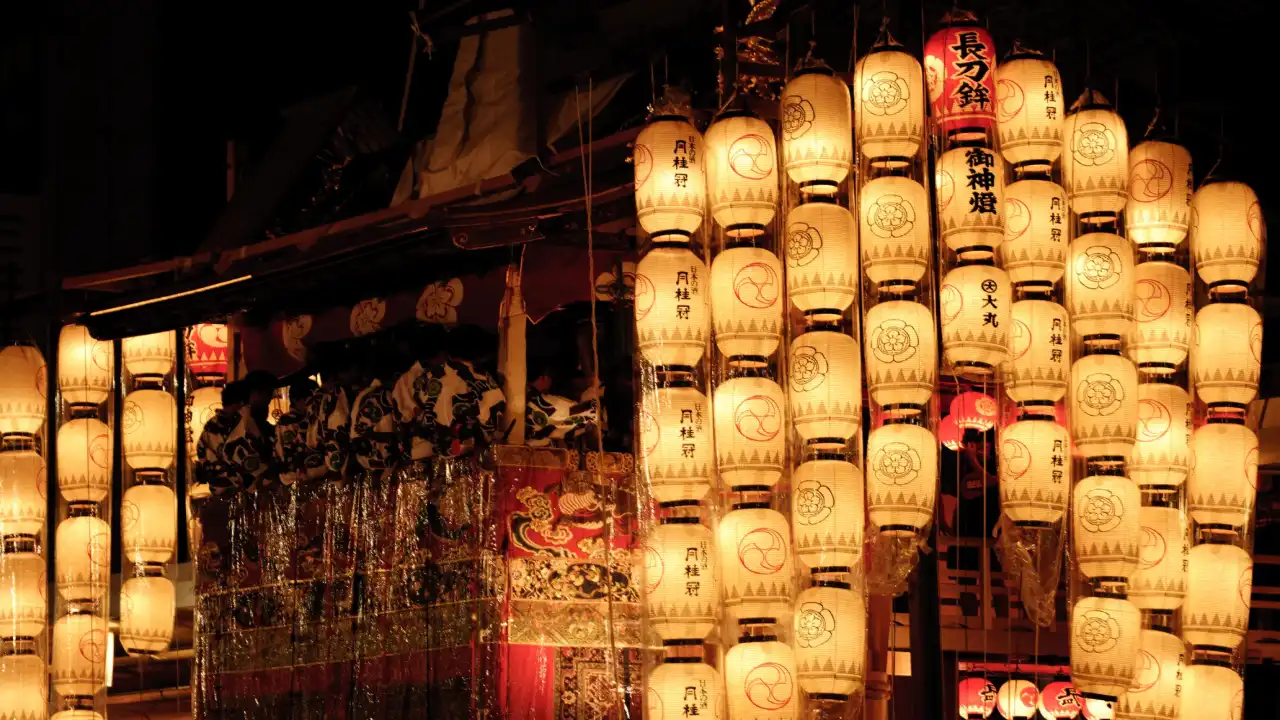
Gion Matsuri has been happening for more than a thousand years, which honestly sounds unreal when you are standing there watching it. The festival started during the ninth century when Kyoto suffered from epidemics, and people held religious ceremonies hoping for protection. Many traditions are still connected to Yasaka Shrine even now. That is probably why the festival feels deeper than just entertainment. There is still a spiritual side quietly sitting underneath all the crowds, lanterns, and street food. Locals come every year with family and friends, while tourists arrive from all over the world. Somehow it never feels forced. It still feels like Kyoto’s own festival first.
When is Gion Matsuri Held?
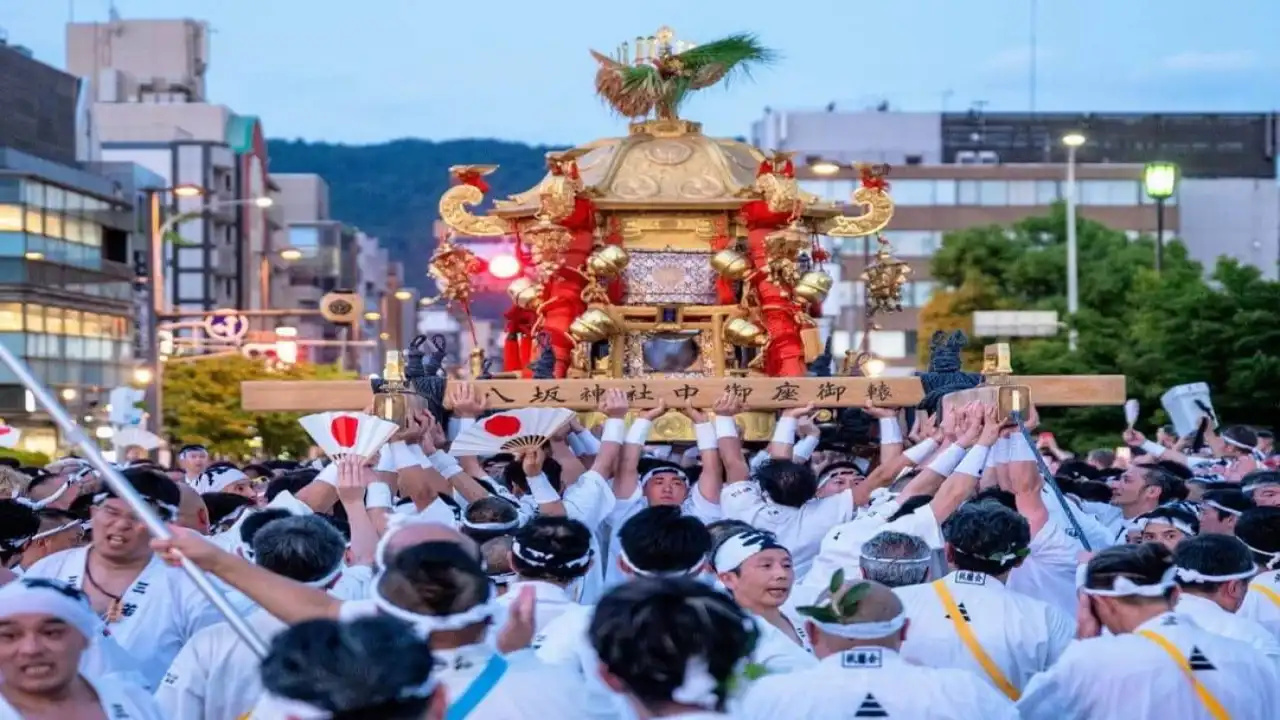
The festival runs through all of July, but the biggest moments happen around:
- Yoiyama evenings
- Yamaboko Junko parade on July 17
- Second parade on July 24
People following a Gion Matsuri travel guide usually try reaching Kyoto before the main parade because the atmosphere slowly builds during the days leading up to it. Kyoto summer weather can be tough: hot, humid, and slightly exhausting by afternoon. Most people end up carrying handheld fans or cold drinks everywhere without even planning to.
Pro Tip
Carry a small towel. Sounds silly until you actually need it every twenty minutes.
Best Things to Experience During Gion Matsuri
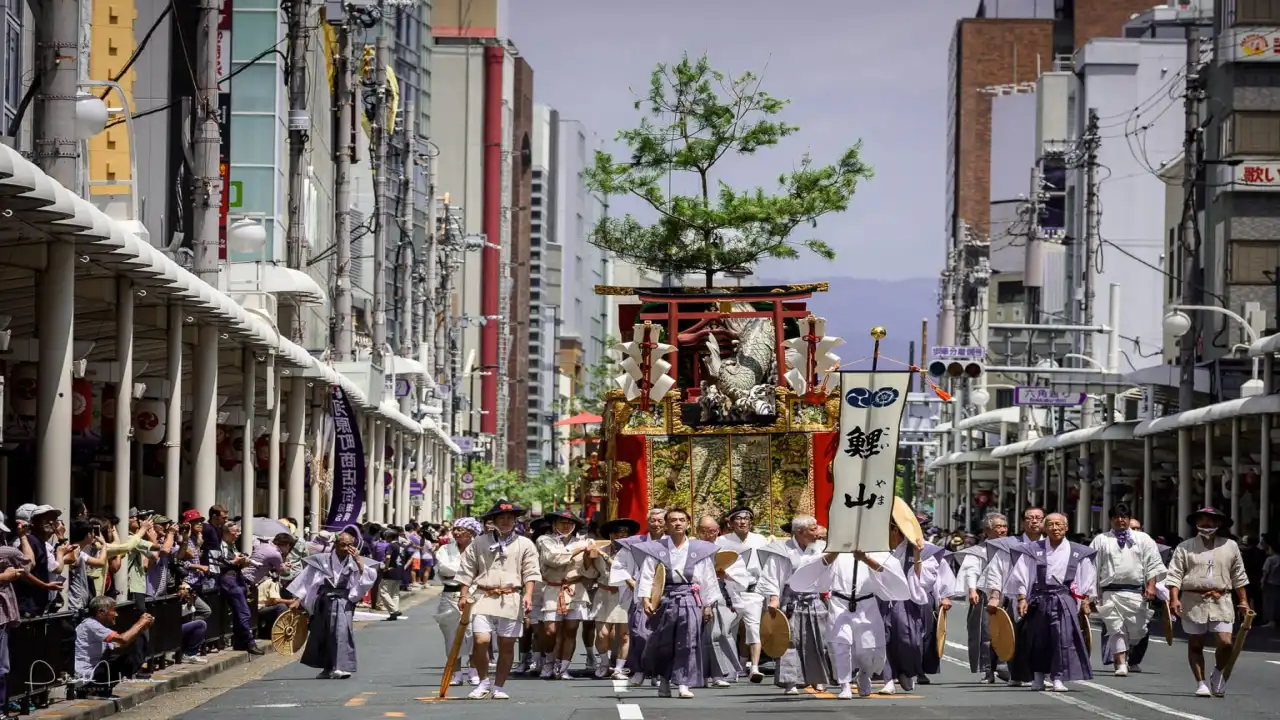
Yamaboko Junko Float Parade
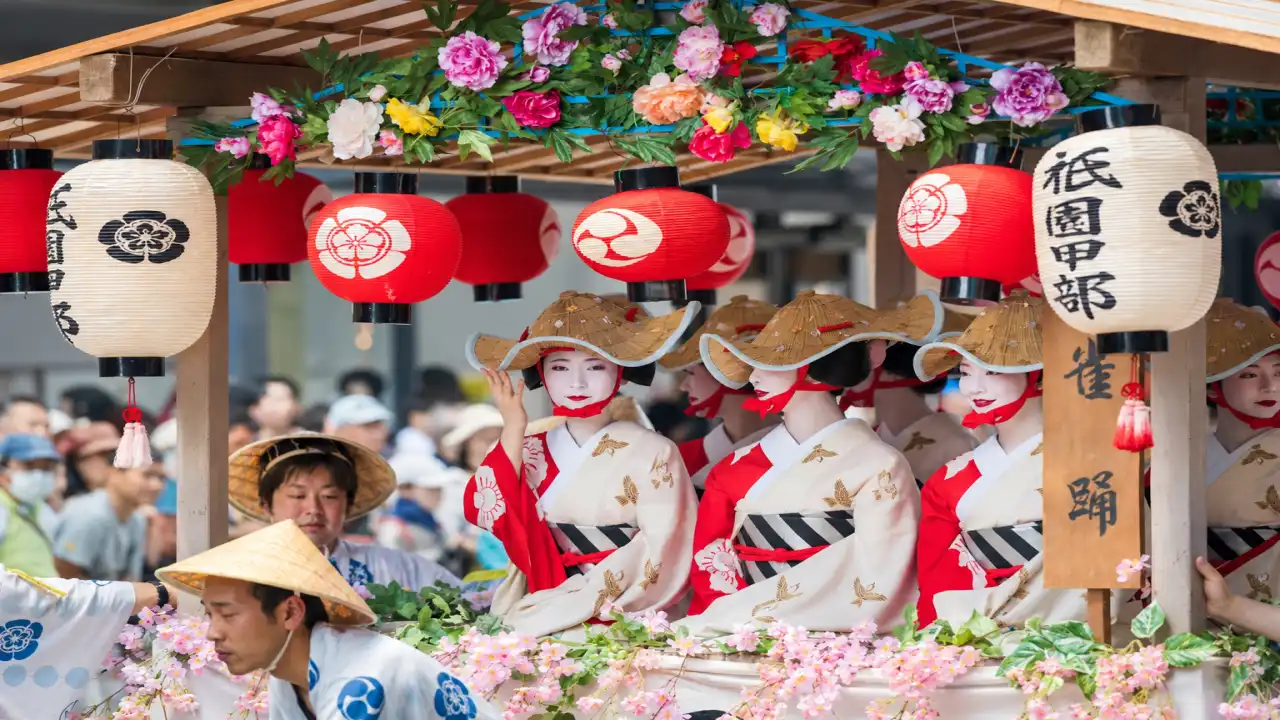
The giant wooden floats are the main attraction and honestly they look even bigger in person. Some move slowly through narrow streets while musicians sit on top playing traditional instruments. Watching the floats turn corners is weirdly intense because teams pull them carefully with ropes while crowds stand completely silent for a few seconds.
The parade includes:
- Traditional costumes
- Festival music
- Historic rituals
- Cultural performances
Even people who usually dislike parades end up standing there longer than expected.
Evening Lantern Streets (Yoiyama)
This part probably stays with people the longest. Cars disappear from the streets, lanterns light up old wooden buildings, and thousands of people just walk around eating snacks and talking. Some homes even display family heirlooms linked to the festival. Small detail, but it makes the whole thing feel personal.
The Kyoto summer festival in Japan during these evenings feels almost unreal sometimes. One street smells like soy sauce and grilled seafood, another is filled with soft music drifting through the air, and then suddenly you end up in a quieter lane with lanterns glowing overhead.
Kyoto Street Food During the Festival
You smell the food before seeing anything else, honestly. Yakitori smoke, fried noodles, sweet desserts, and seafood grilling somewhere nearby. It all mixes.
Popular foods include:
- Takoyaki
- Yakitori
- Kakigori shaved ice
- Grilled seafood
Food stalls get packed after sunset.
Pro Tip
Bring cash. Some stalls still do not take cards, which becomes annoying exactly when you are hungry.
Traditional Japanese Cultural Experience
What makes the festival memorable is how natural everything feels. Locals wear yukata casually, children run around carrying snacks, and traditional music keeps echoing through different streets for hours. Kyoto already feels historical on normal days, but during the festival, the city somehow softens. Maybe it is the lantern light. Maybe the summer night air.
And honestly, the tiny moments stay in memory longest sometimes. Hearing distant drums from a side street. Watching lanterns move slightly in the wind. Someone is laughing loudly near a food cart. Those random moments end up becoming the real memory of the trip.
Best Places to Watch Gion Matsuri
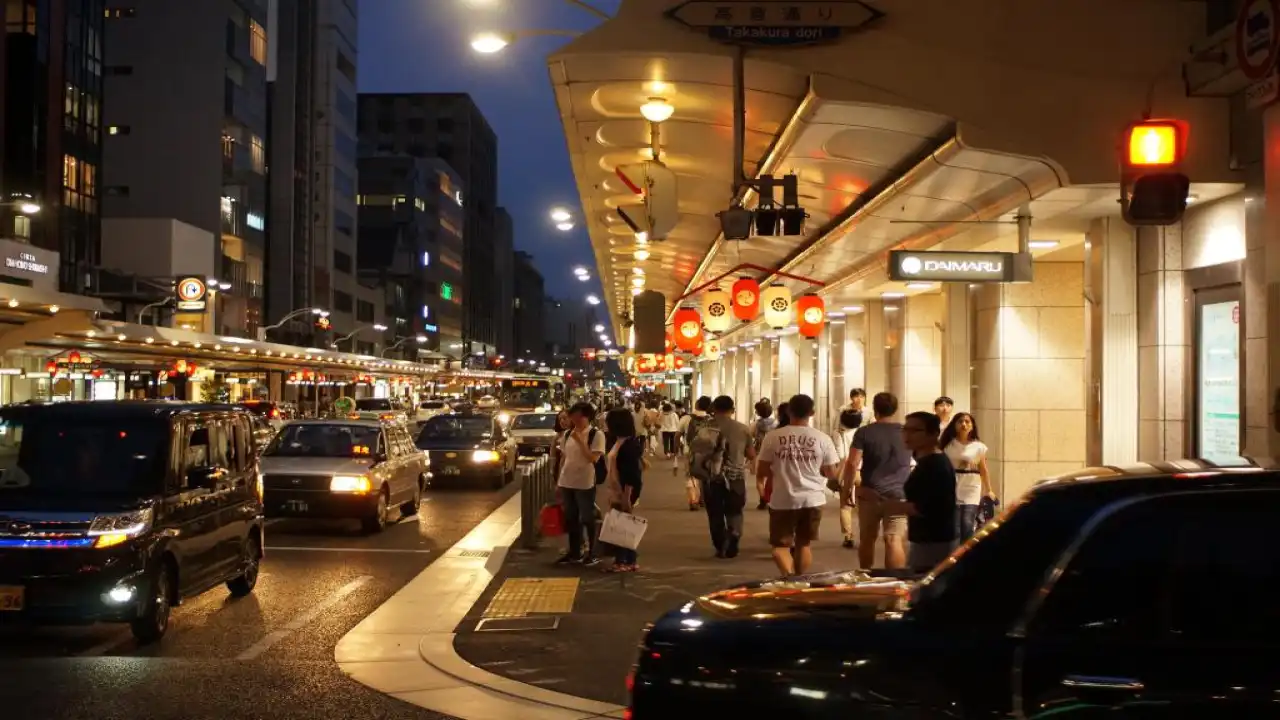
Shijo Street
Shijo Street is one of the easiest places for first-time visitors to watch the parade. Go early. Earlier than you think.
Karasuma Area
Karasuma is quieter and great for photos, especially during lantern evenings.
Near Yasaka Shrine
Around Yasaka Shrine, the festival feels calmer and more traditional compared to the busier roads nearby. The lanterns here at night are beautiful.
Places to Visit Along With Gion Matsuri
- Fushimi Inari Taisha for the famous red torii gates
- Kiyomizu-dera for city views and old streets
- Arashiyama Bamboo Grove for a quieter atmosphere
- Nishiki Market for local Kyoto food
Why Gion Matsuri is Worth Experiencing
Some festivals are fun for a few hours and then disappear from memory later. Gion Matsuri does not really work like that. Maybe it is the music echoing through old streets. Maybe the lanterns. Maybe Kyoto itself during summer nights. Whatever it is, after a while, you stop feeling like a tourist and just become part of the atmosphere around you for a little while. That is probably why people remember this festival long after the trip ends.
Conclusion
Gion Matsuri is not really the kind of festival people “finish” and move on from. Long after the trip ends, small memories keep coming back unexpectedly. The sound of drums somewhere in the distance. Lantern light reflecting on old Kyoto streets after rain. Standing in a crowded lane, eating hot takoyaki while strangers slowly pass by in yukata.
That is probably why the festival feels different from normal tourist experiences. It is not only about watching parades or taking photos. For a few evenings, you start moving at Kyoto’s slower rhythm without even noticing it. And honestly, those are usually the trips people remember longest.
Travel Tips for Visiting Gion Matsuri
- Book hotels early because Kyoto fills up fast in July
- Wear light clothes because afternoons get humid
- Use public transport instead of taxis
- Reach parade areas early for better views
Pro Tip
Walking is usually faster than sitting in festival traffic.