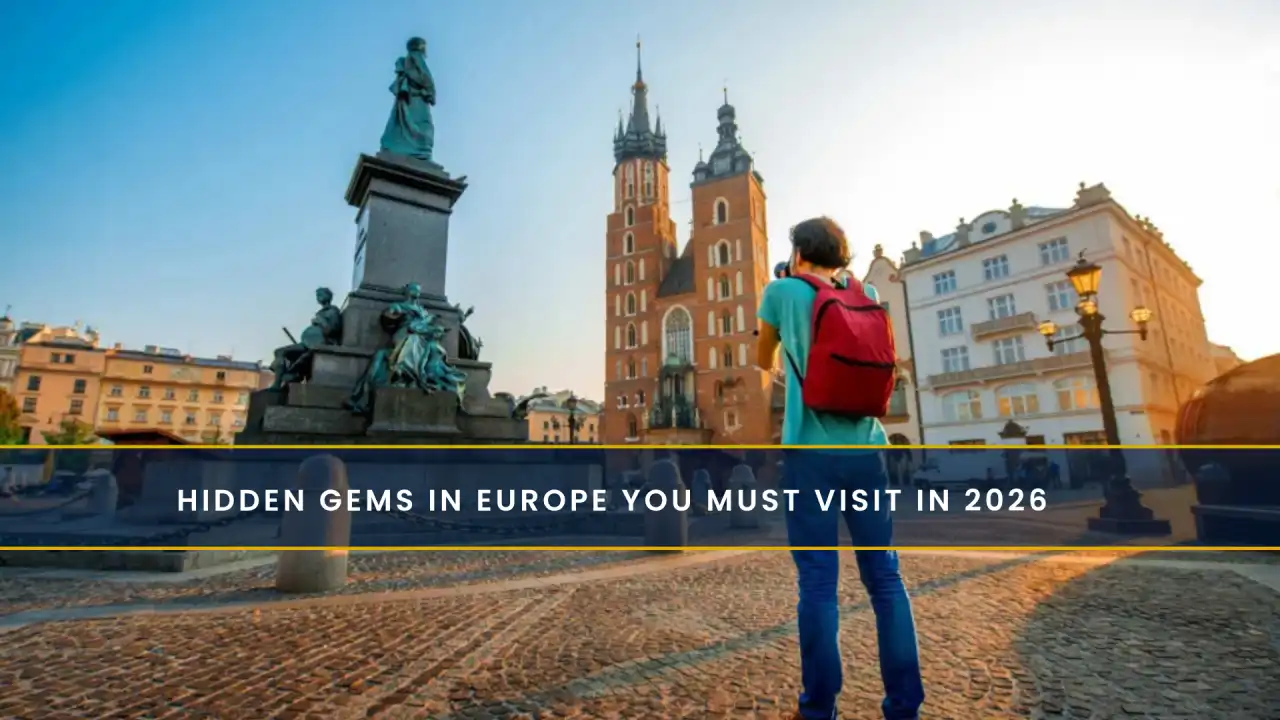
Hidden Gems in Europe You Must Visit in 2026
Introduction
Ask someone about travelling around Europe and you’ll almost always hear the same cities first. Paris. Rome. Barcelona. Maybe Amsterdam too, especially if they like canals and bicycles. And honestly, fair enough. Those places are famous for a reason. Beautiful buildings, ridiculous amounts of history, food that people literally fly across the planet to try. It’s the full package. But something funny tends to happen once people actually spend a few weeks travelling around Europe.
When they come back and start telling stories, the big cities often aren’t what they talk about the most. Instead, it’s the little, almost random moments that come up. Kind of like sitting in a little café in the middle of nowhere with a menu that doesn’t quite jibe but still serves you a good coffee. Or walking down a quiet block where nothing interesting is going on but you stop for a beat or two and just take it all in. Those moments stick. But in recent years, as travel has rebounded from the depths of the pandemic and people’s 2026 trips are now taking shape, more travellers have headed off the beaten path with their wanderings. And that is when the real Hidden Gems in Europe start to show up. These places still have beauty. Plenty of history too. Old buildings tilting gently with age, narrow streets that curve suddenly from nowhere, and churches that have been standing long before some countries existed. And if you’re a fan of discovering places before they blow up on Instagram, then these places could be just the ticket for you.
1. Hallstatt, Austria
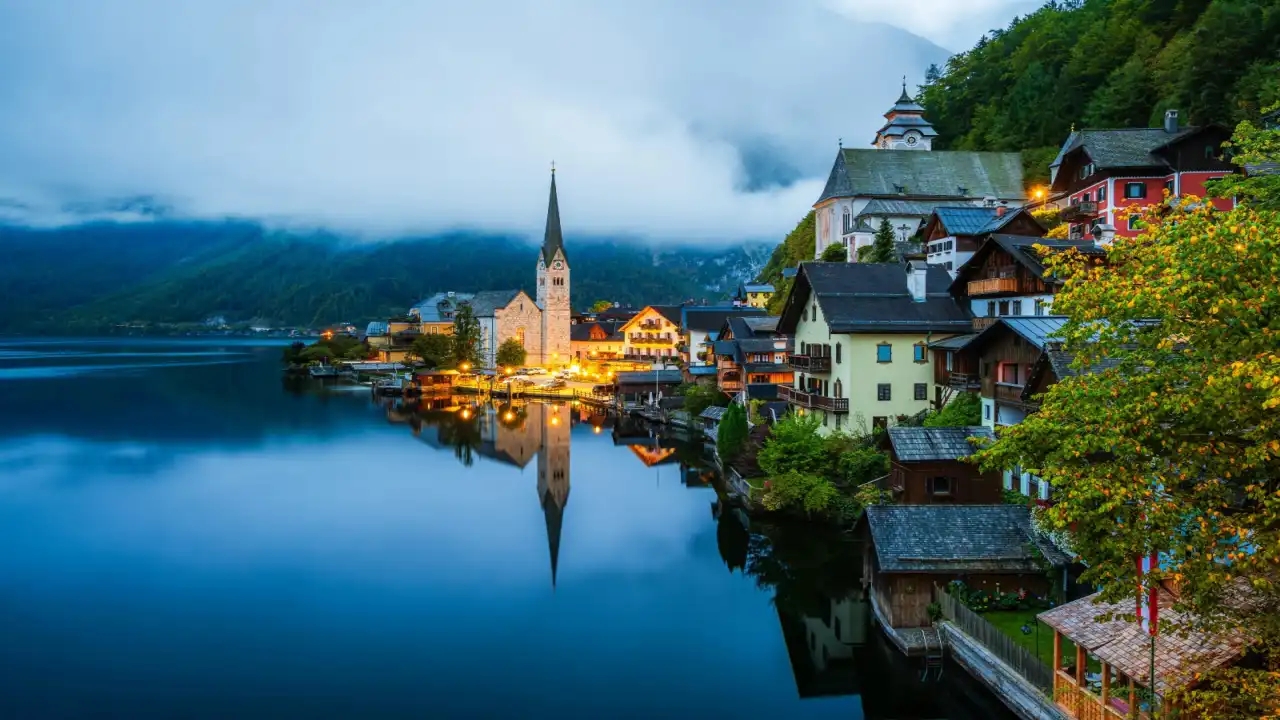
The reaction is generally the same when people see Hallstatt for the first time. “Wait… is that actually real?” The village is perched next to a glassy lake, the Alps rising behind it, as if someone had set up the backdrops. Pastel houses rise on the hillside. In spring and summer, the balconies spill over with flowers. Honestly, it almost looks staged. Many travellers pass through here briefly. Maybe an hour or two. They take pictures, grab coffee, stroll along the waterfront and then leave. Which makes sense.
But they’re skipping the best part. Add a night and Hallstatt has a whole new feel. It is too early in the morning (08:00 hours) for slumbering; this village really goes to show off. The lake goes absolutely still, reflecting the mountains like a mirror someone polished overnight. You hear little noises, birds, the gentle water against wooden docks and perhaps a café owner down the block unlocking the door. Hallstatt also has a surprisingly rich history. Salt mining here dates back thousands of years. If you visit the tunnels deeply carved into the mountains, it really feels like you're going back in time.
Things to Do in Hallstatt
• Visit the Hallstatt Skywalk for panoramic views
• Explore the historic salt mines
• Walk along the lakeside promenade
• Take a boat ride across Lake Hallstatt
Pro Tip:
Stay overnight if possible. Once the day visitors leave, the whole place becomes quiet in the best possible way.
2. Kotor, Montenegro
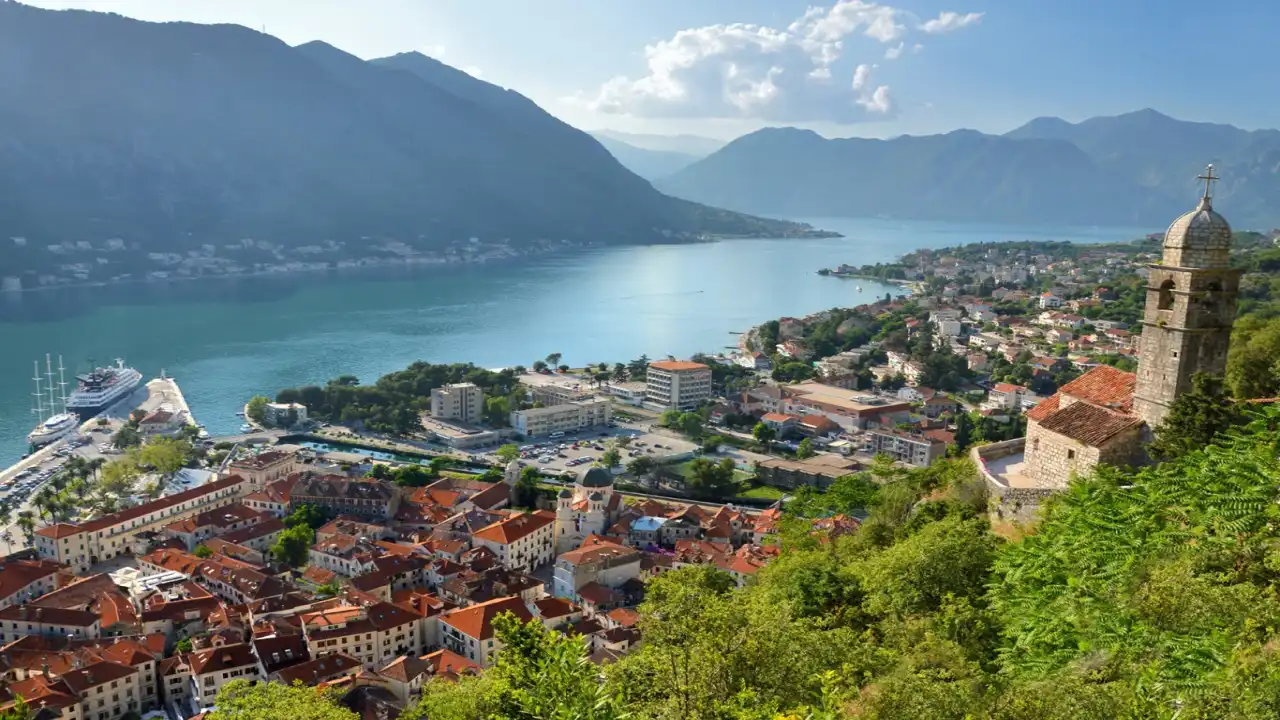
Kotor sits quietly along the Adriatic coast, tucked between steep mountains that look almost unreal. Like they were pushed straight up from the sea. The town itself isn’t very big. But the atmosphere? There’s a lot of it. Old stone walls wrap around the historic centre and inside those walls you’ll find narrow streets, little squares, old churches and cats. A surprising number of cats. Nobody seems entirely sure why they’re everywhere, but at this point they’re basically part of the town’s identity.
Walking through the Old Town feels a bit like wandering through a maze. One corner leads to a bakery that smells incredible. Another opens into a small courtyard where someone’s casually sipping espresso like they’ve been there all afternoon. Then there’s the fortress climb. St. John’s Fortress sits high above the town. Getting there means climbing hundreds of stone steps zigzagging up the mountainside. It’s not exactly a relaxing stroll. Your legs will definitely remind you of it later. But once you reach the top and look down at the Bay of Kotor water winding between mountains, the view completely makes up for the effort. It’s easy to understand why the region is slowly becoming one of the more interesting offbeat Europe destinations for travelers who want something different.
Things to Do in Kotor
• Climb to St. John’s Fortress
• Wander through the Old Town streets
• Visit the Cathedral of Saint Tryphon
• Take a boat trip around the Bay of Kotor
Pro Tip:
Explore early in the morning before cruise ships arrive. The vibe changes a lot once crowds show up.
3. Giethoorn, Netherlands
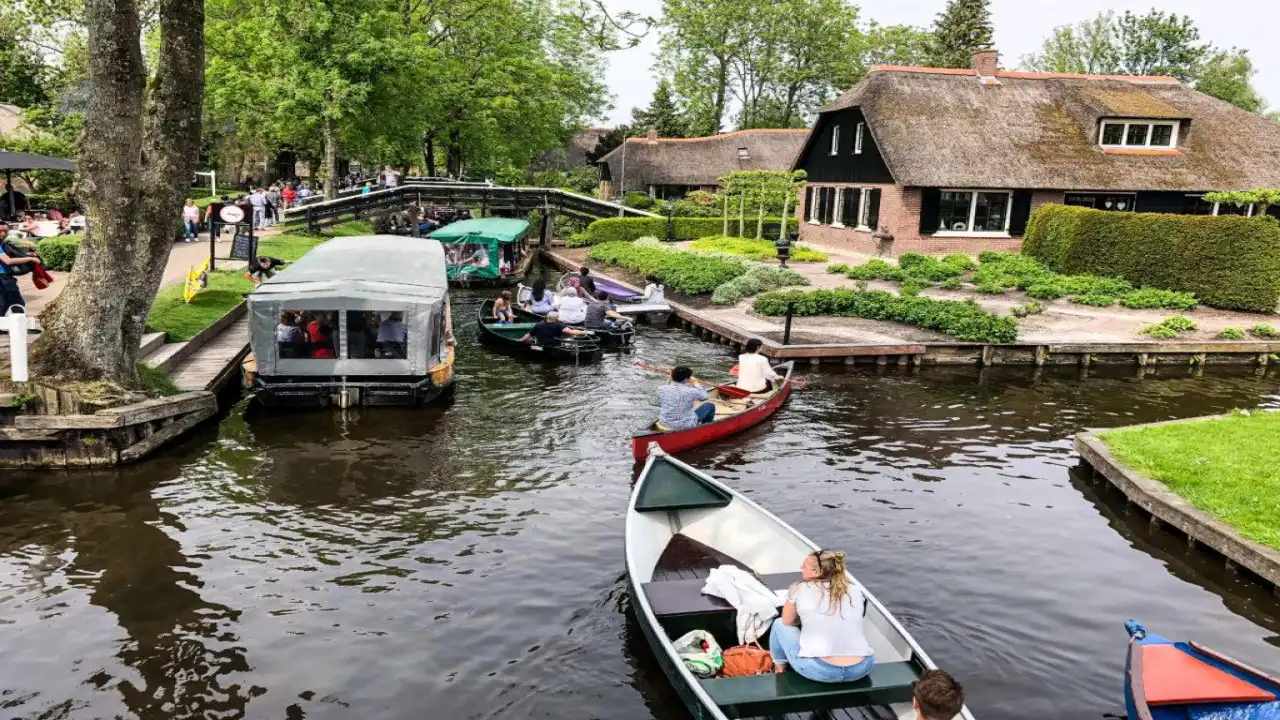
Giethoorn is unusual in a good way. Instead of roads running through the village, there are canals. Waterways wind between houses with thatched roofs, wooden bridges connect small gardens, and boats glide slowly past. Cars don’t really belong here. Visitors usually rent small electric boats and explore the canals themselves. Steering them is easier than you'd expect, although there are definitely moments where two boats gently bump into each other.
People laugh about it. Nobody seems stressed. One of the first things you notice in Giethoorn is the quiet. Without traffic noise, little sounds stand out more. Water brushes the side of a boat. Ducks paddling nearby. Someone is chatting softly across a wooden bridge. Everything feels slower. For travelers looking for unique Europe travel, Giethoorn shows how different a destination can feel when life moves at a completely different pace.
Things to Do in Giethoorn
• Rent a small canal boat and explore
• Walk across the village’s wooden bridges
• Visit Museum Giethoorn ’t Olde Maat Uus
• Relax at a canal-side café
Pro Tip:
Weekdays are much quieter. Weekends can get surprisingly busy.
4. Albarracín, Spain
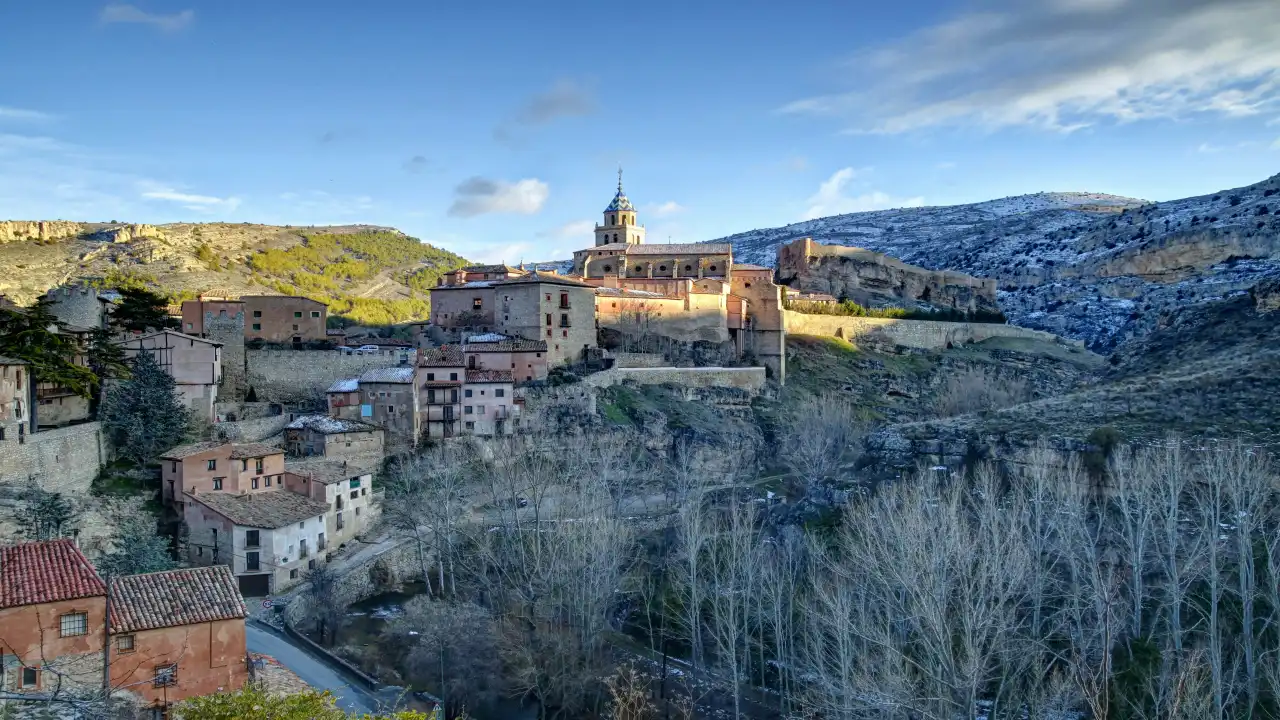
Albarracín is the kind of place many travelers simply haven’t heard of. Which might actually be the best thing about it. The town sits among hills in eastern Spain, surrounded by medieval walls that stretch across the ridges like a long ribbon of stone. But what really stands out are the buildings.
Many of them are made from pinkish stone. And when the evening sun hits them just right, the entire town glows in warm colors that feel almost unreal. The streets are wonderfully confusing. They twist, narrow, climb, turn again. One path leads to a tiny plaza. Another suddenly opens to a view of the valley far below. There aren’t massive attractions here. No giant museums or blockbuster landmarks. And honestly, that’s the point. Albarracín works best when you're wandering slowly, noticing the small things — wooden balconies, quiet courtyards, staircases squeezed between houses.
Things to Do in Albarracín
• Walk along the medieval walls
• Visit Albarracín Cathedral
• Explore Plaza Mayor
• Watch sunset from hilltop viewpoints
Pro Tip:
Sunset changes the entire town. That’s when Albarracín looks its best.
5. Lake Bled Region, Slovenia
Lake Bled has grown increasingly popular in recent years. Still, there are plenty of quiet corners in the region if you look just a little beyond the obvious spots. The lake itself appears almost unreal. In the middle is a little island with a church. Above the water, Bled Castle perches on a cliff overlooking everything beneath it as if that’s all it’s ever done.
Boats drift gently across the lake; sometimes you can hear the church bell pealing through the valley. It feels something like entering a storybook. But the real charm often starts to show beyond the main viewing spots. Walk farther out and you’ll discover forest trails, alpine cottage towns and nature that feel unspoiled. For many travelers, the region is integrated into a well-crafted Europe trip package, intertwining picturesque stops across Central Europe.
Things to Do Around Lake Bled
• Take a traditional boat to Bled Island
• Visit Bled Castle
• Try the famous Bled cream cake
• Explore nearby Triglav National Park
Pro Tip:
Early mornings are magical here. Mist often floats across the lake before the day fully wakes up.
6. Colmar, France
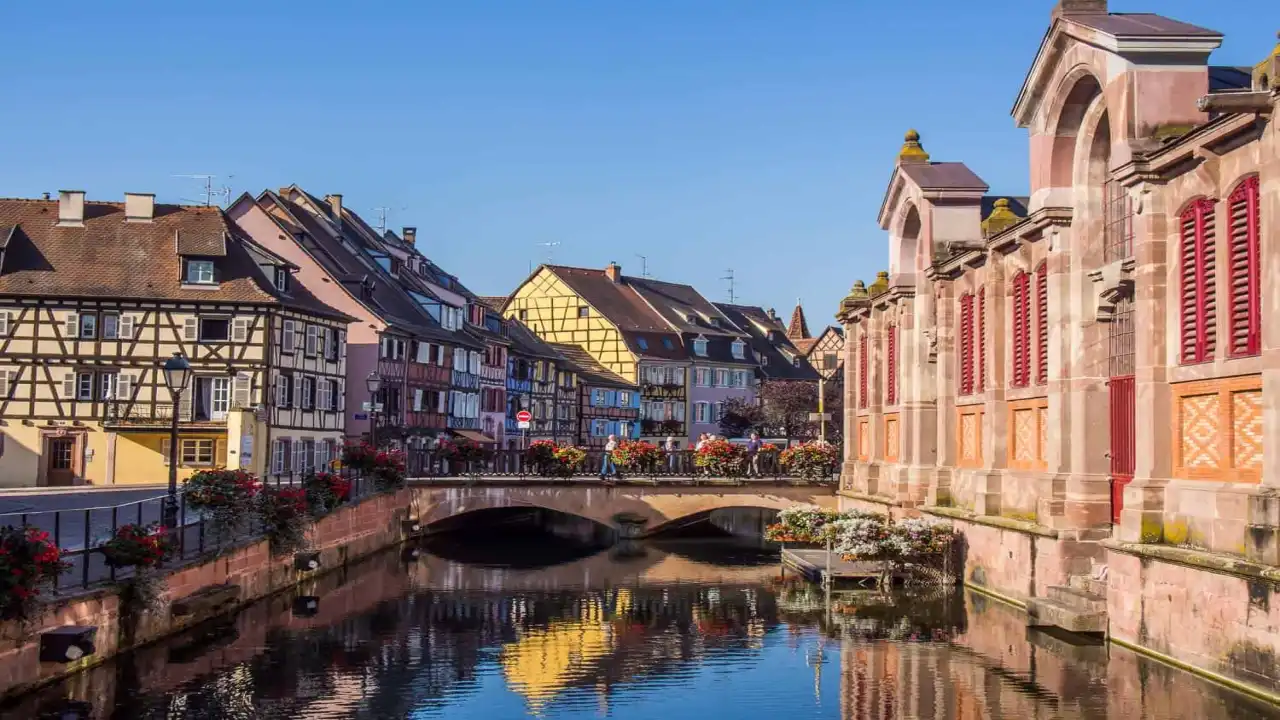
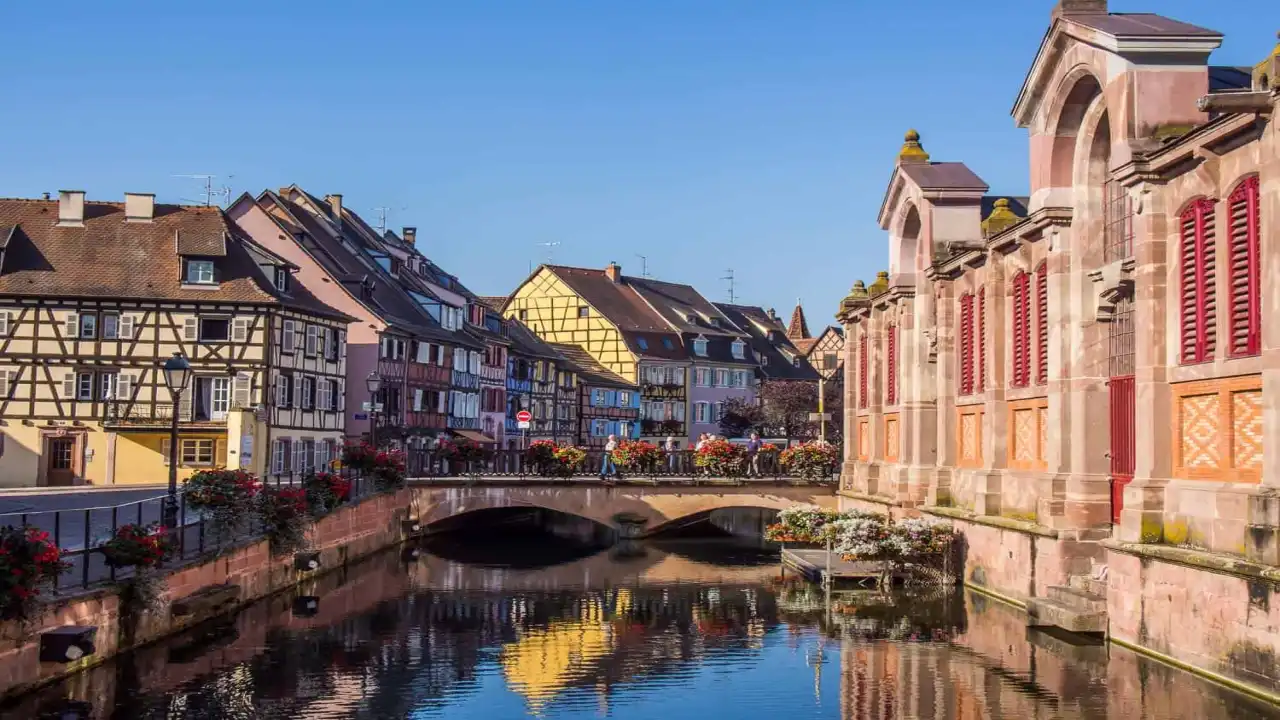
Colmar is almost ridiculously charming. Colorful houses line the canals. Flower boxes spill out of windows. Cobblestone streets twist through the town like they were designed for wandering. Sometimes it doesn’t even feel real. The Petite Venise district is the most photographed area.
Small boats move slowly through the canals, cafés sit right beside the water, and people linger far longer than they planned. But Colmar isn’t just pretty. It’s relaxed. People stand outside bakeries deciding what to order. The smell of fresh bread drifts through the streets. Somehow, you end up wandering for hours without any real plan. And honestly… that’s probably the best way to explore it.
Things to Do in Colmar
• Explore the Petite Venise district
• Visit the Unterlinden Museum
• Wander through Old Town streets
• Try traditional Alsatian food
Pro Tip:
If you visit in winter, Colmar hosts one of Europe’s most beautiful Christmas markets.
Planning Your Journey
Smaller European destinations are part of the whole travel hack thing. More travelers combine large cities with quieter towns in the same itinerary. That way, you’re still seeing famous landmarks, but also finding places that are calmer and less crowded. There are some travelers opting for international packages across Countries. These types of packages can simplify planning significantly.
Conclusion
The great cities of Europe will always be incredible places to visit. But it’s often the quieter places that you remember most, villages where a morning mist drifts over mountains, coastal towns with a gentle sea moving lazily at ancient stone walls, streets where history lives in every corner. Going to places like these in 2026 isn’t just going somewhere different.
Helpful Travel Tips for Exploring Lesser-Known Destinations
Smaller towns across Europe are incredibly welcoming. But they sometimes work a little differently than major cities.
Travel Smart
• Check transportation schedules ahead of time
• Learn a few basic local phrases
• Carry some cash for small cafés and shops
Respect Local Culture
• Dress appropriately when visiting churches
• Support local businesses
• Be mindful in quiet neighborhoods
Slow Down
One of the biggest travel mistakes is trying to see too much too quickly. Smaller destinations aren’t meant for rushing. Sit in cafés longer than planned. Walk without a strict route. Talk to locals if the moment feels right. Sometimes the best travel memories happen in completely unplanned moments.