How Different Is Little India Singapore From India
Introduction
Walking through Little India in Singapore can feel strangely familiar and unfamiliar at the same time. The colours are loud. The smells of spices hit you fast. Temple bells mix with traffic sounds. For a moment, it almost feels like parts of India dropped into another country. Then you notice the clean pavements. The clear signboards. The rules quietly guide how people move. Many travellers and NRIs end up asking the same thing. How different is Little India, Singapore vs India? The answer is not simple. It is not about better or worse. It is about how culture travels and adjusts when it lands somewhere new.
Understanding the Background and Why Little India Exists
Little India did not start as a tourist attraction. It grew slowly. Indian traders, labourers and business owners settled here during the colonial period. They needed places to live, worship, eat and shop. Over time, temples went up. Shops opened. Streets developed their own rhythm. What you see today is not frozen in the past. Grocery stores sit next to modern cafes. Flower garland stalls exist beside boutique hotels. Old shophouses share walls with murals and art corners. It is important to understand one thing. Little India was never meant to copy Indian cities exactly. It is Indian culture shaped by Singapore's rules, daily habits, and city systems. That is where the difference really begins.
Daily Life Atmosphere Orderly Versus Organic
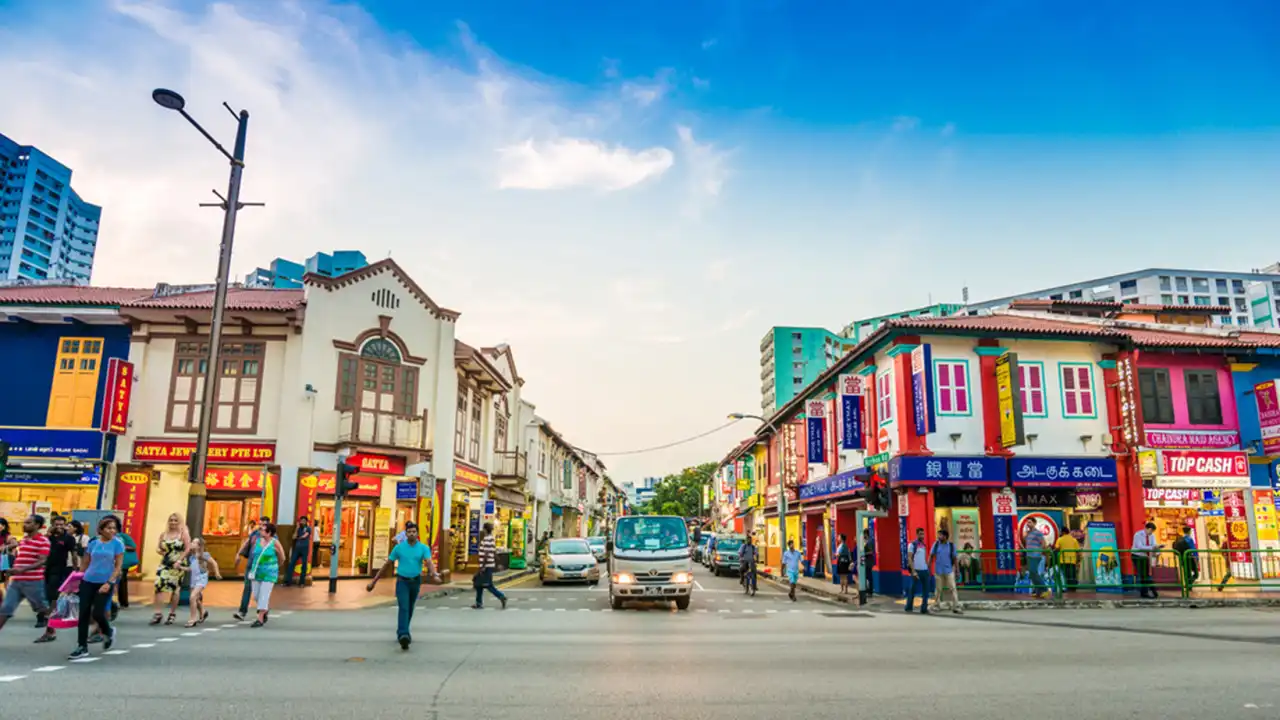
The atmosphere is usually the first thing people notice. In many Indian neighbourhoods, streets feel alive in an unplanned way. Someone is always talking. Someone else is honking. A shopkeeper pulls you in for a quick look. Kids run past without warning. It can feel messy but full of energy. Little India has energy too but it moves with structure. Roads are clean. Traffic follows clear patterns. Footpaths are marked. On busy days, security officers help manage crowds. Picture a simple walk. In India, you might hear temple bells, scooters shouting and music all at once. In Little India, you still hear music and prayers but the flow feels guided. Crossings are clear. People mostly stick to lanes. Both feel real. Just shaped by different systems.
Food Experience Familiar Flavours Different Setting
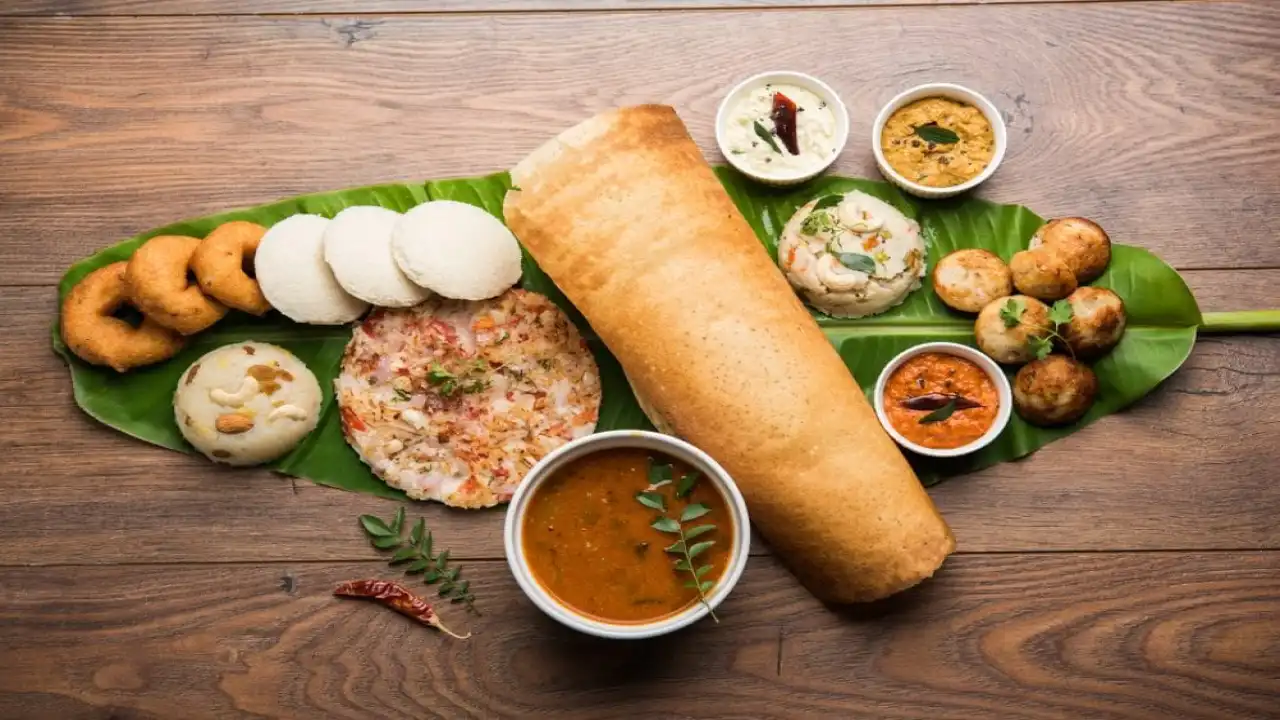
Food is where emotions hit hardest. Dosa, biryani, tandoori dishes, sweet filter coffee, all of it is there. Many cooks and owners are from India, so the flavours feel close to home. Sometimes shockingly close. But differences show up fast. Prices are higher because Singapore is expensive. Hygiene rules are strict, so kitchens follow set standards. Menus are shorter and more focused instead of endless options. On a normal day, you notice how smoothly things run. Orders move fast. Tables turn over quickly. Portions might be a bit smaller but plated neatly. It does not make the food better or worse. Just different.
Culture and Traditions Preserved but Structured
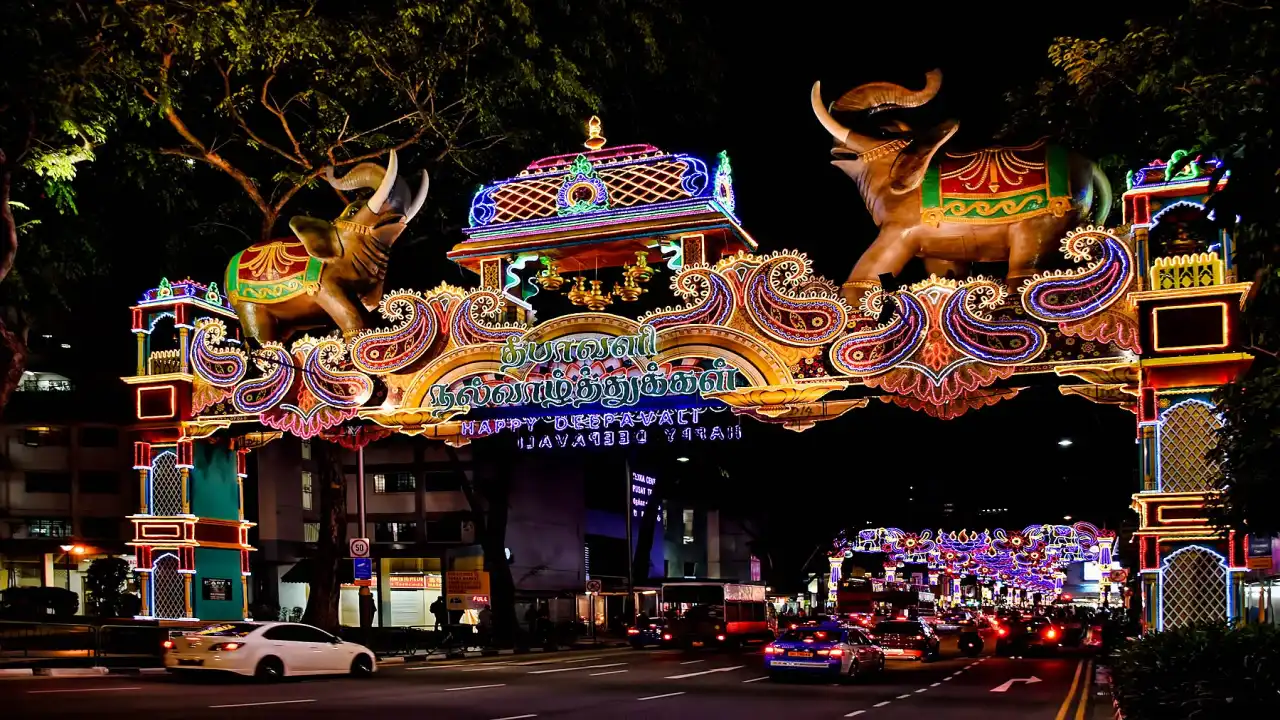
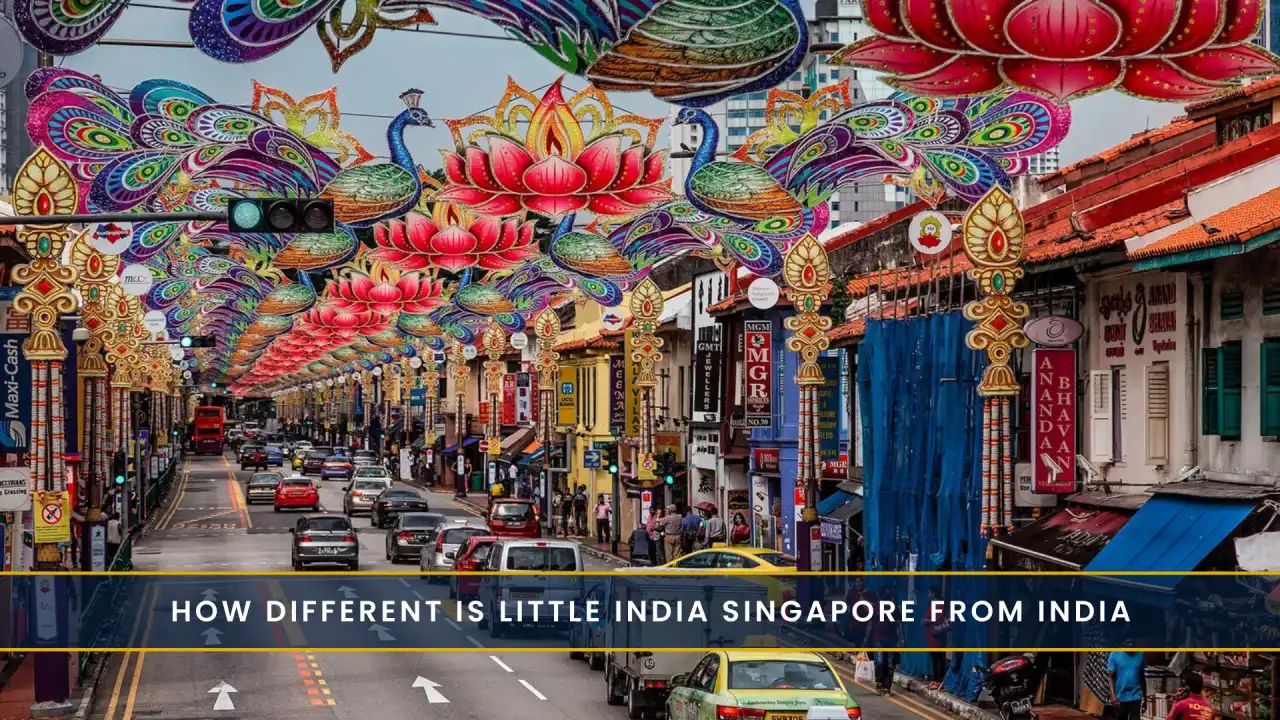
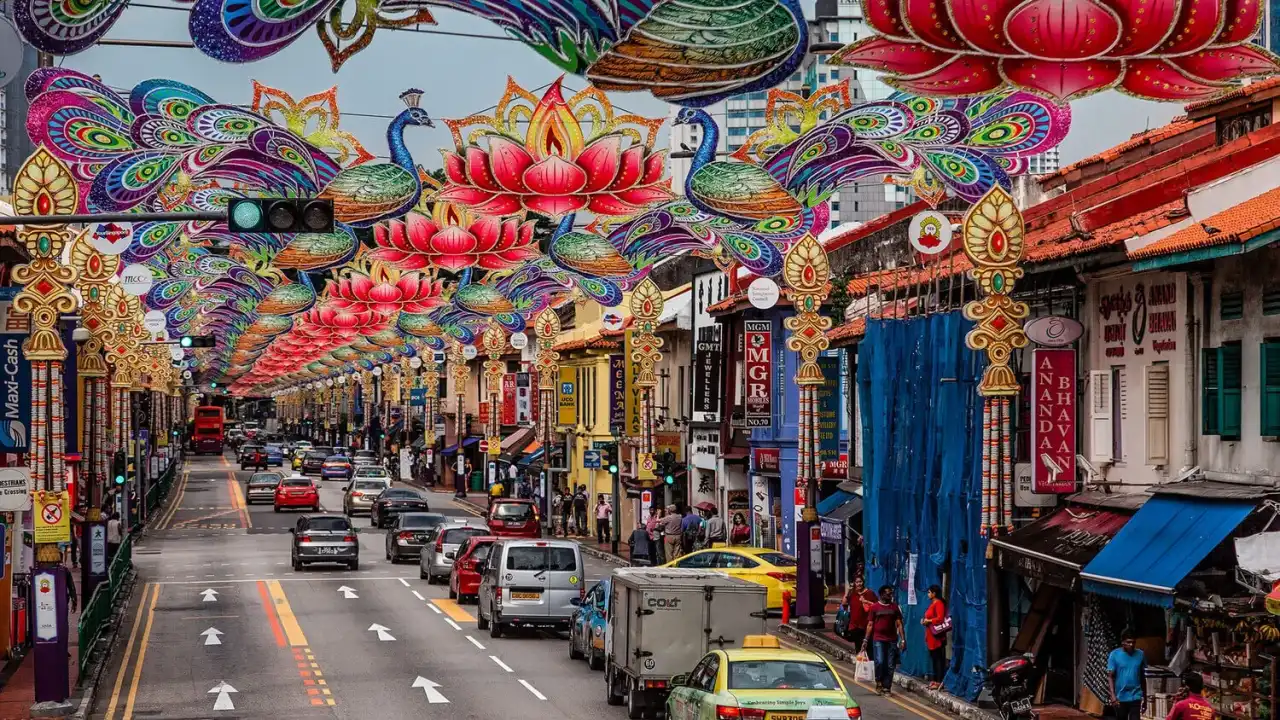
Culture is lived differently here. In India, traditions happen daily. Festivals spill into the streets. Rituals blend into everyday life. Nothing feels scheduled. In Little India, many traditions are community-organised and event-focused. Shared spaces matter more. Everything fits into the larger city flow. During Deepavali, the streets glow with lights. Performances are planned. Food stalls are managed. Movement is supervised for safety. It still feels emotional and festive. Just carefully arranged. Indian culture in Singapore is strong and proud. It is preserved with intention while respecting multicultural balance and local rules.
People and Community: Who You See Around You
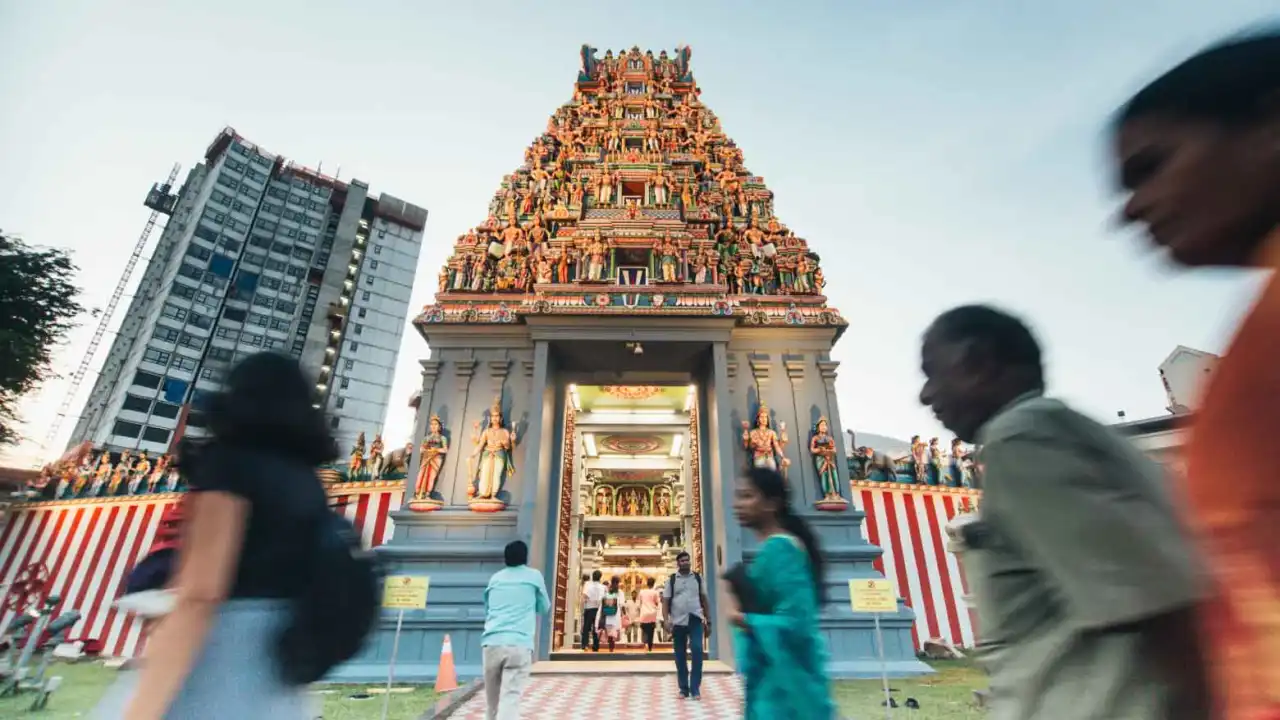
Indian neighbourhoods in India are lived in fully. Families grow up there. Life happens there every day. Little India works differently. Some residents live nearby long-term. Many people come only to shop, eat or pray. Tourists walk around taking photos. Migrant workers meet friends on weekends. So the area feels less like a residential block and more like a shared cultural zone. A social hub. A place people return to for connection.
Highlights You Should Not Miss
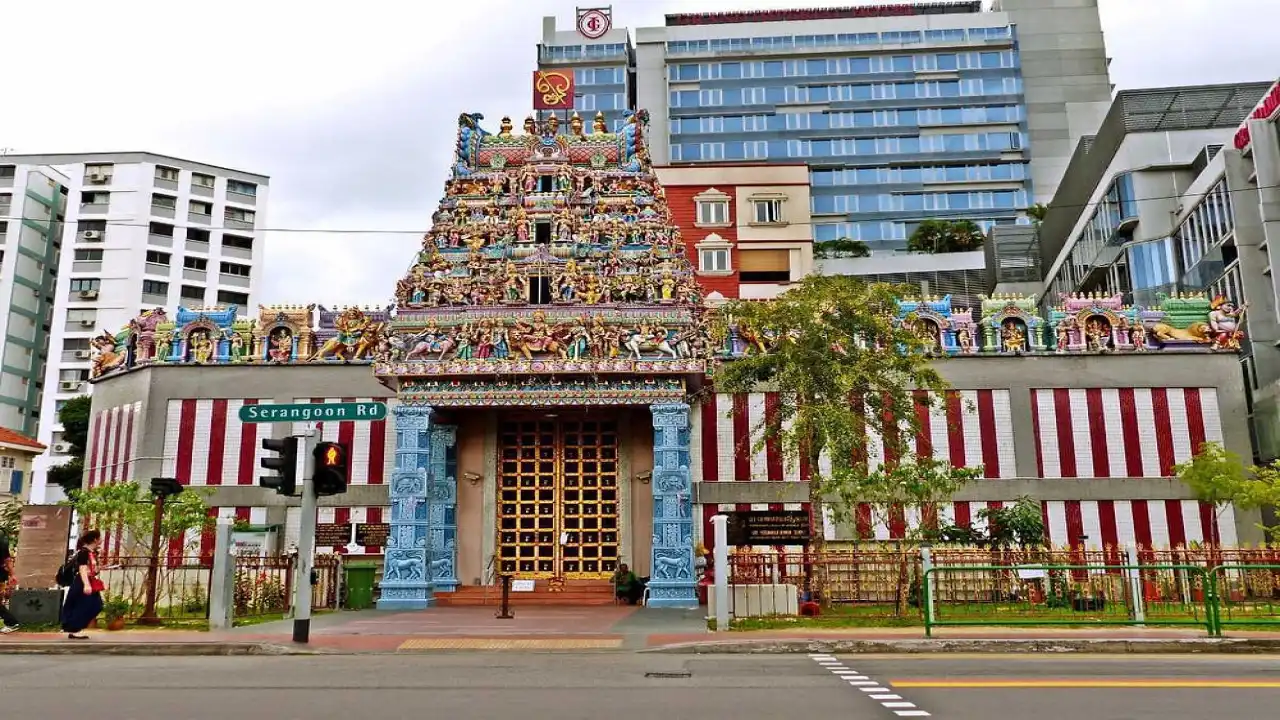
- Sri Veeramakaliamman Temple
- Tekka Centre for food
- Flower garland shops along Serangoon Road
- Traditional sweet shops and snack counters
- Colourful shophouses and heritage wall art
- Weekend evenings when the area feels busiest
Each spot adds another layer to the experience and helps you understand the neighbourhood beyond first impressions.
Shopping Experience Emotional Versus Functional
Shopping tells another part of the story. In India, shopping can feel personal. You bargain. You talk. You return to the same shop for years. In Little India, shops are warm but efficient. Prices are fixed. Digital payments are normal. Shelves are organised clearly. You still find bangles, spices, clothes and pooja items. The feeling sits somewhere between a traditional market and a modern retail space.
Cleanliness, Safety, and Rules
Singapore is known for discipline and safety and Little India reflects that clearly. Streets are clean. Waste is managed regularly. Cameras are visible in crowded areas. Alcohol and smoking rules are enforced. Signboards explain what to do. In India, neighbourhoods vary widely. Some are spotless. Others are more relaxed. Flexibility is part of daily life there. Neither approach is superior. They simply reflect different governing styles.
Who Should Visit and What to Expect
Little India is a great stop if you want Indian culture while staying in Singapore. If you enjoy heritage walks, food exploration and visual contrasts, it fits well. Many travellers include it while booking a Singapore tour package to balance modern attractions with cultural spaces.
Key Differences
Little India, Singapore, feels organised, clean and curated. It works as a cultural hub inside a modern city. Festivals are planned. Traditions follow shared rules. It is welcoming and visitor-friendly. Indian neighbourhoods feel organic and lived in. Traditions happen naturally. Life feels emotional, spontaneous and deeply rooted in everyday routines. Both tell the same story from different angles.
Conclusion
Little India in Singapore isn’t trying to replace India, and it doesn’t feel like it wants to. It’s more of a reflection, shaped by migration, memory, and the reality of living in a new country. If you make a Little India comparison with actual Indian neighbourhoods, the shared roots are easy to spot. The food, the temples, the colours come from the same place. But the differences stand out too, in the systems, the lifestyle, and the way everything runs on time. That contrast is part of what makes it interesting. Seen this way, it feels less like a competition and more like a cultural stop on an international package. A quiet reminder that culture can travel, adapt, and still feel meaningful wherever it lands.
Pro Tips for Travelers
- Walk slowly. Rushing makes you miss details.
- Evenings feel more alive with lights, crowds and energy.
- Follow local rules, especially during festivals.
- Try small eateries tucked away from main roads.
- Enter temples with respect and modest clothing.