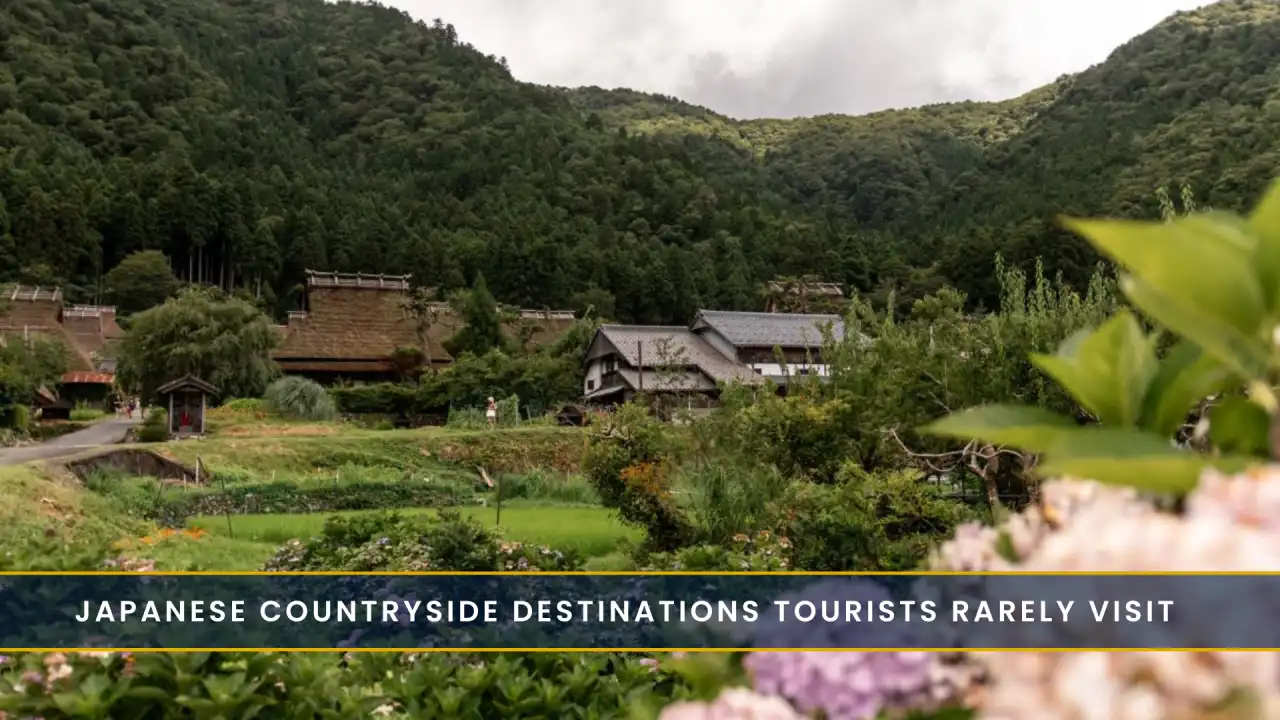
Japanese Countryside Destinations Tourists Rarely Visit
Introduction
Whenever Japan comes up in travel conversations, the same names appear almost automatically. Tokyo. Kyoto. Osaka. There’s a reason for that: they’re exciting, busy, and full of life. But they don’t show the whole picture. There’s another Japan that exists quietly beside all that noise. It doesn’t call out. It just waits.
This is where Japanese countryside travel starts to feel less like a trip and more like time passing naturally, without a plan. Out here, trains arrive when they arrive. Shops close when the day feels done. Nobody seems rushed. You notice small things again, water moving through rice fields, the smell of old wood, a quiet nod from a stranger. These places don’t try to impress you. They don’t need to. They simply let you be there. If you enjoy wandering a little and finding places on your own, this kind of travel may suit you well.
Why the Japanese Countryside Feels Different
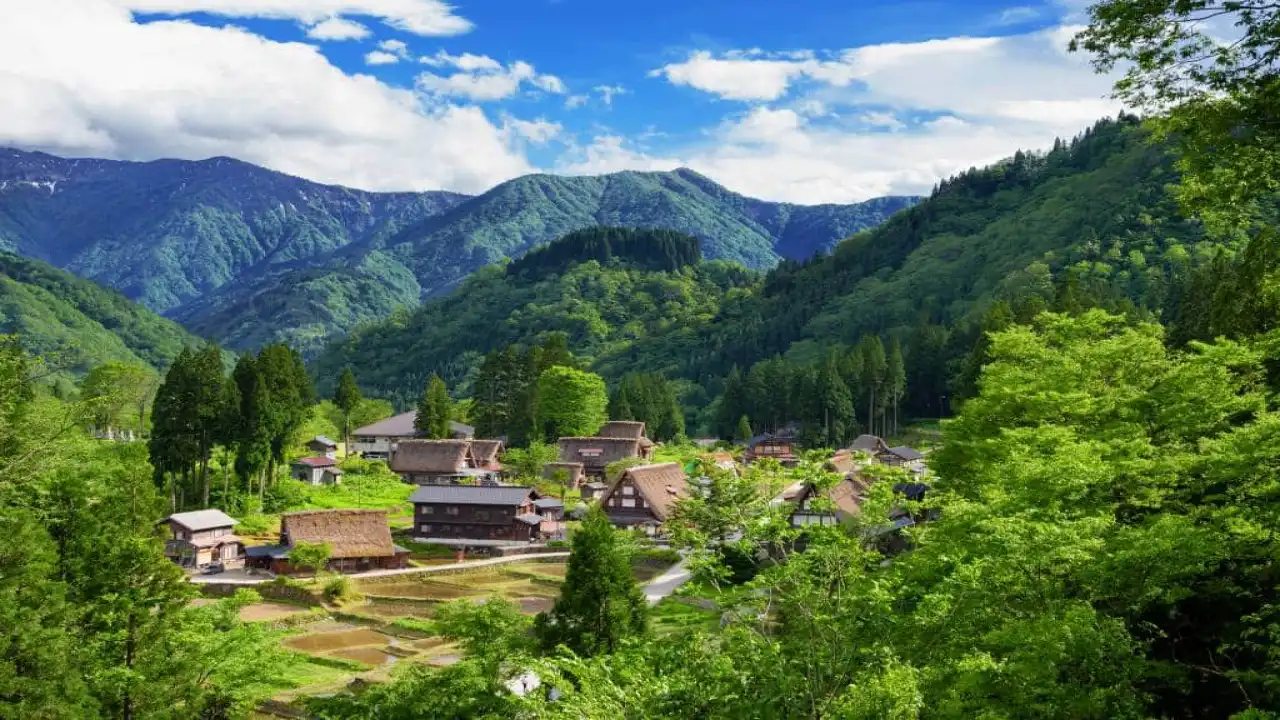
The countryside here isn’t built around “things to do.” No signs are telling you where to go next. Life simply unfolds. Farming that’s slow and physical. Small towns where the same family has run a shop forever. Roads so quiet you don’t notice how far you’ve walked until there’s no one around. What stays with you isn’t one big moment. It’s the small ones adding up. Someone giving directions, then walking with you halfway. A simple meal explained through gestures and smiles. Cities push you forward without asking. The countryside makes you pause, and Japan starts to feel more real.
Tottori Prefecture: Where Space Does the Talking
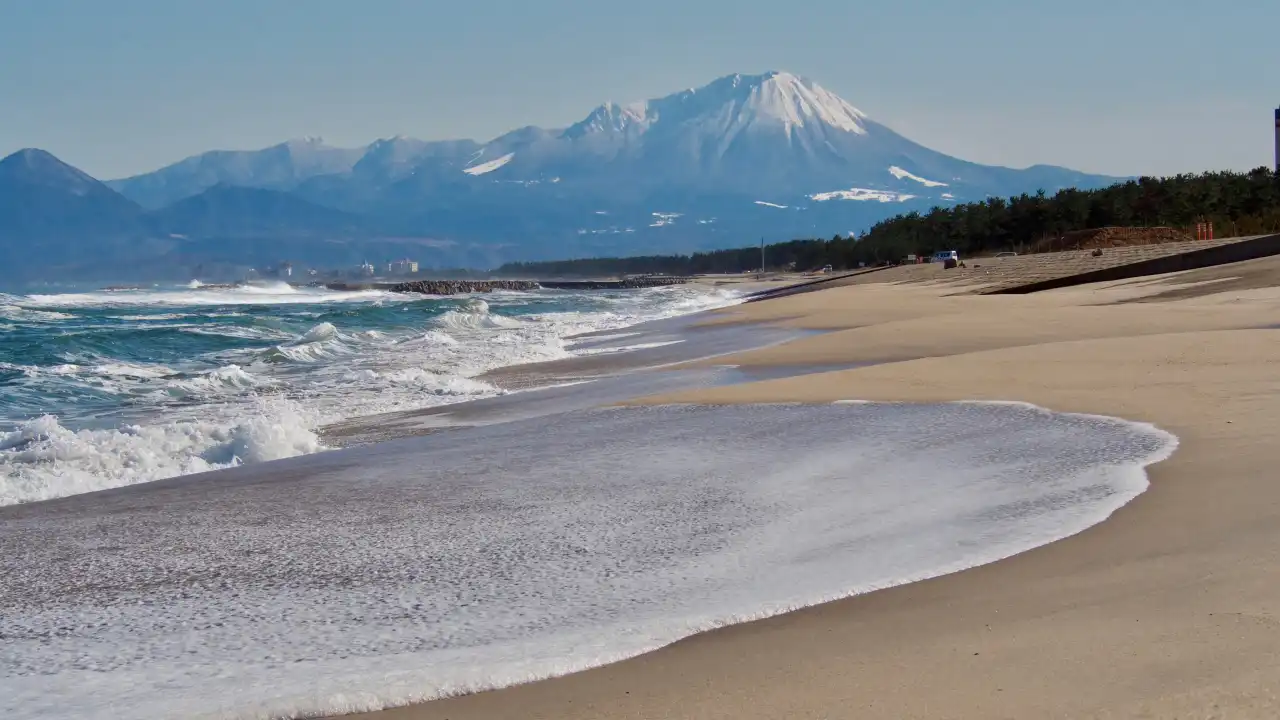
Tottori rarely makes it into travel plans. It doesn’t trend online. You won’t see it everywhere. And that’s exactly why it works. Yes, the dunes are here, and they’re impressive. But after that, something else happens. Roads stretch out with barely any traffic. Fishing towns feel half-asleep in the best way. The sky feels bigger than usual, like it’s giving you more room to breathe. Along the Sea of Japan, villages sit quietly. Boats move in and out. Houses don’t try to look pretty for visitors. Seafood tastes incredibly fresh, and you don’t really need an explanation for why.
What stays with people in Tottori:
- Wide spaces without crowds
- Coastal towns that feel lived-in
- A calm that sneaks up on you
It’s a place where doing nothing doesn’t feel like wasted time.
Shimane Prefecture: Quiet Lives, No Performance
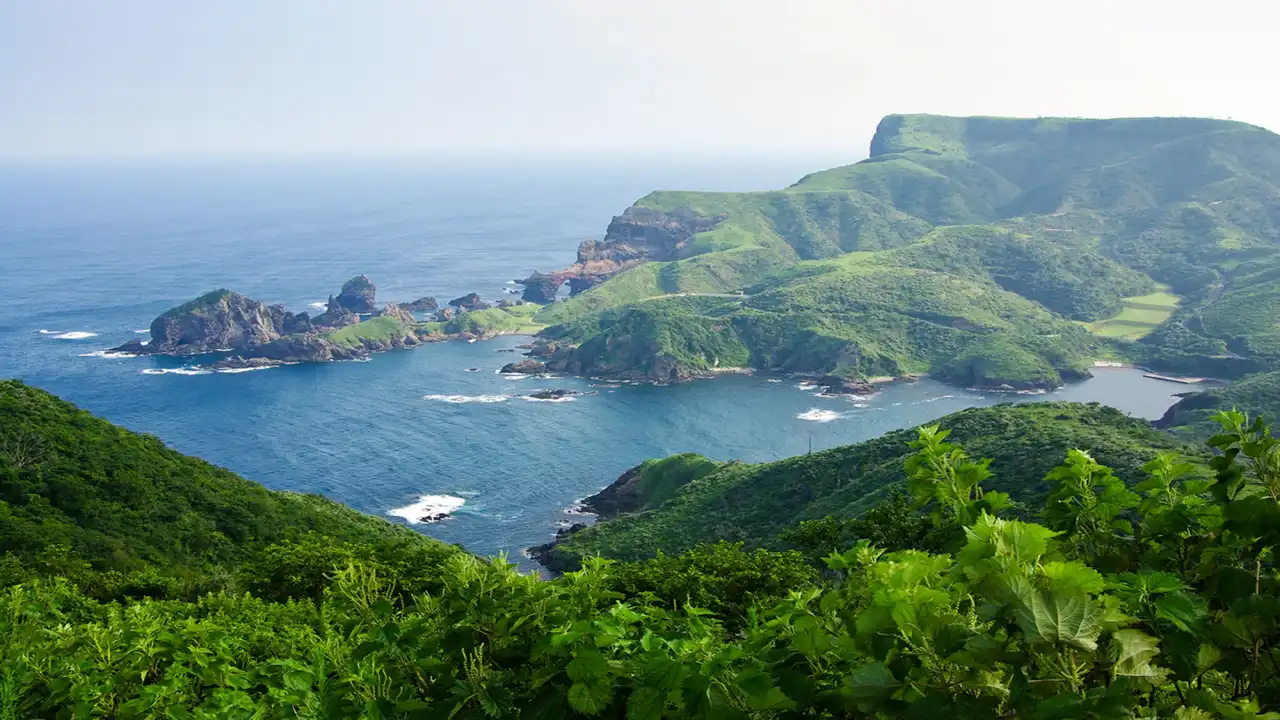
Shimane feels like it never rushed to catch up with the rest of the country. And honestly, that’s its strength. Towns are small. Traditions are still part of daily life, not just for festivals. Shrines sit quietly under trees, with no lines forming. Local events feel like gatherings for the people who live there, not something put on for outsiders. When you visit, you don’t feel guided or managed. You feel like someone passing through, which oddly feels respectful. This is rural Japan travel at its most natural. Life moves by habit. People wake up, work, eat, and rest. Nothing dramatic. Just steady.
Pro tip:
Skip big hotels if you can. Family-run inns often come with home-cooked food and conversations that happen naturally, without effort.
Gokayama: Not Preserved, Just Living
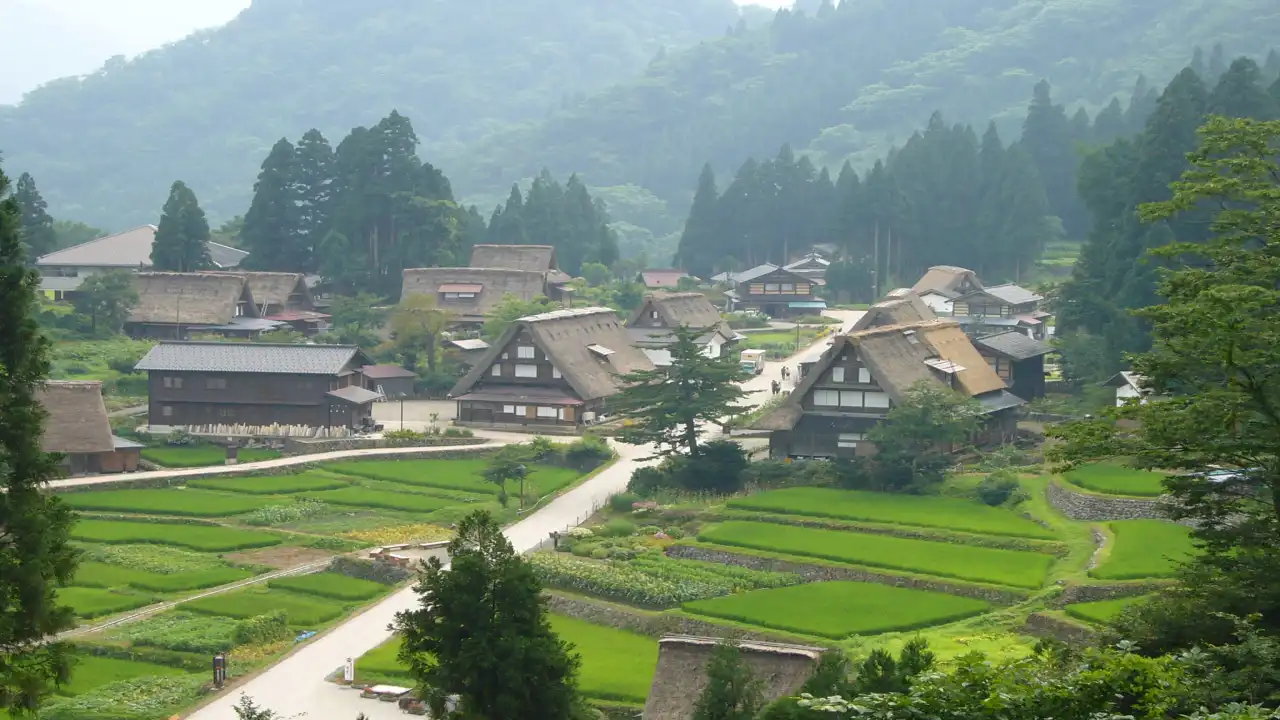
Gokayama often gets mentioned alongside Shirakawa-go, but most travelers never actually stop. They drive past, maybe slow down for a look, then move on. That’s the mistake. Yes, the steep-roofed houses are beautiful. They were built to handle heavy snow. But what matters more is that people still live in them. Laundry hangs outside. Children run around. Doors open and close during the day. Life continues. Walking here doesn’t feel like visiting a historical site. It feels like passing through a real village. No crowds pushing you forward. No signs telling you where to stand.
Why people remember Gokayama:
- Everyday village life
- Traditional homes are still in use
- Quiet walks without pressure
Iya Valley: Difficult Roads, Deep Silence
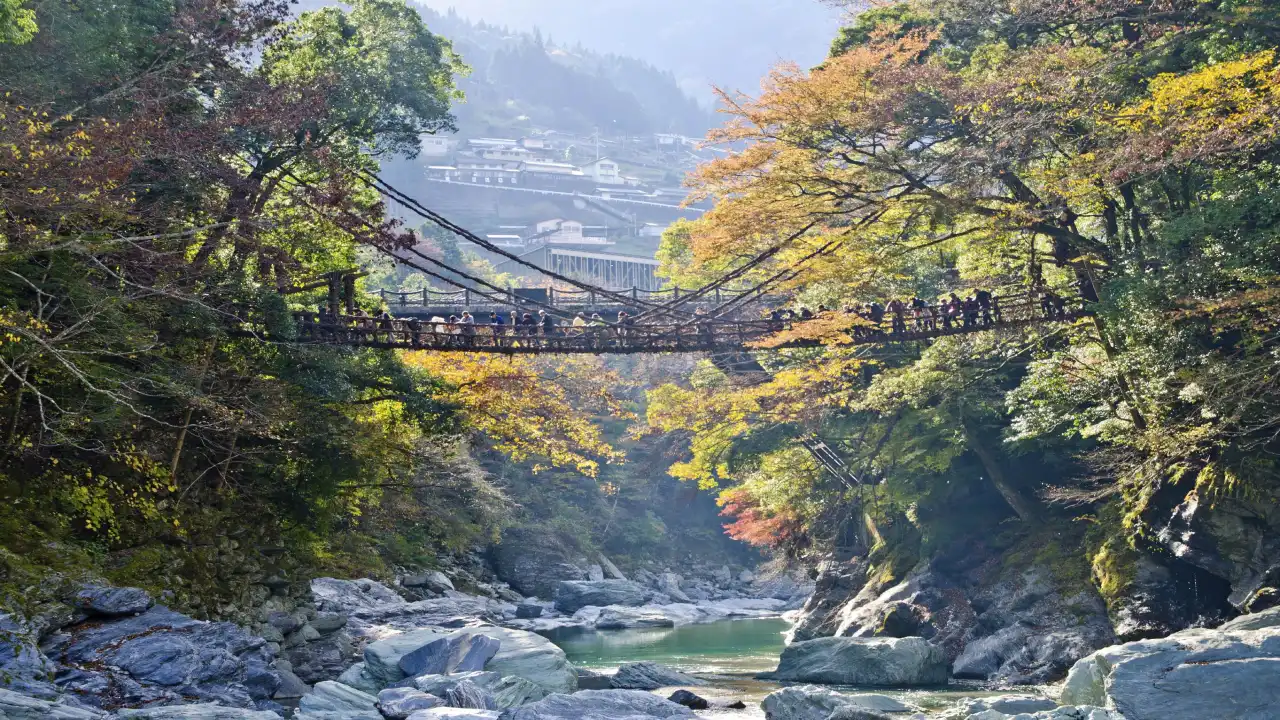
The Iya Valley in Shikoku isn’t easy to reach. Narrow roads. Long travel times. At some point, you might wonder if you’re still going the right way. That’s part of it. Mountains press in around you. Vine bridges sway under your feet more than you expect. Villages cling to steep slopes as they’ve always been there. This isn’t a place that fits into tight schedules. Many travelers skip Iya because it demands time. But stay a few nights and things shift. Morning fog hangs low. Rivers move quietly. Nights get so dark they feel unfamiliar at first. Among the many hidden places in Japan, Iya feels especially removed from modern noise. Yet the people here are practical and grounded. They know how to live with nature, not control it.
Sado Island: No Rush, No Show
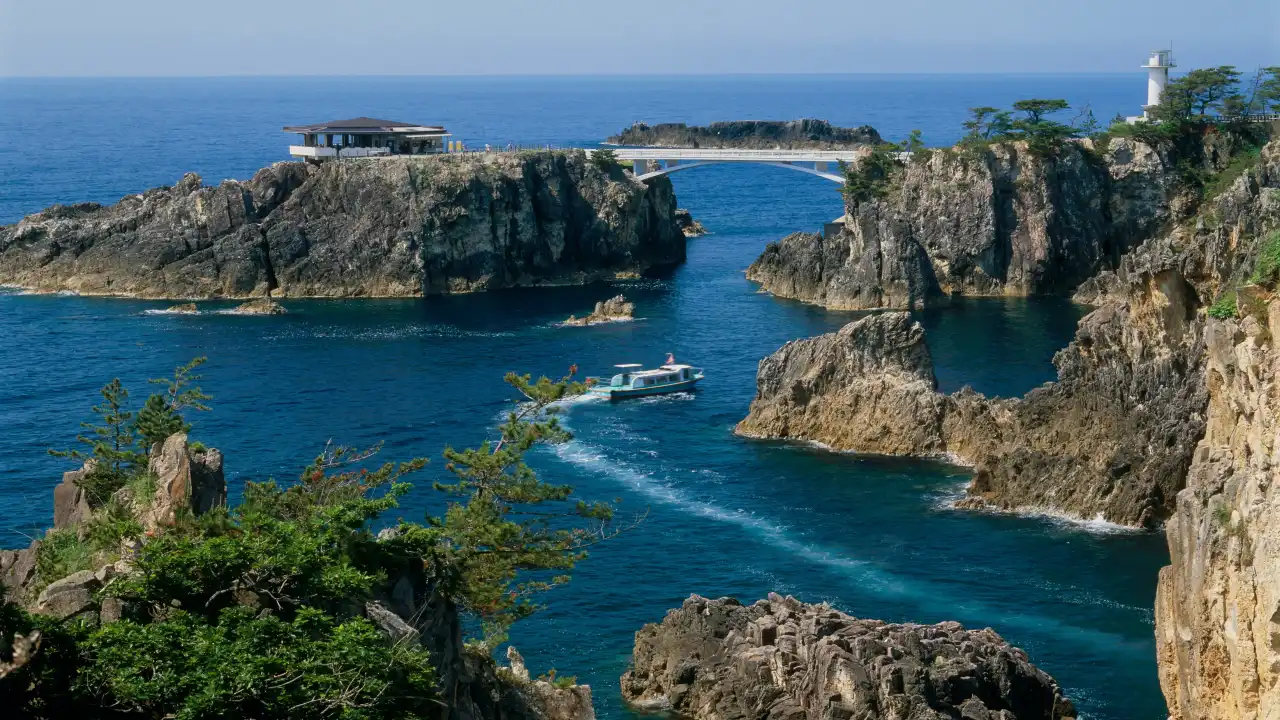
Sado Island sits off the coast of Niigata, quietly minding its own business. Most people don’t think of it when planning a trip. There are no big promises here. No luxury image to sell. What you get instead is balance. Farming villages. Fishing ports. Quiet beaches. Long coastal roads that make you walk slower without trying. Life feels contained in a good way. People grow their food. They fish daily. Traditions continue without explanation. Sado is for travelers who don’t mind staying longer and moving at a slower pace. You sit. You watch the sea. You talk to shop owners. Slowly, the island’s pace becomes yours.
Why These Places Stay Quiet
It’s not because they lack beauty. They ask for patience, and not everyone wants to give that. Trains come less often. English signs aren’t guaranteed. Meals take time. But people who choose these places aren’t chasing photos. They’re chasing stories. And the countryside gives those stories quietly, without trying to sell them.
Food That Feels Grounded
Countryside food isn’t about presentation. It’s about familiarity. Vegetables are grown nearby. Fish come straight from the water. Recipes live in memory, not cookbooks. You may not know what you’re eating, but it feels comforting anyway. Meals often stretch into conversations. Someone explains an ingredient. A neighbor stops by. You feel included without effort.
Who Should Choose Countryside Travel in Japan
This isn’t travel for everyone, and that’s fine.
It works best for:
- People who enjoy quiet
- Travelers curious about daily life
- Those who like walking without plans
- Anyone who values connection over speed
If you prefer packed schedules and busy nights, cities may suit you better. But if you’re open to slowing down, the countryside gives more than it takes.
Planning, But Not Too Much
Countryside trips work best when you leave space for uncertainty. Pick one or two places. Stay longer. Let the days. Some travelers add countryside stops through Japan trip packages, but it only works if the pace allows breathing room. Rushing defeats the whole point.
Common Mistakes
- Treating villages like photo sets
- Expecting city-level convenience
- Misjudging travel time
- Ignoring how locals behave
Pro tip:
Watch first. Act later. Quiet respect is noticed, even when nothing is said.
What Stays With You
What you remember isn’t a landmark. It’s a feeling. A slow walk at dusk. A meal cooked with care. The realization that life doesn’t need noise to feel complete. The countryside doesn’t perform. It just exists. And if you meet it halfway, it leaves a deeper mark than crowded streets ever do.
Conclusion
Japanese countryside destinations that tourists rarely visit aren’t forgotten because they lack meaning. They’re overlooked because they require time, patience, and openness. In return, they offer something rare: a real connection. Travel slower. Ask a question. Sit in the quiet. These places give you stories no guidebook can, even when experienced as part of a thoughtfully planned international package. And long after you leave Japan, those stories stay with you.
Getting Around Without Stress
Traveling through lesser-known areas doesn’t mean roughing it. It just means planning with flexibility.
A few things that help:
- Renting a car makes life easier
- Carry cash for small towns
- Learn a handful of basic phrases
- Stay put longer instead of rushing
Pro tip:
Bus schedules can be confusing. Drivers are usually patient. A smile and a simple question go a long way.