Must-Try Street Food Across the Philippines: Manila, Bacolod, and Davao
Introduction
Most travel memories don’t come from the places you circled on a map weeks ago. They sneak up on you. A random roadside stop. A plastic chair that feels like it might give up. A paper plate is bending under food that’s way heavier than expected. And the smell is smoky, fried, familiar somehow even before you realize you’re hungry. That’s usually where the real stories start. At busy crossings and quiet backstreets, the Philippines street food blends right into daily life. These aren’t “special” meals. They’re grabbed between shifts, shared after school, or eaten late because the day didn’t go as planned.
Street food here doesn’t chase looks or trends. It’s practical. It’s comforting. It exists because people need to eat and because some flavors just stick around. Every city moves at its own speed, and the food adjusts without making a big deal out of it. This guide looks at what people actually eat on the streets of Manila, Bacolod, and Davao. Not the flashy things. Just the food that keeps things going.
Why Street Food Often Tells You More Than Restaurants
Before jumping into specific cities, it helps to pause for a second. Street food isn’t just about saving money or eating fast. In the Philippines, it’s part of how people live.
Street food tends to be:
- Affordable enough to eat regularly
- Closely tied to daily routines
- Cooked right in front of you
- Social, even when you’re eating alone
Many street dishes don’t even make it into restaurants. They’re not designed for menus or photos. They’re designed for standing, sharing, and moving on. And because of that, they feel honest. You see what people really eat, not what gets dressed up for visitors.
Pro tip: If locals are lining up without complaining, you’re probably in the right place. People don’t wait unless it’s worth it.
Manila: Where Food Fits Into the Chaos
Manila doesn’t slow down. Ever. And its street food scene follows that same energy. Food stalls come wherever people slow down for even a second outside office buildings, near schools, beside jeepney stops, sometimes tucked under flyovers where you wouldn’t expect food at all. Nobody plans to eat street food here. It just happens. You feel hungry, you look around, and something’s already sizzling. When people mention Manila street food, they’re usually talking about the chaos of choice. Sweet, salty, grilled, fried. Sometimes it all hits your nose at once, within a few steps, and you just stop walking and give in.
Street Foods You’ll Run Into Again and Again
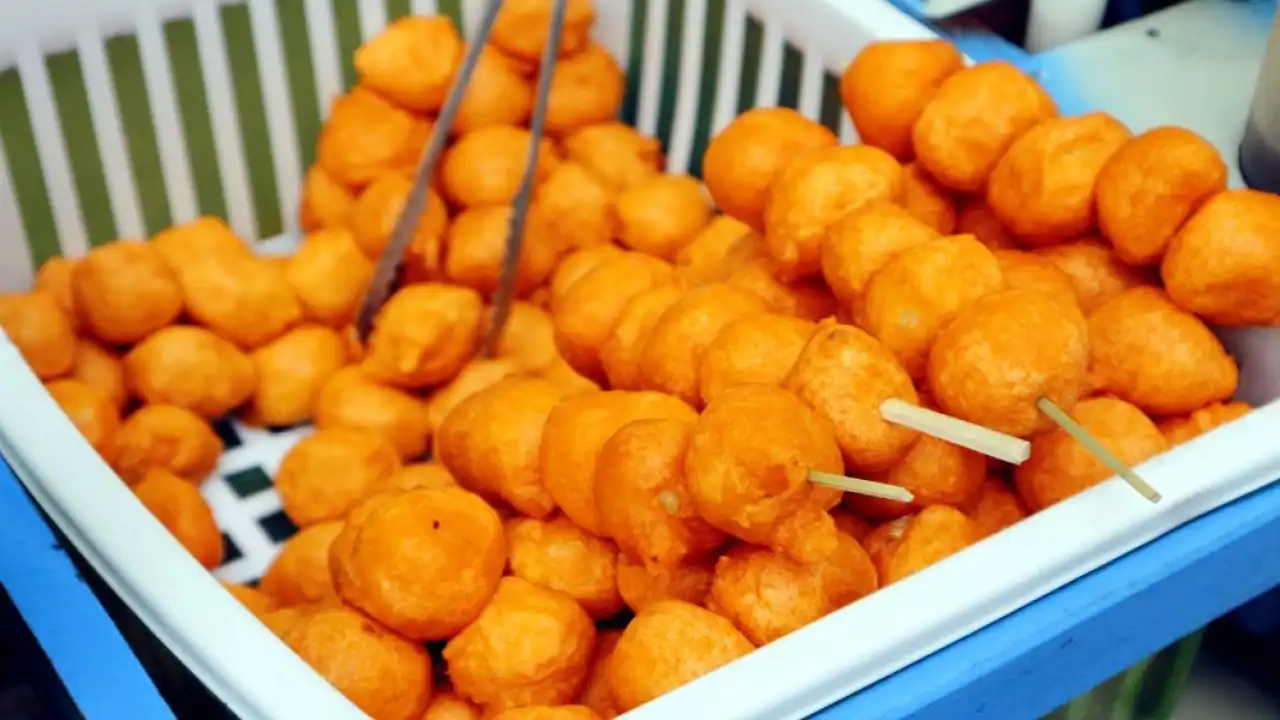
Walk long enough and certain foods keep repeating themselves:
- Fish balls and squid balls
Simple, cheap, dipped into thick sauces that somehow taste better the more you eat. - Kwek-kwek
Quail eggs in bright orange batter, fried crisp and dipped into sharp vinegar. Messy, but worth it. - Isaw
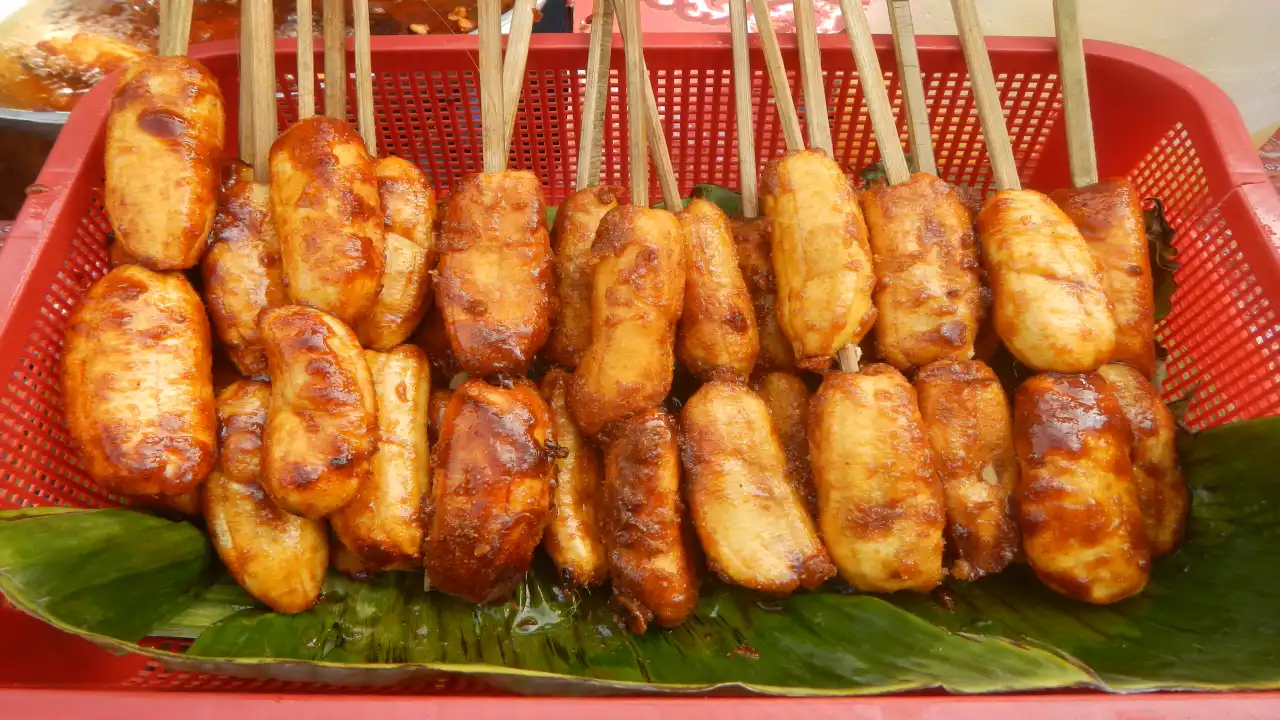
Grilled intestines, cleaned well and cooked slowly. Locals swear by the marinade. - Banana cue and camote cue
Deep-fried bananas or sweet potatoes, coated in sticky caramelized sugar. Usually eaten while walking.
What Really Makes Manila’s Street Food Work
It’s the rhythm. People eat while standing, while waiting, while scrolling on their phones. Nobody makes a big deal out of it. The food slides easily into daily life. A student grabs kwek-kwek between classes. An office worker picks up a banana cue before heading home. Vendors remember faces. Sometimes they add an extra piece without saying anything.
Pro tip: Bring small bills. Big notes slow everything down, especially during peak hours.
Bacolod: Comfort Without the Noise
Bacolod feels calmer. The city doesn’t rush, and neither does its food. Street food here leans toward familiar, comforting flavors. Nothing flashy. Nothing loud.
Common Street Food Finds
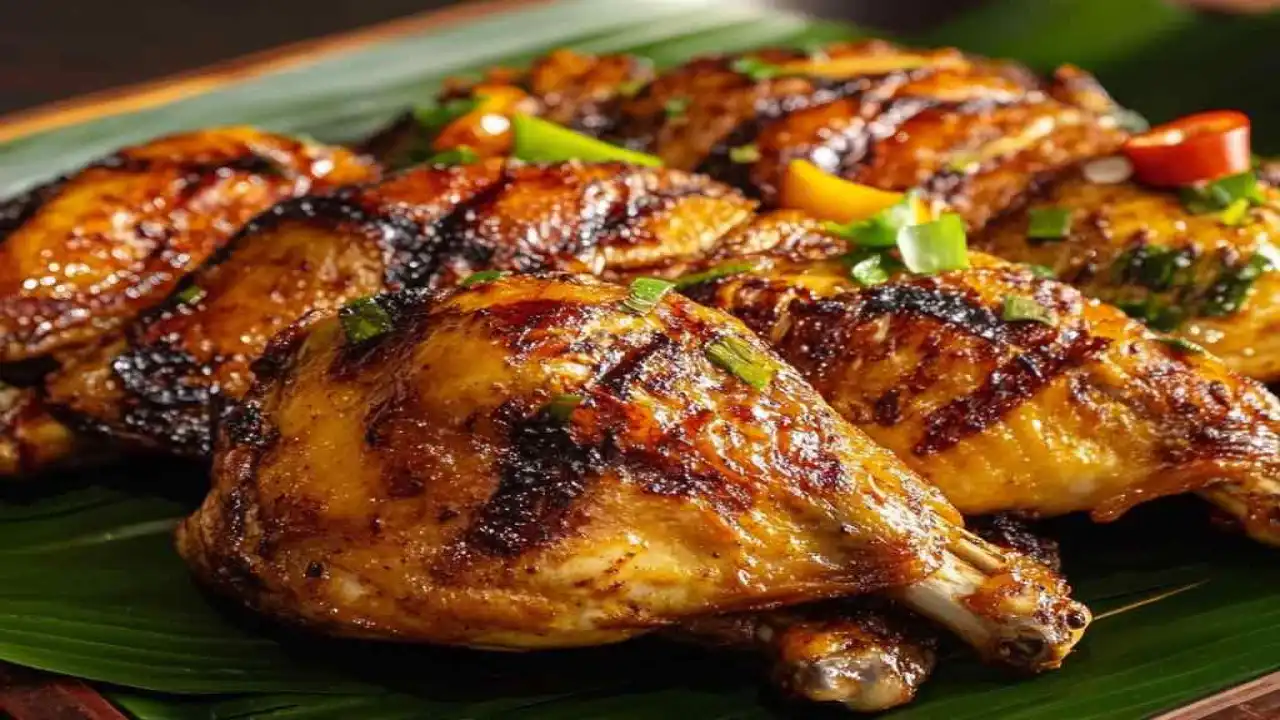
- Chicken inasal (street-style portions)
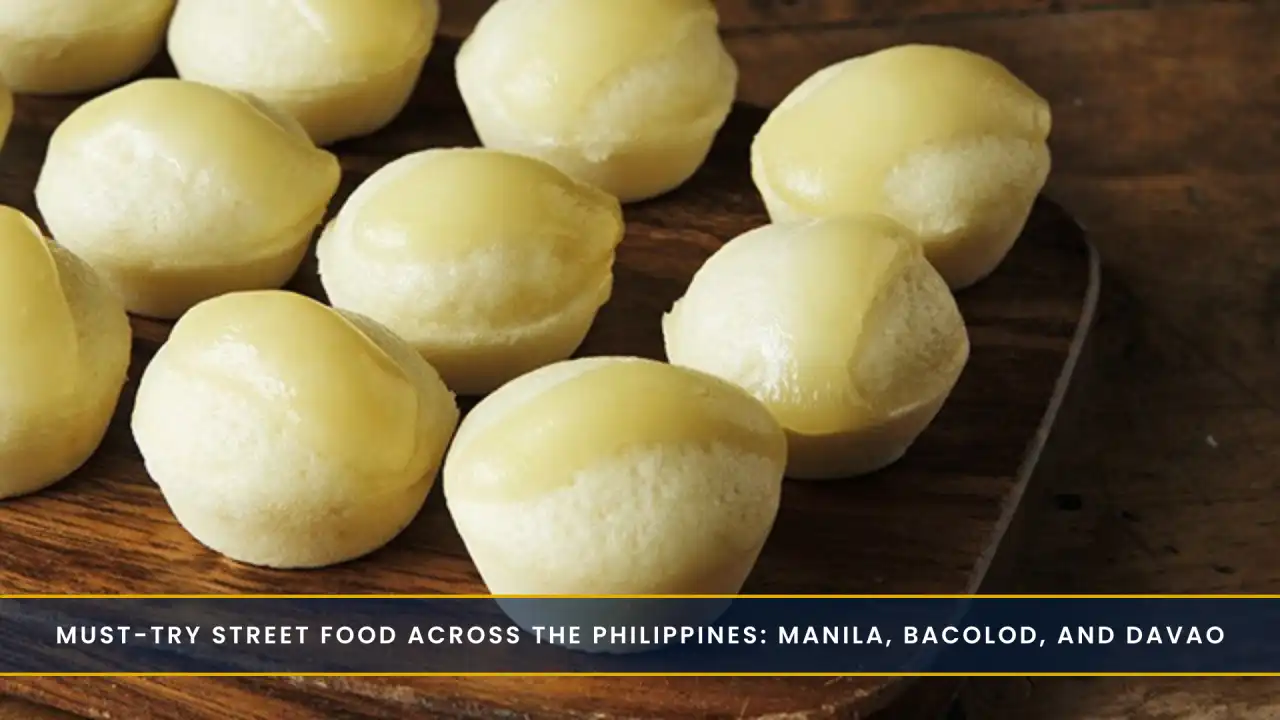
Grilled over charcoal, brushed with oil, lightly smoky. Usually smaller and more casual than restaurant versions. - Puto and kakanin stalls
Soft rice snacks, lightly sweet, perfect for mid-afternoon hunger. - Batchoy carts
Simple noodle soup, especially popular once the sun starts going down.
Why Bacolod Feels Different
The seasoning is gentle. Nothing tries to overpower anything else. Vendors cook the same food the same way every day, because it works. It’s food you eat slowly, even when you don’t have a chair.
Pro tip: Ask locals where they eat after work. Some of the best stalls only show up later in the day.
Davao: Clean, Fresh, and Straightforward
Davao’s street food scene feels more organized. The city is known for cleanliness, and that mindset carries into how food is prepared.
Street Foods You’ll See Often
- Grilled tuna parts
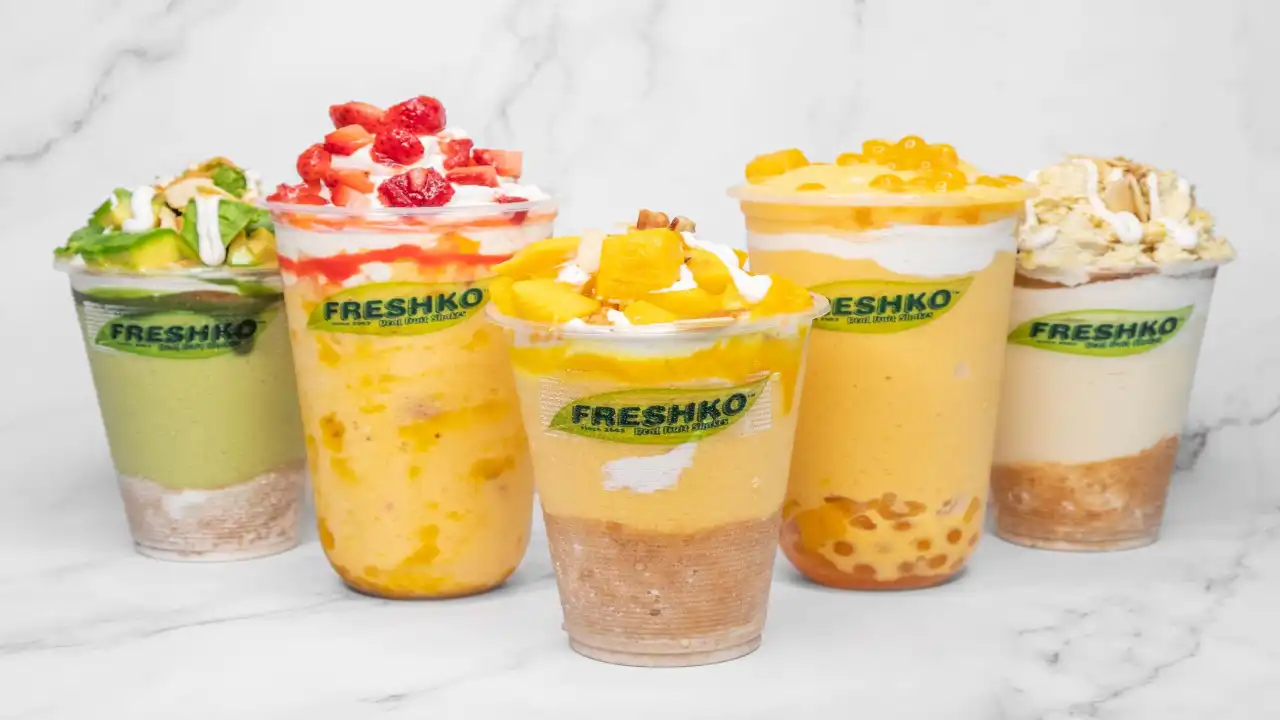
Jaw, belly, or skin, seasoned lightly and grilled fresh. - Fruit cups and shakes
Mangoes, bananas, pomelo, fresh, chilled, and everywhere. - Skewered meats
Mostly grilled, less oily, and often eaten with rice.
What Stands Out in Davao
Freshness. Ingredients often come straight from nearby farms or ports. Sauces are used sparingly. Sugar isn’t overdone. The food fills you up without weighing you down. Families eat together at street stalls here, especially early in the evening.
Pro tip: Skip dessert and grab fruit instead. Davao’s fruit quality speaks for itself.
Street Food Changes as the Day Moves
Street food follows a quiet schedule.
Morning
- Rice cakes
- Fried snacks
- Coffee from carts
Afternoon
- Banana cue
- Fish balls
- Student-friendly snacks
Evening to Late Night
- Grilled meats
- Noodle soup
- Heavier meals
Knowing when to eat is half the experience.
Street Food Is Also About People
Street stalls are small social hubs. You hear jokes, casual gossip, bits of daily life. Vendors ask where you’re from. They suggest sauces. Sometimes they explain how to eat something properly. That interaction is part of the appeal. It’s also why travelers often include street food walks when planning Family trip packages, it’s culture without effort.
How Not to Feel Overwhelmed
Street food can feel chaotic at first. A simple approach helps:
- Start with one or two items
- Eat when stalls are busy
- Ask, “What’s popular here?”
- Watch locals before ordering
You don’t need to try everything.
Street Food vs Restaurants
Restaurant food explains culture. Street food shows it happening.
Street versions are usually:
- Cheaper
- Less polished
- More connected to daily life
Both matter. But street food sticks longer.
When Food Becomes the Memory
Years later, people don’t remember menus or interiors.
They remember:
- Standing on a crowded sidewalk
- Greasy fingers holding a skewer
- Laughing at a plastic table
That’s why travelers planning longer journeys often explore food streets while browsing International Packages. It adds depth without adding pressure.
Conclusion
Across Manila, Bacolod, and Davao, street food isn’t about chasing famous dishes. It’s about noticing what people eat when no one is performing for an audience. These foods live inside routines and habits. They don’t ask for attention but they stay with you. Skip one restaurant meal. Step outside. Follow the smoke. Order what the person ahead of you ordered. That’s where the Philippines starts to make sense. One small bite at a time.
Is Street Food Safe?
This question comes up a lot. The answer depends on how you choose.
Simple Rules That Work
- Pick stalls with steady customers
- Watch food being cooked
- Avoid items sitting out too long
- Stick to sealed drinks
Most people who follow these basics eat street food without problems.