Peaceful Gardens in Kyoto Worth Visiting
Introduction
Kyoto has a quiet kind of beauty that sneaks up on people. Not dramatic at first. More like… slow. You walk through a busy street packed with tourists, convenience stores, buses, people holding cameras everywhere, and then suddenly there’s a tiny stone path leading into a garden where everything feels calmer for no obvious reason. Honestly, that contrast is probably what makes Kyoto memorable.
A lot of travelers come here expecting temples and old streets, which are beautiful, but the gardens stay with people longer than they expect. Maybe it’s the sound of water moving somewhere in the background. Maybe the moss. Maybe the fact that nobody seems in a hurry once they step inside. Walking through these Kyoto peaceful gardens feels less like sightseeing and more like accidentally giving your brain a break. And if someone is already planning a longer trip to Japan, Kyoto is usually where the pace finally slows a little. That’s probably why so many travelers include it in a Japan trip package now instead of treating it like just another quick stop between Tokyo and Osaka.
Why Kyoto Gardens Feel So Different
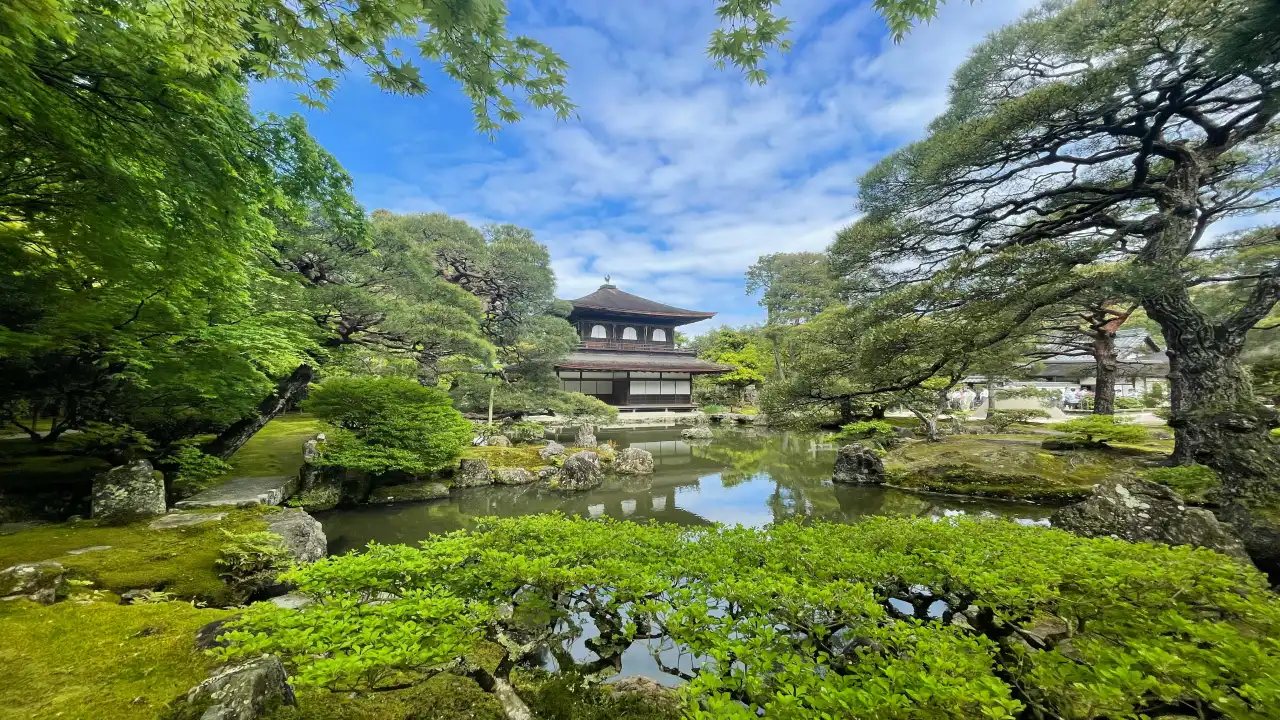
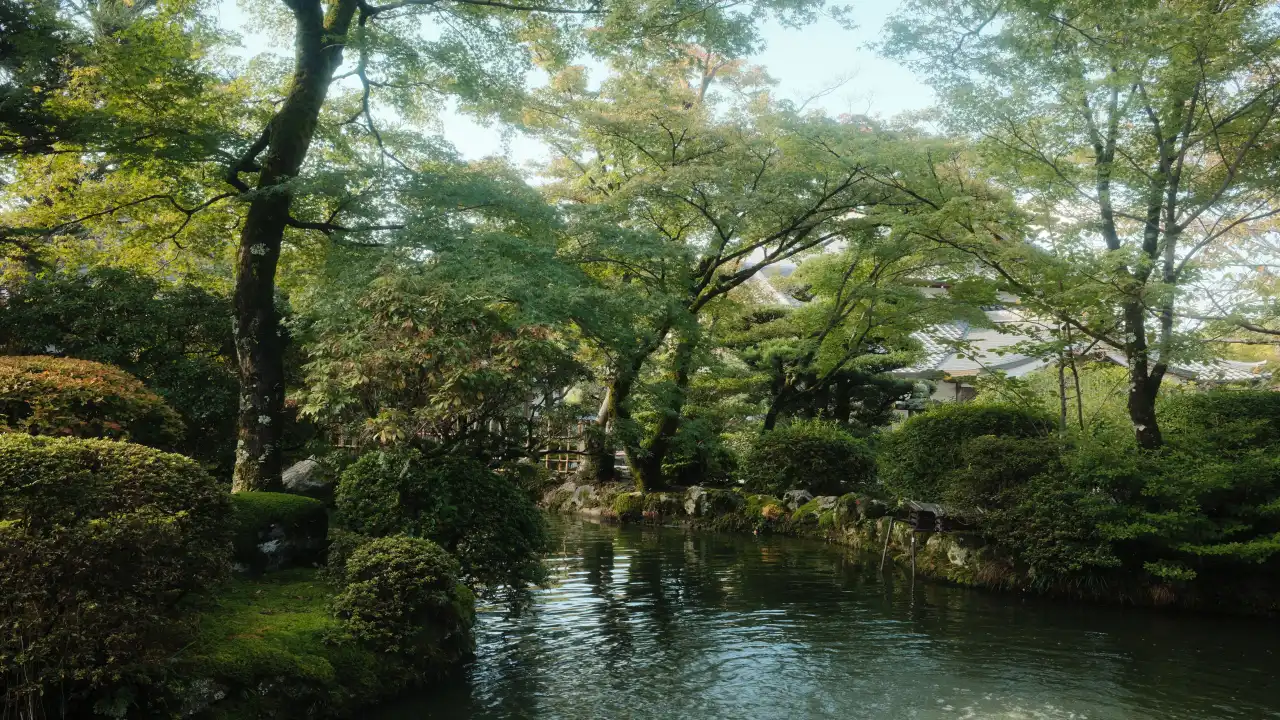
A park and a Kyoto garden are not really the same thing. You notice it pretty quickly. Most parks are designed for movement. Kyoto gardens feel designed for pause. Even the empty spaces feel intentional somehow. Rocks are placed carefully. Trees bend naturally but still look balanced. Gravel patterns almost look like flowing water if you stare long enough.
It sounds dramatic explaining it like that, but when you’re actually there, it makes sense. One thing people don’t talk about enough is the silence. Not complete silence, obviously. You still hear footsteps, birds, maybe distant temple bells. But the noise softens. People lower their voices without thinking about it. Even loud tourists somehow become quieter after a few minutes. Kyoto gardens aren’t trying to impress visitors in a flashy way. That’s probably why they work so well.
Pro Tip:
Go early in the morning if possible. Kyoto before 9 AM feels like a completely different city honestly.
Ryoan-ji Temple Garden
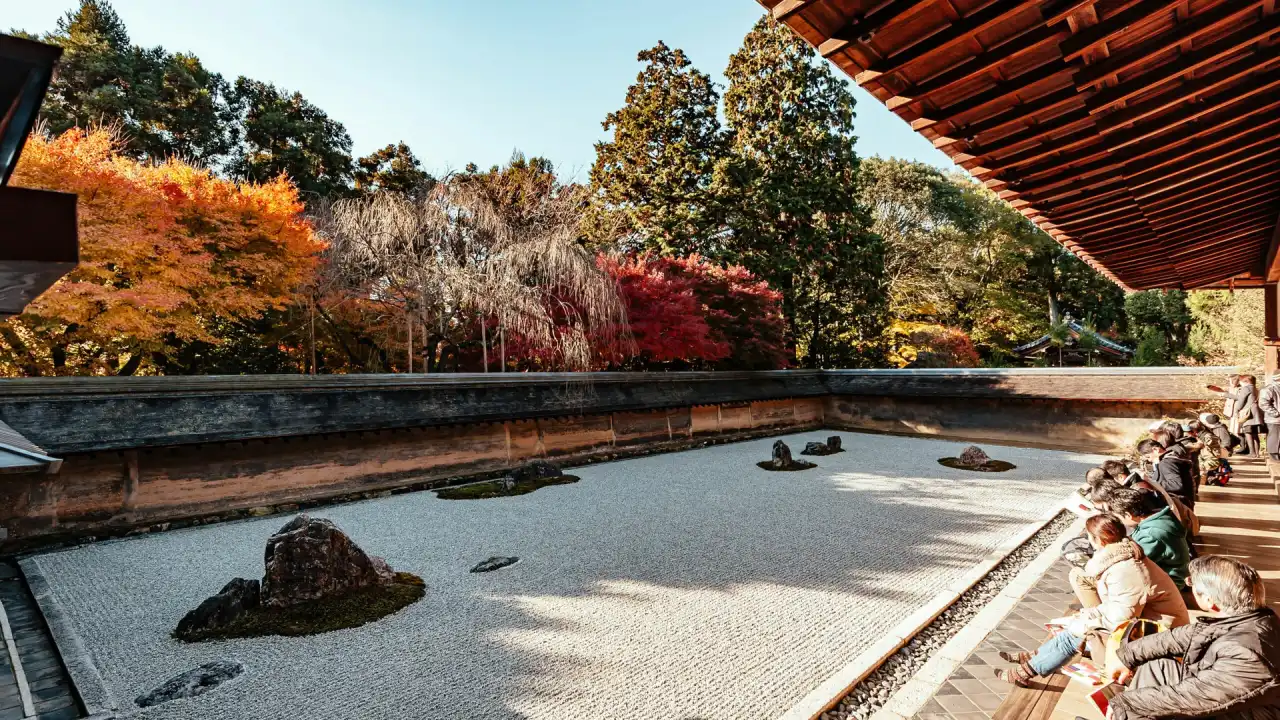
Among the best Zen gardens in Kyoto, Ryoan-ji is probably the simplest. And that simplicity becomes the whole experience. At first, it almost looks unfinished. Just rocks sitting on white gravel. No flowers. No giant trees. Nothing dramatic is happening. Some visitors probably expect more at the beginning. Then you sit there for five minutes. And something changes a little.
People start noticing details they ignored earlier. The shadows. The patterns in the gravel. The strange balance between the rocks. Everyone seems to interpret the garden differently, too, which makes it more interesting. The surrounding temple paths are beautiful too, especially during autumn when leaves start covering parts of the walkway.
What makes Ryoan-ji memorable:
- Minimal rock garden design
- Quiet atmosphere without distractions
- Strong Zen Buddhist influence
- Beautiful autumn scenery
Saiho-ji (The Moss Temple)
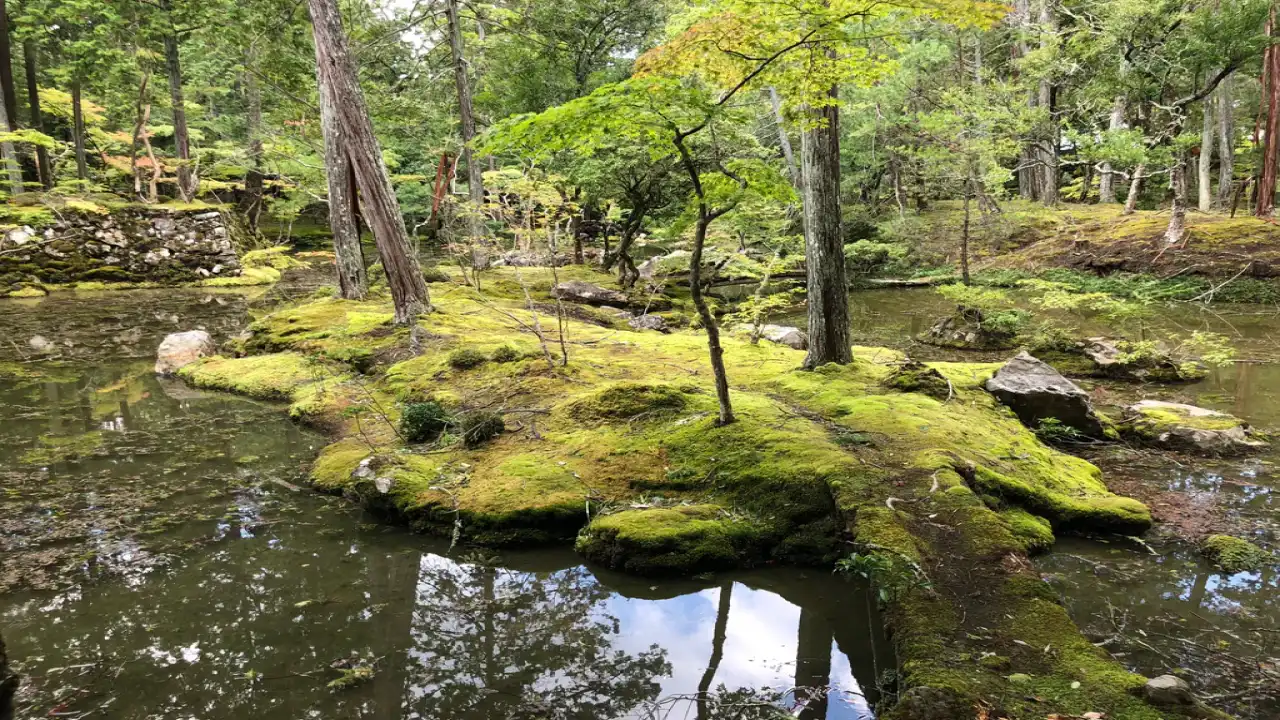
Saiho-ji feels unreal in the softest possible way. The moss here almost looks different at first because it’s so green. It spreads across stones, tree roots, little hills, old pathways, basically everything. During rainy weather, the colors become even deeper, and the whole place starts looking like something from an old fantasy movie. Actually, rain might be the best time to visit.
One thing you will like about Saiho-ji is that they limit visitors through reservations. Normally, reservation systems are annoying, but here it helps protect the atmosphere. Before entering, visitors usually copy Buddhist scriptures for a short while. Sounds formal, maybe even boring, but weirdly, it slows your brain down before the garden walk starts. And after that, the silence inside hits differently. You notice tiny things more. Water drops hanging from leaves. Wet soil smells after rain. Even your footsteps sound louder than usual.
Pro Tip:
Do not rush through Saiho-ji trying to take photos fast. This place works better when you slow down a bit.
Shosei-en Garden
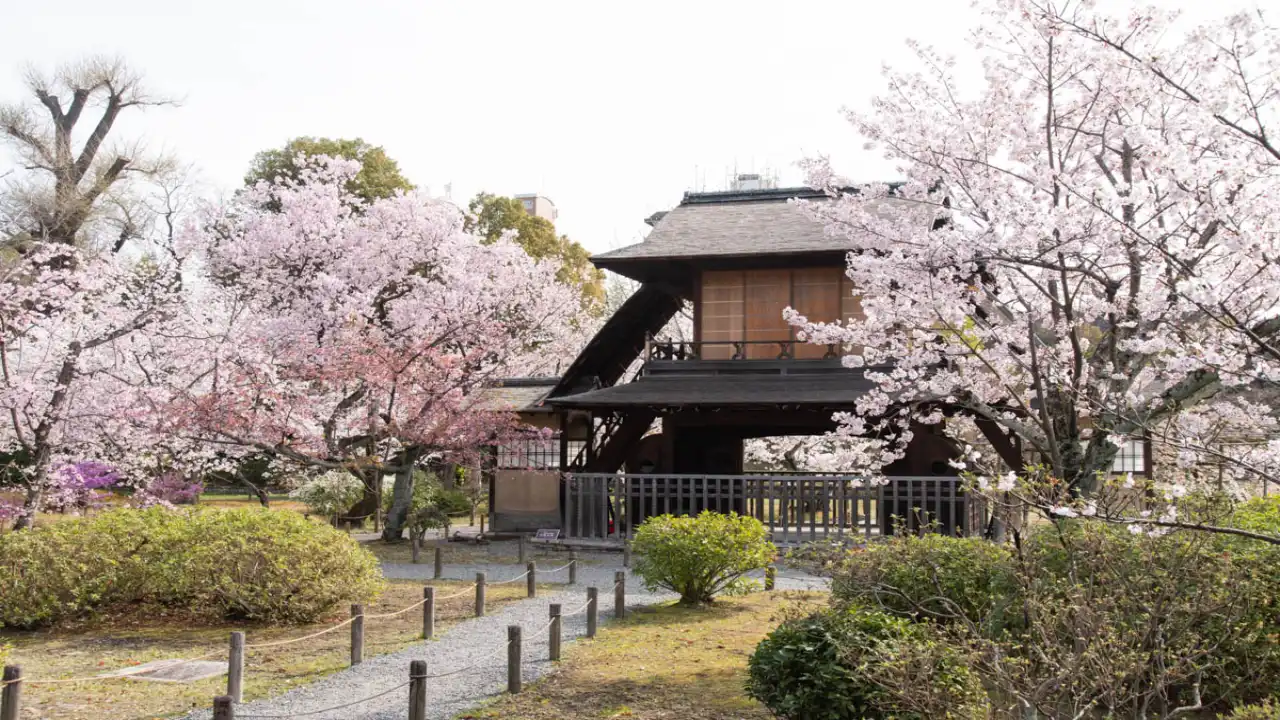
Shosei-en doesn’t always appear on those “top Kyoto attractions” lists, which honestly helps it. It sits surprisingly close to Kyoto Station, yet somehow feels disconnected from the chaos outside. One minute, there are taxis and crowds everywhere, and then suddenly, there’s a pond with reflections moving quietly in the water as the city disappears. The seasonal changes here are really beautiful too.
- Spring brings cherry blossoms
- Summer feels deeply green and humid
- Autumn turns everything orange and red
- Winter becomes calm and almost empty
Unlike some temple gardens that feel very structured, Shosei-en feels easier to wander around casually. Less pressure somehow. Families usually enjoy this place because it doesn’t feel overly strict or formal, which is probably why Kyoto gets added into larger International Packages so often now.
Kodai-ji Temple Garden
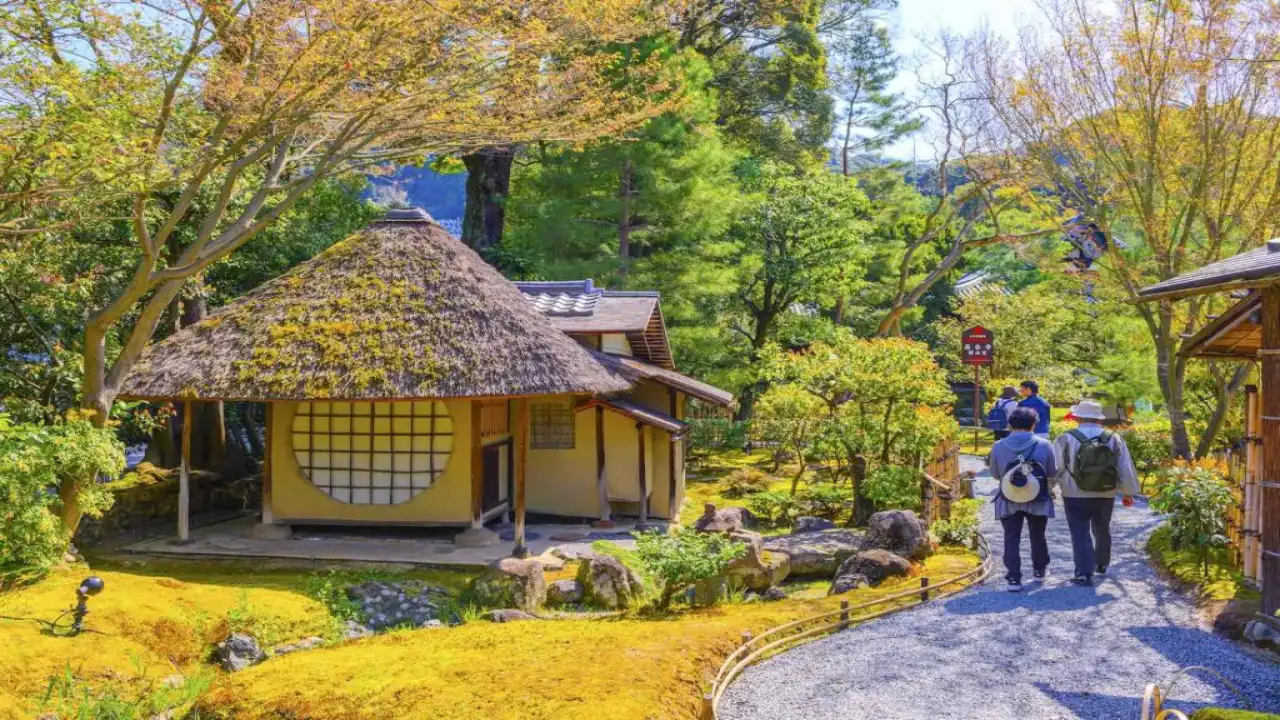
Kodai-ji feels elegant without trying too hard. The nighttime illuminations here are honestly one of the prettiest things in Kyoto. And not in an over-the-top touristy way either. The lights are soft, reflections move across the ponds, bamboo groves glow gently in the dark it all feels surprisingly calm.
Walking through the garden is interesting because the scenery keeps changing every few minutes. You cross a bridge and suddenly the whole atmosphere looks different. Then there’s a bamboo section. Then quiet ponds again. Some places are beautiful immediately. Kodai-ji grows on you slowly while walking.
Highlights:
- Peaceful bamboo grove
- Seasonal night illuminations
- Traditional tea house areas
- Beautiful pond reflections
Murin-an Garden
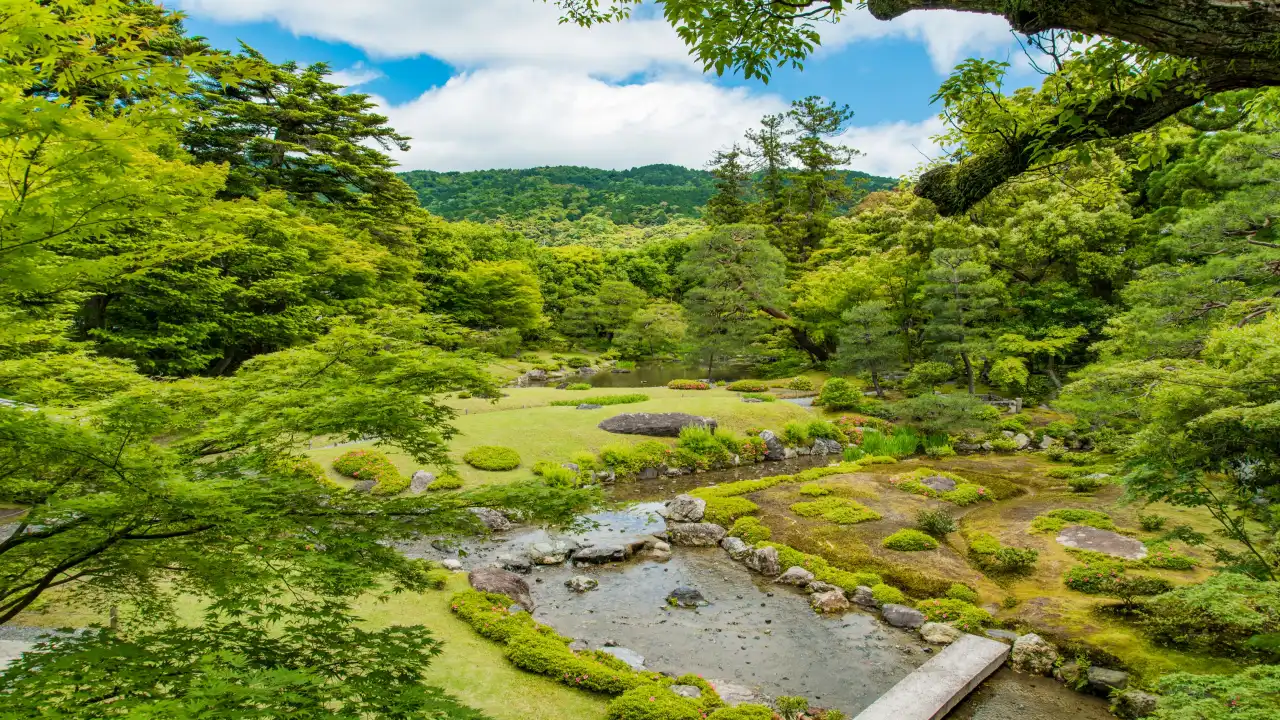
Murin-an feels personal. That’s the best way to explain it, probably. Instead of feeling grand or overly famous, it feels more like someone’s hidden retreat tucked inside Kyoto. There’s a small stream running through the garden, and honestly, the sound alone makes the place relaxing.
Not loud water either. Just soft flowing sounds in the background. The garden design feels open compared to many traditional temple gardens. Distant hills blend into the scenery naturally, so the space feels bigger than it actually is. Travelers looking for serene gardens in Kyoto usually end up loving Murin-an because it feels quieter and less crowded than major tourist spots.
Pro Tip:
Sit near the stream for a while. Don’t just walk through quickly. The garden feels different once you stop moving.
Tenryu-ji Garden
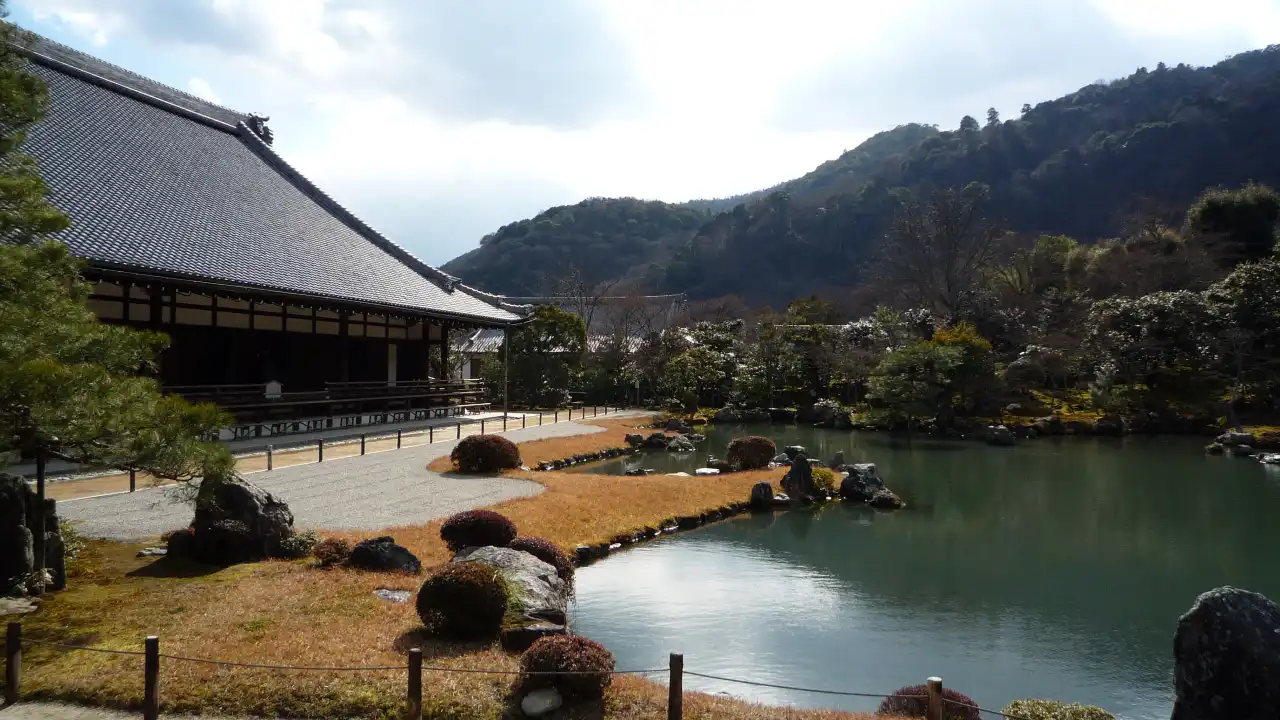
Tenryu-ji in Arashiyama mixes nature and traditional design beautifully without making it feel overly controlled. The mountains behind the garden become part of the scenery itself. Kyoto gardens do this really well, actually; they use the landscape around them instead of separating from it completely.
The pond reflections change constantly too, depending on the weather and light. Morning feels soft and misty sometimes, while evenings create warmer colors across the water. The nearby bamboo forest gets packed with people, but oddly enough, parts of Tenryu-ji still stay peaceful if you avoid peak hours.
Things people usually love here:
- Mountain views
- Calm pond scenery
- Traditional garden layout
- Peaceful walking areas
The Small Things People Remember
Honestly, most people don’t remember every garden detail perfectly later. They remember moments. The sound of bamboo moving in the wind. Wet stone paths after light rain. Orange leaves are floating quietly in the water. Tiny temple bells somewhere far away. Kyoto gardens make people notice smaller things again, which sounds cheesy when written down, but it’s true.
Modern travel gets exhausting sometimes. Everyone rushes constantly trying to “complete” cities like a checklist. Kyoto gardens interrupt that feeling a little. Even sitting quietly for ten minutes somehow feels productive there. Maybe that’s why people talk about these gardens long after the trip ends.
Best Time to Visit Kyoto Gardens
Every season changes Kyoto completely, which makes repeat visits worth it honestly.
Spring
Cherry blossoms everywhere. Soft pink scenery and crowded pathways.
Summer
Greener landscapes, humid air, and fresh colors after rain.
Autumn
Probably Kyoto’s most famous season. Maple leaves turn bright red and orange.
Winter
Quiet, cold, and surprisingly peaceful with occasional snow.
Pro Tip:
Autumn is beautiful but extremely crowded. Weekday mornings help a lot.
Conclusion
Kyoto gardens are not places people visit only for photographs. They stay memorable because of how they make people feel. Calm. Slower. More aware of simple things. Some travelers leave with memories of the moss at Saiho-ji. Others think about the silence of Ryoan-ji or the soft stream flowing through Murin-an. Every garden creates a different emotion, which is what makes Kyoto so rewarding to explore.
In a world where travel often becomes loud and rushed, Kyoto quietly offers something different. A chance to slow down for a while and simply exist inside beautiful spaces without needing constant entertainment. And honestly, that feeling may become the most valuable part of the journey.