The Most Important Things in Bali Happen Before 8 AM
Introduction
Most Bali travel stories chase sunsets, beach clubs, and late nights. They’re fun, yes. But they don’t tell the full story. If you really want to understand the island, the most important things in Bali happen before 8 AM, when no one is trying to impress anyone. This isn’t about forcing yourself to wake up early or following some travel trend. It’s about timing. Mornings here feel raw and unedited. The air is cooler, the streets are quieter, and people move with quiet intention.
You notice small things, shops opening, offerings placed, scooters passing without chaos. Nothing feels rushed yet. Life hasn’t adjusted itself around tourists or traffic. That’s usually the difference between travelers who feel Bali deeply and those who only skim the surface. They were awake when Bali was being Bali. This guide walks you through what really happens before 8 AM and why those hours matter more than anything else you’ll do later in the day.
1. Bali Wakes Up Before Tourists Do

By the time most visitors are still asleep or scrolling their phones in bed, Bali is already active. Not loud. Not chaotic. Just alive. Local shops open early. Small food stalls set up quietly. Temple caretakers sweep courtyards with practiced movements. You don’t see people rushing; you see them settling into the day. This early rhythm explains a lot about the island’s energy. Bali isn’t designed for late starts. Life here begins with intention, not urgency.
Why this matters:
- You experience the island without crowds
- Locals are relaxed and more open
- Everything feels more personal and grounded
Pro tip: Step outside before 6:30 AM at least once, even if it’s just a short walk. You’ll understand Bali differently by the time you return.
2. Morning Offerings Tell You Everything About Belief
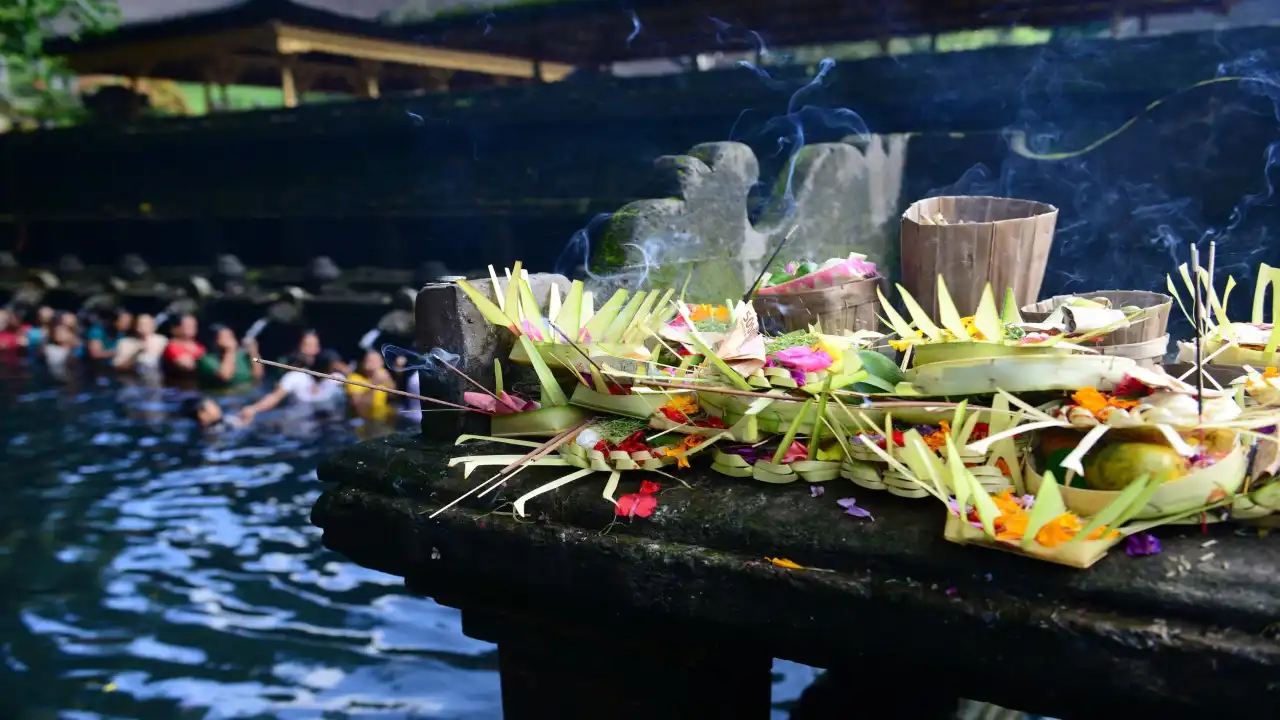
Before breakfast, before work, before traffic, Balinese families prepare offerings. Small woven baskets filled with flowers, incense, and food appear on sidewalks, doorsteps, and scooters. This isn’t staged for visitors. It’s routine. And it happens early. Watching this process in the morning shows how belief is woven into daily life. There’s no performance, no explanation boards. Just quiet respect for balance and gratitude.
What you’ll notice:
- No one rushes the ritual
- Children help without being told
- Even busy streets pause for a moment
This is one of those experiences that doesn’t need translation. You feel it rather than learn it.
3. Beaches Feel Like Real Places Before 8 AM
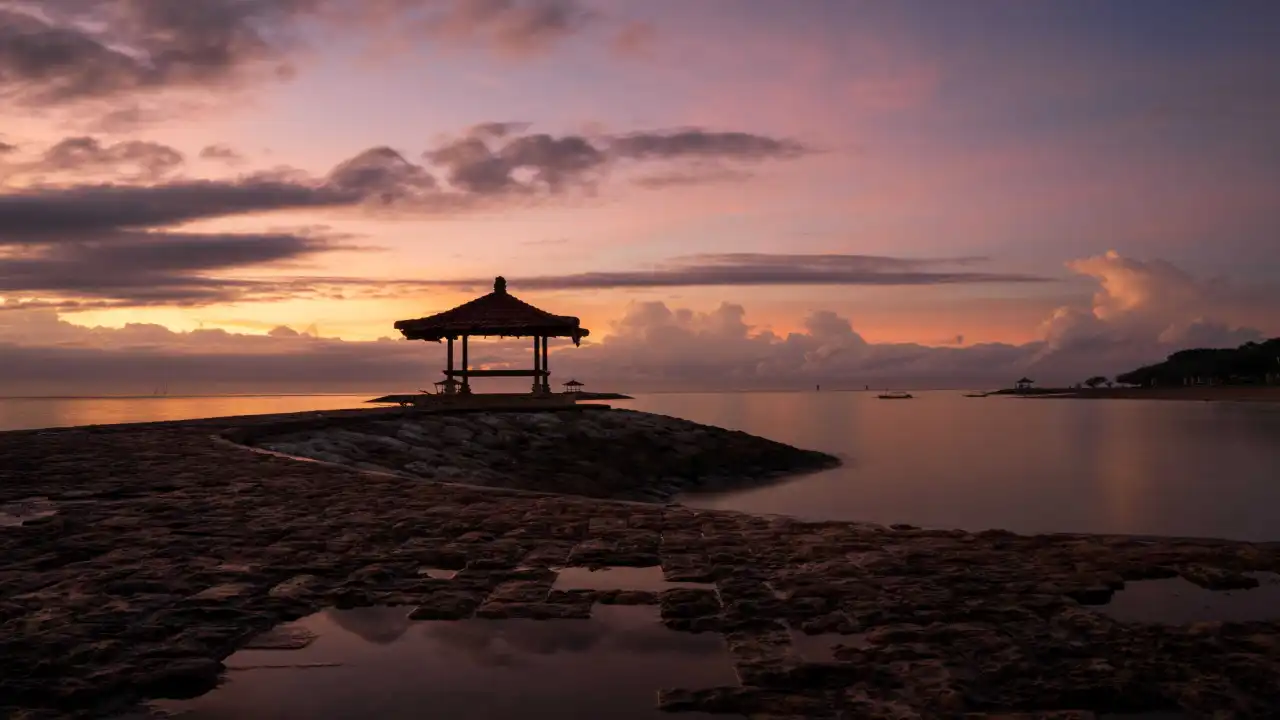
Later in the day, Bali’s beaches can feel busy and loud. Early in the morning, they feel like local spaces again. Fishermen return with nets. Joggers pass by without headphones. A few surfers paddle out while the water is calm and clear. The beach isn’t trying to entertain you yet. It’s just doing its job. This is when the coastline feels balanced. No jet skis. No music battles. Just movement and routine.
Best way to enjoy it:
- Walk barefoot along the shore
- Sit and watch, don’t photograph everything
- Leave by 8 AM and let the day crowds arrive after you
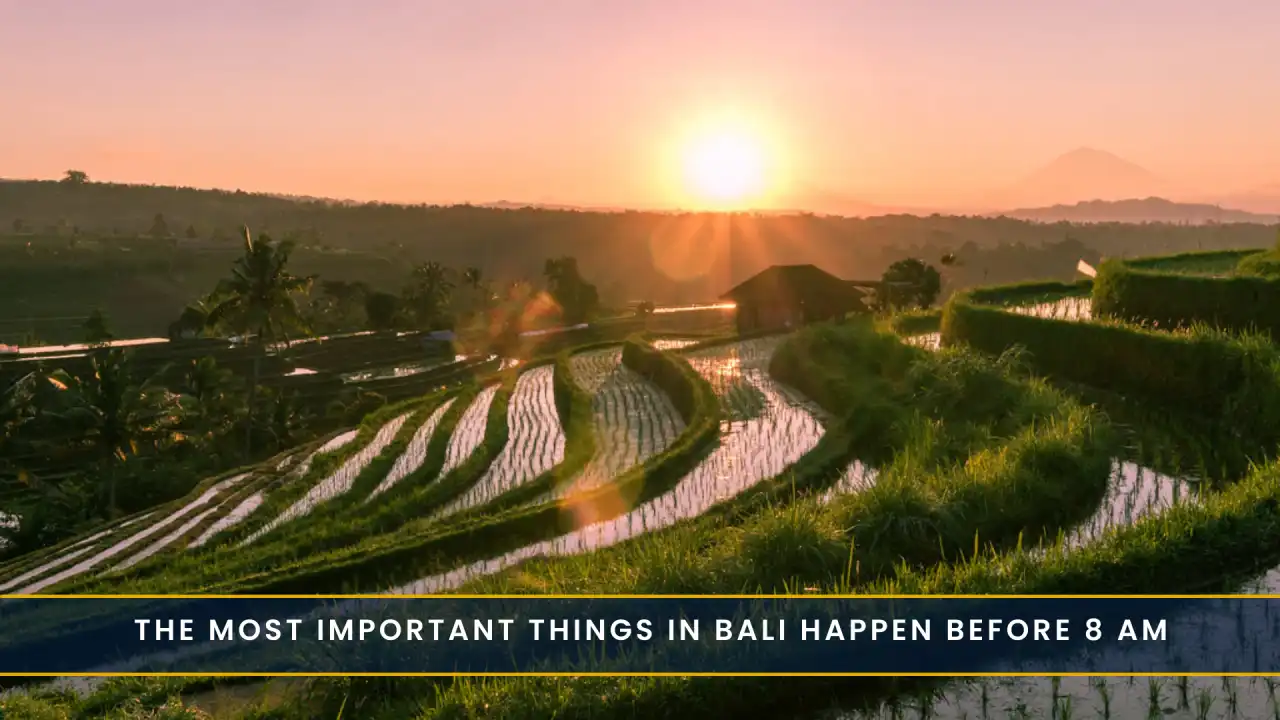
4. Rice Fields Make Sense in the Morning
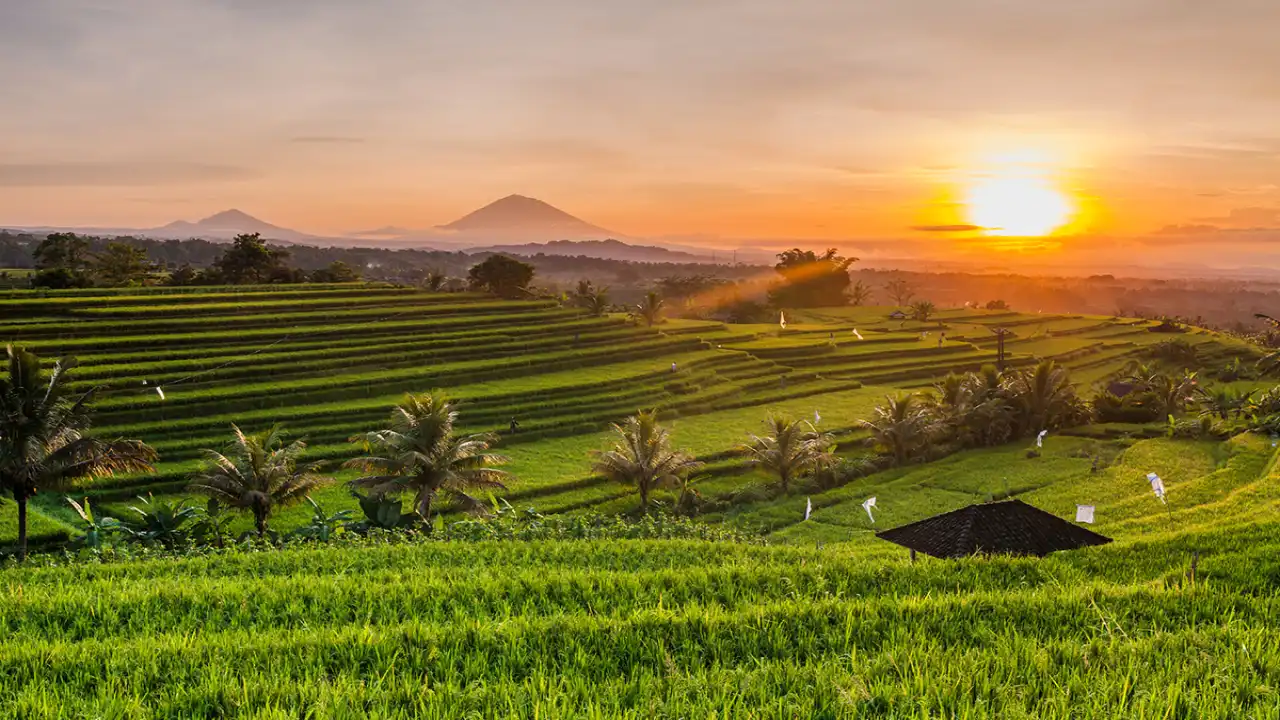
Rice terraces are often photographed at sunrise, but what people don’t mention is why mornings matter here. Before the heat rises, farmers are already working. Water flows through the irrigation channels smoothly. The fields aren’t just beautiful; they’re functional. When you see rice fields later in the day, they look like scenery. In the morning, they look like a system that feeds families.
Pro tip: If you visit rice terraces early, walk slowly and stay quiet. You’ll hear water, tools, and conversations instead of drones and tour guides.
5. Cafés Before 8 AM Are for Locals and Long Conversations
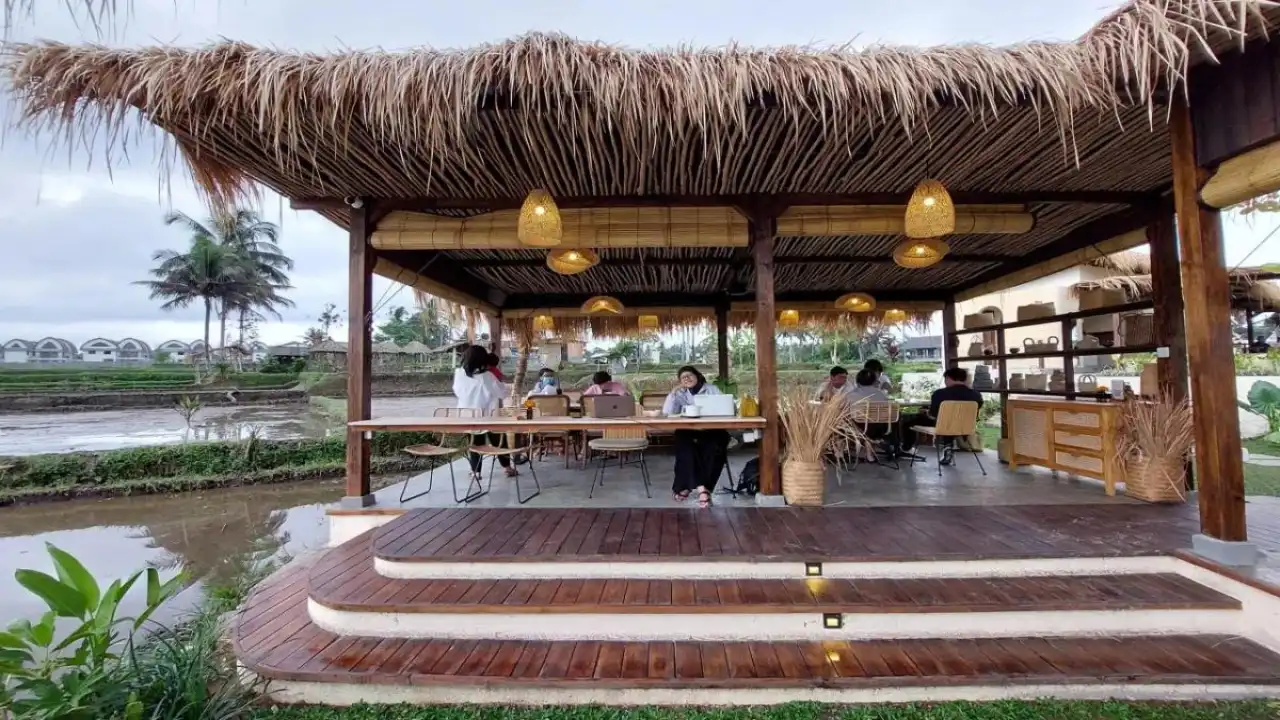
Bali’s café culture gets attention online, but early mornings show its real purpose. Before 8 AM, cafés aren’t about photos. They’re about routine. Locals stop in for coffee before work. Travelers sit longer and talk more. There’s no pressure to leave.
You’ll often notice:
- Simple orders, no rush
- Staff chatting with regulars
- A calm that disappears by mid-morning
This is one of the simplest ways to feel like you belong, even briefly.
6. Temples Are for Worship, Not Photos, in the Morning
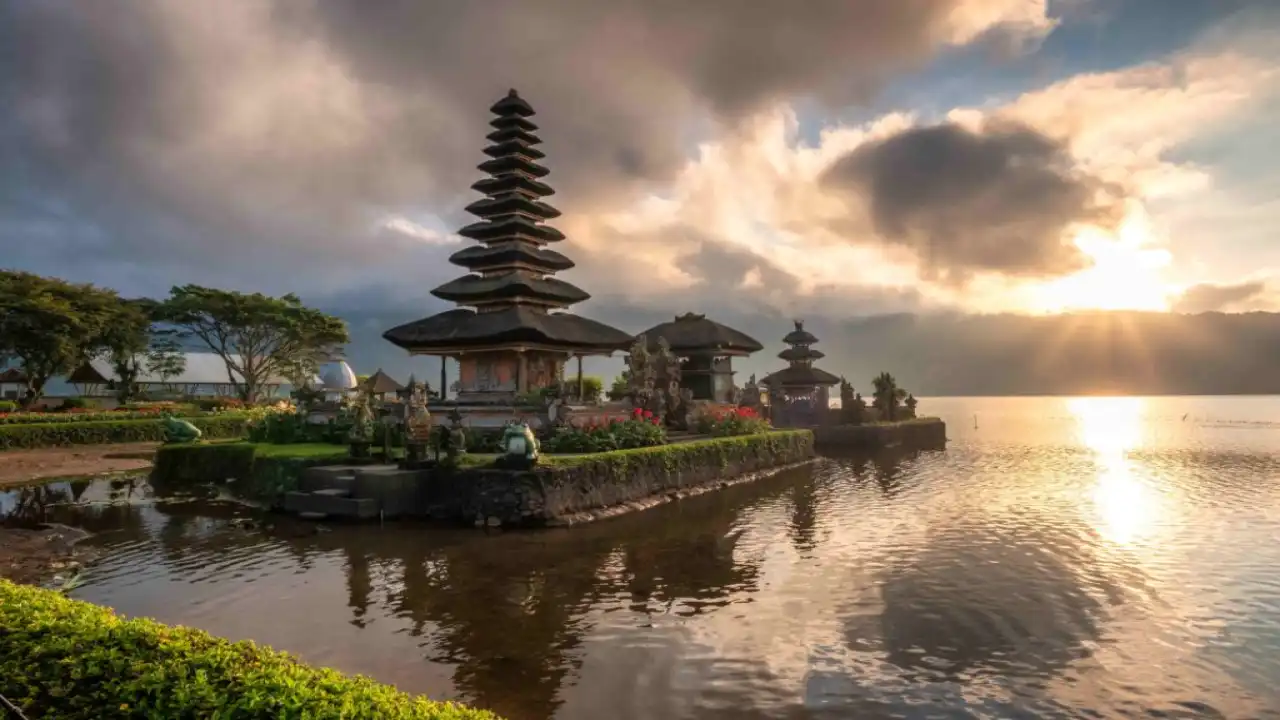
Temples change character throughout the day. Early mornings are when they feel most authentic. There’s less movement, fewer visitors, and more intention. You might see caretakers preparing spaces or locals praying quietly. This is not the time for posing or filming. It’s a time for observing.
Respect tips:
- Dress modestly
- Stand to the side, not in front
- Follow what locals do, not what influencers show
7. Markets Are About Trade, Not Browsing
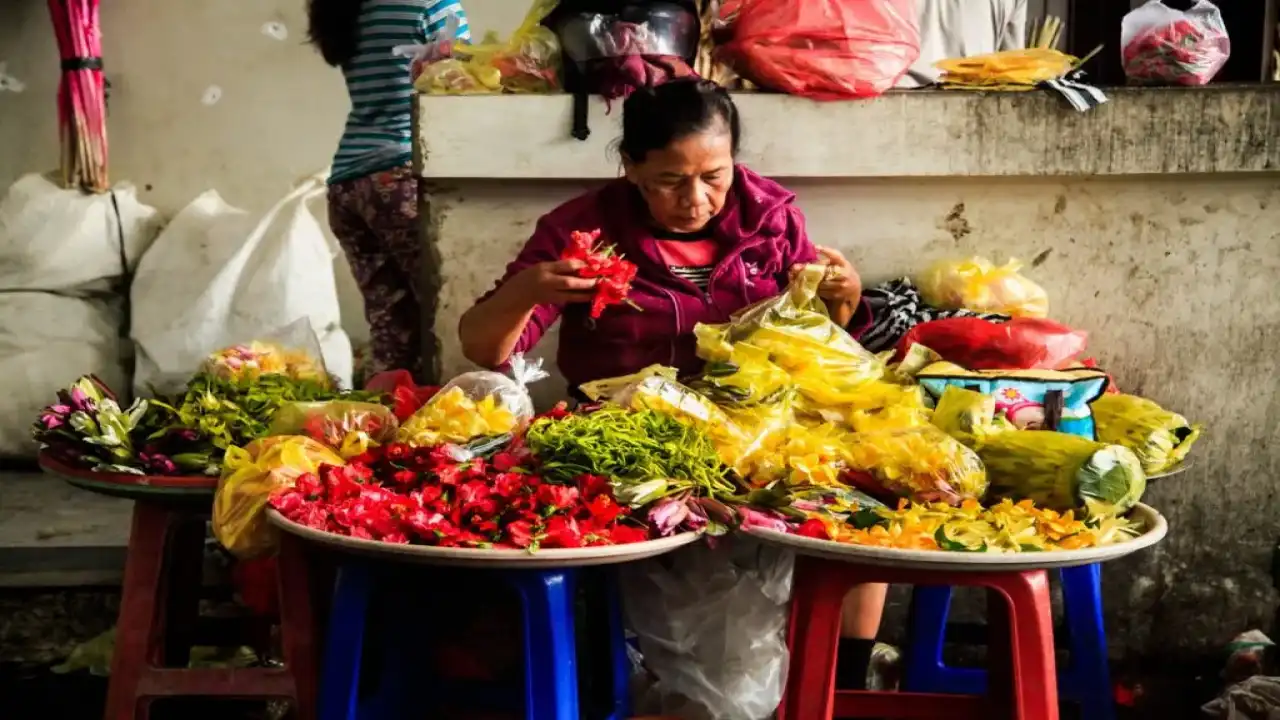
Morning markets are practical. People buy what they need and leave.
You’ll see:
- Fresh produce arriving
- Vendors negotiating quickly
- No pressure to sell souvenirs
This is where you learn how food, prices, and routines really work.
Pro tip: Don’t touch everything. Observe first, then ask politely.
8. Guided Walks Work Best Early
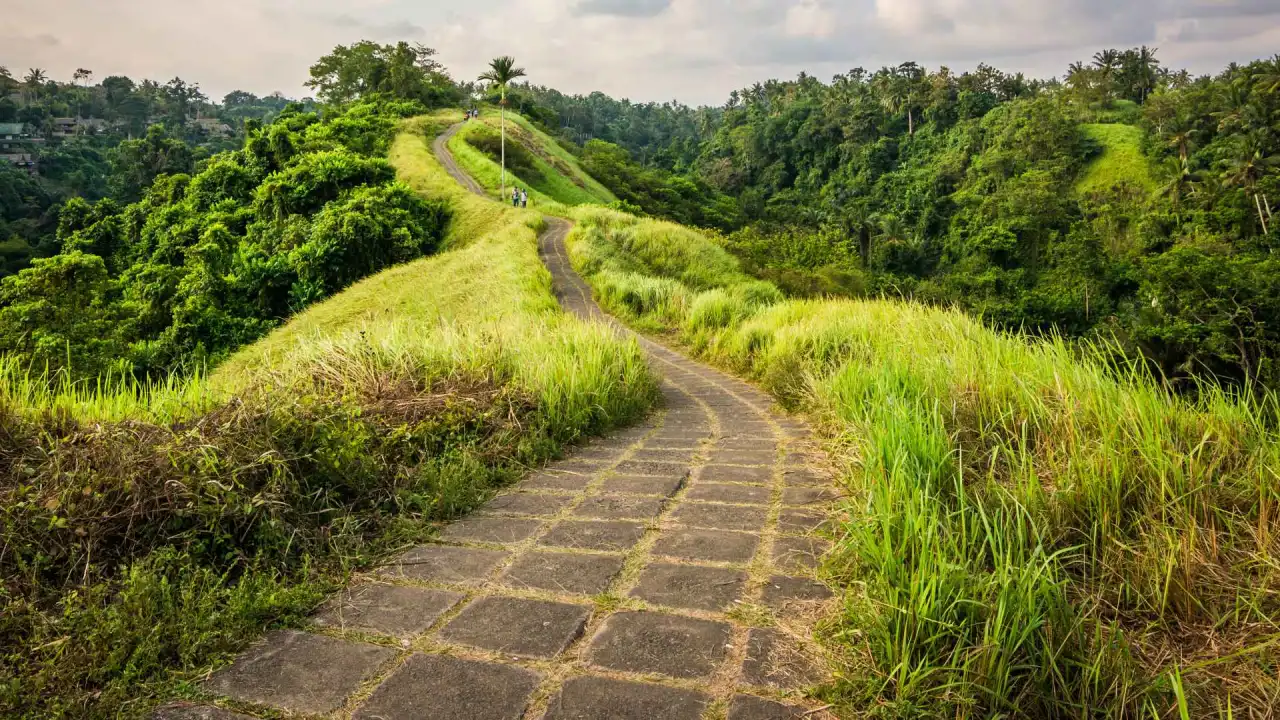
Whether it’s village walks, nature trails, or market visits, guided experiences feel more natural before 8 AM. Guides are less rushed. Locals are more present. You hear stories instead of scripts. This is also the best time to understand Bali activities that are rooted in daily life, not entertainment.
9. Traffic Tells You the Truth Early
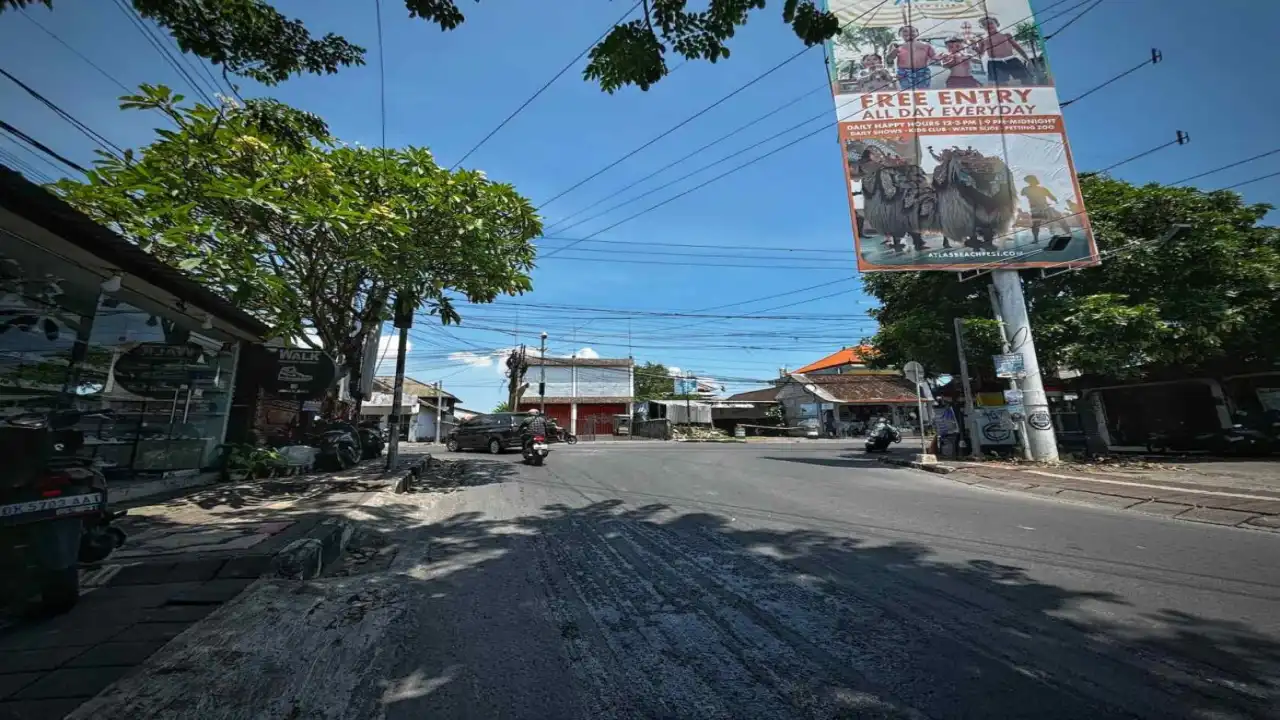
Bali traffic gets a bad reputation, but before 8 AM, it tells a different story. Scooters move smoothly. Delivery trucks finish early runs. Streets make sense. You can see how the island functions when it’s not overwhelmed. If you’re planning day trips, observing traffic early helps you understand realistic travel times and routes.
Pro tip: Start longer drives before 7 AM. You’ll save hours and frustration.
Planning Your Day Gets Easier
Once you experience Bali early, planning becomes simpler. You understand distances, energy levels, and timing. You’ll also realize that many popular things to do in Bali are better enjoyed when you start early and finish before midday. This approach leaves afternoons free for rest instead of exhaustion.
Why Experienced Travelers Prioritize Mornings
Seasoned travelers don’t chase highlights all day. They build around strong starts.
Early mornings give you:
- Better interactions
- Clearer movement
- More meaningful memories
By noon, you’ve already lived a full day.
Who Benefits Most From Early Starts
Early mornings work especially well for:
- Families who want calm schedules
- Couples seeking quiet moments
- Solo wanderers who enjoy observation
It also pairs well with thoughtfully planned International trip packages that allow flexible starts instead of packed itineraries.
Simple Morning Routine That Works
You don’t need a strict plan. Just follow this:
- Wake up by 6 AM
- Step outside before checking your phone
- Walk, watch, sit somewhere local
- Return by 8 AM
Repeat this a few times during your trip.
Conclusion
Bali trip doesn’t hide its beauty, but it does protect its soul. The island gives its best moments to those who meet it on its terms. Before 8 AM, Bali is quieter, clearer, and more honest. You don’t compete for attention. You simply fit in for a while. If you remember one thing from this guide, let it be this: set your alarm earlier than you think you should. The rest of the day will thank you for it.