What Are the Best Night Markets in Singapore? And what to eat there?
Introduction
Singapore looks almost too perfect during the day. Clean sidewalks. Shiny buildings. Trains that arrive exactly when they say they will. Everything works. Almost like it’s been rehearsed. But then evening comes. The heat drops just a little. Streetlights soften. Food smells start floating around corners you didn’t notice earlier. And suddenly, the city feels different. More relaxed. This is where night markets in Singapore really show their character.
They’re not chaotic or aggressive. No one is yelling prices at you. No one’s pulling you toward a stall. Instead, people drift in after work, hungry and tired. Friends meet without making a big plan. Travelers slow down and stop looking at maps for once. Night markets here aren’t about bargaining or chasing trends. They’re about food that’s been cooked the same way for years. You walk. You smell something good. You stop. Eat while standing. Maybe spill a little sauce. Then you move on. No pressure. That’s the charm. This guide walks you through the most well-loved night markets, why they’re worth your time, and what you should actually eat when you’re there.
Why Singapore’s Night Markets Feel Different
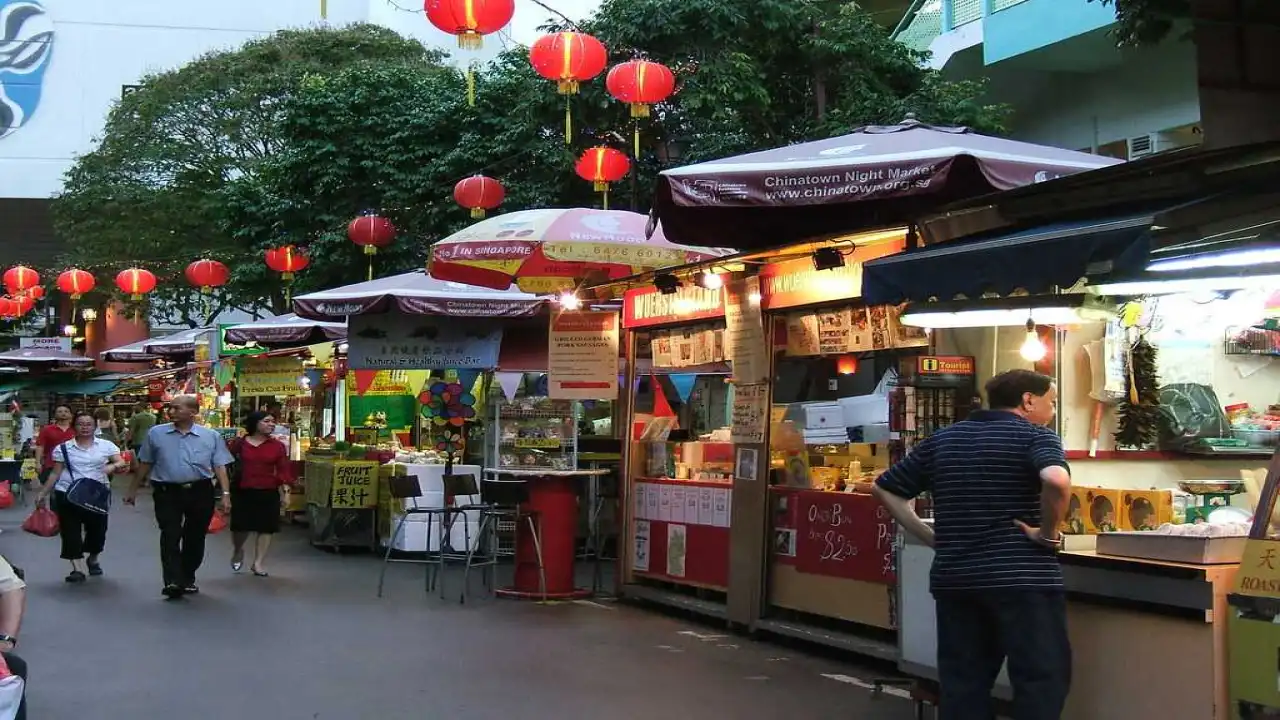
If you’ve been to night markets elsewhere in Asia, you might expect noise, shouting vendors, and tight spaces where everyone bumps into each other. Singapore doesn’t really do that. It’s calmer. Still busy, yes. But controlled.
A few reasons why:
- Food safety is taken seriously, not as an afterthought
- Prices are clear, mostly fixed, and fair
- Many stalls are run by families who’ve been doing this for decades
- The focus is flavor, not flashy presentation
Because of that, these markets don’t feel stressful. You’re not rushing. You’re not overwhelmed. You can actually enjoy yourself.
Lau Pa Sat – Where History and Hunger Collide Late at Night
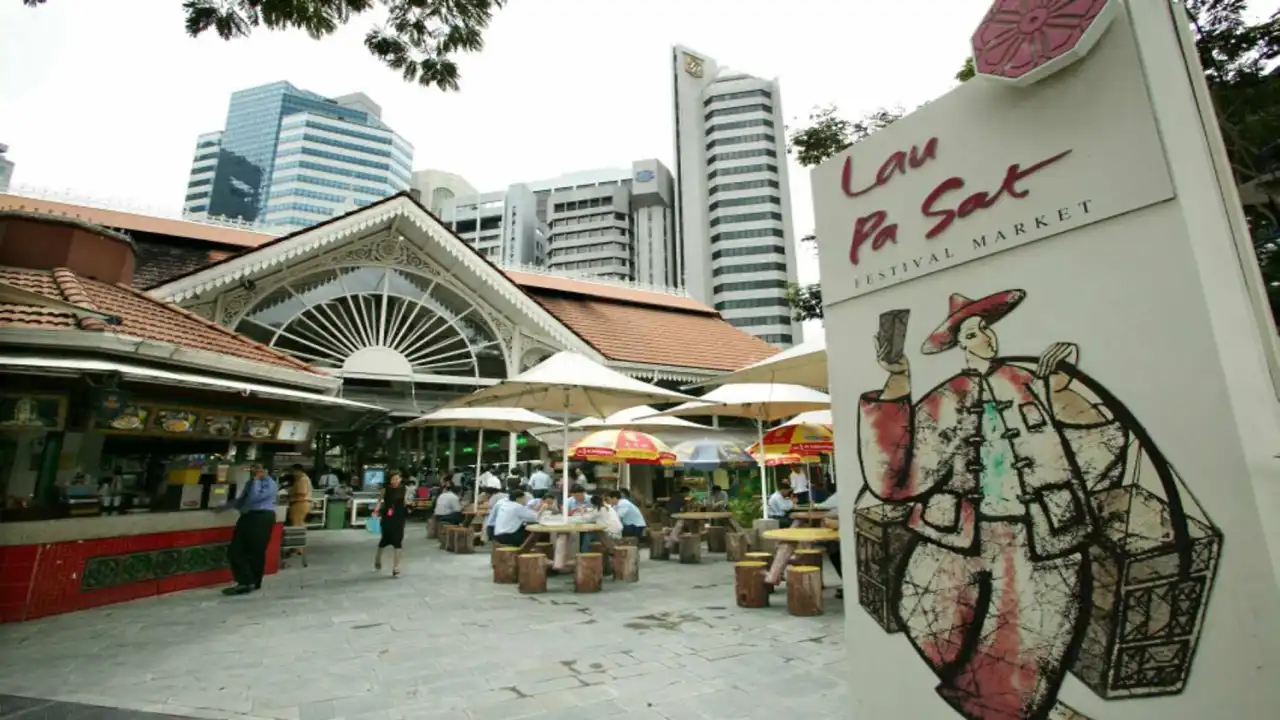
Lau Pa Sat is the kind of place you don’t plan for. You just end up there. Maybe after work. Maybe after wandering around downtown too long. It sits right in the business district, surrounded by tall glass buildings. During the day, it’s all office crowds and quick lunches. Pretty normal. At night, though, everything shifts.
What Makes Lau Pa Sat Stand Out
- The building itself has history, not just decoration
- Satay Street shuts down to traffic after dark
- It stays busy well past midnight
You’ll see office workers still in formal clothes, tourists trying to decide what smells best, and locals who already know exactly which stall they’re heading to.
What to Eat at Lau Pa Sat
You don’t need to overthink it. Start with:
- Chicken or mutton satay dripping with peanut sauce
- Char kway teow is cooked fast and hot
- Hokkien mee with prawns and pork
- Sugarcane juice or simple lime juice to cool down
Pro tip: Go after 8:30 pm. Earlier is fine, but later is when the grills are really going and the place feels alive.
Chinatown Street Market – Familiar, Busy, Comfortably Predictable
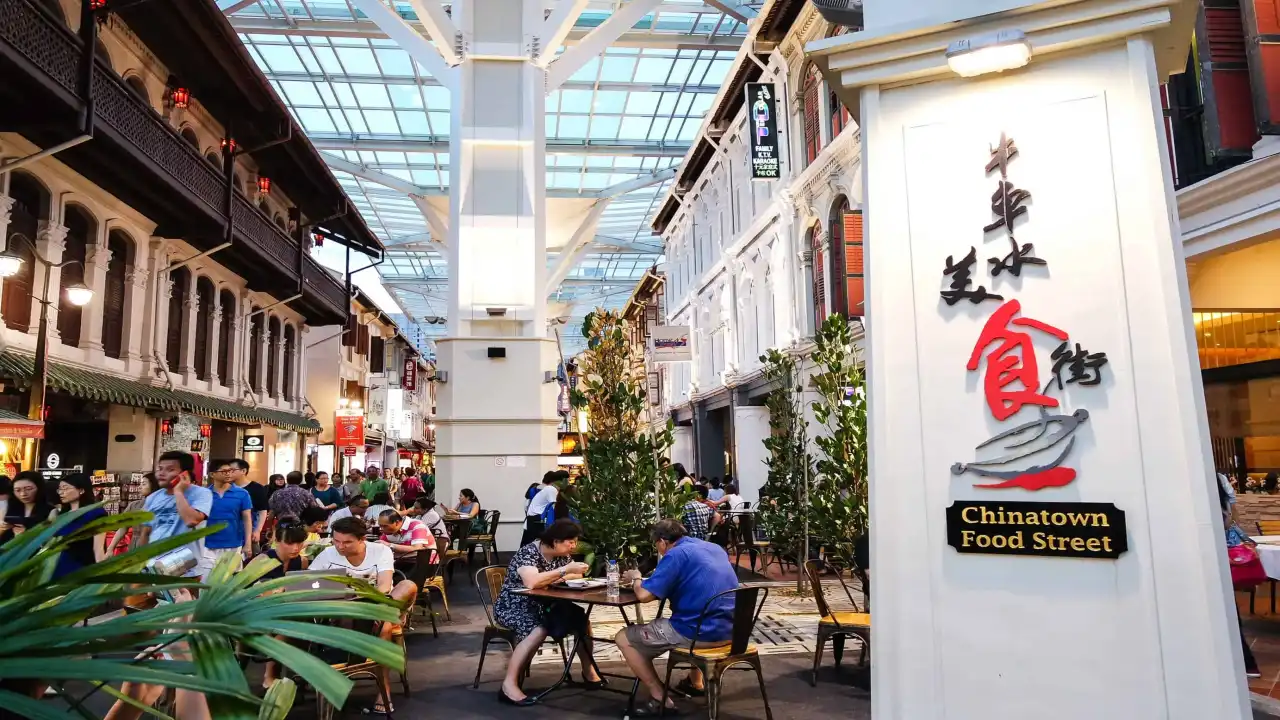
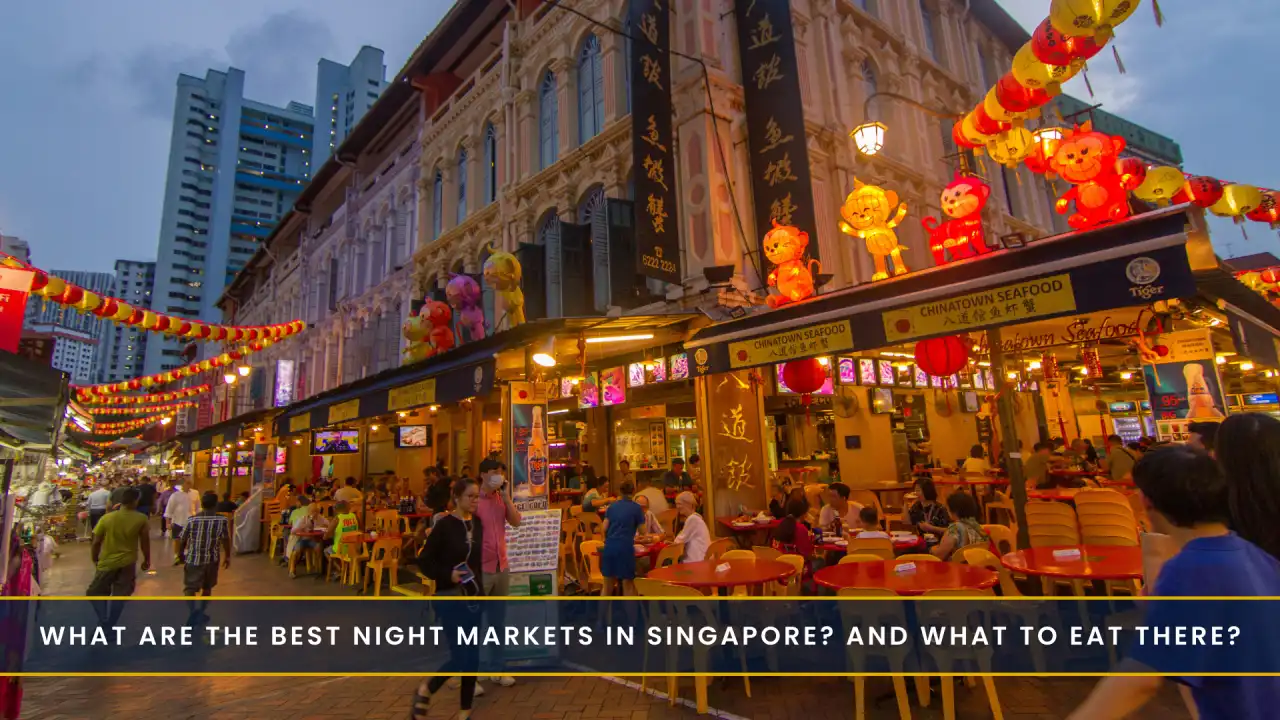
This is what most people picture when they imagine street food in Singapore. Lanterns overhead. Narrow walkways. Food stalls are packed close together. It’s busy, yes, but not overwhelming. There’s a rhythm to it. People queue, eat, and move on. Nothing fancy here. And that’s exactly why it works.
What You’ll Notice Right Away
- Tourists and locals mixed
- Old recipes that haven’t changed much
- Fast service even when it’s crowded
It’s also easy to cover a lot of ground without walking forever.
What to Eat in Chinatown
Some reliable choices:
- Roast duck rice with crispy skin
- Xiao long bao that almost burns your fingers
- Oyster omelette with a bit of heat
- Chee cheong fun with sauce soaking into the rolls
Pro tip: If a stall has a short menu, that’s usually a good sign. They’re focused. They know what they’re doing.
Bugis Street Night Market – Loud, Crowded, and Kind of Fun
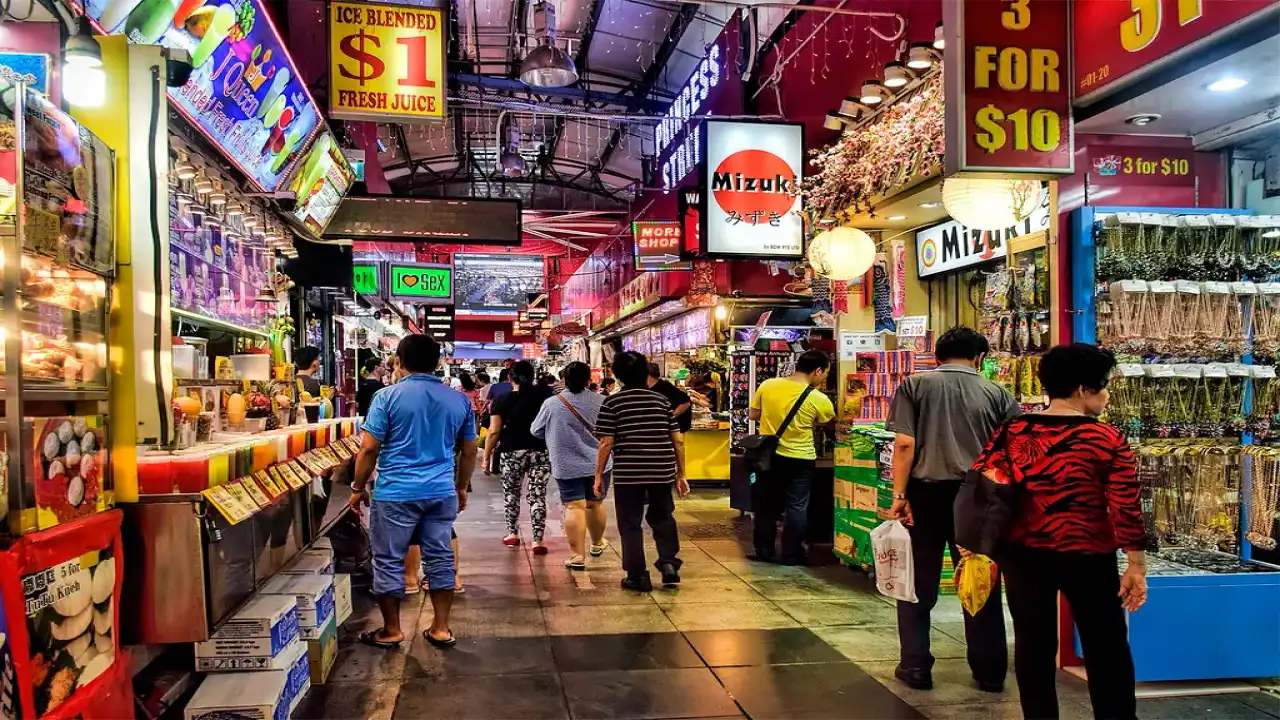
Bugis Street doesn’t pretend to be calm. It’s noisy. Packed. Energetic. Students hang out here. Backpackers too. Anyone looking for cheap food and quick shopping ends up here eventually. This is not a place for slow meals or deep conversations. This is snack territory.
Why Bugis Feels Different
- Smaller portions, lower prices
- Trendy snacks next to traditional food
- Constant movement everywhere
It’s chaotic, but in a way that works.
What to Eat at Bugis
Look out for:
- Korean fried chicken served in cups
- Takoyaki with all kinds of fillings
- Thai milk tea
- Grilled squid on sticks
Pro tip: Keep small bills ready. It speeds things up and makes life easier.
Geylang Serai Bazaar – Rich Flavors and Strong Identity
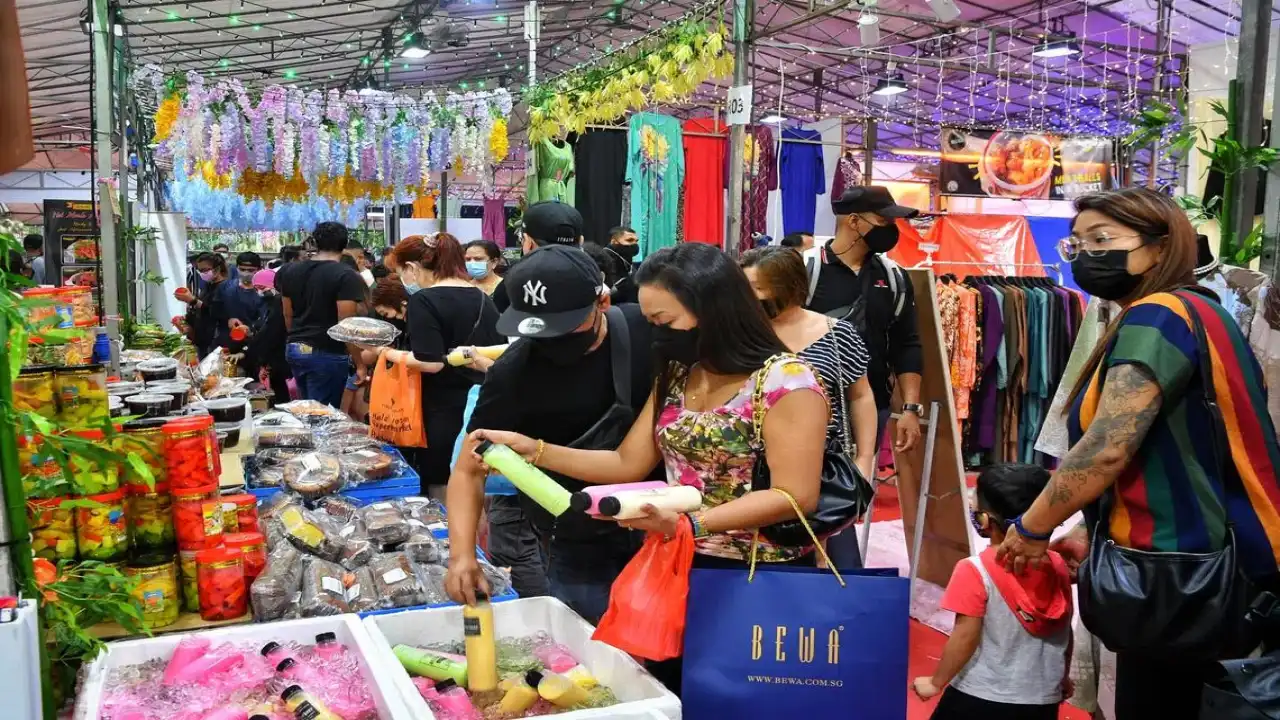
Geylang Serai feels different the moment you arrive. The smells hit first. Spices. Smoke. Something is frying somewhere nearby. It’s deeply tied to Malay culture and gets especially lively during festive seasons. Even on regular nights, it feels warm and welcoming.
Why It Stands Out
- Strong cultural roots
- Traditional Malay food is everywhere
- Many family-run stalls
It doesn’t feel designed for tourists. And that’s a good thing.
What to Eat at Geylang Serai
Don’t leave without trying:
- Nasi lemak with fried chicken
- Murtabak stuffed with meat and egg
- Satay served with compressed rice cakes
- Bandung, the rose-flavored milk drink
Pro tip: Talk to the vendors. Ask what they recommend. They usually point you toward their best dish.
Little India at Night – Busy, Colorful, Still Awake
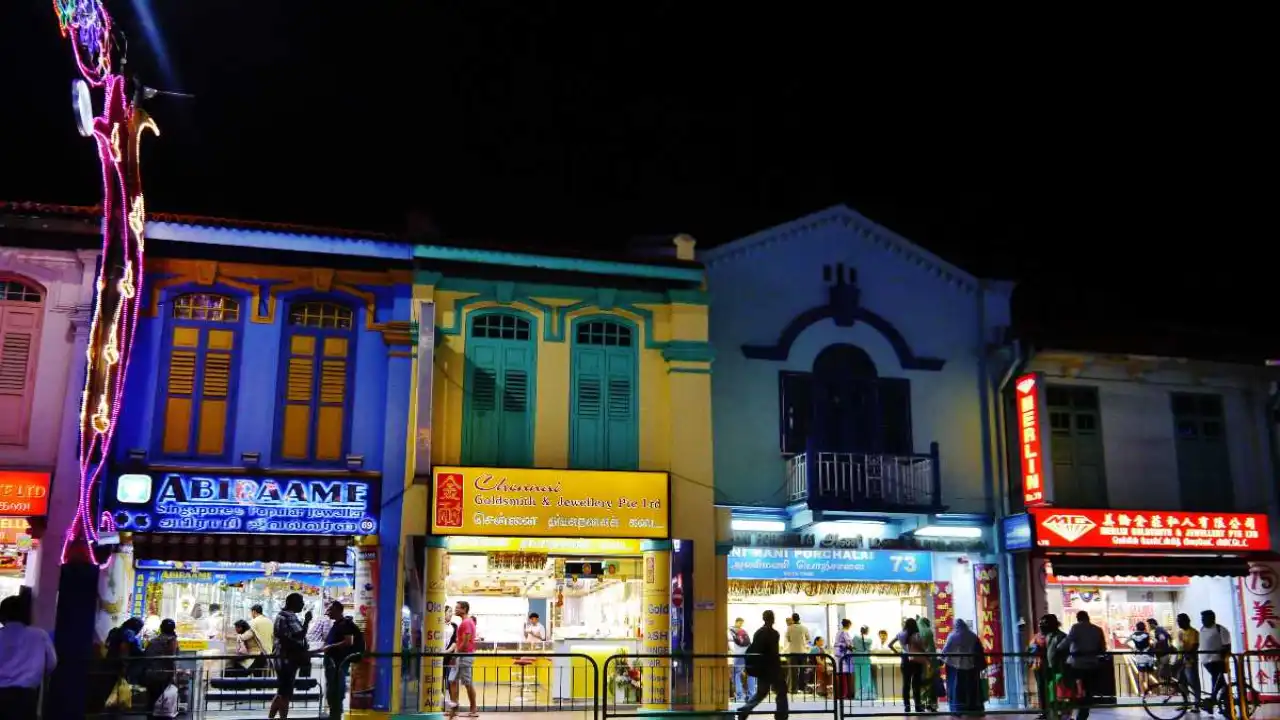
Little India doesn’t really slow down at night. Shops stay open. Music plays. Food stalls keep going. If you like bold flavors and late dinners, this area works well.
What It Feels Like
- Bright colors everywhere
- Strong spice aromas in the air
- Plenty of late-night food options
Even past midnight, it feels awake.
What to Eat in Little India
Good choices include:
- Fresh masala dosa
- Tandoori chicken
- Vadai with chutney
- Mango lassi to cool off
Pro tip: If eating with your hands is allowed, try it. It feels more natural here.
Planning Your Night Market Visits Without Overdoing It
Trying to cover everything in one night sounds smart. It isn’t. You’ll get tired. And full too fast.
A better approach:
- One market per night
- Go hungry, not exhausted
- Walk around before ordering
- Share dishes when you can
If you’re on a Singapore trip package, these markets are often skipped. Don’t skip them yourself.
What You’ll Spend
Night markets aren’t dirt cheap, but they’re reasonable.
Typical costs:
- Snacks: low cost
- Full meals: fair
- Drinks: affordable
You can eat very well without spending much.
Common Mistakes People Make
Easy ones to avoid:
- Ordering from the first stall you see
- Buying too much too early
- Skipping stalls with long lines
- Showing up too early in the evening
Is Street Food at Night Safe?
Yes. Singapore takes food safety seriously. Stalls are inspected often. Still, use common sense.
Quick tips:
- Go where locals are eating
- Watch food being prepared
- Avoid food sitting out too long
How Night Markets Fit Into a Longer Trip
Night markets work best as low-effort evenings. No bookings. No schedules. Just walking and eating. If you’re following a Singapore night markets guide, you’ll notice each place has a different mood. Some are calm. Some are loud. That mix keeps things interesting. People often ask about the best night markets Singapore offers. There’s no single answer. It depends on what you’re in the mood for. And honestly, trying more than one is the best solution.
Conclusion
Singapore’s night markets don’t try to impress you. They don’t chase attention. They just do what they’ve always done: serve good food to hungry people. You probably won’t remember every stall name. Or every price. But you’ll remember standing under warm lights, holding food in your hands, and feeling like you finally saw a more relaxed side of the city. That’s what stays with you. Not just the food, but the feeling of being there. Something that never quite makes it into a brochure or an international trip package, but ends up being the reason you miss the place later.