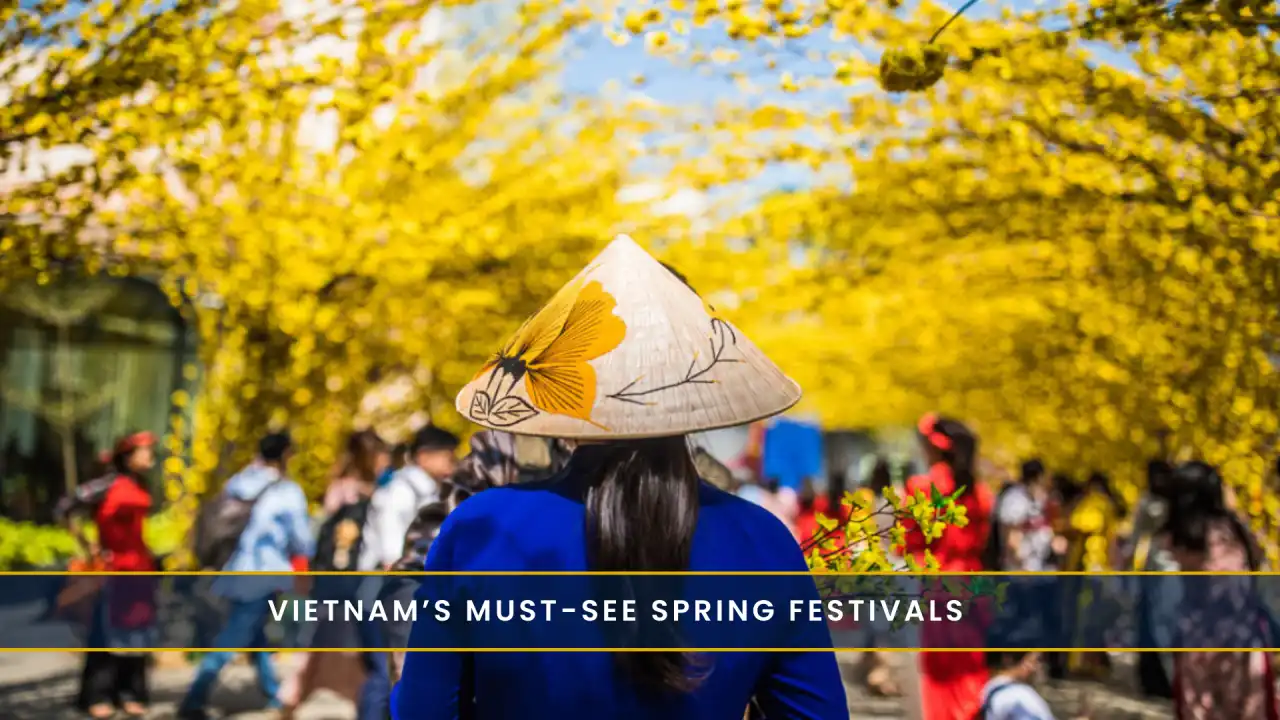
What Are Vietnam’s Must-See Spring Festivals in 2026?
Introduction
Spring in Vietnam doesn’t show up loudly. No warning signs. One day, you just notice the air isn’t sharp anymore, and the sun doesn’t feel like it’s rushing you. Streets look a bit lighter. Trees look greener, maybe they always were. Food smells stronger, especially near morning markets. People slow down, too. You can see it in how they cross roads, how long they sit with coffee.
This is when people go home. Not for a short visit. Properly home. Houses get cleaned like guests are coming. Kitchens stay hot all day. Families finally sit in the same room again, sometimes after way too long. If you’re traveling now, knowing Vietnam's spring festivals matters. Without that, you’re only scratching the surface. These festivals aren’t performances. They’re emotional. Messy. Personal. About seeing relatives, repeating rituals no one questions, whole streets quietly hitting pause together. Think less “tour plan” and more listening, watching, and staying a little longer than you meant to.
Why Spring Turns Into Festival Season in Vietnam
Spring usually starts sometime between late January and early February and drifts on until April. The exact dates change every year because many celebrations follow the lunar calendar. That detail alone says a lot about how deeply tradition runs here. For generations, spring has meant one simple thing: starting over. Winter fades. Fields rest. People finally breathe a little easier.
Why do so many festivals happen now?
- Farming work from the last season is finished
- Lunar New Year traditions are passed down without much debate
- The weather makes long outdoor gatherings possible again
- Many spiritual and historical stories are tied to renewal
For travelers, this season feels different. Food tastes more deliberate. Conversations don’t rush. Traditions aren’t put on display for visitors. They’re lived, whether you’re watching or not.
Tet Festival – The Center of Everything
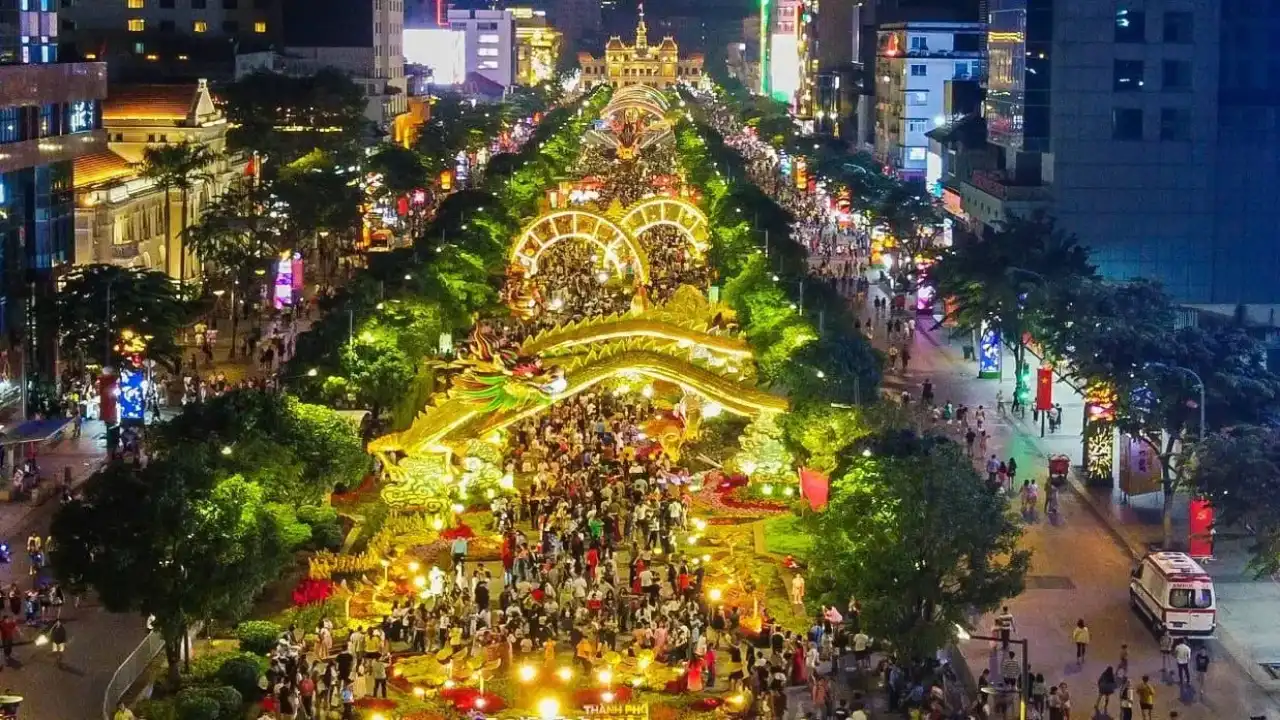
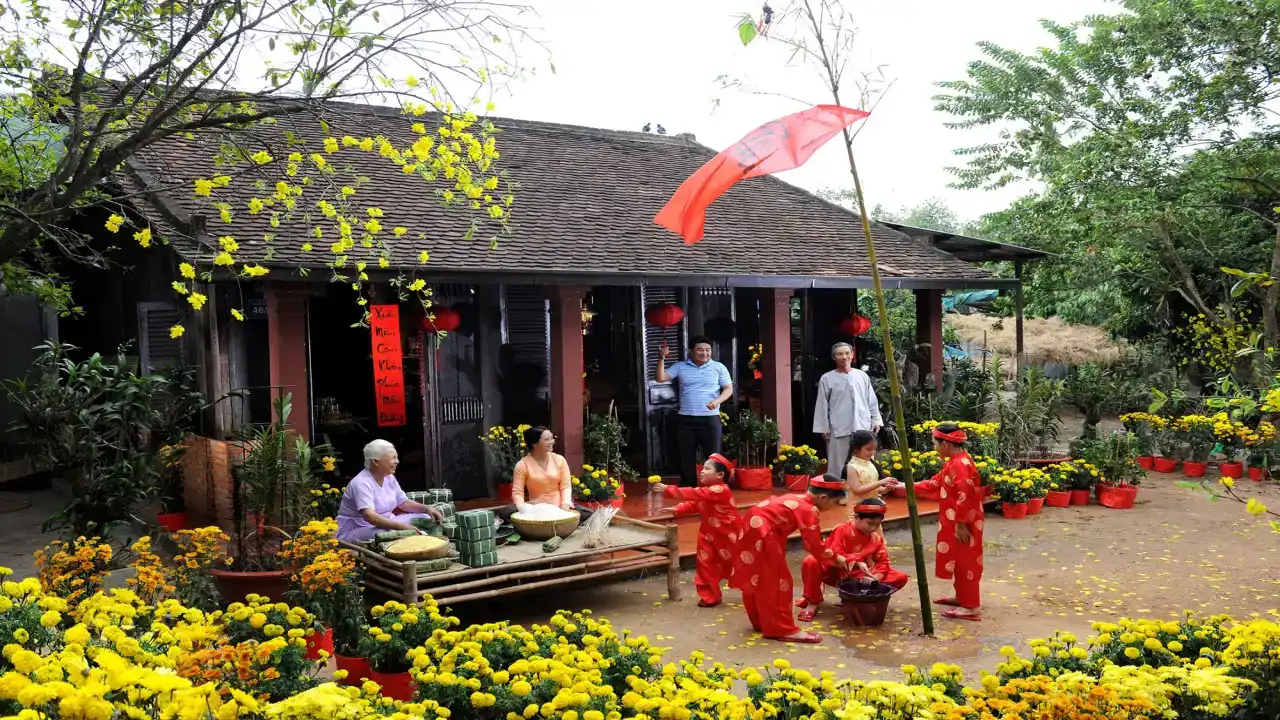
You can’t really talk about spring in Vietnam without talking about the Tet festival in Vietnam. It’s the Lunar New Year, and nothing else even comes close. It usually falls between late January and mid-February. Calling Tet a holiday feels inaccurate. It’s more like the entire country shuts its eyes, exhales, and resets.
What Tet Feels Like for Locals
Tet is about clearing things out. Dust. Bad luck. Old arguments that don’t need carrying into the new year. Homes are cleaned properly. Ancestors are honored. Families sit down together, sometimes for the first time in a long while.
Around Tet, you’ll notice:
- Peach blossoms in the north, yellow apricot flowers in the south
- Cities are growing strangely quiet as people leave for their hometowns
- Huge pots of banh chung are cooking slowly, sometimes all night
- Children gripping red envelopes with lucky money inside
What Travelers Should Expect
Tet is special, but it also changes everything.
A few honest tips:
- Book transport and hotels early, prices rise fast
- Expect closures, especially small local shops
- Enjoy empty streets in cities like Hanoi, it rarely happens
- Be respectful when entering homes or temples
If you’re okay with plans shifting a bit, Tet often becomes the most memorable part of the trip. You can check out our blog, Why Tet Festival Is the Heartbeat of Vietnam, for more insights.
Perfume Pagoda Festival – Slow, Quiet, Meaningful
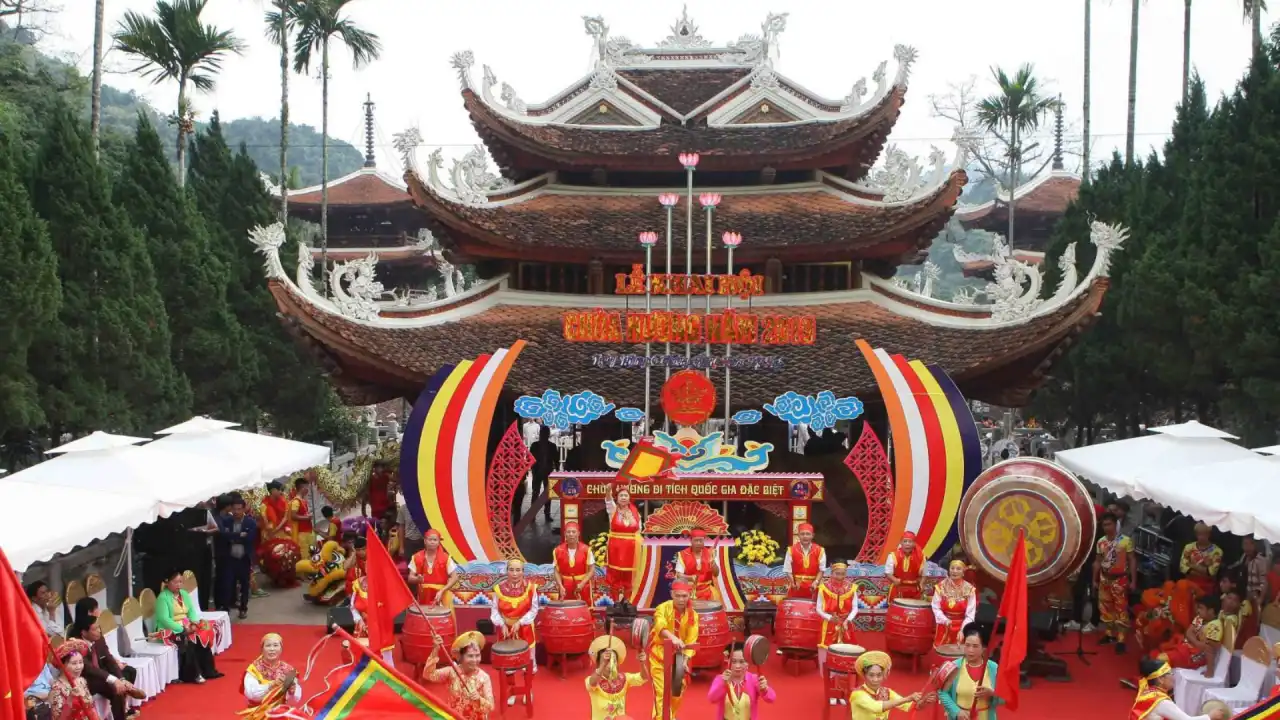
From February to April, near Hanoi, the Perfume Pagoda Festival unfolds at its own pace. It’s one of the longest spring festivals, and nothing about it feels rushed.
What Actually Happens
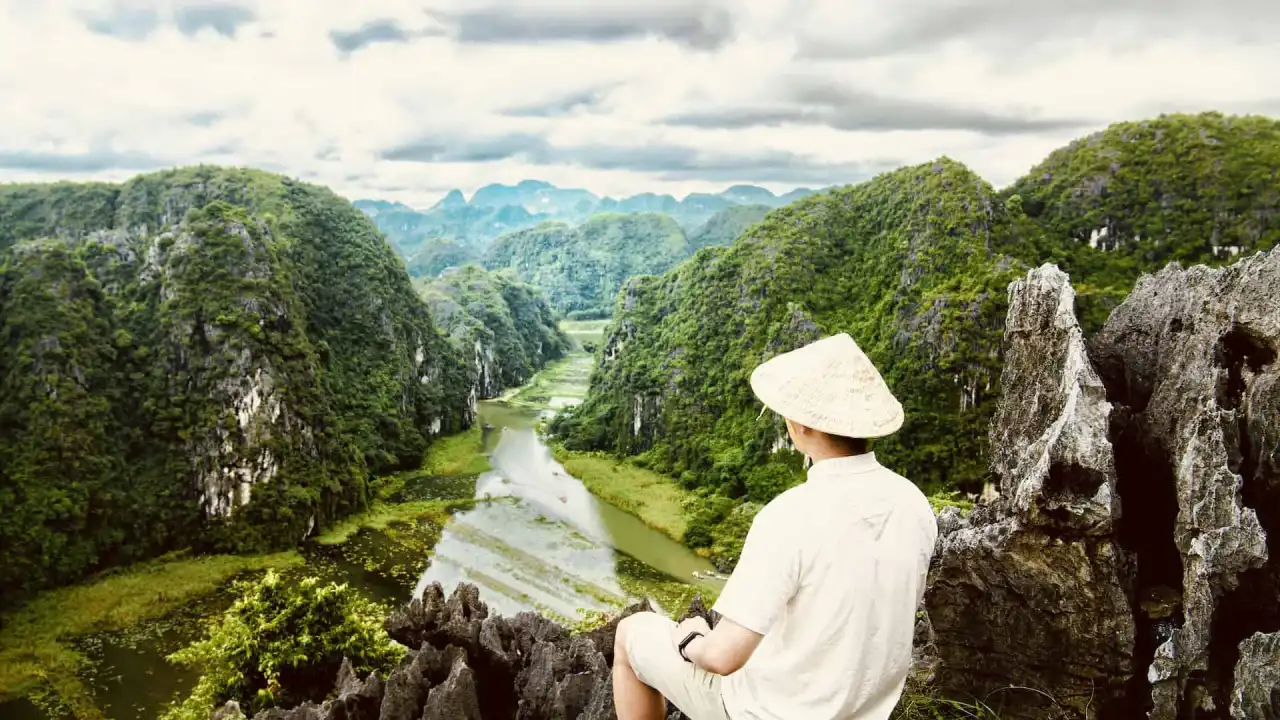
People board small boats and drift along calm rivers. Cliffs slide past. Hills rise quietly on both sides. Eventually, there’s walking. Then climbing. Temples and caves appear, tucked into the landscape. People pray for health, peace, or just a year that doesn’t feel heavy. No one’s in a hurry. That’s kind of the point.
Why Visitors Remember It
Even if religion isn’t your thing, something stays with you. The soft knock of water against the boat. Incense smoke hangs in the air. Long stretches of shared silence with strangers.
Things worth remembering:
- Wear shoes you trust
- Dress simply and respectfully
- Start early if crowds bother you
It’s a side of Vietnam many people miss because it doesn’t try to grab attention.
Lim Festival – Music That Belongs to the People
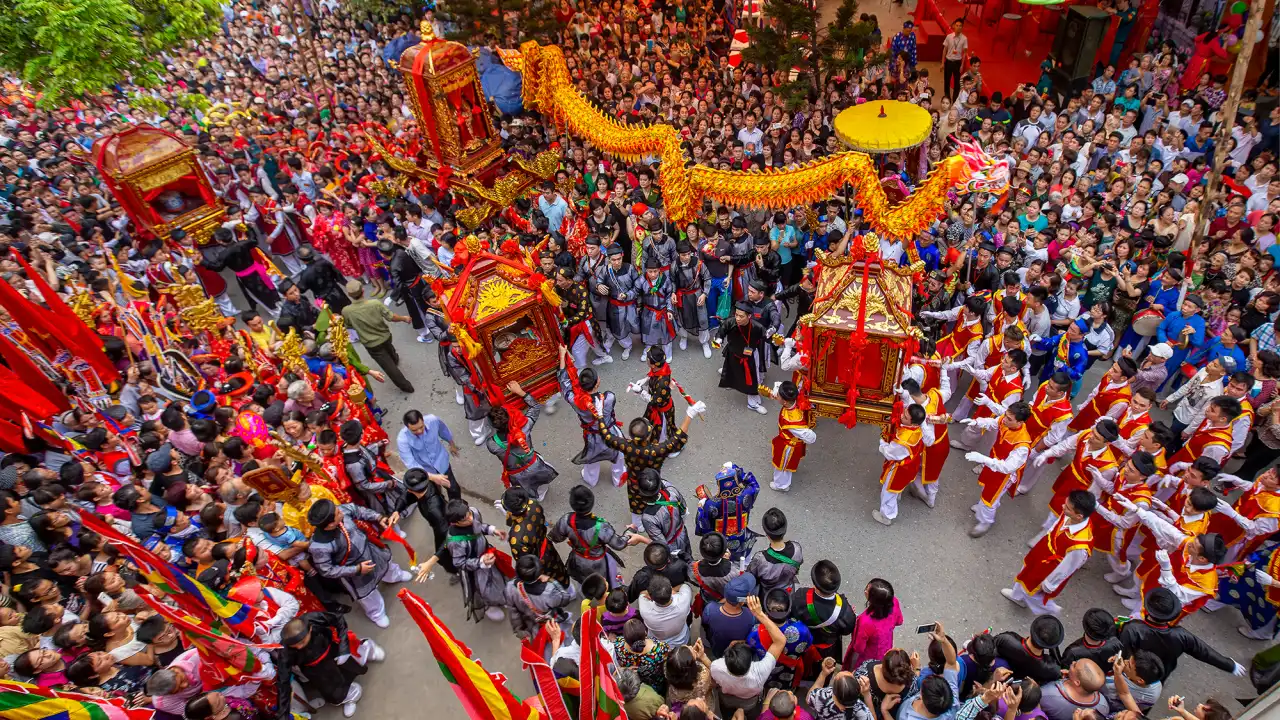
Lim Festival takes place in Bac Ninh province, usually in February. It revolves around Quan Ho folk singing, where groups sing back and forth in playful, teasing rhythms.
What Makes It Feel Different
Nothing feels staged. Singers perform from boats, courtyards, and small open spaces. Locals sit nearby, chatting, listening, sometimes joining in without warning.
You’ll probably notice:
- Traditional outfits worn with pride
- Friendly singing challenges filled with humor
- Locals offering tea or betel leaves to visitors
Why People Enjoy It
Lim Festival feels real. No massive stages. No pushing crowds. People are there because this music belongs to them.
Small tip: read a little about Quan Ho beforehand. It helps everything click.
Huong Pagoda and Small Village Festivals
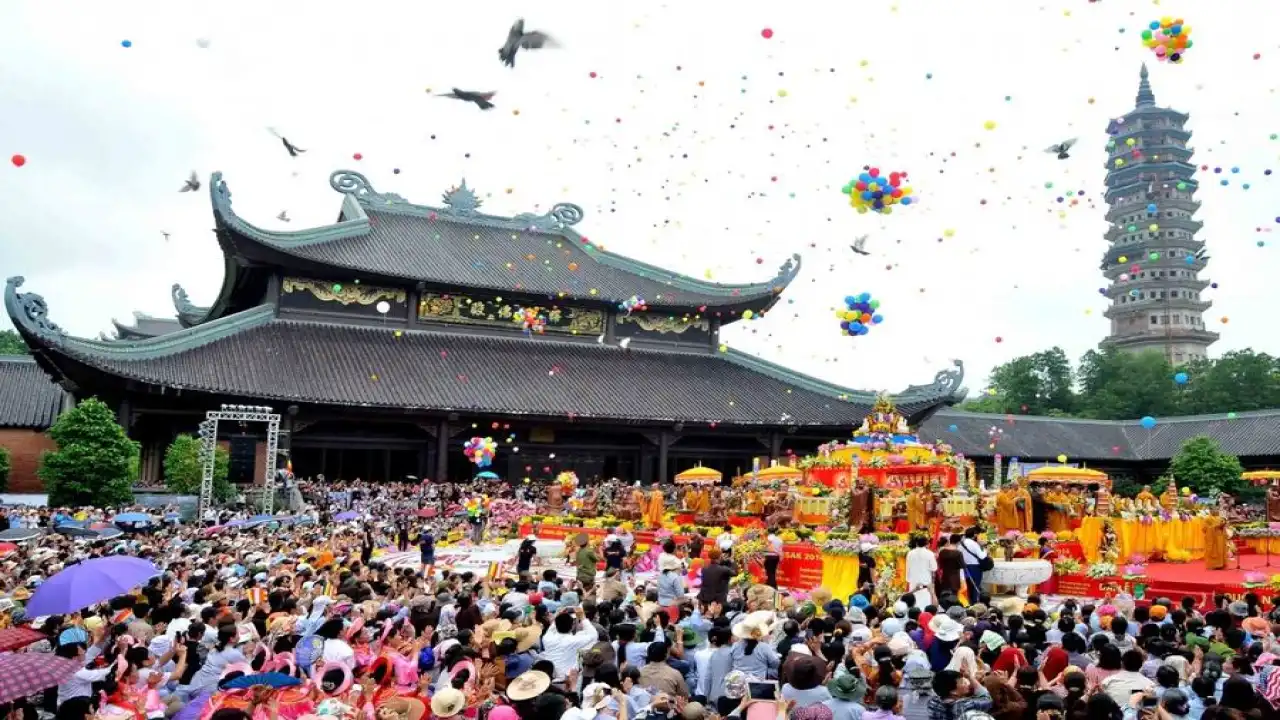
Spring brings countless temple festivals across Vietnam. While Huong Pagoda gets the spotlight, many villages hold quieter celebrations for local spirits or historical figures.
What They Usually Look Like
- Drum-led processions with flags
- Offerings of fruit, flowers, and incense
- Traditional games, food stalls, shared meals
Each one feels different. That’s the beauty of it.
Travel Insight
If you’re visiting rural areas, ask locals what’s happening nearby. Some of the most memorable festivals never make it online.
Da Nang Festival Season – A Modern Twist
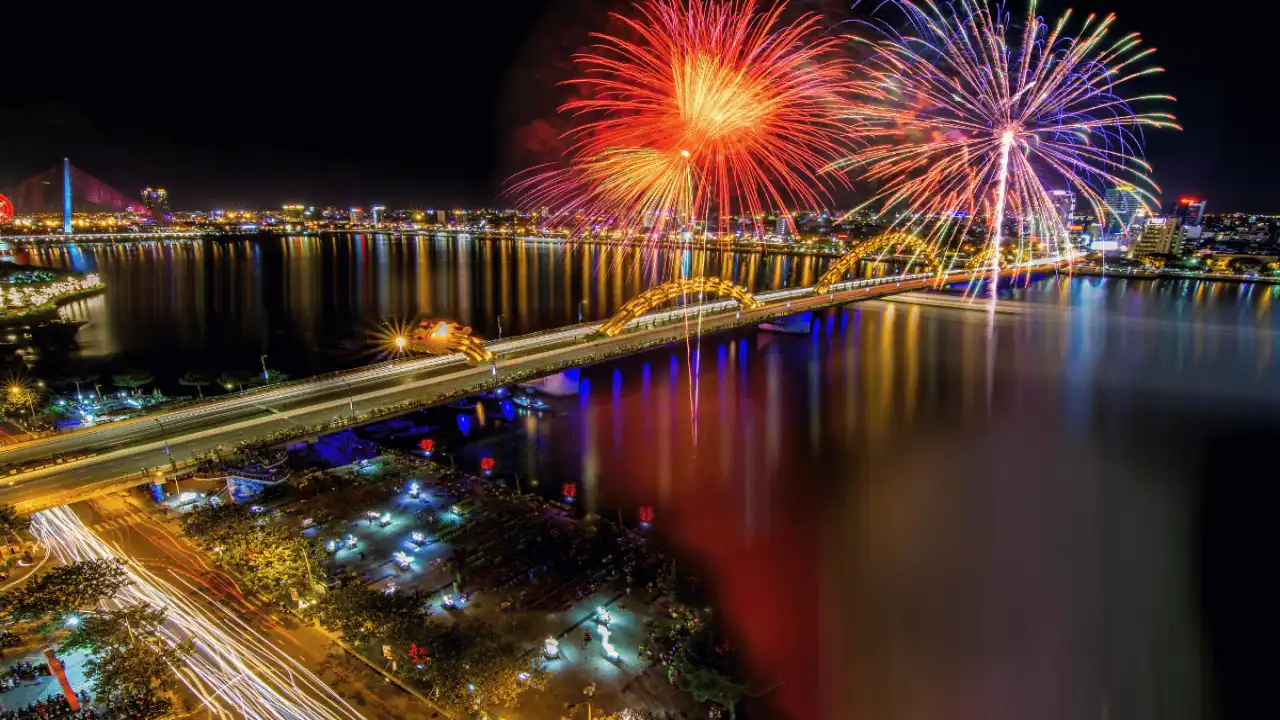
Spring also marks the Da Nang festival season. This city blends tradition with a relaxed, modern energy, especially as spring leans toward summer.
What You’ll See
- Outdoor performances along the river
- Food events focused on central Vietnamese flavors
- Art shows and small cultural pop-ups
Da Nang feels lively without being overwhelming.
For First-Time Travelers
It’s easy to navigate and comfortable to stay in. You can mix festivals, beaches, and sightseeing without burning yourself out.
Hung Kings’ Temple Festival – Remembering the Beginning
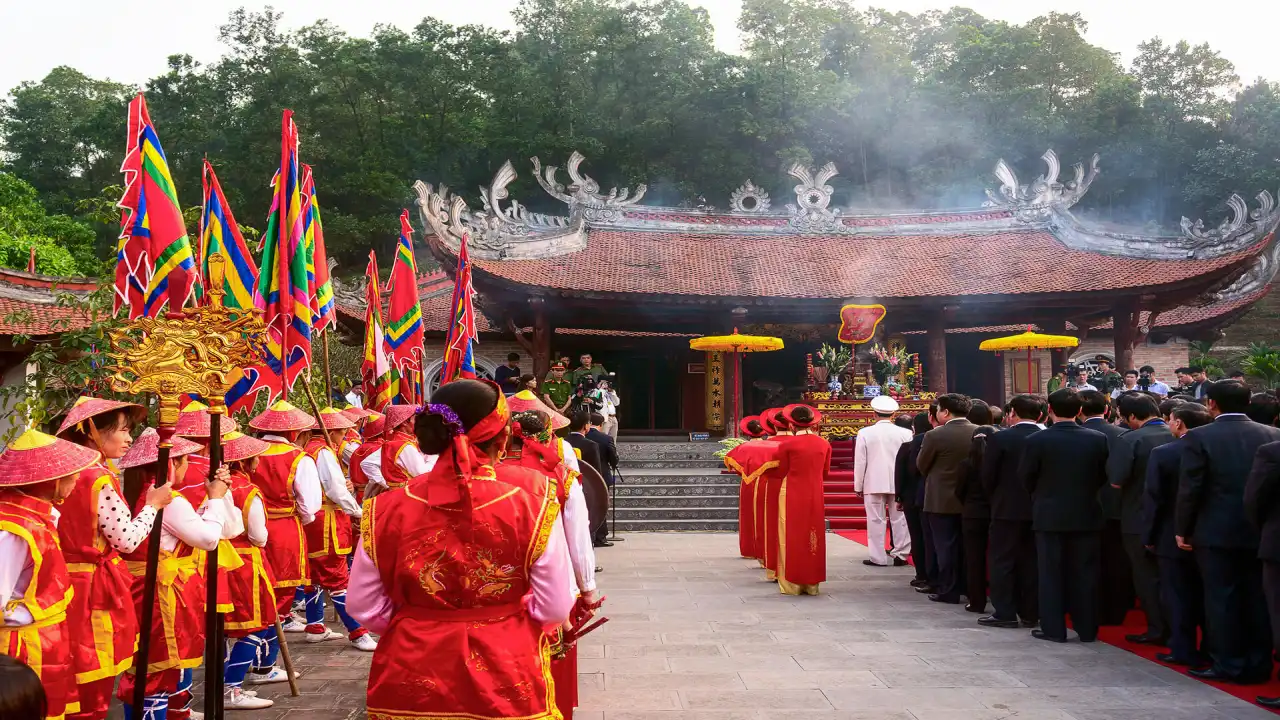
Held in April, the Hung Kings’ Temple Festival honors Vietnam’s legendary founders. It’s a national holiday, and people travel long distances to attend.
Why It Matters
The Hung Kings are seen as the ancestors of the nation. Honoring them isn’t about memorizing history. It’s about shared roots.
What Happens
- Formal ceremonies at the temple
- Traditional rituals and performances
- Large community gatherings
For travelers, it’s a rare look at how deeply history shapes identity here.
Spring Food Hits Different
Festivals change what people eat. Some dishes only appear in spring and are usually homemade.
Common Festival Foods
- Sticky rice cakes wrapped in leaves
- Pickled vegetables to balance rich meals
- Sweet snacks made from beans or rice
Pro tip: if someone offers homemade food, say yes if you can. Sharing food means something here.
How to Be a Good Guest
Festivals are open, but they’re personal.
A few simple habits go a long way:
- Ask locals before taking pictures
- Dress modestly in temples
- Watch and follow local cues during rituals
- Keep noise low in sacred spaces
Respect usually comes back to you in ways you don’t expect.
Conclusion
Spring festivals in Vietnam aren’t about perfect schedules or grand performances. They’re about people showing up. Repeating traditions without overthinking them. Quietly making space for change. As a traveler, you’re not just watching. Even if Vietnam is part of a larger international package You’re stepping into real moments. And if you slow down, stay curious, and respect what’s unfolding around you, Vietnam in spring tends to stay with you long after you’ve left.
Planning a Spring Trip Without Stress
Spring is busy. Planning helps.
Practical Advice
- Check the lunar calendar dates each year
- Mix big cities with smaller towns
- Leave space for flexibility
Festivals also pair well with Family trip packages since they’re relaxed and welcoming.