Chhath Puja 2026: A Guide to Traditions, Celebrations and Sacred Places
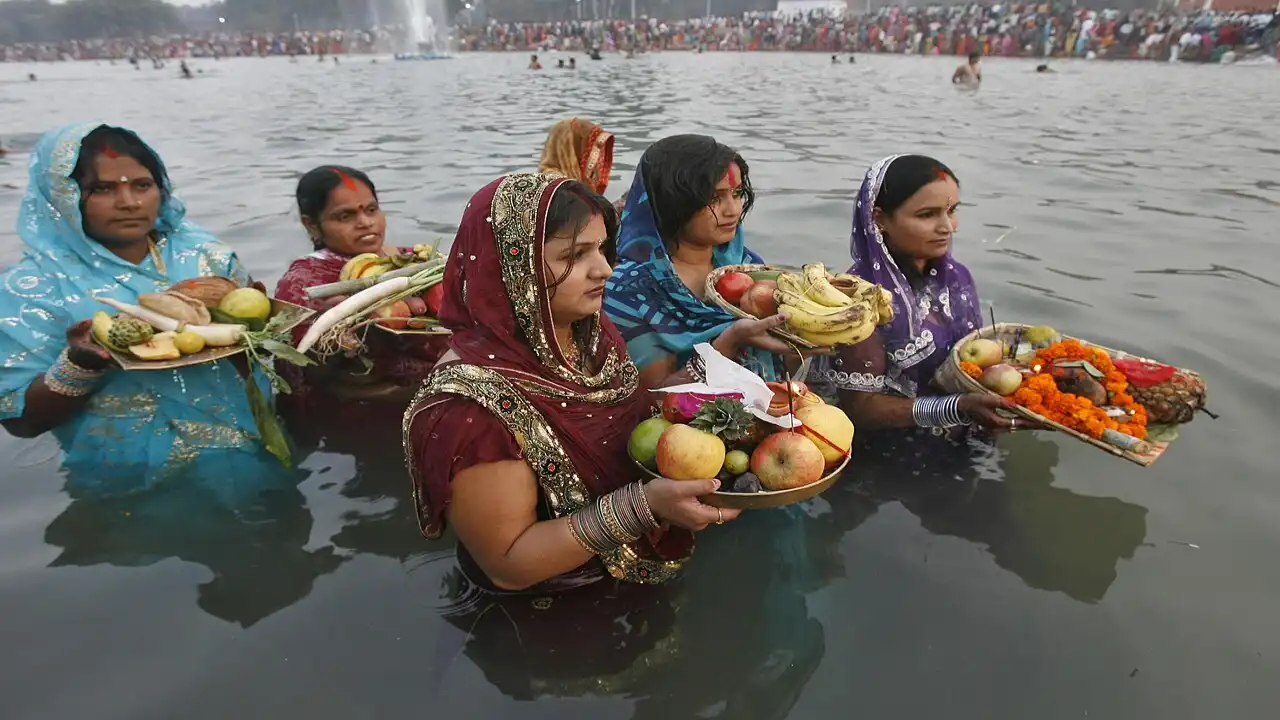
India never runs out of festivals. Honestly, there’s one every other week. But Chhath Puja is different. It’s about nature, faith and family, and you’ll see it mostly in Bihar, Jharkhand, eastern Uttar Pradesh and parts of Nepal. People pray to Surya Dev (the Sun God) and Chhathi Maiya. They fast for hours, and they make simple offerings together.
This year, Chhath Puja is from November 13 to November 16, 2026. Families head to riverbanks, lakes and ponds to pray to the setting Sun and then the rising one. Big names here: the Ganga Ghats in Patna, Dev Surya Mandir in Bihar, and the riverfront in Varanasi. Thinking of going? Check out a Domestic trip package with Travel Junky and plan your trip around the festival.
What Is Chhath Puja and Why Is It Celebrated?
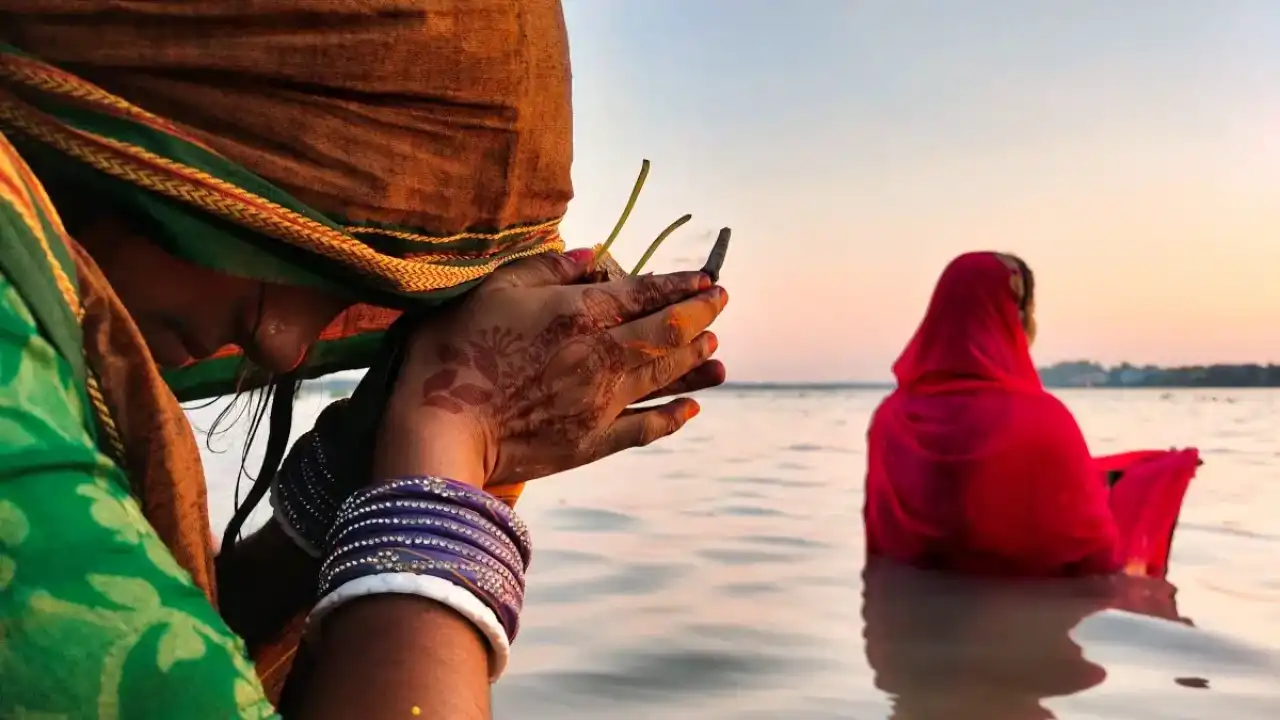
It’s for Surya Dev, whom people believe gives energy, health and prosperity. They also pray to Chhathi Maiya, mostly for their kids and for their family to live long and stay well.
Here’s what stands out:
- Worship of Surya Dev: Prayers for good health and prosperity.
- Worship of Chhathi Maiya: Blessings for children and the whole family.
- Fasting: Very strict, and everything has to stay super clean.
- Traditional offerings: Fruits, sugarcane, thekua and homemade food, packed in bamboo baskets.
- Community celebrations: Families show up at rivers, ponds and lakes and do the rituals together.
History and Religious Significance
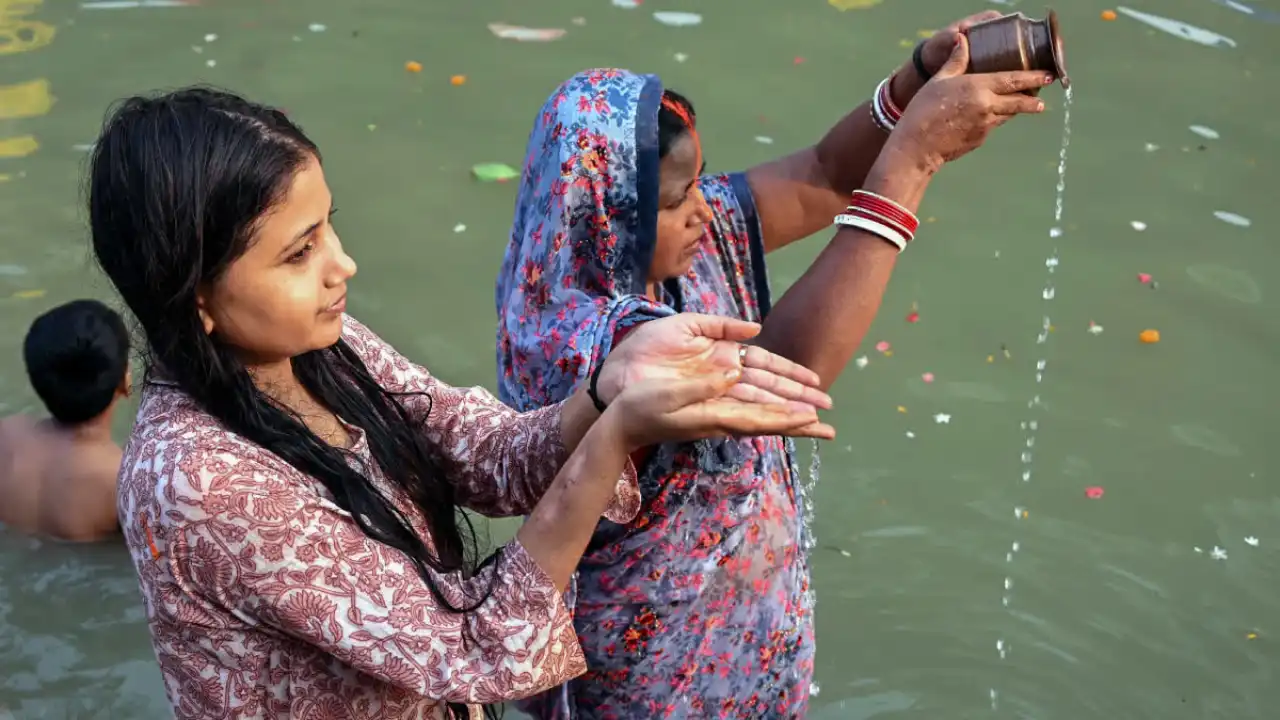
The history of Chhath Puja goes way back to old Hindu Sun worship. Surya Dev is in a few ancient texts, the Vedas included. Then there are the stories from the Ramayana and Mahabharata. One says Lord Rama and Goddess Sita prayed to the Sun God after they got back to Ayodhya. Another ties Karna, Surya Dev’s son, to Sun worship. But these are beliefs, not proven history. Let’s be clear on that. Over the years, the festival has put down deep roots in Bihar, Jharkhand and eastern Uttar Pradesh. And people who moved far away? They still keep it alive, wherever they are.
7 Best Places to Experience the Celebrations
1. Patna, Bihar
Most people’s first pick, and fair enough. Digha Ghat, Gandhi Ghat and Collectorate Ghat on the Ganga are all part of the rituals. Walk through the local markets too, and try the food.
2. Dev Surya Mandir, Deo, Bihar
This temple is in Aurangabad district and it’s all about Surya Dev. The old architecture and the Sun worship link make it feel extra special during the festival.
3. Varanasi, Uttar Pradesh
Old temples, the Ganga, so much history. Assi Ghat and Dashashwamedh Ghat are where devotees gather in the marked areas for prayers and offerings.
4. Ranchi, Jharkhand
Chhath is a big deal in Ranchi. Ranchi Lake and some other water bodies turn into meeting points, depending on local arrangements. There are waterfalls nearby too, a nice bonus.
5. Delhi, India
People from Bihar, Jharkhand and eastern Uttar Pradesh live in Delhi, so the celebrations are big. The Yamuna Riverfront and community ghats are the main spots. Check government announcements for approved locations.
6. Juhu Beach, Mumbai
Families from Bihar and eastern Uttar Pradesh gather here as well. Juhu Beach has hosted community gatherings, but check local permissions and ritual areas before you go.
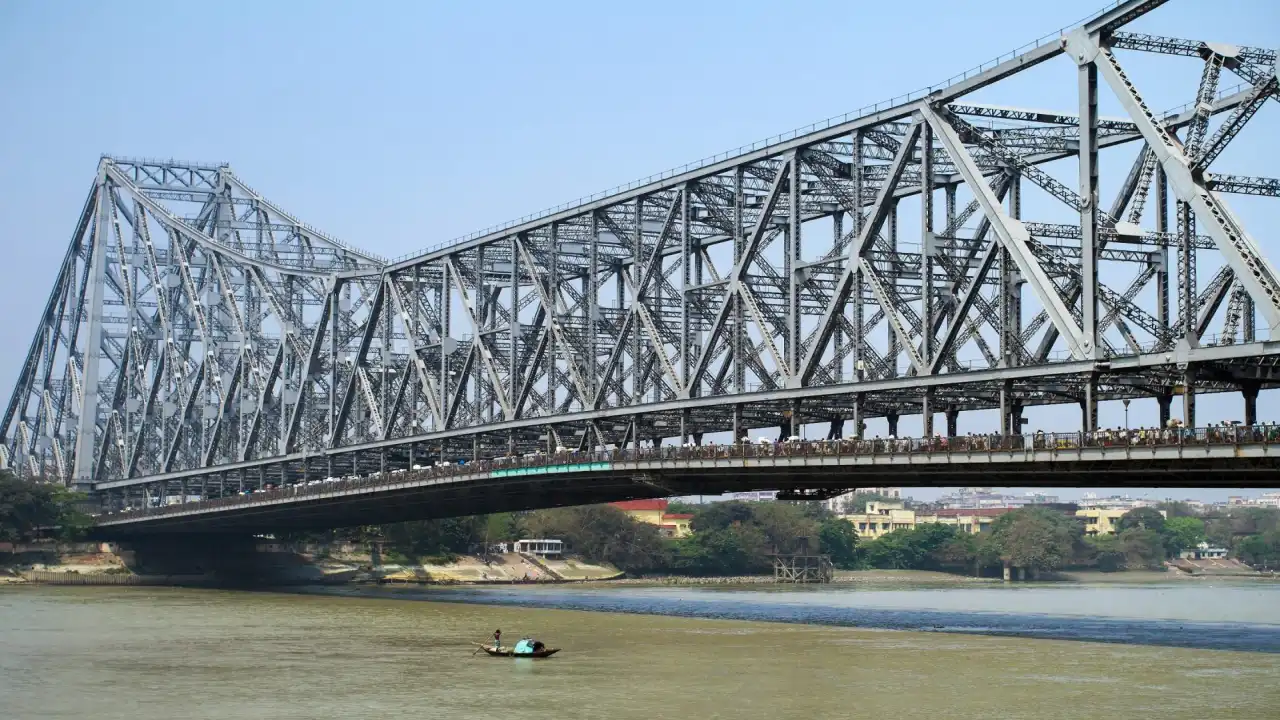
7. Kolkata, West Bengal
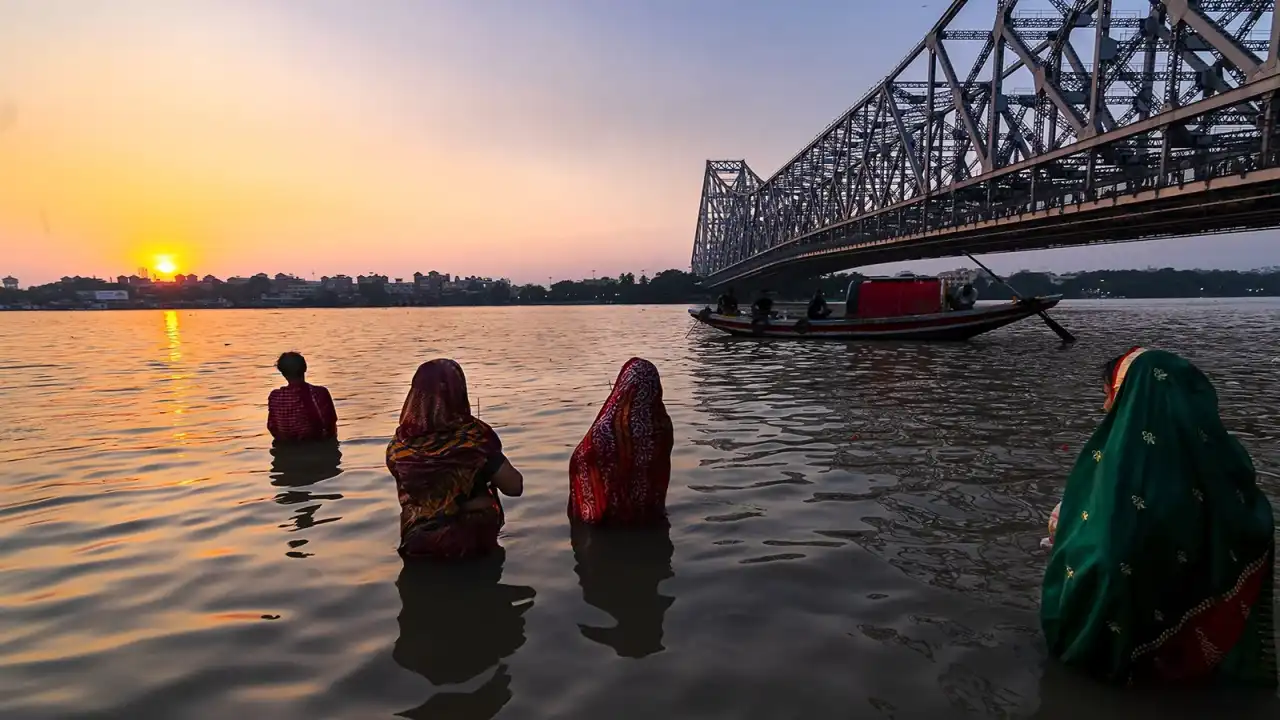
The Hooghly River is the main setting. Devotees come to the riverfront ghats with fruits, sugarcane and homemade prasad. The city’s temples, markets and colonial buildings are worth a look too.
2026 Dates and Four-Day Celebration
Planning to go? Then the Chhath Puja 2026 dates are the first thing you need. Here they are.
What are the 4 days of Chhath Puja and their significance?
1. Nahay Khay – November 13
Day one starts with a holy bath. Then the house gets a proper cleaning, and a simple vegetarian meal goes on the stove: bottle gourd, rice and chana dal. Plain food, but it matters.
2. Kharna – November 14
No food all day. The fast breaks only after evening prayers, usually with jaggery rice kheer, roti and fruits. And right after that meal, the strict fast begins.
3. Sandhya Arghya – November 15
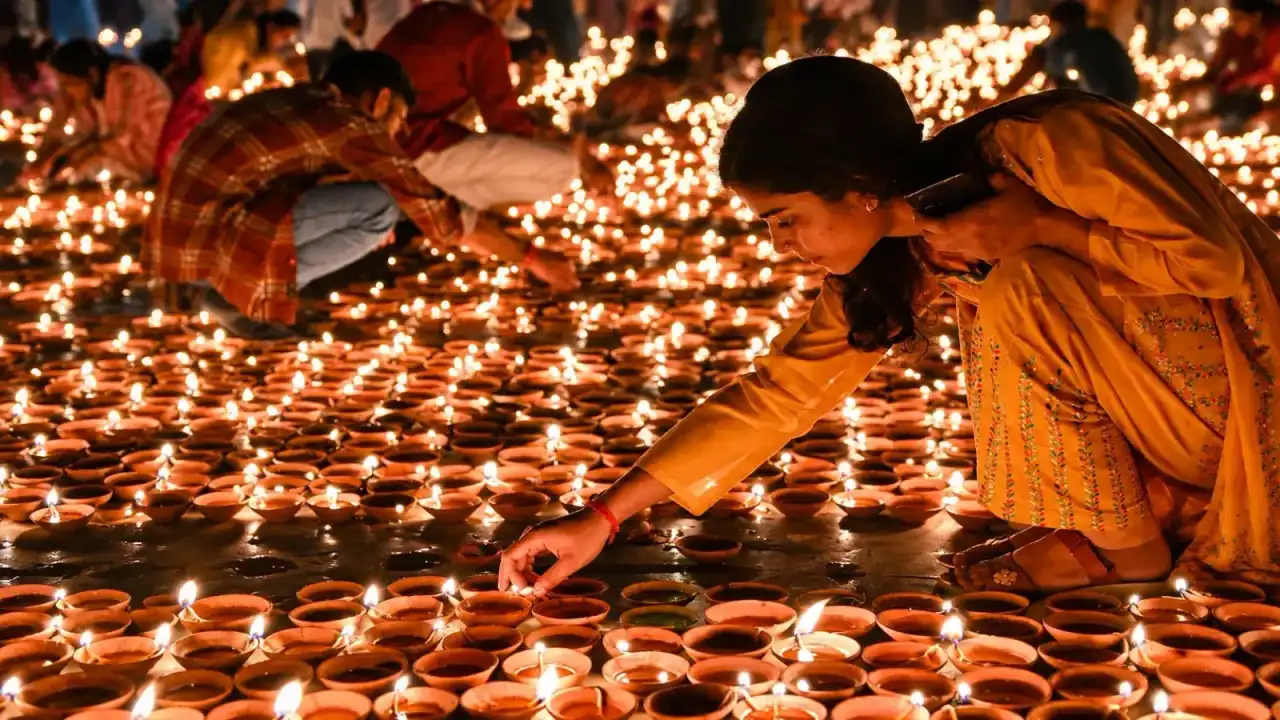
Just before sunset, people gather at the water. Bamboo baskets are loaded with fruits, thekua, sugarcane and other offerings, and the prayers go to the setting Sun.
4. Usha Arghya – November 16
Super early. Still dark, still cold. Devotees go back to the water and pray to the rising Sun. After that, they break the fast with Parana and give prasad to family and neighbours.
Chhath Puja Sandhya Arghya Timing 2026
These follow local sunset and sunrise, so they’re different in every city.
Note: These are approximate. Check your local Panchang and follow the ghat rules before you do any ritual.
Traditional Food and Offerings
Food is a huge part of this festival. Almost everything is made at home, the old way, and people are very careful about keeping things clean. Walk past a kitchen and you’ll probably smell ghee and jaggery before you see anything.
What you’ll usually find:
- Thekua: A sweet made with wheat flour, jaggery and ghee.
- Rasiao Kheer: Rice kheer cooked in jaggery, mostly served at Kharna.
- Seasonal Fruits: Bananas, coconuts, apples and oranges.
- Sugarcane: Used for offerings and for decoration.
- Coconut: Goes right into the bamboo baskets.
Those baskets are called soop and daura. And yes, folk songs play while the food is cooked and during the prayers. It adds a lot.
Travel Tips for Visiting During the Celebrations
Festival travel can get messy, so plan a little. These help:
- Book accommodation early: Hotels near popular ghats go fast.
- Check local timings: Confirm sunset and sunrise before heading out.
- Choose approved ghats: Stick to the designated spots.
- Plan transportation: Roads near big ghats get jammed.
- Carry essentials: Wear comfortable shoes and warm clothes. Mornings are chilly.
- Respect traditions: Don’t disturb devotees, and ask before you take photos.
- Maintain cleanliness: No plastic or waste in rivers and lakes.
Pro Tip: Travelling with kids or elders? Stay close to the celebration spot. Long trips in a crowd are no fun.
Travel Junky can set you up with a trip that mixes festival time with nearby cultural and historical places.
Conclusion
This four-day festival is a big part of India’s culture and faith. From evening prayers to early morning offerings, it’s all devotion, discipline and thanks to nature. Whether you’re by the Ganga in Patna, at Dev Surya Mandir in Bihar, or at community ghats in Delhi and Kolkata, you get a real feel for local customs. And for travellers, it’s a good excuse to visit spiritual places, eat regional food and learn a bit about India’s heritage.
Frequently Asked Questions (FAQs)
1. When is the festival in 2026?
November 13 to November 16, 2026.
2. Why is the setting Sun worshipped?
The setting Sun is worshipped as a symbol of gratitude for the energy that supports life. Devotees also pray to the rising Sun the following morning.
3. Which states celebrate it on a large scale?
Mainly Bihar, Jharkhand and eastern Uttar Pradesh. Delhi, West Bengal and Maharashtra celebrate too.
4. What is the main prasad?
Thekua, mostly. Jaggery kheer, fruits, sugarcane and coconuts are common too.
5. Can tourists attend the celebrations?
Yes. You can watch the rituals at designated ghats and community sites. Just respect local customs and safety rules.
6. How long does the fast last?
It starts after the Kharna meal and runs till the morning offering on day four. That’s around 36 hours.