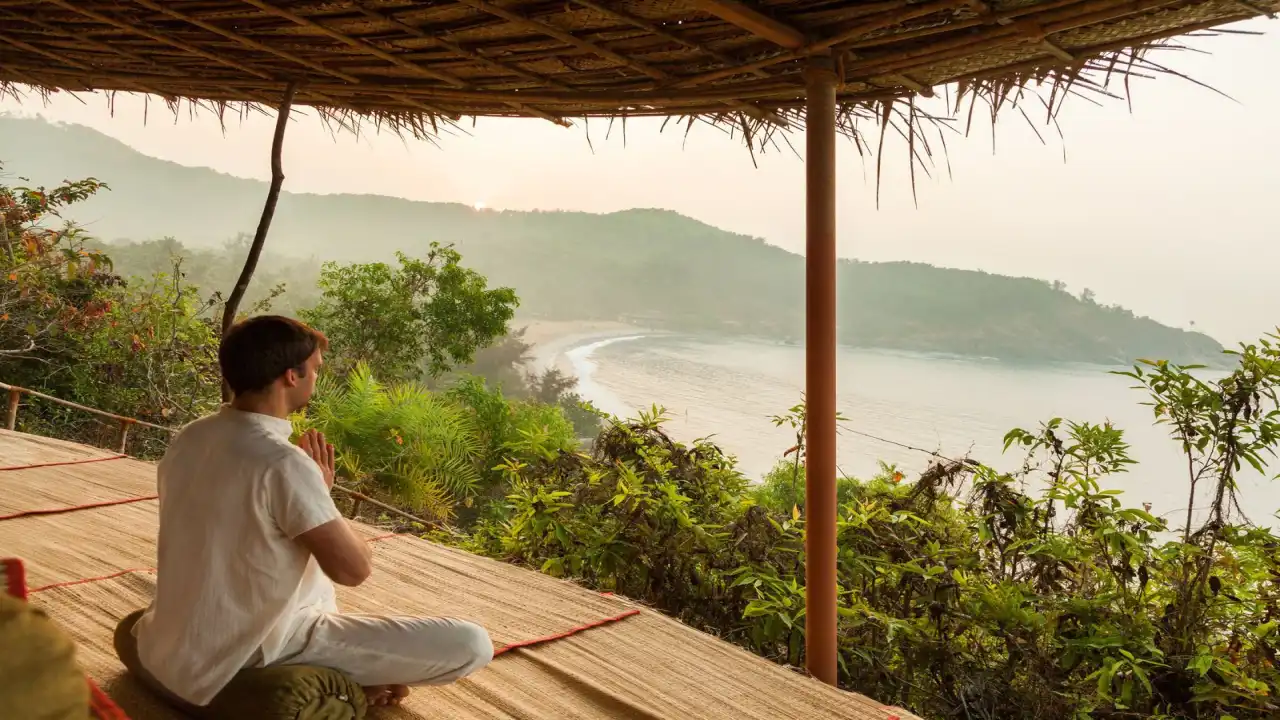
Ditch the Conference Room: Best Corporate Offsite Trip Ideas for Your Team
What is a corporate offsite trip?
A corporate offsite trip is when a team leaves the usual office setup for a few days to work, relax, and spend time together in a different environment. But, as tempting as a corporate offsite trip sounds, it is a hassle to plan one with such a huge group where everyone is a different kind of traveller. Some groups prefer adventure activities and bonfires. Others just want calm resorts, decent food, stable Wi-Fi, and a break from back-to-back calls.
Since you have landed here, that means you must be circling around which destination you should plan your trip around and how. Don’t worry, Travel Junky has got your back. Here is a list of Corporate offsite ideas for both domestic and international destinations. Every little detail, from budget to the best month to visit, is covered; you just need to read and pick!
Best corporate offsite destinations in India
Jim Corbett, Uttarakhand
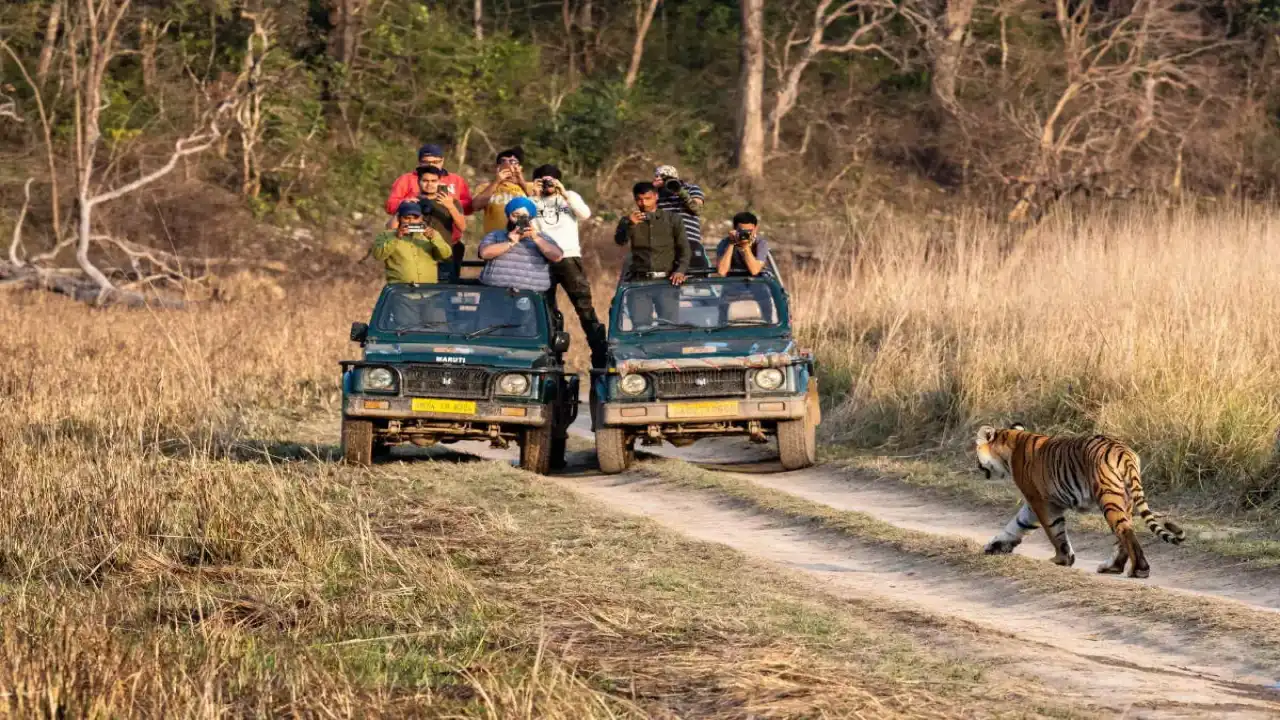
A practical pick for Delhi-NCR companies that want quick access without airport fatigue. Most groups stay around Dhikuli or near the Kosi River belt, where resorts have enough open space for activities without feeling boxed in. Safari zones like Bijrani and Jhirna are the main draw, though riverside properties now host surprisingly polished leadership retreats too.
- Best for: Teams of 20–60 wanting nature, short travel time, and activity-heavy schedules.
- Description: Forest lodges, riverfront resorts, safari access, and easy road connectivity from Delhi.
- Top activities: Jeep safaris, riverside dinners, obstacle courses, bonfire sessions, nature walks, and Corbett Falls visits.
- Cost range per head: ₹10,000–₹22,000 for 2N/3D, depending on resort category and transport.
- Best time to visit: October to March.
Insider Tip: A lot of companies underestimate winter fog delays here. If your agenda includes morning sessions, keep buffer time. Also, avoid stacking safari bookings too tightly. Forest permits rarely cooperate with spreadsheet optimism.
Goa (North)
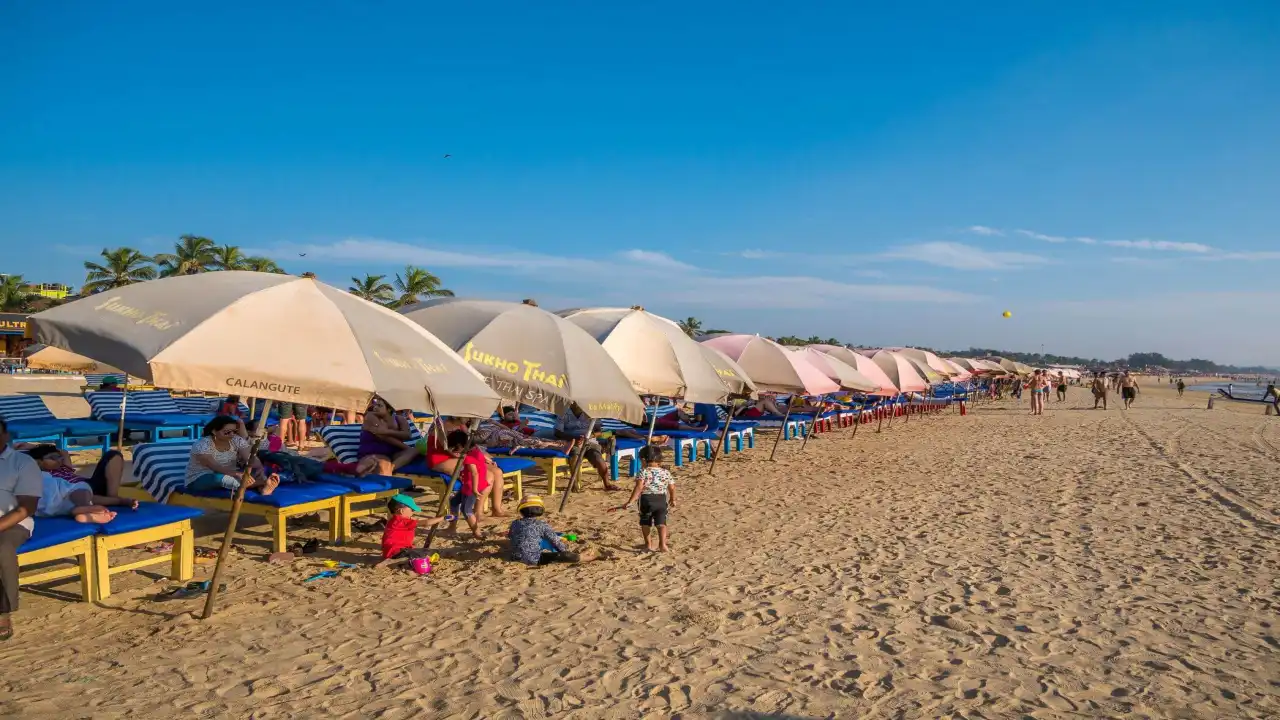
North Goa works best when teams stop pretending they are there for “deep strategic alignment” and admit they also want beaches, bars, and slower evenings. Vagator, Anjuna, and Candolim remain the most practical zones for group stays because airport transfers stay manageable and nightlife is close without becoming intrusive.
- Best for: Young teams, startups, mixed work-and-party offsites.
- Description: Beach resorts, nightlife, private villas, water sports, flexible event venues.
- Top activities: Sunset cruises, ATV rides, beach Olympics, shack hopping, scuba sessions, and private DJ nights.
- Cost range per head: ₹15,000–₹35,000.
- Best time to visit: November to February.
Important Note: North Goa gets chaotic around Christmas and New Year. Hotel pricing turns irrational very quickly. Mid-January usually delivers better weather and fewer crowds.
Manali, Himachal Pradesh
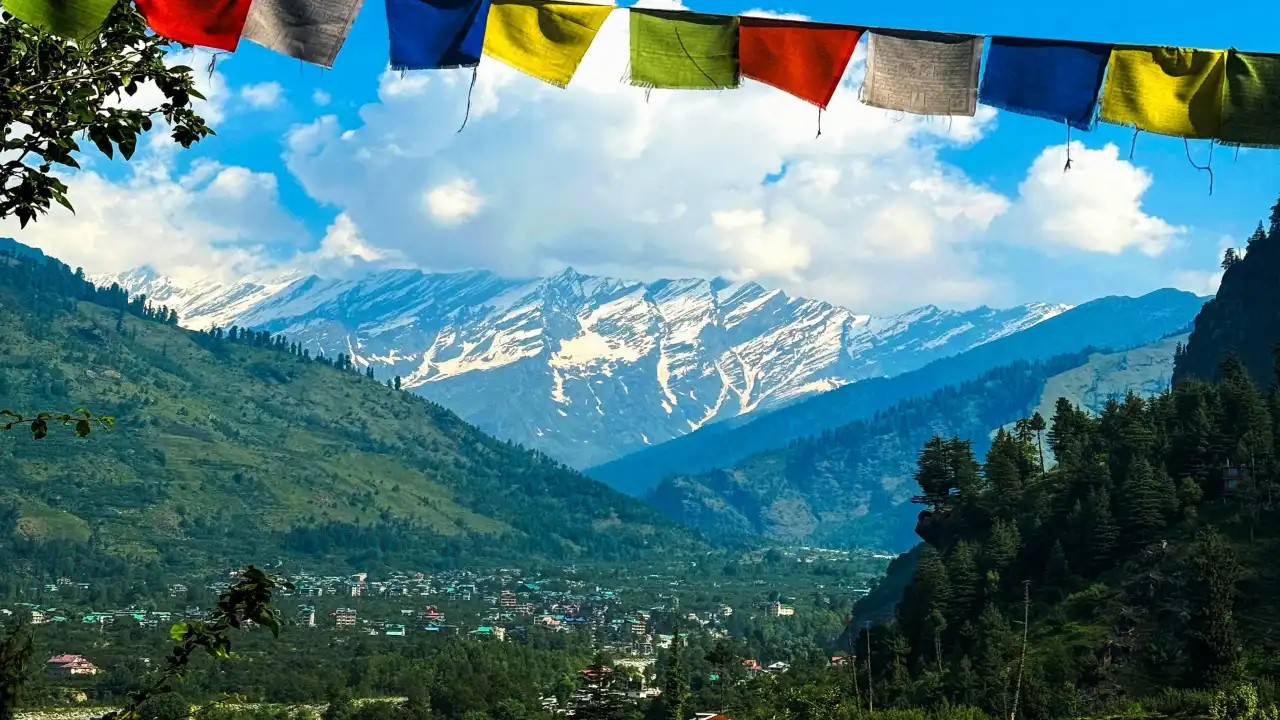
Mountain offsites change team dynamics in interesting ways. People slow down. Conversations stretch longer. Phones become slightly less important once the road starts climbing after Kullu. Old Manali and Naggar are better choices than central Mall Road if the goal is privacy.
- Best for: Mid-sized teams wanting cooler weather and mountain activities.
- Description: Pine forests, mountain cafés, riverside stays, adventure sports, scenic remote work setups.
- Top activities: Solang Valley excursions, rafting in the Beas River, hiking trails near Jogini Falls, café crawls, camping.
- Cost range per head: ₹14,000–₹28,000.
- Best time to visit: March to June and September to November.
Pro tip: Road fatigue is real here. If the team has limited leave days, fly into Bhuntar instead of taking overnight buses. It changes the energy level on day one dramatically.
Udaipur, Rajasthan
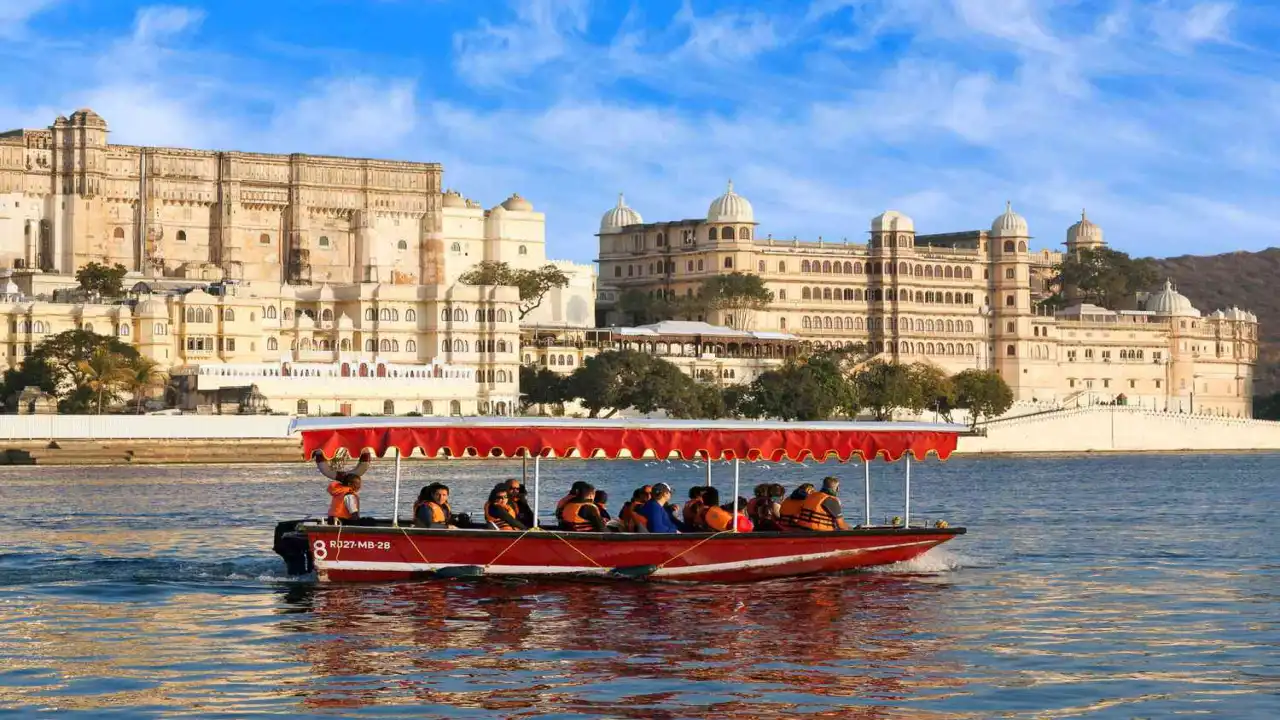
Udaipur works particularly well for leadership groups, client-facing teams, and companies wanting a polished setting without international travel paperwork. Lake Pichola properties and heritage havelis tend to create the right atmosphere naturally. You do not need to over-program the itinerary.
- Best for: Leadership retreats, formal corporate gatherings, luxury-focused groups.
- Description: Heritage hotels, lakeside venues, cultural evenings, luxury hospitality.
- Top activities: Boat rides on Lake Pichola, folk performances, palace visits, rooftop dinners, and vintage car museum tours.
- Cost range per head: ₹18,000–₹45,000.
- Best time to visit: October to March.
Insider Tip: Summer off-sites here can become punishing by afternoon. Schedule outdoor activities early or after sunset.
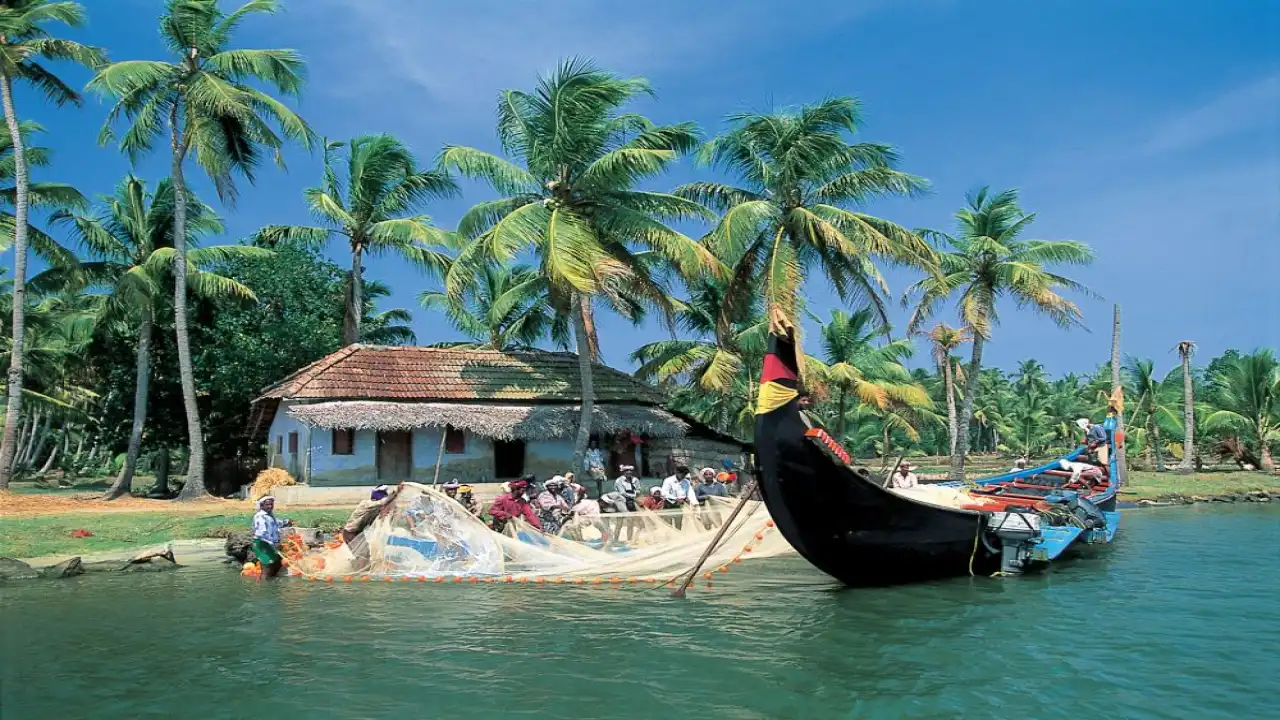
Munnar, Kerala
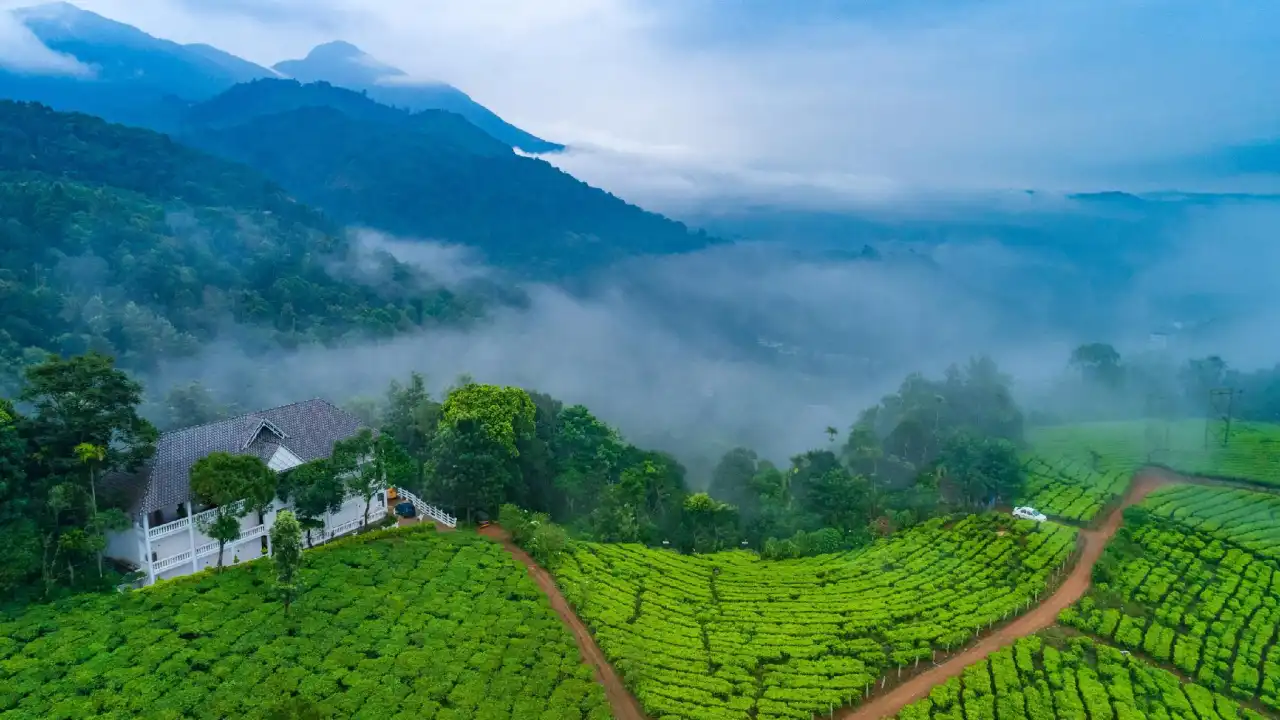
Munnar is quieter than most off-site destinations. That is precisely its advantage. Tea estates around Chithirapuram and Pallivasal offer large resort campuses with enough isolation for focused sessions without feeling cut off entirely.
- Best for: Wellness-focused teams and slower-paced retreats.
- Description: Tea plantations, misty hills, eco-resorts, calm surroundings, wellness stays.
- Top activities: Plantation walks, Ayurvedic treatments, Eravikulam National Park visits, jeep trails, spice garden tours.
- Cost range per head: ₹16,000–₹30,000.
- Best time to visit: September to March.
Fact: Wi-Fi stability varies outside larger resorts. Test bandwidth before promising hybrid workshops or live-streamed sessions.
Bali, Indonesia

Bali has become one of the strongest international options for Indian companies because the value equation still works. Seminyak offers nightlife and villas, Ubud leans quieter and greener, while Canggu attracts younger tech teams who somehow manage to turn coworking spaces into social ecosystems.
- Best for: Creative teams, remote-first companies, international incentive trips.
- Description: Private pool villas, beach clubs, coworking-friendly cafés, tropical landscapes.
- Top activities: Surf lessons, ATV jungle trails, temple visits, beach club evenings, waterfall tours, yoga sessions.
- Cost range per head: ₹45,000–₹90,000, including flights.
- Best time to visit: April to October.
Insider Tip: A surprising number of teams overschedule Bali. Leave at least one unscripted afternoon. People usually remember those most.
Phuket, Thailand
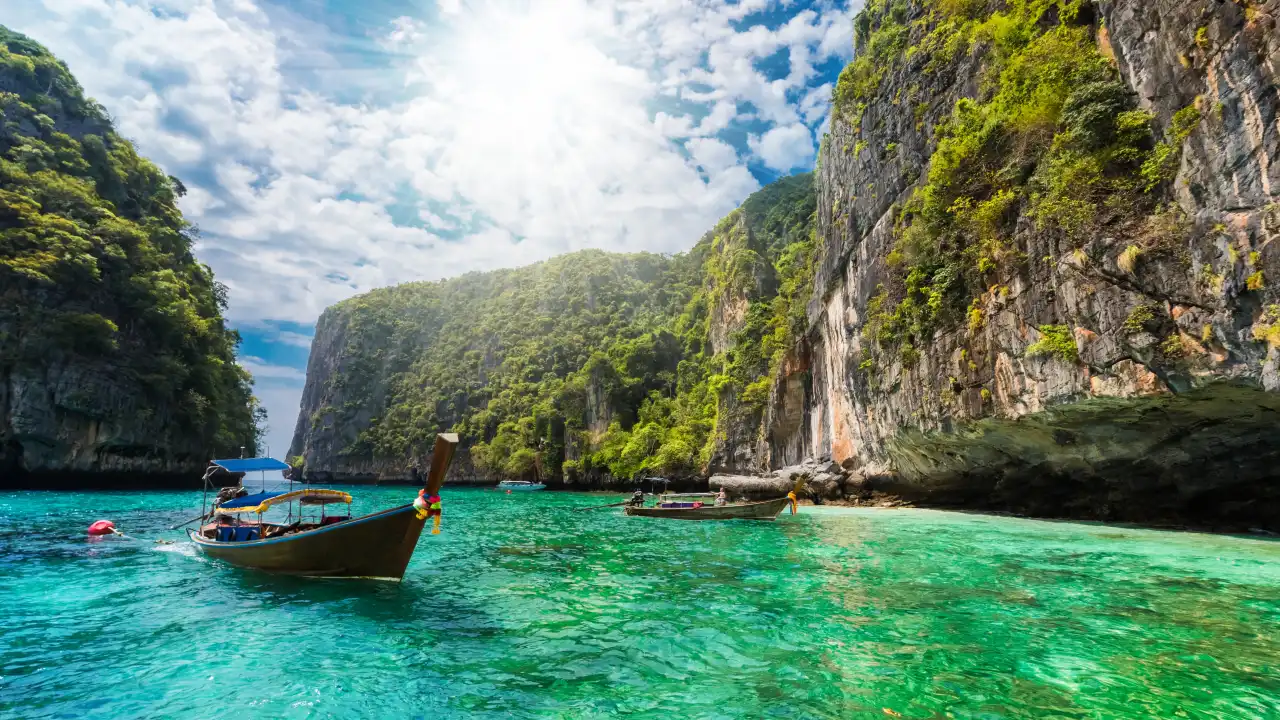
Phuket is logistically easier than many companies expect. Short flights from India, a large inventory of group hotels, and reasonably priced private transport make it efficient for larger teams. Patong is loud. Kata and Kamala are calmer and generally better suited for structured retreats.
- Best for: Large corporate groups and reward trips.
- Description: Beach resorts, island excursions, nightlife access, scalable hospitality infrastructure.
- Top activities: Phi Phi island tours, snorkeling, Thai cooking workshops, beach games, and catamaran cruises.
- Cost range per head: ₹40,000–₹75,000.
- Best time to visit: November to April.
Note to make: Monsoon season discounts look tempting, but marine tours often get cancelled. Build flexible itineraries if traveling during shoulder months.
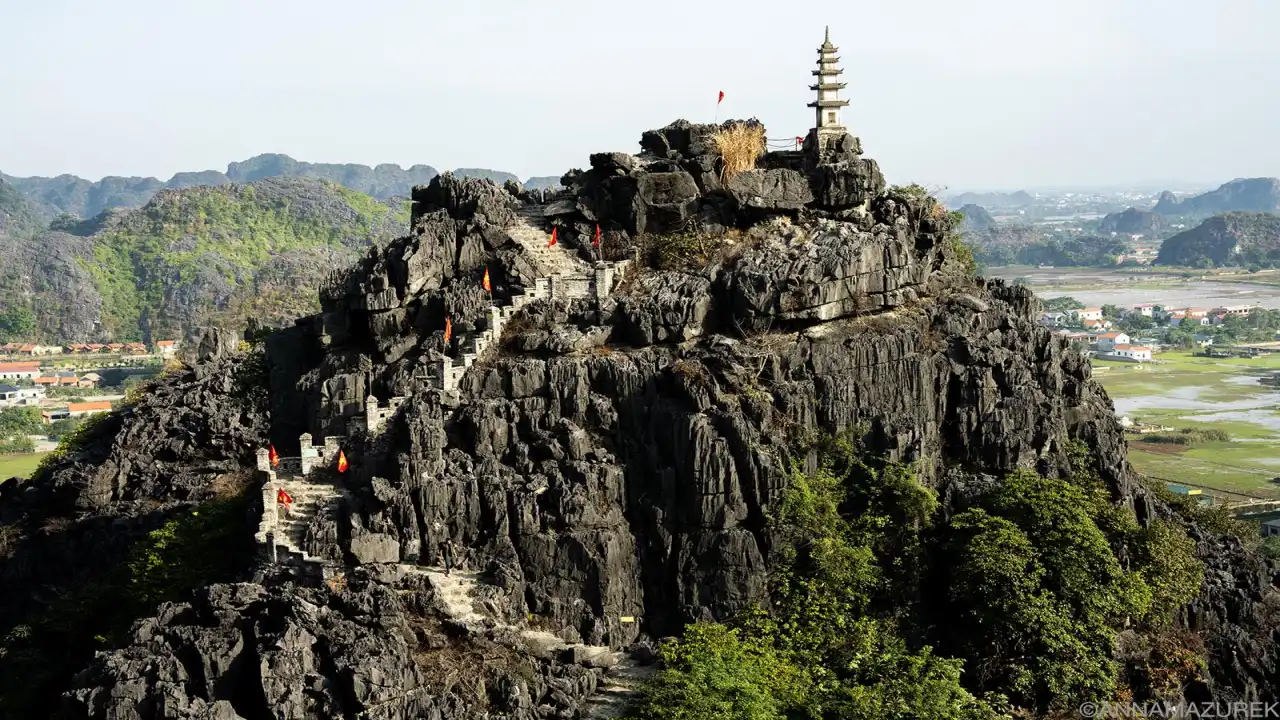
Vietnam
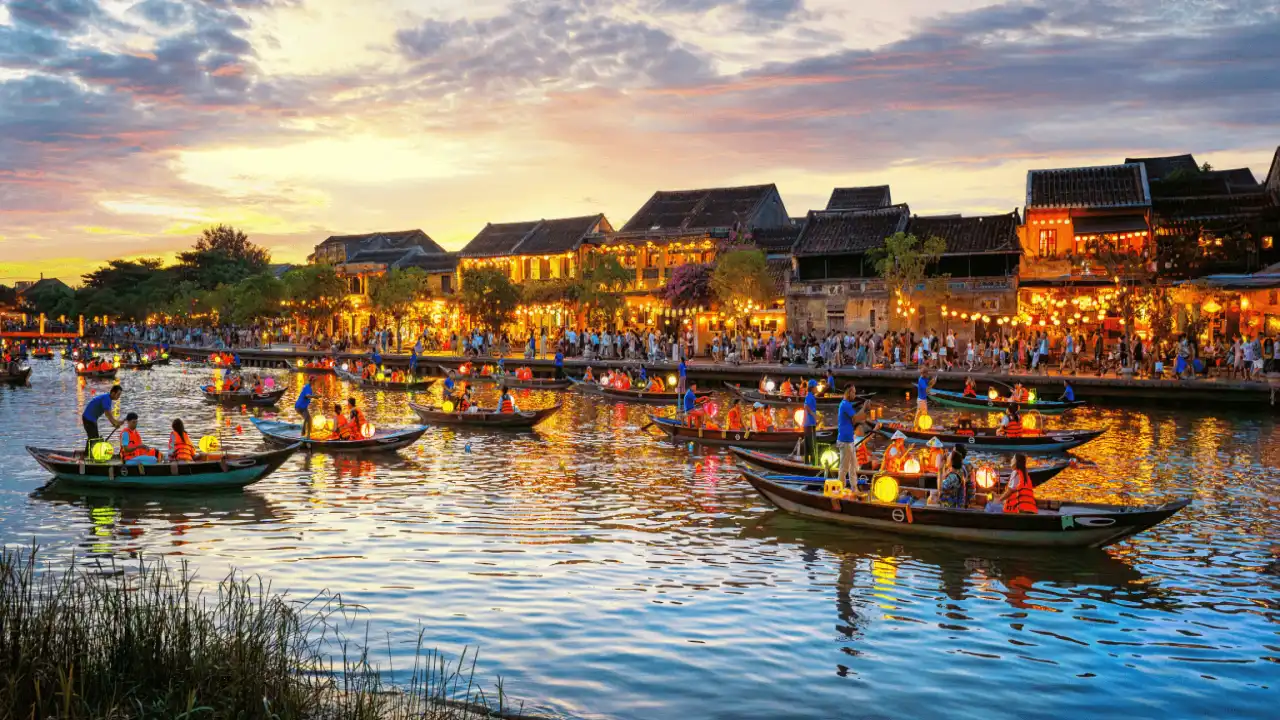
Vietnam has quietly become one of the more interesting off-site choices for Indian firms. Da Nang offers beaches and modern resorts, Hanoi brings culture and food, while Ho Chi Minh City works well for urban teams that prefer movement over isolation.
- Best for: Culture-driven teams and companies wanting affordable international travel.
- Description: Coastal cities, historic districts, strong food culture, efficient domestic connectivity.
- Top activities: Ha Long Bay cruises, lantern workshops in Hoi An, street food tours, cycling trails, beach stays.
- Cost range per head: ₹45,000–₹85,000.
- Best time to visit: February to April.
Pro Tip: Vietnam works especially well for longer itineraries of 4–6 days. Internal flights are efficient enough to combine multiple cities without exhausting the group.
Types of corporate offsite formats
A lot of planners search for Team Offsite Trip Ideas, assuming the destination matters most. In reality, the format changes the experience more than the geography. A wellness retreat in Goa feels completely different from a party-heavy Goa itinerary.
How to plan a private corporate group trip
- Define the main purpose of the offsite before choosing a destination.
- Finalize the approximate team size early because transport and room inventory change pricing sharply.
- Decide on a realistic per-person budget including flights, taxes, and contingency costs.
- Choose a destination based on travel time, weather window, and team energy levels.
- Decide whether the group wants complete privacy or is comfortable sharing resort spaces with other travelers.
- Book flights or buses together to avoid staggered arrivals and wasted coordination time.
- Balance structured sessions with downtime instead of filling every hour.
- Collect dietary preferences and medical details before confirming meal plans.
- Assign one internal coordinator who can handle communication during the trip.
- Share final itineraries, emergency contacts, room allocations, and packing notes at least one week before departure.
Good Corporate Retreat Planning usually starts with a brutally simple question: what problem is this trip trying to solve? Team fatigue? Cross-department disconnect? Retention? Celebration after a funding round? The answer changes everything from hotel style to activity pacing.
Corporate offsite budget guide
Budget tier: ₹8,000–₹15,000 per head
This range usually works for nearby domestic destinations with bus transport, shared rooms, and limited activity inclusions. Jim Corbett, Rishikesh, Jaipur outskirts, or budget Goa properties fit here reasonably well. Meals are generally fixed buffet plans with one activity session included.
Best suited for:
- Teams under 40 people
- Startup budgets
- 1N/2D quick breaks
Mid-range tier: ₹15,000–₹30,000 per head
This is where most well-balanced off-sites sit. Better resorts, flights, or Volvo transfers, curated experiences, dedicated event spaces, and flexible meals become possible. Manali, Udaipur, Munnar, and premium Goa stays fit comfortably in this bracket.
Best suited for:
- Teams of 20–80
- Hybrid workforces
- Multi-day retreats with structured workshops
Premium tier: ₹30,000+ per head
International trips and luxury domestic retreats fall into this category. Bali, Phuket, Vietnam, and high-end palace hotels in Rajasthan usually sit here once flights, visas, and private transfers are included.
What changes at this level:
- Private villas or luxury suites
- Customized experiences
- Dedicated event managers
- Premium dining and nightlife access
- Flexible scheduling
Group size affects pricing heavily. A 15-person trip almost always costs more per head than a 60-person booking because transport, venue rentals, and staffing spread out better across larger groups. International trips also become surprisingly cost-efficient once flight deals and bulk room bookings align properly.
Conclusion
The most successful off-sites rarely feel overdesigned. Teams need structure, yes, but they also need room for accidental conversations, quiet stretches, and shared experiences that are not tied to quarterly targets. The location matters. Timing matters more. And logistics, unfortunately, matter most of all. Thus, Travel Junky takes all the load of logistics to make your tour smoother without much hassle. At Travel Junky, off-sites are increasingly planned around team energy, not just hotel availability. The better trips usually keep things simple: manageable schedules, good logistics, some downtime, and enough shared experiences to make people interact naturally instead of forcing it. If you are planning for an off-site corporate tour, here is a guide by Travel Junky on how you can ace it without much research:
So what are you waiting for? Go book your tour with Travel Junky now!