If You Love Indian Festivals, These International Celebrations Will Fascinate You
Indian festivals are all about colour, family, good food, loud music and a lot of chaos in the best way. The good news? You can find that same festive feeling in other countries too. Lantern nights in Chiang Mai, water fights in Bangkok, huge processions in Kyoto. International Festivals let you feel something familiar in a totally different culture. Here are a few worth adding to your next trip.
1. Diwali And Yi Peng – Chiang Mai, Thailand
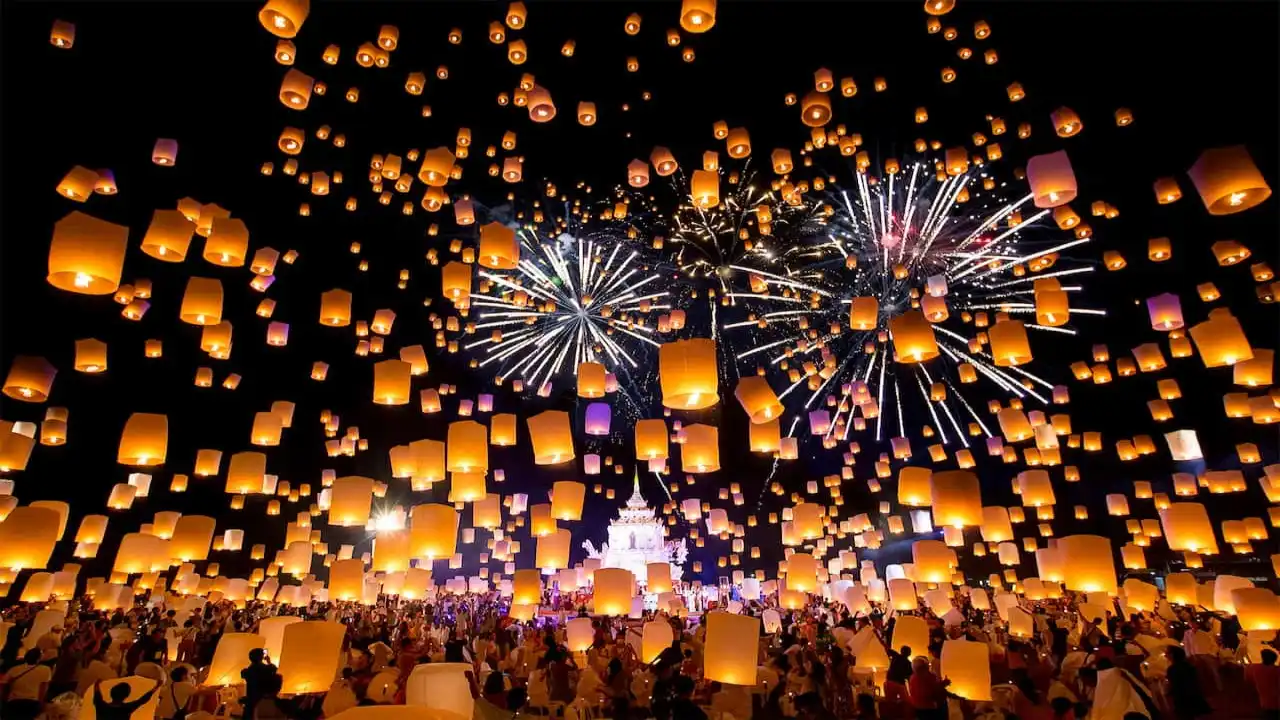
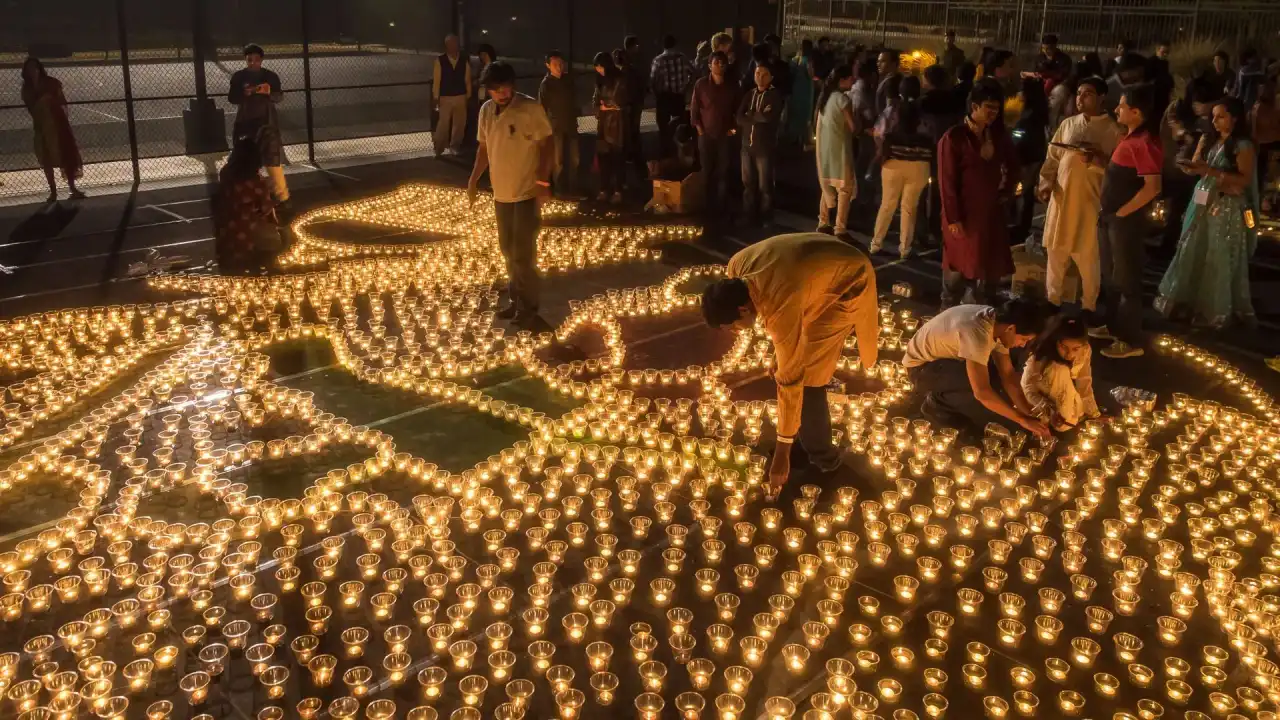
Love Diwali lights? Then Chiang Mai's Yi Peng Lantern Festival is for you. Thousands of lanterns float up into the night sky, and nearby, Loy Krathong fills the water with little decorated floats. The meaning behind each festival is different. But both are basically a celebration of light.
Highlights:
- Lantern displays
- Traditional performances
- Night markets
- Temple visits
- Loy Krathong celebrations
Pro Tip: Yi Peng follows the lunar calendar, so check the exact dates before you book anything.
Do read: Yi Peng Lantern Festival Thailand: How To Plan Your Trip
2. Holi And Songkran – Bangkok, Thailand
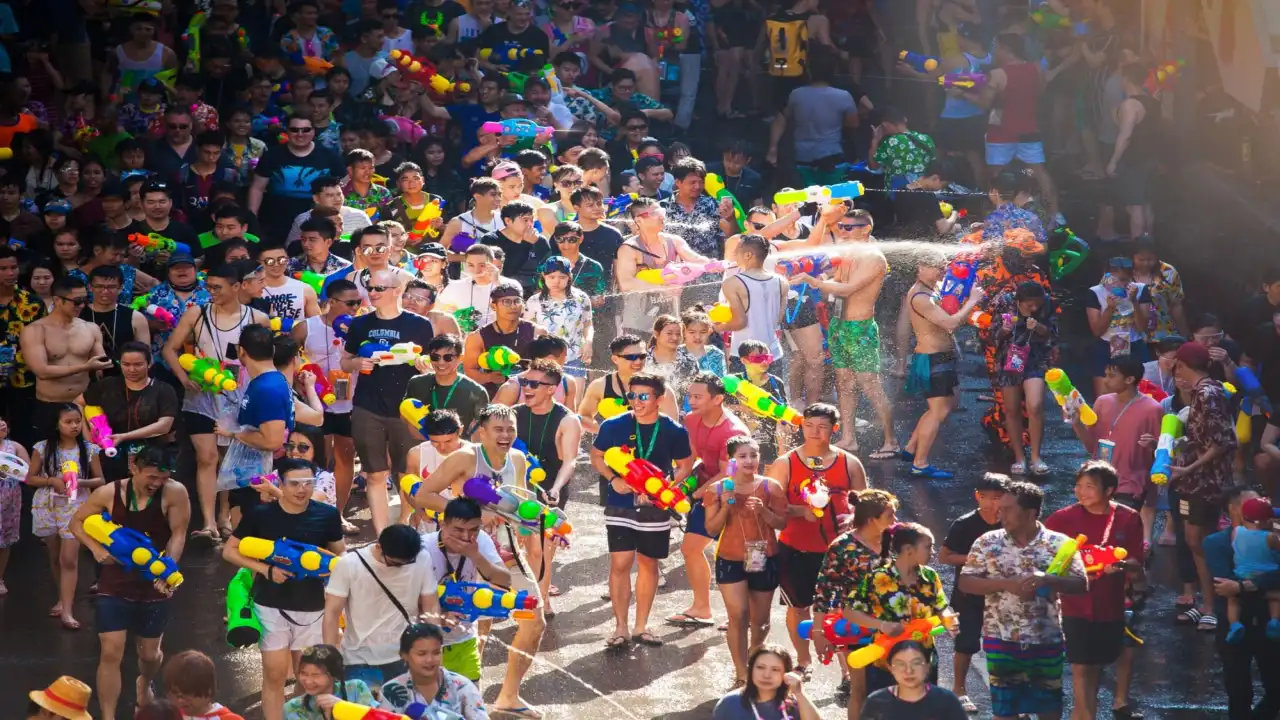
Holi means colours, music and getting messy outdoors. Songkran is Thailand's version, just with water instead of colour. It's the Thai New Year, celebrated across the country in April. Bangkok is a fun place to be for it, with street parties, temples, food stalls and cultural events all around.
Highlights:
- Water celebrations
- Thai New Year traditions
- Street food
- Temple visits
- Cultural performances
Pro Tip: You will get soaked. Keep your phone and valuables in a waterproof pouch.
3. Navratri And Rio Carnival – Rio De Janeiro, Brazil
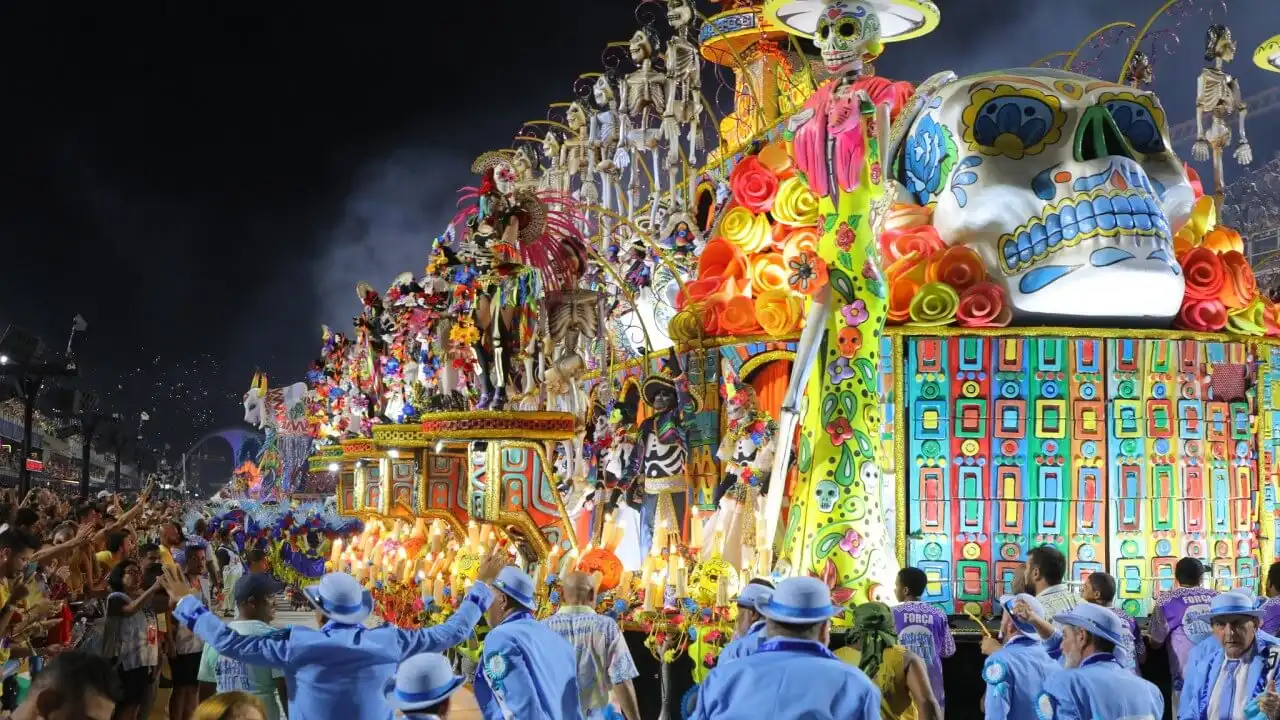
Navratri and Rio Carnival come from very different backgrounds. Still, both show how music, dance and bright clothes can pull a whole community together. Rio Carnival is famous for samba, wild costumes, giant parades and street parties that seem to never stop.
Highlights:
- Samba performances
- Carnival parades
- Street parties
- Traditional food
- Elaborate costumes
Pro Tip: Carnival dates change every year, so check the schedule before planning your trip.
4. Durga Puja And Gion Matsuri – Kyoto, Japan
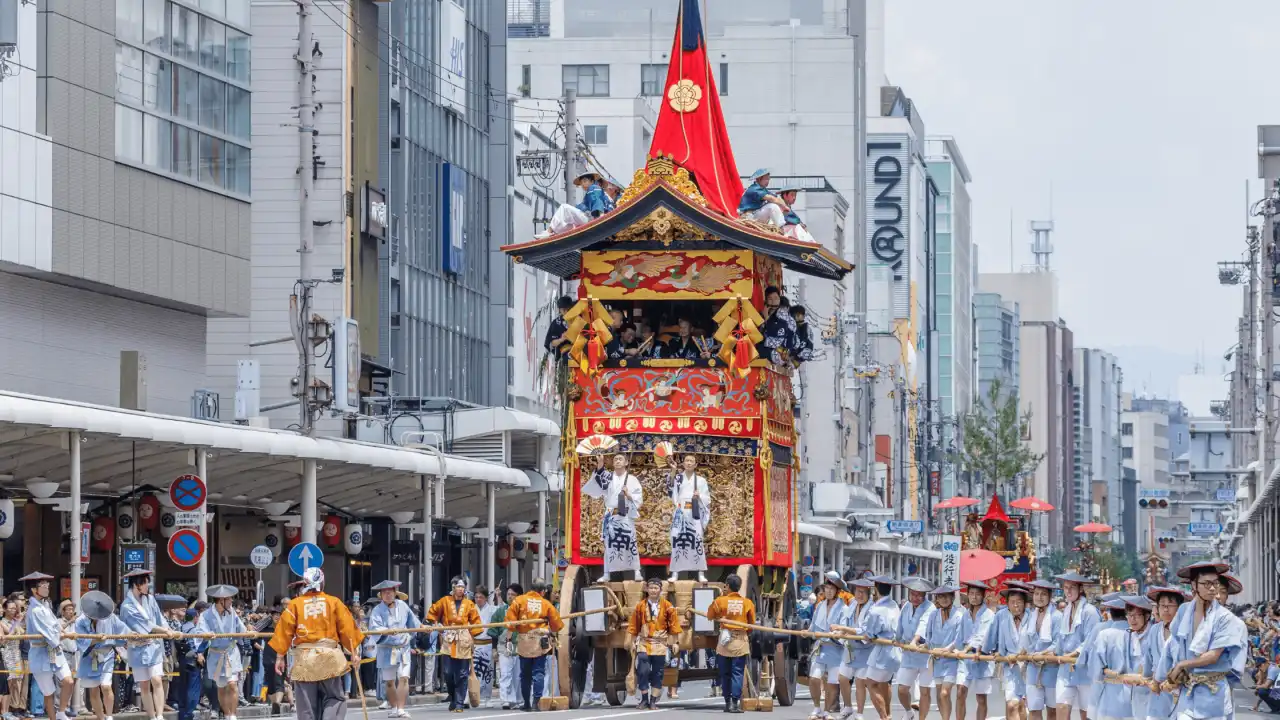
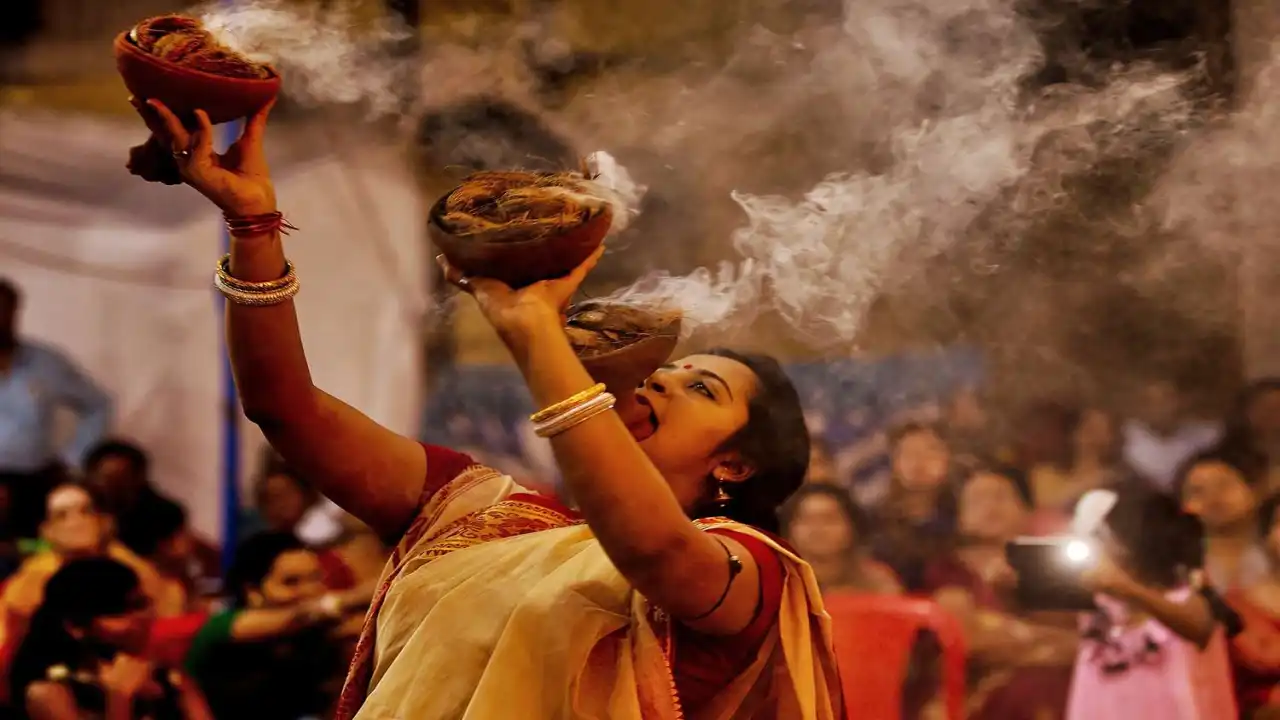
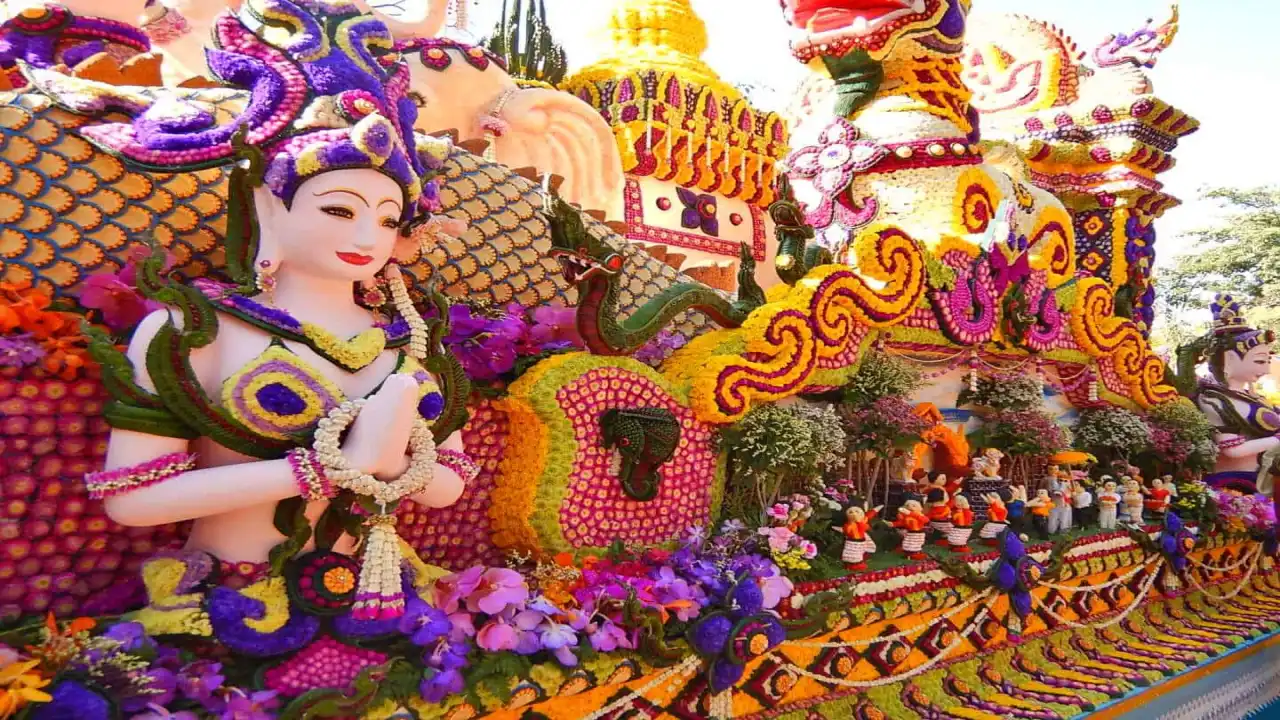
Durga Puja turns whole neighbourhoods into art, with decorations, cultural programmes and processions. Kyoto's Gion Matsuri gives you a similar feeling of a city celebrating its traditions in a big way. It runs through July and is best known for its massive decorated floats.
Highlights:
- Yamahoko float processions
- Traditional music
- Cultural performances
- Kyoto's historic streets
- Evening celebrations
Pro Tip: Procession days get crowded fast, so arrive early.
A Japan tour package can also add Tokyo and Osaka to your Kyoto trip.
5. Onam And Chuseok – Seoul, South Korea
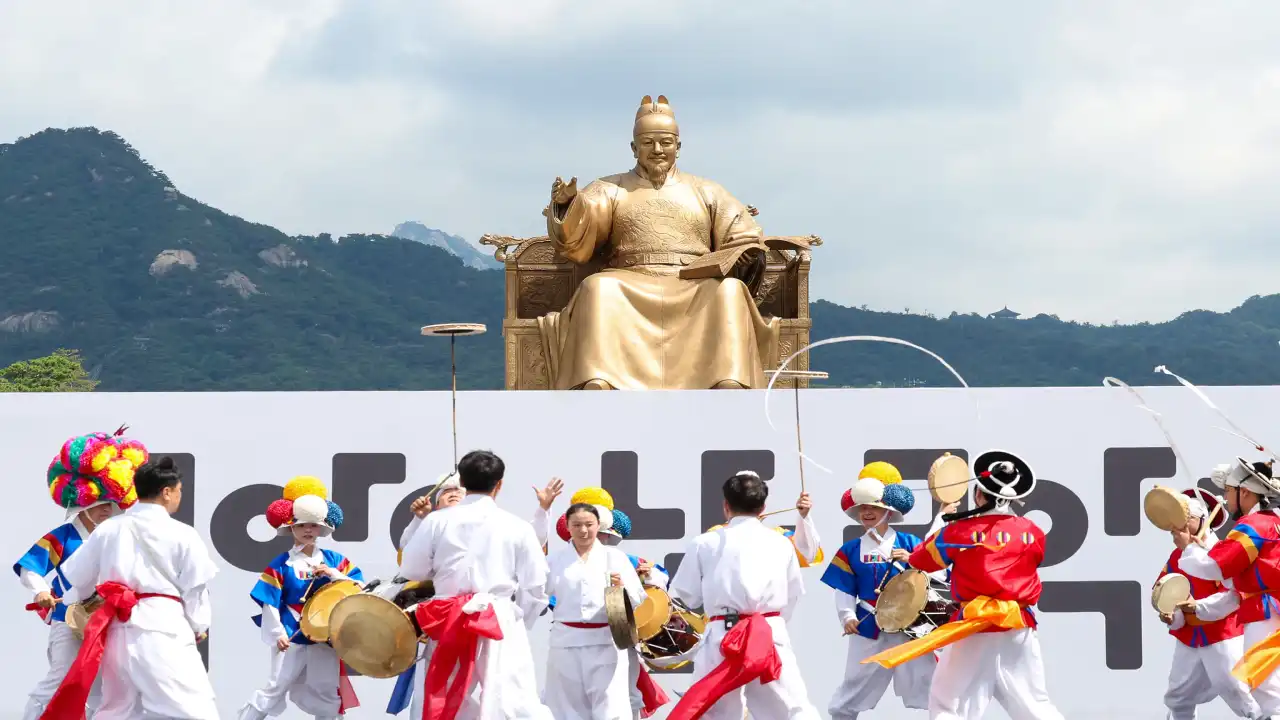
Onam in Kerala is about harvest, family and a big traditional meal. South Korea's Chuseok is much the same at heart: family, harvest and remembering ancestors. In Seoul, you can try Korean food, play traditional games and catch cultural shows.
Highlights:
- Traditional Korean food
- Songpyeon rice cakes
- Folk performances
- Traditional games
- Cultural attractions
Pro Tip: Chuseok dates change every year, and transport gets busy during the holiday.
6. Baisakhi And Thanksgiving – USA
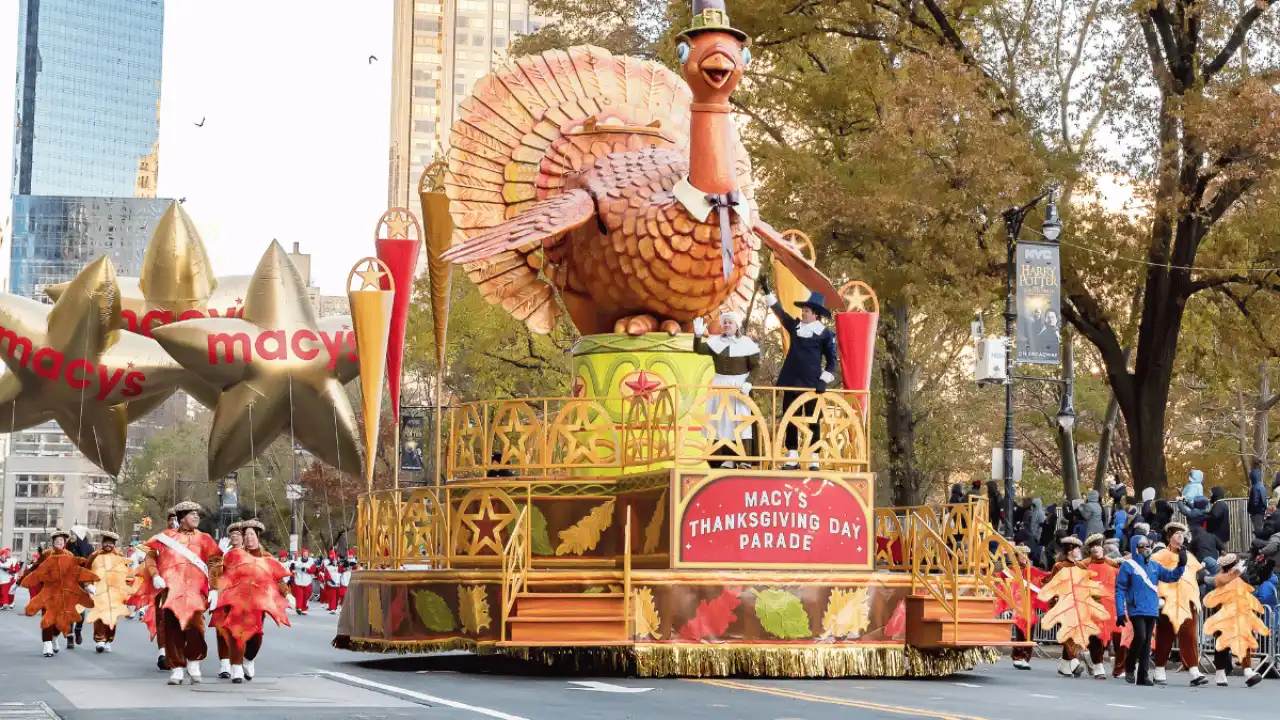
Baisakhi is a harvest festival celebrated with food, music and family gatherings. Thanksgiving also brings families together for a special meal and a time to appreciate the year's blessings. The traditions are different, but the focus on harvest and togetherness creates a clear connection.
Highlights:
- Thanksgiving parades
- Traditional food
- Family gatherings
- Seasonal celebrations
Pro Tip: Thanksgiving is celebrated on the fourth Thursday of November, so book early if travelling during this period.
What Makes Festivals Around the World Interesting?
It's the cultural connection, mostly. The origins may differ, but a lot of festivals share the same familiar things:
- Families coming together
- Traditional food
- Music and dance
- Special clothing
- Decorations and lights
- Religious or cultural rituals
- Local markets and events
That's what makes festival travel feel different from normal sightseeing. You aren't just looking at a landmark. You're seeing how locals actually celebrate.
Conclusion
Honestly, international cultural festivals are the easiest way to see a place without doing the usual tourist routine: Same landmarks, same photos, same crowds. A festival is different. Chiang Mai has its lanterns, Bangkok has Songkran, Kyoto has those huge processions, and Seoul has Chuseok. None of them feel alike, and that's the fun part.
Love food, music, old traditions and big happy crowds? Then plan the whole holiday around a festival. Seriously, it changes the trip. Just sort out the dates first, since a lot of them move every year. Travel Junky can help with the sightseeing and travel arrangements around those festival dates, so you land there when the place is at its liveliest.
Tips For Planning A Festival Holiday
Festival trips need a bit more planning. Before booking, check:
- Festival dates: Many follow lunar calendars.
- Main locations: The big events may happen only in certain cities.
- Local customs: Learn basic etiquette first.
- Crowds: Major processions get very busy.
- Weather: Check the season before you travel.
- Transport: Public transport can be packed during festivals.
Pro Tip: Leave some free time in your itinerary, especially when booking international packages. Local markets, small events and neighbourhood celebrations often turn out to be the best part of the trip.