7 Historic Ghost Towns in Australia Worth Discovering
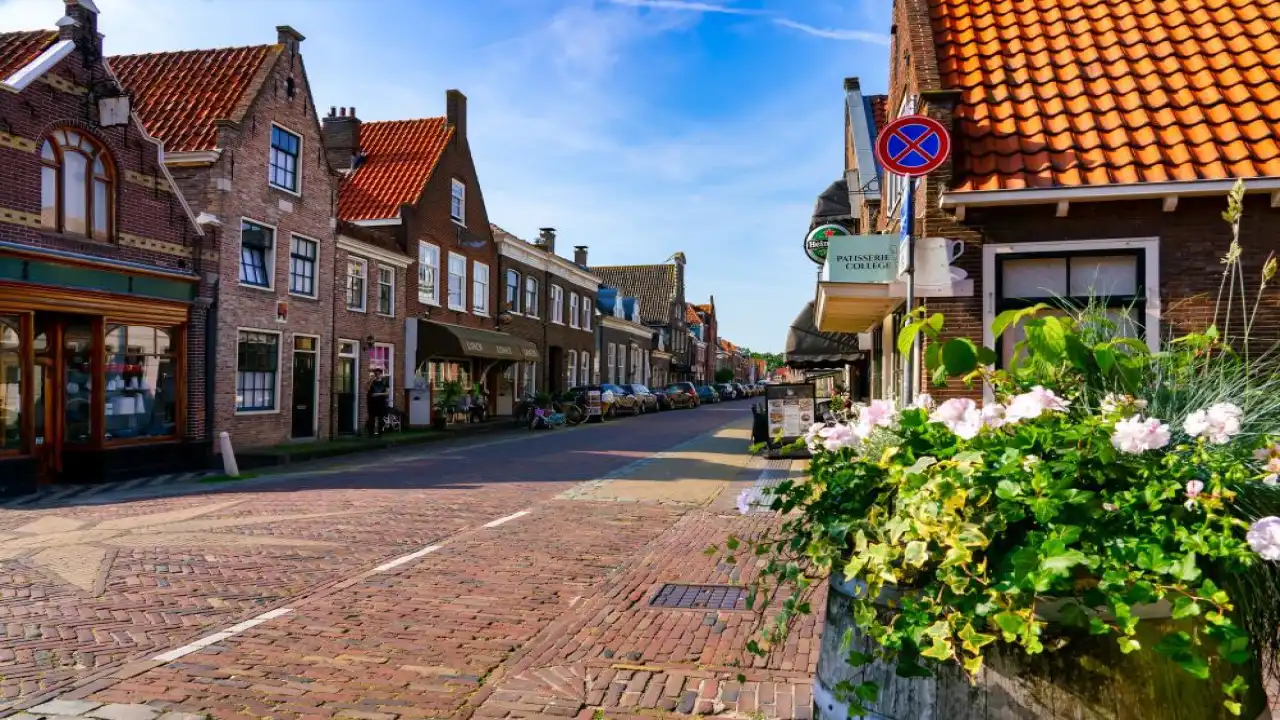
Australia is a country of endless surprises, from sunlit beaches and lively cities to vast landscapes hiding stories from the past. But away from the usual tourist spots, there's another side to the country: abandoned settlements with some wild histories. Some were busy mining towns. Others grew around railway stations, ports and industries, then slowly emptied out. Historic Ghost Towns in Australia, such as Gwalia, Farina and Cossack, offer a peek into Australia's past. You get old buildings, mining ruins and streets that are very quiet now. Unlike the Fairytale Towns in the Netherlands, these places are shaped by mining and the outback. If you want something different, they make a good add-on to an Australia trip package.
Haunted Places in Australia
Australia has plenty of old places wrapped in ghost stories, local legends and strange tales. Many are former mining settlements, where empty buildings and odd histories have built up a spooky reputation. Here are seven historic ghost towns in Australia worth discovering.
1. Mary Kathleen, Queensland
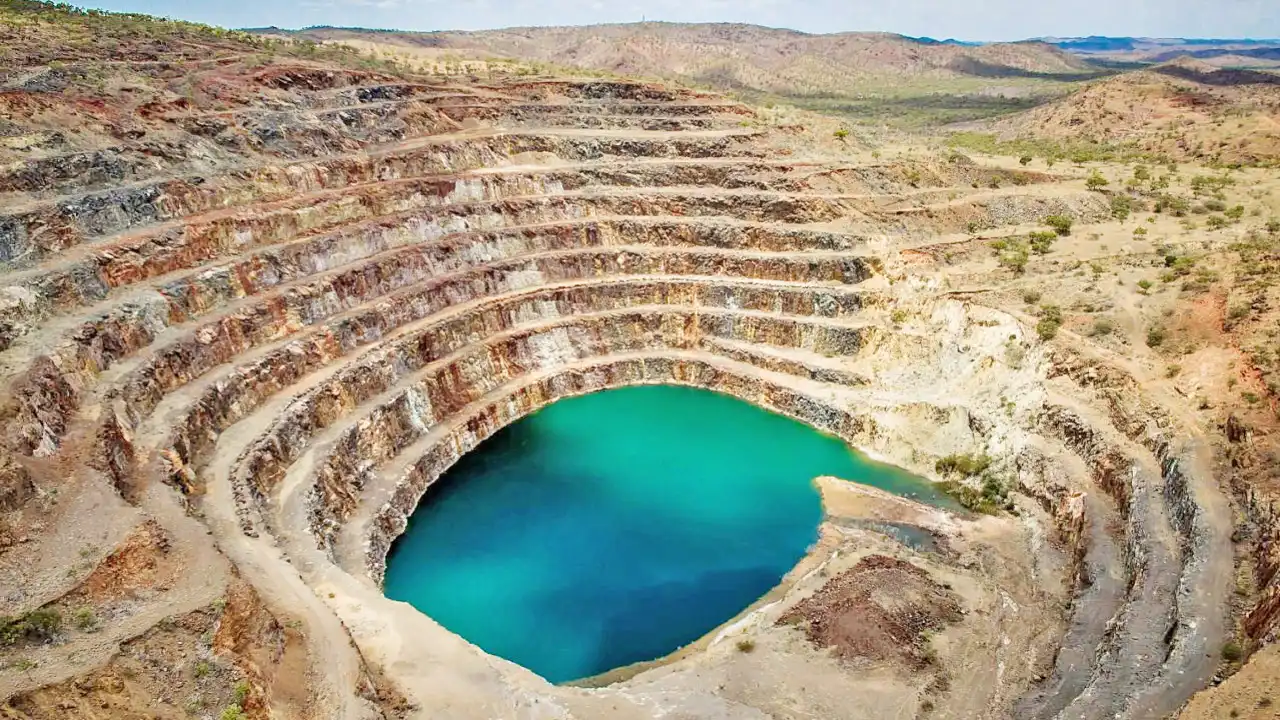
Mary Kathleen was a uranium-mining town between Mount Isa and Cloncurry. It started in the 1950s and grew to about 1,000 people. It had a school, hospital, cinema, swimming pool and even a golf course. Not bad for the middle of nowhere. Mining stopped in 1982, and people moved out. Most buildings were taken away. Now you'll mainly see concrete foundations and a few leftovers from the old community.
Things to know:
- The town once supported a big mining community.
- Most houses have been knocked down.
- The old mine pit still stands out in the landscape.
Pro Tip: Access is limited because of private property and environmental safety concerns. Check official access and safety advice before you go. Don't enter the mine area or swim in the pit.
2. Gwalia, Western Australia
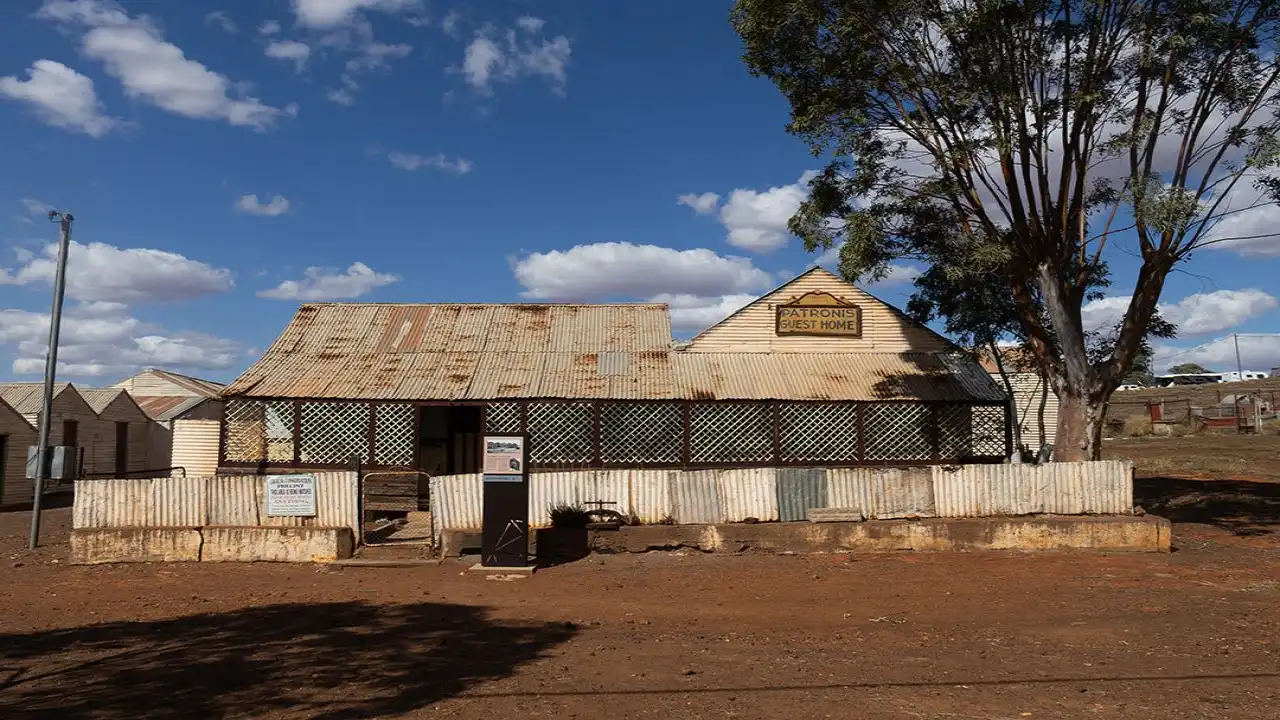
Gwalia grew during the Western Australian gold rush of the 1890s. It became a busy mining settlement, tied closely to the Sons of Gwalia gold mine. Here's a fun bit of history. Herbert Hoover, who later became President of the United States, worked here as a mining engineer and managed the mine before going into politics. The mine closed in 1963, and most people left pretty quickly. Today the historic buildings and miners' cottages make it one of the most interesting abandoned ghost towns in Australia.
Things to explore:
- Gwalia Historical Museum
- Hoover House
- Preserved miners' cottages
- Historic mining structures
Pro Tip: Give yourself a couple of hours for the museum and heritage buildings.
3. Farina, South Australia
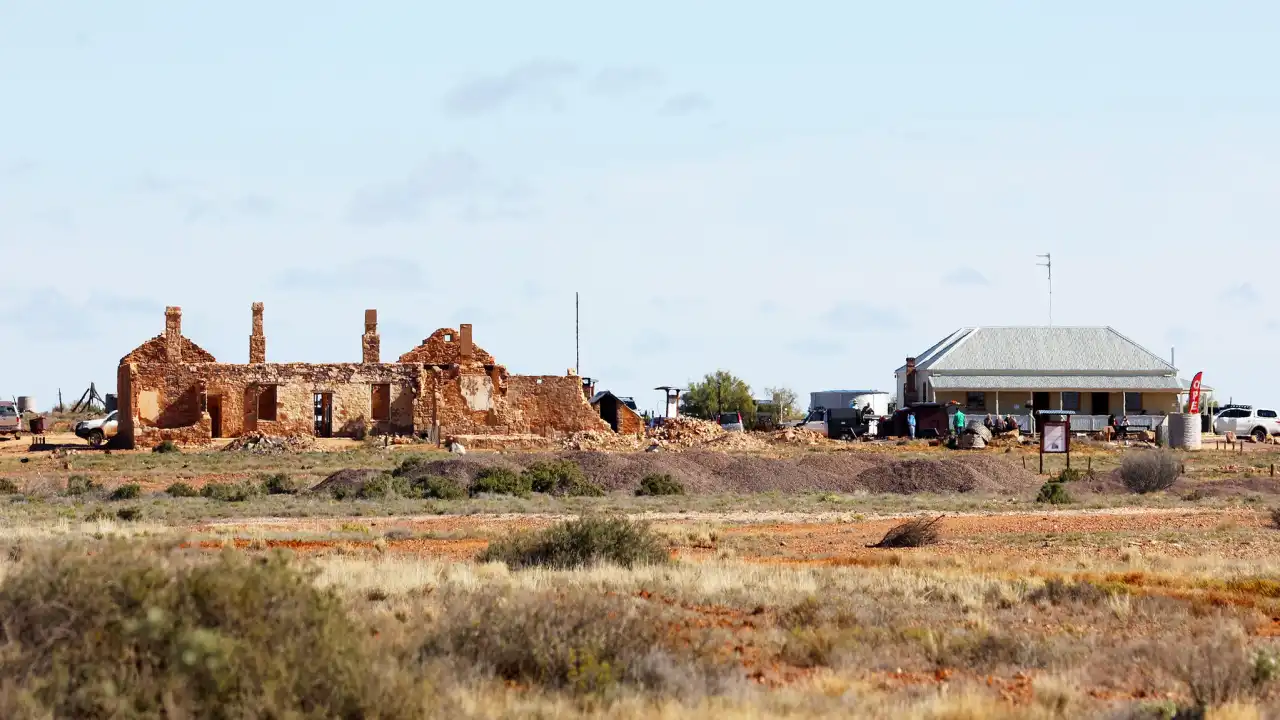
Farina was once a busy railway and pastoral town in South Australia's outback. In the late 19th century, about 600 people lived here, with hotels, shops, a school and a railway station. Then things got hard. The dry climate made farming tough, and changes in railway operations hurt the local economy. People drifted away, and the town slowly emptied. Some restoration work has helped save a few of the old structures.
Things to explore:
- Underground Bakery: See what's left of the famous underground bakery.
- Historic Railway Buildings: Learn how the town was linked to transport.
- Farina Cemetery: See where former residents were laid to rest.
- Old Town Ruins: Wander through the remains of shops and other buildings.
Pro Tip: Farina is very remote. Carry enough water, food and fuel before you head out.
4. Cossack, Western Australia
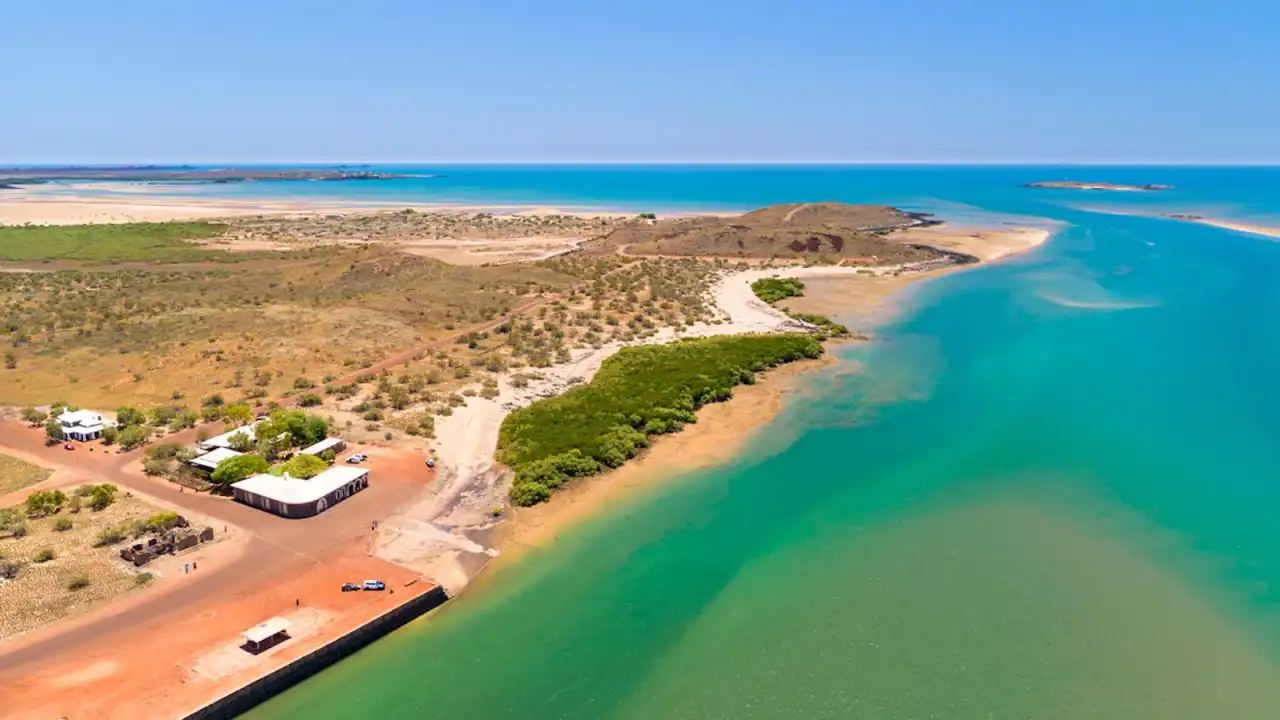
Cossack was set up in 1863 and became a key port for the pearling industry in Western Australia. Gold prospectors and traders came too, which helped the town grow. But the pearling industry changed, and the harbour silted up. The town lost its importance, and by the 1950s it was abandoned. Today its old stone buildings show you what the region's early trade days looked like.
Things to explore:
- Old Courthouse
- Historic Police Station
- Bond Store
- Former port and waterfront area
Pro Tip: Cossack is in a remote part of the Pilbara, so check road conditions and the weather before you travel.
5. Joadja, New South Wales
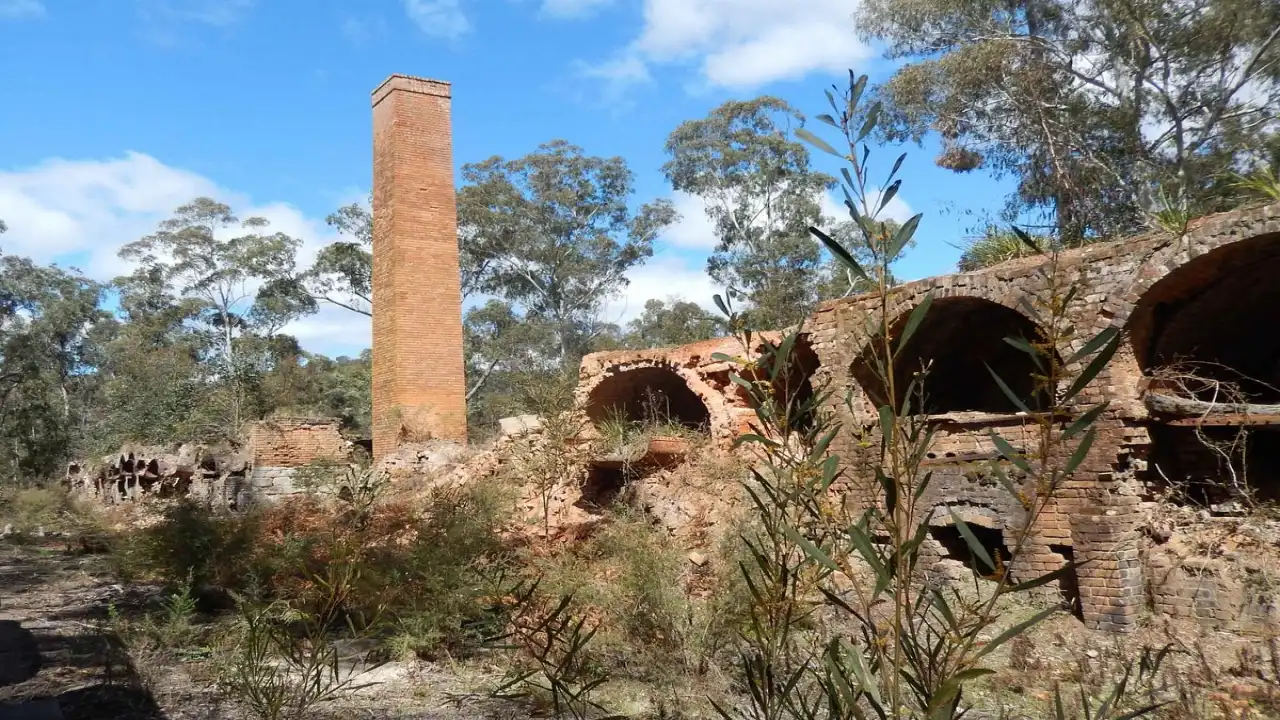
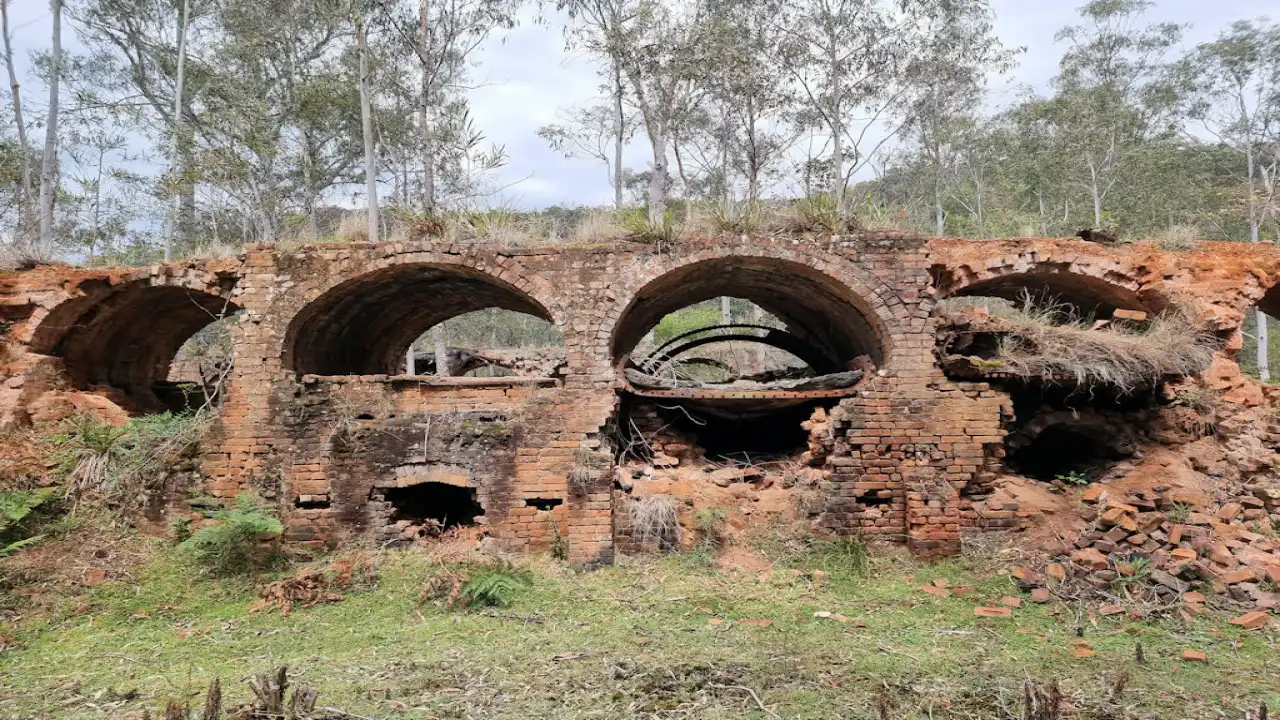
Joadja is a former mining settlement in the Southern Highlands of New South Wales. It started in the late 1870s around shale mining and once had over 1,000 residents. Many workers came from Scotland. The settlement had homes, shops, a school and a railway system. Shale was dug up and processed into kerosene and other products. When the industry declined, mining stopped and the place was eventually abandoned. The old industrial structures and village remains make it a neat historic stop today.
Things to explore:
- Old refinery remains
- Historic chimneys
- Former railway structures
- Remains of the village
Pro Tip: Joadja is privately owned, so book an authorised guided tour before you go.
6. Inneston, South Australia
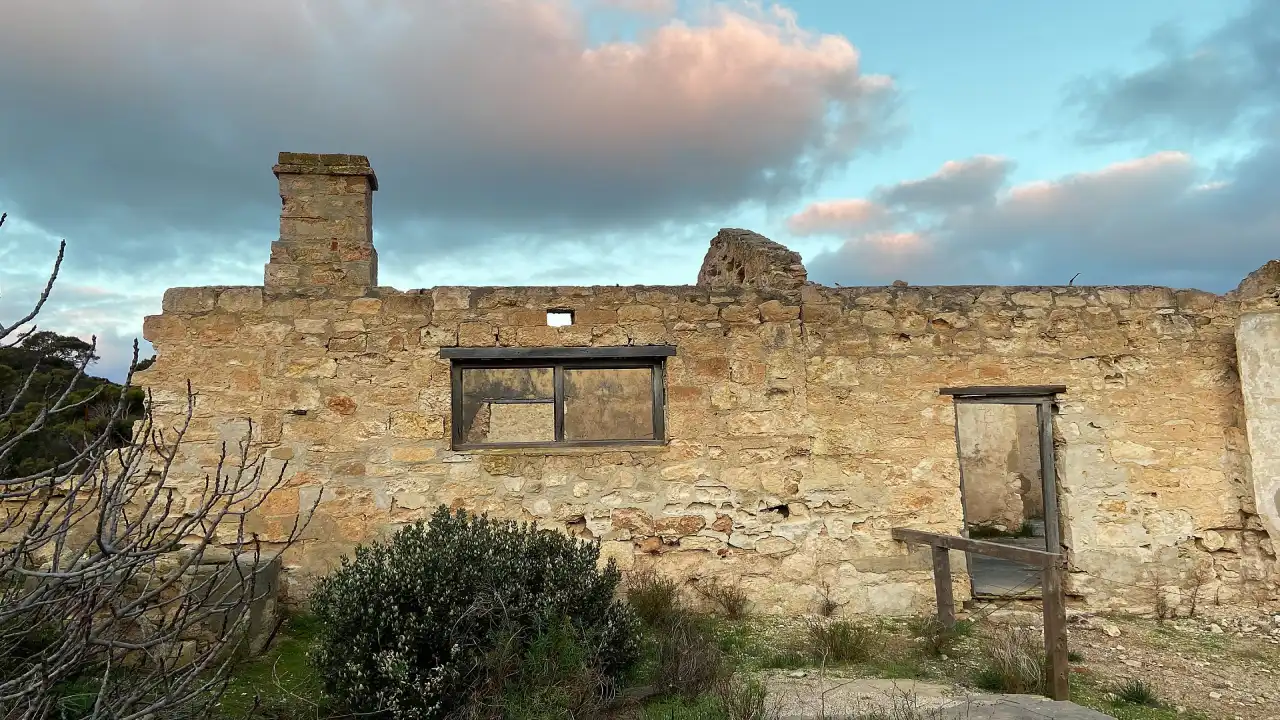
Inneston sits inside Dhilba Guuranda–Innes National Park on the Yorke Peninsula. It was a gypsum-mining settlement that began in 1913, with a school, bakery, store, post office and community hall. Then the Great Depression hit the building industry, and demand for gypsum dropped. Mining stopped, and the residents left. Several buildings have since been restored, so it's a nice pick for history lovers.
Things to explore:
- Historic workers' cottages
- Old industrial sites
- Stenhouse Bay Jetty
- Walking trails around the national park
Pro Tip: You can stay in the restored cottages, but book early during holiday periods.
7. Arltunga, Northern Territory
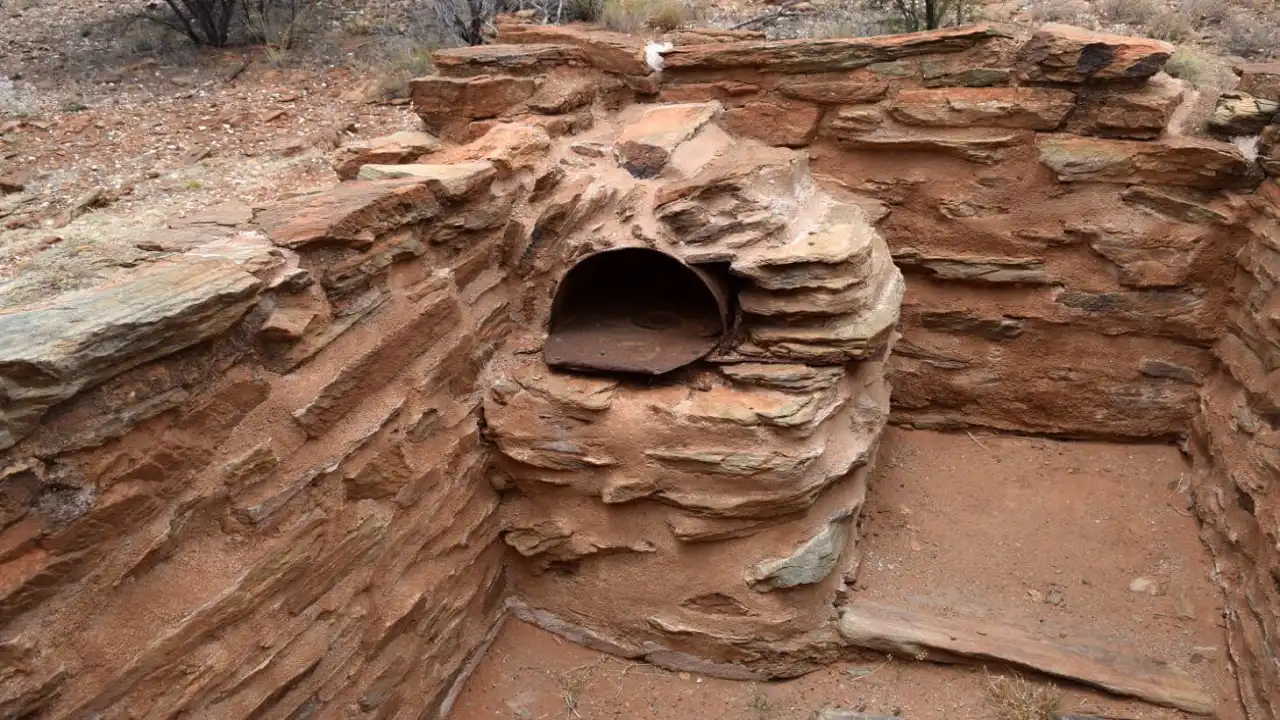
Arltunga became the first official town in Central Australia after gold was found in the region in 1887. It's about 110 kilometres east of Alice Springs, and prospectors showed up hoping to strike it rich. At its busiest, around 300 people lived here. But life was hard. It was remote, the climate was harsh and the mining conditions were tough. As mining slowed down, people slowly left. Today, Arltunga Historical Reserve protects what remains of the old mining community.
Things to explore:
- Golden Chance Mine: See an old mine and a miner's dwelling.
- Government Battery: Find out how gold was processed.
- Old Police Station: Look at the remains of the settlement's police facilities.
- Great Western Mine: Check out another historic mining site.
Pro Tip: Go between April and September when it's cooler. Check road conditions first, as part of the route is unsealed.
Read next: Best Farm Stays in Australia for a Countryside Escape
Why Are Australia's Ghost Towns Worth Visiting?
These places are more than empty buildings. They tell the story of Australia's mining, railway, farming and industrial growth.
A few reasons to go:
- History: See how mining and other industries shaped local communities.
- Architecture: Spot old cottages, railway buildings and industrial structures.
- Photography: Great landscapes and ruins to shoot.
- Quiet surroundings: Get away from the busy tourist centres.
- Local stories: Learn about the workers and families who lived there.
Conclusion
From Gwalia's gold-mining heritage to Cossack's coastal history and Arltunga's mining ruins, the ghost towns in Australia give you a real look at the country's past. Each place has its own story, which is great for travellers who like history and out-of-the-way spots. Travel Junky can help you plan an international tour package with historic attractions, scenic routes and popular destinations. With a bit of planning, visiting these forgotten towns can become a memorable part of your Australian holiday.
Things to Remember Before Visiting
Keep these tips in mind before exploring Australia's historic ghost towns:
- Check access permissions and opening hours.
- Carry enough drinking water, food and fuel.
- Stay out of abandoned buildings and unsafe mine shafts.
- Wear comfortable walking shoes.
- Check the weather and road conditions before you travel.
Frequently Asked Questions
Walhalla in Victoria is often linked with ghost stories and paranormal legends. The old cemetery, mining tunnels and historic buildings add to its spooky name. That said, there's no proof of paranormal activity.
There isn't an official "dodgiest" place. It's a matter of opinion and could mean crime, safety worries or rough surroundings.
Cossack in Western Australia is one of the best-known deserted towns. Farina in South Australia is another well-known abandoned settlement.
Yes. Local legends and strange experiences are often tied to old mining settlements. People talk about mysterious figures and odd sounds, though none of it is scientifically proven.
There are several abandoned towns and settlements, but very few places that truly count as abandoned cities. Most grew around one industry and faded when it disappeared.
Yes. Tasmania has former mining settlements and old abandoned communities that reflect its mining and industrial past.