A Journey Through Japan's Traditional Tea Culture
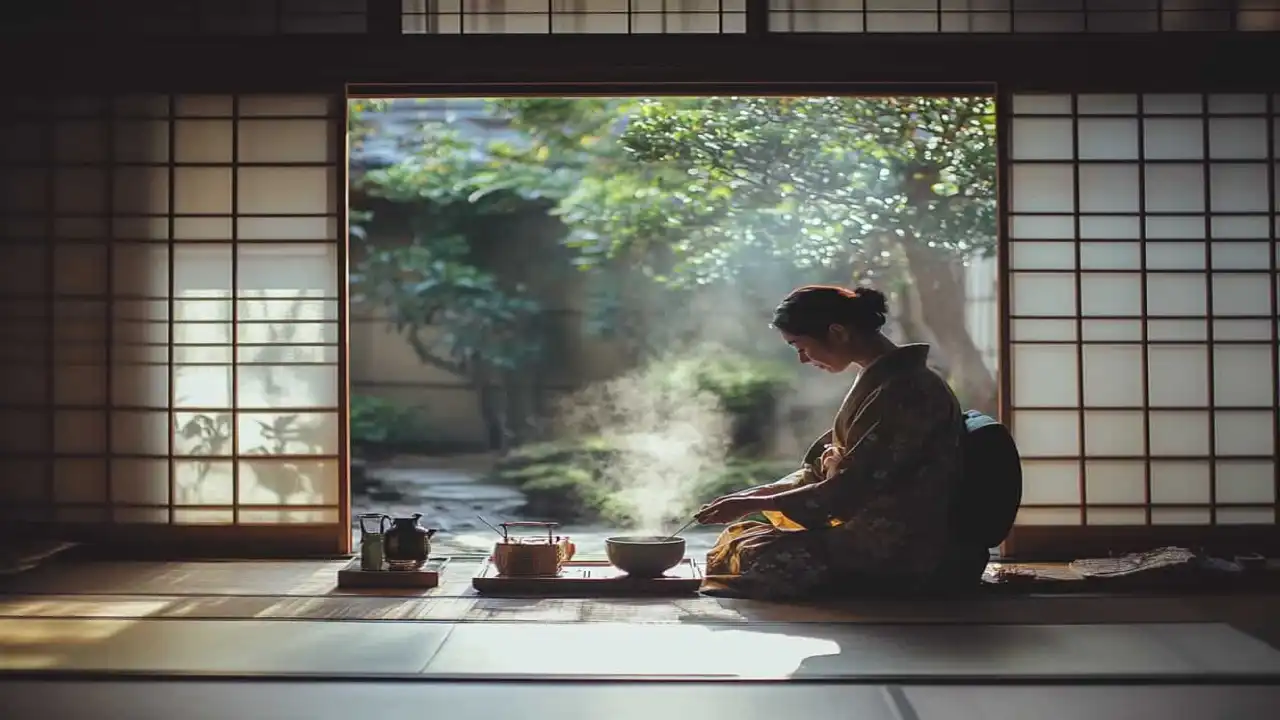
If you think tea is just tea? Japan might change your mind. Here, a simple cup of green tea comes with centuries of history, carefully practised rituals, and surprisingly interesting flavours. From Kyoto's old teahouses to Uji's matcha shops and the green hillside plantations beyond, every stop has a story. Japanese tea culture shows you a side of Japan that most visitors miss while chasing temples, shopping streets, and ramen. If you're planning a Japan tour package, add a tea tasting or a traditional ceremony to your list. It's one of the easiest ways to see how people really live, and what they care about.
How Did Tea Become Such A Big Part of Japanese Culture?
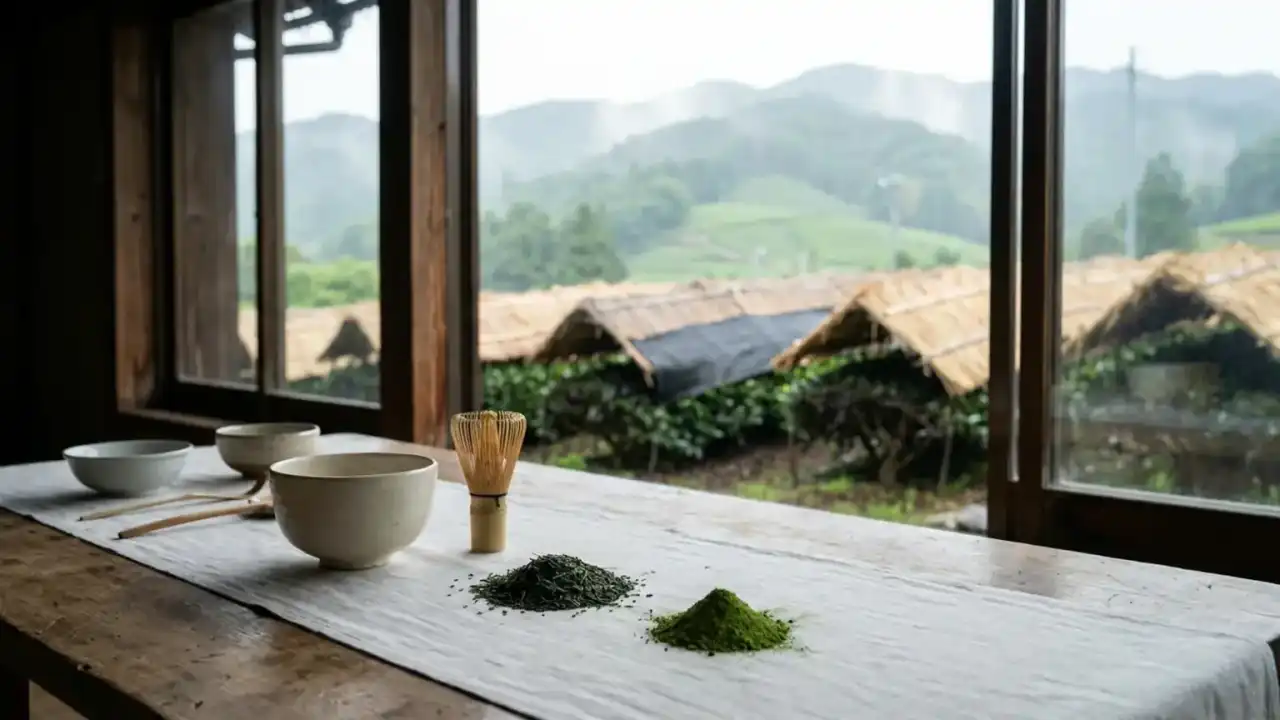
Tea came to Japan from China with Buddhist monks, somewhere between the 8th and 12th centuries. For a long time, only monks and the aristocracy drank it. In 1191, the monk Eisai helped make powdered green tea popular. By the 16th century, drinking tea had turned into a proper art form. The tea master Sen no Rikyu shaped the ceremony around simplicity, natural materials and quiet beauty.
Slowly, tea left the monasteries and samurai homes and became part of everyday life. Merchants and ordinary families picked it up, and new growing methods gave us favourites like sencha and gyokuro.
Today, Japanese tea traditions are about much more than making a drink:
- Hospitality: Serving tea with real care for your guests.
- Mindfulness: Enjoying every step instead of rushing to the end.
- Craftsmanship: Valuing handmade tea bowls, bamboo tools, and ceramics.
- Seasonality: Pairing tea with seasonal sweets, so the time of year shows up in the cup.
What Happens During A Traditional Japanese Tea Ceremony?
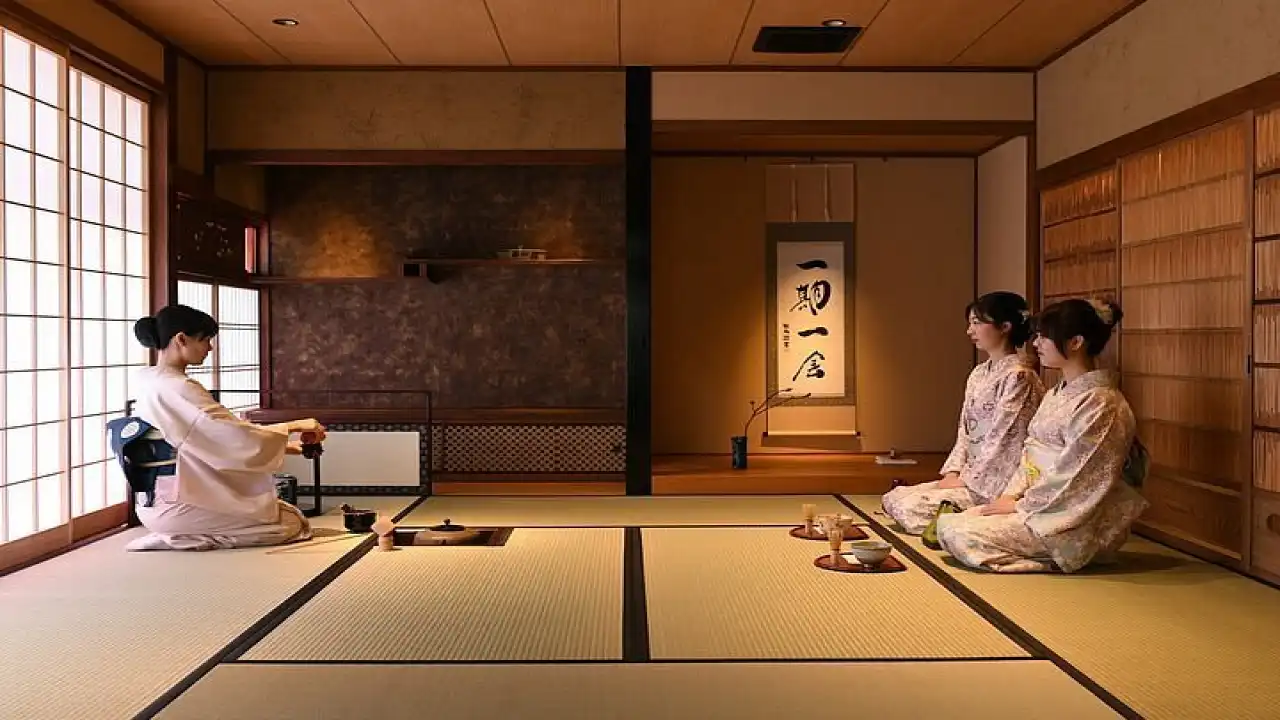
The traditional Japanese tea ceremony is called Chanoyu, Chado, or Sado. It's a carefully practised ritual of making and serving matcha, built on four values:
- Wa (Harmony): Balance between the host, the guests, and the space around them.
- Kei (Respect): Being thoughtful towards everyone in the room.
- Sei (Purity): Keeping the tools and the space clean.
- Jaku (Tranquility): Making the moment calm and peaceful.
How Is The Tea Made and Served?
It usually happens in a tatami room, sometimes with a view of a Japanese garden. The host cleans the utensils, puts powdered green tea and hot water into a bowl, and whisks it with a bamboo whisk called a chasen. The matcha comes in a ceramic bowl called a chawan, usually with a small sweet called wagashi. The sweet is there to balance the matcha's slightly bitter taste.
What Should First-Timers Know?
No experience needed. Just keep these simple tips in mind:
- Bow slightly when you receive the bowl.
- Turn the bowl a little before you drink.
- Take your time and enjoy it.
- Follow the host's lead and watch the other guests.
Introductory sessions cover the basics well. Formal ceremonies can include extra rituals and more than one serving of tea.
Where Can You Experience Japan's Tea Culture?
Japan has plenty of tea-growing regions, but Kyoto and the areas around it are a great place to start if you're curious about tea history.
1. Uji, Kyoto: The historic home of matcha
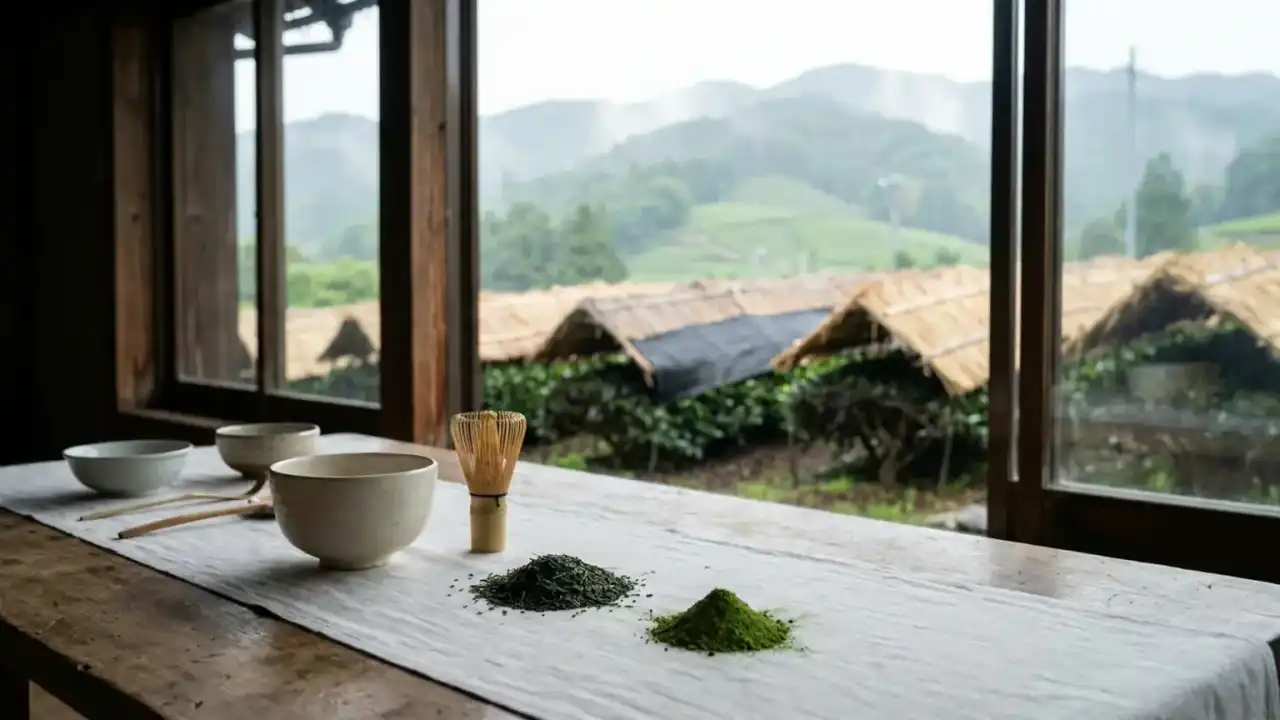
Uji, just south of Kyoto City, has around 800 years of tea-growing history. It's best known for matcha, sencha, and gyokuro. Start near Byodoin Temple and walk down Byodoin Omotesando, a lively street packed with traditional tea shops. You'll find freshly made matcha, tea leaves, ice cream, and Japanese sweets.
Things to do
- Join a guided tasting at a local tea shop
- Try stone-ground matcha and freshly made wagashi
- Check out tea exhibits and old trading houses
- Stroll along the Uji River and around the nearby temples
Give Uji half a day. It's about 20 to 30 minutes from central Kyoto by train, depending on your station and service.
2. Wazuka: See where Tea Actually Grows
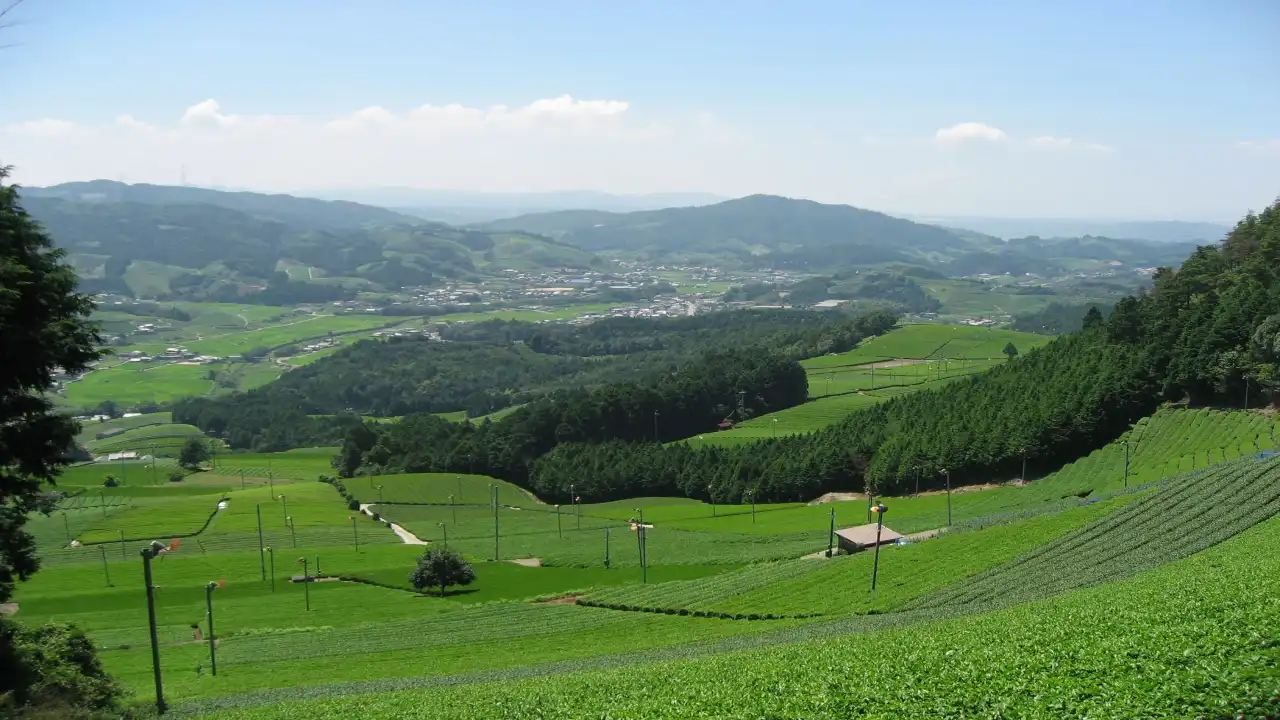
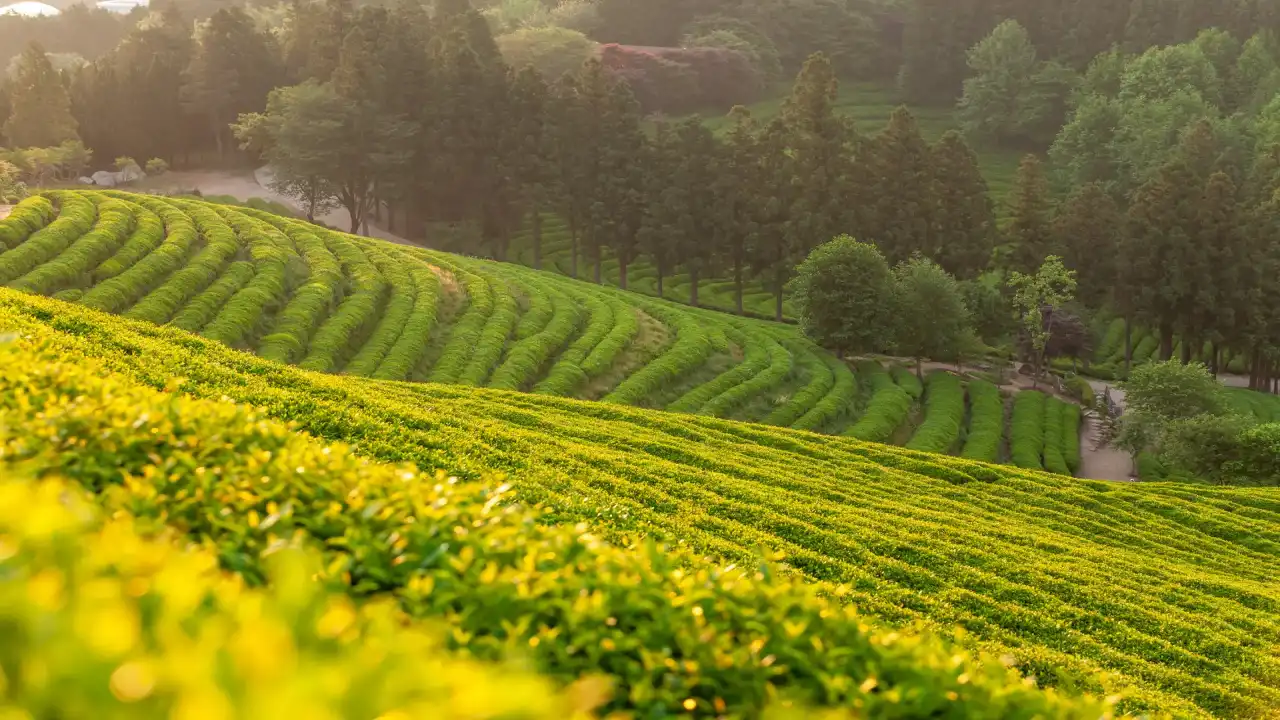
Wazuka, in Kyoto Prefecture, is known for its rolling hills and bright green tea fields. The Ishitera area has especially lovely views. It's a calm escape from busy Kyoto. Local farms run guided tours, tastings, and workshops on how tea is harvested and processed.
Things to do
- Visit the Ishitera tea plantations for the views
- Join a farm tour and tea tasting
- Learn how tea is traditionally harvested and processed
- Browse local tea shops and try freshly brewed green tea
Late April and May are a great time to go, since the new tea season begins. Book farm experiences early, as availability varies.
3. Sayama, Saitama: Tea with its Own Personality
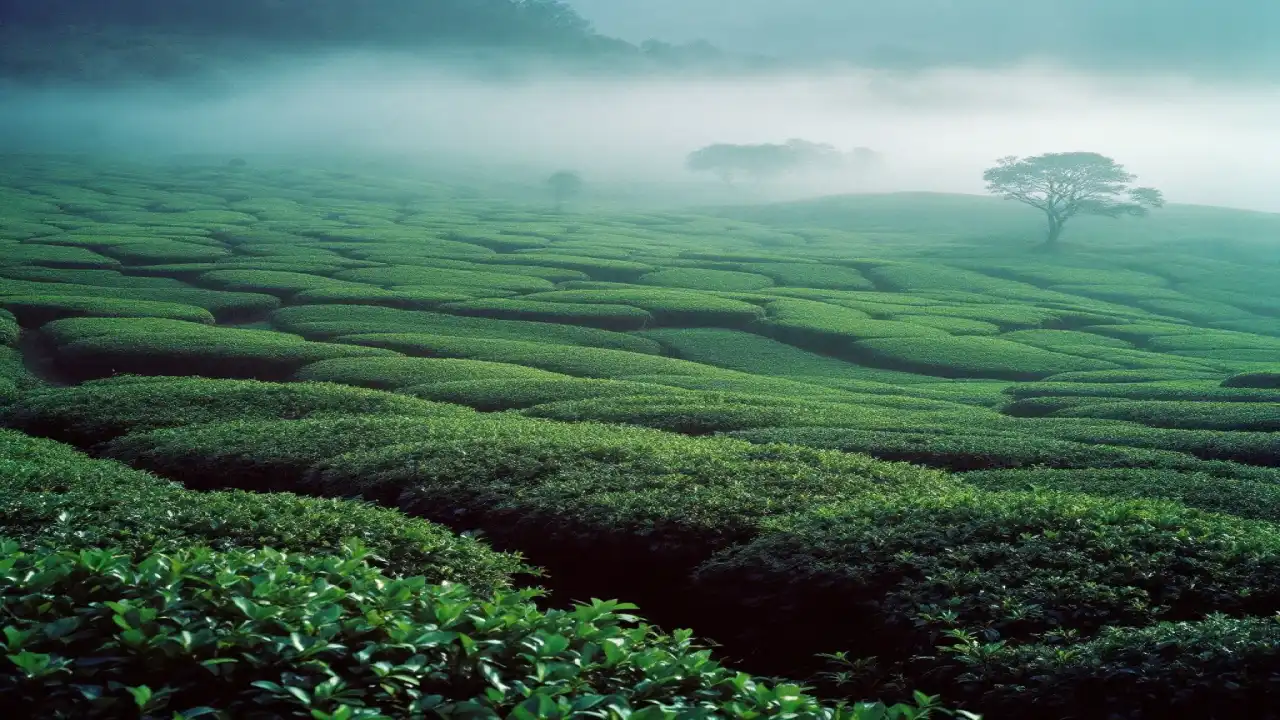
Sayama is northwest of Tokyo and well known for its full-bodied green tea. Its distinctive flavour comes from growing methods shaped by colder winters. Away from Tokyo's big attractions, it feels peaceful. Visit local tea shops, try regional varieties and learn about traditional processing from the people who do it.
Things to do
- Visit local tea farms and plantations
- Explore specialist tea shops around Sayama
- Try Sayama tea at a guided tasting
- Learn about traditional tea processing
Spring and autumn are best, with comfortable weather for a countryside day out. Check with local farms before you go to confirm tours.
4. Kagoshima: Tea Fields in Southern Japan
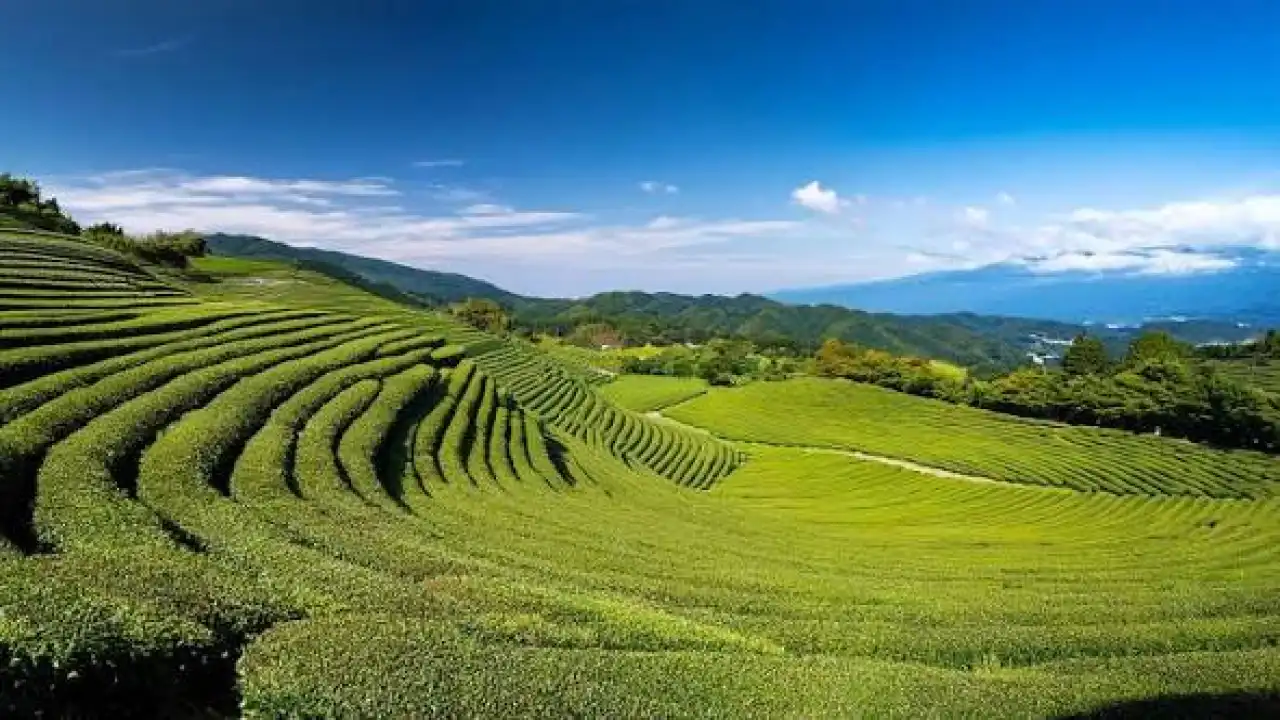
Kagoshima, in southern Kyushu, is one of Japan's major tea regions. The warm climate, fertile volcanic soil, and wide-open fields are ideal for growing green tea. Chiran is the highlight, with its tea plantations. Walk through the countryside, taste locally grown tea, and find out how it's grown and processed today.
Things to do
- Visit the scenic tea plantations around Chiran
- Browse local tea shops and try regional green tea
- Learn about tea growing and modern processing
- Pair your plantation visit with sightseeing in Kagoshima City
Spring and autumn are good seasons here. Allow a full day for Chiran if you're coming from Kagoshima City, and check local transport before you set out.
Which Japanese Teas Should You Try?
Not all Japanese green tea tastes the same. Where it's grown, how it's processed, and the water temperature all change the flavour.
Here are four to try:
- Matcha: Finely powdered green tea whisked with hot water. Strong flavour, and the star of tea ceremonies.
- Sencha: Japan's everyday green tea, brewed from loose leaves. Fresh and grassy.
- Gyokuro: A premium shade-grown tea with a rich umami flavour, usually brewed at a lower temperature.
- Hojicha: Roasted green tea that tastes warm and nutty. It's mild, so it's perfect if green tea sometimes tastes too grassy for you.
At a specialist tea shop, ask for a small tasting flight. Trying two or three teas side by side beats grabbing the first packet you see.
How Can You Fit Tea Into Your Japan Itinerary?
Easily. You don't need to give tea several days. A little planning lets you mix it in with your sightseeing.
A simple plan
- Day 1, Kyoto: Explore Gion, stop at a traditional teahouse, and join a matcha ceremony.
- Day 2, Uji: Visit Byodoin Temple, wander the tea shops along Omotesando, and book a tasting.
- Day 3, Wazuka: Take a guided plantation tour and see how tea is grown and processed.
Spending time in Tokyo too? Try an introductory tea tasting there, and look out for seasonal sweets and ceramics as you explore Japanese tea traditions. If you're planning an international tour package, these experiences are worth adding to your Japan itinerary.
When Is The Best Time to Experience Japanese Tea Culture?
Spring and autumn are the most comfortable seasons for visiting Japan's tea regions.
- Spring (March to May): The new growing season begins, and in many regions the first harvests happen around late April and May.
- Summer (June to August): The plantations are lush and beautiful; it can get hot and humid.
- Autumn (September to November): Cooler weather is perfect for exploring Kyoto's tea districts and enjoying seasonal sweets.
- Winter (December to February): Quieter, and great for teahouse visits, indoor tastings, and cultural experiences.
Planning a trip around the seasons? Travel Junky can arrange your stays, transport, and cultural experiences, so you can explore Japan's tea regions along with its famous sights.
Pro Tips
Book tea ceremonies and plantation visits ahead of time, especially during cherry blossom and autumn foliage seasons. And before you confirm:
- Check whether an English-speaking guide is included.
- Ask how long the session lasts.
- Find out if the fee covers matcha and traditional sweets.
Plan Your Japan Journey with Travel Junky
Japanese tea culture is a lovely way to see Japan beyond its famous temples, busy cities and big-name sights. Whether you're watching matcha being whisked in a Kyoto teahouse or sipping freshly brewed green tea in Uji, every stop feels a little different.
Wander through Wazuka's rolling tea hills, taste the regional flavours of Sayama, or explore Kagoshima's wide tea fields. Take your time, learn the stories behind each cup, and try a few different varieties along the way. Sometimes the best way to discover Japan is to slow down and enjoy a cup of tea.
Frequently Asked Questions
1. What is Japan's traditional tea ceremony called?
It's called Chanoyu, Chado, or Sado. It's all about preparing and serving matcha following established customs and etiquette.
2. Is matcha the same as regular green tea?
Not quite. Matcha is made from finely ground green tea leaves that are whisked into water. Regular green tea, like sencha, is made by steeping leaves in hot water.
3. Where is the best place to experience tea culture in Japan?
Uji in Kyoto Prefecture is one of the best-known spots. It has traditional tea shops, tasting sessions, historic temples and easy access to nearby tea-growing areas.
4. Can tourists take part in a tea ceremony?
Yes. Many teahouses and cultural centres in Kyoto, Tokyo and other cities offer introductory ceremonies for international visitors, and some explain things in English.