India's Darkest Corners: A Guide to Haunted Forts, Massacre Sites & Ghost Towns
Did you have a childhood fascination with ghosts and mysteries, or are you normal? When a cousin sleepover turned into a night of ghost stories, do you recall getting a bit too excited? If that kid is still inside you, then this blog is for you.
Dark tourism in India has been growing steadily as a serious category of travel, not morbid thrill-seeking, but genuine historical reckoning. India, given its layered past of empires, famines, colonial violence, partition, and thousands of years of accumulated human drama, happens to be one of the richest destinations for it on earth. This guide covers eight locations, each factually documented, each with its own specific character. Some are government-protected. Some are archaeological ruins. Ghost Towns and Haunted Forts in India. Also, there is a beach with a reputation that no amount of tourist signage can seem to fix. Travel Junky has put this together for travellers who want to go somewhere that actually means something, not just to tick off a heritage site, but to understand what happened there and why it still matters.
What Is Dark Tourism And Why India?
The term was coined in the 1990s by researchers John Lennon and Malcolm Foley to describe travel to sites associated with death, tragedy, atrocity, or the macabre. Auschwitz, Ground Zero, and Chornobyl, those are the often-cited examples. But dark tourism in India operates across a wider spectrum. Some sites are explicitly historical and politically important (Jallianwala Bagh). Others are haunted places in India that are actually archaeological ruins that have accumulated ghost legends over centuries (Bhangarh). Others sit in genuinely strange categories, abandoned villages, half-submerged churches, and beaches with unusual reputations.
India's appeal for this type of travel lies partly in scale and partly in the texture of how history has physically persisted here. Colonial-era jails still stand. Rajput forts from the 12th century haven't been entirely absorbed by modernity. Villages abandoned 200 years ago still have walls. That's not common everywhere.
Eight Sites Worth Understanding
The Fort That the Government Locked After Dark: Bhangarh, Alwar, Rajasthan
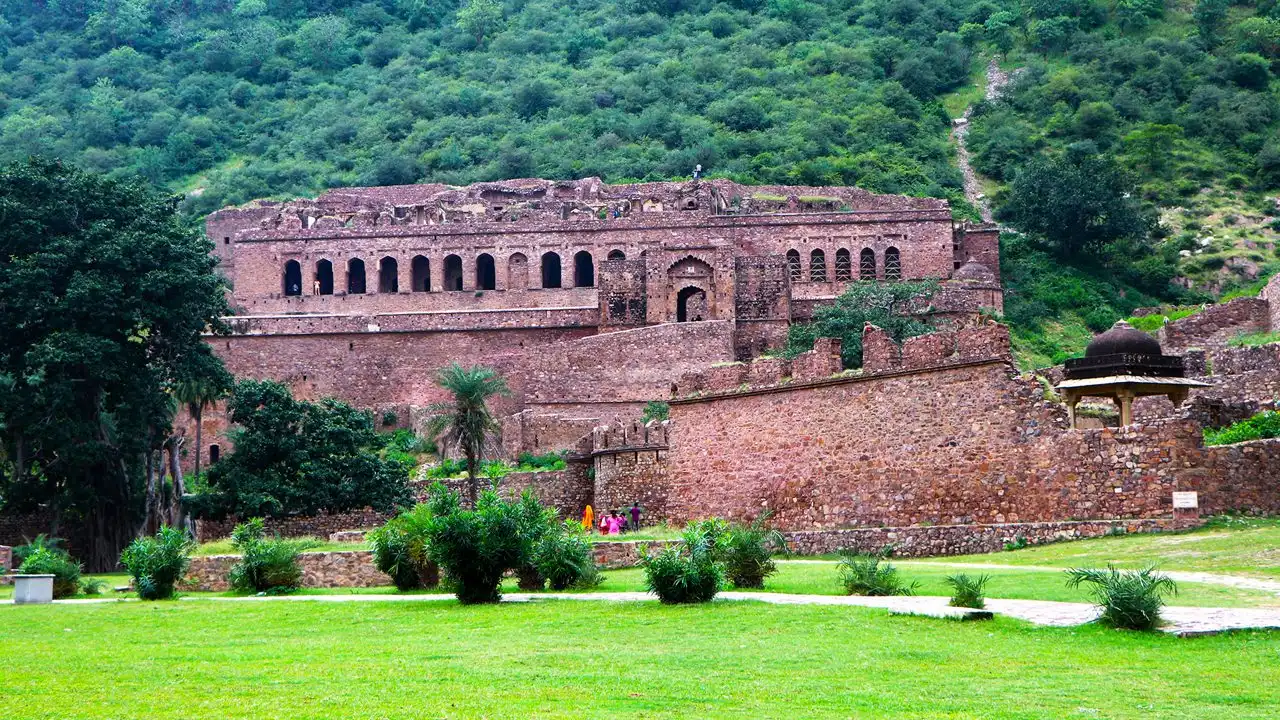
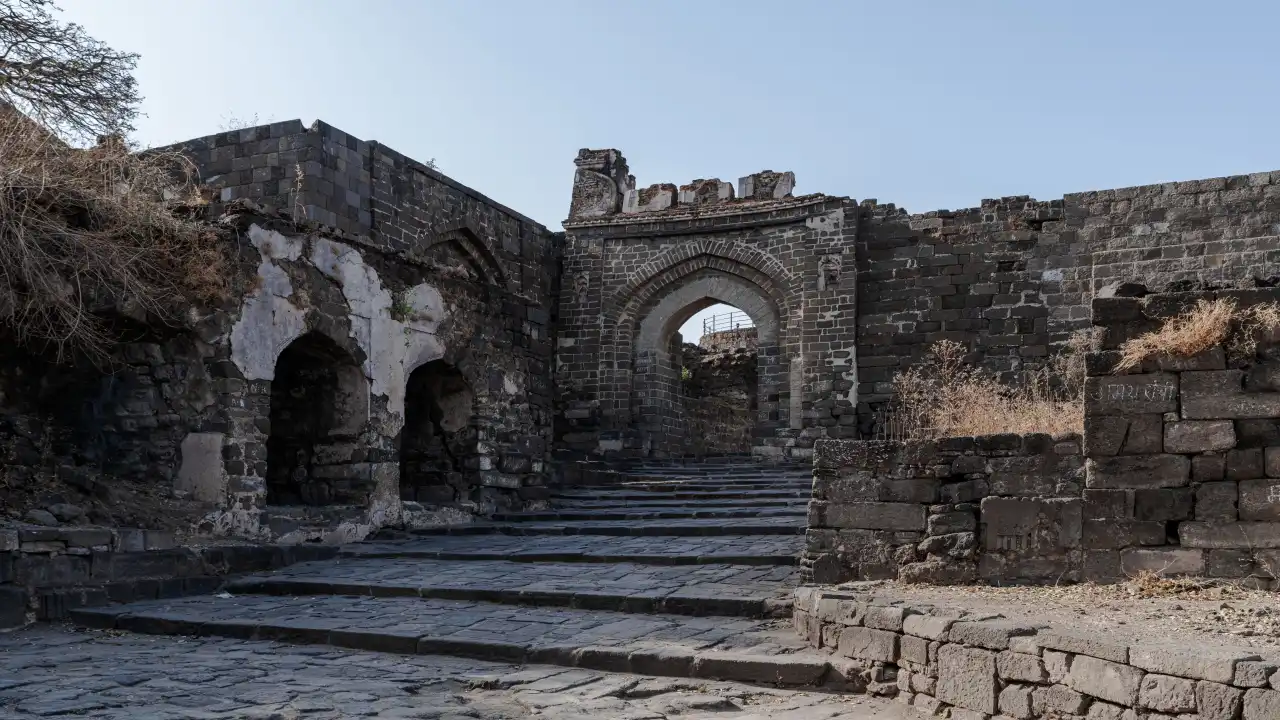
Bhangarh Fort dates back to 1573, built for Madho Singh, son of Raja Bhagwant Das. The town around it thrived for a while, then by the 18th century, it was empty. Famine and a Maratha military defeat are the more plausible explanations; local legend prefers a curse by a sorcerer named Singhiya. The ASI sign at the entrance banning entry after sunset is real, though it reads more like a liability notice than anything else. The actual reason to come here is simpler: it's a whole abandoned settlement you can wander through on your own, temples, palace ruins, a market street, step-wells, without anyone shepherding you around.
- Nearest railhead: Dausa (22 km); taxis from Dausa or Alwar (83 km)
- Timings: Sunrise to sunset; ASI-enforced
- Entry fee: ₹25 Indians / ₹200 foreigners
- Budget: Day trip from Jaipur (85 km) viable; ₹800–₹1,200 for taxi round trip
- Nearby: Sariska Tiger Reserve (40 km), Siliserh Lake Palace, Alwar fort
- Best time: October to February
The Village That Left Overnight Kuldhara, Jaisalmer, Rajasthan
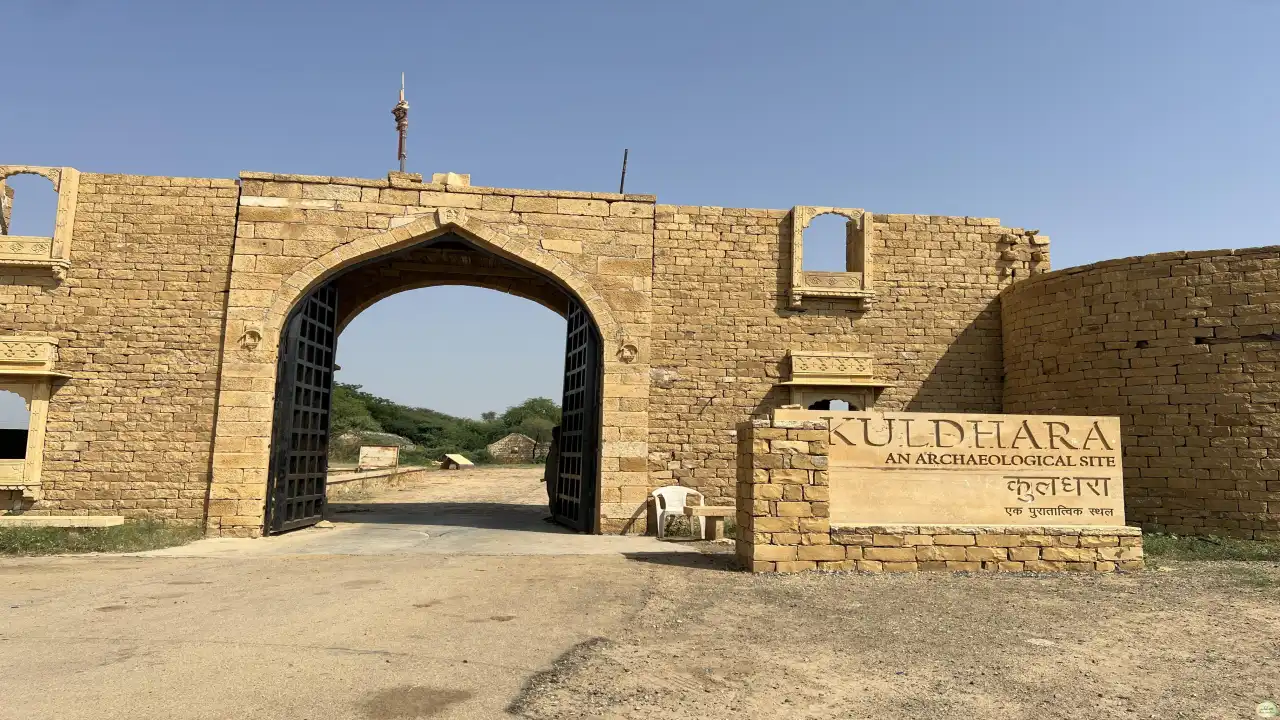
One night in 1825, the Paliwal Brahmin residents of Kuldhara and 83 neighbouring villages got up and left. All of them, at once. Nobody knows exactly where they went. The story most people tell is that the Diwan of Jaisalmer, Salim Singh, had taken an unwanted interest in the village chief's daughter, and the community chose to vanish rather than deal with him. They're said to have cursed the land on their way out. Whether that part is true or not, nobody has lived there permanently since. The stone houses are still standing, still laid out in their original grid, and you can walk through them.
- How to reach: 18 km from Jaisalmer; taxis and autos available; road mostly paved
- Entry fee: ₹10 Indians / ₹50 foreigners; small museum on site
- Timings: 8 AM to 6 PM
- Budget: ₹1,200–₹1,800 for shared jeep tour, including Sam Sand Dunes
- Nearby: Sam Sand Dunes (40 km), Jaisalmer Fort (UNESCO), Khaba Fort (less-visited Paliwal site)
The Garden That Kept the Bullets Jallianwala Bagh, Amritsar, Punjab
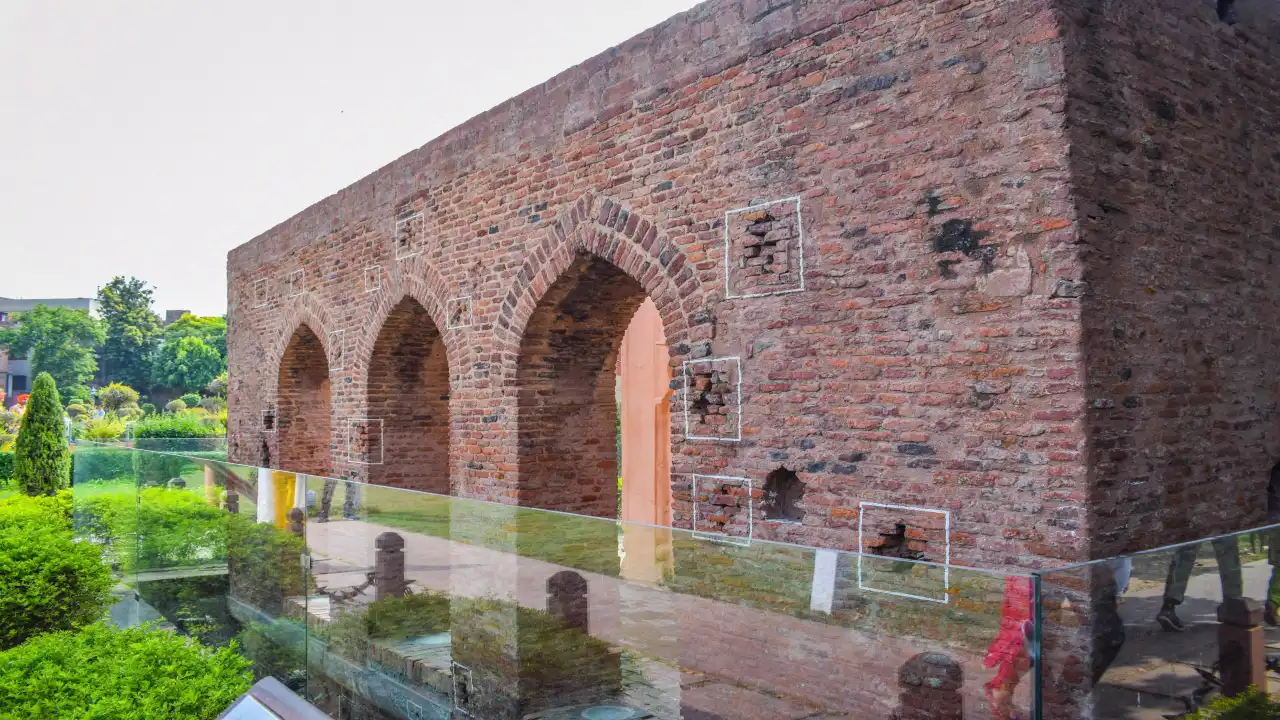
April 13, 1919. Brigadier-General Reginald Dyer ordered his troops to open fire on a crowd gathered in this walled garden in Amritsar. The British put the death toll at 379; most historians think that number is far too low, with some estimates going past 1,000. The exits were blocked. People jumped into the well inside to escape. The firing went on for roughly ten minutes until the ammunition ran low. This is not a reconstructed site. The well is still there. The bullet holes are preserved behind glass. The narrow lane that stopped Dyer's armoured vehicles from entering, trapping everyone inside, is the same lane you walk through today. A 2021 renovation was criticised by historians who felt it softened the place. Worth knowing before you go.
- How to reach: 5-minute walk from the Golden Temple; Amritsar Junction is 2 km away
- Entry fee: Free
- Timings: 6:30 AM to 7:30 PM (summer); 7 AM to 6 PM (winter); evening light and sound show
- Nearby: Wagah Border (28 km), Partition Museum, Durgiana Temple
The Prison at the Edge of the Empire Cellular Jail (Kala Pani), Port Blair, Andaman Islands
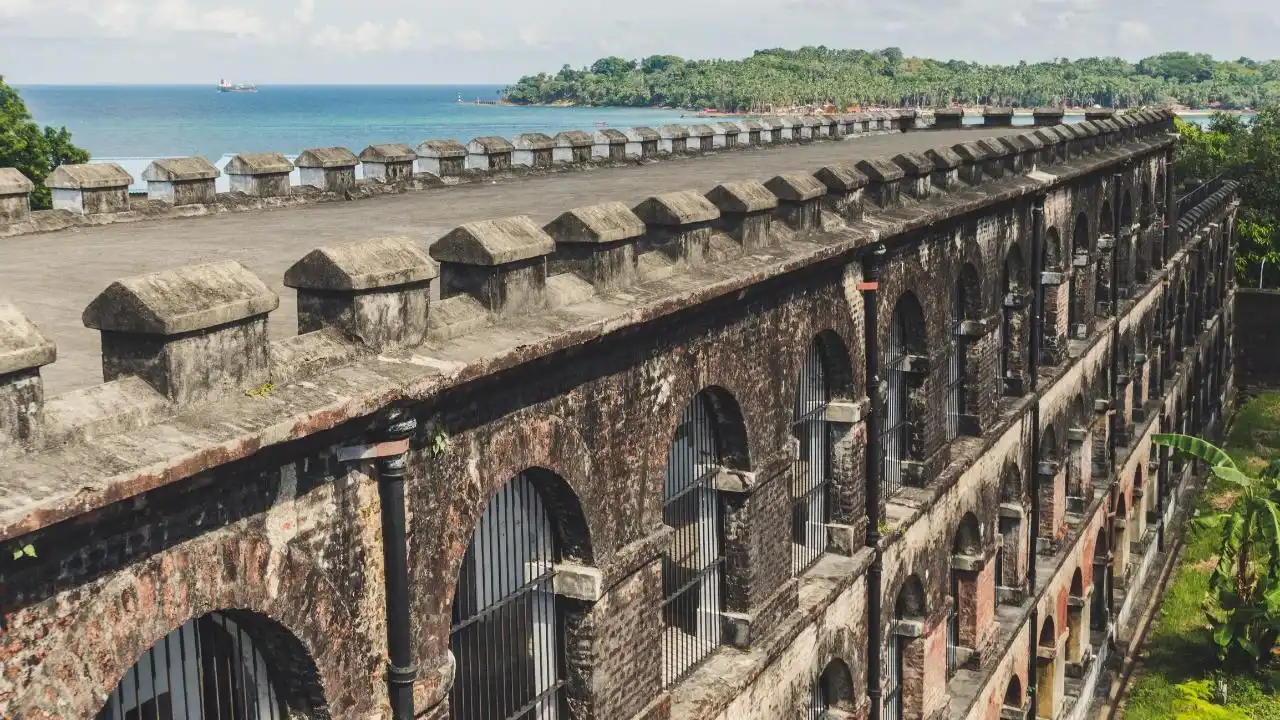
From 1906 to 1938, the British shipped Indian political prisoners to an island four days from the mainland by sea. The isolation was the point. The jail was built in a radial pattern, seven wings off a central tower, so guards could see down every corridor at once. Three of those wings are still standing. The cells are small, 4.5 by 2.7 metres, and you can go inside them. The oil extraction machine that prisoners were forced to work on is still on display. Some of the names on the cells, Savarkar among them, remain genuinely contested in Indian political memory today. The evening light and sound show handles all of this with varying degrees of care, but it's worth sitting through once.
- How to reach: Fly to Port Blair from Chennai, Kolkata, or Delhi; the jail is walkable from Aberdeen Bazaar
- Entry fee: ₹30 Indians / ₹200 foreigners; light and sound show ₹50–₹150
- Timings: 9 AM to 12:30 PM and 1:30 to 5 PM; shows at 6 PM and 7:15 PM
- Budget: Flights ₹4,000–₹10,000 return; accommodation from ₹700/night
- Nearby: Ross Island (ruined British HQ), Viper Island (colonial-era gallows)
Where a Prince Was Chased Through the Dark Shaniwarwada Fort, Pune, Maharashtra
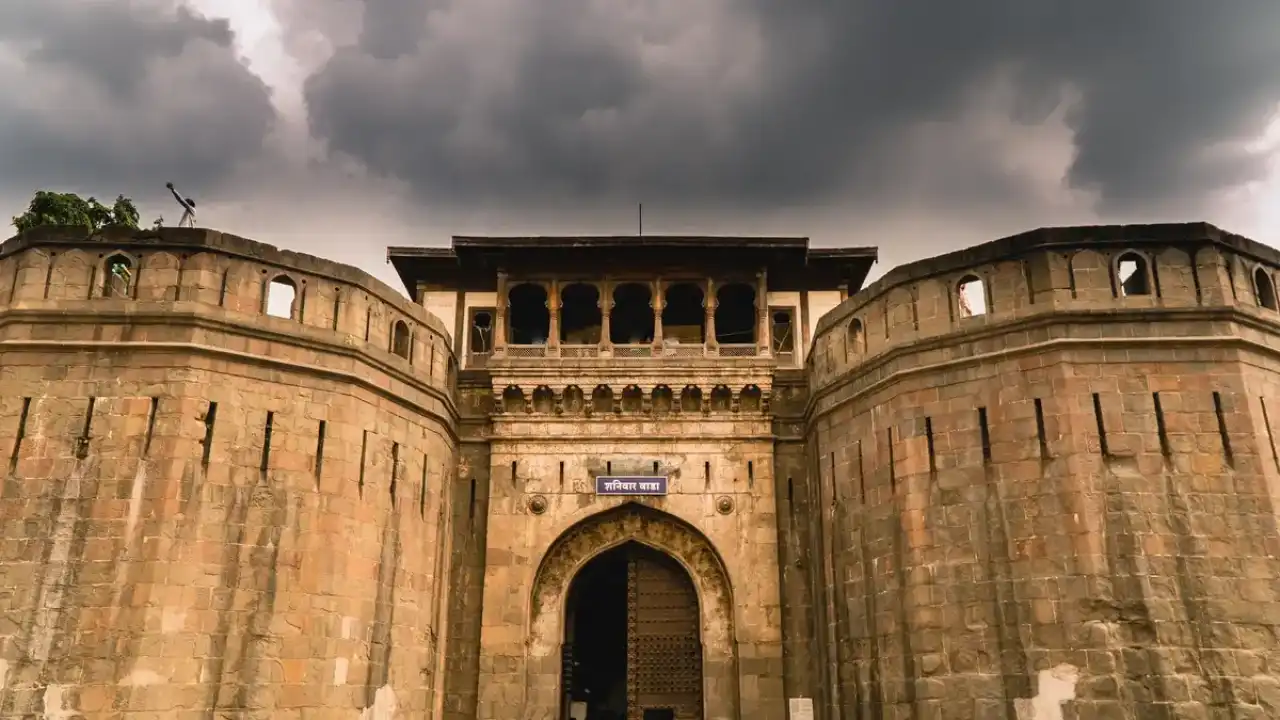
Shaniwarwada was built in 1732 and ran as the seat of the Maratha Confederacy for nearly a century, until the British finished off the Peshwas in 1818. A fire in 1828 took out most of the interior, leaving the outer walls, the gates, and the foundations of what were once nine-storey buildings. The story people actually come for is older: in 1773, the 16-year-old Narayanrao Peshwa was killed inside the palace, set up by his own aunt and uncle. As he was being chased, he reportedly called out to his uncle to save him. That line, "Kaka mala vachva," has been repeated so many times since, in folklore, in films, in the official light and sound show, that it's become inseparable from the place. The fort's broader history as one of the most powerful political centres of 18th-century South Asia tends to get buried under it.
- How to reach: Central Pune near Budhwar Peth; Shivajinagar metro 1.5 km; Pune Junction 3 km
- Entry fee: ₹25 Indians / ₹125 foreigners; evening show ₹25–₹30
- Timings: 8 AM to 6:30 PM; shows at 7:15 PM and 8:15 PM
- Nearby: Aga Khan Palace (6 km), Parvati Hill, Raja Dinkar Kelkar Museum
The Church, the Reservoir Swallowed Shettihalli Rosary Church, Hassan, Karnataka
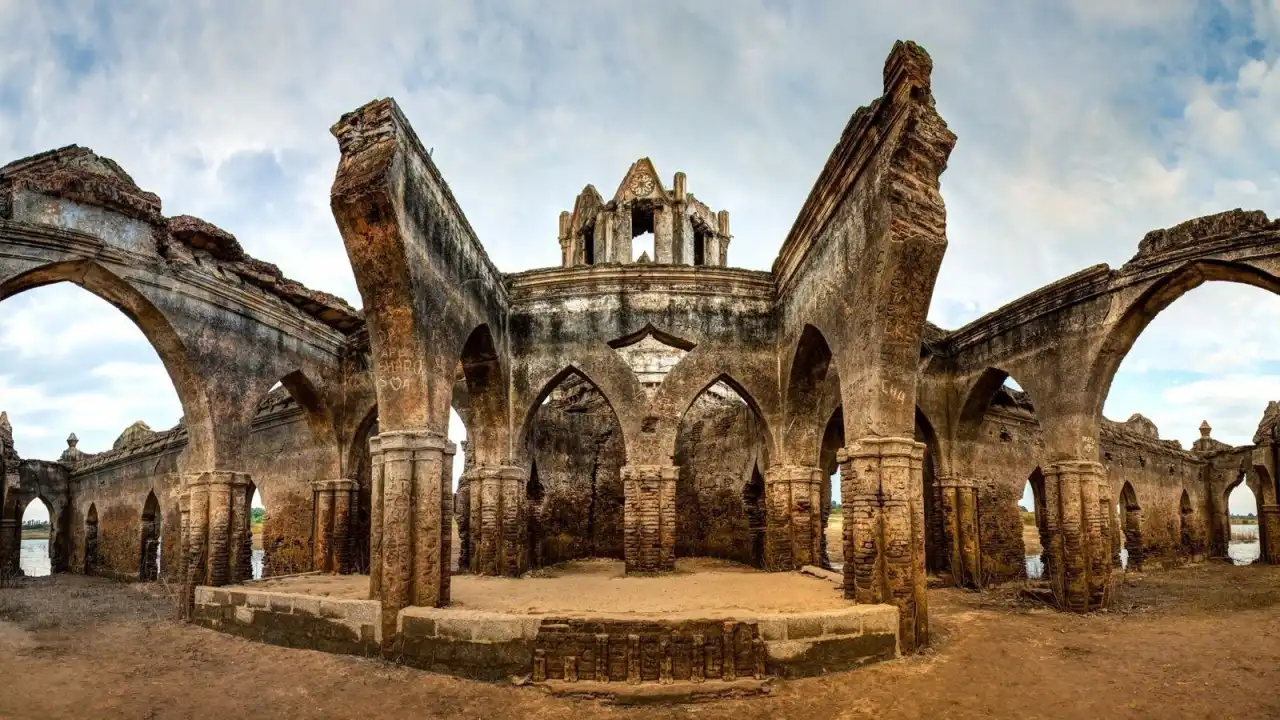
French missionaries put up this Gothic Revival church in the 1860s, with arched windows, a bell tower, the works. When the Hemavathi reservoir filled up in 1964, the valley went underwater, and the church went with it, except nobody bothered to knock it down first. So every monsoon it disappears, and every dry season it comes back up, walls stripped of plaster, watermarks climbing the stone, bats in the rafters. By February, you can reach it by wading or taking a coracle across. By August, it's completely gone again. No particular tragedy attached to it, no ghost story with a named origin. It's just a strange, slow collision between a colonial-era building and a post-independence dam, playing out on a seasonal loop.
- How to reach: 14 km from Hassan; auto-rickshaws or private taxi (₹400–₹600 return)
- Best season: October to February; fully submerged July to September
- Entry: No formal fee; coracle rides ₹30–₹60
- Nearby: Belur and Halebidu Hoysala temples (UNESCO, 37 km), Gorur Dam
The Beach Where People Go Missing Dumas Beach, Surat, Gujarat
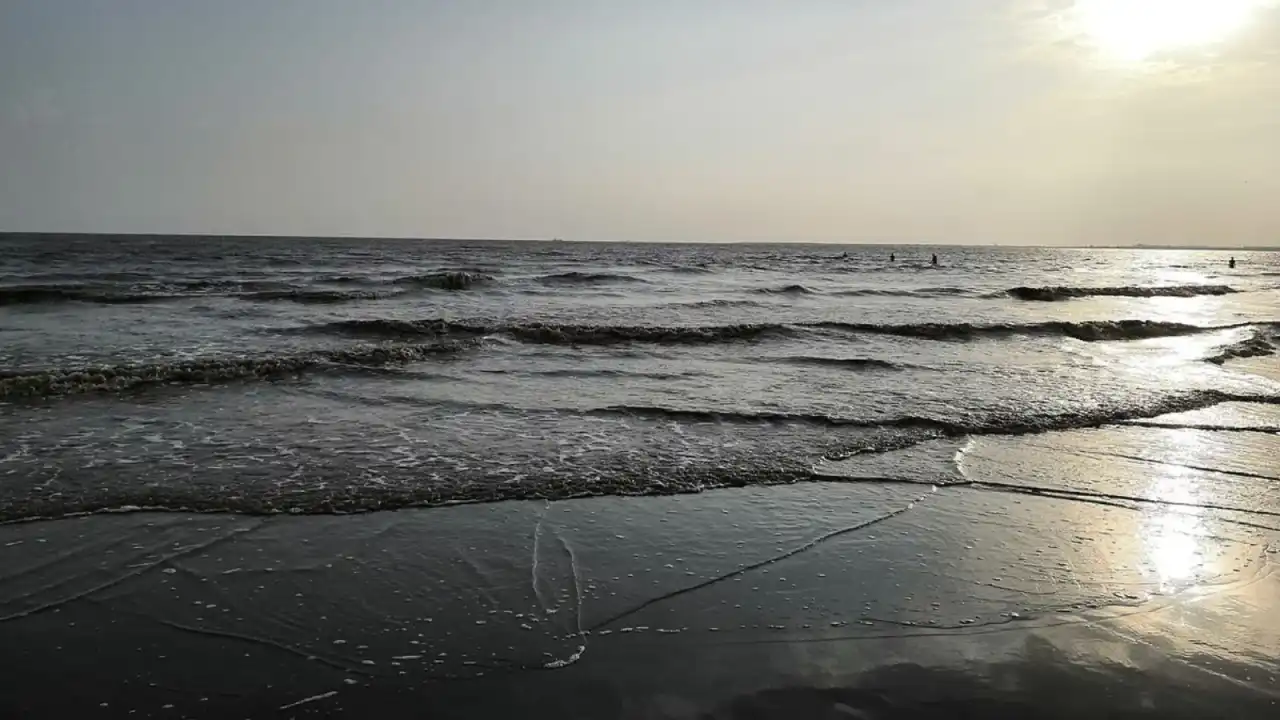
Dumas is a black-sand beach on the Arabian Sea, about 21 km from Surat, and it sits right next to a Hindu cremation ground. That combination has given it a reputation that's been building for decades, stories of people disappearing, of the beach making a whispering sound at night. The whispering has a mundane explanation, something to do with the mineral content of the sand. The disappearances most likely come down to the riptides, which are strong and unpredictable enough that swimming is now restricted. Still, there's something about the place that doesn't quite add up to a normal beach visit: the black sand, the proximity to the cremation ground, the particular quality of the light in the evening. It's worth going to see what you make of it.
- How to reach: 21 km from Surat station; Route 75 bus; autos ₹250–₹350 one way
- Swimming: Not recommended; observe flag warnings
- Best visited: Daylight hours; poorly lit at night
- Nearby: Hajira Beach (14 km, safer for swimming), Surat Castle, Dutch and Armenian cemeteries
The Forest Road Where Schoolgirls Disappeared Dow Hill, Kurseong, West Bengal
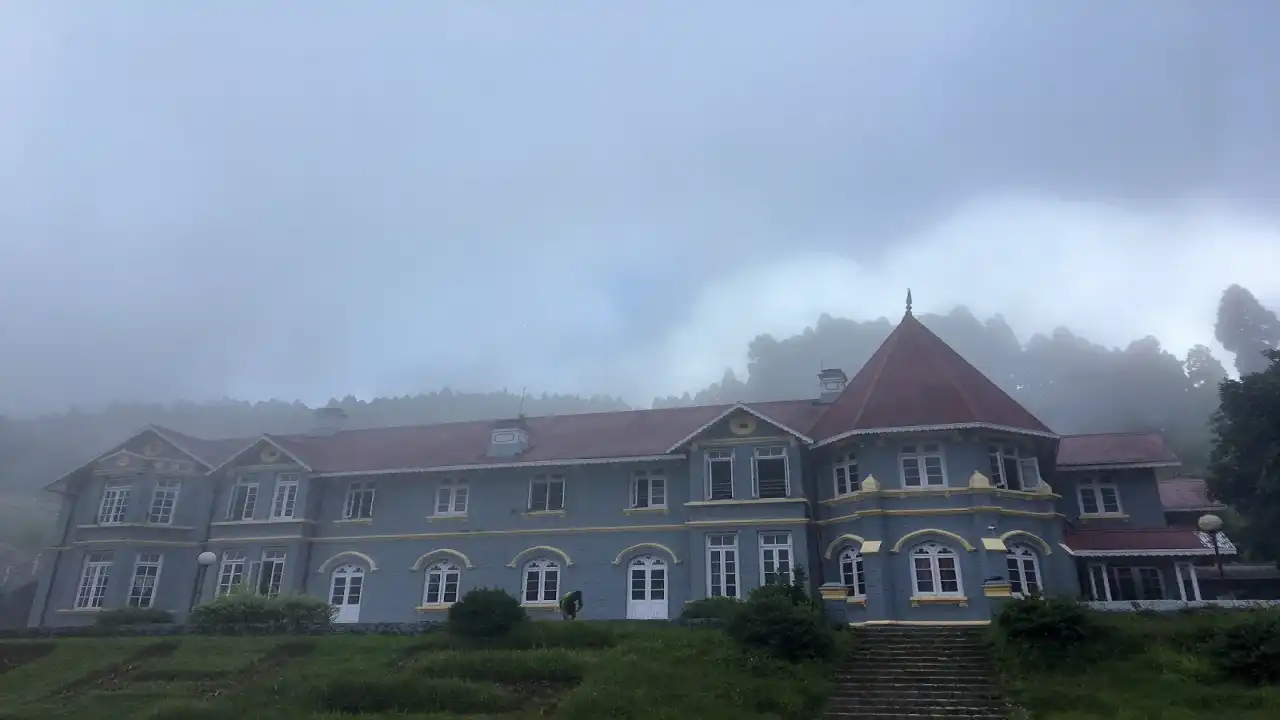
Dow Hill is a small settlement in the hills above Kurseong, at about 2,050 metres, the kind of place that stays in the mist for weeks at a time. The Victoria Boys' School closes every winter, December through March, and the forest trail that runs behind it down to Kurseong town has been called the "death road" for as long as locals can remember. The reasons are vague: headless bodies found in the woods over the years, a headless boy seen walking the path, woodsmen who won't go in alone. What's unusual is that, unlike most haunted sites in India, this one has no single origin story you can point to. The accounts shift depending on who's telling them. That vagueness, oddly, makes it feel more unsettling than the sites with a cleaner narrative.
- How to reach: Kurseong is 32 km from Darjeeling and 45 km from Siliguri (NJP); Toy Train runs daily; Dow Hill is 5 km from Kurseong by shared taxi
- Trail: About 3 km, manageable in daylight without a guide; unlit
- Best season: March to May, September to November; avoid the monsoon due to landslide risk
- Accommodation: Kurseong from ₹700/night; wider range in Darjeeling
- Nearby: Makaibari Tea Estate, Eagle's Craig viewpoint, Mirik Lake (35 km)
Planning a Dark Tourism Trip in India
The eight sites are distributed around the sub-continent, yet some naturally couple up. Jaisalmer, Bhangarh, and Kuldhara, all inside Rajasthan, can bookend an itinerary. The Andaman Islands warrant a vacation of their own, yet reward it in spades. Shaniwarwada in Pune is an easy addition to any western India circuit that includes Mumbai or Goa.
Some general tips for first-timers looking to explore dark tourism in India:
- Entry hours matter more here than they do at regular heritage sites, as some of these places have hard cutoffs by ASI or local authorities.
- Please check access status before you go; availability can be affected by flood season, renovation closures and occasional temporary shutdowns.
- Visit the places with some information behind you.
Travel Junky advocates giving yourself enough time at each site to really take it in, rather than the 45-minute sprint that is typical of most history tourism, but the sort of unhurried wandering that allows a place to speak in its own register.
Conclusion
India’s history is long, deep, and often cruel. The sites in this book tell varied stories about that: imperial aggression, communal tragedy, architectural neglect and colonial captivity. They are a sort of counter-itinerary to regular tourism, which, taken seriously, is probably more honest about the country you are passing through. And isn’t that the whole point of travelling? To learn and understand a place from its roots?