The Changing Face of Travel: Top Trends to Watch in 2027
Travel is changing, and so is what people want from it. Nobody wants to just tick off famous sights anymore. They want trips that fit their interests, their lifestyle and, yes, their wallet. Maybe that’s a laptop open in a Bali café, a slow afternoon in the Tuscan countryside, or a lake view in Queenstown. People keep finding new reasons to go.
The Top Travel Trends in 2027 all point the same way: more personal, more flexible, more about the experience. Tech is making planning less of a headache. Wellness retreats, cultural experiences and sustainable tourism are shaping where people go. And with the right international trip package, trying somewhere new is much easier than it used to be. Here are eight travel trends that should shape the travel industry in 2027.
1. The Rise of Digital Nomad Destinations
Bali, Indonesia

Remote work has changed how people plan holidays. More companies now let staff work from anywhere, so plenty of professionals are packing a laptop and just going. Bali is a big favourite with digital nomads. You get coworking spaces, cosy cafés, lots of places to stay, and a good chance of meeting people from all over the world. Canggu and Ubud are the two spots remote workers talk about most. Think about the hum of scooters outside and iced coffee on the table next to your laptop.
A few reasons digital nomad travel keeps growing:
- Flexible working arrangements.
- Coworking spaces and reliable internet.
- Chances to meet international professionals.
- Longer stays in places you actually enjoy.
Pro Tip: Before you pick a place, check the internet, the visa rules and the accommodation costs. It’s a boring job, but it saves you a lot of trouble later.
2. The Growing Interest in Rural Tourism
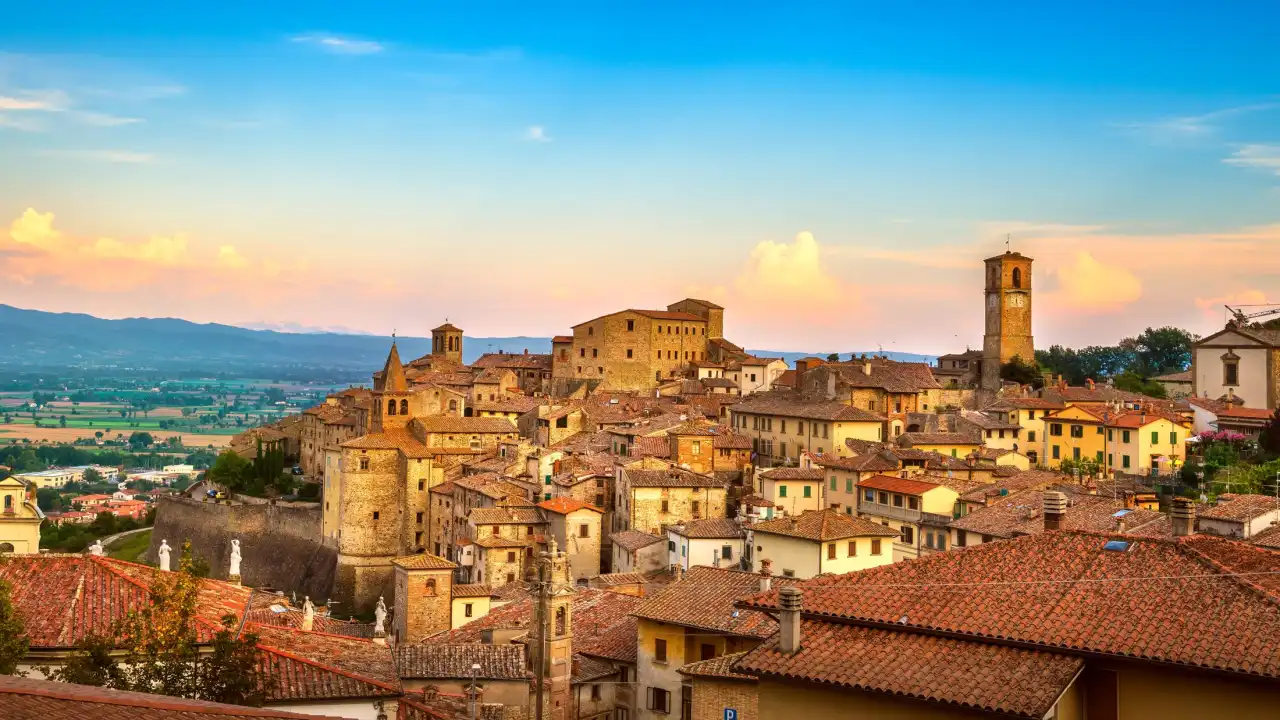
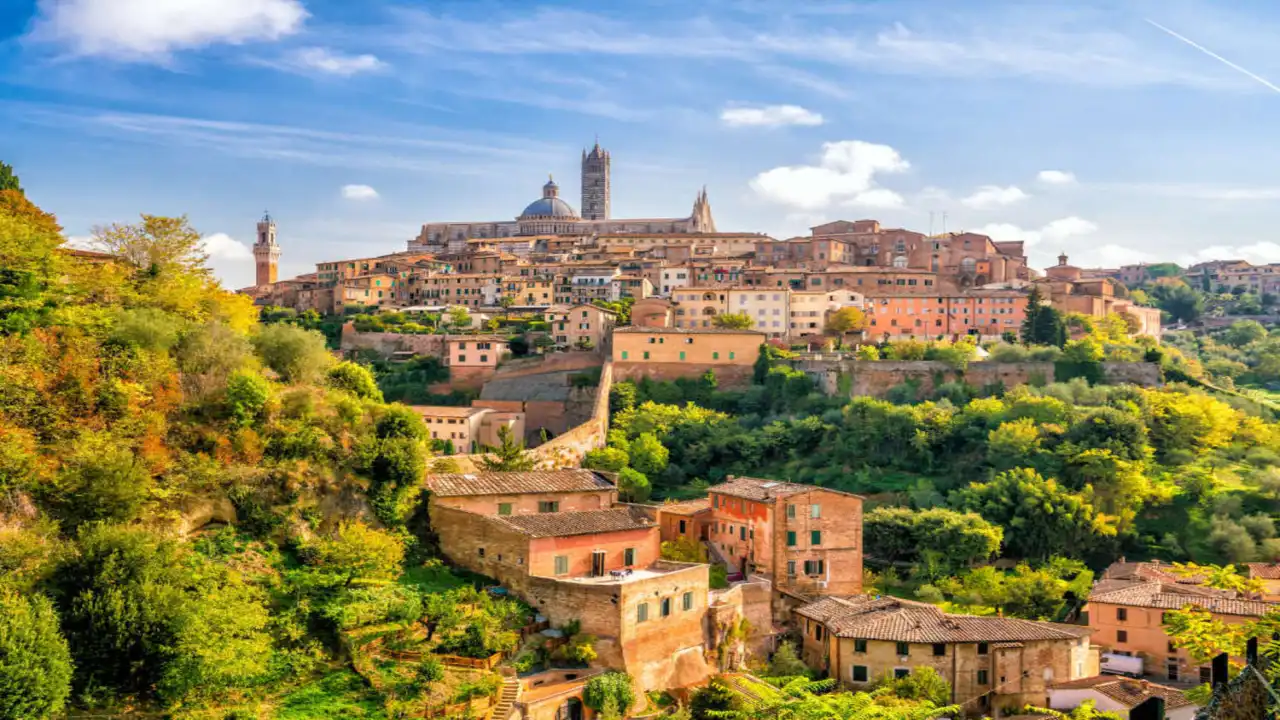
Tuscany, Italy
Many travellers are tired of crowded cities. They want quiet countryside instead. Rural tourism means wandering through old villages, visiting local farms and vineyards, and eating the food the region is known for. Tuscany in Italy is a great example. It has vineyards, olive farms, countryside properties and traditional villages. You can do a farm stay, browse the local markets and eat proper Italian food, the kind that tastes better because you watched someone make it.
Popular rural travel experiences include:
- Staying in countryside farmhouses.
- Visiting local farms and vineyards.
- Exploring traditional villages.
- Enjoying regional food experiences.
- Taking part in local festivals.
Rural tourism also helps local communities because visitors end up spending money at small shops and family-run places.
3. The Popularity of Multi-Generational Holidays

Singapore
Family holidays look different now. More people want to travel with everyone: grandparents, parents, kids and young adults all together. The hard part is finding a place where each of them has a good time. Singapore works well for multi-generational holidays because there’s something for every age. You can see Gardens by the Bay, spend a day on Sentosa Island, visit the Singapore Zoo and then wander through the shopping and entertainment areas.
Some reasons this trend is growing:
- Quality time with family.
- Celebrating special occasions together.
- Choosing places with activities for different ages.
- Creating shared travel memories.
Pro Tip: Pick a destination with comfortable accommodation, easy transport, and a mix of relaxing and fun things to do.
4. The Shift Towards Nature-Based Travel
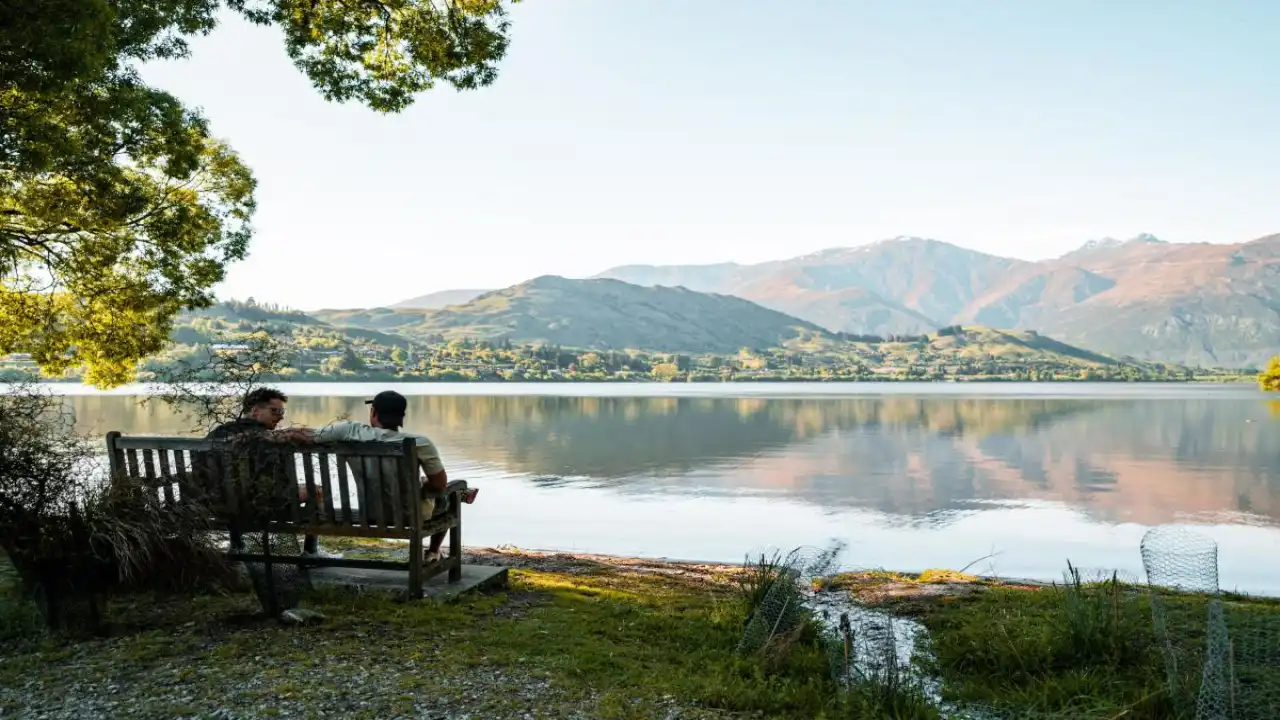
Queenstown, New Zealand
More people want to spend time outdoors. Instead of only visiting cities and shopping streets, they’re heading to mountains, lakes, forests and wide open landscapes. Queenstown in New Zealand is a good example. It sits among mountains beside Lake Wakatipu, and you can hike, cycle, take scenic boat rides or try adventure activities. The air is cold and clean, and the views are hard to ignore.
Some reasons nature-based holidays are so popular:
- Chances to explore natural landscapes.
- Interest in outdoor activities and adventure sports.
- A break from busy city life.
- Great chances for photography and wildlife.
Travellers are also more aware of responsible tourism now, and of how important it is to look after the places they visit.
5. The Growth of Wellness Retreats
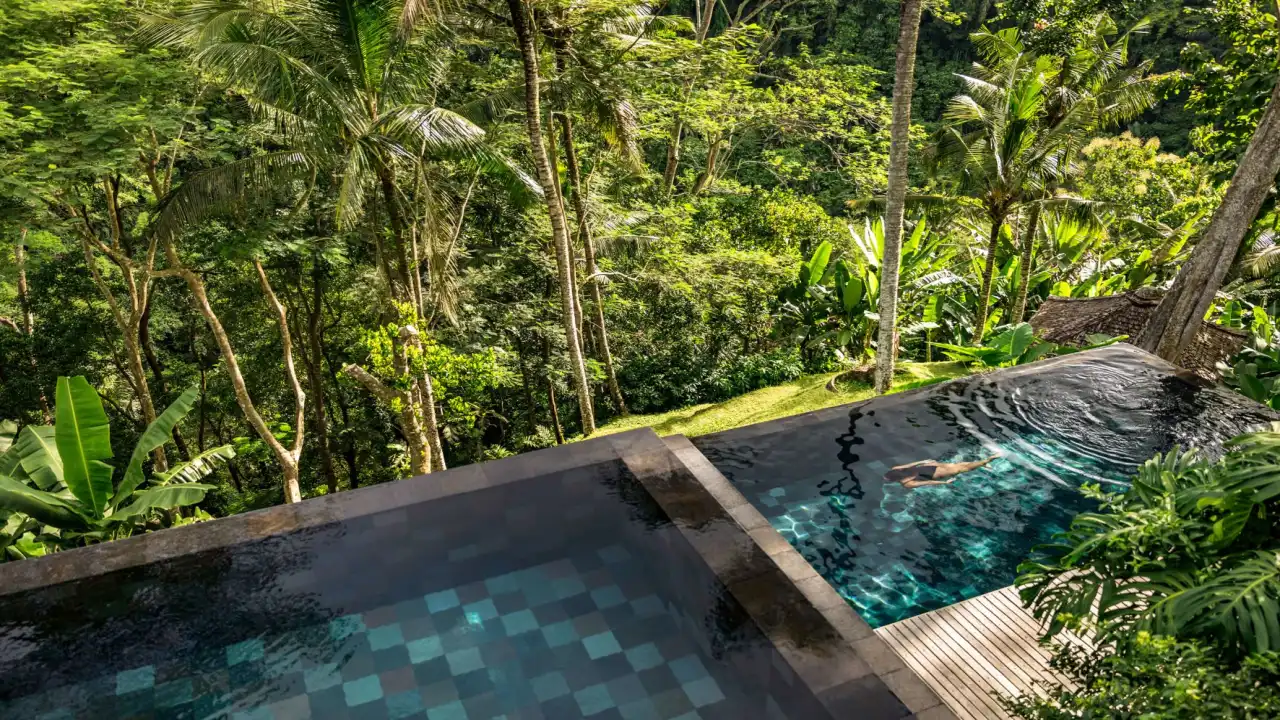
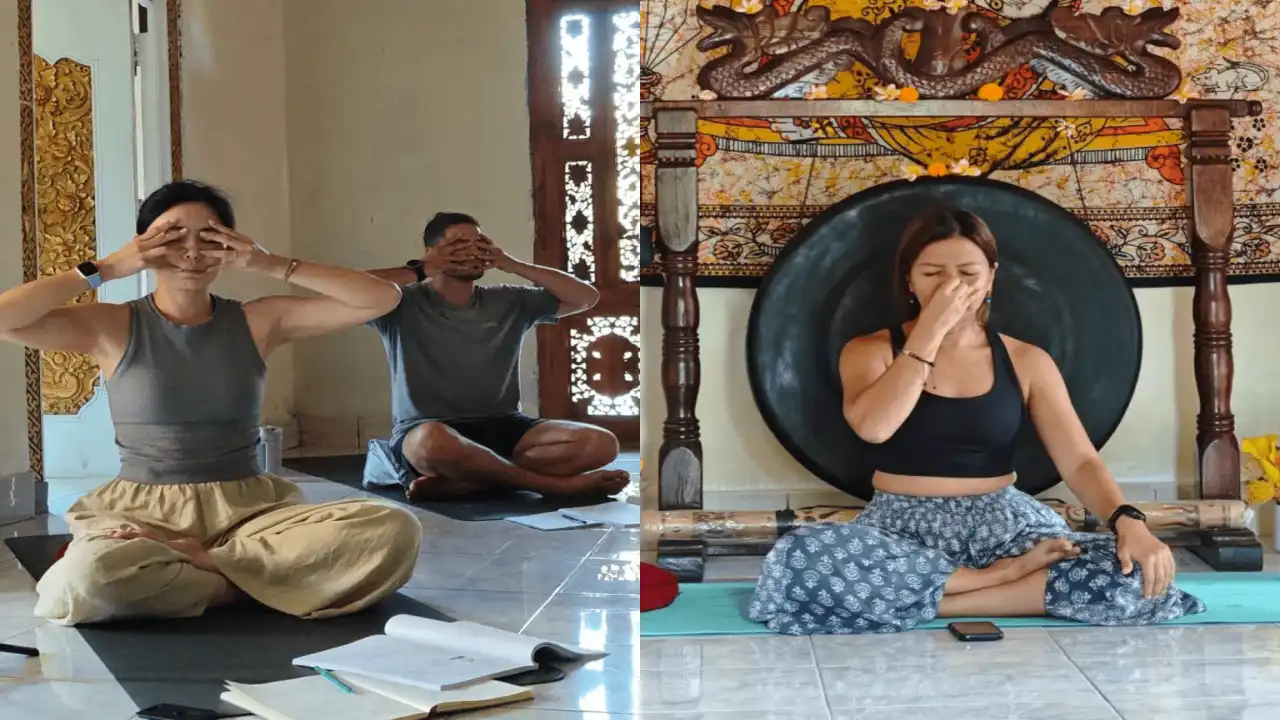
Ubud, Bali
Busy lives and long working hours have made people crave holidays that are slow and good for them. Wellness tourism isn’t just spa days anymore. Travellers now look for yoga, meditation, healthy food and time in nature. Ubud in Bali is a popular wellness destination. It has yoga studios, meditation centres, wellness resorts and quiet places to stay, all surrounded by greenery.
Popular wellness experiences include:
- Yoga and meditation sessions.
- Spa treatments and relaxation therapies.
- Healthy, nutrition-focused dining.
- Nature walks and outdoor activities.
- Digital detox programmes.
In 2027, wellness holidays should get even more personal, with people choosing what suits their own needs.
6. The Demand for Authentic Cultural Experiences
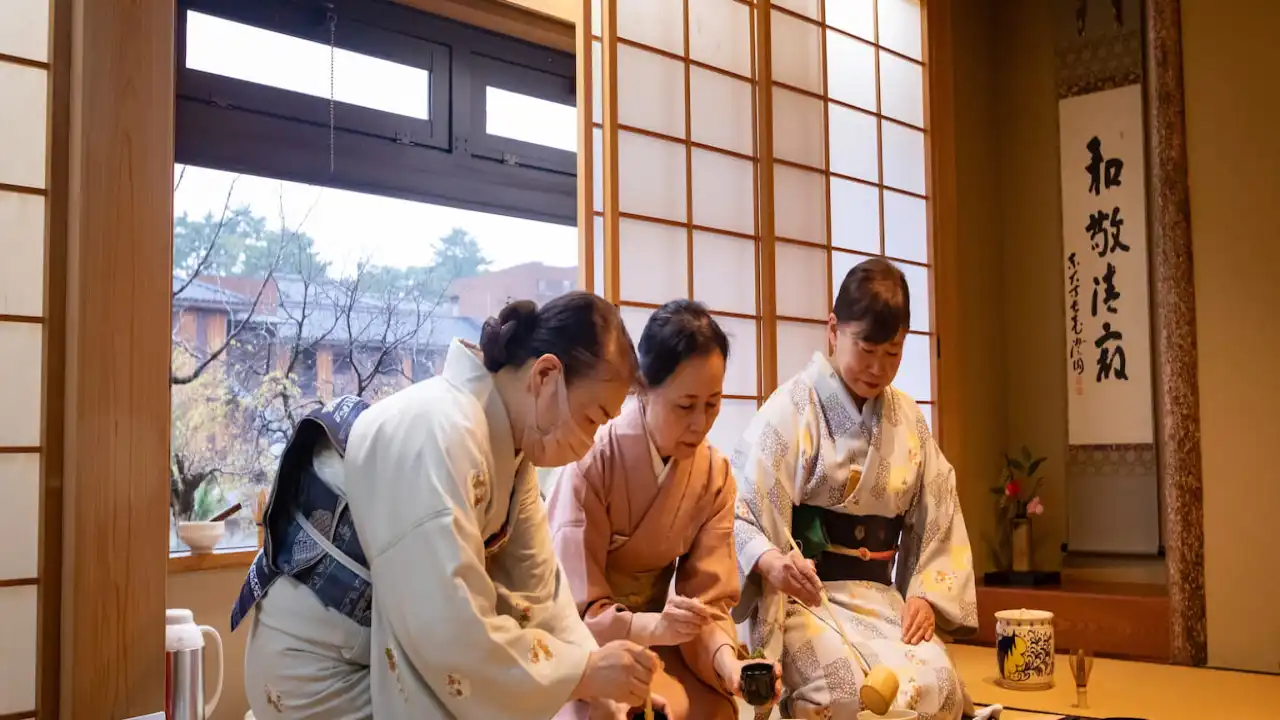
Kyoto, Japan
Travel is also about understanding a place, its culture and its traditions. Many visitors now want to live like locals for a bit, not just stand in front of the popular sights. Kyoto in Japan is a perfect example of cultural tourism. It’s known for old streets, temples, gardens and a lot of heritage, and there are plenty of ways to experience Japanese traditions up close. You can join a tea ceremony, walk through historic neighbourhoods, visit local markets and learn about traditional crafts.
Some popular cultural experiences:
- Attending traditional cooking classes.
- Exploring local markets and food streets.
- Joining cultural workshops.
- Visiting historical landmarks.
- Experiencing local festivals.
These activities also help local communities, since the money goes to traditional businesses and local artists.
7. The Rise of Personalised Luxury Travel
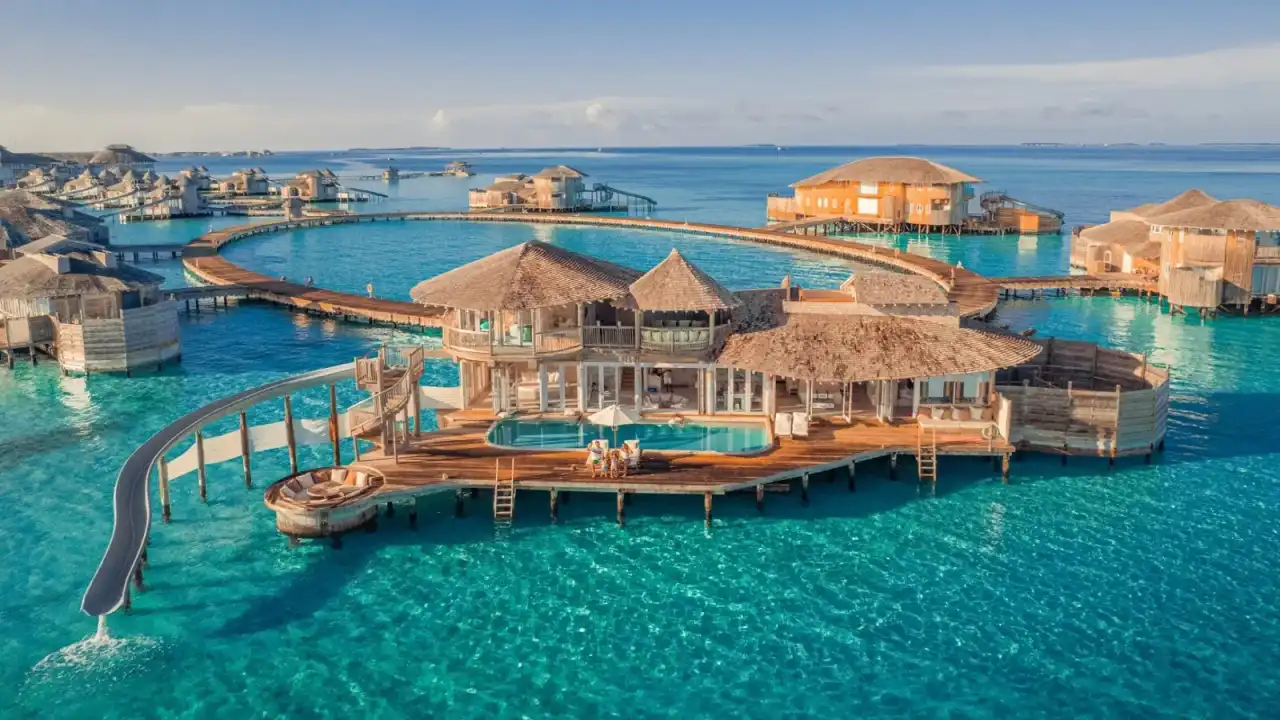
Maldives
Luxury travel isn’t only about fancy, expensive hotels anymore. Travellers want experiences that fit their own taste. The Maldives is a popular example of personalised luxury travel. It’s known for private island resorts, overwater villas and beautiful beaches, and it’s a good choice if you want comfort and privacy. You can enjoy private dining, spa treatments, water sports, sunset cruises and resort experiences made just for you.
Some features of personalised luxury holidays:
- Private villas and premium accommodation.
- Customised sightseeing experiences.
- Private dining arrangements.
- Personalised wellness services.
- Exclusive activities and transfers.
Travel junky offers more flexible itineraries, so travellers can pick the services they want and stay within budget.
8. The Popularity of Short International Getaways
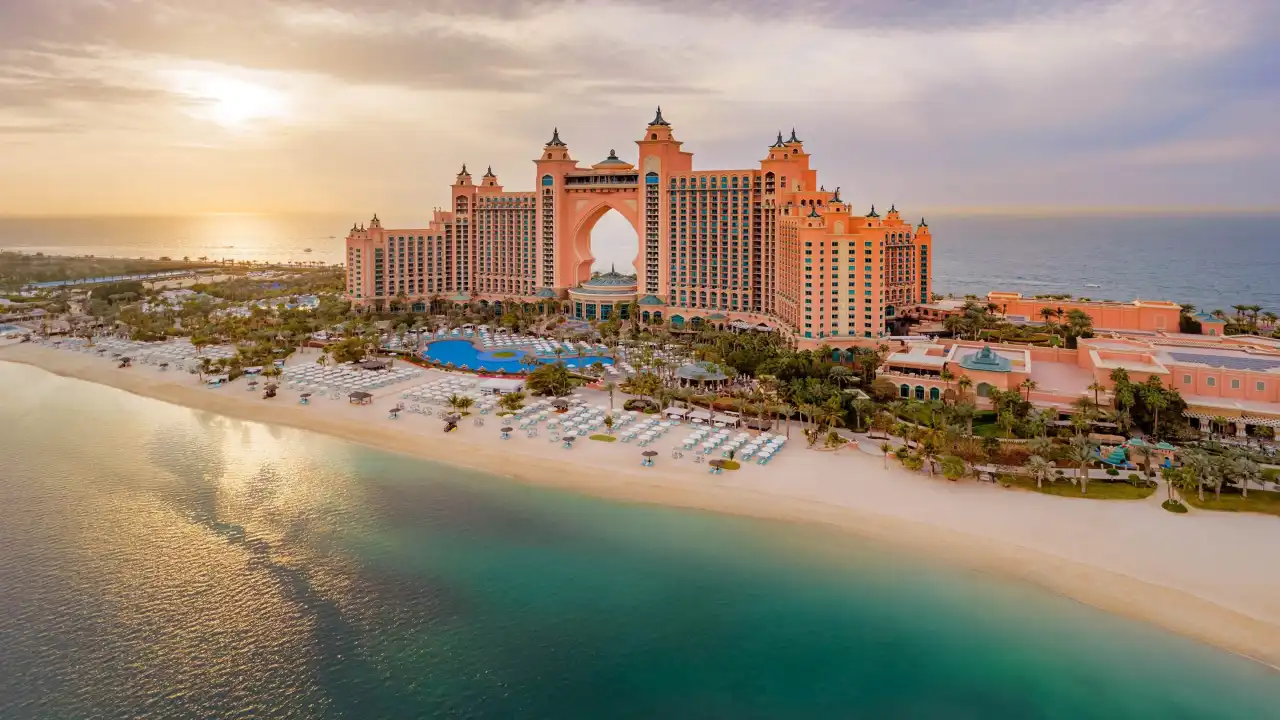
Dubai, UAE
Long holidays aren’t always possible. Work and other commitments get in the way. That’s why more people are choosing short international trips, where you see a new place without being away from your routine for too long. Dubai is a good example. It has shopping, entertainment, sightseeing and great food. You can go up the Burj Khalifa, spend time at Dubai Marina, wander through the traditional markets and try a desert safari.
Some reasons short international getaways are growing:
- Less time away from work.
- Chances to explore international destinations.
- Easier planning around weekends and public holidays.
- Better control over travel costs.
- More frequent chances to take a holiday.
Pro Tip: Choose a destination with easy flight connections and attractions close to each other, so you make the most of a short break.
What These Emerging Travel Trends Mean for the Travel Industry
The travel industry is changing to keep up with what customers want. Travellers want more flexibility, better ways to plan and experiences that suit them.
A few important developments expected in the coming years:
- Personalised itineraries: Holidays built around individual preferences and budgets.
- Technology-based planning: AI tools making destination research and itinerary planning easier.
- Flexible travel options: More interest in both short holidays and longer stays.
- Experience-based tourism: More focus on local food, culture and nature.
- Responsible travel: More focus on supporting local communities and protecting destinations.
For Travel Junky, understanding these preferences matters when creating holidays that fit what people expect today. Well-planned itineraries, suitable accommodation and flexible sightseeing options make travel a lot more convenient.
Conclusion
The Future of Travel in 2027 will be shaped by changing lifestyles, technology and a growing wish for meaningful experiences. Whether it’s working remotely in Bali, exploring Tuscany’s countryside or unwinding at a wellness retreat in Ubud, travellers will have more ways to plan holidays around what they like. Some people will want a quiet nature escape. Others will go for culture, luxury stays or a quick international break. The best approach is simple: try new things, plan around what you actually enjoy, and pick experiences that make the whole holiday worth it.