Why Punjab’s Food Culture Is Built Around Community
Introduction
Food in Punjab isn’t only about eating. It’s where people sit down together. It’s how a guest feels welcome and how two strangers end up talking over one plate. Langar at the Golden Temple in Amritsar, A dhaba in Ludhiana, or some old eatery in Patiala. Pick any of them, and sharing food is right there in the middle of the day.
Punjabi Food Culture comes from farming, hospitality, family values, and religion, all together. Recipes are passed down from mothers and grandmothers, and most of the time nobody measures anything. Cooking for guests is still the quickest way to show you care. A normal family dinner or a giant wedding feast doesn’t matter. Food gives people a reason to sit together.
Why Food Is Important in Punjab
Punjab runs on farming, and you can see it on the plate. Wheat, maize, dairy, mustard greens, and whatever vegetables are in season. That’s what fills most kitchens. Families cooked heavy, filling meals from what grew nearby, because a full day in the fields eats up a lot of energy.
Hospitality is a big deal too. Walk into a Punjabi home and you’re getting fed, simple as that. Tea first, then snacks, then maybe a full meal. Say “no, I’m fine” and nobody believes you. Food also turns up at family gatherings, weddings and religious celebrations.
Here are a few ways food connects people in Punjab:
- Family bonding: Eating together gives relatives time to talk and catch up.
- Hospitality: Offering food makes guests feel welcome.
- Community support: Neighbours share meals during celebrations and big occasions.
- Passing down traditions: Family recipes and cooking methods get taught to the kids and the younger ones.
Nothing fancy here. It’s small, everyday things. That’s why food sits so deep in Punjab’s social life. Even a plain meal can pull you back close to family and friends.
Langar: A Tradition of Sharing Food With Everyone
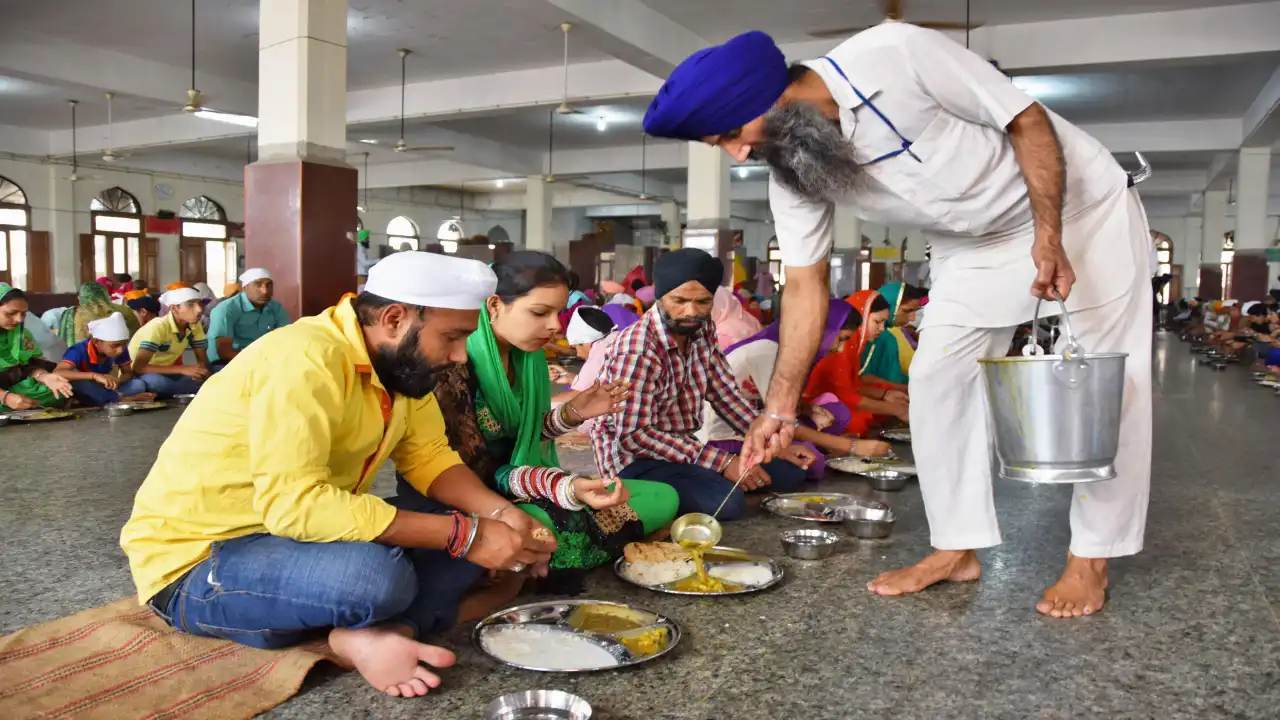
Langar is a free community meal served at Sikh gurdwaras. It stands for equality, service and sharing. The Golden Temple in Amritsar is probably the most famous place to have it. Volunteers chop vegetables, stir huge pots of dal, serve the visitors, and clean the dining halls once everyone leaves.
Some people bring groceries, some offer sewa, some just give their time. All of it keeps the kitchen going. Everyone is welcome. Rich, poor, local, from far away, nobody asks. You sit on the floor in a long line, and the food keeps coming. Every volunteer, doing a big job or a small one, helps keep the kitchen running.
Its main values are:
- Seva: Giving your time to serve others.
- Equality: Everyone is welcome to share a meal.
- Teamwork: Working together to cook and serve.
- Community care: Free meals for visitors, whether or not they can pay.
If you’re visiting, langar is an easy way to understand the community values behind Sikhism. Follow the gurdwara’s rules on dress, footwear and behaviour. Cover your head, take your shoes off, be respectful. That’s pretty much it.
Places in Punjab Where Food Is Loved the Most
There’s so much to eat in Punjab. Crispy stuffed kulchas, rich sweets, heavy winter meals. Every city has its own favourites, and its own local eateries that are worth a stop.
1. Amritsar – Amritsari Kulcha
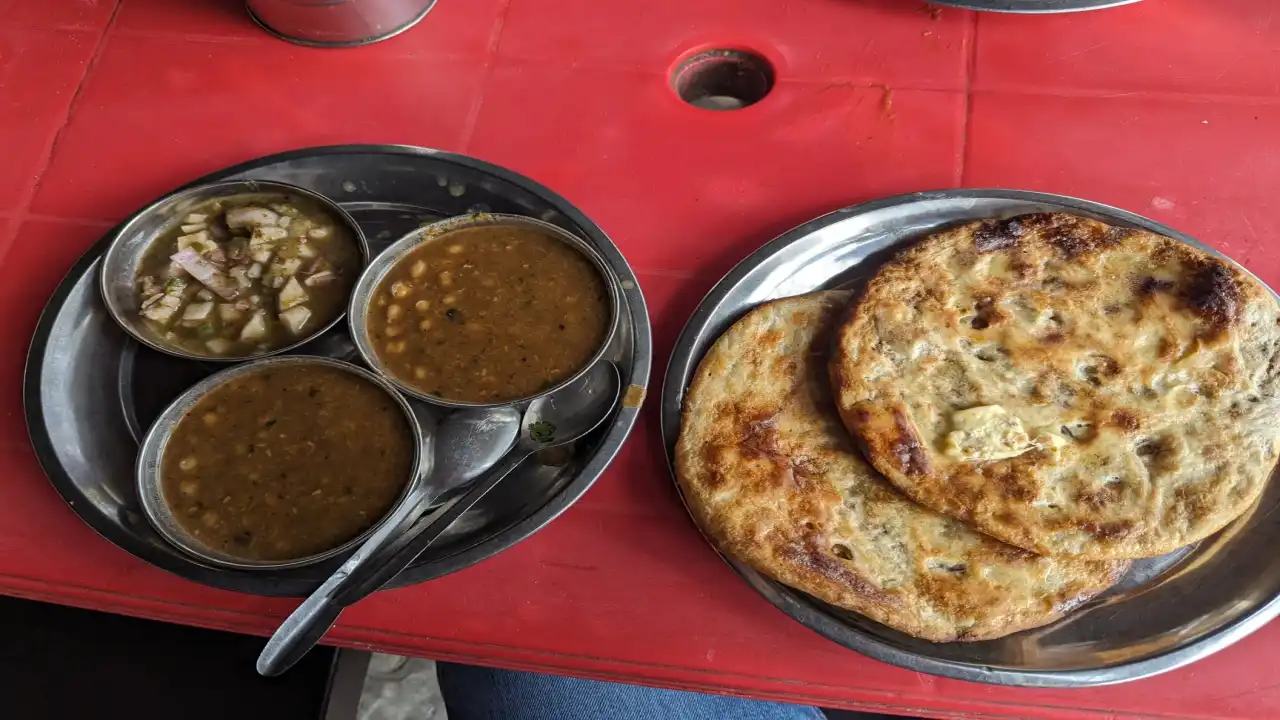
Amritsar is known for its crispy, stuffed Amritsari kulcha. It’s baked in a tandoor and served with chole, chutney and pickles, often with a bit of butter melting on top. Have a lassi with it, because the meal is filling. Walk around the old city and there are small eateries on every corner, so just pick one and sit down.
Do Read: Amritsar on a Plate: Must-Try Foods and Where to Find Them
2. Ludhiana – Tandoori Chicken
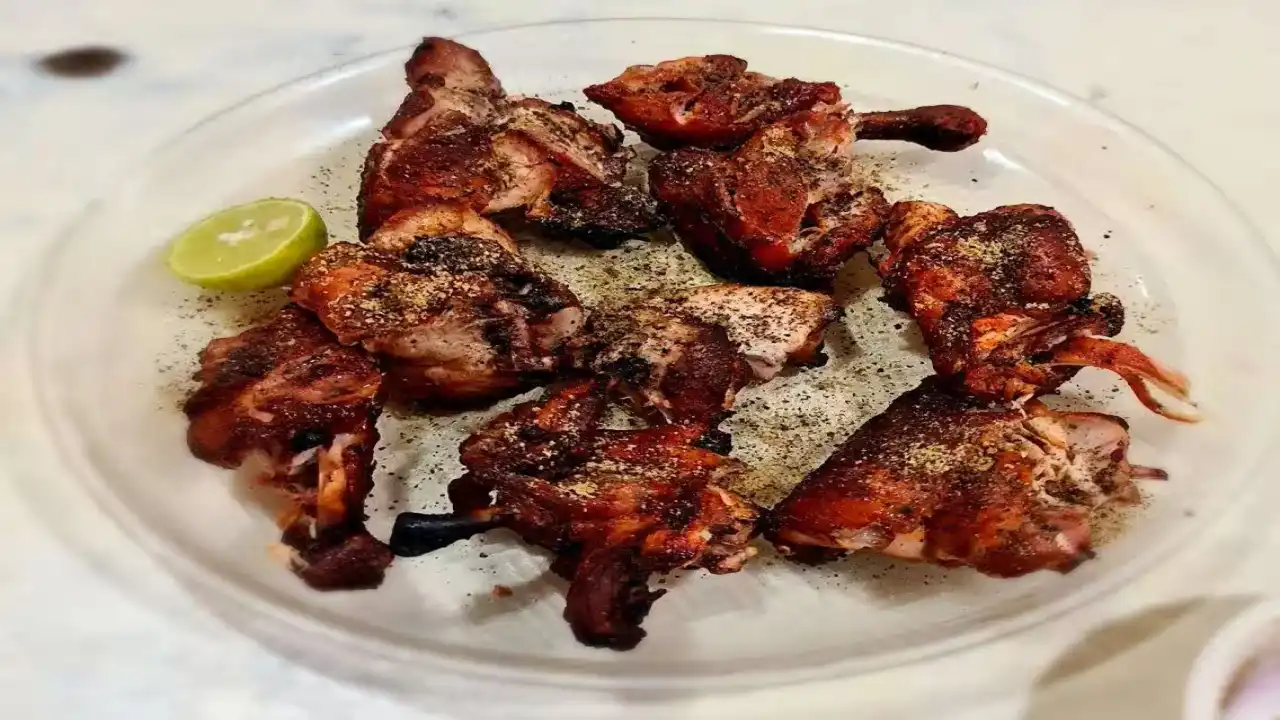
Ludhiana’s food scene is a bit of everything, but tandoori chicken is everywhere, in restaurants and dhabas both. The chicken is marinated, then cooked in a tandoor till it’s soft inside and a little charred at the edges. You’ll also spot other Punjabi non-vegetarian dishes at local places without trying too hard.
3. Patiala – Lassi
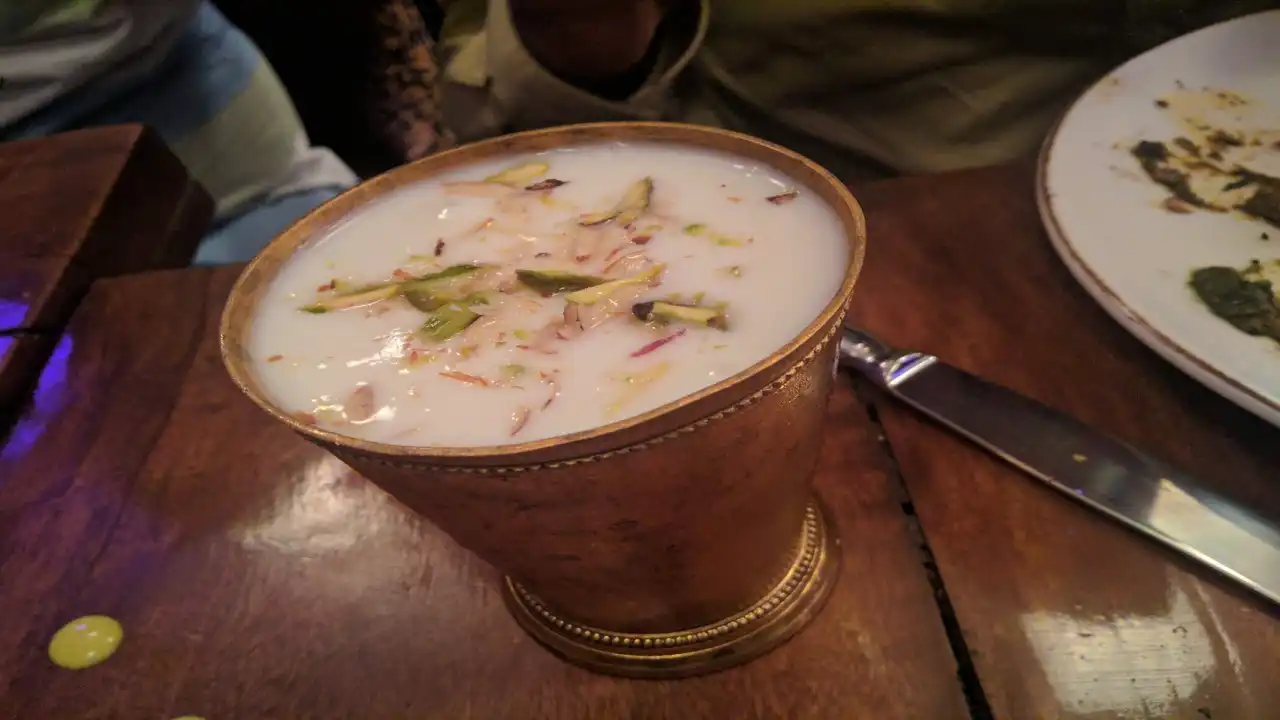
Patiala is great for rich Punjabi meals, and lassi is the usual favourite here. A cold glass of sweet lassi goes really well with spicy food, and in the hot months it’s a lifesaver. Check the local dairy shops and old eateries if you want it fresh.
4. Jalandhar – Pinni
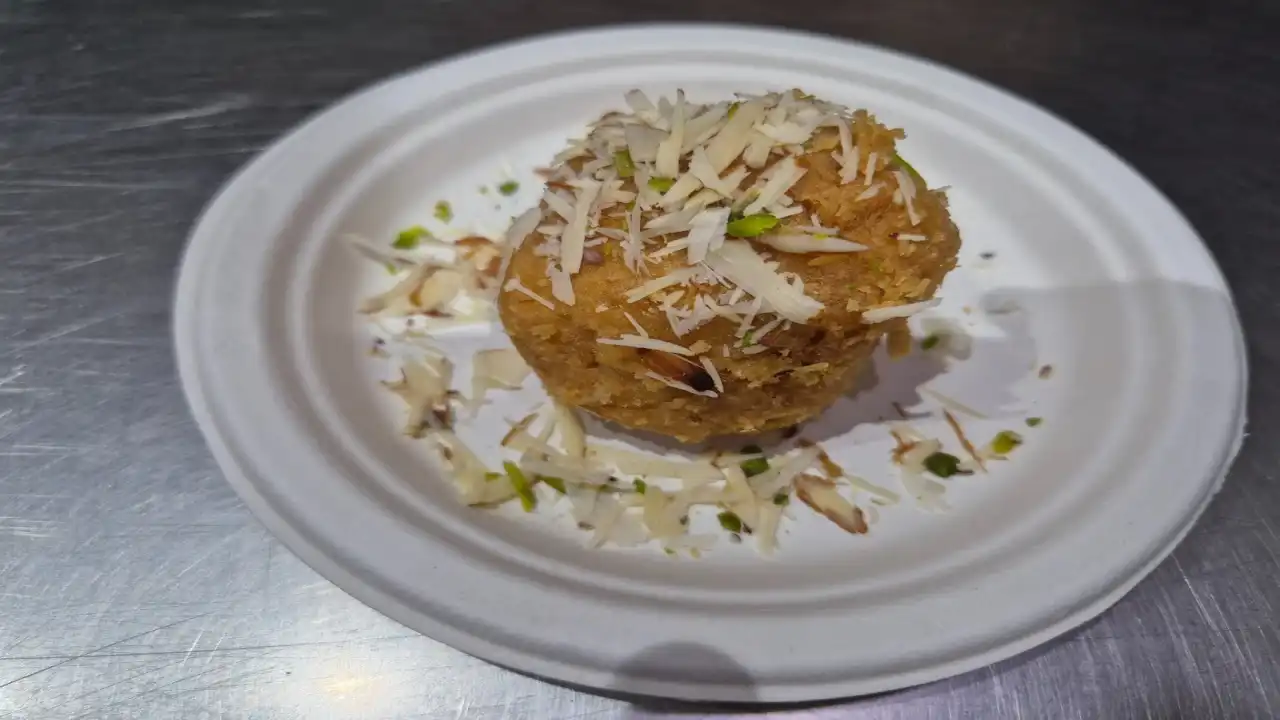
Jalandhar and the wider Doaba region have a strong tradition of Punjabi sweets. Pinni is one of them. It’s made with flour, ghee, sugar or jaggery and nuts, so yes, it’s heavy and rich. People eat it mostly in winter and at festivals. Local sweet shops are the best place to try it.
5. Bathinda – Sarson Da Saag and Makki Di Roti
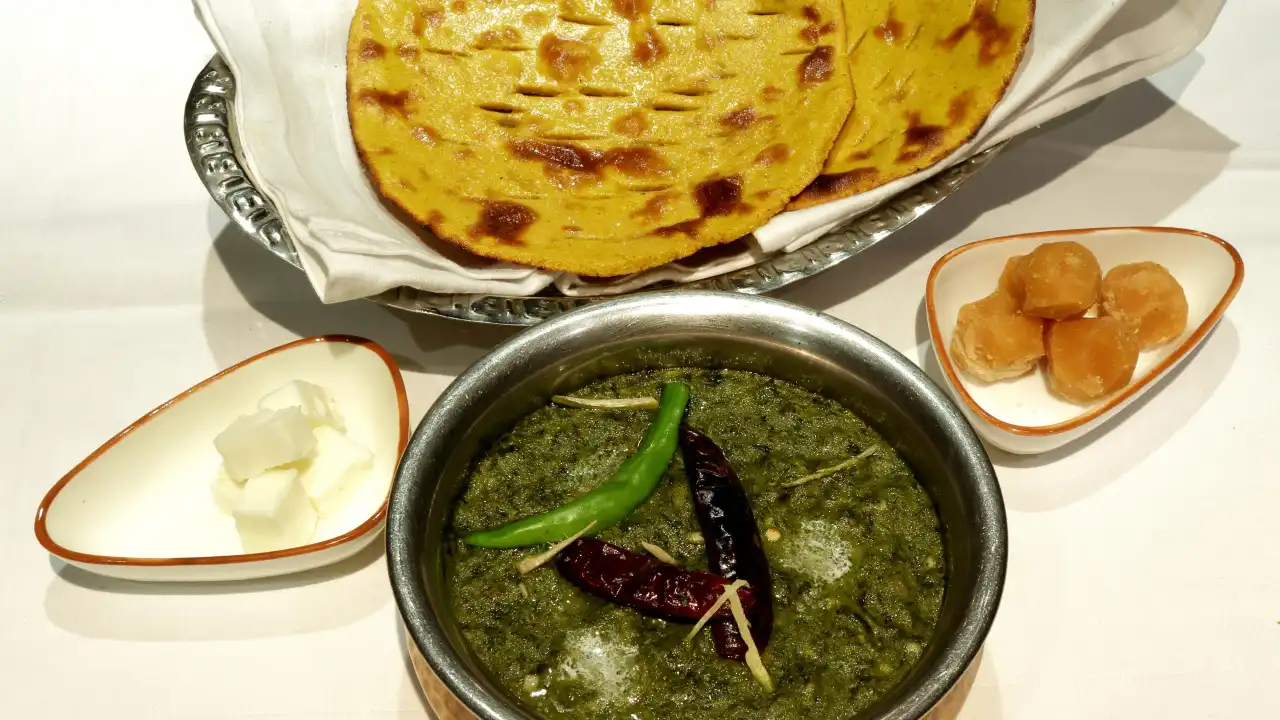
Bathinda is in Punjab’s Malwa region, and it’s a good place for hearty Punjabi meals. Sarson da saag and makki di roti are classic winter favourites, often served with butter or jaggery. This pair says a lot about Punjab’s farming roots and its seasonal cooking.
Traditional Dishes That Bring People Together
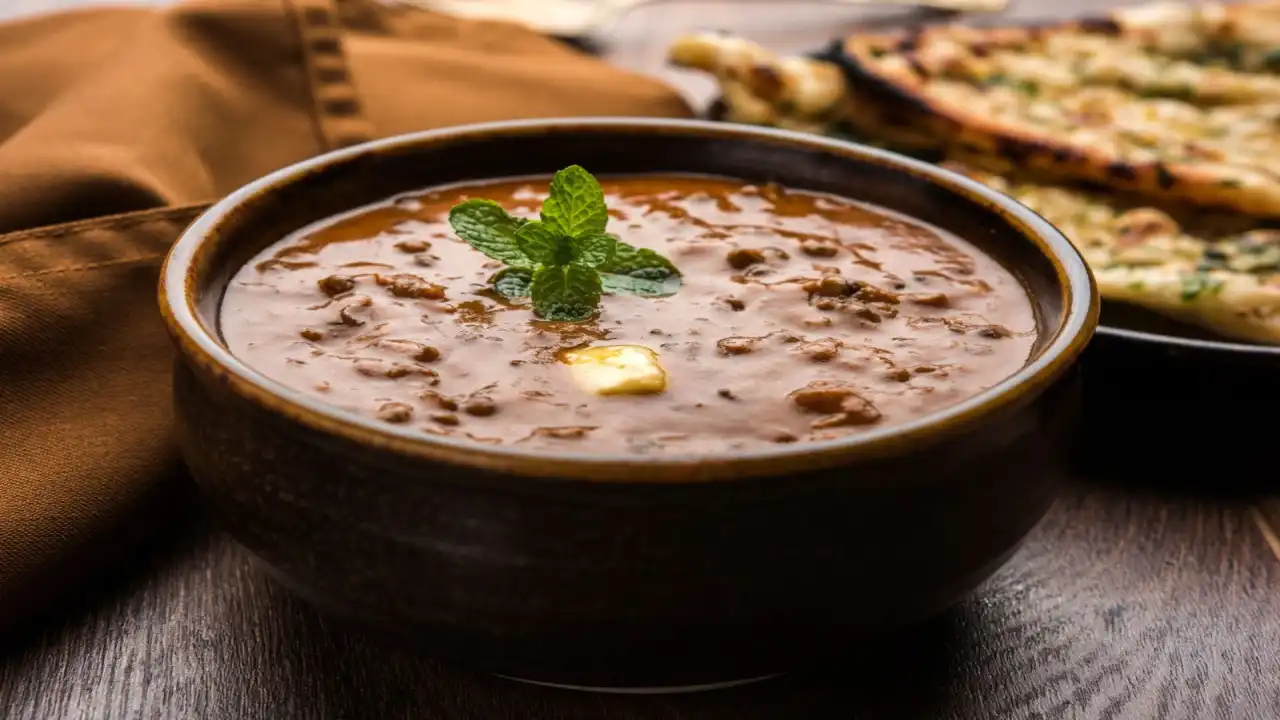
Many Punjabi dishes are tied to family meals and get-togethers. The ingredients are simple and familiar, nothing strange, but the flavours and styles change a lot from one dish to the next.
Some popular dishes are:
- Sarson da saag and makki di roti: A winter favourite made with mustard greens and maize flatbread, often served with butter.
- Amritsari kulcha: Stuffed flatbread, usually served with chole and chutney.
- Chole bhature: Spiced chickpeas with deep-fried bread, popular for breakfast and lunch.
- Dal makhani: A slow-cooked lentil dish, often served at family gatherings and restaurants.
- Parathas: Stuffed flatbreads, usually eaten with curd, butter or pickle.
- Lassi: A yoghurt-based drink, served sweet or salted.
These dishes are part of Traditional Punjabi Food, but they’re about more than taste. Families cook their favourites when relatives come over, or on weekends when everyone finally has free time to sit and eat together.
Recipes change from house to house, too. Some families like it rich. Others go easy on the spices. So the same dish can taste a little different in every home, and everyone swears theirs is the best one.
How Festivals and Weddings Bring People Together Through Food
Festivals and weddings are big moments for sharing meals in Punjab. The cooking is usually a group effort, so even the preparation becomes a community thing.
- Lohri: Families gather around the fire in winter with seasonal snacks of peanuts, popcorn, gajak and rewri.
- Baisakhi: Harvest celebrations and religious gatherings bring people together over food.
- Gurpurabs: Along with langar, volunteers serve during Gurpurab celebrations.
- Weddings: Impressive feasts are spread across breads, curries, snacks and sweets to unite families and friends.
These Punjabi Food Traditions help keep family recipes and customs alive. They also give people more chances to meet, celebrate and just hang out together. Feeding a big crowd takes teamwork, whether relatives jump in at home or caterers handle it.
Conclusion
Punjab’s bond with food comes from hospitality, farming, family ties and community service. Home-cooked meals, roadside dhabas, langar, festival feasts, they all say the same thing. Sharing food is how people connect here. It’s not just about the dishes. It’s about the people who cook them and share them. For travellers, exploring Punjab through its food is a chance to taste local flavours and understand the traditions and community spirit that make the state special.
Pro Tips for Exploring Punjab Through Food
Some planning will make your food adventure in Punjab both more enjoyable and fruitful. Consider these tips for making the most out of your experience:
- Avoid the seasonal food: Sarson da saag in winter comes with makki di roti and butter.
- Ask for local recommendations: Locals will often know of the best eateries and regional specialties.
- Get different dishes: This allows everyone to try a range of flavors.
- Never eat in unhygienic places: Always prefer a clean eatery to sit in, as well as freshly cooked food.
- Stick to langar rules: Visit a gurdwara and ask for guidance on following the rules of this system.
- Reduce food waste: Order and consume only what will satisfy you.
Thinking about food touring in multiple cities? A Domestic tour package from Travel Junky can help you make arrangements for transport, accommodation and sightseeing as well, leaving you free to concentrate on food.